

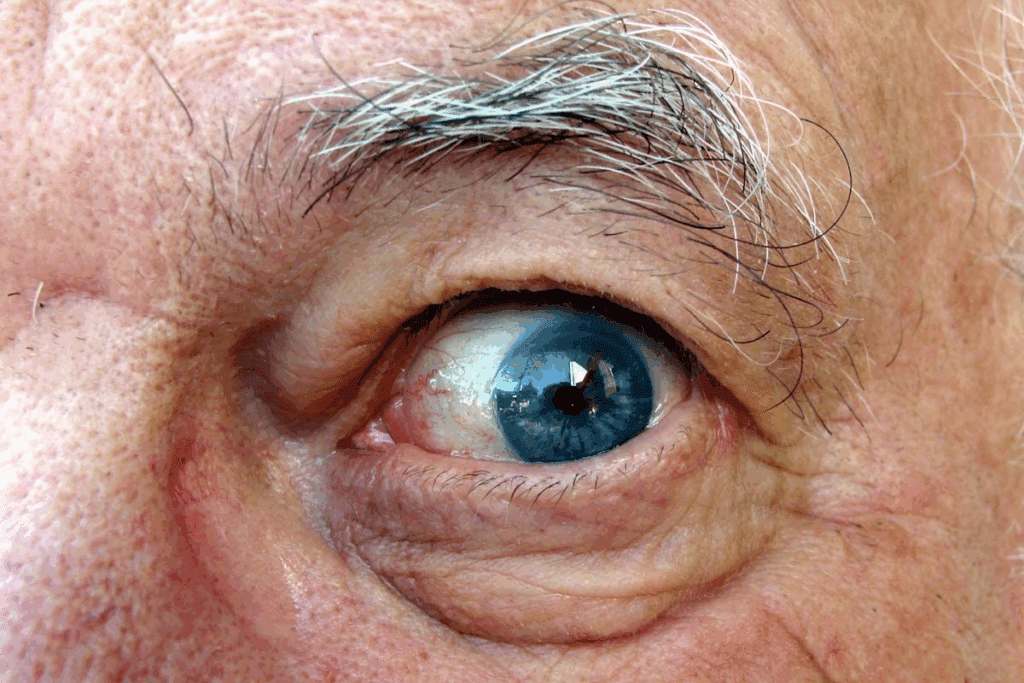
Do tired-looking baggy eyes make you appear older and more exhausted than you feel? Under-eye bags affect millions globally, significantly impacting self-confidence and appearance. Seven effective methods, including cosmetic surgery for baggy eyes, to achieve a refreshed look. Review cosmetic surgery for baggy eyes options.
At Liv Hospital, we understand that dermatochalasis and under-eye bags are common concerns. They can result from aging, genetics, lifestyle factors, or sleep deprivation. Our team combines cutting-edge expertise with a patient-centered philosophy to deliver exceptional results.
We recognize that puffy eyes can be a cosmetic concern. The natural decline in collagen and loss of skin elasticity contribute to this condition. Our approach is to provide effective treatments for baggy eyes, addressing the root causes and giving personalized solutions.
Key Takeaways
- Baggy eyes are a common concern that can result from aging, genetics, and lifestyle factors.
- The condition is characterized by under-eye bags and puffy eyes.
- Effective treatments are available to address the root causes of baggy eyes.
- Liv Hospital offers personalized solutions for individuals with under-eye bags.
- Our team combines cutting-edge expertise with a patient-centered approach.
Understanding Baggy Eyes: Causes and Symptoms

It’s important to know about dermatochalasis, or baggy eyes, to find the best treatments. Baggy eyes show as puffiness, swelling, and color changes under the eyes. These changes can really affect how you look and feel about yourself.
What Are Baggy Eyes (Dermatochalasis)?
Dermatochalasis happens when the skin and muscles around your eyes lose firmness. This makes your eyes look baggy. It can happen to anyone, at any age, due to aging, genetics, or lifestyle.
The term “dermatochalasis” comes from Greek words. “Dermata” means skin, and “chalasis” means relaxation. It’s a common issue that can be treated in many ways, from changing your lifestyle to surgery.
Common Symptoms and Appearance
The signs of baggy eyes can differ for everyone. But common ones include:
- Puffiness or swelling under the eyes
- Discoloration or dark circles
- A tired or aged look
- Sagging skin around the eyes
These signs can make you look tired or older than you are. Baggy eyes can be caused by fluid buildup, not enough sleep, or aging.
Difference Between Bags and Dark Circles
Under-eye bags and dark circles are not the same thing. Under-eye bags are about puffiness or swelling. Dark circles are about the color changes under the eyes. Dark circles can come from poor blood flow, allergies, or too much pigment.
Knowing the difference is key to picking the right treatment. Some treatments can fix both problems at once. Others might focus on one issue more than the other.
The Science Behind Under-Eye Bags

Understanding under-eye bags involves looking at skin elasticity, fat distribution, and fluid dynamics. These elements play a big role in how under-eye bags look. They are a common concern for many people.
Collagen Decline and Skin Elasticity
Collagen decline is a key factor in under-eye bags. Collagen is a protein that keeps skin elastic and firm. As we get older, our collagen levels drop. This makes our skin thinner and less able to hold up tissues, leading to under-eye bags.
Key changes include:
- Reduced collagen synthesis
- Increased collagen degradation
- Loss of skin elasticity
Keeping skin elastic is key to avoiding under-eye bags. Using treatments that boost collagen and making lifestyle changes can help.
Orbital Fat Prolapse
Orbital fat prolapse happens when orbital fat bulges forward. This is due to weakened tissues around the eye. It makes the under-eye area look puffy or baggy.
The process involves:
- Weakening of the orbital septum
- Prolapse of orbital fat
- Visible puffiness under the eyes
Understanding orbital fat prolapse is key to tackling under-eye bags. It’s a major reason they appear.
Fluid Retention Mechanisms
Fluid retention is another big factor in under-eye bags. The body holds onto fluid for many reasons like hormonal changes, diet, or health issues. This fluid buildup makes the under-eye area look swollen.
Factors influencing fluid retention include:
Factor | Description |
Hormonal Changes | Fluctuations in hormone levels can lead to fluid retention. |
Dietary Factors | High sodium intake can cause the body to retain water. |
Medical Conditions | Certain conditions like hypothyroidism can lead to fluid retention. |
Controlling fluid retention through lifestyle changes and medical help can lessen under-eye bags.
Risk Factors and Common Triggers
To tackle baggy eyes effectively, it’s essential to recognize the underlying causes and risk factors. Several elements can contribute to their development. Understanding these can help in choosing the most appropriate treatment.
Genetic Predisposition
Genetics play a significant role in the development of baggy eyes. If your parents had under-eye bags, you’re more likely to experience them as well. This is because genetic factors can influence skin elasticity and the structure of the area around the eyes.
Age-Related Changes
Aging is another critical factor that contributes to baggy eyes. As we age, the skin’s collagen and elastin production decreases. This leads to reduced skin elasticity. The membranes around the eye socket weaken, allowing fat to protrude, giving the appearance of baggy eyes.
Medical Conditions
Certain medical conditions can also contribute to the development of baggy eyes. These include thyroid disorders, allergies, and other conditions that may cause fluid retention or swelling around the eyes. It’s essential to address any underlying medical issues to alleviate symptoms.
Environmental Factors
Environmental factors, such as lifestyle choices and exposure to certain elements, can also play a role. For instance, smoking, lack of sleep, and excessive salt consumption can lead to fluid retention and puffiness. Protecting your skin from the sun and maintaining a healthy lifestyle can help mitigate some of these factors.
By understanding these risk factors and triggers, we can better approach the treatment of baggy eyes. Whether it’s through lifestyle changes, topical treatments, or more invasive procedures, knowing the cause is the first step towards an effective solution.
Method 1: Cold Therapy and Compression
Using cold therapy and compression is a simple way to reduce baggy eyes. Cold therapy tightens blood vessels and lessens swelling. Compression pushes excess fluid away from the under-eye area. Together, they offer a quick and effective way to reduce puffiness.
Ice Packs and Cold Spoons
Ice packs or cold spoons are a classic remedy for swelling. The cold tightens blood vessels, making under-eye bags less noticeable. To try it, place an ice pack or a chilled spoon on the area for a few minutes. Remember to wrap the ice pack in a cloth to avoid skin discomfort or frostbite.
Cucumber Slices and Tea Bags
Cucumber slices and cooled tea bags are great for baggy eyes. Cucumbers cool the skin and have antioxidants. Tea bags, chilled in cold water, also cool and may help with blood vessels. Chill cucumber slices or tea bags, then place them over your eyes for 10-15 minutes.
Cold Compression Masks
Cold compression masks combine cold therapy and compression. They’re cooled in the fridge and fit snugly over the eyes. They’re effective because they cool and compress at the same time. Some masks also have peptides or antioxidants for extra benefits.
Method | Benefits | How to Use |
Ice Packs/Cold Spoons | Reduces swelling, constricts blood vessels | Wrap ice pack in cloth or chill spoon, apply for a few minutes |
Cucumber Slices/Tea Bags | Cooling effect, antioxidants, caffeine | Chill, then apply over closed eyes for 10-15 minutes |
Cold Compression Masks | Combines cold therapy and compression, can be infused with rejuvenating ingredients | Refrigerate, then apply over eyes, follow product instructions |
Method 2: Topical Treatments and Eye Creams
Using the right eye creams and treatments can greatly reduce baggy eyes. These products tackle the main causes of under-eye bags. This includes collagen loss, fluid buildup, and skin that’s not as elastic.
Key Ingredients to Look For
When picking an eye cream, look for ingredients that work well. Some top ingredients include:
- Caffeine: Shrinks blood vessels and cuts down on puffiness.
- Peptides: Boosts collagen, making skin more elastic.
- Vitamin K: Fades dark circles and discoloration.
- Hyaluronic Acid: Hydrates deeply, making skin plump.
Application Techniques for Maximum Effectiveness
Using the right way to apply eye creams can really help. Gently pat a small amount around the orbital bone. Start from the inner corner and move outwards. This boosts blood flow and cuts down on fluid.
Prescription vs. Over-the-Counter Options
Prescription and over-the-counter (OTC) eye creams have their own perks. Prescription creams have stronger ingredients and target specific issues. OTC creams are easier to find and work for mild to moderate problems.
Feature | Prescription Eye Creams | Over-the-Counter Eye Creams |
Concentration of Active Ingredients | Higher | Lower |
Accessibility | Requires a doctor’s prescription | Easily available at pharmacies and online |
Cost | Generally more expensive | More affordable |
Method 3: Lifestyle and Diet Modifications
Making small changes in our daily life and diet can help with baggy eyes. A few simple steps can make a big difference in how our eyes look.
Hydration and Sodium Reduction
Drinking enough water is key for keeping our skin elastic and reducing puffiness. It helps remove toxins and keeps our skin moist. On the other hand, too much sodium can cause our body to hold onto water, making eyes look baggy. Lowering sodium in our diet can help reduce water retention and puffiness.
- Drink at least 8 glasses of water a day
- Limit sodium intake to less than 2,300 mg per day
- Avoid processed and high-sodium foods
Sleep Position and Quality
How we sleep affects our under-eye area. Sleeping on our side or stomach can cause fluid to build up, making eyes puffy. Switching to a back-sleeping position can help. Also, getting quality sleep is important for our skin’s health.
- Elevate your head using an extra pillow to reduce fluid accumulation
- Aim for 7-9 hours of sleep per night
- Establish a consistent sleep schedule
Anti-inflammatory Foods
Eating foods that fight inflammation can help our skin look better. Foods high in omega-3s, antioxidants, and vitamins are great choices.
- Fatty fish like salmon and sardines
- Leafy greens such as spinach and kale
- Nuts and seeds like almonds and chia seeds
Stress Management Techniques
Stress can make us tired, sleep poorly, and increase inflammation, all of which can make eyes look baggy. Finding ways to reduce stress can help.
- Practice meditation or yoga
- Engage in regular physical activity
- Try deep breathing exercises
By making these lifestyle and diet changes, we can actively work on reducing baggy eyes and improving our eye health.
Method 4: Cosmetic Surgery for Baggy Eyes
Looking for a lasting fix for baggy eyes? Cosmetic surgery might be the answer. Blepharoplasty, a type of surgery, is popular for refreshing the under-eye area.
Blepharoplasty (Lower Eyelid Lift)
Blepharoplasty, or eyelid lift, removes extra skin, fat, and muscle from the eyelids. It’s mainly used for the lower eyelid to reduce bags. This makes the area look smoother and younger.
The Procedure: The surgeon makes a small incision just below the lower lash line or inside the lower lid. They then remove or reposition the excess fat, tighten the muscle, and remove any extra skin. The aim is to achieve a smoother, more even look.
Candidacy and Consultation Process
Not everyone is right for blepharoplasty. The choice to have surgery depends on health, the severity of baggy eyes, and personal goals. A skilled plastic surgeon will check your condition, talk about your goals, and explain what you can expect.
Key considerations during the consultation include:
- Medical history and current health status
- The extent of the under-eye bags
- Skin elasticity and tone
- Previous surgeries or treatments in the area
Recovery Timeline
Recovery from blepharoplasty takes a few weeks. At first, you might see swelling, bruising, and discomfort. These symptoms lessen over time, and most people can go back to normal activities in 7-10 days. It can take several weeks to a few months for full recovery.
Costs and Insurance Considerations
The cost of blepharoplasty varies. It depends on the surgeon’s experience, location, and the procedure’s complexity. Costs usually range from $2,000 to $5,000. Keep in mind that insurance usually doesn’t cover cosmetic procedures unless they’re medically necessary.
Insurance considerations may include:
- Functional impairment (e.g., vision obstruction due to excess skin)
- Medical necessity as determined by a healthcare professional
- Pre-approval requirements
Method 5: Non-Surgical Cosmetic Procedures
Non-surgical cosmetic procedures can help reduce the look of baggy eyes. They are great for those who don’t want surgery’s risks and downtime.
Dermal Fillers and Their Benefits
Dermal fillers are a top choice for baggy eyes. They add volume to the tear trough area, making dark circles and hollows less noticeable. They offer quick results, little downtime, and can be customized for each person.
The most used fillers are hyaluronic acid-based, like Restylane or Belotero. They are safe and work well.
Laser Treatments and Radiofrequency
Laser treatments and radiofrequency (RF) are non-surgical ways to improve baggy eyes. They boost collagen, tighten skin, and enhance texture.
Laser treatments target specific issues like pigmentation or lax skin. RF heats the skin deep, encouraging collagen and tightening.
Chemical Peels and Microdermabrasion
Chemical peels and microdermabrasion are gentle exfoliants for the under-eye area. They remove top skin layers, reducing lines, wrinkles, and discoloration.
- Chemical peels use a solution to remove top skin layers.
- Microdermabrasion uses fine crystals to remove dead skin cells.
Platelet-Rich Plasma (PRP) Therapy
PRP therapy uses your own blood’s platelet-rich plasma to boost collagen and improve skin. It’s becoming popular for its natural, autologous approach.
PRP therapy can make skin more elastic, reduce fine lines, and look younger. It’s a natural way to rejuvenate the under-eye area.
Method 6: Natural Remedies and DIY Solutions
Looking for ways to reduce under-eye puffiness without surgery? Natural remedies and DIY solutions are great options. They’re affordable and use ingredients you likely have at home.
Effective Home Treatments
Home treatments can help make your eyes look less puffy. One method is using a cold compress. Cold temperatures help constrict blood vessels, which reduces swelling. You can use a chilled spoon, a cold washcloth, or even a bag of frozen peas wrapped in a cloth.
Cucumber slices are another good remedy. They have anti-inflammatory properties and cool the under-eye area. Cooled tea bags, like those with caffeine, work in a similar way.
Essential Oils and Natural Ingredients
Some essential oils and natural ingredients can help with puffiness. Chamomile oil has anti-inflammatory properties that soothe the skin. Almond oil and coconut oil moisturize and improve skin elasticity.
Aloe vera gel and vitamin E oil are also good. Aloe vera cools and reduces inflammation. Vitamin E oil repairs skin damage with its antioxidants.
Morning Routine to Reduce Puffiness
Start your day with a routine to fight puffiness. Begin by washing your face with a mild cleanser. Then, apply a cold compress or cucumber slices to your eyes for a few minutes.
Pat the under-eye area dry and apply a small amount of eye cream or a natural ingredient like aloe vera gel or almond oil. Massaging the area gently improves circulation and reduces fluid retention.
By adding these natural remedies and DIY solutions to your morning, you can reduce puffiness. This will help you look refreshed and youthful.
Method 7: Makeup Techniques to Conceal Baggy Eyes
The right makeup can hide baggy eyes well. It’s a great way to look better by covering up imperfections. With the right methods and products, you can look more awake and young.
Color Correction Principles
Color correction is key to hiding baggy eyes. It uses colors opposite each other on the color wheel to cancel out unwanted shades. For dark or purple under-eye bags, a yellow or orange color corrector works best.
- Yellow Color Correctors: Effective for neutralizing purple or dark circles.
- Orange or Peach Color Correctors: Useful for countering darker skin tones or more pronounced discoloration.
Application Techniques
How you apply makeup is as important as what you use. When covering baggy eyes, use a light patting motion. Avoid rubbing, as it can hurt the sensitive skin.
- Apply a small amount of color corrector under the eyes.
- Gently pat the corrector into the skin until it’s fully absorbed.
- Follow with a concealer that matches your skin tone.
- Set the concealer with a translucent powder to ensure longevity.
Long-lasting Products and Formulations
Choosing long-lasting products is essential for keeping the concealment all day. Look for products that say “long-wearing” or “24-hour wear.”
- Long-lasting Concealers: Formulated to stay in place without creasing or fading.
- Primer: Applying a primer before concealer can enhance its durability.
By using the right makeup techniques and products, you can hide baggy eyes. This will help you look more refreshed and awake.
Conclusion: Creating Your Personalized Approach to Treating Baggy Eyes
Treating baggy eyes well needs a personalized approach. We must understand the causes and consider our own needs. This way, we can create a plan that works just for us.
This article has shown seven ways to treating baggy eyes. We’ve looked at cold therapy, topical treatments, and even surgery. The best plan often mixes these methods.
When making your plan, think about your life, health, and what you like. If you don’t want surgery, start with creams or natural remedies. But if you want something more lasting, think about surgery or non-surgical options.
The secret to success is being patient and willing to change your plan if needed. With the help of a doctor and sticking to your plan, you can look younger and feel refreshed. In conclusion, fixing baggy eyes is a journey that needs careful thought and a mix of methods.
FAQ
What causes puffy under eyes?
Puffy under eyes can come from many things. Fluid retention, not enough sleep, allergies, and aging are common causes. These factors can weaken the tissues and muscles around the eyes.
How can I get rid of puffy under eyes permanently?
To get rid of puffy under eyes for good, try making healthy lifestyle changes. Eat well, drink plenty of water, and sleep enough. You might also want to look into medical treatments like blepharoplasty or non-surgical options.
What is the best treatment for puffy eyelids?
The best treatment for puffy eyelids varies based on the cause. Cold compresses, topical creams, and lifestyle changes often work. For severe cases, dermal fillers or surgery might be needed.
How do I prevent puffy eyes in the morning?
To avoid puffy eyes in the morning, sleep with your head raised. Cut down on salt and drink lots of water. Also, use a cold compress or eye cream before bed.
Does ice help reduce puffy eyes?
Yes, ice can help by shrinking blood vessels and cutting down on fluid. It’s a simple and effective way to reduce puffiness.
What are some natural remedies for puffy eye bags?
Natural remedies include cucumber slices, tea bags, or cold compresses. Adding anti-inflammatory foods and herbs to your diet can also help.
Can makeup help conceal baggy eyes?
Yes, makeup can hide baggy eyes. Use color correction, concealer, and powder to smooth out the area and even out your tone.
What is the difference between bags and dark circles under the eyes?
Bags are puffiness or swelling, while dark circles are discolorations. They can be caused by genetics, allergies, or poor circulation.
Are there any non-surgical procedures for treating under-eye bags?
Yes, non-surgical options like dermal fillers, laser treatments, and chemical peels can reduce under-eye bags.
How can I reduce swelling in my eyes?
To reduce eye swelling, use a cold compress, elevate your head, and drink plenty of water. Avoid allergens and reduce salt intake too.
What is the role of hydration in reducing puffy eyes?
Hydration is key in reducing puffy eyes. It helps flush out toxins and reduce fluid retention. It’s a vital part of any anti-puffiness routine.
References
https://www.healthline.com/health/beauty-skin-care/how-to-get-rid-of-bags-under-eyes
























