


Recent studies show that leukemia is a big health problem worldwide. In 2021, there were 58,785 new cases reported globally. It’s a major issue, even more so in poorer countries. Knowing the facts and how to prevent it is key.

At LivHospital, we are dedicated to top-notch healthcare. We support patients from all over. The National Cancer Institute says treatment for leukemia has gotten much better. This has led to more kids surviving the disease. We’ll look at ways to lower the risk of leukemia in kids.
Key Takeaways
- Understanding the global incidence of leukemia in children is important for prevention.
- Advancements in medical treatment have improved survival rates for pediatric leukemia.
- Preventive measures and awareness can help reduce the risk of childhood leukemia.
- LivHospital provides full support for international patients seeking treatment.
- Staying up-to-date with the latest research and medical breakthroughs is essential.
Understanding Childhood Leukemia: Facts and Figures
It’s important for parents and doctors to know about childhood leukemia. This cancer affects the blood and bone marrow in kids. We’ll look at the key points to understand its effects.
What is Leukemia in Children?
Leukemia in kids means their body makes bad white blood cells. These cells are key to fighting off infections. Acute lymphoblastic leukemia (ALL) is the most common type. It affects more boys than girls, and is more common in poorer countries.
Recent numbers show a 59% increase in global ALL cases from 1990 to 2021. In 2021, there were 168,879 cases. This shows how serious childhood leukemia is becoming.
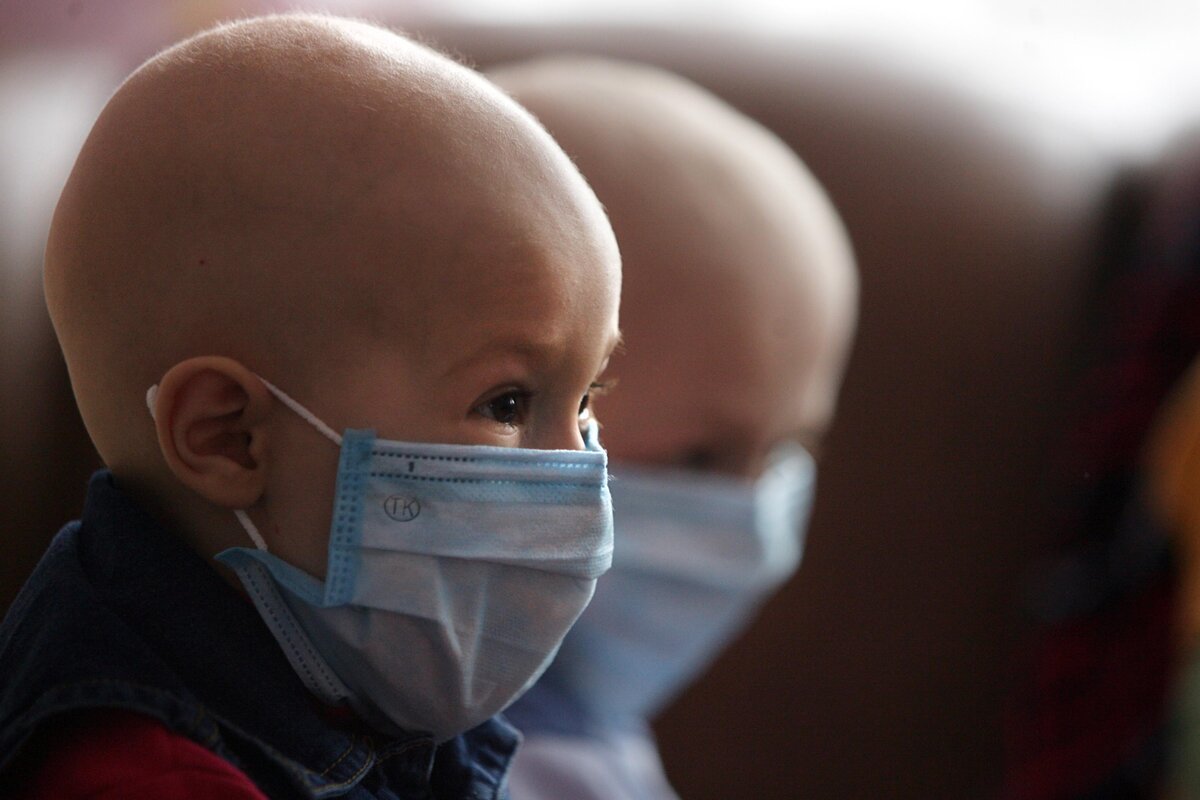
Types of Pediatric Leukemia
There are a few types of leukemia in kids:
- Acute Lymphoblastic Leukemia (ALL): This is the most common. It’s when the body makes too many immature white blood cells.
- Acute Myeloid Leukemia (AML): This is less common but very aggressive. It affects the myeloid cells.
Knowing the different types of leukemia helps doctors create better treatment plans. This can improve the chances of kids beating this disease.
Global Statistics on Childhood Leukemia
It’s important to know the global stats on childhood leukemia to fight it better. This disease is a big worry worldwide, hitting kids in many places.
Current Incidence Rates: 58,785 New Cases Worldwide
Childhood leukemia is found in about 2.92 per 100,000 people, leading to 58,785 new cases globally. This shows we need to keep studying how to stop it.
The International Agency for Research on Cancer says rates change a lot by region. This makes knowing these numbers very important.
Gender Differences and Geographic Patterns
Studies show boys might get childhood leukemia a bit more than girls. Also, some places have more cases than others.
These findings mean we should focus on prevention and learn more about why these differences happen.
Common Risk Factors for Childhood Leukemia
Leukemia in children is linked to several risk factors. These can be genetic, environmental, or prenatal. Knowing these factors helps us prevent leukemia in kids.
Genetic and Inherited Factors
Genetics plays a big role in childhood leukemia. Kids with Down syndrome are at higher risk. Rarely, inherited genes can also lead to leukemia.
Environmental Exposures and Toxins
Some environmental toxins increase leukemia risk in kids. Key ones include:
- Pesticides: Pesticide exposure at home or work raises the risk.
- Tobacco Smoke: Secondhand smoke, even before birth, is a risk.
- Industrial Chemicals: Benzene and other chemicals are linked to leukemia in children.

Prenatal and Early Life Factors
Prenatal and early life factors also raise leukemia risk. Maternal infections, high birth weight, and some prenatal tests are risks.
Knowing these risks helps us reduce exposure. This could lower childhood leukemia rates.
Reducing Exposure to Known Carcinogens
It’s important to cut down on known carcinogens to prevent childhood leukemia. The International Agency for Research on Cancer says things like tobacco smoke and benzene raise leukemia risk in kids. By tackling these risks, we can lower the disease rate.
Eliminating Secondhand Tobacco Smoke
Secondhand smoke is a big health risk, including leukemia. We need to keep kids away from tobacco smoke at home, in cars, and in public. Making places smoke-free is key to keeping kids healthy.
Minimizing Benzene and Industrial Chemical Contact
Benzene and other industrial chemicals are harmful. We should keep kids away from them by avoiding polluted areas and chemical homes. For more on benzene risks, check out this study.
Radiation Protection Strategies
Ionizing radiation is also a risk. We must limit medical radiation and follow safety rules. Being careful about radiation helps protect kids from its dangers.
“The key to preventing childhood leukemia lies in our ability to minimize exposure to known carcinogens.” By reducing these risks, we can make a safer world for kids and fight this serious disease.
Nutrition Strategies to Help Prevent Childhood Leukemia
Nutrition is key in fighting pediatric leukemia. A healthy diet can be a child’s shield. Eating lots of fruits, veggies, and whole grains boosts the immune system. This can lower the risk of childhood leukemia.
Immune-Supporting Foods for Children
It’s important to feed kids foods that boost their immune system. Berries and leafy greens are full of antioxidants. They protect cells. Salmon, rich in omega-3s, is also good for their health.
Essential Vitamins and Minerals for Protection
Some vitamins and minerals are vital in fighting leukemia. Vitamin C in citrus fruits and bell peppers helps the immune system. Calcium and vitamin D, important for bones, also help prevent leukemia.
Balanced Diet Guidelines for Kids
Kids need a diet full of variety. We suggest eating whole grains, lean proteins, and lots of fruits and veggies. Avoiding processed foods and sugary drinks is also key to their health.
Creating Healthy and Hygienic Living Environments
We can lower the risk of childhood leukemia by keeping our homes clean and hygienic. A healthy home is key to kids’ well-being. It helps prevent diseases like leukemia.
Maintaining Clean Living Spaces
Keeping our homes clean is important to avoid harmful substances. This means cleaning often, focusing on areas where kids play. Also, make sure homes have good air flow.
The World Health Organization says clean homes can lower leukemia risk in kids. Simple steps like dusting and vacuuming help a lot. Using safe cleaning products also reduces chemical exposure.
Infection Prevention Practices
Preventing infections is also key to a healthy home. Washing hands often, throwing away trash riproperlyand staying away from sick people are important. These steps help avoid infections that might lead to leukemia.
For more info on environmental dangers to kids, like leukemia, check out reports. The Canadian Environmental Law Association has a detailed report. It offers insights into how the environment affects kids’ health.
Early Warning Signs: When to Consult a Doctor
It’s important to know the early signs of leukemia in kids. Leukemia is a cancer that affects the blood and bone marrow. It can show up in different ways in children. Knowing the common symptoms helps parents get medical help early.
Recognizing Symptoms of Leukemia in Kids
Leukemia symptoms in kids can be tricky to spot. They can be similar to other health issues. Common signs include:
- Persistent fatigue or weakness
- Pale skin due to anemia
- Recurring infections
- Easy bruising or bleeding
- Bone or joint pain
The American Cancer Society says it’s key to spot these symptoms early. Early detection can greatly improve treatment outcomes for kids with leukemia.
Importance of Timely Medical Evaluation
Seeing a doctor quickly is vital if symptoms don’t go away or get worse. If you notice any of these signs, see a healthcare provider. They can run tests to find out what’s causing the symptoms.
Quick diagnosis and treatment are key to managing pediatric leukemia. As the
“The earlier leukemia is diagnosed, the better the chances for successful treatment.”
emphasizes the need for vigilance and fast action.
As a parent, it’s normal to worry about your child’s health. Knowing the early signs of leukemia helps you act fast. This ensures your child gets the care they need.
Conclusion: Advances in Treatment Offer Hope
Childhood leukemia is a big health worry, but new ways to diagnose and treat it have made a big difference. At LivHospital, we use the latest medical knowledge and team up with experts to give top-notch care. We also support patients from around the world.
It’s key to know what can cause leukemia in kids, like genes and the environment. By avoiding harmful substances, eating right, and living healthily, we can help prevent it.
Spotting symptoms early and getting medical help fast is critical. We stress the need for prevention and tell parents to see a doctor if they notice anything unusual. Thanks to new treatments, we’re hopeful for better results in fighting childhood leukemia.
FAQ
What are the common symptoms of leukemia in children?
Symptoms of leukemia in kids include feeling very tired, looking pale, and getting sick often. They might also bruise easily and have bone pain. If you see these signs, get your child to see a doctor right away.
How can I reduce the risk of childhood leukemia?
There’s no sure way to stop leukemia in kids, but you can lower the risk. Stay away from harmful chemicals, eat healthy, and keep your home clean. These steps can help a lot.
What are the risk factors for childhood leukemia?
Leukemia in kids can be linked to genes, the environment, and early life events. Knowing these factors can help you protect your child.
How can I protect my child from secondhand tobacco smoke?
Keep your child away from smoke, including during pregnancy and when they’re very young. This is the best way to shield them.
What are some immune-supporting foods for children?
Foods like fruits, veggies, whole grains, and lean proteins boost a child’s immune system. A balanced diet with lots of vitamins and minerals is key.
How can I maintain a clean and hygienic living environment?
Keep your home clean by washing surfaces and hands often. Also, avoid chemicals and toxins. This helps keep your child safe.
What is the importance of a timely medical evaluation for childhood leukemia?
Getting a quick medical check is vital for catching leukemia early. If you think something’s off, see a doctor fast. This can make a big difference.
Are there any specific vitamins and minerals that can help prevent childhood leukemia?
Yes, vitamins like C and D, and iron, are good for the immune system. They might help lower the risk of leukemia in kids.
Can a balanced diet help prevent childhood leukemia?
Absolutely, eating well is important. A diet full of nutrients can help keep your child’s immune system strong and lower leukemia risk.
How can I minimize my child’s exposure to benzene and industrial chemicals?
To avoid benzene and chemicals, don’t live near factories. Use safe cleaners at home and always follow safety rules when using chemicals. This keeps your child safe.
References
- U.S. National Library of Medicine. (2021). Genetic Predisposition to Childhood Acute Lymphoblastic Leukemia. Current Opinion in Pediatrics, 33(1), 104-110.


