


Incomplete bladder emptying is a big worry for many men, especially as they get older. We’re here to help by offering detailed advice and support.
Benign prostatic hyperplasia (BPH) is a main reason, hitting up to 33% of men by age 80. It blocks the bladder outlet. Other causes include nerve problems and some medicines.
At livhospital.com, we want to make this condition clear. We explain how BPH and other factors play a part. This helps men find the right care.
Key Takeaways
- Incomplete bladder emptying is a big issue for aging men.
- BPH is a main cause, hitting up to 33% of men by age 80.
- Neurological conditions and some medicines also play a part.
- Knowing the causes is key to getting the right care.
- We offer detailed guidance and support for those affected.
Understanding Urinary Retention in Men
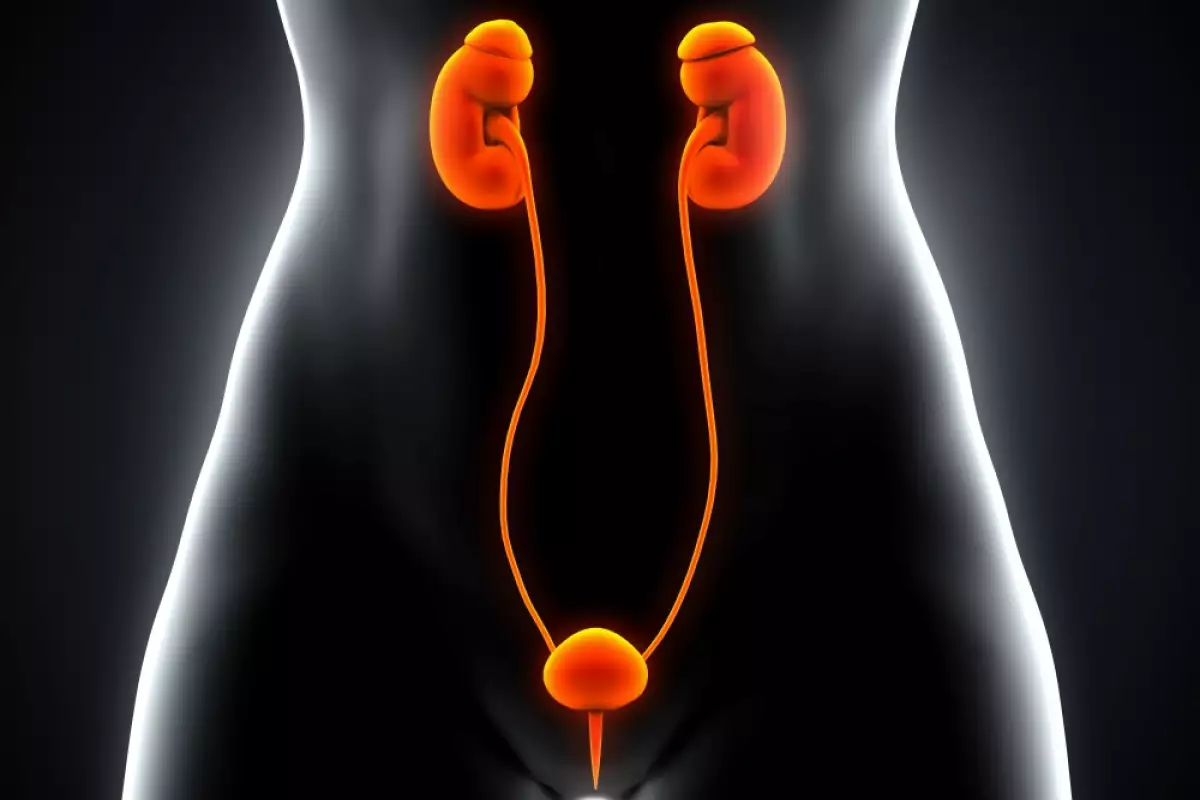
The inability to fully empty the bladder is called urinary retention. It’s a big health problem for men. It can cause discomfort, pain, and serious issues if not treated.
Urinary retention is a big worry for men. It can really affect their life quality. Knowing what causes it is key to fixing it.
Definition and Prevalence
Urinary retention means you can’t fully empty your bladder. The ICD-10 classifies it in different ways, showing it’s a serious issue.
It can happen suddenly or over time. Sudden urinary retention needs quick medical help. Long-term urinary retention can cause more problems.
More men over 40 face urinary retention. It gets more common with age, affecting many older men.
Normal Bladder Function vs. Retention
Normally, the bladder muscle helps you urinate fully. But with urinary retention, this doesn’t work right. You can’t empty your bladder fully.
The retain meaning in bladder function is when you can’t get rid of urine. This can happen for many reasons, like blockages or weak muscles.
Knowing how bladder function differs from urinary retention is important. We’ll look into these differences to understand urinary retention better.
- Normal bladder function involves coordinated muscle contractions and relaxations.
- Urinary retention occurs when this coordination is disrupted.
- Factors contributing to urinary retention include obstruction, neurological issues, and muscle weakness.
Benign Prostatic Hyperplasia (BPH)
Benign Prostatic Hyperplasia (BPH) is a big health issue for men as they get older. It’s when the prostate gland grows too big. This can block the urethra and make it hard to pee, leading to other problems.
How BPH Causes Bladder Outlet Obstruction
The prostate gland is around the urethra. When it gets bigger because of BPH, it can squeeze the urethra. This makes it hard to start peeing, pee weakly, and feel like you didn’t empty your bladder fully. It’s like having female trouble because it’s so uncomfortable.
As the prostate gets bigger, it puts more pressure on the urethra. This can make peeing even harder. It can really mess up a man’s life, causing a lot of discomfort and worry about peeing.
Age-Related Risk Factors
The chance of getting BPH goes up as you get older. By 60, many men start to notice BPH symptoms. And it gets even more common as you get older.
As men get older, their hormones change. This can make the prostate grow. Knowing this helps doctors catch BPH early and treat it.
Progressive Nature of Prostate Enlargement
BPH gets worse over time if not treated. The prostate keeps growing and squeezing the urethra. This can lead to serious problems like infections or stones in the bladder (cystolitholapaxy might be needed).
It’s important to watch how BPH symptoms change. If you’re having trouble peeing, see your doctor. They can help find the best way to treat it and prevent bigger problems.
Neurological Conditions That Impair Bladder Function
Several neurological conditions can affect the bladder’s ability to empty. These conditions can lead to urinary retention. We will look at how different neurological disorders impact the bladder.
Spinal Cord Injuries and Disorders
Spinal cord injuries and disorders can harm the nerves that control the bladder. This can cause urinary retention. The impact depends on the injury’s level and completeness.
Effects on Bladder Function: Damage to the nerves can stop the bladder muscle from contracting properly. This leads to incomplete emptying of the bladder.
Diabetic Neuropathy Effect
s on Bladder
Diabetic neuropathy can damage the nerves that control the bladder. This can cause problems with bladder emptying. It’s a common diabetes complication that affects quality of life.
Diabetic neuropathy’s effect on the bladder: Damage to the autonomic nerves can disrupt bladder function. This can cause urinary retention and post void dribbling.
Cauda Equina Syndrome
Cauda equina syndrome is caused by nerve compression in the lower spine. It can lead to bladder dysfunction. Quick medical attention is key to prevent lasting damage.
This condition can cause urinary retention due to nerve compression. We stress the need for early diagnosis and treatment to lessen its effects.
Lumbar Disc Prolapse and Voiding Dysfunction
Lumbar disc prolapse can cause voiding dysfunction in many patients. The compression or irritation of nerves can affect bladder control. This can lead tourinary retention.
Impact on Voiding: The prolapse can compress nerves that control bladder function. This can make urination difficult. It may lead to the need for a female catheter or other interventions.
Understanding these neurological conditions is key to proper care. We aim to provide comprehensive support to our patients, addressing their unique needs.

Common Causes of Urinary Retention Beyond the Prostate
Many things can cause urinary retention besides a big prostate. At our place, we make sure to find out why someone can’t pee. Knowing what causes it helps us treat it better.
Urethral Strictures and Obstructions
Urethral strictures make it hard to pee because they narrow the urethra. They can happen from injury, infections, or other reasons. Other obstructions, like tumors, can also block urine flow.
To find these problems, we use tests, pictures, and sometimes a special camera. Fixing strictures might mean widening the area or surgery. Our goal is to help you pee normally again.
Infections and Inflammatory Conditions
Urinary tract infections and inflammation can also stop you from peeing. For example, prostatitis can swell and hurt, making it hard to pee. Infections or inflammation in other parts can also block or hurt when you pee.
We start by finding out what’s causing the problem with tests and pictures. Then, we treat it with medicine or other care to help you feel better and pee again.
It’s key to know all the reasons why someone might have trouble peeing. By finding and fixing the real cause, we can make a plan that works for them. This helps them feel better and live better.
Medication-Induced Bladder Emptying Problems
Certain medications can affect bladder function, leading to urinary retention. Medications with anticholinergic effects, like some antidepressants and antihistamines, can weaken bladder muscle contraction.
These drugs can make it hard for the bladder to empty properly. As healthcare providers, we aim to find the right balance. We want to make sure patients know how these drugs might affect their bladder.
It’s important to understand the risks of these medications. Knowing about anticholinergic effects helps patients and doctors work together. This way, they can find better ways to treat problems without harming bladder function.
FAQ
What is urinary retention?
Urinary retention means you can’t fully empty your bladder. It can be short-term or long-term. It’s more common in older men.
What are the common causes of incomplete bladder emptying in men?
Causes include BPH, nerve damage from injuries or diabetes, and urethral problems. Also, some medicines can cause it.
How does BPH cause bladder outlet obstruction?
BPH makes the prostate gland grow too big. This can block the urethra, stopping urine flow and causing retention.
What is the prevalence of BPH among older men?
By age 80, up to 33% of men have BPH. It’s a big reason for bladder problems.
Can neurological conditions impair bladder function?
Yes, injuries to the spine, diabetes, and other nerve issues can harm bladder control. This leads to retention.
How do urethral strictures and obstructions contribute to urinary retention?
These issues can block urine flow. This causes retention.
Can certain medications cause bladder emptying problems?
Yes, some medicines, like antidepressants and antihistamines, can slow bladder muscle. This leads to retention.
What is post-void residual urine?
It’s the urine left in the bladder after you pee. A lot of it means you might have retention.
How is urinary retention diagnosed?
Doctors use your medical history, a physical check, and tests like ultrasound and uroflowmetry. These help find the problem.
What is the treatment for urinary retention?
Treatment varies based on the cause. It might include medicines, surgery, or using a catheter to drain the bladder.
References:
- Tang, H., Zhang, Y., Wang, J., et al. (2018). Pioglitazone and bladder cancer risk: a systematic review and meta-analysis. Cancer Medicine, 7(3), 872“883. https://pmc.ncbi.nlm.nih.gov/articles/PMC5911601/


