
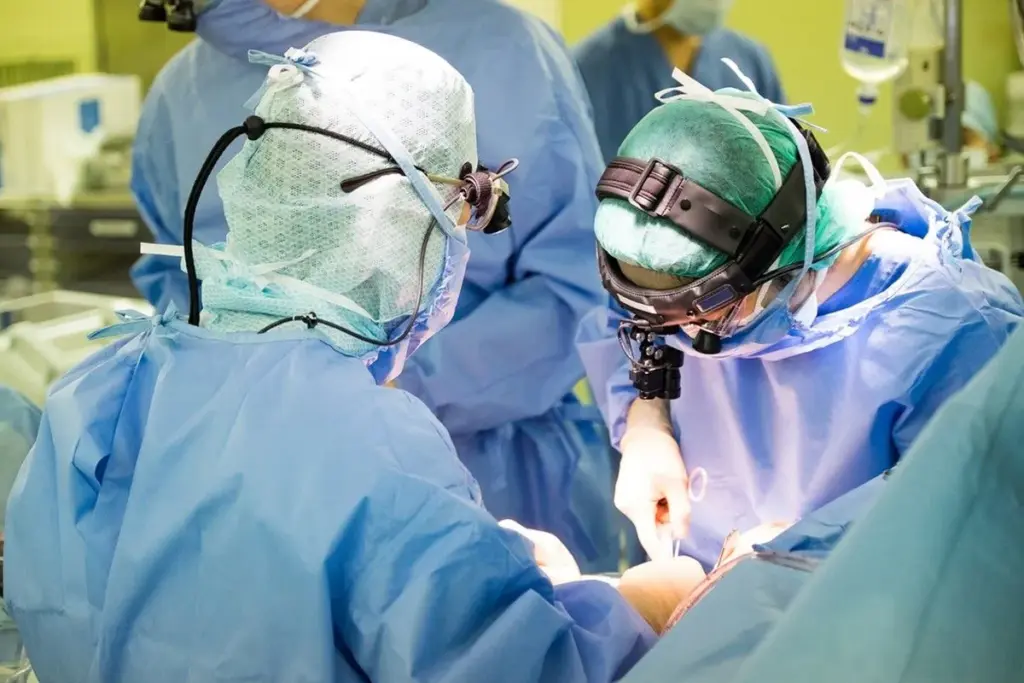
Did you know that the survival rate for open-heart surgery has greatly improved? What is the survival rate? Get the amazing open heart surgery survival rate facts and positive statistics on the powerful long-term outcomes today.
This low mortality rate shows how far medical tech and surgery have come. We’ll look deeper into the open-heart surgery survival rate. We’ll see what affects it and what patients can expect before and after surgery.
Key Takeaways
- The open-heart surgery survival rate has improved a lot.
- Medical tech advancements help keep the low mortality rate.
- Knowing what affects the success rate is very important.
- Patients and their families worry about the survival rate.
- The procedure is a major cardiac operation.
Understanding Open-Heart Surgery
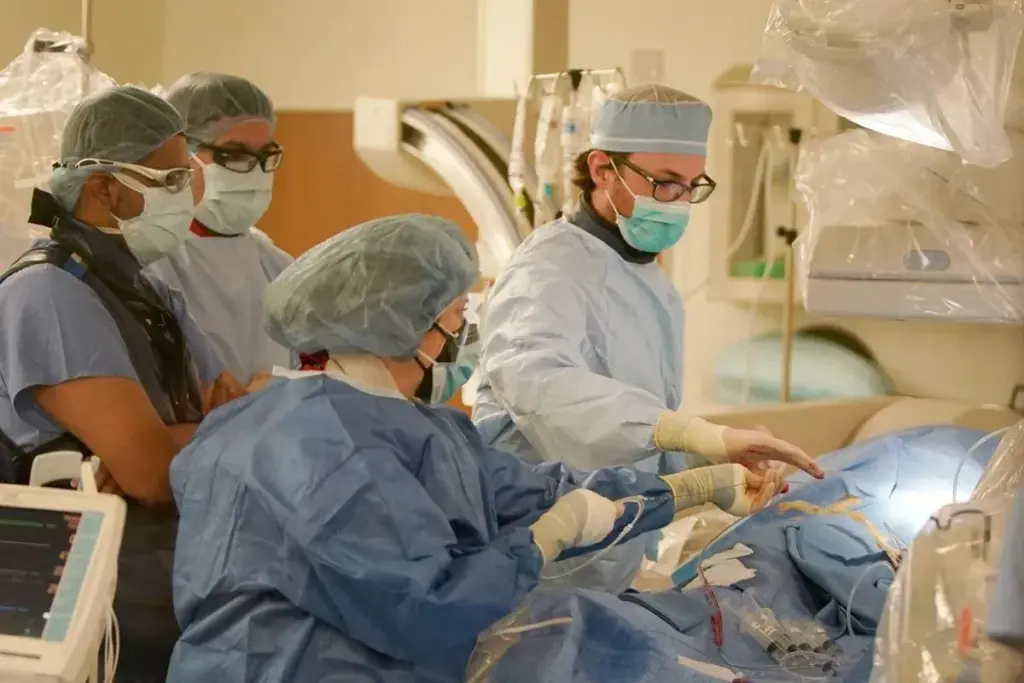
Open-heart surgery is a big deal for those with heart problems. It’s a major surgery that needs a long hospital stay. The chest is opened to reach the heart. The surgery type depends on the patient’s health, and it’s done under general anesthesia.
Definition and Common Procedures
Open-heart surgery includes many procedures. Coronary artery bypass grafting (CABG) is a common one. It helps when arteries are blocked or narrowed. Another procedure is fixing or replacing heart valves. These surgeries are key to fixing the heart and helping patients get better.
When Open-Heart Surgery is Necessary
Open-heart surgery is needed when other treatments don’t work. For example, CABG is used for severe artery blockages. Heart valve repair or replacement is for damaged or diseased valves. Knowing when surgery is needed helps patients get ready for it and recovery.
|
Procedure |
Description |
Condition Treated |
|---|---|---|
|
CABG |
Bypasses blocked coronary arteries |
Coronary artery disease |
|
Heart Valve Repair/Replacement |
Repairs or replaces malfunctioning heart valves |
Heart valve disease |
|
Heart Transplantation |
Replaces a diseased heart with a healthy donor heart |
End-stage heart failure |
Open Heart Surgery Survival Rate: The Statistics
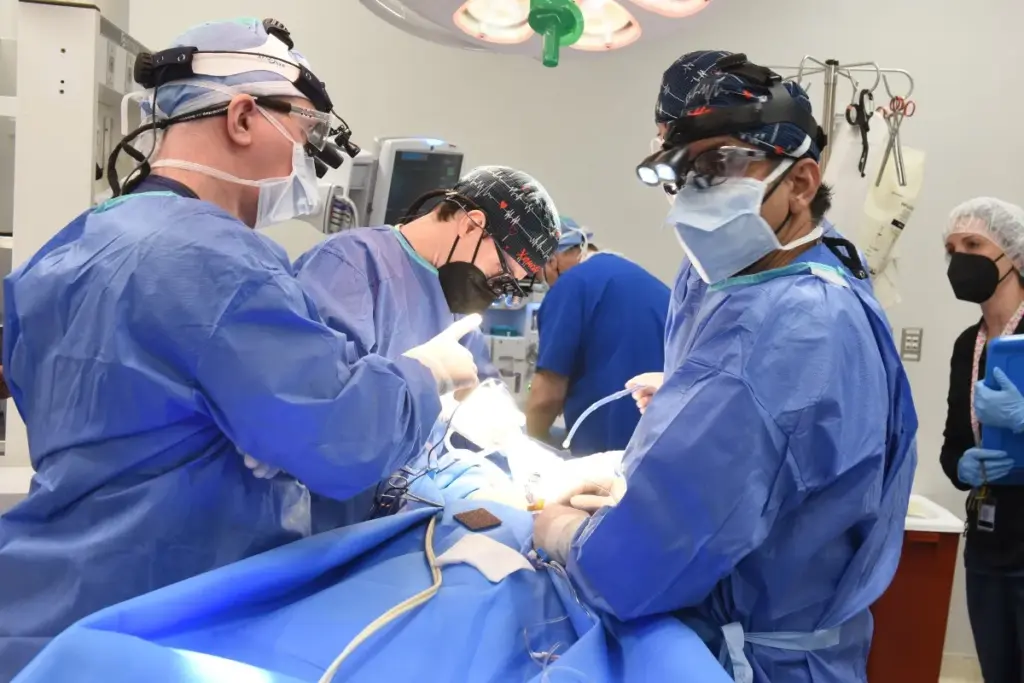
Recent studies have shown that open-heart surgery has high survival rates. This gives hope to patients all over the world. The success rate for open-heart surgery is often above 95%. But, it’s important to remember that survival rates can change based on the surgery type, patient health, and other factors.
Overall Success Rates and 95 Percent Success Rate
The success rate of open-heart surgery is a big deal for both patients and doctors. Studies show that a 95 percent success rate is common, like in coronary artery bypass grafting (CABG). Even some non-invasive heart surgeries have mortality rates near 0.0%.
What leads to these high success rates? Advances in surgery and technology, better care before and after surgery, and more experienced surgeons.
How to Interpret Survival Statistics
Understanding survival statistics needs a deep dive into the data and its context. It’s key to look at the patient group, the surgery type, and the time frame of the data. Survival rates can be affected by many things, like patient age, health before surgery, and surgery complexity.
When checking survival stats, look for:
- Specific survival rates, like 30-day or 1-year
- Details on the patient group, like age and health
- Info on the surgery type and its complexity
Knowing these things helps patients make better choices and have realistic hopes for recovery.
Factors That Influence Survival Outcomes
Many factors affect how well patients do after open-heart surgery. Knowing these is key for patients, doctors, and families to make smart choices.
Patient Age and Pre-existing Conditions
Age and health before surgery matter a lot. Older people or those with health problems like diabetes or heart disease might face more risks. Pre-operative evaluation helps figure out these risks.
Surgical Complexity and Urgency
The type and urgency of the surgery also matter. Emergency surgeries or complex ones, like fixing many valves, can be riskier. Medical News Today says emergency surgeries and health issues raise the risk of problems.
Hospital Expertise and Surgeon Experience
The skill of the hospital and surgeon are very important. Places with lots of experience in heart surgery and skilled doctors usually do better.
Volume-Outcome Relationship
Studies show that doing lots of surgeries helps hospitals get better at it. High-volume hospitals have lower death rates and better results because of their experience and better techniques.
Specialized Cardiac Centers
Centers focused on heart care have the latest tech and teams with lots of heart experience. They often get better results because of their focus and comprehensive care plans.
|
Factor |
Influence on Survival Outcomes |
|---|---|
|
Patient Age |
Older patients face higher risks |
|
Surgical Complexity |
Complex surgeries increase risk |
|
Hospital Expertise |
Specialized centers have better outcomes |
|
Surgeon Experience |
Experienced surgeons have better results |
Knowing these factors helps patients get ready for heart surgery and make good choices about their care.
Types of Open-Heart Surgeries and Their Success Rates
It’s important to know about the different open-heart surgeries and their success rates. These surgeries help treat various heart conditions. Each procedure is designed for a specific issue.
Coronary Artery Bypass Grafting (CABG)
Coronary Artery Bypass Grafting, or CABG, is a common surgery. It helps by bypassing blocked arteries to improve blood flow. Medical News Today says CABG greatly improves life for those with heart disease.
The success of CABG depends on the patient’s health and the disease’s severity. It’s a safe and effective surgery, with a high success rate.
Heart Valve Repair or Replacement
Heart valve repair or replacement is another common surgery. It treats faulty valves, which can cause breathing problems and fatigue. Most patients see big improvements in their symptoms and life quality.
Choosing to repair or replace a valve depends on the valve’s condition and the patient’s health. New surgical methods and technology have made these surgeries more successful.
Heart Transplantation and Complex Procedures
Heart transplantation is a major surgery for those with severe heart failure. It’s a high-risk but life-saving option for those with end-stage heart disease.
The success of heart transplantation depends on the patient’s health before the transplant and the match with the donor. Better care after surgery has also increased survival rates for transplant patients.
Risk Assessment Before Surgery
Before open-heart surgery, a detailed risk assessment is key. It helps both patients and doctors make smart choices. This involves looking at the patient’s health, past medical issues, and lifestyle to spot possible risks.
Pre-Operative Evaluation Process
The pre-op check is a deep dive into a patient’s health history and current state. It also looks at any medicines they’re taking. Medical News Today says talking about your health, meds, and lifestyle with your team is important. This step helps find risks that could affect the surgery or recovery.
Understanding Your Personal Risk Factors
Knowing your personal risks is vital. This includes your age, any health issues you have, and your overall health. For example, older people or those with certain health problems might face more risks. Talking with your healthcare team can help you grasp these risks and make good choices.
|
Risk Factor |
Description |
Impact on Surgery |
|---|---|---|
|
Age |
Older patients may have higher risks due to decreased physical reserve. |
Increased risk of complications during and after surgery. |
|
Pre-existing Conditions |
Conditions like diabetes, hypertension, or kidney disease can affect surgical outcomes. |
May require additional management or precautions during surgery. |
|
Overall Health |
Patients with better overall health tend to have smoother recoveries. |
Reduced risk of post-operative complications. |
By knowing these risks and going through a detailed pre-op check, patients can get ready for open-heart surgery. This can help them have a better chance of a good outcome.
The Surgical Procedure and Safety Measures
Open-heart surgery’s success depends on skilled surgeons, advanced technology, and strict safety rules. This complex process involves many steps. Each step is designed to keep the patient safe and ensure the best results.
What Happens During Open-Heart Surgery
First, the patient gets general anesthesia to stay pain-free and asleep. Then, the surgical team makes a chest incision to reach the heart. A heart-lung bypass machine takes over the heart and lung functions.
This lets the team work on a stopped heart. They might fix blocked arteries or replace damaged valves.
Modern Safety Protocols and Low Mortality Rates
Modern safety steps have greatly lowered death rates in open-heart surgery. Better anesthesia, monitoring, and surgery techniques have helped. Also, advanced medical tools and strict infection control add to safety.
So, open-heart surgery is now quite safe. It has a high success rate when done by experienced surgeons in top hospitals.
Post-Operative Care and Its Impact on Survival
Post-operative care is key for open-heart surgery patients. The care after surgery greatly affects recovery rates and outcomes.
Intensive Care Unit Management
Patients often stay in the intensive care unit (ICU) after surgery. Here, they get close monitoring and care. Medical News Today says this care is vital for managing complications and stabilizing the patient.
Hospital Recovery Period
After the ICU, patients move to a regular hospital room. Healthcare professionals watch their progress, manage pain, and prevent complications. Effective hospital care is key for a smooth transition to home care.
Discharge Planning and Home Care Instructions
Before discharge, patients get instructions on home care and follow-up appointments. Good discharge planning helps patients recover safely at home. They learn about medication, physical activity, and follow-up care.
|
Aspect of Care |
Description |
Impact on Survival |
|---|---|---|
|
ICU Management |
Close monitoring and immediate care post-surgery |
Reduces risk of immediate complications |
|
Hospital Recovery |
Continued monitoring and care |
Enhances recovery and reduces hospital-acquired infections |
|
Discharge Planning |
Guidance on home care and follow-up |
Ensures safe transition home and reduces readmissions |
The mix of hospital expertise and detailed post-operative care boosts outcome measures for open-heart surgery patients. Focusing on these areas helps healthcare providers improve survival rates and patient outcomes.
Common Complications and Their Management
Open-heart surgery comes with risks. These include complications that need quick and effective care. It is essential for both patients and doctors to understand these issues to achieve optimal outcomes.
Short-Term Complications
Right after open-heart surgery, serious issues can pop up. These include infection, bleeding, and heart rhythm problems.
Infection and Bleeding
Infection and bleeding are big worries after heart surgery. Infection might happen at the cut or inside the heart, needing fast antibiotic treatment. Bleeding can be small or big, sometimes needing blood transfusions or more surgery.
Cardiac Arrhythmias
Cardiac arrhythmias, or irregular heartbeats, are common too. Doctors can treat these with medicine or sometimes with electrical cardioversion to fix the heartbeat.
Long-Term Complications and Prevention
Long-term issues might include problems with grafts or rejection after CABG or heart transplants. Regular check-ups and taking medicines as told can help avoid these problems.
Handling both short-term and long-term complications well is key to better survival and life quality after heart surgery. Knowing about these issues helps patients manage their recovery better.
Recovery Process and Timeline
The journey to recovery after open-heart surgery is complex. It involves physical milestones, adjusting to new activities, and emotional healing. Knowing this process helps patients move forward smoothly.
Physical Recovery Milestones
Physical healing is a big part of getting better. Patients usually start feeling better in a few weeks.
Activity Restrictions
At first, patients should not lift heavy, bend, or do hard activities. Slowly adding back activities helps avoid problems.
Return to Normal Activities
As they get better, patients can slowly go back to normal life. This includes driving and light workouts, with their doctor’s okay.
Emotional and Psychological Recovery
Emotional and mental healing is just as key. Patients might feel anxious or depressed. Support from loved ones and counselors is very important.
Recovery is more than just physical healing. It’s about getting back to emotional balance. With the right support, patients can overcome this tough time and fully recover.
Long-Term Outcomes After Open-Heart Surgery
Open-heart surgery is a big deal for patients and doctors. It’s a complex procedure that has gotten better over time. Now, more patients survive and live better lives after surgery.
Quality of Life Improvements
Open-heart surgery can really improve a patient’s life. People like Adam Pick show it’s possible to get back to normal. He went back to surfing and scuba diving after his surgery.
Many patients feel better after surgery. They no longer have chest pain or trouble breathing. This is because their heart works better.
A study on CABG patients found most felt better overall. Here’s what they found:
|
Symptom |
Pre-Surgery |
Post-Surgery |
|---|---|---|
|
Chest Pain |
80% |
20% |
|
Shortness of Breath |
70% |
30% |
Long-Term Survival Statistics
Survival rates after open-heart surgery depend on the surgery type and patient health. CABG patients often live as long as the average person. Knowing this helps patients and families make better choices.
Long-term survival data is promising. Many patients live 10, 15, or more years after surgery. Their health, surgery complexity, and care after surgery all play a role.
Modern Advances Improving Survival Rates
Modern cardiac surgery uses new technologies to greatly improve survival rates. These changes have made a big difference in the field. They give hope to patients going through open-heart surgery.
Minimally Invasive Techniques
Techniques like endoscopic cameras and robotic-assisted surgery have made surgery safer. Medical News Today says these methods cut down recovery time and scarring. Robotic-assisted surgery also means better precision and results.
Technological Innovations
New technologies in cardiac surgery have been key to better survival rates. Improvements in imaging, like 3D and real-time monitoring, help surgeons work more accurately. Intraoperative echocardiography gives feedback during surgery, helping make important decisions.
Enhanced Recovery Protocols
Enhanced recovery protocols (ERPs) also play a big role. ERPs focus on better care before, during, and after surgery. They include pre-operative counseling, optimized anesthesia, and early mobilization. This makes recovery smoother, reducing complications and improving results.
By using these modern advances, cardiac surgeons can greatly improve survival rates. As technology keeps getting better, survival rates will likely keep going up. This means more hope for patients going through open-heart surgery.
Conclusion
Open-heart surgery survival rates have greatly improved over time. Many patients have a successful recovery and a better quality of life. They often return to their usual activities.
It’s important to know what affects survival rates. This includes the patient’s age, any health issues they have, and how complex the surgery is. By understanding these factors, patients and their families can work better with their healthcare team. This helps improve the chances of a successful recovery and long-term survival.
Monitoring recovery closely is key to catching any problems early. This allows for quick action to prevent complications. Thanks to new medical technology and surgical methods, outcomes for open-heart surgery patients keep getting better.
Following successful recovery strategies and post-operative care instructions is vital. This way, patients can have the best chance of a positive outcome. They can enjoy better health and well-being for years to come.
FAQ
What is the overall survival rate for open-heart surgery?
Open-heart surgery has a high success rate, often over 95%. But, survival rates can change based on the surgery type, patient health, and other factors.
What factors influence the survival rate for open-heart surgery?
Several things affect survival rates. These include the patient’s age and health, the surgery’s complexity, the hospital’s expertise, and the surgeon’s experience.
How does patient age affect the survival rate for open-heart surgery?
Older patients face higher risks due to health conditions. Yet, with careful evaluation and care, many older patients can have successful surgeries.
What is the success rate for coronary artery bypass grafting (CABG)?
CABG is a common and successful procedure. Many patients see improved heart health and reduced symptoms after CABG.
What are the risks associated with open-heart surgery?
Risks include short-term and long-term complications like infection, bleeding, and heart problems. It’s important for patients and families to understand these risks.
How can patients prepare for open-heart surgery?
Patients should get a thorough check-up before surgery. They should also understand their risks and follow their healthcare team’s advice.
What happens during the post-operative care period?
Post-operative care involves close monitoring in the ICU and a hospital stay. Good care during this time can greatly improve outcomes.
How long does it take to recover from open-heart surgery?
Recovery is physical, emotional, and psychological. It can take weeks to months to regain strength and mobility. Emotional and psychological recovery takes even longer.
Can open-heart surgery improve quality of life?
Yes, surgery can greatly improve a patient’s quality of life. It allows them to return to normal activities and enjoy better health.
What modern advances have improved survival rates for open-heart surgery?
Advances like minimally invasive techniques and new technologies have boosted survival rates. Enhanced recovery protocols also play a role.



 Departments
 Related Videos
 Our Doctors
 News
News