


Understand the anatomy of the Rotator Cuff and how it facilitates shoulder movement. Learn about common rotator cuff muscles and the causes of shoulder instability at Liv Hospital.
Overview and Definition
What is the Rotator Cuff?
The Rotator Cuff is a vital group of four muscles and their associated tendons that act together to stabilize the shoulder joint. Because the shoulder is a “ball-and-socket” joint with a wide range of motion, it relies heavily on these tissues to keep the head of the humerus (arm bone) firmly in the shallow socket of the shoulder blade. Without a functional cuff, simple actions like lifting your arm or reaching behind your back would be impossible.
The Rotator Cuff Muscles
The four rotator cuff muscles work in perfect biological harmony:
- Supraspinatus: Holds the humerus in place and helps lift the arm out to the side.
- Infraspinatus: The primary muscle used for rotating the arm outward.
- Teres Minor: A small muscle that assists in outward rotation.
- Subscapularis: Located at the front, this muscle rotates the arm inward.
At Liv Hospital, we emphasize that maintaining the health of these muscles is the key to preventing a rotator cuff injury. When one or more of these tendons are damaged, the mechanics of the entire shoulder are disrupted, leading to chronic weakness and rotator cuff pain.
Injury and Causes
Understanding Rotator Cuff Tears
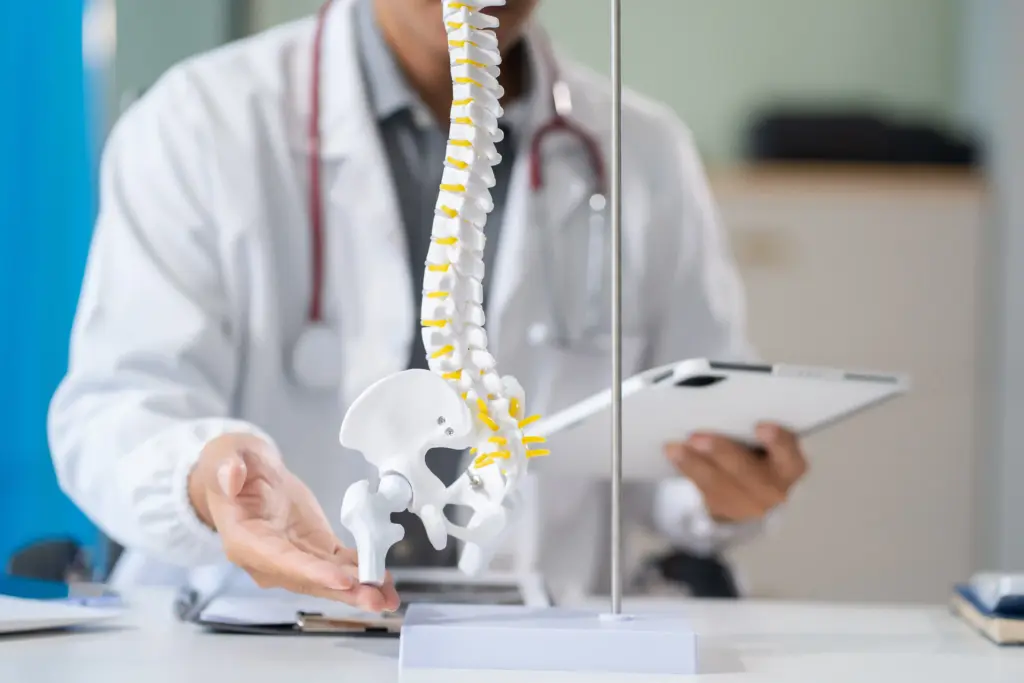
A rotator cuff injury typically falls into two categories: acute or degenerative.
- Acute Injury: Occurs suddenly, such as falling on an outstretched arm or lifting a heavy object with a jerking motion. This often results in a “traumatic” torn rotator cuff.
- Degenerative Injury: The most common type, caused by the slow “wear and tear” of the tendon over time. Factors like repetitive stress (common in painters or tennis players) and a naturally diminished blood supply with age contribute to these Rotator Cuff Tears.
Mechanical Impact of a Torn Rotator Cuff
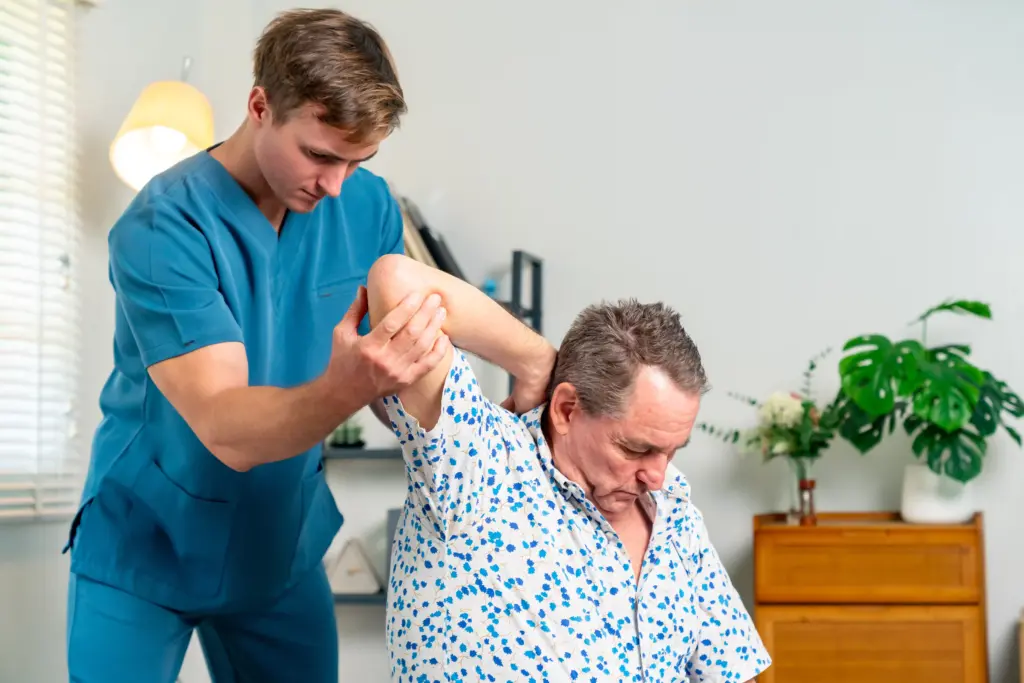
When a torn rotator cuff occurs, the “force couple” of the shoulder is lost. This means the large deltoid muscle on the outside of the shoulder pulls the arm bone upward against the “roof” of the shoulder (the acromion) because the cuff is no longer there to hold it down. This mechanical friction creates significant rotator cuff pain and can lead to a condition called “cuff tear arthropathy” if not addressed by the clinical team at Liv Hospital.
Diagnosis and Imaging
The Clinical Evaluation for Rotator Cuff
A successful recovery starts with a precise diagnosis. At Liv Hospital, our specialists begin by evaluating your rotator cuff tear symptoms, such as the “Drop Arm” test—where the patient is asked to slowly lower their arm from a raised position. If the arm drops suddenly, it is a strong clinical indicator of a significant tear. We also map the exact location of your rotator cuff pain to determine which of the four muscles is involved.
Advanced Imaging for Shoulder Injuries
To plan the best treatment, we utilize high-definition imaging to see exactly what is happening inside the joint:
- Musculoskeletal Ultrasound: A fast, dynamic tool that allows the doctor to see the tendons moving in real-time.
- Musculoskeletal MRI: The gold standard for evaluating Rotator Cuff Tears. It shows the size of the tear, the quality of the muscle, and whether the tendon has “retracted” (pulled back) away from the bone.
- X-ray: While it can’t see the tear itself, it helps rule out bone spurs or arthritis that may be contributing to the injury.
Treatment and Recovery
Conservative Management and Exercises
Many partial Rotator Cuff Tears can be managed without an operation. The focus is on specialized rotator cuff exercises designed to strengthen the surrounding healthy muscles, which can then take over the load for the damaged tendon. Physical therapy at Liv Hospital also focuses on “scapular stabilization”—improving the movement of the shoulder blade to create more space for the tendons to glide.
Rotator Cuff Surgery: The Modern Approach
When conservative treatment fails, or for active individuals with full-thickness tears, rotator cuff surgery is the best option. Most procedures today are performed “arthroscopically” through tiny incisions using a camera. The surgeon uses specialized anchors to sew the tendon back onto the bone.
- Weeks 1–6: The arm is protected in a sling to allow the tendon to “bond” to the bone.
- Weeks 6–12: Introduction of passive and then active movement.
- Months 4–6: Return to full strength and sports.

Rehabilitation Tips
Essential Rehabilitation Tips
Successful recovery from a rotator cuff injury is a marathon, not a sprint. The biological healing of a tendon to bone takes time, and rushing the process can cause the repair to fail. At Liv Hospital, our specialized shoulder therapists provide a structured protocol that balances protection with gradual mobilization.
Long-Term Shoulder Health
- Consistency is Key: Perform your rotator cuff exercises daily, even after the pain has subsided, to maintain joint stability.
- Posture Matters: “Slumping” forward narrows the space in the shoulder joint; sitting tall helps prevent impingement and rotator cuff pain.
- Warm Up: Always perform gentle shoulder circles and stretches before engaging in overhead activities or lifting weights.
- Sleep Positions: Avoid sleeping with your arm tucked under your head, as this can cut off the blood supply to the cuff tendons.
Why Choose Liv Hospital?
Liv Hospital is a center of excellence for shoulder and upper extremity care. Our orthopedic surgeons are experts in the most advanced arthroscopic rotator cuff surgery techniques. We combine high-precision 3T MRI diagnostics with a dedicated sports rehabilitation team to ensure you regain your full range of motion and strength. Our goal is to return you to your active life, free from the limitations of a torn rotator cuff. We encourage you to reach out and call Liv Hospital to schedule a consultation and take the first step toward a pain-free shoulder.
Injury and Causes
Recognizing A Rotator Cuff Injury
The necessity for medical intervention often arises when the tendons of the shoulder become inflamed or damaged. A Rotator cuff injury can range from mild irritation, known as tendonitis, to significant structural failures. In a professional clinical setting, we look for indicators such as localized swelling and a decrease in power. At Liv Hospital, we analyze the patient’s mechanical history to identify when a minor strain transitioned into a state that requires clinical management. Understanding the nature of the injury is the first step toward reclaiming your physical integrity.
Primary Causes Of Rotator Cuff Tears
A torn rotator cuff typically occurs through two main pathways: acute trauma or chronic degeneration. Rotator Cuff Tears are categorized by their size and depth.
- Acute tears happen suddenly, such as during a fall on an outstretched arm.
- Degenerative tears happen slowly over time as the blood supply to the tendon decreases.
Identifying the cause is vital for the success of any subsequent treatment. Our specialists at Liv Hospital focus on the biological state of the tissue to determine if the tear is fresh or the result of years of wear and tear.
Identifying Rotator Cuff Tear Symptoms
Recognizing rotator cuff tear symptoms is the primary way patients identify the need for help. The signs are often distinctive and impact daily comfort.
- Pain that is felt deep in the shoulder or on the outer side of the arm.
- Weakness when trying to lift or rotate the arm.
- A “crackling” or “popping” sensation when moving the shoulder in certain positions.
- Significant discomfort when trying to sleep on the affected side.
If you notice these patterns, it is a clinical indication that your shoulder’s internal support system is under stress. Prompt evaluation ensures the damage does not expand.
Managing Chronic Rotator Cuff Pain
Ongoing rotator cuff pain is more than just a nuisance; it is a signal of biological distress. In many cases, this pain stems from “impingement,” where the tendons rub against the bone above them.
- Chronic inflammation can lead to the thickening of the tendons.
- This narrows the space for movement, creating a cycle of irritation.
- Persistent pain often leads to “guarding,” which causes muscle wasting.
Specialists look for these markers to provide a management plan that breaks the cycle of inflammation. At Liv Hospital, we aim to resolve the source of the pain rather than just masking the symptoms.
Repetitive Motion And Occupational Risk
Daily habits and work environments play a significant role in shoulder health. Certain professions act as accelerators for tendon failure.
- Painters and construction workers who perform frequent overhead reaching.
- Athletes involved in throwing sports or swimming.
Manual laborers who engage in repetitive lifting and pulling. These mechanical stressors cause micro-trauma to the collagen fibers within the tendons. By identifying these occupational risks, the team at Liv Hospital can provide better guidance on ergonomics and joint protection.
Understanding Shoulder Impingement
Shoulder impingement syndrome occurs when the tendons of the rotator cuff or the subacromial bursa become painfully compressed within the narrow gap beneath the acromion bone during arm elevation. This “pinching” mechanism typically results from repetitive overhead movements, structural bone spurs, or localized inflammation, leading to a persistent ache in the outer shoulder and a sharp “painful arc” when reaching upward or behind the back. If left unaddressed, this chronic friction can lead to significant tendon wear or even rotator cuff tears, making early intervention through activity modification and physical therapy vital for maintaining joint mobility.
The Role Of Age In Tendon Degeneration
As the human body ages, the biological clock of our connective tissues begins to slow down.
- Decreased blood flow to the “critical zone” of the supraspinatus tendon.
- Loss of elasticity in the muscle fibers.
- Natural thinning of the tendon tissue over decades.
Defining the impact of age is essential for a complete clinical overview. While some wear is expected, professional observation helps differentiate between normal aging and a pathological state that requires intervention.
Impact Of Smoking On Shoulder Health
Tobacco use has a profound negative impact on the biological health of the musculoskeletal system.
- Smoking constricts the small blood vessels that nourish the shoulder tendons.
- It impairs the body’s natural ability to repair micro-tears.
- Smokers have a significantly higher risk of experiencing large Rotator Cuff Tears.
Clinicians at Liv Hospital prioritize education on these risks, as a healthy blood supply is the most important factor in preventing a torn rotator cuff.
Sudden Trauma And Bone Spurs
A sudden impact is a direct cause of acute injury, but bone spurs can cause gradual failure.
- A fall from a height or a direct blow to the shoulder.
- Over time, the body may grow small bone hooks (spurs) that fray the tendons.
Identifying these structural variations through imaging is a hallmark of the care we provide. Removing these mechanical irritants can often prevent a small tear from becoming a large one.
Influence Of Posture On Shoulder Mechanics
Slumping or rounded shoulders change the mechanical alignment of the joint.
- Poor posture tilts the shoulder blade forward.
- This “pinches” the Rotator Cuff tendons against the acromion bone.
- It results in chronic irritation even during simple tasks.
At Liv Hospital, we evaluate your entire skeletal frame to see if your neck or back alignment is the true cause of your shoulder distress.
Why Specialized Clinical Observation Is Vital
Identifying the exact cause of your shoulder weakness is the first step toward a successful recovery. Many people assume their pain is just “soreness,” but an unmanaged torn rotator cuff can lead to permanent joint stiffness or even arthritis. By seeking a professional clinical overview at specialized facilities like Liv Hospital, you ensure that the root cause—whether traumatic, degenerative, or postural—is addressed. We encourage you to reach out for an expert evaluation to secure your shoulder’s future vitality.
Diagnosis and Imaging
The Clinical Process Of Shoulder Evaluation
The journey toward a successful recovery begins with a meticulously structured diagnostic evaluation. Because shoulder pain can be referred from the neck or caused by various internal structures, a physical exam alone is rarely sufficient. When you visit a specialist at Liv Hospital, the process starts with a detailed medical history where the clinician asks about the onset of your rotator cuff pain and how it affects your range of motion. The goal of this evaluation is to provide objective evidence of tendon failure and to determine if a structural intervention is the most appropriate next step for your vitality.
Physical Provocation Tests For Tendon Health
The first line of diagnosis involves hands-on maneuvers designed to isolate the specific rotator cuff muscles.
- The “Empty Can” test: Assessing the strength of the supraspinatus.
- External rotation resistance: Testing the infraspinatus and teres minor.
- The “Lift Off” test: Evaluating the function of the subscapularis.
These clinical signs provide the surgeon with a “map” of the joint’s functional failure. If the arm drops or causes sharp pain during these maneuvers, it is a strong indicator that the internal fibers are compromised.
Magnetic Resonance Imaging (MRI) For Soft Tissue
MRI is the “gold standard” imaging tool for evaluating Rotator Cuff Tears. It allows us to see the “hidden” soft tissues with incredible clarity.
- Visualizing the exact size and location of a tear.
- Identifying “fatty infiltration,” which occurs when a muscle hasn’t been used for a long time.
- Checking the integrity of the surrounding bone and bicep tendons.
Using high-resolution MRI protocols ensures that the clinical team at Liv Hospital has a complete visual blueprint. This data is essential for deciding if the patient is a candidate for rotator cuff surgery.
Diagnostic Ultrasound For Real-Time Assessment
Ultrasound is an invaluable tool for visualizing the shoulder in motion.
- It allows the doctor to see the tendons sliding during movement.
- It can identify fluid collections or “pockets” of inflammation.
- It is a dynamic test that can be performed during the initial consultation.
Identifying these fluid patterns is a hallmark of the precision care at our facility. Ultrasound is often used as a first step to decide if more advanced imaging is necessary.
Standard X-Ray Protocols For Bone Assessment
While X-rays cannot see the tendons, they are a mandatory part of the diagnostic journey.
- Ruling out fractures or dislocations.
- Visualizing bone spurs (osteophytes) that might be rubbing against the cuff.
- Assessing the “joint space” to look for signs of shoulder arthritis.
At Liv Hospital, we use digital X-ray technology to ensure the highest resolution images with minimal radiation exposure, providing a clear view of the skeletal framework upon which the tendons rely.
Computed Tomography (CT) Scans In Complex Cases
In complex clinical cases, especially those involving significant bone loss or planning for a replacement, a CT scan may be recommended.
- Providing a three-dimensional reconstruction of the shoulder anatomy.
- Precise mapping for the placement of hardware during reconstruction.
- Assessing bone density and quality.
This high-tech imaging is a hallmark of the precision care at Liv Hospital, ensuring that no anatomical detail is missed during the diagnostic phase.

Electromyography (EMG) And Nerve Studies
If your symptoms include numbness or tingling, neurological testing is often part of the evaluation.
- Measuring the speed of signals through the nerves of the arm.
- Identifying if a “pinched nerve” in the neck is mimicking a Rotator cuff injury.
- Assessing the health of the muscles themselves.
Treating the shoulder without addressing the nerves is only half the battle. A full evaluation ensures that your whole system is optimized for recovery.
Laboratory Tests And Inflammatory Markers
Because we view the joint as part of a biological system, blood work is sometimes part of our evaluation.
- Checking for inflammatory markers like CRP or ESR.
- Screening for autoimmune conditions that could affect tissue healing.
- Assessing for signs of infection if the shoulder is warm and swollen.
Treating the underlying health of the patient is often just as important as the mechanical fix. At Liv Hospital, we ensure your body is in the best state to support tendon repair.
Assessing The Visual Future Of The Joint
During the evaluation, the specialist considers the long-term visual and physical outcome for the patient.
- Predicting the risk of future tears in the opposite shoulder.
- Assessing the patient’s “bone age” and remodeling potential.
- Evaluating the need for postural correction to prevent recurrence.
By taking a comprehensive view of your future mobility, we ensure that the diagnosis is not just about the current pain, but about preserving your ability to reach and lift for decades.
Reaching A Definitive Management Plan
The end goal of the diagnostic phase is to reach a clear and confident management plan. Once all tests are completed—physical exam, imaging, and labs—your specialist will sit down with you to review the findings. At Liv Hospital, we believe in a transparent diagnostic process. If the evidence shows that your shoulder requires stabilization, we will discuss the best path forward to secure your physical and visual future.
Treatment and Recovery
Clinical Management Goals For The Rotator Cuff
The primary objective of treatment for a shoulder injury is to restore the mechanical function of the arm and eliminate pain. The approach is determined by the specific “failure” identified during the diagnostic phase. For some, treatment involves “cooling” the inflammation through specialized rotator cuff exercises; for others, it requires precise structural repair. At Liv Hospital, we follow a multidisciplinary strategy, ensuring that while the joint is being repaired, the patient’s nutritional and physical health are optimized for healing. Success is defined by the patient’s return to a normal lifestyle and a significant reduction in chronic discomfort.
Non-Surgical Treatment Pathways
In many clinical cases, especially with partial tears or age-related wear, surgery is not the first step.
- Targeted physical therapy to strengthen the surrounding muscles.
- Clinical injections to reduce internal swelling and heat.
- Activity modification to allow the biological healing process to occur.
This proactive approach is a hallmark of the care at Liv Hospital. We utilize the body’s natural ability to compensate, ensuring that for many, a full return to activity is possible without an operation.
The Rotator Cuff Surgery Procedure
When a tear is significant or doesn’t respond to therapy, rotator cuff surgery is the standard clinical path. On the day of your operation, you will be welcomed into our modern surgical facility.
- The procedure is typically performed arthroscopically through tiny incisions.
- A high-definition camera allows the surgeon to visualize the damage.
- Specialized “anchors” and sutures are used to reattach the tendon to the bone.
- Bone spurs are removed to prevent future fraying of the repair.
The entire process usually takes between one and two hours, followed by a period of close monitoring in our specialized recovery suite.
Advanced Arthroscopic Repair Techniques
Modern medicine has introduced several advanced methods to improve the success of rotator cuff surgery.
- “Double-row” fixation for a stronger, more biological footprint.
- Use of biological scaffolds (patches) to reinforce weak or thin tendons.
- Minimally invasive portal sites that result in less internal scarring.
By utilizing these high-tech methods, specialists at Liv Hospital can ensure that the joint is balanced perfectly, which is essential for a natural feel and a long-lasting result.
Immediate Post-Operative Management
Recovery from shoulder surgery begins the moment you leave the operating suite. Our protocols are designed to minimize complications and maximize comfort.
- Early “passive” movement to prevent the shoulder from “freezing.”
- Pain management using a “multimodal” approach to reduce the need for strong medications.
- Edema control through specialized slings and ice therapy.
By engaging in early, protected movement, you support the circulation needed for tissue repair. This proactive approach is a hallmark of the care at Liv Hospital.
Biological Integration And Healing
Successful recovery from a torn rotator cuff depends on the body’s ability to knit the tendon back into the bone.
- Initial healing of the soft tissue takes about six weeks.
- Deep integration and remodeling of the fibers continue for several months.
- Full tendon strength often takes up to a year to maximize.
Consistency with this biological timeline is vital. At Liv Hospital, we monitor this process through follow-up visits to ensure your recovery remains on track and pain-free.

Managing Post-Operative Pain And Inflammation
Controlling discomfort in the early weeks is a top clinical priority. We utilize targeted local blocks and medications that support the healing phase.
- Cold compression therapy to reduce swelling and heat in the joint.
- Elevation of the arm to manage fluid buildup.
- Targeted medications that avoid interfering with the repair process.
By “cooling down” the surgical site, we prevent the excessive formation of internal scar tissue. Liv Hospital’s approach ensures that your body’s healing response is channeled into recovery rather than unnecessary inflammation.
Safety And Infection Control Protocols
Safety is the hallmark of the care at Liv Hospital. We follow rigorous international protocols to prevent complications such as infections or blood clots.
- Sterile surgical environments and antibiotics prevent infection.
- Frequent monitoring of vital signs and limb circulation.
- Standardized safety checklists for every specialized procedure.
These preventative measures are essential for protecting your systemic health after a major procedure. We take no chances with your recovery, providing a secure environment for your body to heal.
The Role Of Wound Care In Visual Success
The visual success of your surgery depends on proper wound care. Our nursing staff will teach you how to monitor the tiny portal sites at home.
- Keeping the area clean and dry for the first few days.
- Watching for signs of redness or unusual drainage.
- Understanding that the tiny scars will fade significantly over time.
A healthy, well-healed scar is an indicator of a successful orthopedic recovery. We are dedicated to ensuring that your surgical site heals cleanly, leaving you with a result you can be proud of.
Rehabilitation Tips
The Importance Of Structured Rehabilitation
The physical surgery is only the first half of the journey; the final success of a Rotator Cuff treatment is determined by the quality of your rehabilitation. Rehabilitation is the process of retuning your muscles and nervous system to support the newly repaired tendons. At Liv Hospital, we provide our patients with the tools and knowledge needed to protect their joint for decades to come. Success is not just about a healed incision, but about regained strength and the confidence to reach for a shelf without thinking about your shoulder.
Early Motion And “Passive” Movement
Movement is medicine for a healing joint. In the first few weeks after surgery or a significant Rotator cuff injury, gentle motion is encouraged to prevent stiffness.
- Pendulum exercises: Gently swinging the arm in small circles.
- Passive stretching: Using the other arm to move the shoulder.
- Pulley systems: Performed under the guidance of a therapist.
These early exercises help pump fluid out of the limb and reduce the risk of “frozen shoulder.” By keeping the body active, you support the internal biological healing of the tissues.
Phased Rotator Cuff Exercises
Once the initial healing is complete (usually around week 6), the focus shifts to building strength. Rotator cuff exercises follow a strict clinical progression.
- Isometric strengthening: Tightening the muscles without moving the joint.
- Resistance band work: Building endurance in the small stabilizing muscles.
- Dynamic lifting: Gradually reintroducing weight against gravity.
A strong muscular “sleeve” around the shoulder takes the pressure off the repaired tendons, acting as a natural shock absorber. This is essential for long-term protection and preventing the return of pain.
Strengthening The Shoulder Blade (Scapula)
A successful outcome depends on the foundation of the shoulder: the scapula.
- Focusing on the muscles that hold the shoulder blade against the ribcage.
- “Scapular squeeze” exercises to improve posture.
- Building the lower trapezius and serratus anterior.
If the shoulder blade is stable, the Rotator Cuff doesn’t have to work as hard. Our physical therapists at Liv Hospital design a routine that targets your entire upper back to support your new shoulder repair.
Nutritional Support For Tendon Repair
What you eat acts as the maintenance crew for your connective tissues. A healthy diet supports the repair cycles after a Rotator cuff injury.
- High protein intake essential for rebuilding collagen fibers.
- Vitamin C and Zinc vital for tissue integrity and wound healing.
- Anti-inflammatory foods such as Omega-3 fatty acids found in fish and nuts.
- Hydration keeping the joint lubricant (synovium) healthy and flowing.
Our clinical dietitians at Liv Hospital can help you design an eating plan that speeds up your recovery and supports your overall physical vitality.
Proprioception And Balance Retraining
A major risk after a long period of pain or surgery is the loss of “joint position sense.” Rehabilitation must include brain-to-joint training.
- Standing on one leg while performing light arm movements.
- Using balance boards or foam pads to challenge the joint’s stability.
- Agility drills that mimic daily activities like reaching or tossing.
Retraining the nerves in the shoulder to communicate quickly with the brain is the best way to prevent falls and ensure your physical future remains secure.

Lifestyle Engineering For Joint Protection
Rehabilitation is an opportunity to re-engineer your life for health. This includes adjusting your environment to support your shoulder.
- Ergonomic workstation setup to reduce reaching for the mouse or keyboard.
- Avoiding overhead heavy lifting as a lifetime habit.
- Maintaining a healthy weight to reduce the systemic inflammatory load on the joints.
These foundational habits provide the “low-stress” environment your tendons need to remain resilient as you age. At Liv Hospital, we believe in a partnership for your long-term wellness.
Recognizing Recovery Red Flags
While the goal is a smooth return to health, you must be the first line of defense in recognizing “red flags” during your rehabilitation. Contact Liv Hospital immediately if you experience:
- Sudden, severe swelling that does not improve with rest.
- A complete loss of the ability to lift the arm that was not there before.
- Persistent fever or redness near the surgical portal sites.
- A significant “snap” accompanied by new, sharp pain.
Early reporting of these symptoms allows us to intervene quickly, protecting your surgical result and your overall joint health.
Sleep And Recovery Synchronization
The body does its most intense repair work while we sleep. During your recovery, your sleeping position matters.
- Avoid sleeping directly on the injured shoulder for the first few months.
- Use a pillow behind your back to prevent rolling over at night.
- Place a small pillow under the elbow to support the arm’s weight.
Proper rest allows the immune system to focus its energy on tissue maintenance and tendon repair, ensuring you wake up with a limb that feels refreshed rather than stiff.
Psychological Well-Being During Recovery
Recovering from a major musculoskeletal issue can be emotionally taxing. It takes time to trust your body again after years of chronic pain or a sudden injury.
- Celebrate small milestones like the first time you can brush your own hair.
- Stay connected with support groups of others on a similar journey.
- Practice patience; understand that deep biological healing takes time.
A positive mental outlook is a powerful force that improves the overall quality of your recovery journey. Our staff is always available to provide the emotional reassurance you need.
Why Choose Liv Hospital For Your Future?
Choosing the right partner for your shoulder health is a decision that impacts your future quality of life. Liv Hospital is a leader in advanced orthopedic surgery and holistic rehabilitation.
- Expert Team: Our specialists have international experience in managing complex tendon and joint disorders.
- Advanced Technology: We utilize the latest high-definition imaging and surgical systems.
- Integrated Care: We provide access to nutritionists, physical therapists, and specialized nurses.
- Commitment to You: Our support continues long after your incisions have healed.
We are dedicated to your visual and physical health, ensuring that you can live a life defined by wellness rather than worry. Reach out to us today to secure your future.
FREQUENTLY ASKED QUESTIONS
What does a torn rotator cuff feel like?
The most common symptom is a deep, dull ache in the shoulder, often felt down the outside of the arm. You may feel sharp pain when reaching overhead or behind your back. Weakness when lifting the arm is also a hallmark sign.
Can a rotator cuff tear heal on its own?
A full-thickness tear will not heal back to the bone on its own. However, the pain often improves with time and physical therapy as inflammation subsides and other muscles compensate. A partial tear may scar over but rarely returns to normal tendon tissue.
Is it safe to exercise with a rotator cuff injury?
Yes, but you must be careful. You should avoid overhead lifting or exercises that cause sharp pain. Strengthening the lower shoulder blade muscles and correcting posture can actually help relieve pressure on the cuff.
Why does the pain get worse at night?
Night pain is very common with rotator cuff injuries. When you lie flat, gravity no longer pulls the arm down, allowing the arm bone to ride up and compress the inflamed tendon. Lying on the affected side also puts direct pressure on the sore area.
Do all tears require surgery?
No. Many people, especially older adults or those with lower activity demands, can manage very well with physical therapy and injections. Surgery is usually reserved for acute traumatic tears or chronic tears that have failed to improve with conservative care.
Can a cortisone shot cause a tear?
While cortisone shots are excellent for reducing inflammation and pain, having too many of them can weaken the tendon tissue over time. Most doctors limit the number of injections to avoid compromising the structural integrity of the rotator cuff.
Does smoking affect my shoulder?
Yes, significantly. Nicotine constricts blood vessels, cutting off the already limited blood supply to the rotator cuff. Smokers have a higher risk of developing tears, and their tears are much larger and harder to fix surgically than non-smokers.
Can high cholesterol cause shoulder pain?
Surprisingly, yes. High cholesterol affects the biology of tendons. Lipid deposits can accumulate in the tendon tissue, weakening it and causing inflammation. Managing cholesterol is part of maintaining tendon health.
Is it true that cell phones cause shoulder pain?
“Text neck” and hunching over devices can lead to poor scapular posture. This rounded posture closes down the subacromial space, making impingement more likely. It is an indirect but very real cause of shoulder stress.
If I have a tear, will it get bigger?
Studies indicate that many tears do enlarge over time, especially if they are symptomatic. Even if you don’t have surgery right away, it’s important to monitor the condition with your doctor, as not every tear grows.
Is an MRI loud?
Yes, the MRI machine makes loud banging and clicking noises. You will be given headphones or earplugs. If you are claustrophobic, ask about “open” MRI machines or mild sedation to help you relax.
Can an ultrasound miss a tear?
Ultrasound is highly dependent on the skill of the operator. In experienced hands, it is as accurate as an MRI for full tears. However, it may miss smaller partial tears or deep joint issues that an MRI would catch.
Do I need dye for the MRI?
Usually, no. A standard MRI is sufficient. However, if the doctor suspects a labral tear (in younger patients) or a re-tear after surgery, they may inject contrast dye (arthrogram) to get a better view of the joint capsule.
Why do I need to take my shirt off for the exam?
The doctor needs to see the muscles of your back and shoulder blade. They look for asymmetry, winging of the scapula, and muscle wasting that can’t be seen through clothing. For women, a tank top or sports bra is recommended.
How long does it take to get results?
X-ray results are often available immediately. A radiologist typically takes a day or two to read MRI and ultrasound reports. Your doctor will then review the images with you to explain the findings.
How long do I have to wear the sling?
Typically, the sling should be worn for 4 to 6 weeks. You can take it off to shower and do elbow/wrist exercises, but you must wear it while sleeping and walking to avoid injury.
When can I drive?
You cannot drive while wearing a sling or taking narcotic pain medication. Most patients return to driving around the 6-week mark once they are out of the sling and have enough strength to steer safely.
Will I regain full strength?
Most patients regain excellent strength, but it may not be 100% of what it was before the injury, especially with large tears. The goal is a functional, pain-free shoulder.
What if the tear is too big to fix?
If a tear is massive and retracted (pulled back too far), it may be irreparable. In these cases, surgeons might perform a “debridement” (cleanup) or consider a different surgery called a deltoid flap, which relies on the deltoid muscle instead of the rotator cuff.
Can I shower with stitches?
Usually, you must keep the incisions dry for the first few days. Thereafter, waterproof bandages can be used. Do not soak the shoulder in a bath or pool until the stitches are removed and the wounds are fully healed (about 2 weeks).
Why is my shoulder stiff?
Stiffness is a natural reaction to surgery and immobilization. It is actually somewhat protective in the early stages. However, you must work diligently with your therapist to stretch it out. It can take 6—12 months for the last bit of stiffness to resolve.
When can I sleep on my side again?
You should avoid sleeping on the surgical side for at least 3–4 months. The direct pressure can irritate the healing tendon and bursa. Sleeping on the opposite side is usually okay after 6 weeks once the sling is off.
Can I use heat?
Ice is best for the first few weeks to control inflammation. Later in recovery, heat can be very helpful to warm up the muscles before stretching exercises, while ice is used after workouts to cool the joint down.
What if I feel a pop during rehab?
A painless pop is usually just scar tissue breaking up, which is a good thing. A painful pop accompanied by swelling should be reported to your doctor, but don’t panic—it takes a lot of force to re-tear a repair.
Is it normal to have bicep pain?
Yes. The biceps tendon runs right next to the rotator cuff and is often irritated or surgically treated (tenodesis) during the procedure. Cramping or aching in the biceps muscle is a very common part of the recovery process.
The most common symptom is a deep, dull ache in the shoulder, often felt down the outside of the arm. You may feel sharp pain when reaching overhead or behind your back. Weakness when lifting the arm is also a hallmark sign.
A full-thickness tear will not heal back to the bone on its own. However, the pain often improves with time and physical therapy as inflammation subsides and other muscles compensate. A partial tear may scar over but rarely returns to normal tendon tissue.
Yes, but you must be careful. You should avoid overhead lifting or exercises that cause sharp pain. Strengthening the lower shoulder blade muscles and correcting posture can actually help relieve pressure on the cuff.
Night pain is very common with rotator cuff injuries. When you lie flat, gravity no longer pulls the arm down, allowing the arm bone to ride up and compress the inflamed tendon. Lying on the affected side also puts direct pressure on the sore area.
No. Many people, especially older adults or those with lower activity demands, can manage very well with physical therapy and injections. Surgery is usually reserved for acute traumatic tears or chronic tears that have failed to improve with conservative care.


