

Set open heart surgery recovery goals. Learn how far you should be walking at 2 weeks to build strength safely and effectively. Did you know walking after open-heart surgery can lower the risk of problems and boost your recovery? We’ll show you the best walking plan for the first two weeks after surgery. It’s key to grasp how walking helps a lot.
Walking is a big part of getting better after open-heart surgery. It helps with healing and keeps your heart healthy. We’ll talk about how to add walking to your daily life safely during this important time.
As you get better from your heart surgery, we’ll share why walking is good. It makes your recovery smoother and more successful.
Key Takeaways
- Walking is essential for a smooth recovery after open-heart surgery.
- Regular walking can help prevent complications and improve cardiovascular health.
- A gradual and safe walking routine is key during the 2-week post-op period.
- Understanding the importance of walking can enhance your overall recovery experience.
- Consulting with your healthcare provider is vital before starting any new exercise routine.
What Happens During Open-Heart Surgery

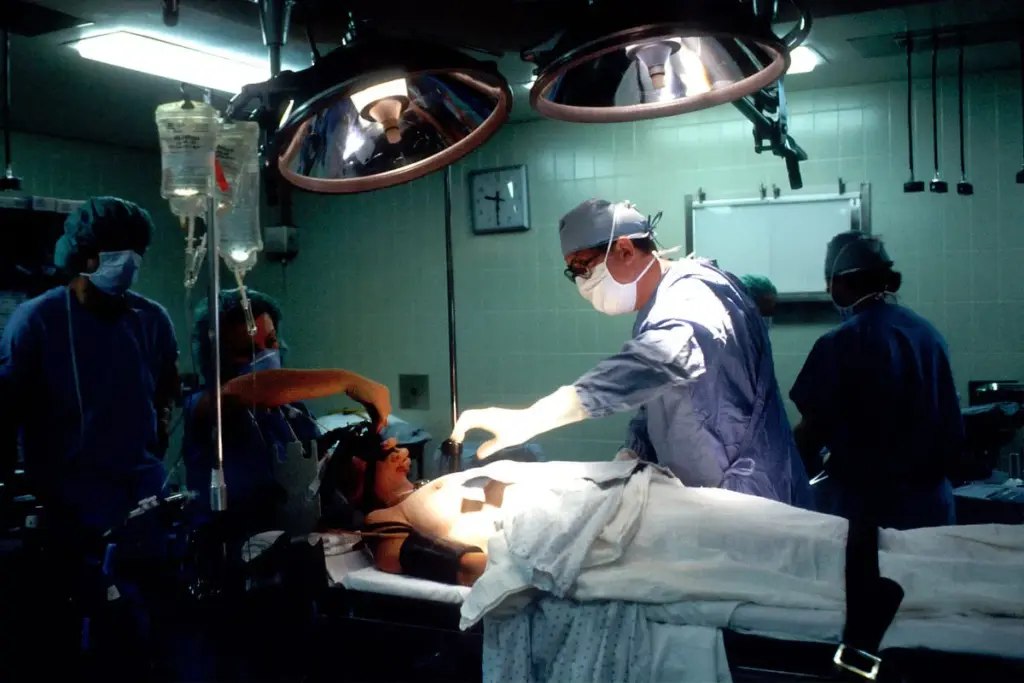
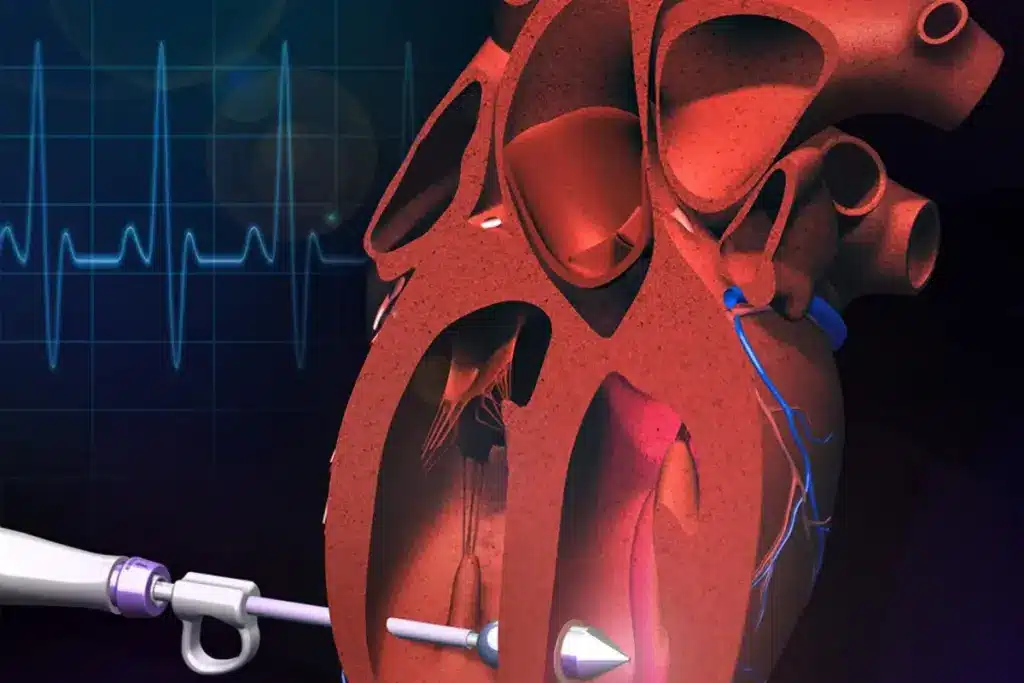
Open-heart surgery is a complex procedure. It involves fixing or replacing damaged heart parts. This surgery treats many heart issues, like coronary artery disease and heart valve problems.
Common Types of Cardiac Procedures
There are many cardiac procedures in open-heart surgery. These include:
- Coronary artery bypass grafting (CABG) to improve blood flow to the heart.
- Heart valve repair or replacement to correct issues with the heart’s valves.
- Surgery to repair or remove damaged or diseased heart tissue.
- Heart transplant in severe cases where the heart is failing.
Each procedure is customized for the patient’s needs. A skilled cardiac surgeon performs it.
Physical Impact on Your Body
Open-heart surgery greatly affects the body. The surgery involves:
- A sternotomy, where the breastbone is divided to access the heart.
- The use of a heart-lung machine to maintain blood circulation and oxygenation during the procedure.
- A period of recovery in the intensive care unit (ICU) to closely monitor the patient’s condition.
The physical impact is significant. It’s important for patients to know what to expect during recovery.
Initial Recovery in the Hospital
The initial recovery in the hospital is key. It helps monitor complications and manage pain. Patients usually spend a few days in the ICU before moving to a regular room. Healthcare professionals watch:
|
Aspect of Care |
Description |
|---|---|
|
Vital Signs |
Monitoring heart rate, blood pressure, and other critical indicators. |
|
Pain Management |
Administering medication to manage post-surgical pain. |
|
Wound Care |
Ensuring the surgical site heals properly. |
|
Mobility |
Encouraging patients to move and walk to prevent complications. |
Knowing about open-heart surgery helps patients prepare for the procedure and recovery.
The First Two Weeks of Open Heart Surgery Recovery
Starting your recovery after open-heart surgery is a big step. Knowing what to expect in the first two weeks is key. This time is vital for your healing, and being prepared can help you face challenges.
What to Expect When You First Come Home
Coming home after surgery can bring mixed feelings. You might feel relieved, anxious, or unsure. It’s normal to feel this way as you adjust from the hospital to your home.
You might need help with daily tasks like bathing and taking medication. Having someone to support you is important. Make sure your home is ready for a smooth recovery.
Set up a comfy place to rest and keep important things within reach. Try to avoid stairs. Knowing your medication and upcoming appointments is also key.
Physical Limitations During This Period
In the first two weeks, listen to your body. You might feel tired, in pain, or uncomfortable. These feelings are normal after surgery.
Avoid hard activities, lifting, or bending. These can hurt your sternum and slow healing. Walking is important to prevent blood clots and improve circulation.
Start with short walks and gradually increase the distance. Rest when you need to. It’s important to listen to your body.
The Healing Process at Two Weeks
By the second week, you might feel better. Pain might lessen, and you might have more energy. But, it’s important to keep following your doctor’s advice.
Your sternum is healing, so avoid activities that could harm it. Watch how your body reacts to different things. Keep track of your progress and any concerns to discuss with your doctor.
Recommended Walking Distance at 2 Weeks Post-Surgery
Two weeks after open-heart surgery, patients can start walking more. They need to do this under the advice of cardiac specialists. It’s important to move forward carefully to avoid too much strain.
Average Distance Guidelines from Cardiac Specialists
Cardiac specialists suggest walking 200 to 500 feet (60 to 150 meters) first. Then, they can walk more as they get better. The exact distance depends on the patient’s health and surgery details.
Duration Recommendations for Each Walking Session
How long to walk is just as important as how far. Start with 5 to 10 minutes and increase as you get stronger. Always listen to your body and don’t go too far.
Frequency of Walking Throughout the Day
How often to walk is key to getting better. Doctors say to walk several times a day. Start with 2 to 3 short walks and add more as you feel better. This keeps progress steady without too much effort.
Individual Factors That Affect Your Walking Capacity
Many things can change how well you can walk after heart surgery. These include:
|
Factor |
Description |
Impact on Walking |
|---|---|---|
|
Age |
Older patients may need to progress more slowly. |
Reduced initial walking distance |
|
Pre-Surgery Activity Level |
Patients who were more active before surgery may recover more quickly. |
Increased walking capacity |
|
Comorbid Conditions |
Presence of other health conditions can affect recovery. |
Variable impact on walking distance and frequency |
|
Surgical Complexity |
More complex surgeries may require longer recovery times. |
Reduced initial walking distance and frequency |
Knowing these factors helps set realistic goals. It also helps adjust walking plans for better recovery.
Benefits of Walking at the Two-Week Recovery Mark
Reaching the two-week mark after open-heart surgery is a big milestone. Walking becomes a key part of our recovery at this time. It brings many health benefits.
Cardiovascular System Improvements
Walking at this stage boosts our heart health. It makes our heart pump blood better. This improves blood flow, ensuring our body gets the oxygen and nutrients it needs.
Research shows walking lowers blood pressure and improves cholesterol levels. These changes are good for our heart health and lower the risk of heart problems later on.
|
Cardiovascular Benefits |
Description |
|---|---|
|
Improved Heart Function |
Enhanced efficiency in pumping blood |
|
Better Circulation |
Effective delivery of oxygen and nutrients |
|
Reduced Blood Pressure |
Lower risk of future cardiac events |
Prevention of Post-Surgical Complications
Walking helps prevent complications after surgery. It lowers the risk of blood clots, pneumonia, and other issues linked to staying in bed too long.
It also keeps our joints and muscles strong. This helps avoid stiffness and muscle loss during long recovery times.
Mental Health and Emotional Well-being
Walking is great for our mental health after surgery. It can make us feel happier and less anxious. This is important during the recovery period.
Walking outside can also connect us with nature and others. This boosts our emotional well-being even more.
Impact on Your Overall Recovery Timeline
Walking can speed up our recovery. It improves our heart health, prevents complications, and boosts our mood. This helps us get back to normal faster.
But, it’s important to listen to our doctors. They know what’s best for our safe and effective recovery.
How to Safely Increase Your Walking Distance
After open-heart surgery, it’s key to slowly increase your walking. As you get stronger, finding the right balance is important. You want to keep moving but not too much.
Starting Points Based on Your Specific Condition
The first step in increasing your walks depends on your surgery and health. Start with short walks of 5 to 10 minutes, several times a day. Always talk to your doctor to find the right start for you.
Gradual Progression Methods
To safely increase your walks, try these steps:
- Incremental Time Increase: Add 2-3 minutes to your walks each day or every other day, as you can.
- Distance Measurement: Use a pedometer or app to track your walks. Aim to increase your distance a little each week.
- Frequency Adjustment: If you walk often, try to increase the number of walks or the time between them.
Monitoring Your Body’s Response
Pay close attention to how your body reacts as you walk more. Look out for signs like unusual tiredness, pain, or trouble breathing. If you notice these, stop and rest.
Keep a log of your walks. Note the distance, time, and how you felt before and after. This helps you track your progress.
Using Walking Aids When Necessary
Some people might need canes or walkers to feel more secure while walking. Talk to your doctor about using these aids to see if they’re right for you.
By following these tips and listening to your body, you can safely increase your walks. This helps your recovery after open-heart surgery.
Warning Signs You’re Overdoing Physical Activity
It’s important to know the signs of overexertion after open-heart surgery. As you start walking more, listen to your body. Pay attention to the signals it sends.
Physical Symptoms to Watch For
There are physical signs that you might be doing too much. These include:
- Chest pain or discomfort: Any pain or pressure in your chest, arm, or jaw is serious.
- Shortness of breath: Trouble breathing or feeling winded even when resting means you need to slow down.
- Dizziness or lightheadedness: Feeling faint or dizzy means you’re pushing too hard.
- Unusual fatigue: While some tiredness is normal, extreme tiredness that doesn’t get better with rest is a warning.
- Swelling or pain in your legs: Increased swelling or pain in your legs means your body is stressed.
Emotional and Mental Indicators of Overexertion
Overexertion affects your mind and feelings too. Look out for:
- Increased anxiety or stress: Feeling overwhelmed or anxious about your recovery or daily life.
- Mood swings: Sudden mood changes, like irritability or depression.
- Lack of motivation: Feeling hopeless or disconnected from your recovery.
When to Scale Back Your Walking Routine
If you see any of these signs, it’s time to slow down your walking. This could mean:
- Reducing the distance or frequency of your walks.
- Taking more rest days.
- Talking to your healthcare provider for advice.
Remember, recovery is a slow process. It’s safer to be cautious and focus on your health than to ignore pain or discomfort.
Indoor vs. Outdoor Walking at Two Weeks
After open-heart surgery, knowing the pros and cons of indoor and outdoor walking is key. In two weeks, patients want to get back to normal. But, it’s important to do it safely.
Benefits and Risks of Walking Indoors
Indoor walking is a safe start or next step in your recovery. It keeps you away from bad weather and dangers outside.
- Controlled Environment: Indoor walking keeps you in a stable climate, away from extreme weather.
- Reduced Risk of Falls: Indoors, the floors are usually even and not slippery, making falls less likely.
- Accessibility: If you have mobility issues, indoor walking is always an option, no matter the weather.
Risks Associated with Indoor Walking
Indoor walking is mostly safe, but there are some risks to watch out for, like:
- Limited Space: Indoors, you might walk the same paths over and over, which can be boring.
- Air Quality: Bad air circulation can make the air stale, which might worsen breathing problems.
Considerations for Venturing Outside
Walking outside can be good for a change of scenery and fresh air. But, think about a few things before you go.
- Weather Conditions: Stay inside during really bad weather like heavy rain, snow, or too much heat.
- Air Quality: Check the air quality before going out, as poor air can be bad for those with breathing issues.
- Surface Conditions: Watch out for uneven, slippery, or rough surfaces that could make you fall.
Weather and Environmental Factors to Consider
Weather and the environment are big factors in choosing indoor or outdoor walking. Extreme temperatures can be hard on your body, making recovery harder.
In summary, both indoor and outdoor walking have their ups and downs at two weeks after open-heart surgery. Knowing these can help patients make the best choice for their recovery, keeping it safe and effective.
Complementary Activities to Support Your Walking Program
To make your walking better, try adding gentle stretches and breathing exercises to your day. These activities can boost your recovery and stamina.
Gentle Stretching Exercises
Gentle stretching can make you more flexible and less stiff after heart surgery. Stick to static stretches that don’t hurt. Here are some examples:
- Neck stretches: Slowly tilt your head to the side, bringing your ear towards your shoulder.
- Shoulder rolls: Roll your shoulders forward and backward in a circular motion.
- Chest stretches: Place your hands behind you on a wall or surface and gently lean back, stretching your chest.
Breathing Techniques to Improve Stamina
Breathing exercises can boost your stamina and lung function. Try these techniques:
- Diaphragmatic breathing: Lie on your back with one hand on your abdomen and the other on your chest. Inhale deeply through your nose, letting your abdomen rise while your chest stays steady.
- Pursed-lip breathing: Inhale through your nose and exhale slowly through pursed lips, as if you’re blowing on hot food.
Upper Body Movement Restrictions to Observe
While recovering from heart surgery, it’s key to avoid certain upper body movements. This helps prevent straining your chest or shoulders. Don’t:
- Lifting heavy objects or weights.
- Making sudden or jerky movements with your upper body.
- Engaging in activities that involve pushing or pulling heavy loads.
Adding these activities to your recovery plan can make your walking program stronger. It supports a better and longer-lasting recovery.
Common Challenges in Open Heart Surgery Recovery
Recovering from open-heart surgery is tough, both physically and emotionally. Patients face many challenges during this time. These can affect their recovery.
Managing Pain While Walking
Managing pain when walking is a big concern. Patients should follow their doctor’s advice on pain relief. This might include medicine or deep breathing exercises.
It’s important to balance pain management with staying active. Walking is key for healing and preventing problems. Patients should listen to their body and adjust their walking pace.
Dealing with Fatigue and Shortness of Breath
Fatigue and shortness of breath are common after surgery. But, there are ways to cope. Pacing activities and resting often can help fight tiredness.
Using breathing techniques can also help. These can improve lung function and reduce breathlessness. Patients should talk to their doctor about the best techniques for them.
Maintaining Motivation During Difficult Days
Recovery is hard, both physically and emotionally. Some days, it’s hard to stay motivated. Setting small, achievable goals can help keep patients motivated and track their progress.
Support from loved ones and support groups is also key. Hearing from others who understand can be very uplifting.
Addressing Emotional Hurdles in Recovery
The emotional side of recovery is important too. Patients may feel anxious, fearful, frustrated, or sad. It’s important to acknowledge these feelings and seek help when needed.
We advise patients to talk openly with their healthcare team about their emotional state. They may suggest counseling or therapy to help with these feelings.
The Role of Caregivers in Supporting Walking Progress
Recovering from open-heart surgery needs more than just medical care. Caregivers play a big part in helping the patient follow their recovery plan. This includes walking exercises, which are key for a good recovery.
Safe Assistance Techniques
When helping someone walk, it’s important to support them without getting in the way. Stand beside the patient and offer your arm for support if they need it. This way, you help them avoid accidents and keep their independence.
Encouraging Progress Without Overexertion
Being supportive is very important during recovery. We should always praise the patient’s efforts and small victories. But, we also need to know when to slow down to avoid overdoing it.
Watching how the patient feels and reacts during walks is key. If they seem tired or uncomfortable, it’s time to take a break or adjust their walking plan.
Promoting Independence
As the patient gets better, it’s important to help them become more independent. We can do this by slowly giving them more control over their walking. This means giving them less help over time.
|
Level of Assistance |
Description |
Patient’s Progress Indicator |
|---|---|---|
|
Full Assistance |
Caregiver provides significant support, helping with balance and walking. |
Patient requires substantial help. |
|
Partial Assistance |
Caregiver offers some support, mainly for balance or encouragement. |
Patient can walk with some help. |
|
Independent |
Patient walks without assistance, caregiver observes from a distance. |
Patient demonstrates significant improvement. |
Knowing when to help and when to let the patient do things on their own is key. Caregivers are essential in helping patients walk better after open-heart surgery.
Tracking Your Walking Progress After Cardiac Surgery
Tracking your walking after cardiac surgery is key to your recovery. It helps you meet your goals and gives your healthcare team insights. Monitoring your distance, time, and how often you walk is important.
Simple Methods to Record Distance and Time
There are easy ways to track your walking. You can keep a walking log or diary. Write down the date, distance, time, and how you felt each time you walk. This log shows your progress and motivates you.
Using a pedometer or step counter is another method. These devices count your daily steps accurately. You can also measure distance with a known route or GPS.
Using Technology to Monitor Recovery
Today, there are many tech tools to track your walking. Mobile apps for fitness and health are great. Apps like Fitbit, MyFitnessPal, and Strava track steps, distance, and heart rate.
Wearable devices like smartwatches or fitness trackers are also helpful. They monitor activity, heart rate, and other signs. They remind you to stay active and alert you to unusual activity.
Setting Realistic Milestones for Weeks 3-4
In weeks 3 and 4, setting realistic walking goals is important. These goals should be challenging but doable. They should consider your fitness level and any doctor’s advice.
|
Week |
Average Daily Steps |
Walking Distance |
Frequency |
|---|---|---|---|
|
3 |
3,000 – 5,000 |
1 – 2 miles |
3 – 4 times a day |
|
4 |
5,000 – 7,000 |
2 – 3 miles |
4 – 5 times a day |
Tracking your walking and setting goals keeps you motivated. Always check with your doctor before changing your walking routine.
When to Contact Your Healthcare Provider
After open-heart surgery, knowing when to call your doctor is key. As you walk and do other recovery activities, watch your body closely. Knowing when to get medical help can greatly help your recovery.
Red Flags During Walking Sessions
Walking is important for your recovery. But, there are signs to watch for during walks. If you notice any of these, it’s time to call your doctor:
- Chest pain or discomfort that doesn’t improve with rest
- Severe shortness of breath
- Dizziness or feeling faint
- Pain, swelling, or redness in your legs
Symptoms That Warrant Immediate Attention
Some symptoms need quick medical help. If you have any of these, call your doctor or go to the emergency room right away:
“If you have symptoms such as severe chest pain, difficulty breathing, or severe dizziness, seek immediate medical help.”
- Severe chest pain or pressure
- Shortness of breath at rest or with minimal exertion
- Swelling in your feet, ankles, or legs that doesn’t improve with elevation
- Fever over 100.4°F (38°C)
- Redness, swelling, or drainage from your surgical site
Questions to Ask at Your Two-Week Follow-Up
Your two-week check-up is a big milestone. Be ready with questions for your doctor, like:
- What are the normal expectations for my recovery at this stage?
- Are there any specific symptoms I should be concerned about?
- How can I gradually increase my physical activity?
- Are there any medications or supplements I should avoid?
By knowing these signs and asking the right questions, you can make your recovery smoother and safer after heart surgery.
What to Expect in the Coming Months of Recovery
As you move forward in your recovery after open-heart surgery, knowing what to expect is key. After the first two weeks, you’ll likely see big improvements. Knowing what to expect can help you get ready for the journey and reach your health goals.
One Month Walking Milestones
At one month, most patients can walk much farther without getting tired. They can walk about 1-2 miles at a time, doing it several times a day. Each walk can last 10-15 minutes, with breaks in between.
Three Month Progress Expectations
By three months, you’ll likely see big changes in your heart health and energy levels. You might be able to walk 3-4 miles without getting too tired. You might even start doing more active things like cycling or swimming. It’s all about going slow and letting your body heal.
Six Months and Return to Normal Activities
By six months, you might be able to do all your usual activities again. This includes going back to work and spending time with friends. Just remember to listen to your body and adjust your activities as needed.
|
Recovery Milestone |
Average Walking Distance |
Typical Activities |
|---|---|---|
|
1 Month |
1-2 miles |
Short walks, light stretching |
|
3 Months |
3-4 miles |
Cycling, swimming, more strenuous activities |
|
6 Months |
Varies |
Return to normal activities, including work and social events |
Knowing what to expect can help you stay on track and have a successful recovery. Always follow your doctor’s advice and adjust your plan as needed.
Conclusion
Walking is key in recovering from open heart surgery. At two weeks post-surgery, patients can start with short walks. They should then increase the distance and frequency over time.
Following the recommended walking guidelines is essential for a smooth recovery. This helps ensure a successful healing process. Over the coming months, patients will see big improvements in their health. Understanding the recovery timeline and following cardiac specialists’ advice is important. This helps optimize heart surgery recovery. We encourage patients to stick to their walking program. They should also monitor their progress and make adjustments as needed. Combining walking with gentle stretching and breathing exercises can improve recovery. A well-structured recovery plan helps avoid complications. It also supports a successful return to normal activities.
FAQ
How far should I be walking 2 weeks after open-heart surgery?
Two weeks after surgery, start with short walks of 5-10 minutes. Gradually increase the time and walks as you get stronger.
What are the benefits of walking after open-heart surgery?
Walking boosts heart health and prevents complications. It also improves mental health and speeds up recovery.
How often should I walk after open-heart surgery?
Walk several times a day, starting with short walks. Increase the time and frequency as you get better.
What are the warning signs that I’m overdoing physical activity after open-heart surgery?
Watch for chest pain, dizziness, or shortness of breath. Also, look out for too much fatigue or anxiety.
Can I walk outdoors 2 weeks after open-heart surgery?
Walking outdoors is okay two weeks after surgery. But watch the weather and air quality, and stay safe.
How can I track my walking progress after cardiac surgery?
Use a pedometer, fitness tracker, or apps to track your walks. You can also write down your progress.
What are the complementary activities that can support my walking program?
Try gentle stretching and breathing exercises. Also, follow any rules about moving your upper body.
How can caregivers assist with walking progress after open-heart surgery?
Caregivers can help with walking and encourage you. They should know when to offer help or let you do it on your own.
When should I contact my healthcare provider during the recovery period?
Call your doctor if you feel chest pain or dizzy while walking. Or if you have any concerns about your recovery.
What can I expect in terms of walking milestones at one month after open-heart surgery?
By one month, you should be walking farther and longer. Your heart health will also improve.
How long does it take to recover from open-heart surgery?
Recovery time varies, but it usually takes several months. You’ll see big improvements in the first 3-6 months.
National Center for Biotechnology Information. Evidence-Based Medical Insight. Retrieved from https://www.ncbi.nlm.nih.gov/pmc/articles/PMC6493324/

























