
Knowing how many ounces in a cup is key for maintaining a healthy diet. At Liv Hospital, we focus on accurate diet advice. This is part of our goal to provide top-notch, patient-focused care.
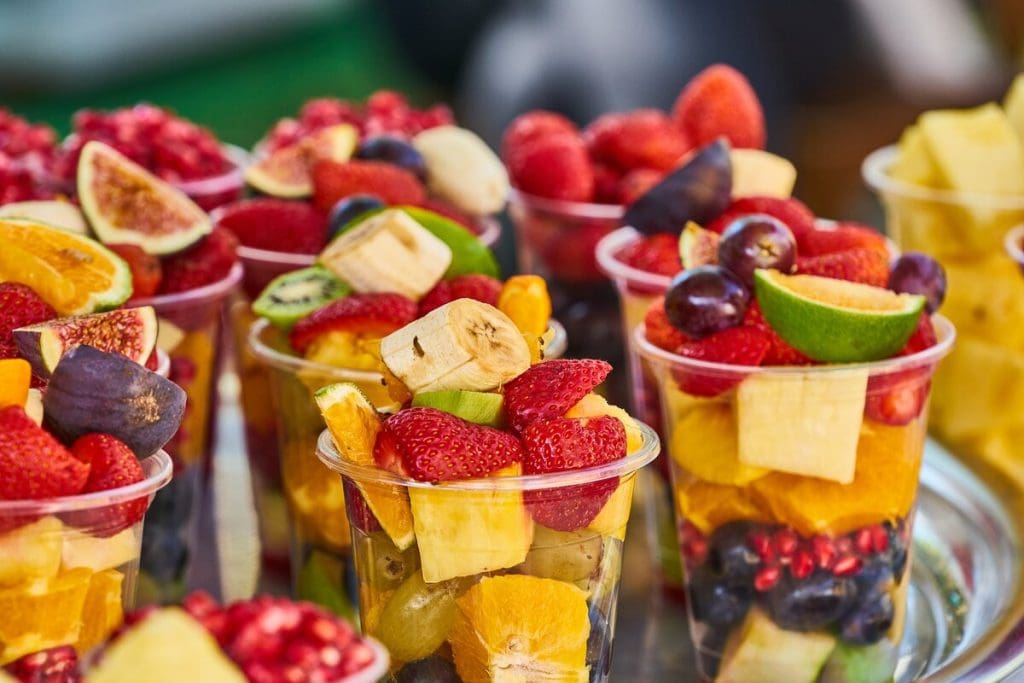
Fruit can be measured in different ways – whole, chopped, or juiced. For whole fruits, one medium fruit equals one cup. Chopped fruits are measured by volume, with 1 cup being the standard.
The USDA says a medium fruit is about the size of your fist. For 100% fruit juice, 8 ounces is a serving. This is the same as 1/2 cup.
Key Takeaways
- A cup of whole fruit is equivalent to one medium-sized fruit.
- For chopped fruits, 1 cup is the standard serving size.
- 100% fruit juice is considered a serving at 8 ounces or 1/2 cup.
- The USDA recommends measuring fruit servings based on size and volume.
- Precise dietary guidelines are essential for a balanced diet.
Understanding Standard Fruit Measurements
To make good food choices, knowing standard fruit measurements is key. At Liv Hospital, we teach this to help our patients get the nutrients they need.
The Definition of a “Cup” in Nutritional Guidelines
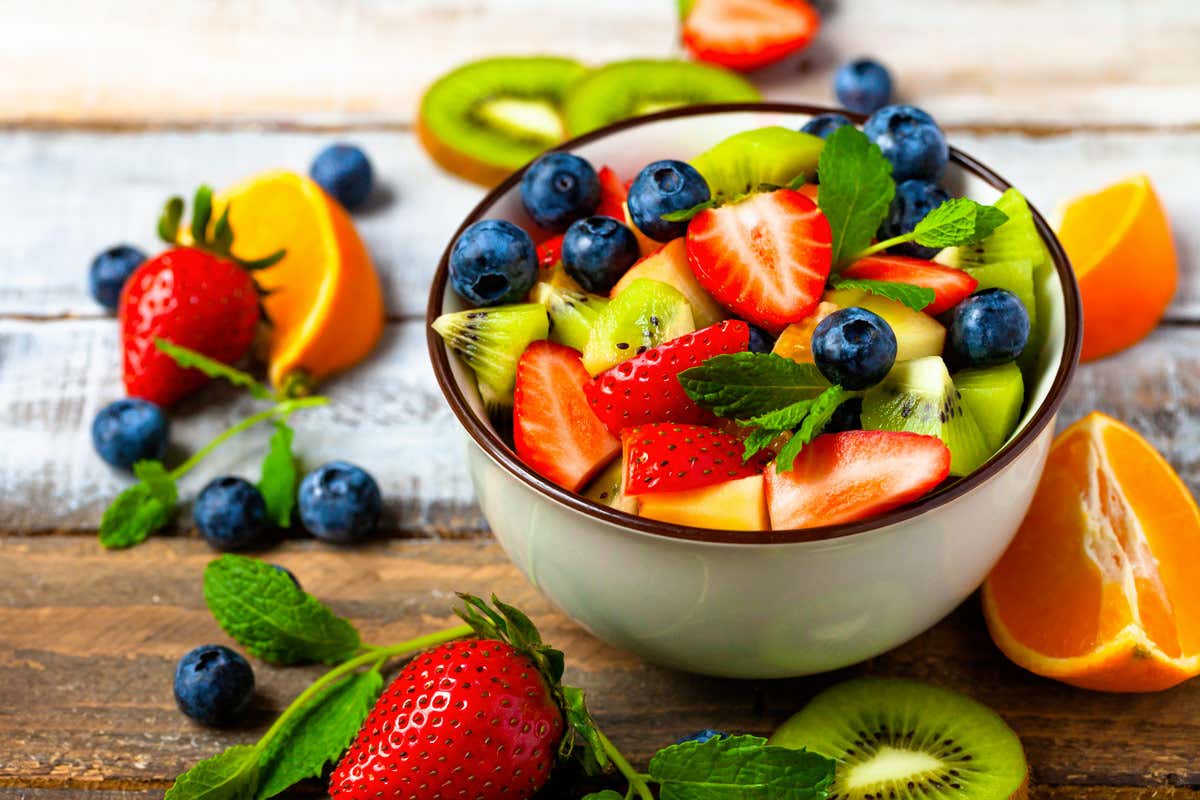
A “cup” of fruit is a set amount used in nutrition guides. It’s based on how much fruit gives you important nutrients like fiber and potassium. For example, bananas and oranges are great for blood pressure because they’re full of potassium.
It’s important to measure right because food labels show how much to eat. The USDA says adults should eat 2 cups of fruit a day if they follow a 2,000-calorie diet.
Key Components of a “Cup” of Fruit:
- A specific volume of fresh, cut, or cooked fruit
- A certain amount of fruit juice without added sugars
- A defined quantity of dried fruit, considering its concentrated nature
Why Accurate Fruit Measurement Matters for Health
Measuring fruit accurately is key to knowing what you’re eating. Eating the right amount of fruit gives you the fiber and potassium you need. These help keep you healthy, prevent diseases, and boost your overall health.
“Eating a wide variety of vegetables and fruit is vital for protecting against cancer and other diseases.”
By knowing and using standard fruit measurements, you can make better food choices. At Liv Hospital, we emphasize the importance of eating a balanced diet with lots of fruits, veggies, and other nutrient-rich foods.
How Many Ounces in a Cup of Different Fruit Types
Knowing how many ounces are in a cup of fruit is key. This varies a lot, depending on if the fruit is whole, cut, or juiced.
Fresh Whole Fruits: 8 Ounces Standard
For fresh whole fruits, one medium fruit is usually one cup. But the ounces can differ. Generally, one cup of fresh fruit is about 8 ounces. For instance, a medium apple or orange is one cup.
It’s interesting to note that fruits like bananas have different calorie counts. A medium banana has about 105 calories.
Here are some examples of fresh whole fruits and their measurements:
- A medium apple = 1 cup
- A medium orange = 1 cup
- A medium banana = 1 cup (approximately 105 banana calories)
Cut or Chopped Fruits: Volume Measurements
For cut or chopped fruits, the measurement is by volume. One cup of cut fruit is the standard serving size. This includes fruits like jackfruit, which is often eaten in cut or chopped form.
The ounces for cut fruits can vary. But, 1 cup of cut fruit is usually 4-6 ounces, depending on how it’s packed.
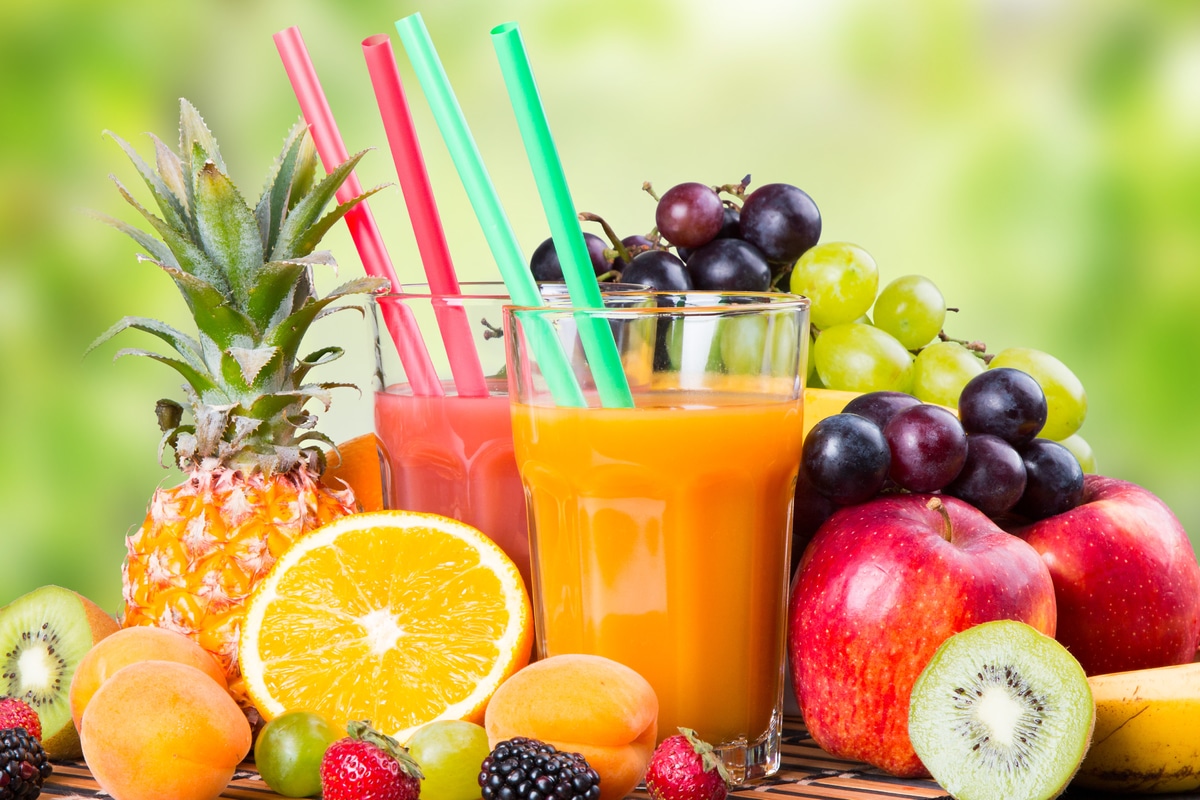
- 1 cup of diced apples
- 1 cup of sliced oranges
- 1 cup of chopped jackfruit
Fruit Juice: Liquid Equivalents
For fruit juice, the measurement is simple: 8 ounces is one cup. This is the standard serving size for 100% fruit juice. It’s important to remember that fruit juice lacks the fiber of whole fruits.
Here are some key points about fruit juice measurements:
- 8 ounces = 1 cup of 100% fruit juice
- Always check the label to ensure it’s 100% juice without added sugars
- Be mindful of the calorie count, as fruit juice can be high in natural sugars
Equivalent Measurements for Common Fruits
To manage our fruit intake effectively, we need to know the equivalent measurements for different types of fruits. Understanding these measurements is key for meal planning and meeting our daily nutritional needs.
For common fruits like bananas, apples, and oranges, the measurements are straightforward. For example, one medium apple or one large banana is one cup. Also, one medium orange is the same as one cup.
Banana, Apple, and Orange Equivalents
Here are some examples of 1 cup-equivalent serving sizes for common fruits:
- Apple, pear, orange, peach, or nectarine: 1 medium
- Banana: 1 large
- Grapefruit: 1/2 medium (4 across)
- Grapes: 22
- Kiwifruit: 2 to 3
These measurements help us understand how to include a variety of fruits in our diet. For example, if we’re having orange juice, we should note that 100% orange juice can be measured in ounces to count towards our daily fruit intake.
Berry and Grape Measurements
For smaller fruits like berries and grapes, a specific count is used to determine one cup. For example, 22 grapes or a handful of berries count as one cup. This makes it easy to incorporate these fruits into our meals or snacks.
Tropical and Exotic Fruit Portions
Tropical and exotic fruits, due to their varied sizes and preparations, require a bit more understanding. For instance, a slice of pineapple or a few pieces of dried mango can count as one cup. Being aware of these measurements helps us enjoy a diverse range of fruits.
By understanding the equivalent measurements for common fruits, we can better manage our fruit intake and ensure we’re getting the nutrients we need. Whether we’re enjoying a fresh apple, a banana, or a glass of 100% orange juice, knowing the measurements helps us make informed choices about our diet.
Special Cases: Dried, Frozen, and Canned Fruits
Fruits come in many forms, and knowing how to measure them is key for a healthy diet. Fresh fruits are easy to measure, but processed fruits need a different method. This ensures we get the nutrients we need.
Dried Fruit: Half the Volume, Same Nutritional Value
Dried fruits are like concentrated versions of fresh fruits. They count as double the volume. For example, 1/4 cup of raisins is like 1/2 cup of fruit. The drying process makes them more compact and full of nutrients.
It’s important to watch portion sizes with dried fruits. This is because they have more natural sugars.
Despite being more concentrated, dried fruits keep most of the nutrients of fresh fruits. They are rich in potassium, which is good for blood pressure and bones.
Frozen Fruit Measurement Guidelines
Frozen fruits are measured the same as fresh fruits. Freezing helps keep their nutrients, making them a good choice. Just thaw them first and then measure as you would fresh fruits.
For example, 1 cup of frozen berries, thawed, is like 1 cup of fresh fruit. This makes it easy to add frozen fruits to your diet while keeping track of nutrients.
Canned Fruit: Accounting for Added Syrups
Canned fruits are convenient but often have added syrups. This can increase sugar intake. When measuring canned fruits, remember the syrup’s effect on nutrients. Choose fruits packed in water or their own juice to avoid extra sugar.
“Choosing canned fruits without added syrups or in their own juice can help maintain a healthier diet, rich in essential nutrients like potassium.”
Knowing how to measure these special cases helps us manage fruit intake. This way, we get the nutrients we need without too much sugar.
Daily Fruit Intake Recommendations
Daily fruit intake varies by age, sex, and activity level. Knowing these guidelines helps plan a healthy diet. At Liv Hospital, we stress the need to follow these to keep diets balanced and healthy.
The United States Department of Agriculture (USDA) sets guidelines for daily fruit intake. These help people make better diet choices.
USDA Guidelines Based on Age, Sex, and Activity Level
The USDA suggests adults eat at least 2 cups of fruits daily on a 2,000-calorie diet. But, needs change with age, sex, and activity level. For example, less active women might need less fruit than active men.
Key Recommendations:
- Children aged 2-3 years: 1 cup of fruit per day
- Children aged 4-8 years: 1 to 1.5 cups of fruits per day
- Adult men: 2 cups of fruits per day
- Adult women: 1.5 to 2 cups of fruits per day
Adjusting Fruit Intake for Different Caloric Needs
Adjusting fruit intake is key for different caloric needs. For example, active people might need more fruit. Those needing fewer calories should eat less fruit.
Following these guidelines and adjusting for caloric needs helps keep diets healthy. We suggest talking to healthcare professionals to find the right fruit intake for you.
Conclusion: Practical Tips for Measuring Your Daily Fruit Intake
It’s important to know how much fruit you eat every day. This helps keep your diet healthy. Learning about the right sizes of different fruits is key.
Here are some tips to help you measure your fruit intake. Use measuring cups and pay attention to serving sizes on labels. Also, adjust how much you eat based on your calorie needs. At Liv Hospital, we teach our patients these steps for a balanced diet.
Following these tips can help you eat more fruit and stay healthy. We’re here to support you in making good food choices. Our goal is to help you live a healthier life.
FAQ
What is considered a “cup” of fruit?
A “cup” of fruit can be whole, chopped, or juiced. For whole fruits, one medium fruit is one cup. Chopped fruits are measured by volume, with 1 cup being the standard. For 100% fruit juice, 8 ounces is a serving.
How many ounces are in a cup of fruit juice?
For 100% fruit juice, 8 ounces is one cup or serving.
How do I measure dried fruits?
Dried fruits are double the volume of fresh fruits. For example, 1/4 cup of raisins is like 1/2 cup of fruit.
What are the daily fruit intake recommendations?
The USDA suggests eating at least 2 cups of fruits daily, based on a 2,000-calorie diet. But this can change based on age, sex, and activity level.
How do I adjust fruit intake for different caloric needs?
Adjusting fruit intake is key for different calorie needs. We suggest following the USDA guidelines and talking to a healthcare professional for personalized advice.
How many calories are in a banana?
A medium banana usually has about 100 calories.
What are some high-potassium fruits?
Fruits like bananas, oranges, and jackfruit are high in potassium. This nutrient is important for health.
How do I measure frozen fruits?
Frozen fruits are measured like fresh fruits, with 1 cup being the standard.
What should I consider when consuming canned fruits?
Canned fruits should be chosen carefully because of the added syrups. These can increase sugar content. Opt for canned fruits in their natural juice or water.
References
- Food and Drug Administration. (2020). Daily Value on the new nutrition and supplement facts labels. Retrieved from https://www.fda.gov/food/new-nutrition-facts-label/daily-value-new-nutrition-and-supplement-facts-labels



 Departments
 Related Videos
 Our Doctors
 News
News