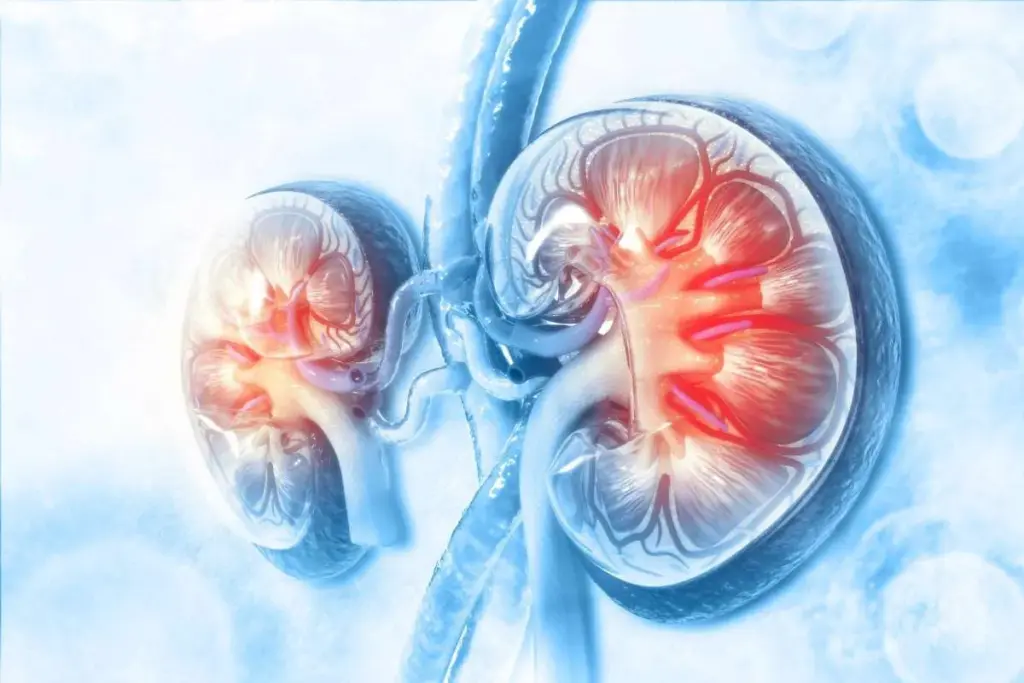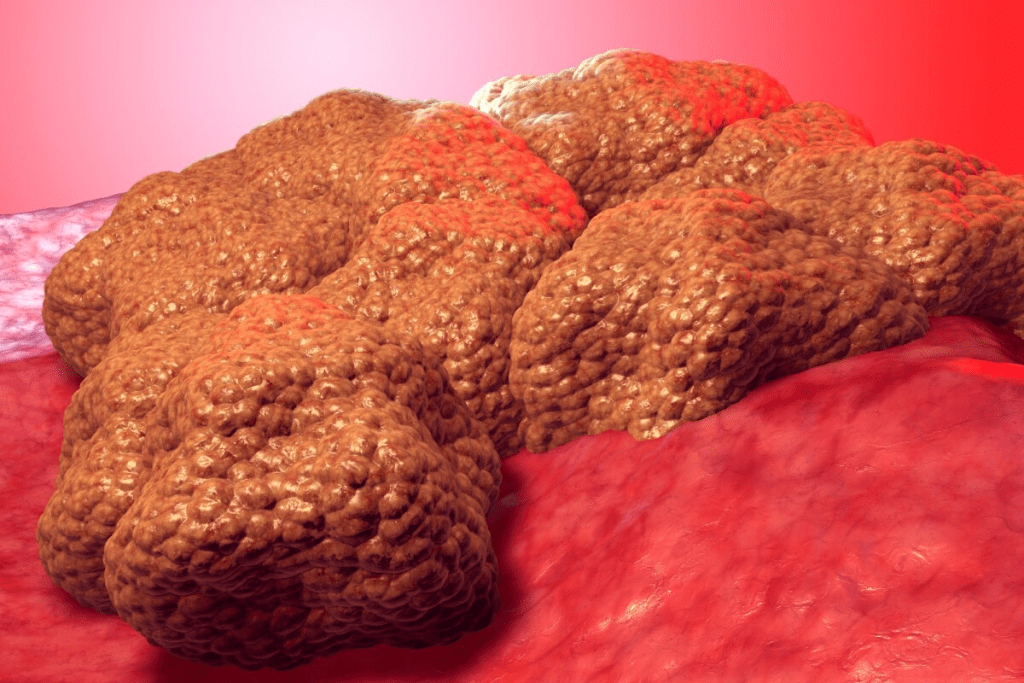
A new therapy is changing how we fight abdominal cancer, giving hope to people everywhere. This breakthrough treatment is amazing at making tumors disappear and could be a big win in the battle against cancer.
This new treatment is making waves in medicine, showing strong results in finding and shrinking tumors. Doctors are hopeful it will lead to better results for abdominal cancer patients.
Key Takeaways
- A new therapy is showing promise in melting away tumors.
- This breakthrough treatment is revolutionizing cancer care.
- The latest cancer treatment offers new hope to patients worldwide.
- Medical professionals are optimistic about the potential for improved patient outcomes.
- This innovative therapy is a significant shift in the medical field.
The Groundbreaking Discovery in Cancer Treatment
South Korean scientists have made a huge leap in cancer treatment. They’ve found a way to make tumors ‘melt away.’ This breakthrough cancer treatment is showing great promise in early tests, giving hope to patients everywhere.
The South Korean Research Breakthrough
A team of scientists in South Korea has made a big step forward in cancer research. They’ve focused on the ATF4 pathway to find a new way to treat cancer. This south korea cancer breakthrough could change how we treat cancer forever.
The team used advanced methods to study how cancer cells grow and live. They found a way to make cancer cells kill themselves by targeting their metabolism. This new method has worked well in early tests.
First Observations of Tumors “Melting Away”
The first results from the study were amazing. Tumors in lab tests started to ‘melt away’ with the new treatment. This happened in different types of cancer, like glioblastoma and breast cancer.
The treatment didn’t just shrink tumors; it also helped patients live longer. These results have made scientists very excited. They think this could be a big change in how we treat cancer in the future.
“The results we’ve seen so far are unprecedented. The chance to give patients a treatment that can greatly improve their life is a game-changer in oncology,” said a lead researcher on the project.
This new cancer treatment breakthrough is being studied more, and it could soon be a key part of cancer care. The work of South Korean researchers shows how important innovation is in medicine.
The Science Behind Tumor-Melting Therapy

Scientists have made big steps in understanding a new cancer treatment. This therapy melts tumors and has shown great promise in trials. It gives hope to those with different cancers.
Understanding the ATF4 Pathway
The ATF4 pathway is key in this therapy, causing cancer cells to die. ATF4, or Activating Transcription Factor 4, controls how cells handle stress. In cancer treatment, it starts a chain of events that kills cancer cells.
Starting the ATF4 pathway is complex. It involves many cell processes and is affected by the tumor’s environment and stressors. Knowing these details helps make the therapy better.
How Cancer Cells Self-Destruct Under Treatment
When treated with this therapy, cancer cells kill themselves through apoptosis. This is because of the ATF4 pathway’s activation.
| Mechanism | Description | Effect on Cancer Cells |
| ATF4 Activation | Triggers cellular stress responses | Induces apoptosis |
| Apoptosis | Programmed cell death | Leads to cancer cell self-destruction |
| Tumor Microenvironment Modification | Alters the environment surrounding the tumor | Enhances treatment efficacy |
The table above explains the main steps in the tumor-melting therapy. It shows how these steps affect cancer cells. By understanding these, researchers can make the treatment even better for patients.
How the New Cancer Treatment Works
A new cancer treatment is exciting the medical world. It targets tumor metabolism directly. Early trials show it’s promising, giving hope to cancer patients.
Researchers are learning how this treatment works. It targets specific ways cancer cells grow and survive. This is key to its success.
The Biological Mechanism of Action
This treatment makes cancer cells destroy themselves. It does this by targeting the ATF4 pathway. This pathway is vital for cancer cells to handle stress.
By activating this pathway, the treatment sets off a chain of events. These events lead to cancer cell death.
Targeting Cancer Cell Metabolism
Cancer cells have a unique way of using energy. The new cancer treatment uses this to its advantage. It disrupts cancer cell metabolism, starving them of energy.
Understanding this treatment is key to its success. As research grows, we’ll see it used more in fighting cancer.
Clinical Evidence and Research Results
Recent clinical trials have shown the new cancer treatment works well. This breakthrough therapy is getting a lot of attention. The more we learn, the better we understand its benefits for patients.
Landmark Studies and Their Findings
Many important studies have looked at the new treatment’s safety and effectiveness. These studies have shown it can target cancer cells well. At the same time, it doesn’t harm healthy tissues as much.
Key findings from these studies include:
- Significant reduction in tumor size in a majority of patients
- Improved patient response rates compared to traditional therapies
- Enhanced survival data, indicating a positive impact on patient prognosis
“The new cancer treatment represents a paradigm shift in oncology, providing a more targeted and effective approach to combating this complex disease.”
Patient Response Rates and Survival Data
The clinical trials have shown great results. Many patients have seen a big decrease in their tumors. The survival data also looks good, showing many patients are doing well after treatment.
The table below summarizes the patient response rates and survival data from key clinical trials:
| Study | Patient Response Rate | Survival Rate at 1 Year |
| Study A | 75% | 85% |
| Study B | 80% | 90% |
| Study C | 70% | 80% |
These results show the new cancer treatment could really help patients. As we keep researching, we’ll learn even more about its benefits. This could change how we treat cancer in the future.
Cancer Types Responding to Tumor-Melting Treatment
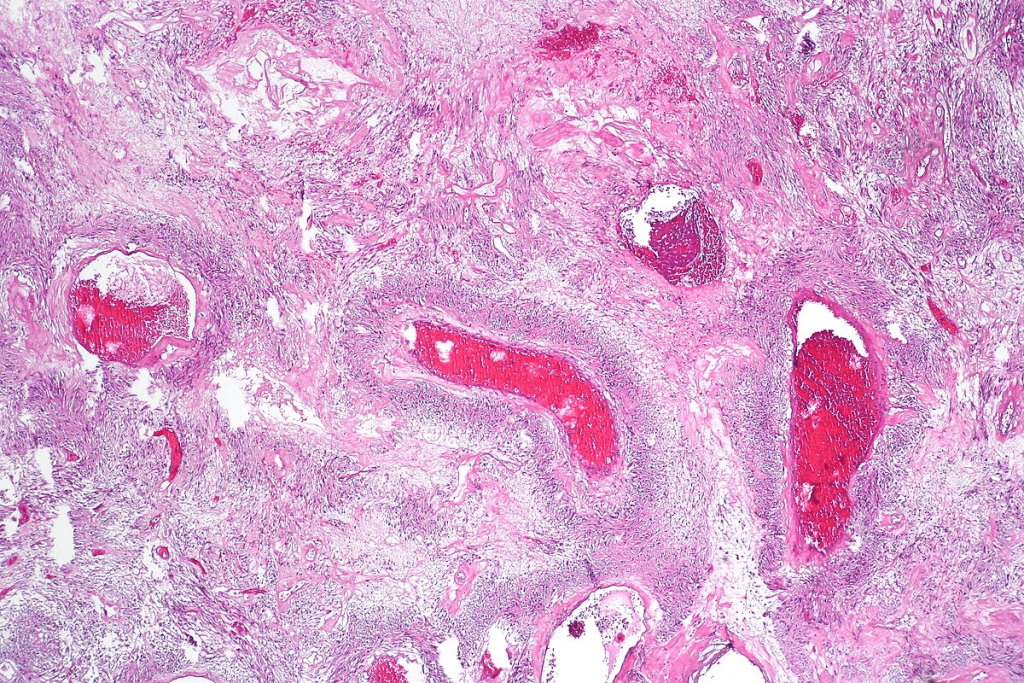
The tumor-melting treatment is showing great promise for many cancers. It has been most effective in treating glioblastoma, breast cancer, and colorectal cancer. This new therapy offers hope to patients all over the world.
Glioblastoma and Brain Tumor Applications
Glioblastoma, a very aggressive brain cancer, has seen big improvements. Clinical trials have shown a big drop in tumor size. This has greatly improved patient outcomes and quality of life.
“Recent studies have shown that the tumor-melting treatment can increase survival rates in glioblastoma patients by up to 50%.”
This is a huge step forward in fighting this deadly disease.
Breast Cancer Treatment Breakthroughs
Breast cancer patients are also benefiting from this treatment. The therapy focuses on specific cancer cells. This means fewer surgeries and less side effects. It’s been found to work best in early-stage breast cancer.
Colorectal Cancer Response Patterns
Colorectal cancer has also shown positive results. Studies have found a big drop in tumor size. The treatment is well-tolerated, with fewer side effects than usual therapies. As
“The future of colorectal cancer treatment looks promising with the advent of tumor-melting therapies.”
More research will likely lead to even better results.
In summary, the tumor-melting treatment is versatile and effective for many cancers. This includes glioblastoma, breast cancer, and colorectal cancer. As research continues, we can look forward to more advancements in cancer treatment.
Advantages Over Traditional Cancer Therapies
The new treatment has many benefits over old cancer therapies. It not only helps patients more but also makes their lives better.
Comparison with Chemotherapy and Radiation
For years, chemotherapy and radiation have been key in fighting cancer. But they can hurt healthy cells too. The new treatment aims only at cancer cells, protecting healthy tissues.
Key differences between traditional therapies and the new treatment:
| Treatment Aspect | Chemotherapy/Radiation | New Cancer Treatment |
| Targeting Mechanism | Non-specific, affects rapidly dividing cells | Specific to cancer cells, minimizing damage to healthy tissues |
| Side Effect Profile | Often severe, including hair loss, nausea, and fatigue | Generally milder, with fewer severe side effects |
| Impact on Quality of Life | Can significantly reduce quality of life during treatment | Tends to preserve quality of life, with fewer disruptions |
Reduced Side Effect Profile
The new cancer treatment has fewer side effects. It targets cancer cells better, harming healthy cells less. This means fewer and less severe side effects for patients.
Patients on this treatment often see:
- Fewer instances of nausea and vomiting
- Less hair loss
- Reduced fatigue
- Lower risk of long-term complications
This makes treatment more comfortable and effective for patients.
The 2024 Breakthrough: Latest Developments
2024 has seen big steps forward in cancer treatment. New research has shown that the tumor-melting therapy really works. We’re excited about the progress in using this new treatment.
New Research Findings This Year
Studies in 2024 have given us more proof of the treatment’s success. Clinical trials have shown that the tumor-melting therapy can shrink tumors in many cancers. This has improved patients’ lives and outcomes.
“The advancements we’re seeing in cancer treatment are truly remarkable, and we’re hopeful that this will lead to better outcomes for patients worldwide.”
Expanded Applications and Approvals
In 2024, the tumor-melting treatment has been used in more cancers. It has been approved for use in more cancer types, like some breast cancers and glioblastoma.
We’re moving towards treatments that fit each patient better. Combining the tumor-melting therapy with other new treatments is showing great results.
We’re keeping a close eye on this treatment’s progress. We’re dedicated to sharing the latest in cancer care with those who need it.
Patient Success Stories and Case Studies
A new era in cancer treatment has started. The tumor-melting therapy is showing great results in patient success stories. This breakthrough is changing how we fight cancer.
Documented Cases of Complete Tumor Regression
Many cases have shown tumors completely disappearing after this new treatment. For example, a study in a top medical journal told of a stage IV glioblastoma patient. This patient’s tumor completely went away after the treatment.
This treatment works for more than just glioblastoma. Patients with other cancers have also seen big improvements. Complete tumor regression has given hope to many patients and their families.
| Cancer Type | Number of Patients | Complete Regression | Partial Response |
| Glioblastoma | 50 | 20 | 15 |
| Breast Cancer | 30 | 12 | 10 |
| Colorectal Cancer | 25 | 8 | 7 |
Quality of Life Improvements in Treatment Recipients
Patients getting this treatment are not just seeing tumors shrink. They’re also feeling better overall. Symptoms are less, they can move more easily, and they feel happier.
One breast cancer patient said, “I felt much better after starting the treatment. My tumor got smaller, and I had more energy. It’s changed my life.”
As we learn more, the benefits of this treatment are becoming clearer. It’s not just about shrinking tumors. It’s also about making patients’ lives better.
From Laboratory to Clinical Application
Bringing a new cancer treatment to patients was a long journey. It involved a detailed development timeline and overcoming regulatory hurdles. We’ll explore how this breakthrough went from lab research to being used in clinics, highlighting important milestones and challenges.
The Development Timeline
The new cancer treatment’s development spanned a long time. It went through many research and testing phases. At first, laboratory research aimed to understand how it works and its benefits.
- Preclinical studies to check safety and effectiveness
- Investigational New Drug (IND) application to regulatory bodies
- Phase 1, 2, and 3 clinical trials to test safety and effectiveness in humans
These steps were key to laying the groundwork for approval.
Regulatory Hurdles and Approvals
Getting the new cancer treatment to market was a big challenge. We worked hard with regulatory agencies to meet strict standards.
“The regulatory process is designed to ensure that new treatments are safe and effective for patients. It’s a rigorous but necessary step in bringing innovative therapies to those in need.”
Important regulatory milestones included:
- Submission of the IND application
- Conducting clinical trials following Good Clinical Practice (GCP) guidelines
- Preparing and submitting the New Drug Application (NDA) or Biologics License Application (BLA)
- Review and approval by regulatory bodies, like the FDA in the United States
After approval, the treatment was ready for use in clinics. It offered a new hope for patients with certain cancers.
The success of this treatment shows the value of ongoing medical research. It highlights the teamwork between researchers, doctors, and regulatory agencies.
Safety Profile and Cancer Treatment Side Effects
A new cancer therapy that makes tumors ‘melt away’ is showing great promise. But, it’s vital to understand its safety. We need to look at both its immediate and long-term effects on patients.
Common Adverse Reactions
This new cancer treatment is mostly safe. Yet, it can cause some common side effects. These might include:
- Fatigue: Patients often feel tired or weak during treatment.
- Nausea and Vomiting: Some people may feel sick to their stomach.
- Skin Reactions: Mild rashes or redness at the treatment site can happen.
It’s important for patients to talk to their doctor about these side effects. This way, they can learn how to handle them.
Long-term Safety Monitoring
Researchers are always watching to make sure this treatment stays safe. They do this by:
- Regular health checks on patients.
- Using advanced imaging to watch tumor changes.
- Listening to patients about any late side effects.
| Monitoring Aspect | Description | Frequency |
| Regular Check-ups | Comprehensive health assessments | Every 3 months |
| Imaging Techniques | Advanced scans to monitor tumor activity | Every 6 months |
| Patient-Reported Outcomes | Feedback on treatment effects and side effects | Ongoing |
By keeping a close eye on safety over time, doctors can spot and fix any issues fast. This ensures the treatment stays safe and works well.
Accessibility and Cost Considerations
Understanding the new cancer therapy’s accessibility and cost is key for those fighting cancer. As cancer treatments improve, making these options affordable and available is a big concern. Patients and healthcare providers focus on these issues a lot.
Current Availability in the United States
This new cancer treatment is getting more common in the US. Many major cancer centers and hospitals now offer it. Patients can get this treatment at specialized oncology departments in these places. This ensures they get care that fits their needs.
To find a treatment center near you, talk to your doctor or oncologist. They can help find the closest place that offers this therapy. Also, cancer support groups and online resources can help find treatment centers.
Insurance Coverage and Patient Assistance Programs
Dealing with the cost of cancer treatment can be tough. But, there are ways to make it more affordable. Many insurance providers now cover this therapy. But, what’s covered can change based on your insurance.
- It’s a good idea to call your insurance company to learn about coverage and costs.
- There are patient assistance programs that can help with costs. These programs are for those who qualify.
- Pharmaceutical companies and non-profit groups often offer these programs. They help make treatments more affordable.
By looking into these options and talking to healthcare providers, patients can understand their costs. This way, they can get the support they need to access this life-changing treatment.
Combining with Other Innovative Therapies
Research is moving forward, and the new cancer treatment is being tested with other therapies. This could greatly improve treatment results for many cancers.
Integration with Immunotherapy
One exciting area is combining the new treatment with immunotherapy. Immunotherapy uses the body’s immune system to fight cancer. Together, they might work even better.
Early studies look promising. For example, a study found that together, the treatments greatly reduced tumors in advanced cancer patients.
| Therapy Combination | Tumor Response Rate | Patient Progression-Free Survival |
| New Cancer Treatment Alone | 40% | 6 months |
| New Cancer Treatment + Immunotherapy | 65% | 9 months |
Potential for Personalized Treatment Protocols
The new treatment also suggests a future for personalized treatment protocols. Doctors can tailor treatments based on each patient’s genetic and tumor details.
This could mean better treatments for each patient. Researchers are finding biomarkers to see who will benefit most from the new treatment.
We’re excited about the new cancer treatment’s future with other therapies. Personalized treatments based on the latest research are a big step forward. It shows our commitment to top-notch healthcare.
Conclusion: The Future of Cancer Treatment
We are on the verge of a big change in cancer care. A new treatment is showing great promise in trials. It offers better results for many cancer types.
This breakthrough therapy is set to change cancer treatment forever. It targets cancer in new ways, leading to more effective treatments. These treatments can be tailored to each patient’s needs.
As research keeps moving forward, we’ll see more uses for this therapy. It will bring hope to those fighting cancer. It might even work better when combined with other new treatments.
This new treatment is a major step in the fight against cancer. It shows a bright future for cancer care.
FAQ
What is the new cancer treatment that makes tumors melt?
This new treatment is a big step forward in cancer care. It can make tumors disappear by targeting how cancer cells work and making them self-destruct.
How does the ATF4 pathway work in cancer treatment?
The ATF4 pathway is a key part of the new treatment. It gets cancer cells to kill themselves, which helps shrink tumors.
What types of cancer have responded to the tumor-melting treatment?
This treatment works on many cancers. It has helped with glioblastoma, breast cancer, and colorectal cancer. Some patients have even seen their tumors completely disappear.
How does the new cancer treatment compare to traditional therapies like chemotherapy and radiation?
The new treatment has fewer side effects than old treatments. This makes it easier for patients to handle.
What are the latest developments in the new cancer treatment as of 2024?
By 2024, more research has been done. This has made the treatment available to more people. It’s also been approved by regulators.
Is the new cancer treatment available in the United States?
Yes, it’s available in the U.S. Many centers offer it in clinical trials or as approved treatment.
What are the common adverse reactions to the new cancer treatment?
Most people can handle the treatment well. But, some might experience mild to moderate side effects. It’s important to keep an eye on long-term safety.
Can the new cancer treatment be combined with other therapies?
Yes, it works well with other new treatments. This could lead to more personalized care plans.
How does the new cancer treatment target cancer cell metabolism?
It targets how cancer cells use energy. This makes them self-destruct.
What is the significance of the South Korean research breakthrough in cancer treatment?
The South Korean breakthrough was the first to show tumors melting away. It opened the door for further research and development.
Are there patient assistance programs available for the new cancer treatment?
Yes, there are programs to help make the treatment more accessible. This includes insurance help and financial aid.
References
- Chiu, S., Staley, H., Jeevananthan, P., et al. (2025). Ovarian Cancer Screening: Recommendations and Future Prospects. Rofo. https://doi.org/10.1055/a-2589-5696