

Plastic surgery restores form and function through reconstructive procedures, cosmetic enhancements, and body contouring.
Send us all your questions or requests, and our expert team will assist you.
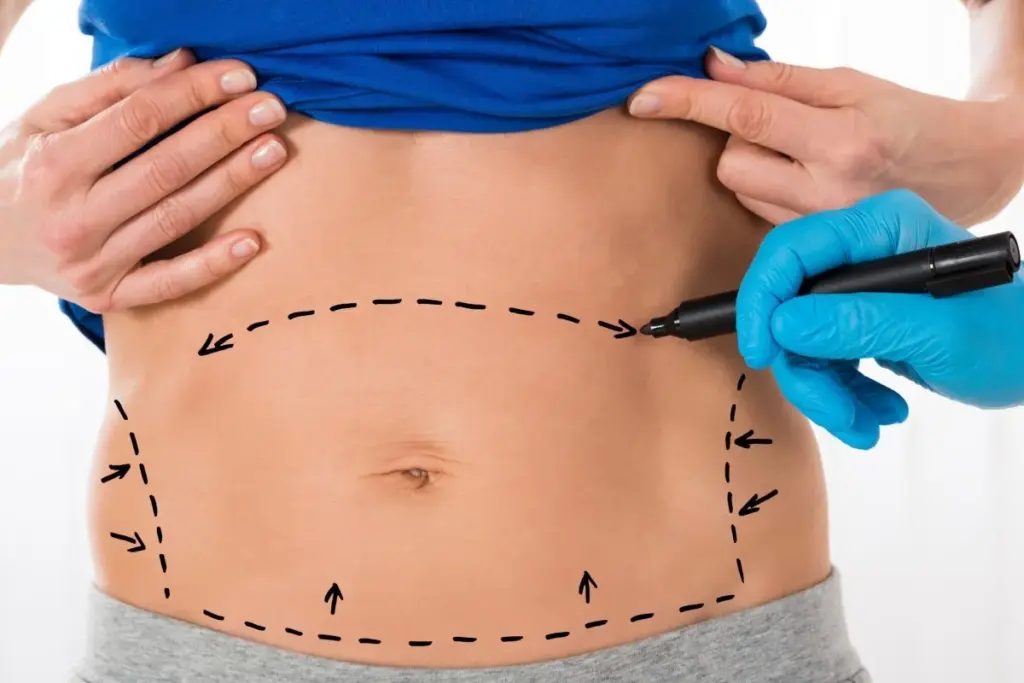
Lipoabdominoplasty is the modern gold standard for integrating liposuction with excisional surgery. In an extended tummy tuck, this technique is virtually mandatory. Before any skin is removed, the surgeon utilizes aggressive liposuction on the entire abdominal flap and the flanks to debulk the tissue.
This step serves two purposes: it contours the fat to create a pleasing shape, and it loosens the skin flap, allowing it to glide more easily for a tension-free closure. By selectively preserving the connective tissue vessels and lymphatics while removing the fat, this technique reduces the risk of fluid collection (seroma). It improves the blood supply compared to traditional wide dissection.

The Fleur-de-Lis procedure is a specific variation often used in conjunction with extended techniques for patients undergoing massive weight loss. It addresses vertical skin excess (up and down) and horizontal skin excess (side to side). It involves the standard low horizontal incision of the extended tuck plus a vertical incision running up the midline of the abdomen.
This creates an anchor-shaped scar. While the scarring is more significant, it allows the surgeon to pull the skin in from the sides, dramatically narrowing the waistline in patients who have too much circumferential skin to be treated with a horizontal pull alone.

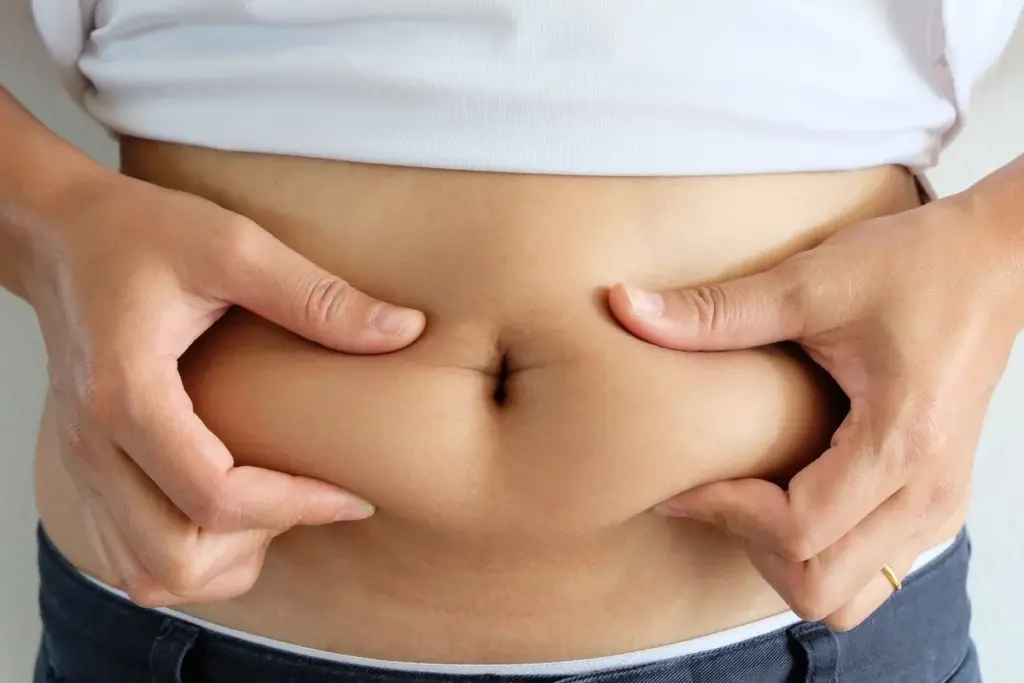
The reconstruction of the belly button, or umbilicoplasty, is a critical artistic element of the extended tummy tuck. Since the original navel skin is often removed or repositioned, a new opening must be created. The goal is to avoid a circular, operated look and instead create a natural, hooded depression with scarring hidden inside the stalk.
Techniques vary from creating small superior hoods to anchoring the stalk to the muscle fascia to create depth. In the extended procedure, ensuring the navel is centered and appears natural amid significant tissue movement is paramount for an aesthetic result.
The mons pubis is the area covering the pubic bone. In many patients requiring an extended tuck, this area is ptotic (sagging) and enlarged. A monsplasty is routinely integrated into the procedure. The surgeon uses liposuction to reduce the fatty bulge and suspends the skin upward, anchoring it to the abdominal fascia.
This step is vital for harmony. If the abdomen is flattened but the mons remains bulging and low, the result looks unnatural. Lifting the muscles also rejuvenates the genital region and improves clothing comfort.
The mons pubis is the area covering the pubic bone. In many patients requiring an extended tuck, this area is ptotic (sagging) and enlarged. A monsplasty is routinely integrated into the procedure. The surgeon uses liposuction to reduce the fatty bulge and suspends the skin upward, anchoring it to the abdominal fascia.
This step is vital for harmony. If the abdomen is flattened but the mons remains bulging and low, the result looks unnatural. Lifting the muscles also rejuvenates the genital region and improves clothing comfort.
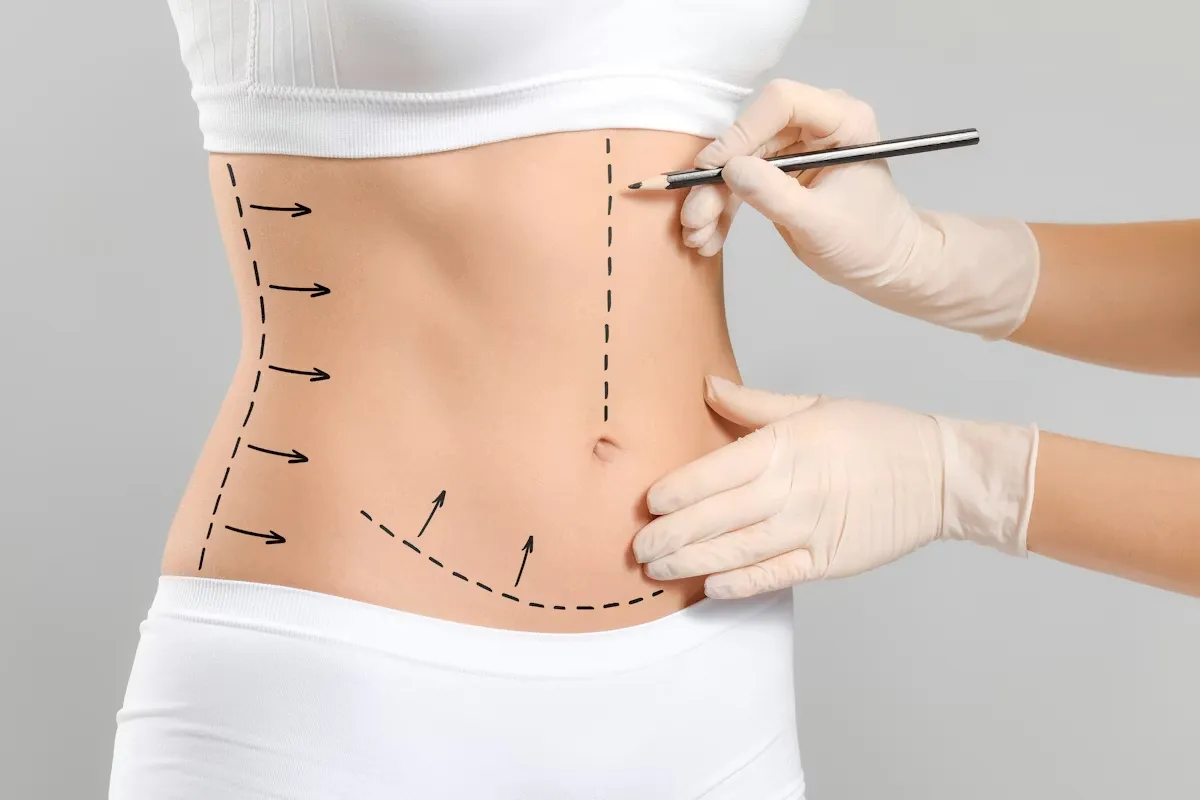
The high lateral tension technique modifies the vector of pull during the closure. Instead of pulling the skin straight down, which can sometimes leave the waist blocky, the surgeon pulls it obliquely downward and to the side. This places the most significant tension on the hips and flanks rather than on the central incision.
This method maximizes the definition of the waistline and provides a lifting effect to the lateral thighs and buttocks. It is particularly effective in the extended tummy tuck as the longer incision allows for greater lateral manipulation of the tissues.
The “drainless” tummy tuck is a procedural variation that uses progressive-tension sutures (also called quilting sutures). The surgeon stitches the undersurface of the skin flap down to the muscle wall at multiple points as they close. This eliminates the dead space between the layers where fluid would usually accumulate.
By physically adhering the tissue layers, the need for external suction drains is often eliminated. This technique can reduce post-operative discomfort and may lower the risk of seroma formation, although it slightly increases the operative time due to the extensive suturing required.
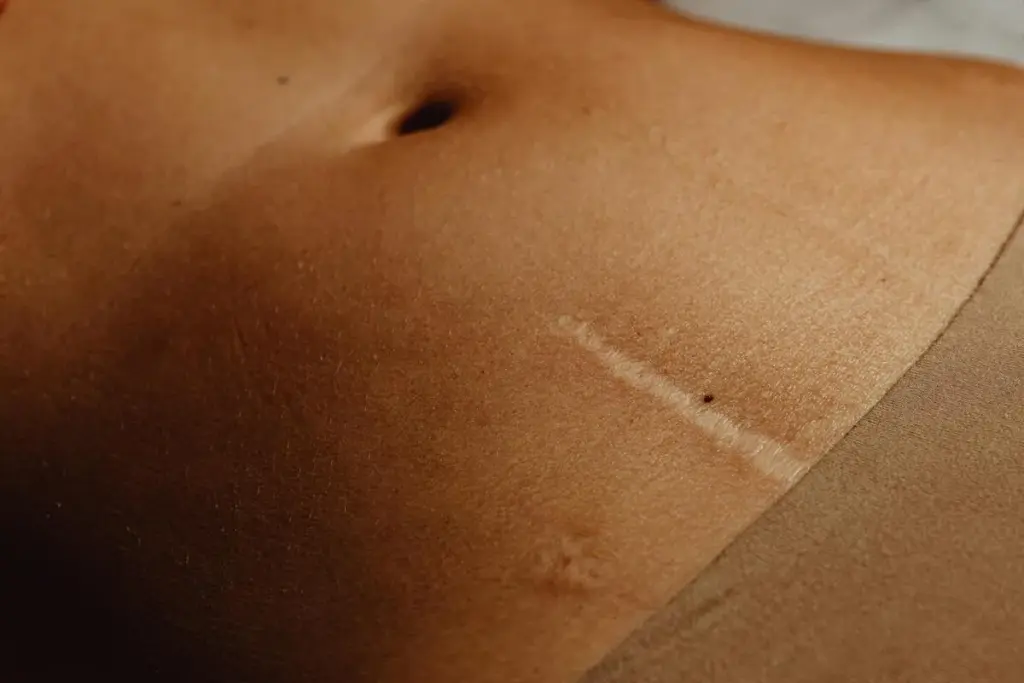
In an extended abdominoplasty, scar placement is a significant planning consideration. The surgeon aims to place the incision low enough to be covered by undergarments but high enough to remove the hanging tissue effectively. The lateral extensions are angled to follow the natural curvature of the hips or the “high cut” line of swimwear.
Pre-operative marking involves the patient wearing their preferred style of underwear to ensure the scar falls within the desired concealment zone. The goal is a scar that, while long, is anatomically respectful and easily hidden.
The extended tummy tuck is frequently combined with breast surgery in a “Mommy Makeover.” Because the extended tuck addresses the flanks and upper abdomen, it harmonizes well with breast lifts or augmentations. This single-stage approach restores the entire torso.
Combining these procedures reduces total recovery time compared to having them separately. However, it increases the length of surgery and anesthesia, requiring careful patient selection to ensure safety and metabolic tolerance.
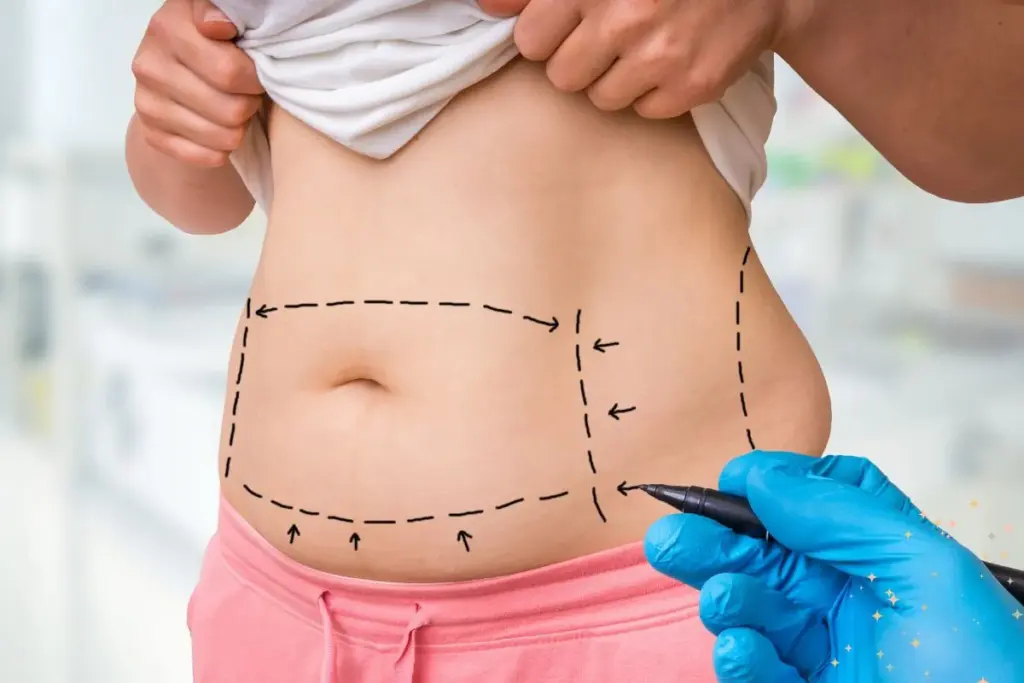
While rare, some patients may require a reverse abdominoplasty in conjunction with or instead of a standard lower approach. This involves an incision under the breasts (inframammary fold) to pull the skin upward.
This is reserved for patients with severe upper abdominal laxity that cannot be reached through the lower incision. It leaves a scar across the upper abdomen, but it may be the only way to achieve a completely flat contour in certain weight-loss cases.
For post-bariatric patients, the extended tummy tuck is often just one piece of a larger puzzle. The procedure must be tailored to address skin with poor vascularity and elasticity. Surgeons may use wider excision patterns and more robust suture techniques to handle the heavy, deflated tissues.
Staging is standard; the extended tuck might be done first, followed by arm or thigh lifts later. The nutritional status of these patients dictates the extent of surgery that can be safely performed at one time.
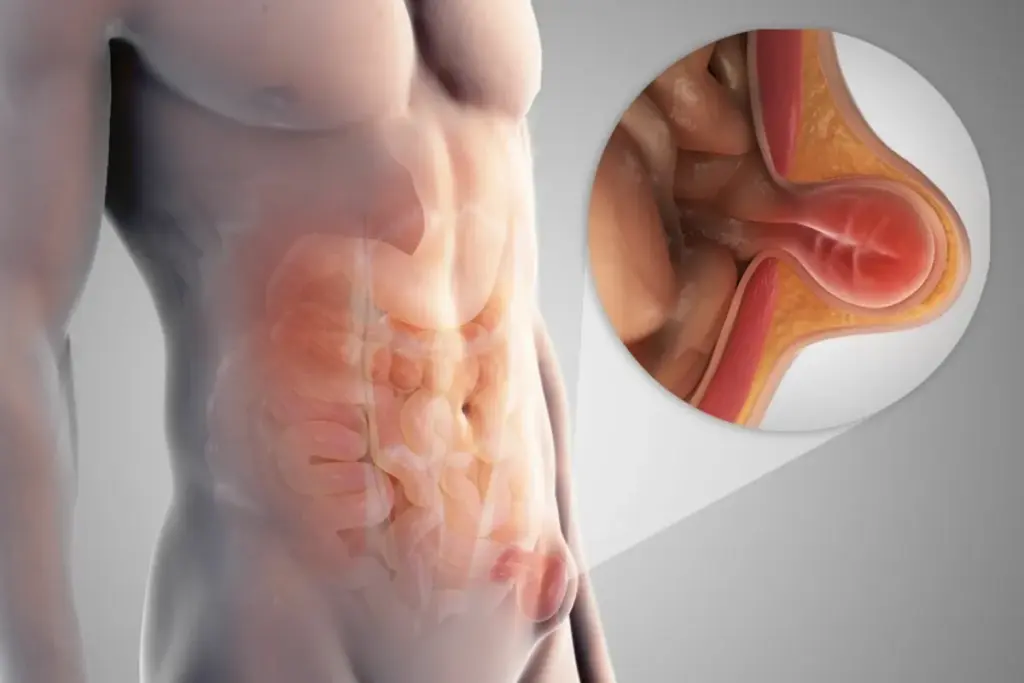
Umbilical or ventral hernias are common in patients seeking tummy tucks. During the extended abdominoplasty, the surgeon can easily access these hernias once the muscle is exposed. The hernia is reduced, and the defect is closed, often reinforced by the muscle plication.
Repairing the hernia simultaneously prevents future surgeries and strengthens the abdominal wall. In some cases, mesh may be used if the hernia is large, though this is carefully weighed against the risk of infection.
In specific cases where the skin removal is moderate but the muscle separation extends high into the epigastrium, surgeons may use endoscopes (cameras). This allows them to dissect less tissue while still visualizing and repairing the upper muscles.
This hybrid approach minimizes trauma to the blood supply of the skin flap while ensuring a complete functional repair of the core musculature.

Send us all your questions or requests, and our expert team will assist you.
Lipoabdominoplasty is the combination of liposuction and a tummy tuck. The surgeon first suctions fat from the entire abdomen and flanks to contour the area and loosen the skin, then removes the excess skin and tightens the muscles. This creates a more sculpted, curvy result than a tummy tuck alone.
The belly button itself stays attached to the muscle wall at its stalk. The skin around it is removed or moved down. The surgeon cuts a hole in the draped skin and brings the belly button through, suturing it in place. So, the skin around it changes, but the stalk remains rooted
In a drainless tuck, the surgeon uses special internal stitches (quilting sutures) to sew the skin flap down to the muscle. This closes the space where fluid would normally collect, eliminating the need for plastic tubes (drains) to carry fluid out of the body.
Yes, umbilical (belly button) and small ventral hernias are routinely repaired during a tummy tuck. Since the surgeon already exposes the muscle wall to tighten it, fixing the hernia adds very little time and reinforces the repair.
This is a method in which the surgeon pulls the skin down and to the side very tightly during closure. This puts the tension on the hips rather than the middle of the incision. It helps create a more defined, snatched waistline and lifts the outer thighs.



Leave your phone number and our medical team will call you back to discuss your healthcare needs and answer all your questions.
Your Comparison List (you must select at least 2 packages)
