
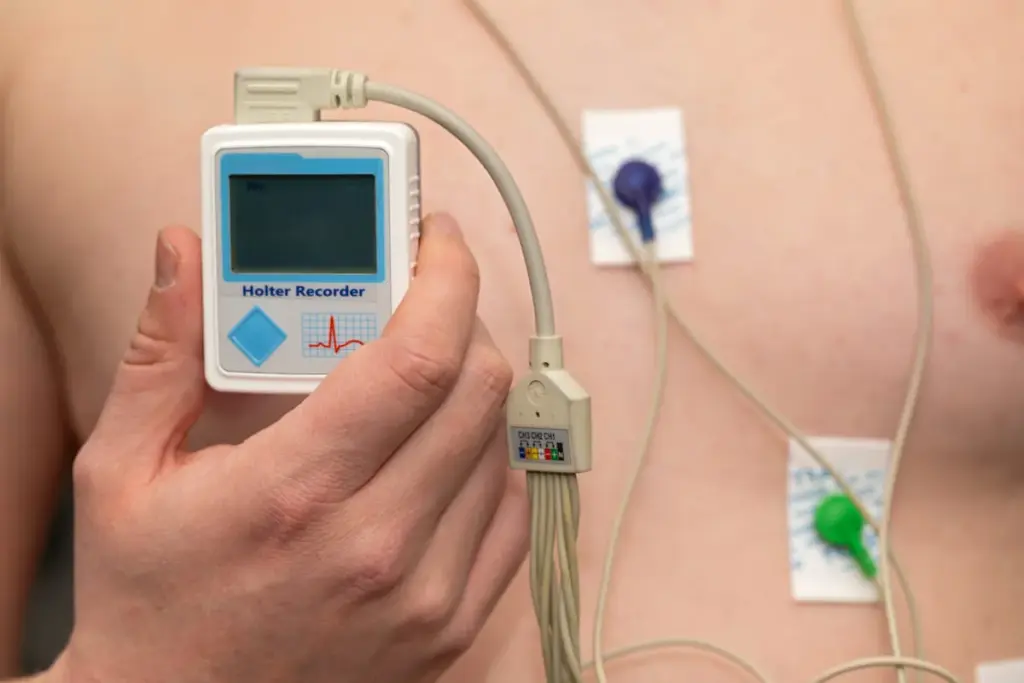
Did you know that nearly 1 in 4 people with a Holter monitor might have irregular heart rhythms? These could change their diagnosis and treatment plan a lot. Restrictions while wearing a holter monitor cover phones. Avoid interference risks. Learn the safe way to use tech during your important test.
A Holter monitor is a small device that tracks your heart for 24 to 48 hours. It’s key for finding heart rhythm problems. During this time, it’s important to follow certain rules to get good readings.
Wearing a Holter monitor means you have to follow some restrictions. But sticking to these rules is important for good cardiac monitoring. If you’re recovering from a heart stent or being watched for other heart issues, knowing these rules is essential for a good monitoring period.
Key Takeaways
- Holter monitors record heart activity over 24 to 48 hours.
- Following guidelines during monitoring is key for accurate diagnosis.
- Certain restrictions apply while wearing a Holter monitor.
- Adhering to these restrictions ensures effective cardiac monitoring.
- Understanding restrictions is vital for patients, specially during heart stent recovery.
What is a Holter Monitor?
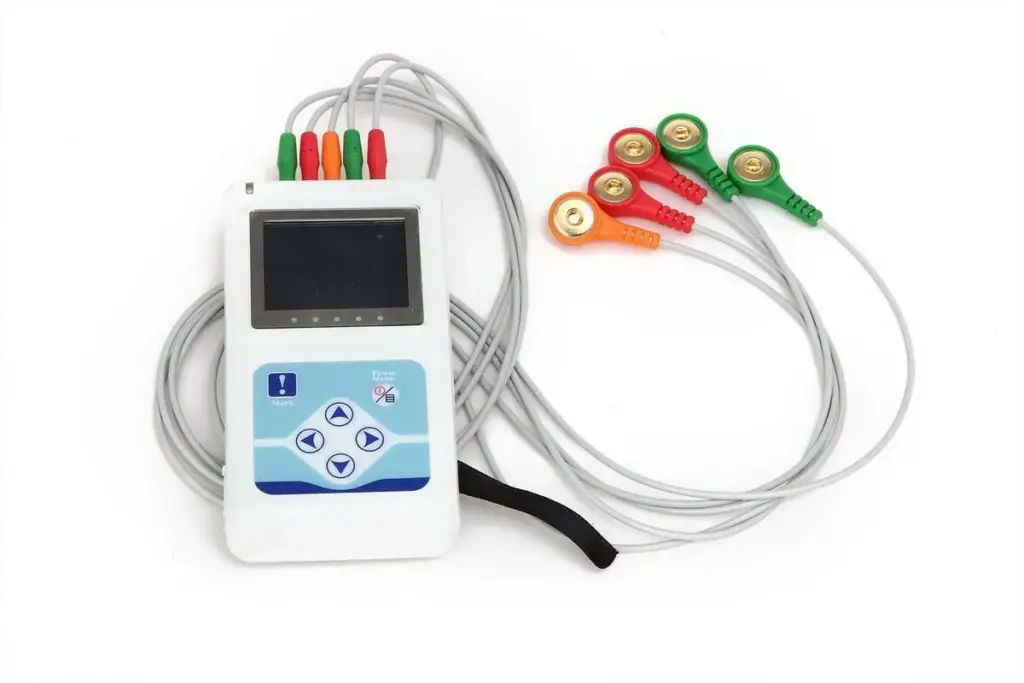
A Holter monitor is a small, wearable device that tracks the heart’s rhythm for 24 to 48 hours. It helps find irregular heartbeats or arrhythmias that don’t always show up. This makes it a key tool for doctors to diagnose heart issues.
Definition and Purpose
The primary purpose of a Holter monitor is to continuously record the heart’s electrical activity. It’s a non-invasive test that lets patients live their daily lives while their heart is being checked. The data helps doctors figure out and manage heart problems better.
By looking at the heart’s activity over a long time, doctors can spot patterns or problems that might not show up in shorter tests.
How It Works
A Holter monitor uses electrodes on the chest to record the heart’s electrical signals. These electrodes connect to a small recorder that saves the data for later. The device is made to be easy to wear and doesn’t get in the way.
While wearing the monitor, patients keep a diary of their activities and any symptoms. This helps doctors match the recorded data with what the patient feels.
Doctors then look at the data to find any heart rhythm problems or other issues. This info is key for diagnosing conditions like arrhythmias and finding the best treatment. By wearing a Holter monitor, patients help their doctors make better decisions about their heart health.
Key Restrictions During Use
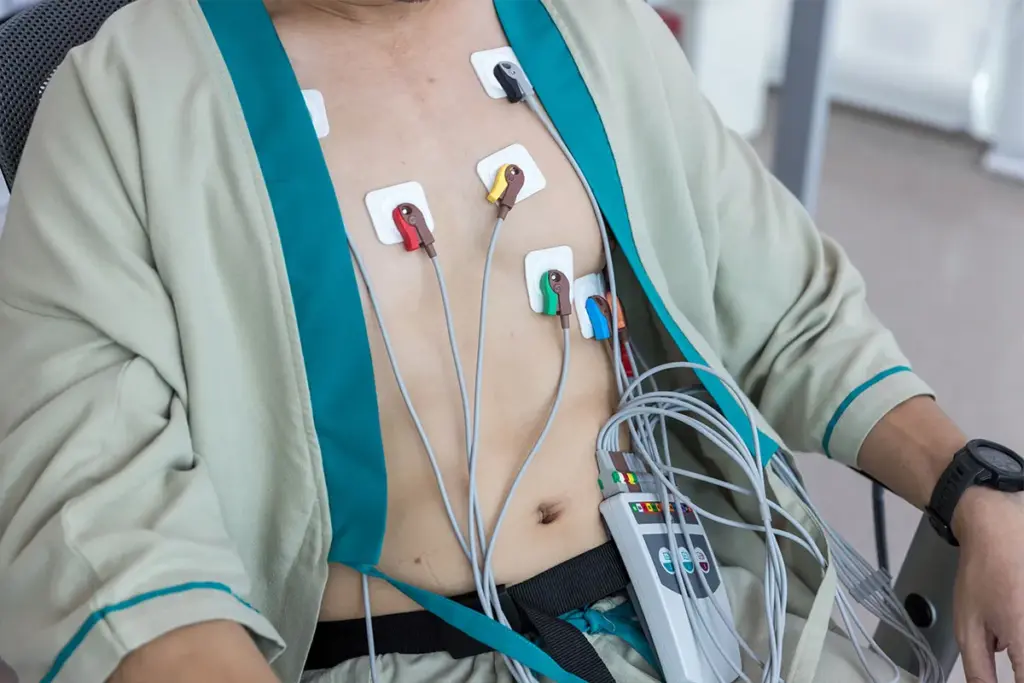
Using a Holter monitor requires following certain rules. These rules help get accurate data about your heart. It might mean changing your daily routine a bit.
General Activity Limitations
While wearing a Holter monitor, you should keep doing your usual daily activities. This helps capture your heart’s activity in a real way. But, there are some things to avoid:
- Avoid too much exercise or hard activities that make you sweat a lot. This can mess with the electrodes.
- Don’t do things that involve very hot temperatures, like saunas or very hot baths.
- Be careful with activities that might hurt the monitor, like contact sports.
Keeping a diary of your activities is also a good idea. It helps your doctor see how your heart acts with different activities.
Activities to Avoid
There are certain activities you should not do while wearing a Holter monitor. These are to protect the device and get good recordings:
|
Activity |
Reason to Avoid |
|---|---|
|
Swimming or taking a bath/shower |
Water can damage the electrodes and the recording device. |
|
Using a sauna or hot tub |
Excessive heat and moisture can compromise the device’s integrity. |
|
Contact sports or activities with high risk of impact |
Mechanical stress could damage the monitor or dislodge the electrodes. |
Medical experts say it’s important to keep the Holter monitor dry. Water can harm the electrodes and the device. This is key to getting good data.
“To ensure the longevity and effectiveness of the Holter monitor, it’s essential to follow the guidelines provided by your healthcare provider.”
Medical Expert
By following these rules, you help make sure your Holter monitor works right. It gives you important information about your heart health.
Can I Use My Phone While Wearing a Holter?
Using your phone with a Holter monitor might worry you. We get it; staying connected is key while being monitored. Luckily, phones usually don’t mess with Holter monitors. But, it’s smart to be careful.
Safety Precautions with Mobile Devices
To use your phone safely, keep it away from your Holter monitor. Here’s how:
- Keep your phone at least 6 inches away from the Holter monitor.
- Avoid placing your phone in a pocket close to the device.
- Use a phone case or accessory that does not interfere with the monitor’s electrodes or leads.
By following these tips, you can avoid risks and make sure your Holter monitor works right.
Potential Interference Issues
Even though phones don’t usually mess with Holter monitors, it’s good to know the risks. Some studies have looked into how phones and medical gear, like Holter monitors, interact.
Most say the chance of big problems is small. But, to be safe, do this:
- Avoid using your phone near the Holter monitor when it’s recording data.
- Keep your phone on the opposite side of your body from the monitor.
By being cautious, you can safely use your phone with a Holter monitor. If you’re worried or notice any problems, talk to your doctor.
Clothing Considerations
Choosing the right clothes is important for comfort with a Holter monitor. We know that feeling comfortable is key during this time. The right clothes can really help.
Recommended Attire for Comfort
For a comfy experience, wear loose, comfortable clothing. Loose clothes reduce irritation and make managing the Holter easier. Choose soft fabrics that won’t rub or cause discomfort. Cotton or moisture-wicking fabrics are good options.
Wear clothes that let you easily reach the monitor. This makes adjusting or checking it simpler. Two-piece outfits or clothes with pockets are handy. They offer easy access without needing to remove the monitor.
Avoiding Restrictions with Accessories
When using a Holter monitor, stay away from accessories that might restrict it. Avoid tight clothing or accessories like belts or tight straps. They could press against the monitor or its leads.
Also, watch out for jewelry or items that might catch on the monitor’s wires. By picking the right clothes and avoiding tight accessories, your Holter monitor stays secure and works well.
Exercise and Physical Activity
Exercise is key to a healthy life, even with a Holter monitor. It’s important to find a balance between staying active and keeping the monitor working right. We want to help you know what safe physical activities are okay while wearing a Holter monitor.
Recommended Types of Exercise
Most patients can keep up with their usual daily activities and light exercises. Walking, light stretching, and gentle yoga are good choices. They are easy on the body and don’t mess with the monitor’s work.
Try to keep your routine as normal as you can. This helps the Holter monitor show what your heart does normally. But, stay away from strenuous or high-impact activities. These can harm the device or make it fall off.
Activities to Avoid While Monitoring
There are some activities you should skip to keep the monitoring safe and effective. These include:
- High-intensity workouts such as running or weightlifting
- Contact sports that could result in impact to the monitor
- Swimming or bathing, unless the monitor is waterproof
By not doing these activities, you make sure your Holter monitoring is both safe and useful.
|
Activity Type |
Recommended |
Not Recommended |
|---|---|---|
|
Light Exercise |
Walking, stretching, yoga | |
|
High-Intensity Exercise |
Running, weightlifting, contact sports | |
|
Water Activities |
Swimming, bathing (unless waterproof) |
Dietary Restrictions
A Holter monitor doesn’t need special food rules. But, eating well is good for your health while you’re being monitored.
Nourishment During Monitoring
There’s no need to avoid certain foods with a Holter monitor. But, eating a variety of healthy foods is key. Include fruits, veggies, whole grains, lean proteins, and good fats in your diet.
Hydration Guidelines
Drinking enough water is very important when you have a Holter monitor. Try to drink at least eight glasses a day. But, your doctor might tell you to drink more or less.
Pay attention to how your body reacts to different foods and drinks. Some foods might make you feel uncomfortable or change your heart rhythm.
|
Dietary Component |
Recommendation |
|---|---|
|
Fruits and Vegetables |
Consume a variety daily |
|
Whole Grains |
Include in meals |
|
Lean Proteins |
Choose low-fat options |
|
Hydration |
Drink at least 8 glasses of water |
Eating well and staying hydrated can make your Holter monitoring time more comfortable and successful.
Sleeping with a Holter Monitor
It’s possible to sleep comfortably with a Holter monitor. Wearing it all the time, even at night, is important. It helps monitor your heart’s activity.
Positioning is key when sleeping with a Holter monitor. Try to sleep in a way that doesn’t press on the monitor or electrodes. It’s best to avoid lying on the side where the monitor is attached to avoid discomfort.
Positioning for Comfort
Here are some tips for comfortable sleeping with a Holter monitor:
- Avoid sleeping on your stomach, as this can cause the electrodes to shift or become dislodged.
- Sleep on your back or on the opposite side of where the monitor is attached.
- Use a supportive pillow to maintain a comfortable sleeping position.
These positions can help you avoid discomfort and keep the Holter monitor in place all night.
Tips for a Good Night’s Sleep
Here are more tips for a good night’s sleep with a Holter monitor:
- Establish a regular sleep schedule to help regulate your body’s internal clock.
- Avoid caffeine and heavy meals close to bedtime.
- Create a relaxing bedtime routine to signal to your body that it’s time to sleep.
By following these tips, you can sleep better with a Holter monitor. If you keep feeling uncomfortable, talk to your doctor for more advice.
Traveling with a Holter Monitor
Traveling with a Holter monitor is possible, but you need to be ready. Whether for work or fun, a few steps can keep your monitoring going smoothly.
Packing Essentials
When you travel with a Holter monitor, pack important items. These ensure your monitoring goes well without problems. You’ll need:
- Extra Electrodes: Bring extra electrodes in case some get lost or fall off during travel.
- Diary or Log: Keep a diary or log to write down your activities, symptoms, and any monitor issues.
- Monitor Documentation: Carry documents from your healthcare provider about your Holter monitor. They can help explain it to security or other healthcare providers.
- Comfortable Clothing: Wear loose, comfy clothes to keep the monitor secure and easy to manage.
Tips for Airport Security
Going through airport security with a Holter monitor can be tricky. Here are tips to make it easier:
- Inform Security Personnel: Tell security you’re wearing a Holter monitor before they start screening. They might adjust their process for you.
- Be Prepared to Provide Documentation: Having your healthcare provider’s documents can help explain the device to security. It might speed up the process.
- Consider a Pat-Down: If you can, choose a pat-down over a metal detector or scanner. These can sometimes mess with the monitor or be affected by it.
Being prepared and knowing what to expect can make traveling with a Holter monitor safe and comfortable. Always listen to your healthcare provider’s advice. They can give you specific guidance based on your needs.
Reporting Issues
Wearing a Holter monitor means you need to watch out for any problems. The device is usually safe and works well. But sometimes, you might need to talk to your doctor.
When to Contact Your Doctor
If you feel any discomfort or skin irritation, tell your doctor. Also, if the electrodes fall off or the device stops working right, get in touch. Symptoms like dizziness, chest pain, or irregular heartbeats are serious and need medical help.
It’s very important to report any problems right away. This keeps you safe and makes sure the monitoring data is correct. Your doctor can help fix the issue and might need to change how the monitor is set up.
Common Problems to Watch For
Some common problems with Holter monitors include:
- Electrode detachment or skin irritation
- Device malfunction or inaccurate readings
- Discomfort or restricted movement due to the monitor
Knowing about these issues helps you act fast. If you’re in pain after a stent in your leg or have questions about recovery, talk to your doctor.
|
Issue |
Action to Take |
|---|---|
|
Electrode detachment |
Contact your doctor for guidance on reattaching or replacing the electrode |
|
Device malfunction |
Notify your healthcare provider immediately to troubleshoot or replace the device |
|
Skin irritation |
Consult your doctor for advice on alleviating irritation and preventing further issues |
Understanding Holter monitor issues and when to call your doctor is key. This way, you can have a safe and effective monitoring experience.
Interactions with Medical Devices
It’s important to know how a Holter monitor works with other medical devices. This is for your safety and to make sure the test results are right.
Compatibility with Other Monitors
Wearing a Holter monitor means you need to think about other devices you might use. Holter monitors usually work well on their own. But, it’s best to tell your doctor about any other devices you’re using.
Devices like pacemakers, implantable cardioverter-defibrillators (ICDs), and other heart monitors need attention. There’s a small chance of electromagnetic interference (EMI) that could mess with how they work.
|
Device Type |
Potential Interaction |
Precaution |
|---|---|---|
|
Pacemakers |
Electromagnetic Interference (EMI) |
Inform your healthcare provider |
|
ICDs |
Possible EMI or device malfunction |
Discuss with your cardiologist |
|
Other Cardiac Monitors |
Data overlap or interference |
Coordinate monitoring schedules |
Visiting Healthcare Facilities
If you have to go to a healthcare facility with your Holter monitor, tell the staff. They need to know so they can be careful and understand any data they might get.
Be ready to share about your Holter monitor. Tell them what kind it is and how long you’ve been wearing it. This helps doctors make better choices for your care.
- Inform the healthcare facility staff about your Holter monitor upon arrival.
- Provide details about the device and monitoring duration.
- Discuss any concerns or possible interactions with the healthcare team.
Being open and informed helps you stay safe and get the best results from your Holter monitor. This is true even when you’re using other medical devices or visiting healthcare places.
End of Monitoring: What’s Next?
Once the Holter monitoring is done, the device is taken off. Then, a healthcare professional looks at the recorded data. This step is key to understanding your heart’s activity during the monitoring time.
Device Removal
Removing the Holter monitor is easy and quick, taking just a few minutes. Our medical team will remove the electrodes and the monitor carefully. They make sure the data is safe for analysis.
Interpreting Your Results
It’s important to understand your Holter monitor results. Your healthcare provider will go over the findings with you. They’ll explain any odd readings and suggest what to do next.
If you had a stent placed, your doctor will talk about recovery. They’ll guide you on how to care for your heart after the stent.
By listening to your healthcare team, you can have a smooth recovery. They’ll help you address any heart health concerns.
FAQ
What is a Holter monitor and how does it work?
A Holter monitor is a test that records your heart’s activity for 24 to 48 hours. It attaches electrodes to your chest. These electrodes send data to the monitor, helping doctors diagnose heart issues.
Can I take a shower or bath while wearing a Holter monitor?
No, it’s best to avoid baths or showers with a Holter monitor. Water can damage the device or loosen the electrodes.
Can I use my mobile phone while wearing a Holter monitor?
Yes, you can use your phone with a Holter monitor. Just keep it away from the monitor to avoid interference.
What type of clothing should I wear with a Holter monitor?
Wear loose, comfy clothes that won’t irritate your skin. Avoid tight accessories that could move the monitor.
Can I exercise while wearing a Holter monitor?
Gentle exercises are okay, but avoid intense workouts or sports. They could damage the monitor or cause discomfort.
Are there any dietary restrictions while wearing a Holter monitor?
No specific foods to avoid, but eat well and stay hydrated. This helps your comfort and health during monitoring.
How can I sleep comfortably with a Holter monitor?
Try sleeping positions that are comfy and keep the device in place. Wearing loose clothes to bed can also help.
Can I travel while wearing a Holter monitor?
Yes, you can travel with a Holter monitor. Bring essentials like extra electrodes and a diary. Tell airport security about the device and be ready to show your documentation.
What should I do if I experience issues with my Holter monitor?
If you have problems, like a malfunction or skin issues, call your doctor. They can guide you on what to do next.
Will my Holter monitor interfere with other medical devices?
Usually, Holter monitors work well with other devices. But tell healthcare staff about it when you visit.
What happens at the end of the Holter monitoring period?
When it’s over, the device is removed, and your data is checked. A healthcare professional will explain your results and what comes next.
References
National Center for Biotechnology Information. Evidence-Based Medical Insight. Retrieved from https://pubmed.ncbi.nlm.nih.gov/15533854/



 Departments
 Related Videos
 Our Doctors
 News
News