Did you know over 3 million people worldwide have an Implantable Cardioverter-Defibrillator (ICD) or a pacemaker? These devices are key for managing heart conditions. But, they can also affect daily life and work.
Jobs you can’t do with a pacemaker apply here. Is ICD a disability? Legal status varies. Get best facts on rights and dangerous work restrictions.
Having an ICD or pacemaker can change your life. These devices are made to protect and enhance life quality. Yet, they can limit physical activities and job choices. It’s vital to understand how these devices affect work and daily life.
ICDs and pacemakers regulate heart rhythms. An ICD stops sudden cardiac death by shocking the heart when needed. A pacemaker keeps the heartbeat steady and normal. Knowing how these devices work is key for those with heart issues and their employers.
Key Takeaways
- ICDs and pacemakers are life-saving devices that manage heart conditions.
- Having an ICD or pacemaker can impose certain limitations on daily activities and job roles.
- Understanding the implications of these devices is vital for employment and daily living.
- ICDs are designed to prevent sudden cardiac death by delivering an electric shock.
- Pacemakers help control the heartbeat at a stable, normal rate.
Understanding ICDs and Pacemakers

Implantable Cardioverter Defibrillators (ICDs) and pacemakers are key medical tools for heart health. They are implanted under the skin but tackle different heart problems.
What is an Implantable Cardioverter Defibrillator (ICD)?
An ICD is a small device in the chest to manage life-threatening heart rhythms. It stops sudden cardiac death by shocking the heart when needed. ICDs are mainly for those at high risk of dangerous heart rhythms.
How ICDs Differ from Pacemakers
ICDs and pacemakers help with heart rhythm issues but in different ways. Pacemakers keep the heart rate steady for slow heart rates. ICDs, on the other hand, treat dangerous fast heart rates. Some devices, like CRT-Ds, do both.
- ICDs are for patients at risk of life-threatening arrhythmias.
- Pacemakers are for those with slow heart rates or heart failure.
Common Reasons for ICD Implantation
ICDs are implanted to prevent sudden cardiac death in high-risk patients. They are often needed for:
- Survivors of cardiac arrest not caused by a reversible cause.
- Patients with certain types of heart failure or cardiomyopathy.
- Individuals with a history of ventricular tachycardia or fibrillation.
It’s important to know how ICDs and pacemakers work. This helps patients and doctors make better choices for heart care.
ICDs and Disability Status Under US Law
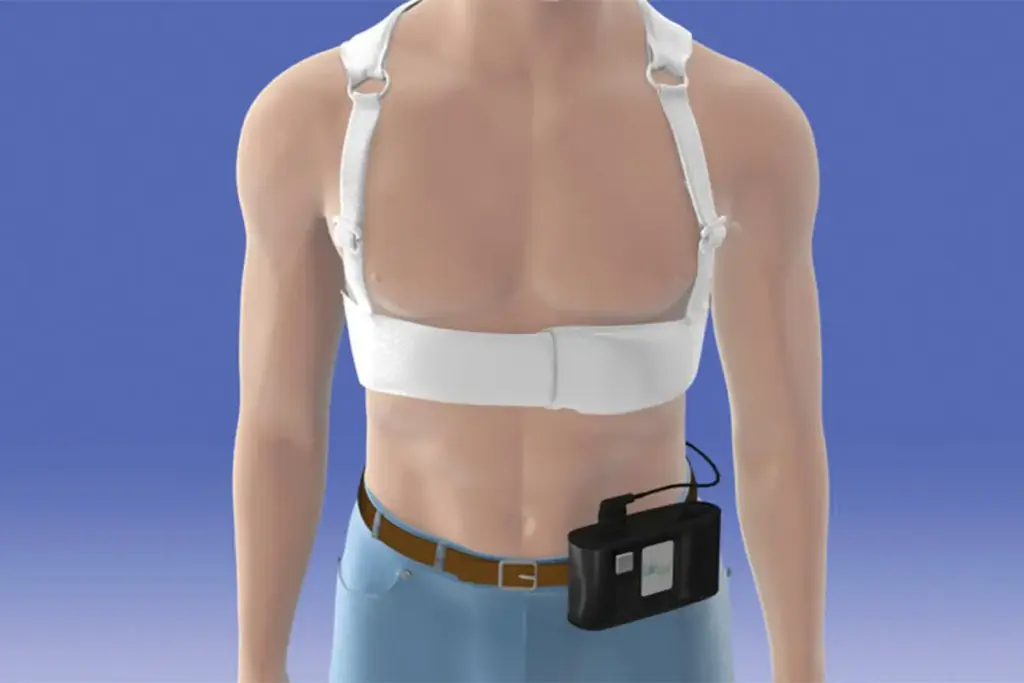
Knowing how an Implantable Cardioverter Defibrillator (ICD) affects your disability status in the US is key. People with ICDs face legal hurdles to get the benefits and protections they need.
Americans with Disabilities Act (ADA) Considerations
The Americans with Disabilities Act (ADA) protects people with disabilities from discrimination. To qualify, you must have a condition that limits major life activities.
Key ADA Considerations for ICD Patients:
- Figuring out if the ICD affects your daily life and work.
- Knowing what your employer must do to help.
- Understanding your rights against job bias.
The Job Accommodation Network says, “The ADA requires employers to make reasonable changes for people with disabilities, unless it’s too hard.”
Social Security Disability Insurance (SSDI) Eligibility
SSDI is a program that helps people with disabilities who have worked and paid taxes. You must have a serious disability and a work history to qualify.
|
SSDI Eligibility Criteria |
Description |
|---|---|
|
Disability Severity |
Your condition must really limit your ability to work. |
|
Work History |
You must have worked and paid taxes for a few years. |
|
Medical Documentation |
You’ll need detailed medical records, including about your ICD. |
Temporary vs. Permanent Disability Classification
Being classified as temporarily or permanently disabled changes what benefits you get. Temporary benefits help during recovery, while permanent benefits are for lasting conditions.
“The type of disability classification affects ICD patients’ benefits and work support.”
Understanding these legal points helps ICD patients deal with US disability laws better. This way, they can get the support they need.
Medical Conditions Associated with ICDs
Heart conditions like arrhythmias, congenital heart defects, and cardiomyopathy often need an ICD. These conditions raise the risk of dangerous heart rhythms. An ICD is a key preventive measure.
Arrhythmias and Heart Rhythm Disorders
Arrhythmias are irregular heartbeats that can be too fast, too slow, or irregular. ICDs are great for managing ventricular arrhythmias. These can lead to sudden cardiac arrest if not treated.
The device keeps an eye on the heart’s rhythm. It delivers an electric shock when needed to get a normal heartbeat.
Common arrhythmias treated with ICDs include:
- Ventricular tachycardia (VT)
- Ventricular fibrillation (VF)
- Supraventricular tachycardia (SVT) in some cases
Congenital Heart Defects
Congenital heart defects are heart problems present at birth. Some defects raise the risk of arrhythmias and sudden cardiac death. ICD implantation can be life-saving for these conditions.
|
Condition |
Description |
ICD Benefit |
|---|---|---|
|
Tetralogy of Fallot |
A complex congenital heart defect involving four heart abnormalities |
Prevents sudden cardiac death due to arrhythmias |
|
Long QT Syndrome |
A condition affecting the heart’s electrical system, leading to potentially fatal arrhythmias |
Corrects life-threatening arrhythmias |
|
Hypertrophic Cardiomyopathy |
A condition characterized by abnormal thickening of the heart muscle |
Reduces the risk of sudden cardiac death |
Cardiomyopathy and Heart Failure
Cardiomyopathy is diseases of the heart muscle. It can lead to heart failure and arrhythmias. ICDs are often recommended for certain types of cardiomyopathy to prevent sudden cardiac death.
Heart failure means the heart can’t pump enough blood. It often goes with cardiomyopathy. An ICD doesn’t treat heart failure directly. But it can manage fatal arrhythmias that may happen with heart failure.
Signs and Symptoms of Heart Conditions Requiring ICDs
Knowing the signs and symptoms of heart conditions is key to figuring out if you need an Implantable Cardioverter Defibrillator (ICD). Heart issues that need an ICD show specific warning signs. It’s important for patients to be aware of these.
Common Symptoms Before ICD Implantation
Before getting an ICD, people often notice certain symptoms of heart conditions. These signs show the need for medical help. They include:
- Recurring episodes of dizziness or lightheadedness
- Shortness of breath, even at rest or during light physical activity
- Chest pain or discomfort that may radiate to the arms, back, or jaw
- Palpitations or irregular heartbeats
- Fatigue or weakness that interferes with daily activities
Warning Signs of Heart Problems in Adults
Adults should watch out for certain heart problem indicators. These include:
- Swelling in the legs, ankles, or feet due to fluid buildup
- Rapid or irregular heartbeat
- Persistent coughing or wheezing
- Confusion or difficulty concentrating
Heart Problem Indicators in Children and Teenagers
In kids and teens, heart problem indicators can look different. They might include:
- Pale or blue-tinged skin (cyanosis)
- Poor feeding or failure to thrive in infants
- Shortness of breath during play or other activities
- Frequent fainting or seizures
Spotting these signs of heart problems early is vital. It can lead to quick medical checks and possibly life-saving treatments like ICD implantation.
Jobs You Can’t Do With a Pacemaker or ICD
People with pacemakers or Implantable Cardioverter Defibrillators (ICDs) face special challenges at work. Some jobs might be too risky for their health or could mess with their device’s work.
High-Risk Occupations with Electromagnetic Interference
Electromagnetic interference (EMI) is a big worry for those with pacemakers or ICDs. Jobs that deal with strong electromagnetic fields can be dangerous. For example:
- Working with high-voltage equipment or near strong magnetic fields
- Occupations involving welding or the use of certain medical equipment like MRI machines
- Jobs in environments with high levels of radiofrequency interference
We need to think about these risks when looking at career choices or workplace safety for people with these devices.
Military and Law Enforcement Restrictions
Military and law enforcement jobs are tough. They require a lot of physical activity, exposure to harsh environments, and can be very stressful. People with pacemakers or ICDs might face extra rules.
The military has rules for people with implanted heart devices. Law enforcement might also check if officers with pacemakers or ICDs can handle certain tasks, like using firearms or going on high-speed chases.
|
Occupation |
Potential Risk |
Consideration |
|---|---|---|
|
Military Personnel |
Exposure to EMI, high physical demands |
Deployment and duty restrictions |
|
Law Enforcement |
High-stress situations, physical demands |
Duty assignment limitations |
|
Commercial Drivers |
Risk of device malfunction, safety concerns |
Restrictions on commercial driving |
Commercial Transportation Limitations
Driving commercial vehicles is another area where people with pacemakers or ICDs might face limits. The Department of Transportation in the U.S. has rules for who can drive commercial vehicles.
Having a pacemaker or ICD might make it hard for someone to drive commercial vehicles safely.
It’s important for people with pacemakers or ICDs to know about these limits. This helps them choose careers and follow the rules.
Industry-Specific Policies for Workers with ICDs
Having policies for workers with ICDs is key for safety and work efficiency. Different jobs have their own rules for people with Implantable Cardioverter Defibrillators.
Manufacturing and Industrial Settings
Working with an ICD in factories and industrial places can be tricky. These areas often have lots of electromagnetic interference (EMI) from machines.
- Employers need to check for EMI sources in the workplace.
- People with ICDs might have to switch jobs to avoid EMI.
- Keeping ICDs in good shape is very important here.
Healthcare Industry Considerations
The healthcare world has special rules for workers with ICDs. Doctors and nurses face EMI from MRI machines and other medical tools.
Important things to remember include:
- Try to stay away from strong EMI sources.
- Make safety plans for workers with ICDs during treatments.
- Teach them about managing their ICD and staying safe at work.
Technology and Telecommunications Fields
Jobs in tech and telecom can also be challenging for ICD users. There are many electronic devices and tools around.
Steps to take in these fields are:
- Stay away from strong electromagnetic fields.
- Use shields or protective gear for EMI-making equipment.
- Update ICD settings often to match work changes.
Electromagnetic Interference and ICD Function
Electromagnetic interference (EMI) is a big worry for people with Implantable Cardioverter Defibrillators (ICDs). It can mess with how these devices work. This might cause them to not work right or not work at all. We’ll look at where EMI comes from, risky workplace equipment, and how to stay safe.
Common Sources of Electromagnetic Interference
EMI can come from many things around us. Some common ones are:
- High-voltage power lines and substations
- Radiofrequency devices like cell phones and microwave ovens
- Industrial equipment like welding machines and large motors
- Medical equipment including MRI machines and certain diathermy devices
Workplace Equipment That Poses Risks
Some work tools can be dangerous for ICD patients because of EMI. Things like:
- Large industrial machinery
- Welding equipment
- High-power electrical equipment
These tools can make strong electromagnetic fields. These fields might mess with ICDs. Employers need to check their workplaces for EMI risks and find ways to lessen them.
Safety Measures to Prevent Interference
To stop EMI problems, there are a few things you can do:
- Keep a safe distance from EMI sources
- Use shielding or filters to cut down EMI
- Check your ICD often and adjust it if needed
- Teach patients how to avoid EMI in daily life and work
Knowing where EMI comes from and taking steps to avoid it can help ICD patients stay safe.
Physical Limitations in the Workplace with an ICD
Workplace accommodations are key for people with ICDs to manage their health and stay productive. Those with Implantable Cardioverter Defibrillators (ICDs) face special challenges at work. This is due to their medical condition and the device itself.
Lifting and Exertion Restrictions
One big worry for people with ICDs is lifting and exertion limits. Heavy lifting or hard activities can mess with the ICD or stop it from working right. It’s best to not lift things over 10-15 pounds and to avoid hard arm movements or bending.
Recovery Period Limitations After Implantation
After getting an ICD, there’s a recovery time when you can’t do certain things. You should not do heavy lifting, bending, or hard activities to avoid problems. The exact rules depend on your health and what the doctor says.
Long-term Physical Considerations
After the initial recovery, people with ICDs need to think about long-term physical limits. This means staying away from strong magnetic fields, certain work equipment, and places that might mess with the ICD. It’s important to keep up with doctor visits to check the device and adjust limits if needed.
|
Activity |
Recommended Limitation |
Rationale |
|---|---|---|
|
Heavy Lifting |
Avoid lifting over 10-15 pounds |
Prevents ICD dislodgement |
|
Strenuous Activities |
Avoid activities causing excessive strain |
Reduces risk of device malfunction |
|
Magnetic Fields |
Avoid strong magnetic fields |
Prevents interference with ICD function |
Legal Workplace Protections for ICD Patients
Workplace protections for ICD patients cover many areas. They include reasonable accommodations and laws against discrimination. These rules help ICD patients keep their jobs without facing unfair challenges.
Reasonable Accommodations Under the ADA
The Americans with Disabilities Act (ADA) asks employers to make work easier for people with disabilities. Reasonable accommodations are changes that help people with ICDs do their jobs well.
Examples of these changes include:
- Changing work hours to avoid busy times
- Making job tasks less physically demanding
- Creating a work area that blocks out harmful electromagnetic fields
The Job Accommodation Network explains, “The ADA requires employers to make these changes unless it’s too hard.”
Disclosure Requirements and Privacy Rights
ICD patients often wonder if they should tell their bosses about their condition. They don’t always have to, but sharing can help get the help they need.
|
Disclosure Considerations |
Privacy Rights |
|---|---|
|
Telling employer about ICD to ask for help |
Medical info is private under HIPAA |
|
Telling can lead to better support at work |
People have the right to control their health info |
A study in the Journal of Occupational Rehabilitation says, “Sharing health info can help at work, but it must be done carefully to respect privacy.”
“Employees with ICDs have the right to work safely and get the help they need without fear of being treated unfairly or having their privacy invaded.”
— ADA Guidelines
Addressing Workplace Discrimination
Even with laws, ICD patients might face unfair treatment at work. It’s important for them to know their rights and what to do if they’re treated unfairly.
If an ICD patient thinks they’ve been treated unfairly, they can:
- Report it to the Equal Employment Opportunity Commission (EEOC)
- Get legal advice to understand their options
- Keep records of any unfair treatment they experience
Understanding workplace protections can be tricky, but with the right help, ICD patients can keep doing well at their jobs.
Qualifying for Disability Benefits with an ICD
Getting disability benefits with an ICD requires several steps. You need to meet certain medical criteria and show how your condition impacts your daily life and work. We’ll cover the key parts of this journey.
Meeting Medical Listings Requirements
To get disability benefits, you must meet the SSA’s medical criteria. This means your condition must be listed in the SSA’s Blue Book or be as severe as a listed condition.
The SSA looks at heart conditions, including those treated with an ICD, under Section 4.00 of the Blue Book. They consider:
- Symptomatic heart failure
- Ischemic heart disease
- Arrhythmias
- Other cardiac conditions that significantly limit work activities
To meet these requirements, you need to provide detailed medical records. This includes:
|
Document Type |
Description |
|---|---|
|
Medical History |
Detailed records of the condition, including diagnosis, treatment, and response to treatment |
|
Diagnostic Tests |
Results of tests such as echocardiograms, stress tests, and electrocardiograms |
|
Treatment Plans |
Information on medications, surgeries, and other treatments related to the heart condition |
Documenting Functional Limitations
Showing how an ICD and heart condition limit your work is key. You need to detail:
- Physical limitations, such as the inability to lift, carry, or stand for long periods
- Cognitive limitations, if any, related to the condition or its treatment
- Other work-related limitations, such as the need for frequent breaks or the inability to work in certain environments
Healthcare providers are essential in this process. They provide detailed reports and supporting documentation.
Appeals Process for Denied Claims
If your claim is denied, you can appeal. The appeals process has several stages:
- Reconsideration: A complete review of the claim by someone who did not participate in the initial decision
- Hearing by an Administrative Law Judge (ALJ): A hearing where you can present your case
- Appeals Council Review: If the ALJ’s decision is not in favor, the case can be reviewed by the SSA’s Appeals Council
- Federal Court Review: As a last resort, the case can be taken to federal court
Understanding and navigating this process can be tough. But it’s a vital step for those seeking disability benefits with an ICD.
Career Planning with an ICD or Pacemaker
Getting an ICD or pacemaker changes your life, including your career. It’s important to think about how your job fits with your health and device. This affects your happiness and quality of life at work.
Evaluating Career Options Post-Implantation
After getting an ICD or pacemaker, check if your job is right for you. Think about the physical demands, electromagnetic risks, and medical needs. These things can impact your device and health.
- Check if your job’s physical needs match your health and abilities after the implant.
- Look at the risk of electromagnetic interference at work and how it affects your device.
- See if your job can adjust to your medical needs and appointments.
Career Transitions for Those with New Limitations
Sometimes, you need to change jobs because of your ICD or pacemaker. You might look for roles that are easier on your body or safer from electromagnetic risks.
Changing careers is tough. It’s not just about finding a new job. You might need to learn new skills or get more education.
|
Career Transition Considerations |
Action Items |
|---|---|
|
Identify transferable skills |
Make a list of your skills that are relevant across different industries or roles. |
|
Explore new career paths |
Research careers that are less physically demanding or have fewer risks associated with electromagnetic interference. |
|
Consider vocational training |
Look into programs that can help you acquire new skills for your desired career path. |
Working with Vocational Rehabilitation Services
Vocational rehabilitation services can help with career changes. They support people with disabilities or health issues to find and keep jobs.
With vocational counselors, you can get advice on careers, resumes, interviews, and job placement. They tailor their help to your abilities and needs.
Safe and Suitable Career Options for ICD Patients
ICD patients can find rewarding careers by looking for jobs that are safe. The right job helps them stay healthy while being productive at work.
Office-Based and Administrative Roles
Jobs in offices are great for ICD patients. They usually don’t require much physical effort and avoid harmful electromagnetic interference (EMI). Some examples include:
- Administrative assistants
- Data entry clerks
- Office managers
- Customer service representatives
Remote Work Opportunities
Remote work is becoming more common. It offers flexibility and reduces risks at work. ICD patients can look into various remote jobs, such as:
- Virtual customer service representatives
- Online educators or tutors
- Freelance writers or editors
- Remote software developers or IT professionals
Remote work lets people create a safe and comfy work space that meets their health needs.
Healthcare and Service Industry Positions
While some healthcare jobs might not be available to ICD patients, many are. Some examples include:
- Medical billing or coding specialists
- Healthcare consultants
- Patient educators
- Roles in health information management
Service industry jobs, like working in retail or hospitality, can also be good. Just make sure they don’t involve too much risk or physical effort.
By looking into these career paths, ICD patients can find jobs that fit their skills and health needs. This ensures a safe and satisfying work life.
Living with an ICD: Beyond Employment
Living with an Implantable Cardioverter Defibrillator (ICD) means making changes in your daily life. But with the right advice, you can live an active and happy life. An ICD is a device that saves lives by managing heart rhythms. It requires some lifestyle changes to work well and keep you healthy.
Daily Activity Adjustments
After getting an ICD, you’ll need to make some changes. Avoid heavy lifting, bending, or hard exercises, at least at first. Start with easy exercises and slowly get more intense, as your doctor suggests.
You can usually go back to bathing, dressing, and cooking in a few weeks. But, be careful not to hit the ICD site directly. Also, avoid activities that could harm it.
|
Activity |
Recommended Adjustment |
|---|---|
|
Lifting |
Avoid heavy lifting (>5 lbs) for 4-6 weeks |
|
Exercise |
Start with gentle exercises; avoid strenuous activities |
|
Driving |
Usually restricted for 3-6 months; check local regulations |
Travel Considerations
Traveling with an ICD needs some planning. Before you go, do the following:
- Check with your doctor to make sure you’re okay to travel.
- Bring your ICD card and a list of your medicines.
- Tell your travel friends about your ICD and what to do in an emergency.
- Find out if your destination has good medical care.
“Traveling with a medical device like an ICD can be challenging, but being prepared makes all the difference.” – ICD Support Group
Sports and Recreation Guidelines
You can do sports and fun activities with an ICD, but be careful. Stay away from activities that could hit your ICD site. Choose low-impact sports like golf, bowling, or swimming, after talking to your doctor.
It’s also key to know the signs of heart failure, even in young adults. Spotting these signs early can help get quick medical help.
By making smart choices and following the rules, people with an ICD can enjoy many activities. This way, they can stay healthy and safe.
Managing Your Health with an ICD
For those with an ICD, keeping healthy is key. This means regular doctor visits, knowing how your device works, and staying up-to-date with new ICD tech.
Regular Medical Follow-ups
Seeing your doctor regularly is essential. These visits check if your ICD is working right. They also look at the battery life and any events the device has recorded.
Your doctor might also check your heart health. They might change your meds or suggest lifestyle changes to help manage your heart condition.
Key aspects of regular medical follow-ups include:
- Checking ICD battery life and functionality
- Reviewing recorded events and adjusting device settings
- Assessing overall heart health and adjusting treatment plans
Battery Life and Replacement Procedures
Knowing how long your ICD battery will last is important. Most ICD batteries last 5 to 7 years, depending on the device and how often it’s used.
When the battery gets close to running out, your doctor will plan a replacement. This is a small surgery, similar to when the ICD was first put in.
|
ICD Battery Life Factors |
Description |
|---|---|
|
Device Type |
The specific model and manufacturer of the ICD can affect battery life. |
|
Usage Patterns |
Frequent use of the ICD for arrhythmias can reduce battery life. |
|
Follow-up Care |
Regular monitoring can help predict when the battery is nearing depletion. |
Remote Monitoring Options
Remote monitoring lets you keep an eye on your ICD from home. It sends updates to your doctor about your device’s status and any big events.
“Remote monitoring has revolutionized the way we manage ICD patients, enabling timely interventions and improving patient outcomes.” – A Cardiologist
Remote monitoring offers peace of mind and cuts down on doctor visits. It’s a great option for many ICD patients.
Psychological Aspects of Living with an ICD
Having an ICD affects your mind as much as your body. It’s not just about managing the device. It’s also about dealing with the heart condition that led to it.
Addressing Anxiety and Depression
Many people with an ICD feel anxious or depressed. The fear of getting a shock or worries about the device working right can be overwhelming. “The emotional burden of living with an ICD should not be underestimated,” says a study on ICD implantation. We know how important it is to tackle these feelings to feel better overall.
Strategies to manage anxiety and depression include:
- Cognitive-behavioral therapy (CBT) to change negative thoughts
- Relaxation techniques like meditation or deep breathing
- Support from mental health experts who get the ICD challenges
Support Groups and Resources
Support groups are key for those living with an ICD. They offer a place to share, get support, and learn from others. Being part of a support group can really help you feel less alone and improve your mental health.
“Support groups offer a sense of community and understanding that is invaluable for individuals navigating the complexities of life with an ICD.”
Strategies for Coping with Device-Related Stress
Dealing with ICD stress requires understanding the device, managing daily life, and handling emotions. We suggest working with your healthcare team to find ways to cope.
Some good strategies include:
- Learning about your ICD and how to manage it
- Doing regular physical activity that fits your health
- Using stress-reduction methods
By focusing on the mental side of living with an ICD and providing support, we can help people live full lives despite their challenges.
Conclusion
Living with an Implantable Cardioverter Defibrillator (ICD) means understanding its effects on work and health. People with ICDs can live active lives. But, it’s important to know the limits and take necessary steps.
Managing your ICD health well is key to a good life. This includes regular doctor visits, avoiding electromagnetic interference, and knowing heart problem signs. These signs need quick attention.
Work and ICDs can be tricky. Some jobs might be off-limits due to risks or physical demands. But, many people with ICDs can find work in offices, remote jobs, or healthcare and service fields.
Knowing about heart problems and managing your health can greatly improve life with an ICD. By following medical advice and staying informed, you can face ICD challenges head-on. This way, you can keep your well-being high.
FAQ
What is an Implantable Cardioverter Defibrillator (ICD) and how does it differ from a pacemaker?
An ICD is a device implanted under the skin to monitor and correct abnormal heart rhythms. It’s different from pacemakers, which mainly help slow heart rhythms. ICDs can give electric shocks to fix dangerous heart rhythms.
Can having an ICD be considered a disability under US law?
Having an ICD might be seen as a disability in some cases. It depends on the person’s health and how it affects their daily life. The ADA and SSDI have rules to decide if someone qualifies.
What are the common medical conditions associated with ICD implantation?
ICDs are used for people with arrhythmias, heart defects, and heart failure. These conditions can cause dangerous heart rhythms. The ICD helps fix these problems.
What are the signs and symptoms that may indicate the need for an ICD?
Signs include palpitations, dizziness, fainting, and shortness of breath. Children and teens might show blue lips, poor feeding, or not growing well.
Are there specific jobs that individuals with pacemakers or ICDs cannot do?
Yes, some jobs are hard or impossible because of the device’s sensitivity to magnets. Jobs in high-risk areas, the military, law enforcement, and commercial transport might be off-limits.
How does electromagnetic interference affect ICD function?
Strong magnetic fields and some medical equipment can mess with ICDs. Keeping a safe distance from these sources helps avoid problems.
What physical limitations might individuals with ICDs face in the workplace?
People with ICDs should avoid heavy lifting and hard work. This is true, even after the device is implanted.
What legal protections are available to individuals with ICDs in the workplace?
The ADA says employers must make reasonable changes for people with disabilities. This includes those with ICDs. The law also protects their privacy and disclosure rights.
How can individuals with ICDs qualify for disability benefits?
To get benefits, they must meet certain medical criteria and show how their device limits them. If denied, they can appeal.
What career options are suitable for individuals with ICDs?
Jobs in offices, remote work, and healthcare are good choices. Career planning and vocational services can help find the right job.
How can individuals manage their health with an ICD?
Regular doctor visits, knowing when to replace the battery, and using remote monitoring are key. These steps help manage health with an ICD.
What are the psychological aspects of living with an ICD?
Living with an ICD can cause anxiety, depression, and stress. Support groups, counseling, and stress management can help cope.
Are there any specific considerations for daily activities, travel, and sports with an ICD?
People with ICDs should adjust their daily life, be careful when traveling, and follow sports guidelines. This ensures safety.
Reference
National Center for Biotechnology Information. Evidence-Based Medical Insight. Retrieved from https://www.ncbi.nlm.nih.gov/pmc/articles/PMC5728711/