


Dentistry focuses on diagnosing, preventing, and treating conditions of the teeth, gums, and oral structures, supporting oral health and overall well-being.
Dental Spa: Common Symptoms
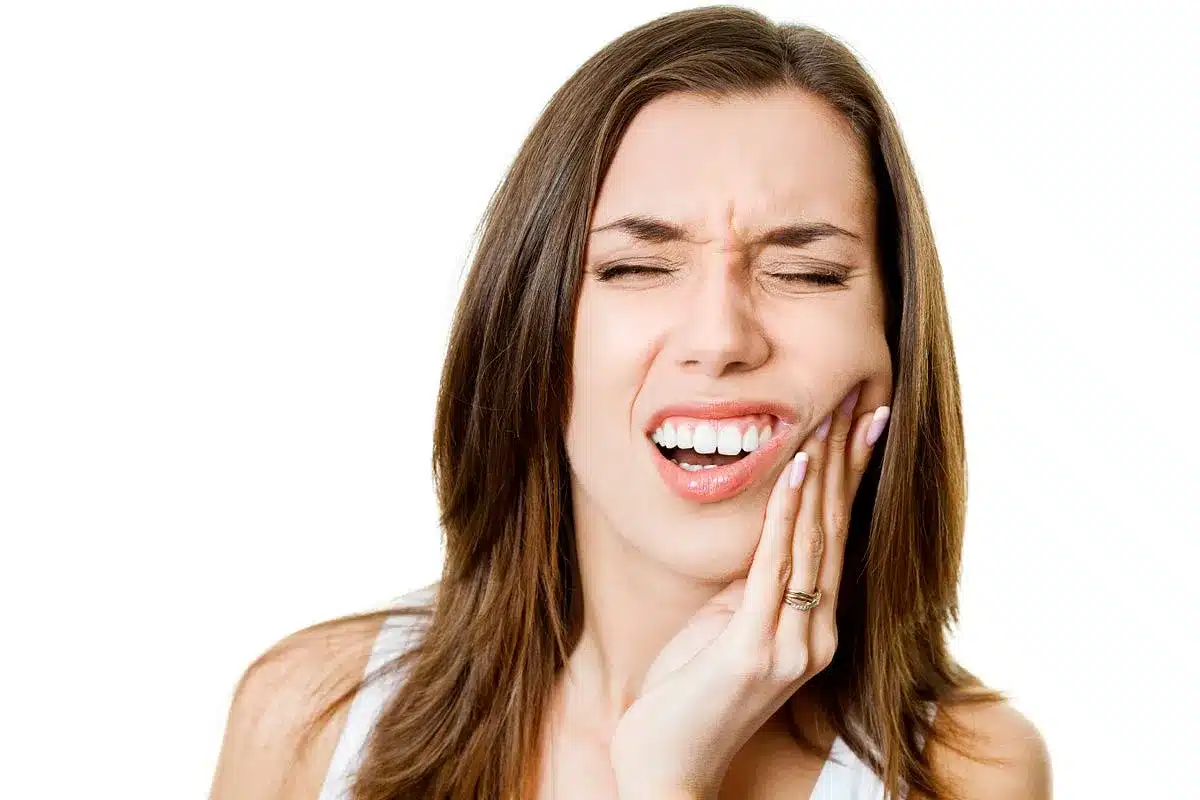
In a Dental Spa, “symptoms” mean the reasons and patient needs that call for this special care. While dental problems like cavities or gum disease are the main issues, many people come to a Dental Spa because of anxiety or sensitivity. Patients at Liv Hospital often show signs of high stress related to dental care. It’s important to notice these signs, as they are real physical responses that can make treatment harder if not managed with a calming, whole-person approach.
Dental Anxiety and Phobia
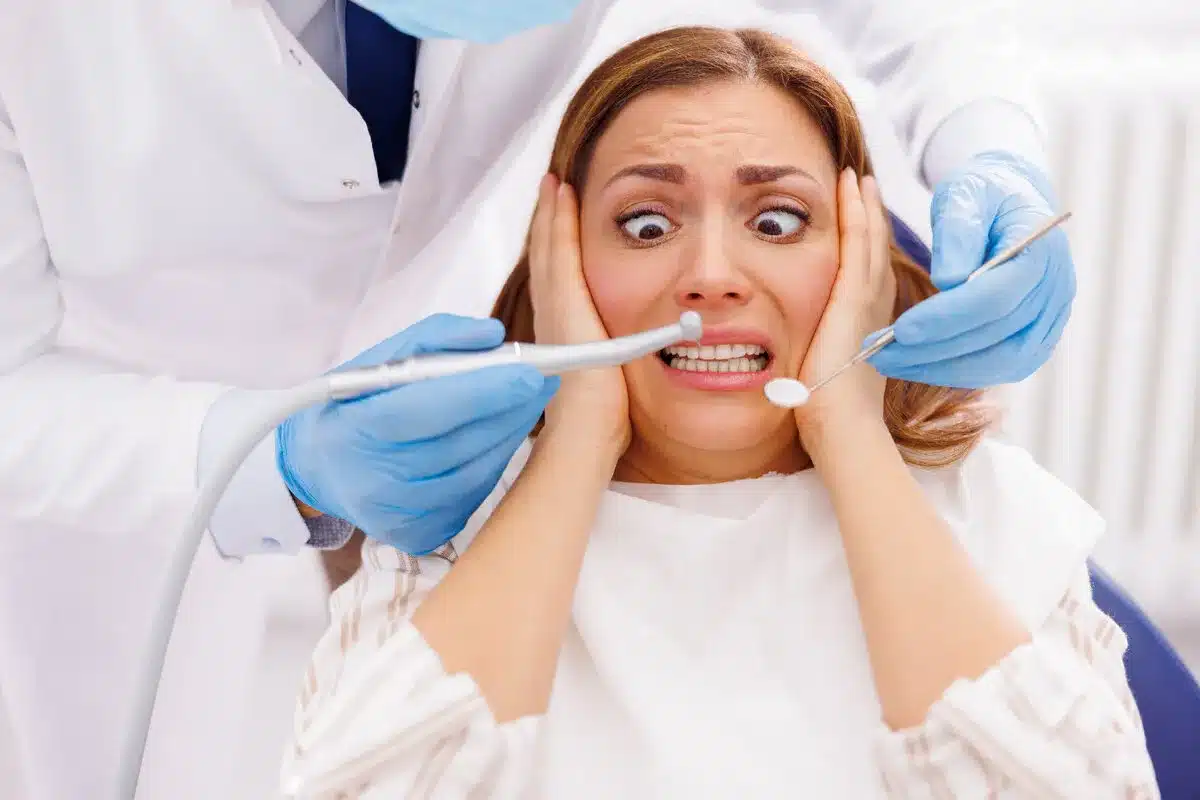
The Physiological Manifestation of Fear
Dental anxiety is common and can cause physical reactions that make dental treatment more difficult.
Tachycardia: The anticipation of dental work causes a rapid heart rate, which can be dangerous for patients with underlying cardiovascular conditions.
Muscle rigidity: Fear causes the patient to tense their skeletal muscles, leading to postoperative soreness and difficulty keeping the mouth open.
Hyper-salivation or Xerostomia: The autonomic nervous system response can lead to either excessive drooling or a sudden drying of the mouth, both of which complicate dental procedures.
Tremors: Severe anxiety can manifest as physical shaking, which poses a risk during delicate microsurgical or restorative tasks.
Sensory Processing Sensitivity
Overstimulation in the Clinical Setting
Some people are extra sensitive to sights, sounds, or smells, which can make a regular dental office feel overwhelming.
Auditory hypersensitivity: The high-pitched whine of the handpiece or suction noise can trigger a fight-or-flight response in patients with sensory processing disorders.
Olfactory triggers: The distinct smell of dental materials, such as eugenol or bonding agents, can induce nausea or anxiety in sensitive individuals.
Tactile defensiveness: The sensation of vibration on the teeth or the feeling of instruments in the mouth can be intensely uncomfortable, even when there is no actual pain.
Visual sensitivity: The bright operating lights used in dentistry can be overstimulating, leading to headaches or discomfort.
Severe Gag Reflex
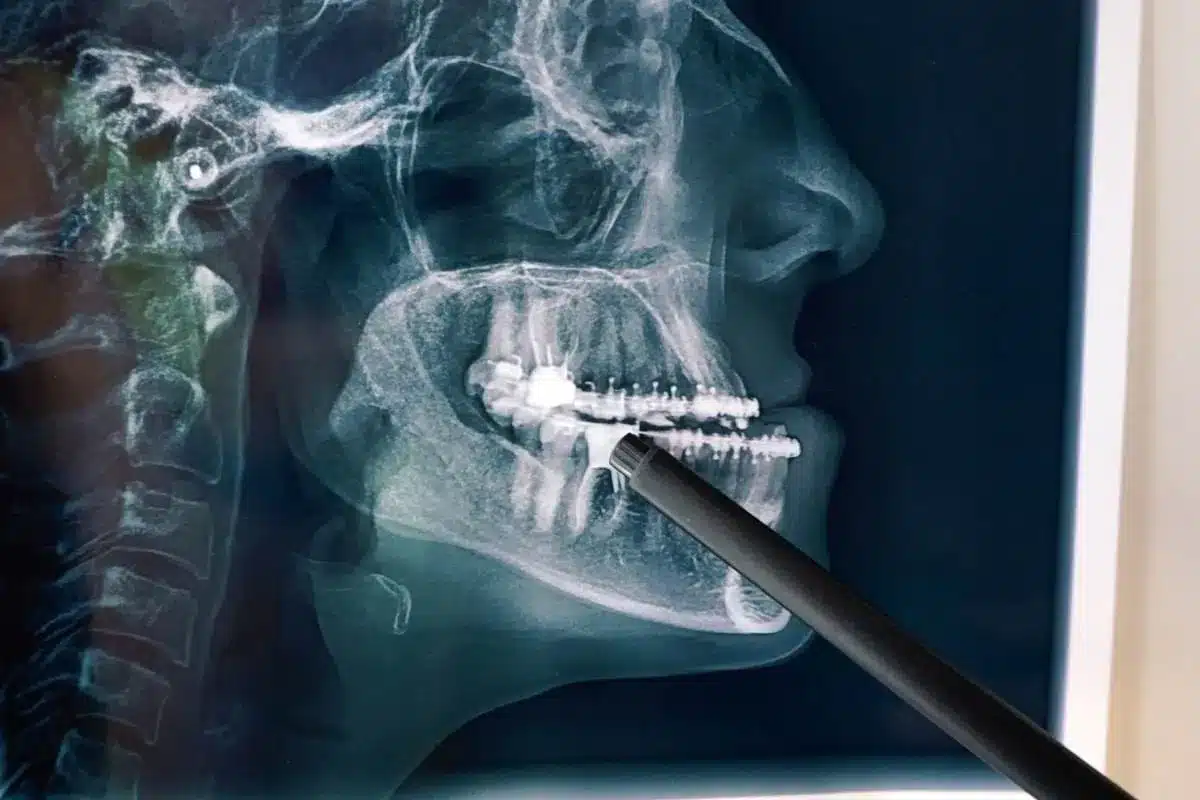
The Pharyngeal Protective Mechanism
A strong gag reflex can make dental care very difficult, and it often comes from both physical and emotional causes.
Psychogenic gagging: Anxiety exacerbates the gag reflex; the fear of choking triggers the reflex even before instruments touch the soft palate.
Anatomical sensitivity: Some patients exhibit physiological hypersensitivity in the posterior oral cavity, which requires the deep relaxation techniques of a Dental Spa to manage.
Control issues: The feeling of losing control over one’s airway is a primary driver of the gag reflex, which is mitigated by the trust-building environment of the spa.
Previous trauma: Past negative experiences where the airway was compromised can sensitize the reflex, requiring desensitization protocols.
Stress Induced Orofacial Pain
Somatic Manifestations of Stress
Many people who choose a Dental Spa have mouth problems that are made worse by ongoing stress.
Bruxism: High stress levels lead to nocturnal grinding and clenching, resulting in worn dentition and masseter hypertrophy.
Temporomandibular Disorder (TMD): Chronic tension manifests as jaw joint pain, clicking, or locking, requiring therapy that addresses both the muscle tension and the underlying stress.
Myofascial pain: Trigger points in the muscles of the head and neck are common symptoms, often referring pain to the teeth.
Tension headaches: Patients frequently report waking up with headaches originating from the temporal region due to jaw clenching.
Systemic Inflammation and Fatigue
The Need for Restorative Care
Dental Spa patients often show signs of overall exhaustion, which can affect their oral health.
Gingival inflammation: Chronic stress elevates cortisol, which suppresses the immune system’s ability to fight periodontal bacteria, leading to bleeding gums.
Delayed healing: Patients with high stress loads often report that ulcers or minor oral wounds take a long time to heal.
Adrenal fatigue: Patients may feel exhausted and unable to tolerate the physical demands of a long dental appointment without the supportive measures of a spa setting.
Nutritional depletion: Stress often leads to poor dietary choices, resulting in micronutrient deficiencies that manifest as oral tissue fragility.
Aesthetic Dissatisfaction and Self-Esteem
Psychological Impact of Smile Defects
Wanting to visit a Dental Spa is often connected to feeling self-conscious or worried about how your teeth look.
Social withdrawal: Patients may avoid smiling or covering their mouths due to shame about their teeth, leading to social isolation.
Performance anxiety: Professional individuals may feel their dental appearance is holding them back in their careers, creating a specific type of anxiety related to self-image.
Depression: There is a documented link between poor oral aesthetics and depressive symptoms, which the uplifting environment of a Dental Spa aims to counteract.
Body dysmorphia: Some patients have a distorted view of their smile and require a compassionate, non-judgmental environment to discuss their concerns realistically.
Stress Induced Orofacial Pain
Somatic Manifestations of Stress
Many people who choose a Dental Spa have mouth problems that are made worse by ongoing stress.
Bruxism: High stress levels lead to nocturnal grinding and clenching, resulting in worn dentition and masseter hypertrophy.
Temporomandibular Disorder (TMD): Chronic tension manifests as jaw joint pain, clicking, or locking, requiring therapy that addresses both the muscle tension and the underlying stress.
Myofascial pain: Trigger points in the muscles of the head and neck are common symptoms, often referring pain to the teeth.
Tension headaches: Patients frequently report waking up with headaches originating from the temporal region due to jaw clenching.
Frequently Asked Questions
Why do I feel so anxious about visiting the dentist?
Dental anxiety often stems from fear of pain, loss of control, or past negative experiences, triggering a physiological stress response.
Can a Dental Spa help with a strong gag reflex?
Yes, relaxation techniques, sedation options, and distraction therapies used in a Dental Spa are highly effective at suppressing a hyperactive gag reflex.
Is jaw pain related to stress?
Absolutely; stress causes muscle tension and clenching (bruxism), which is a leading cause of Temporomandibular Joint (TMJ) pain and headaches.
What is needle phobia in dentistry?
It is an intense, often irrational fear of dental injections, which can cause physical symptoms like fainting, and is a common reason for seeking spa dentistry.
How does stress affect my gums?
Chronic stress raises cortisol levels, which increases inflammation and weakens the immune system, making your gums more susceptible to periodontal disease.


