Key symptoms of Neonatal Sepsis in newborns and when to seek urgent care, with expert neonatal evaluation and support at Liv Hospital.

Learn the early warning signs of Neonatal Sepsis. Liv Hospital provides advanced neonatal monitoring and rapid diagnosis to protect newborn health. 

We're Here to Help.
Get in Touch.

Send us all your questions or requests, and our expert team will assist you.

Doctors

Neonatal Sepsis Symptoms and Conditions

What Are the Early Signs and Symptoms of Neonatal Sepsis?

Recognizing the symptoms of Neonatal Sepsis is one of the most challenging tasks in clinical pediatrics. Unlike older children or adults, newborns rarely present with localized signs of infection (like a cough or a swollen wound). Instead, sepsis in a newborn is characterized by “generalized” and often subtle changes. Because the infection spreads through the bloodstream, it can affect every organ system simultaneously, leading to a wide array of non-specific symptoms.

In the neonatal intensive care unit (NICU), nurses and doctors look for “the clinical picture” rather than a single definitive sign. A baby who was vigorous and feeding well but suddenly becomes quiet and pale is a classic example of onset. Because the condition can move from mild to life-threatening in hours, recognizing these early “soft signs” is vital. 

Icon LIV Hospital

Temperature Instability

Neonatal Sepsis: Symptoms and Conditions

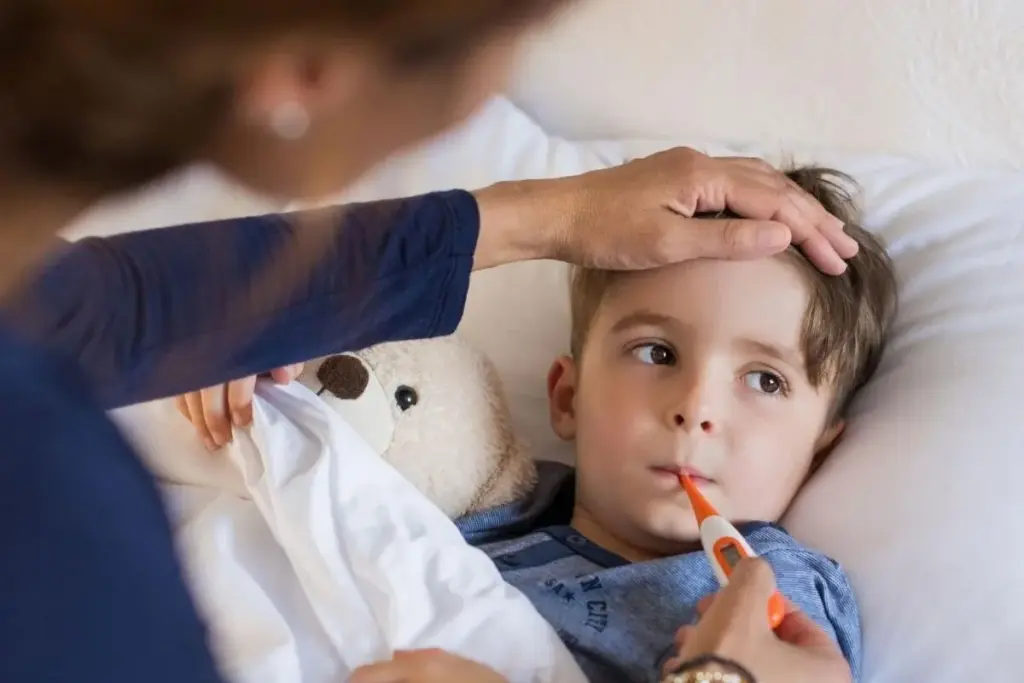
While adults get a fever when sick, a newborn’s internal thermostat is immature.

  • Hyperthermia: A fever (above 38.0°C) is common in full-term infants.
  • Hypothermia: Premature infants often respond to infection by becoming too cold (below 36.5°C). If a baby requires more heat from an incubator than usual to stay warm, sepsis is the primary suspect.
Icon 1 LIV Hospital

Respiratory Distress and Irregular Breathing

Thermal Instability and Metabolic Signs

The lungs are often the first system to show signs of stress during sepsis.

  • Tachypnea: Rapid breathing (more than 60 breaths per minute).
  • Apnea: Sudden pauses in breathing lasting more than 20 seconds.
  • Grunting and Retractions: The baby may make a grunting sound when exhaling or show “retractions,” where the skin pulls in around the ribs and neck as they struggle to breathe.

Poor Feeding and Gastric Intolerance

Sepsis often shuts down the digestive system as the body diverts blood flow to the heart and brain.

  • Feeding Refusal: A baby who suddenly stops sucking or tires quickly during a feed.
  • Vomiting and Distention: The stomach may look bloated (distended), and the baby may vomit their milk, which may sometimes be tinged with green (bile).
woman trying eat healthy home 1 LIV Hospital

Changes in Skin Color and Perfusion

The skin provides a direct window into the baby’s circulatory health.

  • Pallor or Mottling: The skin may look pale or “mottled” (a lacy, purplish pattern).
  • Jaundice: A sudden, unexplained rise in yellowing of the skin can be a sign of systemic infection.
  • Delayed Capillary Refill: If you press the baby’s skin and it takes more than 3 seconds for the color to return, it indicates poor blood circulation (septic shock).

Neurological Symptoms: Lethargy and Irritability

Bilirubin and toxins from bacteria can cross into the brain during sepsis.

  • Lethargy: The baby is “floppy,” has low muscle tone, and is difficult to rouse for feedings.
  • Irritability: Conversely, the baby may be extremely fussy and have a high-pitched cry that cannot be soothed by holding.
  • Bulging Fontanelle: If the soft spot on the head is bulging, it may indicate that the sepsis has led to Neonatal Meningitis.
Gastrointestinal Dysfunction

Cardiovascular Changes: Tachycardia and Hypotension

As the body tries to compensate for the infection, the heart rate changes.

  • Tachycardia: A persistent heart rate above 160–180 beats per minute while at rest.
  • Hypotension: A drop in blood pressure is a late and very dangerous sign of sepsis, indicating that the body can no longer maintain blood flow to the organs.

Metabolic Derangements (Blood Sugar Issues)

Infection stresses the baby’s metabolism.

  • Hypoglycemia: Low blood sugar that is difficult to maintain even with feeding.
  • Hyperglycemia: Unexplained high blood sugar, which often occurs in very premature infants during the early stages of sepsis.

Decreased Urine Output

When the kidneys are affected by sepsis, urine production drops. If a baby has not had a wet diaper in 8–12 hours, it suggests that the infection is impacting renal function and blood flow.

Petechiae and Purpura (Skin Rashes)

Small red or purple spots on the skin that do not disappear when pressed (non-blanching) are a medical emergency.
This suggests a condition called DIC (Disseminated Intravascular Coagulation), where the infection interferes with the blood’s ability to clot.

Bradycardia (Slow Heart Rate)

While early sepsis causes a fast heart rate, advanced sepsis in a newborn can lead to “episodes” where the heart rate drops dangerously low (less than 100 bpm).
This is often seen in conjunction with apnea (breathing pauses).

Associated Conditions: The Complexity of Neonatal Sepsis

Neonatal Sepsis is rarely an isolated event; it often involves or leads to other serious conditions:

  • Neonatal Meningitis: Infection of the lining of the brain, occurring in about 20% of sepsis cases.
  • Pneumonia: Infection of the lungs, which is the most common “source” of early-onset sepsis.
  • Necrotizing Enterocolitis (NEC): A severe intestinal disease that can both cause and be caused by systemic sepsis in premature infants.
  • Septic Shock: The final stage of sepsis where the circulatory system fails.


How Does Liv Hospital Detect Neonatal Sepsis Early? 👶🏻🏥

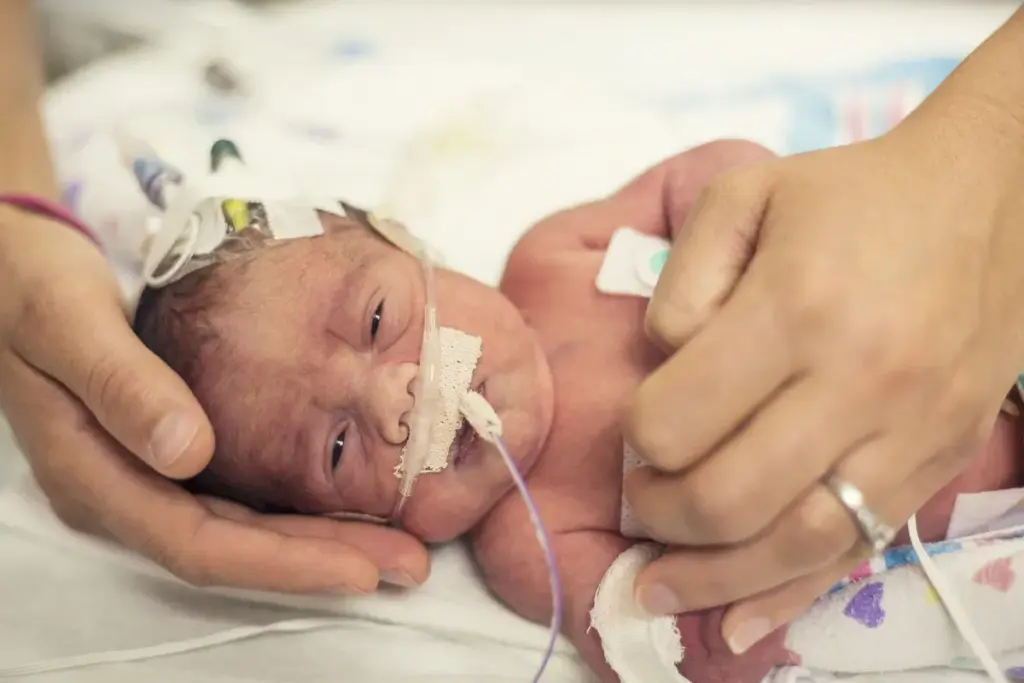
At Liv Hospital, we use a Sepsis Trigger System to identify newborns at risk before severe symptoms appear. Our Level IV NICU team monitors heart rate, breathing, and oxygen levels in real time using advanced bedside technology. With rapid assessment and clear communication with families, Liv Hospital ensures every warning sign is addressed quickly and safely.

30 Years of
Excellence

Trusted Worldwide

With patients from across the globe, we bring over three decades of medical

Book a Free Certified Online
Doctor Consultation

Clinics/branches
Spec. MD. Demet Deniz Bilgin Spec. MD. Demet Deniz Bilgin Pediatrics
Group 346 LIV Hospital

Reviews from 9,651

4,9

Was this article helpful?

Was this article helpful?

We're Here to Help.
Get in Touch.

Send us all your questions or requests, and our expert team will assist you.

Doctors

FREQUENTLY ASKED QUESTIONS

Can a baby look fine and still have sepsis?
  •  Yes. Early signs can be very subtle. A slight change in activity or feeding may be the first warning, so high-risk babies are monitored closely.
  •  In newborns under 28 days, fever is treated as possible sepsis until proven otherwise because waiting can be dangerous.
  •  Grunting helps keep the lungs’ air sacs open. It can be a sign of respiratory distress often seen in sepsis.
  •  Not always; it may occur with crying or pain. But a fast heart rate while the baby is calm or sleeping can signal sepsis.
  •  Most rashes are harmless. However, a rash with small purple spots (petechiae) requires immediate medical evaluation. 
Spine Hospital of Louisiana

How helpful was it?

helpful
helpful
helpful
Your Comparison List (you must select at least 2 packages)