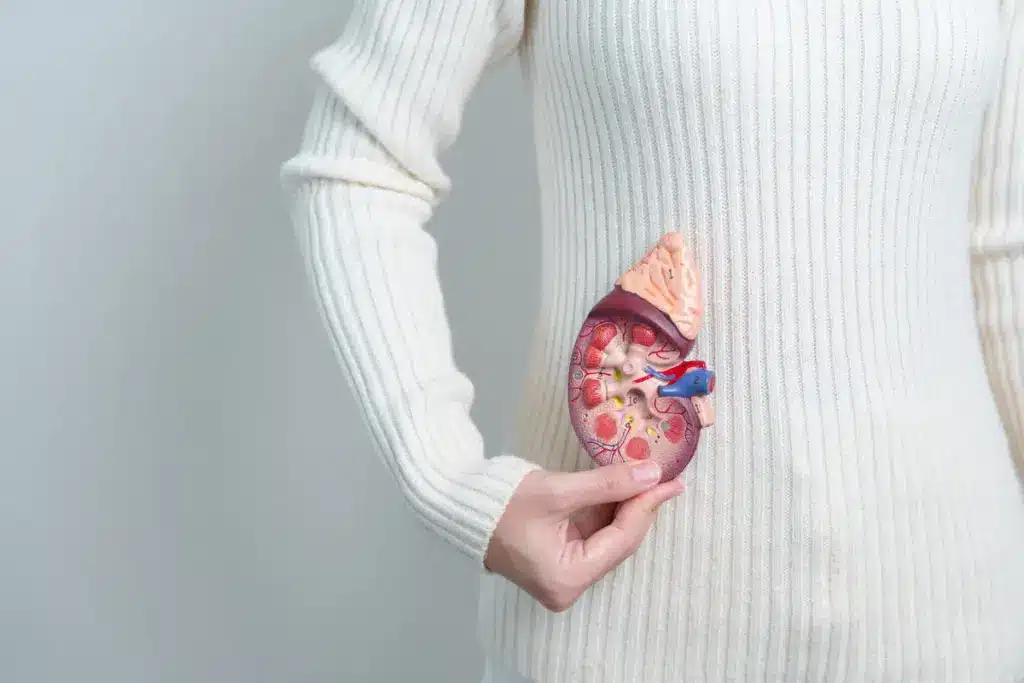
The urinary system is a vital part of our body, and cancer affecting this system can have significant implications.
The most common cancer of the urinary system is a condition that affects thousands of people in the United States each year. Understanding the basics of this condition is crucial for early detection and effective treatment.
Pelvic floor dysfunction is closely related to the urinary system, and its impact on overall health cannot be overstated. The connection between pelvic floor issues and urinary system cancers is an area of growing interest in medical research.
Key Takeaways
- The most common cancer of the urinary system is a significant health concern.
- Pelvic floor dysfunction is linked to urinary system health.
- Early detection is crucial for effective treatment of urinary system cancers.
- Understanding the connection between pelvic floor issues and urinary system cancers is important.
- Research into the relationship between pelvic floor dysfunction and urinary system cancers is ongoing.
Understanding Urinary Tract Cancer
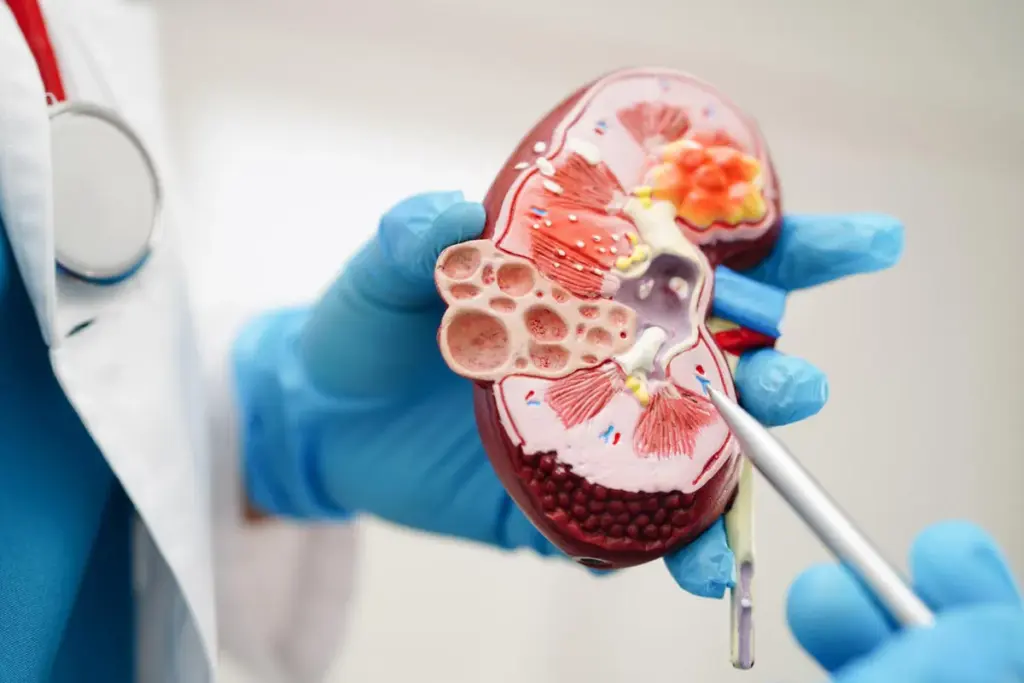
Understanding the complexities of urinary tract cancer is crucial for early detection and effective treatment. Urinary tract cancer refers to the abnormal growth of cells in the urinary system, which includes the kidneys, bladder, and ureters.
Definition and Overview
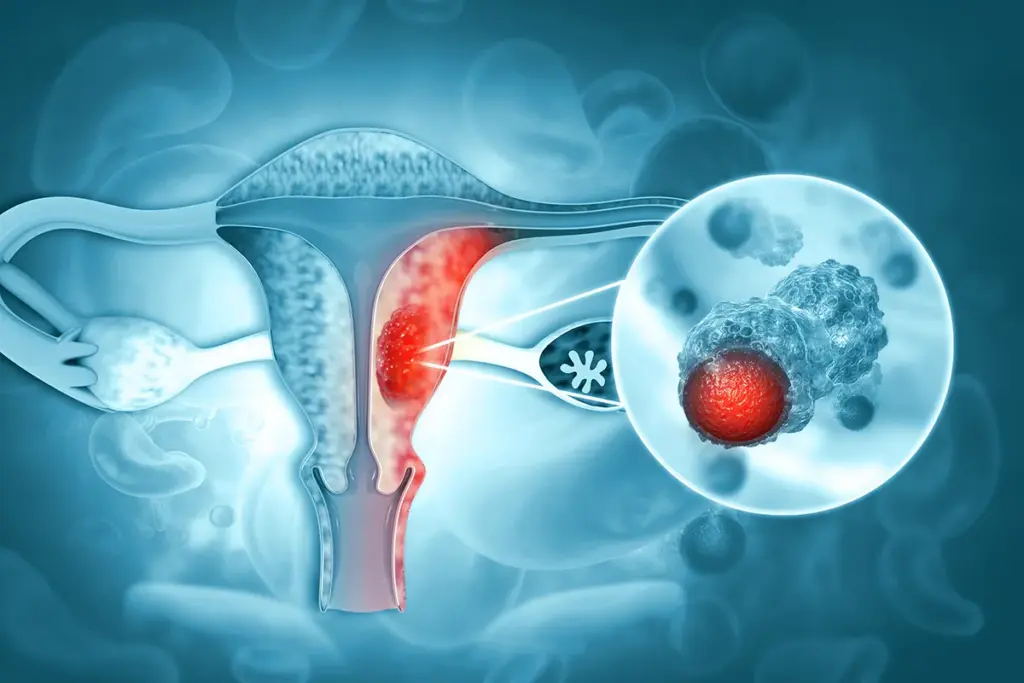
Urinary tract cancer, also known as urothelial carcinoma, typically begins in the lining of the bladder or kidneys. It is characterized by the uncontrolled growth of malignant cells, which can invade surrounding tissues and spread to other parts of the body.
Types of Urinary Tract Cancers
There are several types of urinary tract cancers, each with distinct characteristics. The most common types include:
- Bladder Cancer: This is the most common type of urinary tract cancer, often presenting with symptoms like hematuria (blood in the urine).
- Renal Cell Carcinoma: Originating in the kidneys, this type of cancer is known for its resistance to traditional chemotherapy.
- Ureteral Cancer: A rare type of cancer that occurs in the ureters, the tubes that connect the kidneys to the bladder.
Risk Factors
Several risk factors contribute to the development of urinary tract cancer. These include:
- Smoking: A significant risk factor, as it exposes the urinary tract to carcinogens.
- Age: The risk increases with age, particularly after the age of 60.
- Exposure to certain chemicals: Industrial chemicals and certain drugs can increase the risk.
- Pelvic Floor Dysfunction (PFD): Emerging evidence suggests a link between PFD and an increased risk of urinary tract cancers. Pelvic floor therapy may play a role in managing symptoms and potentially reducing risk.
Symptoms of Urinary Tract Cancer
The symptoms associated with urinary tract cancer can vary, but being aware of them is key to timely medical intervention. Understanding these symptoms is crucial for patients to seek medical help early, potentially improving treatment outcomes.
Early Symptoms to Watch For
Early detection of urinary tract cancer significantly improves the chances of successful treatment. Some of the early symptoms include:
- Blood in the urine (hematuria), which is often the first noticeable sign
- Frequent urination or a sense of urgency
- Pain or burning during urination
- Pelvic floor pain or discomfort, which can be related to the cancer’s progression or its impact on surrounding structures
These symptoms can be indicative of urinary tract cancer and should be evaluated by a healthcare professional.
Advanced Symptoms
As urinary tract cancer progresses, more severe symptoms may develop, including:
- Severe pain in the side or back, below the ribs
- Loss of appetite or weight loss
- Fatigue or weakness
- Symptoms of pelvic floor dysfunction, such as urinary incontinence or difficulty starting urination
Advanced symptoms often signify that the cancer has spread or is affecting other bodily functions, necessitating comprehensive medical evaluation and treatment.
Diagnosis of Urinary Tract Cancer
Urinary tract cancer diagnosis requires a comprehensive approach, incorporating multiple tests to confirm the presence of cancer. This multifaceted diagnostic process is crucial for identifying the disease accurately and determining the most appropriate treatment plan.
Tests and Procedures
Several tests and procedures are utilized in the diagnosis of urinary tract cancer. These include:
- Imaging Tests: Techniques such as CT scans, MRI, and ultrasound help visualize the urinary tract and identify any abnormalities.
- Urine Tests: Urine cytology and other urine tests can detect cancer cells or other signs of cancer.
- Cystoscopy: A procedure that allows doctors to look directly inside the bladder and urethra using a cystoscope.
- Biopsy: Removing a sample of tissue for examination under a microscope to check for cancer cells.
As noted by the American Cancer Society, “early detection of cancer is key to successful treatment.” The choice of diagnostic tests may vary depending on the suspected location and type of urinary tract cancer.
Importance of Early Detection
Early detection of urinary tract cancer significantly improves treatment outcomes. When cancer is detected at an early stage, treatment options are more effective, and the chances of survival are higher. As stated by a leading oncologist, “The prognosis for patients with urinary tract cancer is greatly enhanced when the disease is diagnosed and treated promptly.”
Pelvic floor physical therapy and specific diagnostic tests like the empty can test can also play a role in the diagnostic process, particularly in assessing the impact of cancer on surrounding tissues and functions.
“Advances in diagnostic technologies have revolutionized the way we detect and manage urinary tract cancer, offering new hope for patients and their families.”
An Oncologist
Treatment Options for Urinary Tract Cancer
The treatment of urinary tract cancer involves a multi-faceted approach, incorporating various modalities. Treatment options are determined based on the type, stage, and location of the cancer, as well as the patient’s overall health.
Surgery: Types and Considerations
Surgery is a primary treatment for many types of urinary tract cancer. The type of surgery depends on the cancer’s location and stage. For instance, radical nephroureterectomy is often performed for upper tract urothelial carcinoma, while transurethral resection is common for bladder cancer.
Considerations for surgery include the patient’s overall health, the potential for complications, and the impact on quality of life.
Chemotherapy and Radiation Therapy
Chemotherapy and radiation therapy are other crucial treatment modalities. Chemotherapy uses drugs to kill cancer cells, and can be administered before surgery to shrink tumors or after surgery to eliminate remaining cancer cells.
Radiation therapy uses high-energy rays to target and kill cancer cells. It can be used alone or in combination with chemotherapy.
Targeted Therapy and Immunotherapy
Targeted therapy and immunotherapy offer more specialized approaches. Targeted therapy focuses on specific characteristics of cancer cells, reducing harm to normal cells.
Immunotherapy, such as checkpoint inhibitors, boosts the body’s immune system to fight cancer more effectively.
Pelvic floor therapy can also be an important aspect of treatment, especially for patients experiencing urinary incontinence or other pelvic floor dysfunctions after surgery or radiation. Finding a specialist for pelvic floor therapy near me can be crucial for regaining bladder control and improving quality of life.
|
Treatment Modality |
Description |
Common Use |
|---|---|---|
|
Surgery |
Removal of cancerous tissues |
Localized cancers |
|
Chemotherapy |
Drugs to kill cancer cells |
Advanced or metastatic cancer |
|
Radiation Therapy |
High-energy rays to kill cancer cells |
Localized cancers or symptom relief |
|
Targeted Therapy |
Targets specific cancer cell characteristics |
Cancers with specific genetic markers |
|
Immunotherapy |
Boosts the immune system to fight cancer |
Advanced or metastatic cancer |
Prognosis for Urinary Tract Cancer Patients
The prognosis for urinary tract cancer patients varies significantly based on several factors, including the stage at diagnosis and the patient’s overall health. Understanding these factors is crucial for patients to make informed decisions about their treatment.
Survival Rates by Stage
Survival rates for urinary tract cancer are closely linked to the stage at which the cancer is diagnosed. Generally, early-stage cancers have a more favorable prognosis. According to the American Cancer Society, the 5-year survival rate for localized bladder cancer (a type of urinary tract cancer) is about 69%. However, this rate drops significantly for cancers that have spread to distant parts of the body.
The survival rates by stage are as follows:
- Localized: Cancer is confined to the urinary tract, with a 5-year survival rate of approximately 69%.
- Regional: Cancer has spread to surrounding tissues or lymph nodes, with a 5-year survival rate of about 38%.
- Distant: Cancer has metastasized to distant parts of the body, with a 5-year survival rate of around 6%.
Factors Affecting Prognosis
Several factors can influence the prognosis for urinary tract cancer patients. These include:
- Stage at Diagnosis: As mentioned, the stage at which cancer is diagnosed significantly impacts the prognosis.
- Overall Health: Patients with underlying health conditions may face a poorer prognosis.
- Response to Treatment: How well the cancer responds to treatment can also affect the prognosis.
- Weak Pelvic Floor Symptoms: In some cases, urinary tract cancer can lead to weak pelvic floor symptoms, which can impact the quality of life and potentially influence the prognosis indirectly by affecting treatment outcomes.
Understanding laxity definition is also important, as it refers to the lack of firmness or tone, which can be relevant in discussions about pelvic floor health. Laxity can be a concern in the context of urinary tract cancer, particularly in relation to symptoms and treatment side effects.
In conclusion, the prognosis for urinary tract cancer patients is multifaceted, depending on a range of factors including the stage at diagnosis, overall health, and response to treatment. By understanding these factors, patients can better navigate their treatment options and make informed decisions about their care.
Prevention Strategies
Effective prevention of urinary tract cancer hinges on understanding and implementing key lifestyle modifications and screening practices.
Lifestyle Changes to Lower Risk
Making certain lifestyle changes can significantly lower the risk of urinary tract cancer. These include quitting smoking, as smoking is a significant risk factor, maintaining a healthy weight through diet and exercise, and eating a balanced diet rich in fruits, vegetables, and whole grains.
Lifestyle modifications play a critical role in cancer prevention. For instance, a diet high in antioxidants can help protect against cancer cells.
Importance of Regular Screenings
Regular screenings are vital for the early detection of urinary tract cancer. Early detection often means that the cancer can be treated more effectively.
Screening Methods
Various screening methods are available, including:
- Urine tests to check for cancer cells or other signs of cancer.
- Imaging tests such as CT scans or MRI scans.
- Cystoscopy to visually examine the inside of the bladder.
|
Screening Method |
Description |
Benefits |
|---|---|---|
|
Urine Tests |
Checking urine for cancer cells or other abnormalities. |
Non-invasive, can detect cancer early. |
|
Imaging Tests |
Using CT scans or MRI scans to visualize the urinary tract. |
Provides detailed images, helps in staging cancer. |
|
Cystoscopy |
Visually examining the inside of the bladder. |
Directly visualizes tumors or abnormalities. |
Strengthening the pelvic floor muscles is also important, especially for overall urinary health. This can be achieved through exercises like Kegels, which are beneficial even during pregnancy.
Pelvic floor exercises can help improve bladder control and are recommended for pregnant women to prepare for childbirth.
In conclusion, preventing urinary tract cancer involves a combination of healthy lifestyle choices, regular screenings, and exercises to strengthen the pelvic floor. By adopting these strategies, individuals can significantly reduce their risk of developing urinary tract cancer.
Living with Urinary Tract Cancer
The journey with urinary tract cancer is unique to each individual, with its own set of challenges and coping strategies. Managing the disease requires a comprehensive approach that includes medical treatment, lifestyle adjustments, and emotional support.
Coping Mechanisms
Coping with urinary tract cancer involves finding effective ways to manage its physical and emotional impacts. One crucial aspect is maintaining a healthy lifestyle, including a balanced diet and regular exercise, which can help mitigate some symptoms and improve overall well-being.
Pelvic floor therapy is another valuable resource for patients. A pelvic floor therapist can help individuals regain control over bladder functions and address issues related to incontinence or pelvic pain. Techniques such as biofeedback therapy can be particularly beneficial, enabling patients to become aware of and manage their physiological responses to stress or discomfort.
For those seeking biofeedback therapy near me, there are various resources available, including local healthcare providers and specialized therapy centers. Utilizing these services can significantly enhance a patient’s quality of life by providing them with the tools and support needed to manage their condition effectively.
Support Resources
Beyond medical treatment, support resources play a vital role in helping patients cope with urinary tract cancer. Support groups, either in-person or online, offer a community where individuals can share their experiences, receive emotional support, and gain insights from others facing similar challenges.
Additionally, counseling or therapy can be invaluable for addressing the emotional and psychological aspects of living with cancer. Many cancer centers and hospitals provide access to these services, recognizing their importance in the holistic care of patients.
By leveraging these coping mechanisms and support resources, individuals living with urinary tract cancer can navigate their journey with greater resilience and improved quality of life.
Research and Innovations in Treatment
Urinary tract cancer research has made significant strides in recent years, with various studies exploring new therapeutic approaches. The field is witnessing a surge in innovative treatments that are not only improving patient outcomes but also enhancing their quality of life.
Latest Studies and Findings
Recent studies have focused on understanding the genetic underpinnings of urinary tract cancer, leading to the development of targeted therapies. For instance, research on the role of specific genetic mutations has paved the way for treatments that can more precisely target cancer cells, reducing the harm to healthy tissues.
Key Findings:
- Identification of biomarkers for early detection
- Development of novel chemotherapeutic agents
- Exploration of immunotherapy’s potential in treating advanced urinary tract cancer
Clinical Trials to Consider
Clinical trials play a crucial role in advancing the treatment of urinary tract cancer. Patients can consider participating in trials that investigate new treatments, including:
- Targeted therapy for specific genetic mutations
- Immunotherapy to boost the body’s immune response against cancer
- Combination therapies that pair different treatment modalities for enhanced efficacy
It’s also important to note the connection between urinary tract cancer and pelvic floor disorders, such as chronic prostatitis/chronic pelvic pain syndrome. Research into these conditions can provide insights into the overall management of urinary tract cancer, potentially leading to more holistic treatment approaches.
For patients considering clinical trials, it’s essential to discuss the potential benefits and risks with their healthcare provider. Resources like the National Cancer Institute’s list of clinical trials can be invaluable in finding relevant studies.
|
Trial Type |
Focus |
Potential Benefits |
|---|---|---|
|
Targeted Therapy |
Specific genetic mutations |
More precise treatment with fewer side effects |
|
Immunotherapy |
Boosting immune response |
Potential for long-term cancer control |
|
Combination Therapy |
Pairing treatment modalities |
Enhanced efficacy against cancer |
Nutrition and Wellness During Treatment
Maintaining optimal nutrition is key to supporting overall health during urinary tract cancer treatment. A well-balanced diet can help manage treatment side effects, support the body’s recovery, and improve overall well-being.
Foods to Include for Healing
Including the right foods in your diet can aid in healing and support your body’s needs during treatment. Here are some recommendations:
- Protein-rich foods: Include lean meats, fish, eggs, dairy products, and legumes to support tissue repair.
- Fruits and vegetables: Rich in antioxidants, vitamins, and minerals, they help in fighting infections and supporting overall health.
- Whole grains: Foods like brown rice, quinoa, and whole-wheat bread provide essential fiber and nutrients.
- Healthy fats: Nuts, seeds, avocados, and olive oil are rich in healthy fats that support heart health and provide energy.
Foods to Avoid
Certain foods can exacerbate treatment side effects or hinder the recovery process. It’s advisable to limit or avoid:
- Processed and high-sugar foods: These can lead to weight gain, increased inflammation, and decreased energy levels.
- High-sodium foods: Limit foods high in salt to avoid fluid retention and high blood pressure.
- Foods that can irritate the bladder: Spicy foods, caffeine, and acidic foods may irritate the bladder and worsen symptoms.
In addition to dietary changes, staying hydrated is crucial. Drinking plenty of water and other fluids can help flush out toxins and support kidney function. In some cases, hypertonic solutions may be recommended to help manage specific treatment-related issues.
Another aspect of wellness during treatment is managing constipation, a common side effect. Techniques such as constipation massage can help stimulate bowel movements and relieve discomfort.
By focusing on nutrition and wellness, patients can take an active role in their recovery and improve their overall quality of life during urinary tract cancer treatment.
Support for Caregivers
Caregivers play a vital role in the treatment and care of patients with urinary tract cancer. Their support can significantly impact the patient’s quality of life and overall well-being.
The role of caregivers encompasses a range of responsibilities, from managing daily tasks to providing emotional support. Understanding the importance of their role can help caregivers navigate the challenges they face.
Caregiver Responsibilities
Caregivers are often involved in helping patients with daily activities, managing medications, and accompanying them to medical appointments. They also provide emotional support, which is crucial for patients dealing with the stress of cancer treatment.
Resources for Caregivers
There are various resources available to support caregivers, including counseling services, support groups, and educational materials. Organizations such as the American Cancer Society offer resources and guidance for caregivers.
Additionally, caregivers can benefit from learning about exercises that can help patients, such as pelvic floor muscle exercises. These exercises are beneficial for both men and women, and can help improve bladder control and overall pelvic health. Male pelvic floor exercises, in particular, can be an important aspect of recovery and wellness.
FAQ
What is pelvic floor dysfunction and how is it related to urinary tract cancer?
Pelvic floor dysfunction refers to a condition where the muscles in the pelvic floor are weakened or not functioning properly. While it’s not a direct cause of urinary tract cancer, pelvic floor dysfunction can be a related issue, especially in terms of symptoms and treatment side effects.
What are the symptoms of pelvic floor dysfunction?
Symptoms of pelvic floor dysfunction can include pelvic floor pain, urinary incontinence, constipation, and difficulty with bowel movements. In some cases, it can also lead to a feeling of heaviness in the pelvic area.
How can pelvic floor therapy help with urinary tract cancer treatment?
Pelvic floor therapy can help alleviate symptoms associated with urinary tract cancer treatment, such as incontinence and pelvic pain. It involves exercises and techniques to strengthen the pelvic floor muscles.
What is the role of a pelvic floor therapist?
A pelvic floor therapist specializes in treating pelvic floor dysfunction through various techniques, including exercises, biofeedback therapy, and manual therapy. They can help patients manage symptoms and improve their quality of life.
Can pelvic floor exercises help prevent urinary tract cancer?
While pelvic floor exercises are not a direct preventative measure for urinary tract cancer, they can help maintain overall pelvic health and potentially reduce the risk of certain urinary issues.
How do I find a pelvic floor therapist near me?
You can find a pelvic floor therapist near you by searching online, asking your primary care physician for a referral, or checking with local physical therapy clinics that specialize in pelvic floor therapy.
What is the empty can test, and how is it related to pelvic floor dysfunction?
The empty can test is a diagnostic tool used to assess the strength and function of certain muscles. While not directly related to pelvic floor dysfunction, similar tests can be used to evaluate pelvic floor muscle strength.
Can men benefit from pelvic floor exercises?
Yes, men can benefit from pelvic floor exercises, especially in managing urinary incontinence and other pelvic floor-related issues. Male pelvic floor exercises can help strengthen the muscles supporting the bladder and bowel.
What is the connection between pelvic floor dysfunction and constipation?
Pelvic floor dysfunction can contribute to constipation by affecting the muscles involved in bowel movements. Techniques like abdominal massage for constipation and pelvic floor therapy can help alleviate constipation symptoms.
Are there any specific yoga exercises that can help with pelvic floor health?
Yes, certain yoga exercises can help strengthen the pelvic floor muscles and improve overall pelvic health. Yoga for constipation and pelvic floor relaxation exercises can be particularly beneficial.
Reference
National Center for Biotechnology Information. Evidence-Based Medical Insight. Retrieved from https://pubmed.ncbi.nlm.nih.gov/38230766/