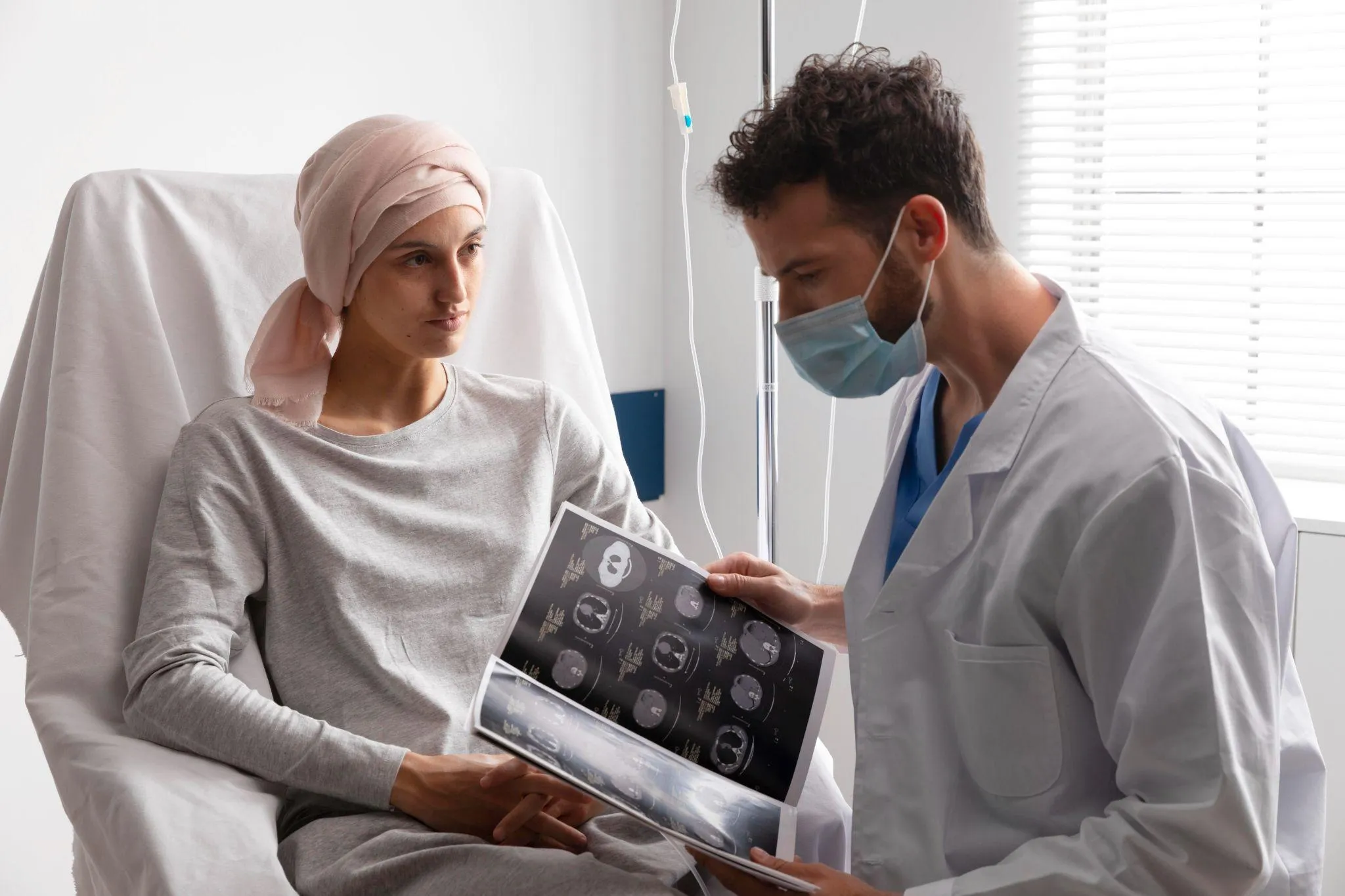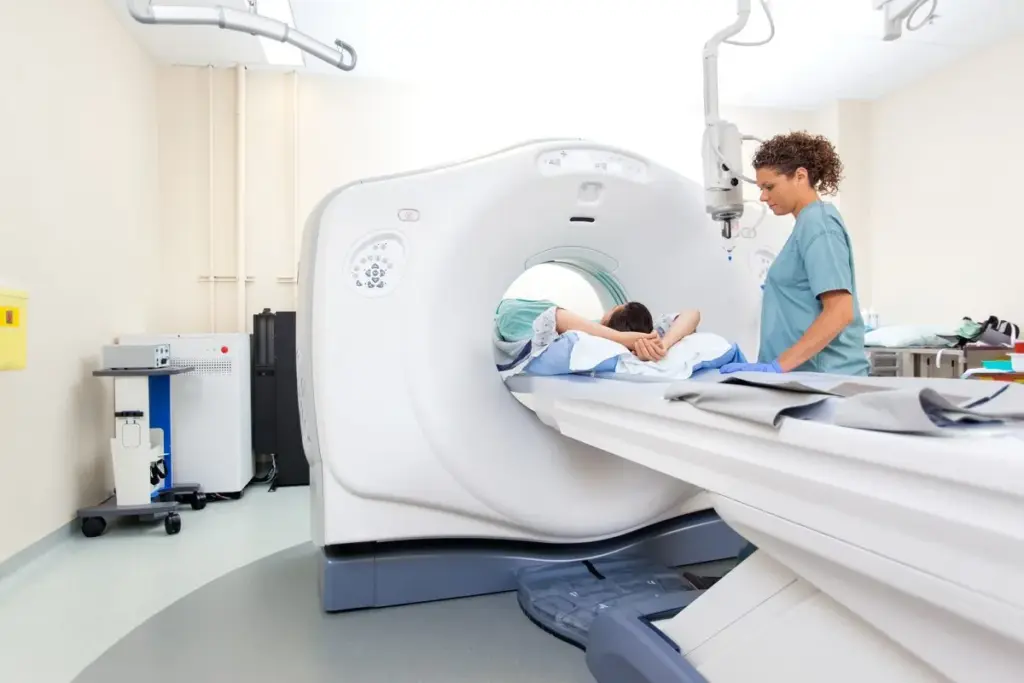
After a PET scan, patients often need to stay away from others. This includes kids and pregnant women. It’s because of the radiation exposure from the radiotracer used.
The radiotracer gives off radiation, which is a worry for those nearby. Patients are told to keep their distance for up to 6 hours after the scan. Understanding these safety steps is vital for all parties involved. After your pet scan, follow these critical safety tips. Protect your family while the tracer leaves your body fast and safely today.
Key Takeaways
- PET scan patients are advised to limit contact with others after the procedure.
- Radiation exposure from the radiotracer is the primary concern.
- Precautions are specially important for children and pregnant women.
- Maintaining distance for up to 6 hours can lessen radiation exposure.
- Top hospitals like LIV Hospital follow strict safety rules.
The Purpose and Function of PET Scans
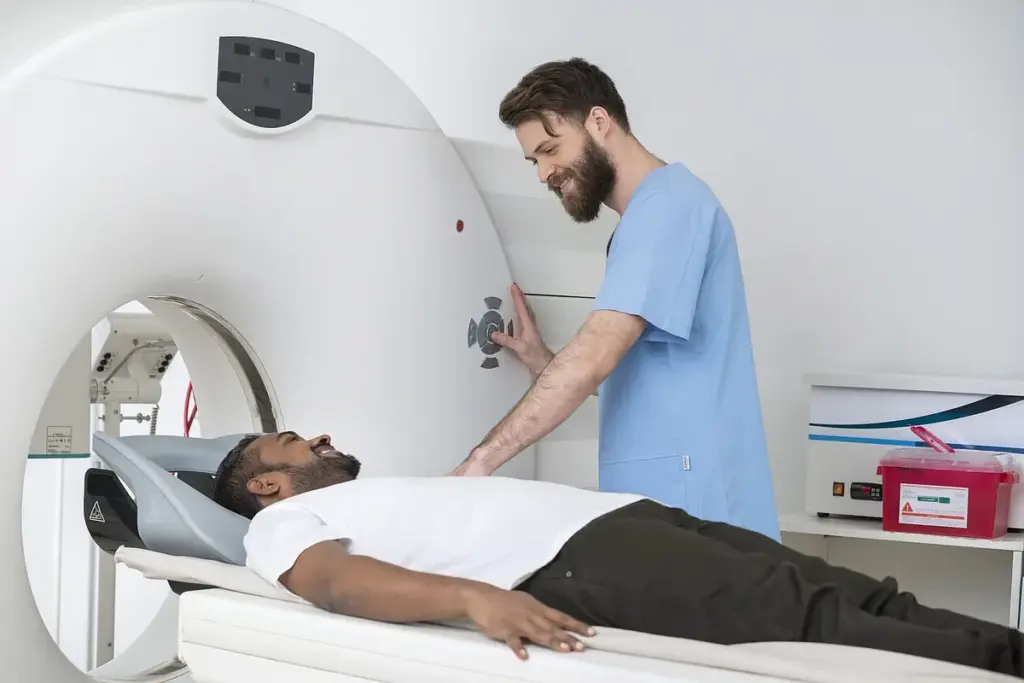
Positron Emission Tomography (PET) scans give us a deep look into how our bodies work. They are key in finding and tracking health issues, like cancer.
What is a Positron Emission Tomography scan?
A PET scan uses a special kind of imaging called nuclear medicine. It uses a radioactive tracer to see how active cells are in the body. The tracer is a sugar molecule with a radioactive tag, which cells absorb. The PET scanner picks up signals from this tracer, showing detailed images of the body’s inner workings.
How PET scans differ from other imaging techniques
PET scans show how cells are working, unlike CT scans or MRI, which show body structure. They help find diseases early and check how treatments are working. They are very helpful in finding cancer, as they can spot cancer cells that other scans miss.
Common medical applications and diagnostic benefits
PET scans are used in many ways, like finding and tracking cancer. They help spot diseases early and show how active tissues are. A doctor said, “PET scans have changed oncology by letting doctors see how tumors work, helping them decide on treatments.”
“The use of PET scans has significantly improved patient outcomes by facilitating early diagnosis and personalized treatment plans.”
Radioactive Tracers Used in PET Scan Procedures
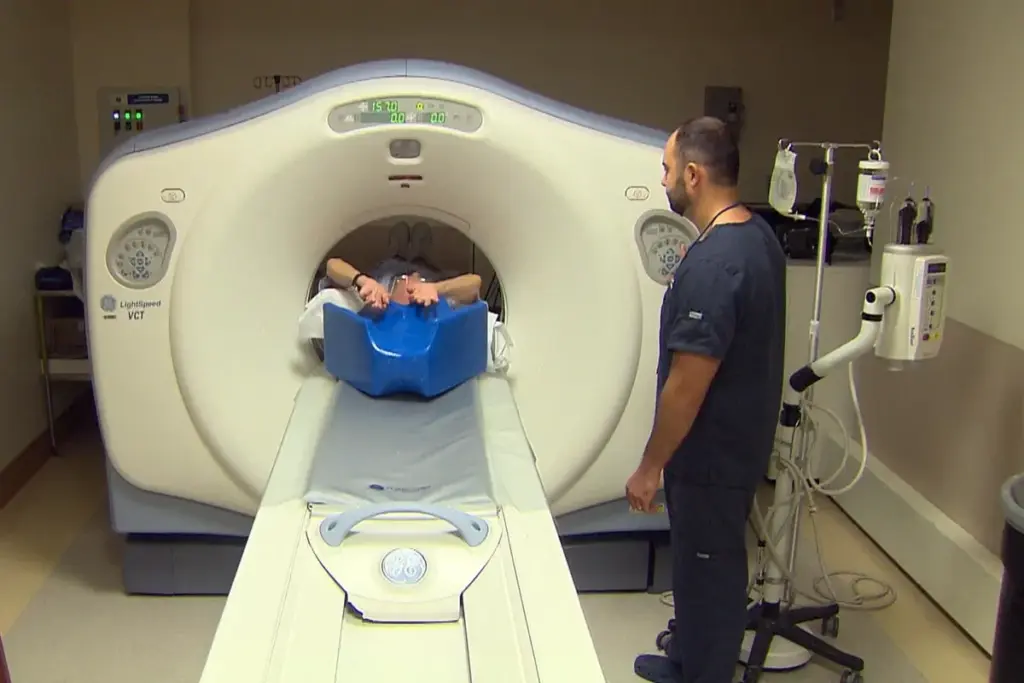
Radioactive tracers are key in PET scans, showing how our bodies work. They are radiopharmaceuticals that send out positrons, the opposite of electrons.
Understanding 18F-FDG and Other Radiopharmaceuticals
18F-FDG (Fluorodeoxyglucose) is the top tracer used. It’s like glucose but for PET scans, showing where cells are most active, like in tumors. Other tracers focus on different body functions, like how much oxygen cells use or how fast they grow.
How Tracers Are Administered and Metabolized
18F-FDG goes into the body through an IV. It spreads around, getting into cells based on how much they use glucose. As it breaks down, it sends out positrons that meet electrons, creating gamma rays. These rays are what the PET scanner catches.
Typical Dosage Ranges (370–555 MBq) and Their Significance
The standard dosage for 18F-FDG during a PET scan typically ranges from 370 to 555 MBq. This amount is just right for clear images without too much radiation. The right dose is key for both good results and keeping the patient safe.
Getting the dosage just right is vital for top-notch images and patient safety. Knowing how these tracers work helps doctors diagnose and treat many health issues.
Radiation Emission After a PET Scan
Knowing how long and how much radiation you get from a PET scan is key for safety. The tracers used, like 18F-FDG, are made to last only a short time. This helps keep radiation exposure low.
How long radioactive tracers remain active in the body
The time radioactive tracers stay active varies. It depends on the tracer type and how fast your body uses it. For example, 18F-FDG’s activity halves every 109.8 minutes.
For more on staying safe from radiation after a PET/CT scan, check out.
The International Commission on Radiological Protection says a PET scan with 18F-FDG gives about 7–25 mSv of radiation. This depends on how much tracer you get and your size.
Types of radiation emitted post-procedure
After a PET scan, you mainly get gamma radiation. This comes from the tracer’s positrons and is what lets doctors see your body’s activity.
- Gamma radiation is the main form of radiation emitted.
- The energy of the gamma rays is typically in the range of 511 keV.
Factors affecting radiation decay rates
Several things can change how fast the tracer decays and leaves your body. These include:
- The physical half-life of the radiopharmaceutical.
- The biological half-life, which is influenced by your metabolism and how you excrete it.
- How much water you drink, as more water helps get rid of the tracer faster.
Experts say drinking plenty of water and going to the bathroom often can lower radiation to your bladder and nearby areas.
By knowing these factors and taking steps to protect yourself, you can reduce your radiation exposure. This helps ensure a safe recovery after a PET scan.
The Science Behind Post-PET Scan Safety Precautions
It’s important to know how to stay safe after a PET scan. This helps keep others from getting too much radiation. Patients are given rules to follow to lower this risk.
Radiation Exposure Pathways to Others
There are a few ways radiation can spread to others. This includes direct radiation from the patient and contact with fluids that have radioactive tracers. The main worry is the gamma radiation from the tracer, which can go beyond the patient’s body.
Direct radiation is the biggest risk. The tracer builds up in the body and sends out radiation in all directions. Keeping a safe distance from others can help reduce this risk.
The Inverse Square Law and Distance Protection
The inverse square law is key to keeping safe from radiation. It says that radiation gets weaker as you move further away. This means doubling your distance from radiation cuts your exposure by four times.
For example, if a patient is giving off radiation at a certain level at 1 meter, it’s a quarter of that at 2 meters. This shows how important it is to stay far away to avoid radiation.
Cumulative Radiation Effects and Why They Matter
Cumulative radiation effects add up over time. While one PET scan is safe, many can increase the risk of harm. It’s important to think about the total amount of radiation you get.
|
Radiation Exposure |
Typical Dose |
Cumulative Effect |
|---|---|---|
|
PET Scan |
7-25 mSv |
Variable, depends on frequency |
|
Background Radiation (annual) |
2.4 mSv |
Accumulates over lifetime |
Knowing these facts helps us see why safety is so important after a PET scan. It ensures that others are not exposed to too much radiation.
Why Maintaining Distance is Essential After Your PET Scan
Keeping a safe distance after a PET scan is key to protecting others from radiation. During a PET scan, you get a radioactive tracer to help diagnose health issues. Even though the tracer’s activity goes down, it’s important to follow safety rules.
The 2-Meter Distance Recommendation Explained
The 2-meter rule helps lower radiation exposure to others. Radiation weakens with distance, thanks to the inverse square law. This means doubling the distance cuts exposure by four times. So, staying 2 meters away greatly reduces the risk to those nearby.
Duration of Necessary Precautions (Up to 6 Hours)
Usually, you’re told to stay 2 meters away for up to 6 hours after the scan. The exact time depends on the tracer’s half-life and how your body processes it. Doctors will give you specific advice based on your situation and the tracer used.
Scientific Basis for Proximity Restrictions
The science behind these rules is about how radiation works. The tracer emits positrons that turn into gamma radiation. This radiation can spread outside your body and affect others. By keeping a safe distance and following safety tips, you can lower this risk.
|
Precaution |
Duration |
Purpose |
|---|---|---|
|
Maintain 2-meter distance |
Up to 6 hours |
Reduce radiation exposure to others |
|
Avoid close contact |
Up to 6 hours |
Minimize radiation exposure |
|
Follow hygiene practices |
Up to 6 hours |
Reduce risk of radioactive contamination |
Adhering to these guidelines will help ensure safety for both yourself and others following a PET scan.
Special Precautions for Vulnerable Groups
Pregnant women and children must take extra care around people who have had a PET scan. They are more sensitive to radiation exposure. It’s important to follow safety rules to protect them from harm.
Why Pregnant Women Should Avoid Recent PET Scan Patients
Pregnant women should stay away from those who have had a PET scan. This is because radiation can harm the unborn baby. It could lead to birth defects or developmental problems. So, it’s key for pregnant women to keep their distance from PET scan patients.
Children’s Increased Sensitivity to Radiation Exposure
Children are more at risk from radiation because of their small size and fast-growing cells. Being near someone who has had a PET scan could raise their cancer risk later on. It’s vital to keep kids away from PET scan patients to protect them.
|
Vulnerable Group |
Recommended Precaution |
Duration |
|---|---|---|
|
Pregnant Women |
Maintain 2-meter distance |
Up to 6 hours |
|
Children |
Avoid close contact |
Up to 6 hours |
Following these guidelines helps reduce the risks of PET scan radiation for those who are most vulnerable.
Measuring Radiation Exposure from PET Scans
Radiation from PET scans can be measured in specific units. Knowing these measurements helps us understand the safety and usefulness of PET scans. The effective dose, measured in millisieverts (mSv), is key in this area.
Understanding Millisieverts (mSv) and Effective Dose
The millisievert (mSv) measures the biological effects of radiation. The effective dose considers how different tissues and organs react to radiation. This gives a full picture of radiation exposure, helping us understand the risks of PET scans.
Typical PET/CT Scan Radiation Dose
A PET/CT scan usually has an effective dose of 7–25 mSv. For comparison, a chest X-ray has about 0.1 mSv. Here’s a table showing the radiation doses from various medical scans:
|
Imaging Procedure |
Typical Radiation Dose (mSv) |
|---|---|
|
Chest X-ray |
0.1 |
|
CT Scan (Abdomen) |
10 |
|
PET/CT Scan |
7-25 |
It’s important to know the radiation from PET scans to balance benefits and risks. By measuring in millisieverts, doctors can ensure patient safety and improve imaging methods.
Practical Guidelines for the Hours Following Your PET Scan
After your PET scan, it’s important to take steps to protect others from radiation. The tracer used in the scan stays in your body for a while after.
Activities to Avoid Immediately After the Procedure
Stay away from pregnant women and kids. They are more at risk from radiation. Also, avoid being close to others for a long time, in small spaces.
Safe Interaction Distances with Family Members
Keep a safe distance from family to reduce their radiation exposure. It’s best to stay at least 2 meters away for 6 hours after the scan.
Handling Bodily Fluids and Waste Safely
Be careful with bodily fluids and waste after a PET scan. Flush the toilet twice after using it and wash your hands well.
|
Precaution |
Guideline |
|---|---|
|
Avoid close contact |
Maintain 2-meter distance for up to 6 hours |
|
Handling bodily fluids |
Flush toilet twice, wash hands thoroughly |
Following these steps helps keep others safe from radiation. It also aids in your recovery after the PET scan.
Occupational Safety for Healthcare Workers
Keeping healthcare workers safe during PET scans is key. They face radiation risks during these procedures. It’s important to have strong safety steps in place.
Radiation Exposure Limits for Medical Professionals
Medical staff have limits on how much radiation they can handle. The International Commission on Radiological Protection (ICRP) sets an annual limit of 20 millisieverts (mSv). Hospitals must keep track of radiation exposure to meet these standards.
Protective Measures for Technologists and Staff
Healthcare places use many safety steps. They use lead aprons and thyroid shields and keep workers away from radiation. Staff also learn strict rules to lower their exposure.
Monitoring and Maintaining Occupational Safety Standards
It’s vital to watch radiation exposure closely. Hospitals use dosimeters to track worker doses. This helps adjust work to keep exposure low and follow rules.
With these steps, hospitals can keep their workers safe from PET scan risks. This makes sure they have a safe place to work.
Hospital Protocols for PET Scan Patient Management
Hospitals have specific rules for managing patients after PET scans. These rules help keep everyone safe. They make sure the scan’s benefits are not lost while keeping radiation risks low.
Safety Measures Implemented by Facilities
Healthcare places put strict rules in place for PET scan patients. They teach patients how to keep others safe from radiation. For example, patients are told to stay away from pregnant women and kids for a while after the scan.
Following, these steps are key to lowering radiation risks.
International Guidelines and Best Practices
Managing PET scan patients follows global standards and best practices. These rules come from trusted groups and are based on new research and tech. They cover how to handle radioactive drugs, care for patients, and train staff.
By following these guidelines, hospitals can keep their PET scans safe and of high quality.
LIV Hospital’s Approach to Nuclear Medicine Safety
LIV Hospital follows strict rules for PET scan patient care, matching global standards. Its nuclear medicine team uses the latest tech and follows safety training. The hospital teaches patients about post-scan precautions to reduce radiation risks.
This focus on safety shows LIV Hospital’s commitment to quality care and protecting everyone involved.
Common Misconceptions About PET Scan Radiation
Many people worry about the radiation from PET scans. This worry affects patients and their families. It’s important to clear up these fears and explain the procedure well.
Addressing Fears About “Becoming Radioactive”
One big worry is becoming radioactive after a PET scan. It’s key to know that the tracer used in PET scans breaks down fast. The radiation exposure is short-lived and goes down quickly, usually in a few hours. You won’t stay radioactive or emit harmful radiation after the scan.
Distinguishing Between Different Types of Medical Radiation
People often mix up different kinds of medical radiation. PET scans use a unique type of radiation that’s not like X-rays or CT scans. Each imaging method has its own purpose and safety level. Knowing this can help reduce worries about radiation.
By clearing up these myths, patients can understand PET scans better. This helps them make smart choices about their health.
Advancements in PET Scan Technology and Safety
Technological advancements in PET scans are changing nuclear medicine. They focus on safety and effectiveness. New PET scan tools and methods aim to cut down radiation while keeping accuracy high.
Modern Equipment with Reduced Radiation Requirements
New PET scan machines use advanced detectors. These detectors can take images with less radioactive tracer. For example, digital PET technology boosts sensitivity and resolution. This means less tracer is needed.
|
Feature |
Traditional PET |
Modern PET |
|---|---|---|
|
Detector Technology |
Conventional scintillators |
Advanced digital detectors |
|
Radiation Dose |
Higher tracer doses required |
Lower tracer doses possible |
|
Image Quality |
Good resolution |
Higher resolution and sensitivity |
Alternative Tracers with Shorter Half-Lives
Scientists are working on tracers with shorter half-lives. This means less time of radiation exposure. For instance, 18F-florbetaben is used for amyloid imaging. It shows promise in lowering radiation exposure.
Future Directions in Minimizing Post-Scan Precautions
The future of PET scans includes less radiation and better safety. This involves creating new radiopharmaceuticals with shorter half-lives. Also, improved imaging methods will need less high doses.
As PET scan tech improves, patients will face safer procedures with less radiation risk. Ongoing research is key to the future of nuclear medicine.
What to Expect During and After Your PET Scan
If you’re set for a PET scan, you might wonder what to expect. Knowing the process can ease your worries and get you ready for it.
Pre-scan Preparation and Instructions
You’ll get specific instructions before your PET scan. You’ll likely need to fast for 4-6 hours to get accurate results. You might also need to skip strenuous activities and some medications. It’s key to follow these steps closely for the scan to work well.
Pre-scan preparation may also involve:
- Avoiding caffeine and sugary foods
- Wearing comfortable, metal-free clothing
- Removing jewelry and other metal objects
The Injection and Scanning Process
During the PET scan, you’ll get an injection of a radioactive tracer, usually 18F-FDG. This tracer goes to areas of your body that are very active. You’ll then wait 30-60 minutes for it to spread.
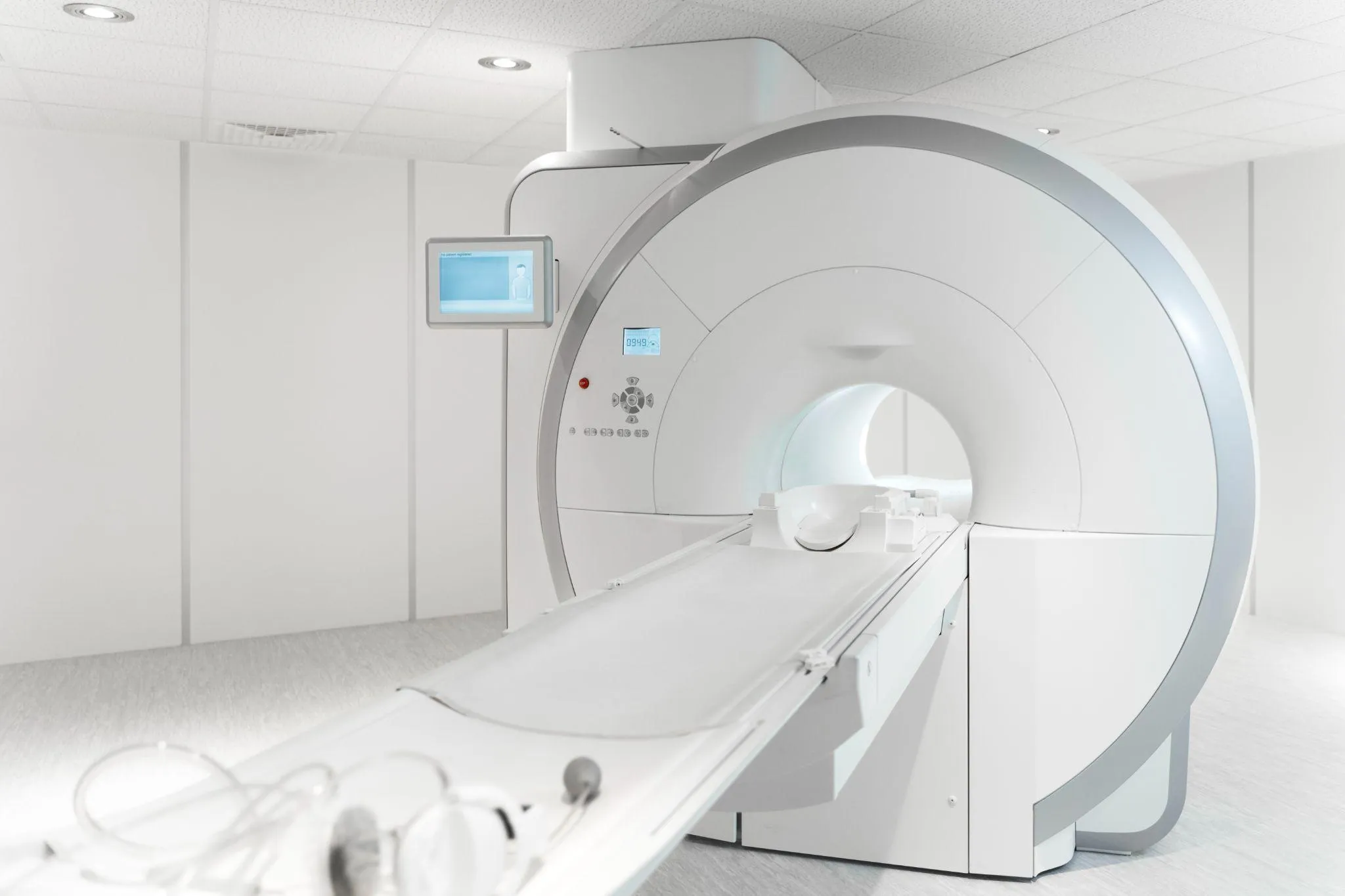
The scanning itself is quick, lasting about 30 minutes. You’ll lie on a table that moves into a big, doughnut-shaped scanner. It’s important to stay very quiet to get clear pictures.
Post-procedure Monitoring and Discharge Information
After the scan, you’ll be watched for a bit to make sure you’re okay. Then, you’ll get instructions on how to go home. These might include drinking lots of water to help get rid of the tracer.
Post-procedure care tips:
- Drink plenty of water
- Avoid close contact with pregnant women and children for a few hours
- Follow any additional instructions provided by your healthcare team
By knowing what to expect during and after your PET scan, you can prepare better. This helps with the procedure and recovery.
Conclusion: Balancing Diagnostic Benefits with Radiation Safety
PET scans have changed how we diagnose diseases, helping doctors find and treat many health issues. But, they use radioactive tracers, so we must think about safety.
It’s important for patients to know about the risks and benefits of PET scans. By taking the right steps, people can lower the risk of radiation to others. This is key for those who are pregnant or young.
Hospitals like LIV Hospital have strict rules to keep everyone safe during PET scans. As technology gets better, we expect to see safer PET scans. This means less radiation and new tracers that last shorter times.
Patients can safely get PET scans by following the right steps. This way, they can enjoy the scan’s benefits without worrying about radiation risks. It’s all about being smart and safe.
FAQ
What is a PET scan and how does it work?
A PET (Positron Emission Tomography) scan is a way to see inside the body. It uses a special tracer that lights up the body’s metabolic processes. This tracer is injected into the body and absorbed by cells.
The PET scanner then picks up the radiation from the tracer. This creates detailed images of what’s inside the body.
How long does the radioactive tracer remain active in the body after a PET scan?
The tracer used in PET scans, 18F-FDG, has a half-life of about 110 minutes. This means its radiation halves every 110 minutes. By 6-12 hours, the radiation is mostly gone.
Why is it recommended to maintain a distance from others after a PET scan?
Keeping a distance from others after a PET scan helps protect them from radiation. The more distance, the less radiation exposure. At least 2 meters is recommended.
How long should I avoid close contact with others after a PET scan?
It’s best to avoid close contact with others, like pregnant women and kids, for up to 6 hours. This time can change based on the tracer and dose.
Are there any specific precautions I should take when interacting with others after a PET scan?
Yes, you should also avoid sharing food or drinks and wash your hands often. This helps keep everyone safe.
Can I be around children and pregnant women after a PET scan?
It’s best to limit contact with kids and pregnant women for up to 6 hours. If you can, have someone else take care of them.
How is radiation exposure from PET scans measured?
Radiation from PET scans is measured in millisieverts (mSv). The dose is usually between 7 to 25 mSv, depending on the scan and tracer.
Are there any activities I should avoid immediately after a PET scan?
After a PET scan, avoid being close to others for a while. Also, don’t travel on public transport or share personal items. You can go back to normal activities after the safe period.
How do hospitals manage PET scan patients to ensure safety?
Hospitals keep patients safe after a PET scan by isolating them. They also give guidelines on safe distances and follow international safety rules.
Are there advancements in PET scan technology that reduce radiation exposure?
Yes, new PET scan technology and tracers with shorter half-lives are being developed. These aim to lower radiation while keeping image quality high.
What should I expect during and after my PET scan procedure?
Before the scan, you’ll get instructions on what to do, like fasting. During the scan, you’ll get the tracer and then be scanned. After, you’ll be watched and given information on safety.
References
- National Center for Biotechnology Information (NCBI). Radiation safety considerations for PET scan patients. https://pmc.ncbi.nlm.nih.gov/articles/PMC5798103/
- International Commission on Radiological Protection (ICRP). Radiation exposure and safety guidelines in PET imaging (PDF). https://www.icrp.org/docs/ICRP2013%20S5%20Alenezi.pdf
- International Atomic Energy Agency (IAEA). Radiation protection of patients in PET/CT. https://www.iaea.org/resources/rpop/health-professionals/nuclear-medicine/pet-ct/patients
- Medical Professionals. PET/CT radiation protection. https://www.medical-professionals.com/en/pet-ct-radiation-protection/
- NCBI. Public radiation safety after PET/CT procedures. https://www.ncbi.nlm.nih.gov/pmc/articles/PMC3788620/