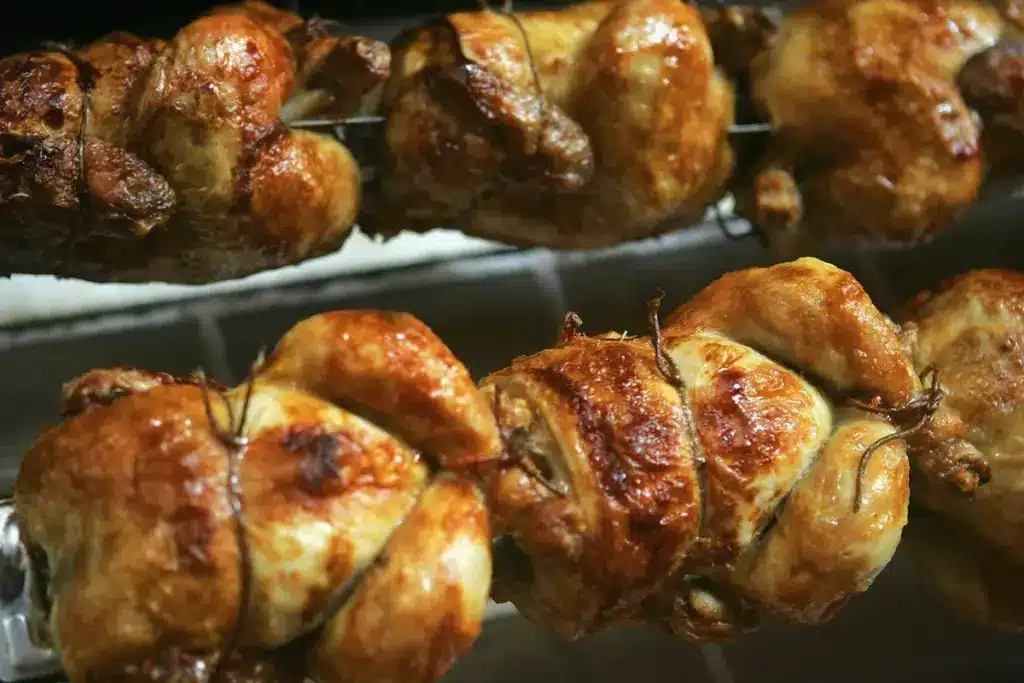
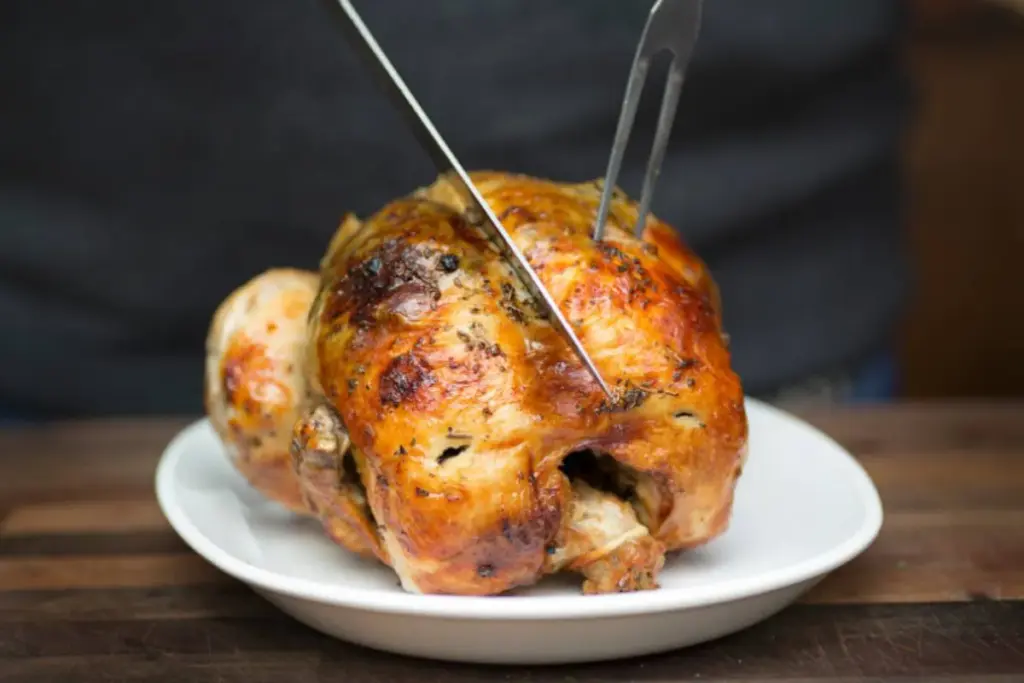
When you’re getting ready for a PET scan, it’s key to stick to a certain diet. Clinical guidelines say to stay away from foods high in carbs and sugar. This includes rotisserie chicken with glazes or seasonings because they can mess up the scan’s results.
At LIV Hospital, we really stress the need for good pet scan prep to our patients. We know it can be tough to follow dietary rules for a PET scan. Our aim is to give you clear advice on what to eat and what to skip before your scan.
Key Takeaways
- Avoid high-carbohydrate and high-sugar foods before a PET scan
- Rotisserie chicken with added glazes or seasonings may interfere with scan accuracy
- Follow a specific diet to ensure accurate PET scan results
- Proper preparation is key for a good cancer diagnosis
- LIV Hospital offers personalized help for PET scan prep
Understanding PET Scans and Their Importance
Positron Emission Tomography (PET) scans are key in diagnosing and managing many diseases. They give doctors a deep look into how our bodies work. This helps them spot and track different health issues.
What is a PET Scan?
A PET scan uses a special sugar molecule to find diseases like cancer and neurological disorders. It involves injecting a tiny bit of radioactive material into your blood. This material goes to cells that are very active.
The PET scanner picks up signals from this material. It makes detailed pictures of what’s inside your body. These pictures show where your body is working too hard or too little.
How PET Scans Work
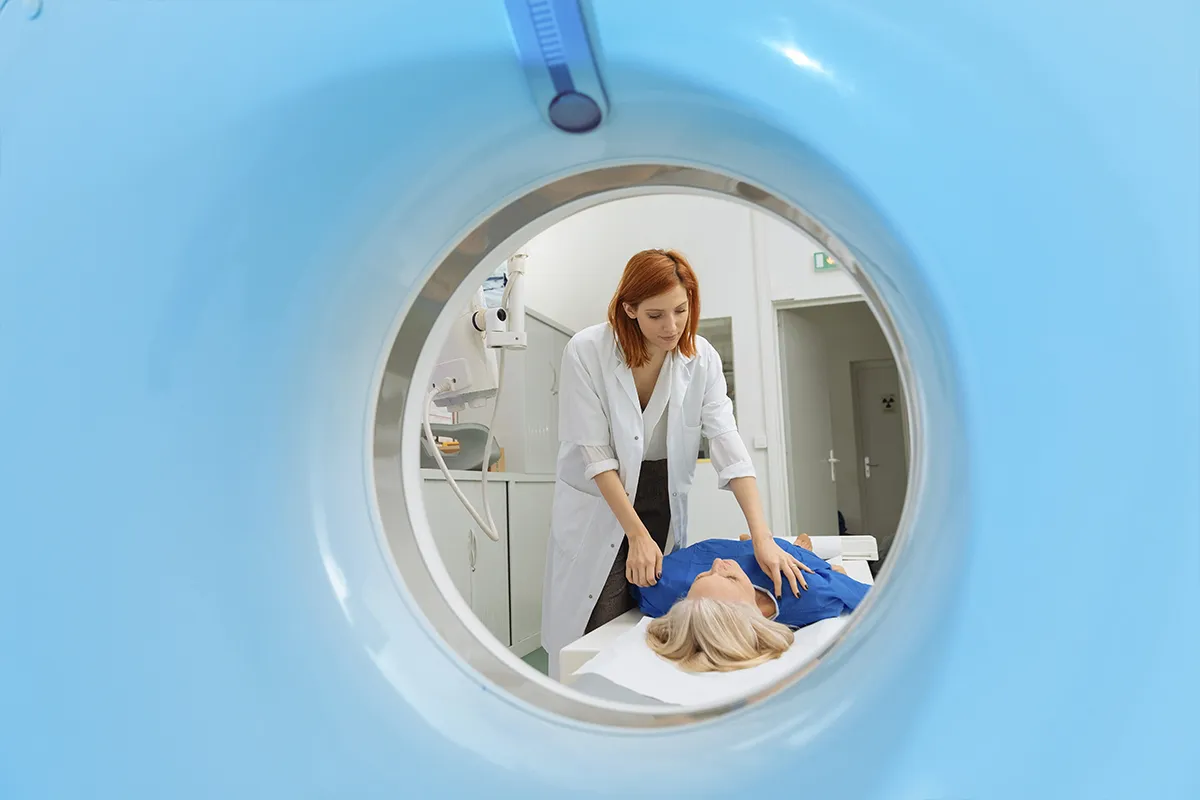
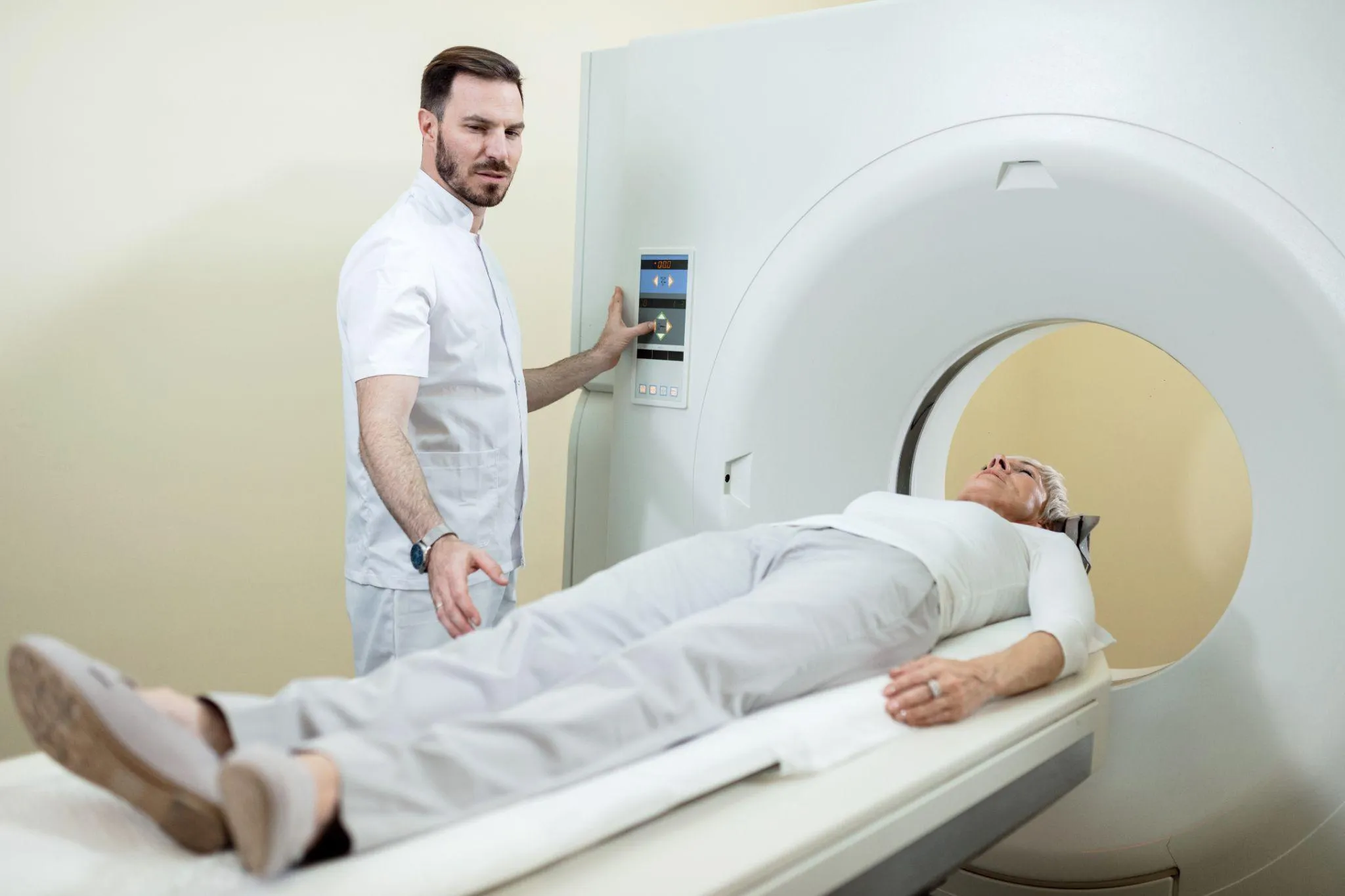
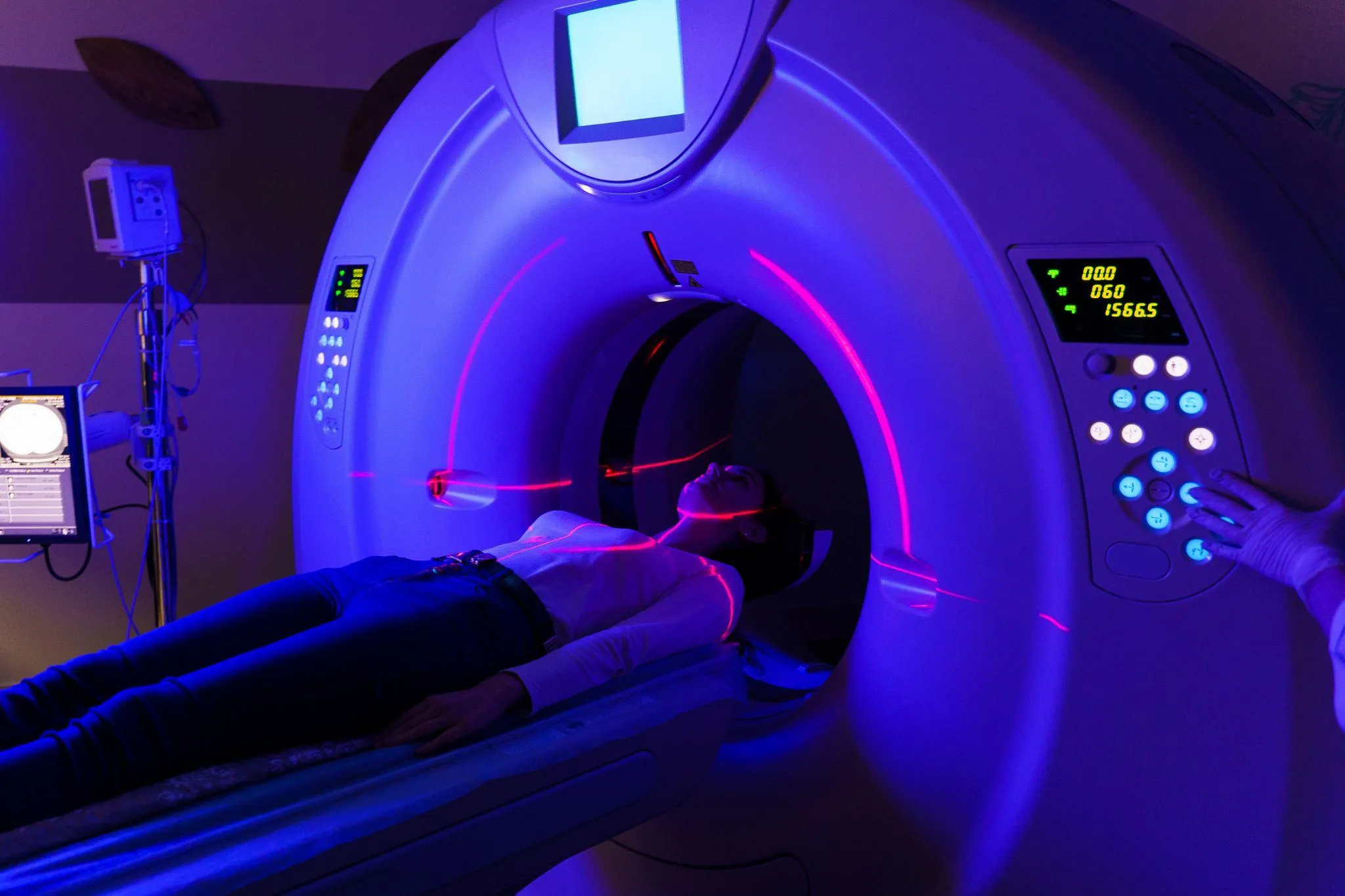
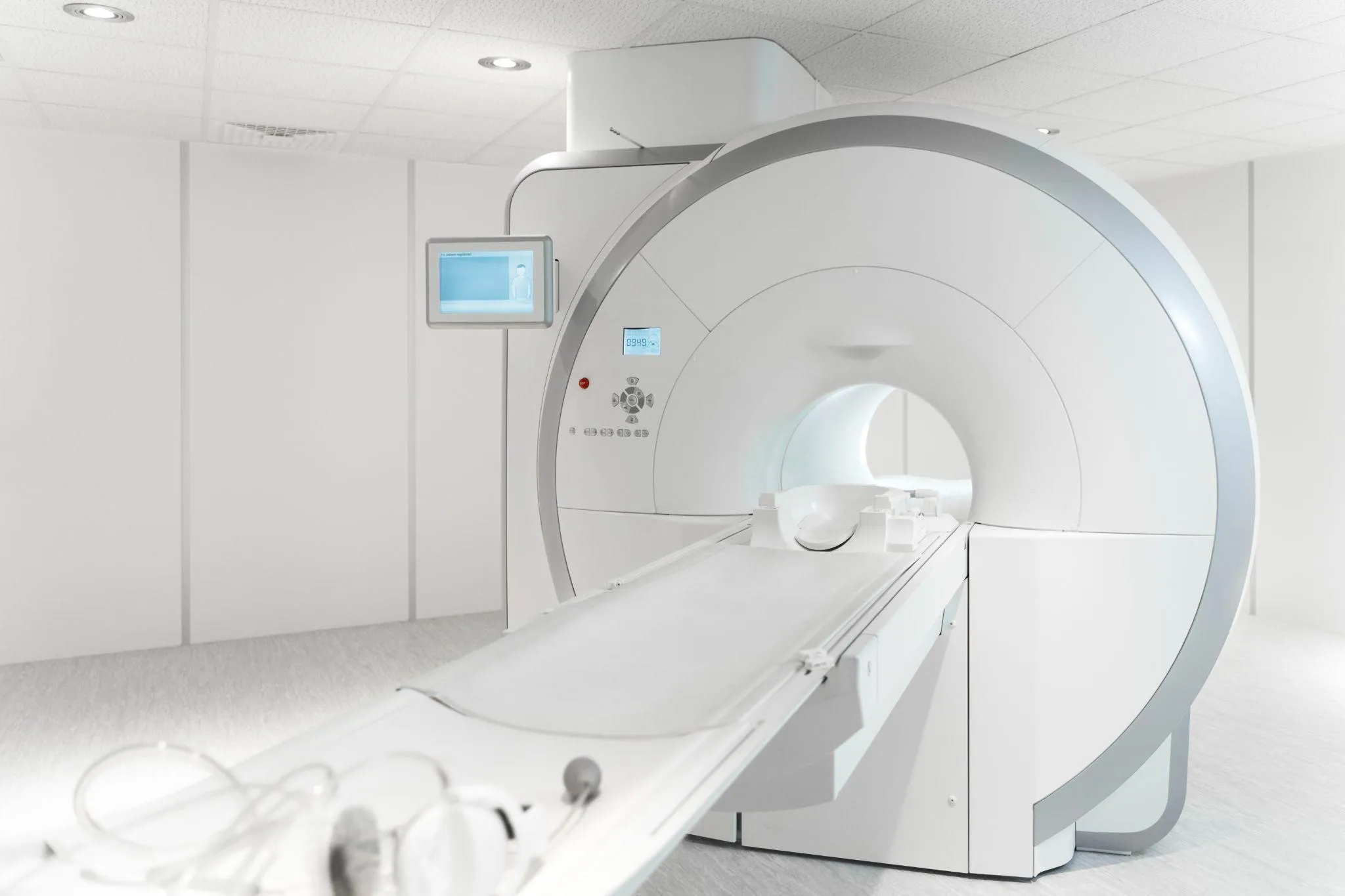
Getting a PET scan involves a few steps. First, you get a shot of the radioactive sugar. Then, you lie on a table that slides into the PET scanner. This machine is shaped like a doughnut and finds the sugar signals.
The scanner makes detailed pictures of your body’s inside. It shows where things are working too much or too little. A doctor then looks at these pictures to figure out what’s going on with your health.
Medical Conditions Requiring PET Scans
PET scans help find and track many health issues. They’re great for spotting cancer, understanding brain problems, and checking heart health. They help doctors see how well treatments are working and if cancer is coming back.
For brain diseases like Alzheimer’s and Parkinson’s, PET scans are very helpful. They show how the brain is working. This helps doctors diagnose problems earlier and more accurately.
PET scans are very important for patients. They give doctors a clear view of what’s happening inside the body. This helps doctors make better diagnoses and treatment plans.
The Science Behind PET Scan Preparation
To get the best PET scan results, it’s important to know how the FDG radiotracer works in the body. The FDG radiotracer is key to PET scans. It interacts with the body’s glucose metabolism, affecting the scan’s quality.
How FDG Radiotracer Functions in Your Body
The FDG radiotracer is a glucose molecule with a radioactive part, fluorine-18. It’s injected into the body and acts like natural glucose. Cells with high activity, like cancer cells, take up more of it.
This makes them visible during the scan. It helps doctors see metabolic activity in the body. This is key for diagnosing and tracking medical conditions.
Glucose Metabolism and Imaging Quality
How much glucose you eat before the scan affects image quality. Eating a lot of glucose or carbs can lower FDG uptake. This might make images poor or lead to false negatives.
Studies show eating carbs or sugars 24 hours before can cut test sensitivity by 40%. This can cause false negatives.
Why Dietary Preparation Matters for Accurate Results
Preparation is key for accurate PET scan results. By managing glucose and avoiding certain foods, you can improve image quality. The table below shows important dietary tips and their effects on scan results.
|
Dietary Factor |
Impact on PET Scan |
Recommendation |
|---|---|---|
|
High Carbohydrate Intake |
Reduces FDG uptake, potentially leading to false-negative results |
Avoid high-carb foods 24 hours before scan |
|
High Sugar Intake |
Competes with FDG radiotracer for cellular uptake |
Limit sugary foods and drinks before scan |
|
Fasting Status |
Affects glucose levels and FDG uptake |
Follow specific fasting guidelines provided by healthcare team |
Understanding PET scan prep and following dietary advice can greatly improve scan accuracy. This makes your results more reliable.
General Dietary Guidelines Before a PET Scan
Before a PET scan, it’s important to follow certain dietary guidelines. This helps ensure the scan’s accuracy. The goal is to make sure the body absorbs the FDG radiotracer well. This radiotracer highlights areas with high glucose metabolism.
Recommended Foods and Beverages
Most places recommend a high-protein, low-carb diet the day before. Choose plain, unseasoned meats like roasted chicken breast. Avoid rotisserie chicken with skin or sauces. Here are some good foods:
- Plain chicken or turkey breast
- Fish
- Eggs
- Cheese
- Vegetables (skip high-carb ones like corn or peas)
Foods and Beverages to Strictly Avoid
It’s also key to know what to avoid before a PET scan. High-sugar foods and drinks can mess with the scan’s results. Stay away from:
- Sugary drinks
- Candy
- Baked goods
- Fruit juices
- High-carb vegetables
Timing of Dietary Restrictions
The timing of dietary restrictions is very important. Usually, you’re told to stick to a specific diet for 24 hours before the scan. Sometimes, a 12-hour fasting period is needed. Always follow your healthcare provider’s exact instructions.
For more info on PET scan prep, including diet and other needs, talk to your healthcare team. Or check out trusted resources.
Can You Eat Before a CT Scan vs. PET Scan?
<SEP-14540_image_4>
When getting ready for a diagnostic test, knowing the difference between CT and PET scans is key. This is true, mainly because of what you can eat before the test. Both scans are important for doctors, but they need different food rules.
Comparing CT and PET Scan Preparation Requirements
CT scans need less strict food rules than PET scans. For a CT scan, you can usually eat and drink as you normally do. But, if you’re getting contrast material, you might need to skip eating for a few hours beforehand. PET scans, on the other hand, use a special tracer that needs certain food rules to work right.
Before a PET scan, you need to avoid sugary foods and drinks. This is because high sugar levels can mess with the tracer’s job. So, you should eat foods low in sugar before the scan.
Why PET Scans Have Stricter Dietary Guidelines
PET scans have strict food rules because the tracer works against sugar in your body. Eating too much sugar or carbs before a PET scan can make the scan less accurate. So, it’s important to eat foods that keep your sugar levels low.
CT scans, on the other hand, use X-rays to see inside your body. They might use contrast materials to make the images clearer. But, you don’t need to follow as strict of a diet as you do for PET scans.
Common Misconceptions About Pre-Scan Eating
Many people think all scans need the same food rules. But, as we’ve seen, CT and PET scans are different. Another mistake is thinking a light meal won’t affect the scan. But, even a little bit of sugar can change the PET scan’s results.
It’s important to know these differences to prepare right for your scan. This way, doctors can make the best diagnosis and treatment plan for you. By following the right food rules for your scan, you help doctors help you.
Rotisserie Chicken: Composition and Nutritional Profile
Knowing what’s in a rotisserie chicken is key for those getting ready for a PET scan. Rotisserie chicken contains various ingredients that can negatively affect PET scan results.
Typical Ingredients in Commercial Rotisserie Chicken
Most rotisserie chickens have more than just chicken. They include salt, sugar, spices, and preservatives. These add flavor and help the chicken last longer.
Common ingredients found in commercial rotisserie chicken:
- Salt and sugar
- Spices and herbs
- Preservatives like sodium nitrite
- Flavor enhancers such as monosodium glutamate (MSG)
Carbohydrate and Sugar Content in Seasonings and Glazes
Rotisserie chickens often have sauces or glazes with lots of sugar and carbs. These can change how the body uses glucose, which might mess with PET scan results.
|
Ingredient |
Carbohydrate Content |
Sugar Content |
|---|---|---|
|
Honey Mustard Glaze |
High |
High |
|
BBQ Sauce |
Moderate |
High |
|
Lemon Pepper Seasoning |
Low |
Low |
Hidden Ingredients That May Affect Scan Results
Some rotisserie chicken ingredients aren’t obvious but can affect PET scans. Preservatives and fillers might have carbs or other stuff that messes with the scan.
It’s important for patients to know about these hidden ingredients before eating rotisserie chicken before a PET scan.
By knowing what’s in rotisserie chicken, patients can choose better foods before a PET scan.
Why Rotisserie Chicken May Interfere with PET Scan Results
When getting ready for a PET scan, it’s key to know how certain foods, like rotisserie chicken, can mess with the scan’s results. PET scans use a radioactive tracer to see how cells work. Foods with lots of ingredients can change this, making the scan less accurate.
Impact of Seasonings and Marinades on Glucose Metabolism
Rotisserie chicken’s seasonings and marinades have sugars and carbs that can change how glucose is used in the body. “These ingredients can lead to altered FDG uptake, potentially masking or mimicking pathological processes in the body.” For example, if the chicken is marinated in something sweet, it can raise blood sugar. This can mess with the PET scan’s ability to find problems.
The Problem with Skin and Added Sauces
The skin of rotisserie chicken is full of fat, which can slow down digestion. This can affect how the FDG tracer moves around the body. Also, sauces on rotisserie chicken often have a lot of sugar. “These sauces can cause a spike in blood glucose levels, competing with the FDG tracer for uptake in cells, hereby compromising the quality of the PET scan images.”
Scientific Evidence on Food Interference
Many studies show how important it is to eat the right foods before a PET scan.
“Patients who consume foods high in sugar or carbohydrates before a PET scan may experience reduced image quality due to increased glucose levels competing with the FDG tracer,” according to recent research in the field of nuclear medicine.
Even though there aren’t many studies on rotisserie chicken, the rules for other foods apply here too. It’s important for patients to stick to the diet rules before their scan.
In short, while rotisserie chicken might be tasty, eating it before a PET scan can mess up the scan’s results. Patients should follow the diet rules to get the best results from their PET scan.
Better Protein Options Before Your PET Scan
To get the best results from a PET scan, it’s key to choose the right proteins before the scan. The kind of protein and how it’s cooked can really affect the scan’s success.
Plain Chicken Breast and Other Recommended Proteins
Plain chicken breast is a top pick for protein before a PET scan. It’s lean, easy to digest, and won’t mess with the scan’s accuracy. Other good proteins include:
- Plain turkey breast
- Fish (without sugary marinades)
- Tofu
- Eggs
These proteins are not only healthy, but they also meet the PET scan prep diet guidelines.
Proper Preparation Methods for Scan-Friendly Meals
How you cook your protein matters a lot. To make sure your meals are good for the scan:
- Grill or bake proteins without sugary sauces or marinades.
- Avoid using high-sugar ingredients in your recipes.
- Opt for herbs and spices to add flavor instead of relying on sauces.
By cooking this way, you can enjoy many meals while sticking to the PET scan prep diet.
Portion Size Recommendations
Even with good proteins, watching your portion size is key. Eating too much can cause your body to burn glucose, which might mess with the scan results. Try to eat balanced portions that keep you full without too many carbs or sugars.
A good way to think about it is to have:
- 50% protein
- 25% vegetables
- 25% complex carbohydrates
By keeping this balance and watching your diet, you can help make sure your PET scan results are accurate.
Timeline: When to Stop Eating Before Your PET Scan
Knowing when to stop eating before a PET scan is key for good results. We’ll show you how to prepare your diet for the scan. This way, your scan will give the best information for diagnosis.
24-Hour Preparation Period Guidelines
For 24 hours before your PET scan, stay away from foods and drinks that might mess up the scan. Eat more protein and less carbs and sugars. For more details, check out from trusted medical sources.
12-Hour Dietary Modifications
In the last 12 hours, cut down your diet even more. Skip foods and drinks with sugar or carbs. They can mess with glucose levels and scan results. Stick to plain water and avoid hard workouts.
4-Hour Complete Fasting Requirement
For at least four hours before the scan, don’t eat anything with calories. Not eating can affect how well the FDG radiotracer works. It’s vital to stick to this fasting to get the best scan results.
Here’s a quick guide to what to eat before your PET scan:
|
Time Before PET Scan |
Dietary Recommendations |
|---|---|
|
24 hours |
Avoid high-carbohydrate and high-sugar foods; focus on protein-rich diet |
|
12 hours |
Restrict diet further; avoid sugary and carbohydrate-containing foods and drinks |
|
4 hours |
Complete fasting from all caloric intake |
By sticking to this plan and following the diet tips, your PET scan will be accurate. If you’re unsure about preparing for your scan, talk to your doctor.
Sample Menu Plan for the Day Before a PET Scan
Getting ready for a PET scan means planning our meals carefully. This is because what we eat can affect the scan’s results. Here, we’ll share a sample menu plan to help you choose the right foods.
Breakfast Options That Won’t Interfere with Imaging
For breakfast, choose foods that are low in carbs and high in fat. Good choices include:
- Scrambled eggs with spinach and avocado
- Greek yogurt with almond butter and a sprinkle of cinnamon
- Smoothie made with almond milk, protein powder, and spinach
These meals are tasty and meet the dietary needs for a PET scan.
Lunch Recommendations
For lunch, pick foods rich in protein and veggies. Some ideas are:
- Grilled chicken breast with steamed broccoli
- Turkey lettuce wraps with avocado, tomato, and mustard
- Salad with grilled salmon, olive oil, and vinegar dressing
These options are low in carbs and sugars, perfect for PET scan prep.
Dinner Choices for the Evening Before
Dinner should also be low in carbs and high in fat. Consider:
- Baked chicken thighs with roasted Brussels sprouts and olive oil
- Grilled steak with sautéed spinach and mushrooms
- Pork chops with cauliflower mash
These meals are easy on your stomach and follow the PET scan diet.
Approved Snacks for Hunger Management
If you’re hungry between meals, try:
- Raw nuts and seeds
- Cheese sticks
- Hard-boiled eggs
These snacks are low in carbs and help control hunger without ruining your PET scan prep.
|
Meal |
Recommended Foods |
Foods to Avoid |
|---|---|---|
|
Breakfast |
Scrambled eggs, Greek yogurt with almond butter |
Pancakes, sugary cereals |
|
Lunch |
Grilled chicken breast, turkey lettuce wraps |
Bread, pasta, sugary sauces |
|
Dinner |
Baked chicken thighs, grilled steak, pork chops |
Potatoes, corn, sugary desserts |
|
Snacks |
Raw nuts, cheese sticks, hard-boiled eggs |
Fruit, crackers, chocolate |
Medications and Supplements: What to Avoid Before Your Scan
Before a PET scan, knowing how some medications and supplements can affect your results is key. It’s not just about what you eat; managing your meds and supplements is also important.
Prescription Medications That May Interfere
Some prescription drugs can change how your PET scan works. For example, diabetes meds with metformin can mess with the scan’s accuracy. Also, drugs that change how your body uses sugar or insulin might affect the scan.
- Diabetes medications: Tell your doctor about any diabetes meds you’re on. They might need to adjust or stop them before your scan.
- Insulin: If you take insulin, your doctor will guide you on managing your doses before the scan.
- Other medications: Some meds that affect sugar use or insulin levels might need to be changed or stopped before your scan.
Over-the-Counter Products to Temporarily Discontinue
OTC products, like supplements and some meds, can also mess with your PET scan. Some might change how your body uses sugar or interact with the scan’s tracer.
Be careful with these OTC products:
- Sugar-containing supplements: Stay away from supplements with sugars or carbs. They can mess with your scan results.
- Caffeine and stimulants: While they don’t directly affect the scan, too much caffeine and stimulants can change your metabolism and scan results.
- Vitamins and minerals: Use caution with vitamins and minerals, like those with sugars or carbs.
Consulting with Your Doctor About Medication Management
Talking to your doctor about your meds and supplements is a must. They’ll tell you which ones to keep, change, or stop before your scan.
When you talk to your doctor, remember to:
- List all medications: Give them a full list of your prescription meds, OTC products, and supplements.
- Discuss your medical history: Share your medical history, including any conditions that might affect your scan.
- Follow specific instructions: Stick to your doctor’s advice on managing your meds before your scan.
By working with your healthcare team and knowing about meds and supplements, you can make sure your PET scan is accurate and reliable.
Special Considerations for Diabetic Patients
For people with diabetes, getting ready for a PET scan is more complicated. It’s about keeping blood sugar levels right while following diet rules. Diabetic patients must take special steps to manage their diabetes well during this time.
Modified Fasting Guidelines for Diabetes
Diabetic patients need to plan carefully for fasting before a PET scan. It’s wise to talk to your doctor to figure out the best way to handle your diabetes. You might need to change your medication or insulin amounts.
Here are some tips to keep in mind:
- Talk to your doctor about your medication schedule to see if changes are needed.
- Keep a close eye on your blood sugar levels while fasting.
- Be ready to change your fasting plan if your blood sugar gets too low or too high.
Blood Sugar Management Before the Scan
It’s very important for diabetic patients to keep their blood sugar levels in check before a PET scan. Good control helps avoid problems during fasting.
|
Time |
Blood Sugar Level |
Action |
|---|---|---|
|
Before Fasting |
Check level |
Adjust medication if necessary |
|
During Fasting |
Monitor regularly |
Contact doctor if level is too low or high |
|
After Scan |
Check level |
Resume normal medication and eating schedule |
Communicating with Your Healthcare Team
Talking openly with your healthcare team is key for diabetic patients getting a PET scan. Tell your doctor about your diabetes plan and any worries you have about the scan prep.
Important things to talk about with your healthcare team include:
- Your current diabetes management plan, including medications and insulin doses.
- Any worries you have about fasting or changing your medication schedule.
- How to handle low or high blood sugar during fasting.
By working closely with your healthcare team and following these tips, diabetic patients can safely get ready for a PET scan. This ensures they get accurate results.
Common Mistakes That Can Compromise PET Scan Results
To get good PET scan results, it’s important to avoid common mistakes. Getting ready for a PET scan is more than just showing up. You need to pay attention to what you eat and how you live to affect the scan’s quality.
Unintentional Carbohydrate Consumption
Managing carbs is key when preparing for a PET scan. Eating too many carbs can mess up the scan’s quality. Stay away from sugary foods, white bread, and pasta a few days before the scan.
It’s vital to check food labels to avoid hidden carbs. Many foods have carbs you might not expect, so always read the labels.
Overlooking Hidden Sugars in Foods
Hidden sugars can also ruin your PET scan results. Foods that aren’t sweet can have added sugars. Be careful with:
- Flavored yogurts
- Sauces and condiments
- Processed meats
- Canned goods
Knowing where hidden sugars are can help you make better choices. This way, you can avoid carbs that might mess up your scan.
|
Food Category |
Examples |
Hidden Sugars to Watch Out For |
|---|---|---|
|
Condiments |
Ketchup, BBQ sauce, salad dressings |
High-fructose corn syrup, sugar |
|
Processed Snacks |
Crackers, chips, pretzels |
Maltodextrin, dextrose |
|
Beverages |
Soda, sports drinks, flavored water |
High-fructose corn syrup, sucrose |
Physical Activity Before the Scan
Physical activity can also affect your PET scan results. Hard exercise or activities that use a lot of muscles can change how glucose is used in your body. This might mess up the scan.
Avoid hard exercise for at least 24 hours before your scan. Instead, do light activities that don’t make your muscles use more glucose.
By avoiding these common mistakes, you can make sure your PET scan results are accurate. Good preparation is essential for getting clear images that help doctors make the right decisions.
What Happens If You Don’t Follow PET Scan Preparation Guidelines
Not following the diet for PET scan prep can affect your scan results. Getting ready for a PET scan is more than just knowing the procedure. It also means following dietary rules to get accurate results.
Impact on Image Quality and Diagnostic Accuracy
Ignoring PET scan prep guidelines can lower image quality. This might lead to wrong diagnoses. The PET scan diet helps the FDG radiotracer work better, which is key for clear images. Foods or drinks that mess with this can make images not as good.
For more on diet prep, check out diet.
Potential for False-Negative Results
Not following preparing for a PET scan guidelines can cause false-negative results. False negatives can delay diagnosis and treatment, which can be bad for patients. It’s important to stick to the diet rules to avoid this.
Rescheduling Requirements and Additional Costs
If you don’t follow PET scan prep guidelines, you might need to reschedule. This can cost more and delay getting a diagnosis. Rescheduling affects both the patient and the healthcare system, showing how important proper prep is.
Knowing the risks of not following PET scan prep guidelines helps patients prepare better. It’s not just about diet. It’s also about being aware of other factors that could affect the scan.
Conclusion: Making Informed Choices for Optimal PET Scan Results
Getting ready for a PET scan is key to getting good results. We talked about what to eat and what not to eat before the scan. We also covered the importance of following certain steps to prepare.
Eating rotisserie chicken before a PET scan might not be the best idea. This is because of the seasonings, sauces, and carbs it contains. Instead, choose plain chicken breast without added sugars or spices for your prep.
To get the best results, follow the prep guidelines for your PET scan. This includes what to eat and what medications to take. Knowing how to prepare is very important for a successful scan.
By choosing the right foods and following the prep steps, you can get accurate PET scan results. If you have questions about preparing for your scan, talk to your doctor. They can give you advice tailored to your needs.
FAQ
Can I eat rotisserie chicken before a PET scan?
No, it’s not a good idea to eat rotisserie chicken before a PET scan. The seasonings, marinades, and sauces can mess with the scan’s accuracy.
What foods should I avoid before a PET scan?
Stay away from foods high in sugar and carbs. Also, avoid foods with certain seasonings or additives. Stick to plain proteins, veggies, and water.
How long should I fast before a PET scan?
You should fast for 4-6 hours before a PET scan. But, always follow what your healthcare team tells you.
Can I eat before a CT scan?
The rules for eating before a CT scan vary. For some, you can eat, but for others, you need to fast. Always check with your healthcare provider.
What is the difference between PET scan prep and CT scan prep?
PET scan prep is stricter, with fasting and avoiding certain foods. CT scan prep can be less strict, depending on the type.
How do I prepare for a PET scan if I have diabetes?
If you have diabetes, follow special fasting rules and keep your blood sugar in check. It’s important to talk to your healthcare team for advice.
What are some approved snacks for hunger management before a PET scan?
Good snacks are plain, unflavored, and unsweetened. Think veggies, plain crackers, or water. Avoid snacks with added sugars or seasonings.
Can I take my medications before a PET scan?
Some meds might affect PET scan results. Talk to your doctor about which meds to keep taking or stop before the scan.
What happens if I don’t follow PET scan preparation guidelines?
Not following guidelines can hurt image quality and lead to false-negative results. This might mean you need to reschedule, costing more time and money.
What are some better protein options before a PET scan?
Good protein sources are plain chicken breast, fish, and eggs. Make sure they’re prepared without sauces or seasonings.
How can I manage my hunger the day before a PET scan?
Plan your meals and snacks according to the guidelines. Choose approved options to keep hunger at bay.
Are there any specific dietary guidelines for the day before a PET scan?
Yes, eat a diet low in carbs and sugars. Avoid foods with hidden ingredients that could affect the scan. A sample menu can help with your food choices.
References
RadiologyInfo.org: The Radiology Information Resource for Patients: https://www.radiologyinfo.org/en/info/pet