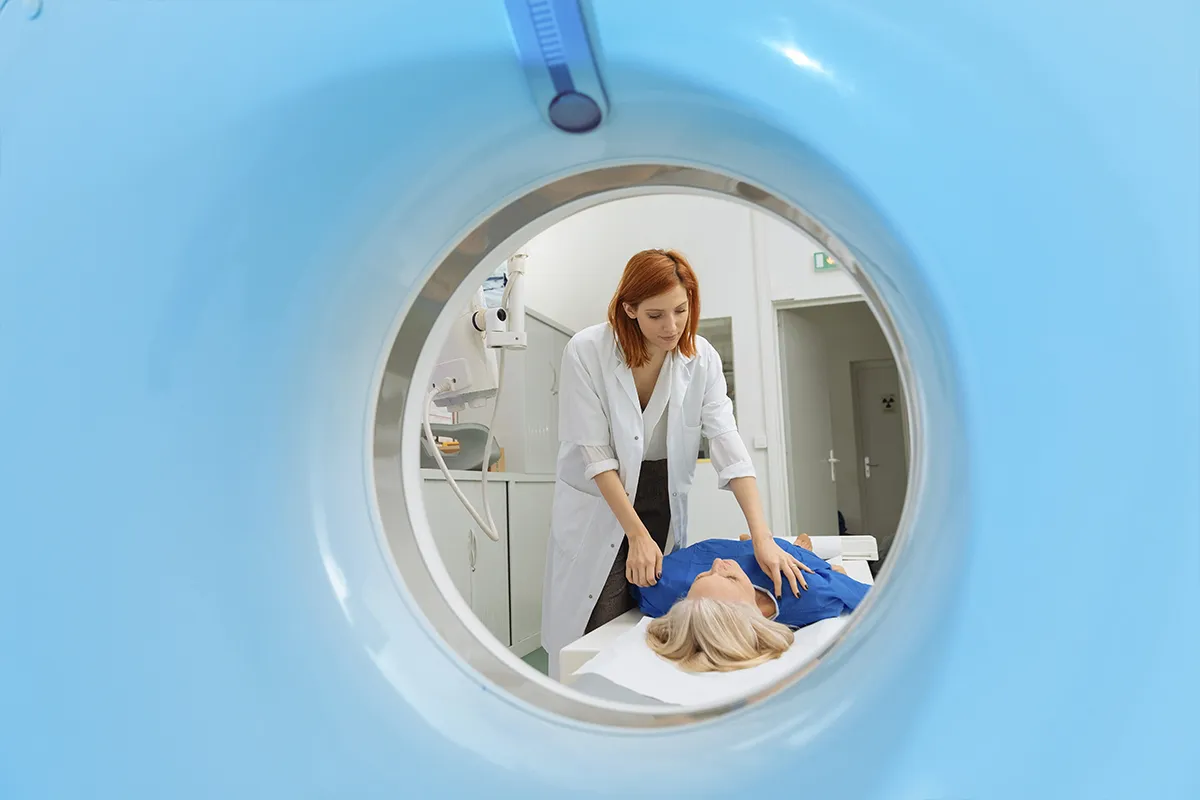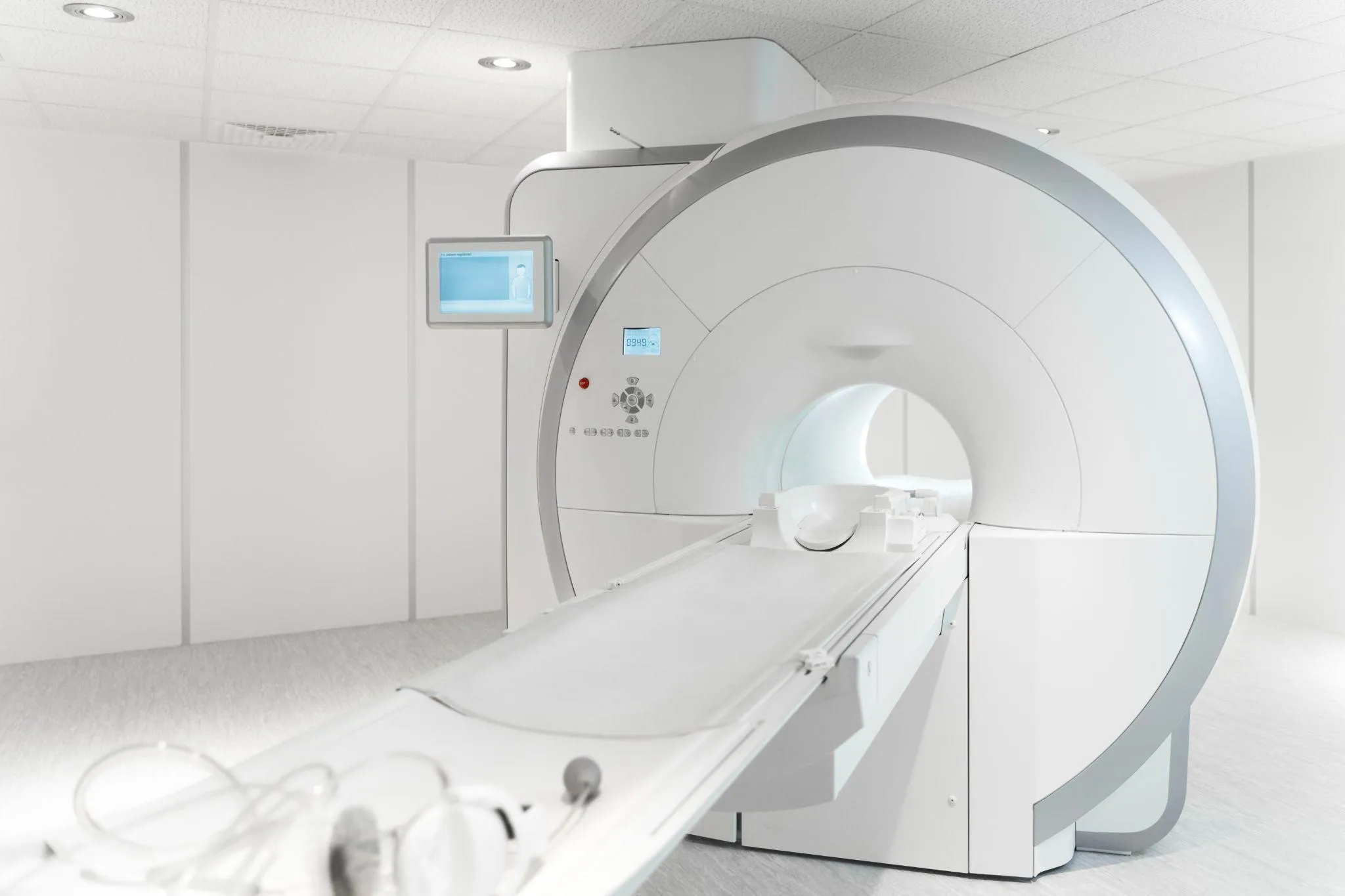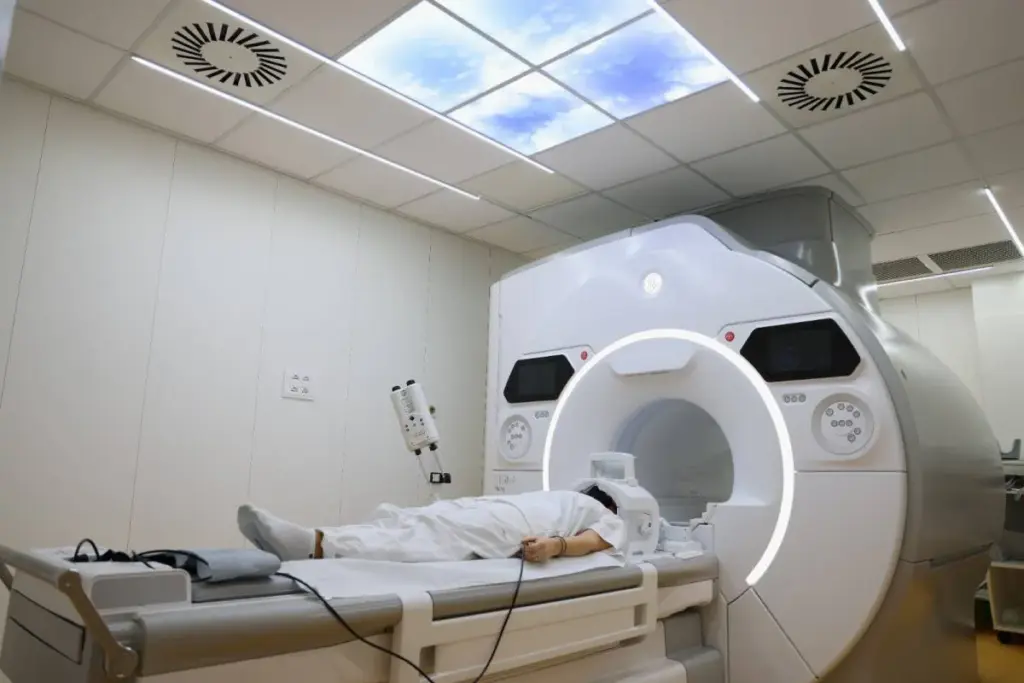
MRI technology is now used to find signs of mental illness. This helps doctors diagnose and plan treatments. Studies have found that major depressive disorder shows patterns and abnormalities in functional MRI.
MRI is changing how we diagnose mental health issues. It gives objective insights and early detection. This is key for creating better treatment plans for mental health conditions.
Key Takeaways
- Advances in MRI technology are improving mental illness diagnosis.
- MRI helps find biomarkers for mental health conditions.
- Early detection through MRI leads to more effective treatments.
- Functional MRI reveals dynamic patterns in major depressive disorder.
- MRI is changing how we understand and treat mental health conditions.
The Evolution of Brain Imaging in Mental Health<SEP-14417_image_2>
Neuroimaging techniques have changed how we see mental illnesses. The field of mental health has made big strides in diagnosis. This is thanks to new brain imaging tools.
Historical Development of Neuroimaging Techniques
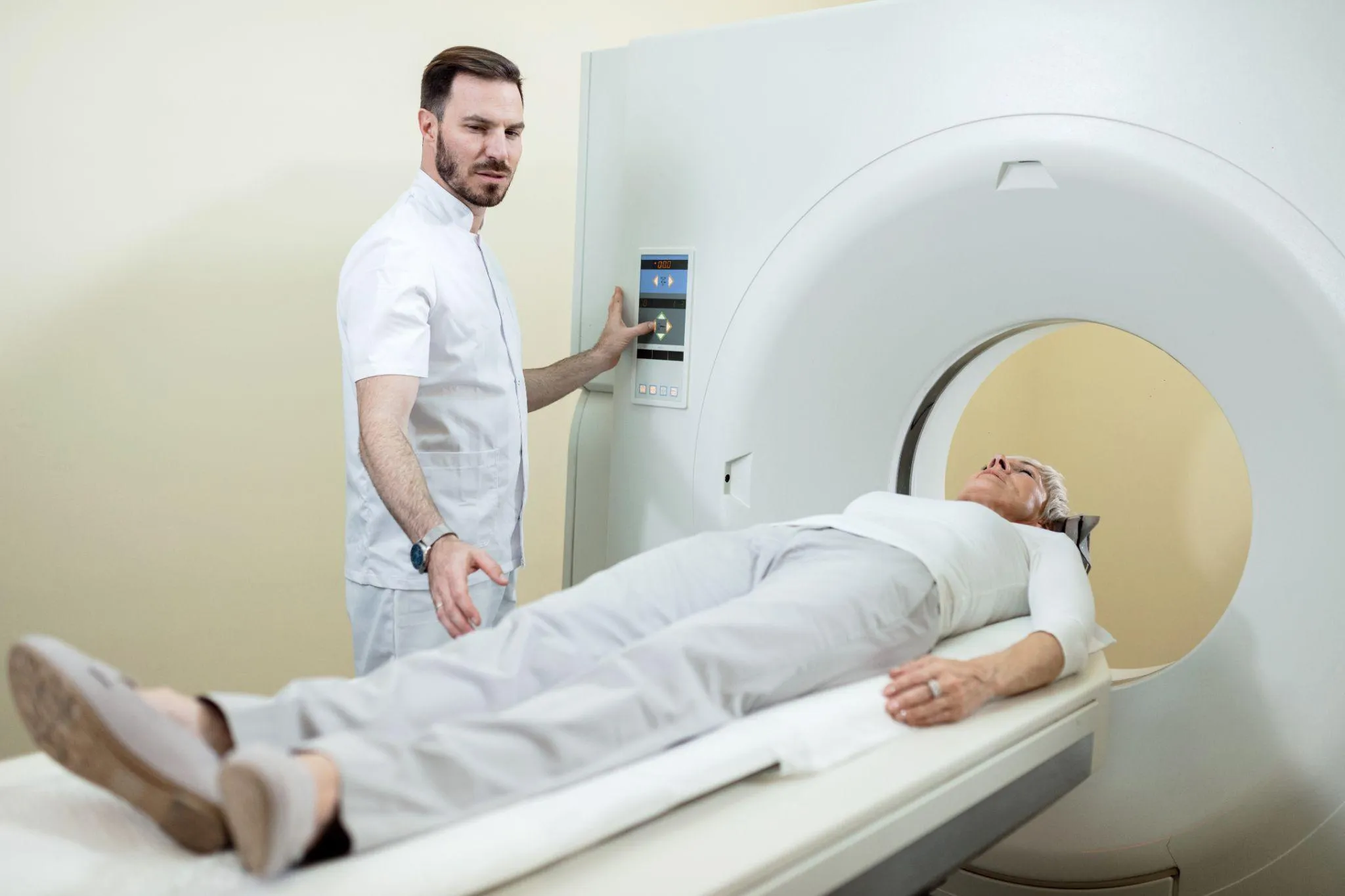
The journey of neuroimaging in mental health started with Computed Tomography (CT) scans. They let us see brain structures. But, Magnetic Resonance Imaging (MRI) really changed things. It gave us clear brain images without harmful radiation.
Then, functional MRI (fMRI) came along. It shows how the brain works by watching blood flow. Other tools like Diffusion Tensor Imaging (DTI) and Positron Emission Tomography (PET) also joined the mix. They help us see brain tracts and how active the brain is.
- Structural MRI: Gives detailed brain pictures.
- Functional MRI (fMRI): Sees brain activity through blood flow.
- DTI: Shows white matter tracts.
- PET scans: Looks at metabolic activity.
The Shift from Purely Clinical to Biomarker-Based Diagnosis
Neuroimaging has changed how we diagnose mental illnesses. Now, we use biomarkers associated with mental illnesses like schizophrenia. This gives doctors solid evidence for their diagnoses.
Studies have found links between brain scans and mental health. For example, altered brain structure volumes and abnormal functional connectivity patterns are tied to mental health issues. fMRI has shown unique brain activity in people with schizophrenia. This helps doctors plan better treatments.
- Identifies structural brain problems.
- Looks at brain connections.
- Uses algorithms to classify scans.
As neuroimaging gets better, it will play an even bigger role in mental health. It will help us understand and treat mental illnesses in new ways.
Understanding MRI Technology in Psychiatric Assessment
<SEP-14417_image_3>
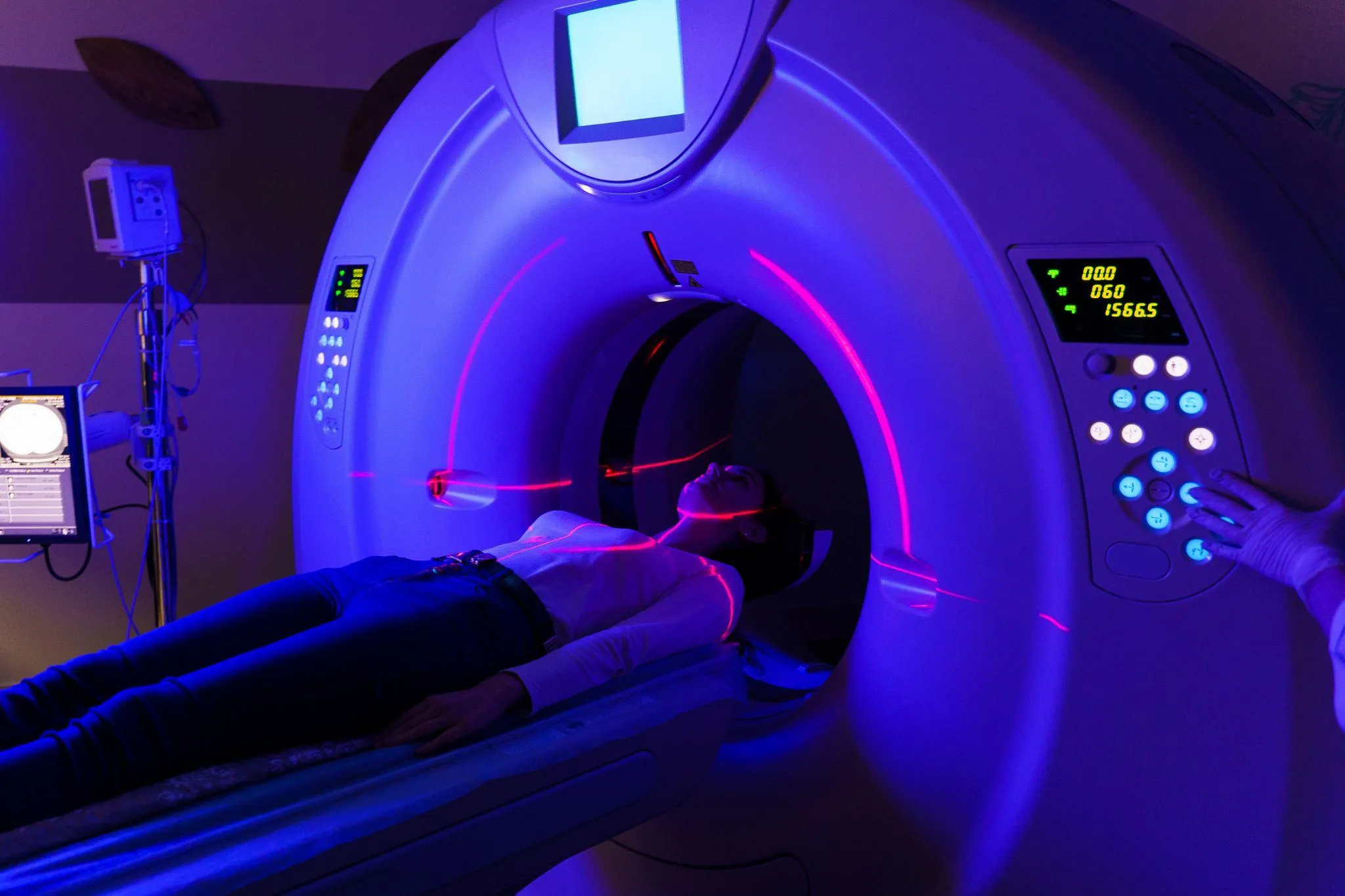
MRI technology has changed how we look at mental health. It lets doctors see the brain’s structure and function in detail. This is key for understanding conditions like schizophrenia and depression.
MRI uses advanced imaging to study the brain. It helps researchers and doctors understand mental health issues better. This understanding is essential for effectively treating these conditions.
Basic Principles of Magnetic Resonance Imaging
MRI is a non-invasive way to see the brain. It uses strong magnetic fields and radio waves. These tools help create detailed brain images.
The MRI scan is great for mental health checks. It shows both structural and functional brain issues. For example, it can spot changes in the brain of people with.
Types of MRI Scans Used in Mental Health Evaluation
There are many MRI scans for mental health. Structural MRI scans look at the brain’s shape. Functional MRI (fMRI) scans check brain activity by looking at blood flow.
Other scans, like diffusion tensor imaging (DTI) and magnetic resonance spectroscopy (MRS), study brain function. These scans help us understand mental health better. They are used for mri scan for schizophrenia diagnosis.
Using all these MRI types together helps us understand mental illnesses better. This knowledge leads to better treatments and diagnosis.
How MRI Detects Biomarkers of Mental Illness
MRI technology has changed psychiatry by finding biomarkers for mental illnesses. This has made diagnosing and treating mental health better.
Brain Structure Abnormalities
Research shows mental health issues are linked to brain structure changes. For example, schizophrenia has been linked to brain volume and thickness changes. Neuroimaging, like MRI, helps spot these changes.
One study found people with schizophrenia have less gray matter than healthy people. This shows MRI’s role in diagnosing and understanding schizophrenia.
|
Brain Region |
Abnormality |
Associated Condition |
|---|---|---|
|
Hippocampus |
Reduced Volume |
Schizophrenia |
|
Amygdala |
Altered Activity |
Anxiety Disorders |
|
Prefrontal Cortex |
Reduced Thickness |
Depression |
Functional Connectivity Patterns
Functional MRI (fMRI) looks at how brain regions talk to each other. Changes in these connections are tied to mental health issues.
“The use of fMRI has given us insights into the brain’s circuits in mental health. It’s a key area for finding biomarkers.”
Studies show mental illnesses can change how brain regions connect. For instance, depression affects the default mode network’s connections.
MRI looks at brain structure and function. This gives a full picture of mental illness changes. It’s key for better diagnosis and treatment.
Major Depressive Disorder on MRI
Recent MRI tech advancements have helped find brain issues linked to major depression. This breakthrough is key to grasping depression’s complex nature and its brain effects.
Characteristic Brain Patterns in Depression
Research with MRI has found unique brain patterns in those with major depression. These patterns include changes in brain structure and function, like in the hippocampus and amygdala. Functional MRI scans show how brain activity changes, mainly in emotional control areas.
A study in a top psychiatric journal found that depression brain scans often show a smaller hippocampus. This area is key for memory and mood. The smaller it is, the worse the depression symptoms.
—Psychiatric Researcher
Dynamic Brain Changes and Functional Abnormalities
Major depression causes dynamic brain changes. MRI scans show these changes are linked to depression’s severity. Functional MRI is great at spotting brain connectivity and activity issues.
|
Brain Region |
Function |
Abnormality in MDD |
|---|---|---|
|
Hippocampus |
Mood Regulation, Memory |
Reduced Volume |
|
Amygdala |
Emotional Processing |
Altered Activity |
|
Prefrontal Cortex |
Decision Making, Emotional Regulation |
Disrupted Connectivity |
Global Impact and Prevalence Statistics
Major depressive disorder is a big health issue worldwide, affecting millions. The World Health Organization says depression is a top cause of disability.
Depression’s prevalence varies by region, with some groups being more affected. Knowing these numbers helps in creating better health strategies.
Using brain scans for depression helps researchers and doctors understand the disorder better. This could lead to more effective treatments.
Anxiety Disorders and Their MRI Signatures
MRI scans are now used to find the brain’s links to anxiety disorders. They give us new views into these conditions. By looking at the brain’s structure and function, researchers spot specific patterns linked to anxiety.
Neural Correlates of Anxiety on Brain Scans
Studies show anxiety disorders have unique brain patterns. These include changes in the amygdala, hippocampus, and prefrontal cortex. These areas are key for handling emotions and fear. The brain scan for anxiety shows these changes, helping with diagnosis.
For instance, people with generalized anxiety have a more active amygdala. This area deals with fear. This activity is a big sign of the disorder.
Machine Learning Classification of Anxiety (AUC=0.819)
Machine learning classification of anxiety using MRI data is showing great promise. Machine learning algorithms can spot anxiety disorders in brain scans with high accuracy (AUC=0.819).
This method helps in diagnosing and understanding anxiety disorders better. As research goes on, MRI scans and machine learning will play a big role in psychiatric assessments.
Schizophrenia Brain Scan: Distinctive Patterns and Markers
Recent advances in neuroimaging have allowed researchers to spot specific biomarkers for schizophrenia on brain scans. MRI technology is key in finding these markers. It helps in diagnosing and planning treatments.
Structural Abnormalities in Schizophrenia
Studies have found that schizophrenia shows unique structural changes on brain scans. These include reduced volume in certain brain regions like the hippocampus and amygdala. These areas are vital for memory and emotions. Enlarged ventricles also show up, hinting at possible brain tissue loss.
Functional Connectivity Disruptions
Functional MRI (fMRI) scans have shown that schizophrenia disrupts how brain areas connect. This includes abnormalities in the default mode network. This network is key for thinking about oneself and introspection. These issues can cause the cognitive and perceptual problems seen in schizophrenia.
Prediction Accuracy Rates in Diagnosis
Machine learning algorithms applied to MRI data have shown great promise in diagnosing schizophrenia. Studies have found prediction accuracy rates ranging from 70% to over 90%. This depends on the features used and the model’s complexity. These findings suggest MRI could become a mainstay in psychiatric diagnosis in the future.
Bipolar Disorder Neuroimaging Findings
Neuroimaging has given us key insights into bipolar disorder’s brain roots. Recent studies have used different imaging methods. They’ve found unique patterns linked to this complex condition.
Distinguishing Features on MRI
Bipolar disorder shows specific brain changes that MRI can spot. These changes include different sizes in brain areas like the amygdala and hippocampus. These areas play a big role in controlling emotions.
Studies have found that people with bipolar disorder have abnormalities in white matter tracts. This can mess up how different brain parts talk to each other. Also, functional MRI scans have shown brain activity patterns that are different in mood regulation areas.
Differentiating Bipolar from Other Mood Disorders
It’s important to tell bipolar disorder apart from other mood disorders like major depression. Neuroimaging has shown it can help. It has found brain activity and structure patterns that are more typical of bipolar disorder.
For example, research has shown that bipolar disorder has unique amygdalar activity when faced with emotional stimuli. This can help tell it apart from unipolar depression. Also, white matter hyperintensities on MRI scans are linked to a higher risk of bipolar disorder.
By using these neuroimaging findings, doctors can better diagnose and treat bipolar disorder. This leads to more effective treatment plans for those with the condition.
Post-Traumatic Stress Disorder (PTSD) Brain Imaging
Thanks to MRI technology, researchers can now study PTSD in great detail. This has greatly helped us understand and diagnose the disorder.
Structural and Functional Changes in PTSD
Research shows PTSD changes the brain in specific ways. These changes are seen through MRI scans.
- Reduced volume in the hippocampus, a region critical for memory formation.
- Altered activity patterns in the amygdala, which is involved in emotional processing.
- Disrupted connectivity between different brain regions, affecting the integration of emotional and cognitive information.
These changes help explain PTSD symptoms like flashbacks and avoiding certain situations.
Neuroimaging as a Tool for PTSD Assessment
Neuroimaging is now a key tool for diagnosing PTSD. It helps find biomarkers linked to the disorder. This could lead to better diagnoses and treatment plans.
Neuroimaging also helps in creating new treatments. For example, fMRI tracks brain activity during treatment. This shows how recovery works at a neural level.
In summary, PTSD brain imaging has changed how we view this disorder. Future advancements in neuroimaging will likely improve diagnosis and treatment. This will help those with PTSD get better care.
Obsessive-Compulsive Disorder (OCD) on MRI
MRI has changed how we see OCD. It shows us the brain’s role in this disorder. We now know more about OCD’s complex nature.
Circuit Abnormalities in OCD
Studies with MRI have found odd brain circuits in OCD. The orbitofrontal cortex, anterior cingulate cortex, and basal ganglia are often too active. This can lead to OCD’s hallmark symptoms.
Functional MRI (fMRI) helps us see how brain areas talk to each other in OCD. It shows altered connectivity patterns in the fronto-striatal circuitry. This might explain OCD’s roots.
Brain Region Involvement and Dysfunction
OCD messes with brain structure and function. MRI spots volume and activity issues in areas like the orbitofrontal cortex and caudate nucleus. These changes help OCD symptoms stick around.
Also, OCD affects brain areas for error checking, stopping actions, and forming habits. Knowing this helps us create better treatments.
MRI has greatly helped us understand OCD. This knowledge could lead to better diagnosis and treatments for OCD sufferers.
Machine Learning and AI in Mental Illness MRI Analysis
Machine learning and AI are changing how we diagnose mental health. They use advanced algorithms to find patterns in MRI scans. This helps spot mental health issues more accurately and quickly than before.
Current Applications and Success Rates
Research shows machine learning works well in MRI scans for mental illness diagnosis. For example, found AI can spot depression and other mental health issues through brain scans. These algorithms can be as good as doctors, sometimes better, in identifying mental health conditions.
These successes come from machine learning’s ability to learn from lots of MRI scans. It finds complex patterns linked to mental health. This data-driven approach helps make better diagnostic tools. It could mean earlier treatments and better results for patients.
Future of Automated Diagnosis
The future of MRI analysis in mental health will be shaped by machine learning and AI. As these technologies get better, we’ll see more advanced algorithms. This could lead to automated diagnostic systems that help doctors diagnose faster and more accurately.
Also, combining machine learning with genetic data and clinical assessments could give a deeper understanding of mental health. This multimodal approach could make diagnoses more accurate. It could also help create treatment plans that fit each patient’s needs.
Limitations of MRI in Psychiatric Diagnosis
Using MRI for psychiatric diagnosis is complex. It has both benefits and limitations. MRI helps us understand mental illnesses but faces challenges.
Technical and Interpretive Challenges
One big issue with MRI is the technical hurdles in getting and analyzing images. Variabilities in scanner hardware and software can mess up image quality. This makes it hard to interpret data consistently. Also, brain anatomy and function are complex, needing advanced analysis that takes time and special skills.
Some main technical challenges are:
- Image resolution and quality: Better images are more detailed but take longer, which can upset patients.
- Data analysis complexity: Advanced stats and machine learning are needed to get MRI data right.
- Standardization issues: Different MRI protocols and analysis methods make comparing results hard.
The Need for Clinical Correlation
There’s a big need for clinical correlation with MRI in psychiatric diagnosis. Neuroimaging findings must be seen in the light of clinical symptoms and patient history. This is key because brain abnormalities don’t always match psychiatric symptoms.
Important parts of clinical correlation are:
- Integration with clinical assessment: MRI should add to, not replace, detailed clinical checks.
- Consideration of comorbidities: Patients with psychiatric issues often have other conditions that affect MRI readings.
- Longitudinal assessment: Scans over time can show how the disease changes and how treatments work.
Advanced Imaging for Clearer Mental Health Diagnosis
Advanced imaging is changing how we diagnose mental health. These new technologies help doctors make more accurate diagnoses. This leads to better treatment plans for each patient.
Liv Hospital’s Approach to Neuroimaging
Liv Hospital is a leader in using advanced imaging for mental health. They focus on detailed brain scans to guide treatment. A study in shows these techniques improve diagnosis.
The hospital uses top-notch MRI to see brain details. This helps doctors spot small issues linked to mental health problems. These include depression, anxiety, and schizophrenia.
|
Imaging Technique |
Application in Mental Health |
Benefits |
|---|---|---|
|
Functional MRI (fMRI) |
Assessing brain activity and connectivity |
Identifies functional abnormalities in brain regions |
|
Diffusion Tensor Imaging (DTI) |
Examining white matter tracts |
Reveals structural connectivity disruptions |
|
Magnetic Resonance Spectroscopy (MRS) |
Measuring neurochemical concentrations |
Provides insights into metabolic changes |
Ethical Considerations in Brain Imaging
Advanced imaging brings big benefits but also raises ethical questions. Issues like patient consent and data privacy are key. So is handling unexpected findings.
“The use of neuroimaging in psychiatric diagnosis must be balanced with respect for patient autonomy and privacy. Clinicians must ensure that patients are fully informed about the implications of imaging findings.”
There’s a need for clear rules to use these imaging methods right. Liv Hospital follows strict ethical standards. They put patient safety and data protection first.
In summary, advanced imaging is changing mental health diagnosis. Liv Hospital is a leader in this field. By using the latest technology and ethics, we’re making big progress in helping patients.
Conclusion
MRI technology has changed how we diagnose mental health issues. It helps doctors find signs linked to different mental illnesses.
Research shows MRI has made diagnosing and planning treatments better. This is true for major depression, anxiety, and schizophrenia.
MRI scans look at the brain’s structure and how it works. This gives doctors a deeper understanding of mental health conditions. It helps them make more precise diagnoses and treatments.
As MRI technology gets better, it will play an even bigger role in diagnosing mental illnesses. This could lead to better care and more effective treatments for patients.
FAQ
What types of brain scans are used to diagnose mental illnesses?
To diagnose mental illnesses, doctors often use Magnetic Resonance Imaging (MRI). This includes functional MRI (fMRI), structural MRI, and diffusion tensor imaging (DTI).
Can MRI scans detect depression?
Yes, MRI scans can spot signs of depression. They look for changes in brain structure and how different parts of the brain connect.
How does MRI detect biomarkers of mental illness?
MRI finds biomarkers by looking at brain structure and how parts of the brain connect. This helps identify mental health conditions.
What are the characteristic brain patterns associated with major depressive disorder on MRI?
Major depressive disorder shows changes in the hippocampus and amygdala. It also shows different connections between brain parts.
Can MRI scans diagnose schizophrenia?
MRI scans can spot unique signs of schizophrenia. They look for structural changes and how brain parts connect.
What are the MRI signatures of anxiety disorders?
Anxiety disorders have specific signs on brain scans. Machine learning helps classify these signs.
How is bipolar disorder diagnosed using neuroimaging?
Neuroimaging, like MRI, helps diagnose bipolar disorder. It finds unique features that set it apart from other mood disorders.
What are the brain imaging findings associated with PTSD?
PTSD shows changes in the hippocampus and amygdala on MRI. These changes can be seen in brain scans.
Can machine learning and AI improve MRI analysis for mental illness diagnosis?
Yes, machine learning and AI can enhance MRI analysis. They help find complex patterns and biomarkers for diagnosis.
What are the limitations of MRI in psychiatric diagnosis?
MRI faces technical and interpretive challenges. It needs clinical correlation for accurate diagnosis.
What advanced imaging techniques are used for clearer mental health diagnosis?
Advanced techniques, like those at Liv Hospital, offer clearer diagnoses. They use the latest neuroimaging methods.
Are there any ethical considerations in brain imaging for mental health diagnosis?
Yes, brain imaging raises ethical concerns. It’s important to ensure patient consent and confidentiality. Also, avoiding misinterpretation of results is key.
References
- Medical Xpress. MRI scans reveal dynamic brain patterns linked to mental illness. https://medicalxpress.com/news/2025-03-mri-scans-dynamic-brain-patterns.html