
Ovarian cancer is a serious health issue. It’s one of the deadliest gynecological cancers, with a mortality rate of 4.7%. Most women are diagnosed too late, which makes survival chances very low. Finding it early is key to better survival rates.
Learn how to check for ovarian cancer at home. Get amazing scary test tips and find powerful, vital ways to monitor your essential health.
To diagnose and rule out ovarian cancer, several tests are used. These include transvaginal ultrasound (TVUS), serum CA-125 measurement, and the Vienna Index. Also, AI-powered blood tests are being explored. We’ll look into these methods and how well they work in finding ovarian cancer.
Key Takeaways
- Ovarian cancer is often detected at an advanced stage, resulting in poor long-term survival.
- Early detection is key to better survival rates.
- Transvaginal ultrasound (TVUS) and serum CA-125 measurement are common tests.
- Newer indices like the Vienna Index help improve detection.
- AI-powered blood tests are seen as a promising new tool.
Understanding Ovarian Cancer: Signs and Symptoms
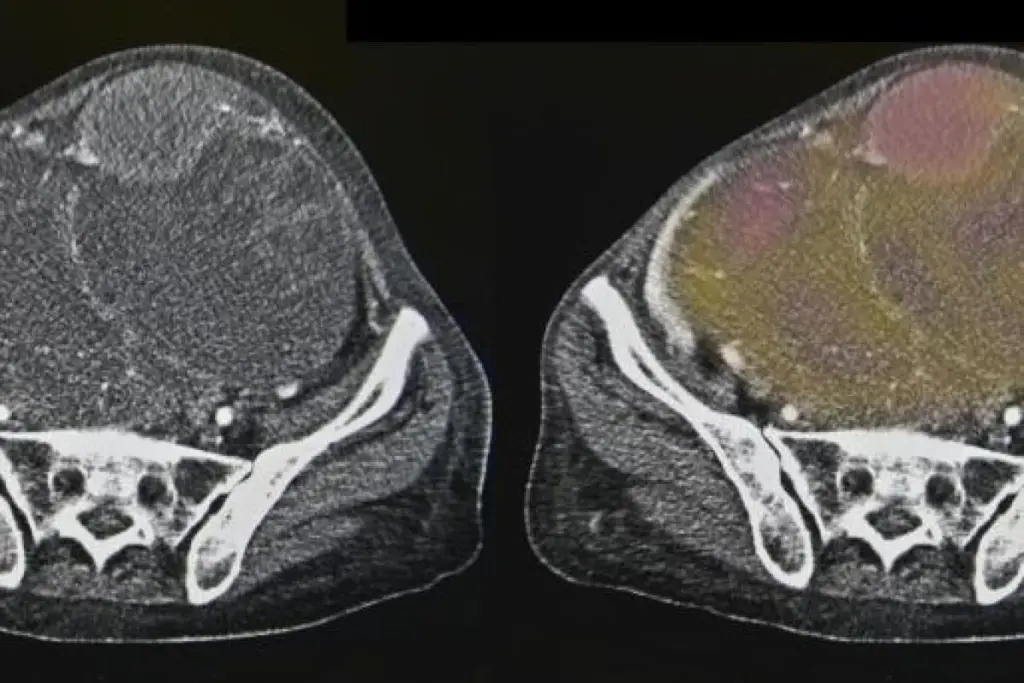
It’s key to know the signs and symptoms of ovarian cancer for early treatment. Ovarian cancer often has no symptoms in its early stages. But, knowing the common symptoms can help spot those at risk.
Common Symptoms to Watch For
The symptoms of ovarian cancer can be hard to spot and are similar to other health issues. Common signs include:
- Abdominal pain or discomfort
- Bloating or swelling in the belly
- Difficulty eating or feeling full fast
- Urinary urgency or needing to pee a lot
These symptoms can keep coming back and get worse. If you notice any, seeing a doctor is important.
Risk Factors for Ovarian Cancer
Knowing the risk factors for ovarian cancer helps find who’s at higher risk. These include:
Genetic Predispositions
Having BRCA1 or BRCA2 genes raises your risk a lot. Family history also matters a lot.
Environmental Factors
Other risks are age (most cases are in women over 50) and family history of certain cancers. Reproductive history and hormone replacement therapy can also play a part.
Knowing these risk factors and symptoms helps catch ovarian cancer early. If you’re worried, talk to your doctor about how to test for ovarian cancer and the best tests.
The Importance of Early Detection

Early detection is key in fighting ovarian cancer. It greatly boosts survival chances for patients. We’ll look at how early detection affects survival rates and the hurdles in finding cancer early.
Survival Rates by Stage
The survival rate for ovarian cancer changes a lot based on when it’s found. Studies show that those caught early, like stage I, have a much better chance of beating the disease. Research shows early detection can raise the 5-year survival rate to over 90%.
|
Stage at Diagnosis |
5-Year Survival Rate |
|---|---|
|
Stage I |
90% |
|
Stage II |
70% |
|
Stage III |
39% |
|
Stage IV |
17% |
Challenges in Early Diagnosis
Ovarian cancer is often called a “silent disease” because it doesn’t show symptoms early. This makes it hard to catch in the early stages.
The “Silent Disease” Problem
Because ovarian cancer doesn’t show symptoms early, many cases are found too late. We need better screening tools, like the CA-125 blood test, to find it early. It’s important to understand these challenges and find ways to overcome them.
By knowing how early detection affects survival and the challenges in finding cancer early, we can improve outcomes for ovarian cancer patients.
Standard Diagnostic Tests for Ovarian Cancer
The journey to diagnose ovarian cancer starts with a detailed physical exam. If a patient shows symptoms or risk factors, doctors start testing to find the cause.
Physical Examination
A physical exam is the first step. Doctors look for any unusual masses or tenderness in the belly area.
Pelvic Examination
A pelvic exam is key in the diagnosis. It helps doctors check the reproductive organs for any issues.
What Doctors Look For
In a pelvic exam, doctors search for signs of ovarian cancer. They look for:
- Abnormal masses or tumors
- Unusual tenderness or pain
- Irregularities in the shape or size of the ovaries
Limitations of Physical Exams
Physical and pelvic exams are vital but not perfect. They can’t find all ovarian cancers. More tests are needed to confirm a diagnosis.
It’s important to know how these exams help in diagnosing ovarian cancer. They guide doctors to the next steps, like imaging tests or blood work for biomarkers like CA-125.
Transvaginal Ultrasound (TVUS): A Primary Screening Tool
Transvaginal ultrasound (TVUS) is key in checking for ovarian cancer. It’s a way to see the ovaries clearly. This helps doctors find any problems.
How TVUS Works
TVUS uses an ultrasound probe in the vagina. It sends sound waves to make detailed images of the ovaries. This method is more precise than traditional ultrasound.
The images from TVUS help doctors spot issues like cysts or tumors. They can also see the size and shape of these growths.
What TVUS Can and Cannot Detect
TVUS is great at finding ovarian problems, like cysts and masses. But, it can’t tell if a tumor is cancerous or not. It gives info on size and shape, but can’t say for sure if it’s cancer.
Even with its limits, TVUS is a key part of ovarian cancer screening. It’s often used with other tests, like the CA-125 blood test, for a full check.
Limitations of Ultrasound in Cancer Detection
TVUS is a strong tool, but it has its downsides. Image quality can be affected by the operator’s skill and medical conditions. Also, it can’t replace a biopsy for a cancer diagnosis.
It’s important to know what TVUS can and can’t do. This helps both doctors and patients. By understanding its role, we can use it better with other tests for accurate diagnoses.
CA-125 Blood Test: Understanding the Biomarker
It’s key for patients and doctors to know about the CA-125 blood test and ovarian cancer. This test checks the CA-125 protein in your blood. It can be high in many cases, including ovarian cancer.
What CA-125 Measures
The CA-125 blood test helps track ovarian cancer treatment and find any signs of it coming back. It looks at the CA-125 protein in your blood.
|
CA-125 Level |
Interpretation |
|---|---|
|
Normal |
Typically below 35 U/mL |
|
Elevated |
May indicate ovarian cancer or other conditions |
False Positives and Limitations
The CA-125 test is helpful but not perfect. It can show false positives because of other health issues or benign gynecological conditions.
When CA-125 Testing Is Most Useful
CA-125 testing works best when used with other tests like transvaginal ultrasound (TVUS) and physical exams. It helps doctors see how well treatment is working and if cancer might come back.
Key Points:
- CA-125 measures the level of CA-125 protein in the blood.
- Elevated levels may indicate ovarian cancer or other conditions.
- Used in conjunction with other diagnostic tools for a full check-up.
How to Check for Ovarian Cancer at Home
There’s no home test for ovarian cancer, but you can watch for symptoms. Knowing what’s normal and what’s not is key.
Monitoring Symptoms
Ovarian cancer can show up in many ways. Some symptoms might seem like other health issues. Look out for:
- Pelvic or abdominal pain
- Bloating or swelling in the abdomen
- Difficulty eating or feeling full quickly
- Urinary urgency or frequency
Tracking these symptoms and any changes is important. It helps decide if you need to see a doctor.
Symptom Tracking Methods
There are ways to track symptoms well:
- Keep a symptom diary to note when and how bad symptoms are
- Use mobile apps for tracking symptoms
- Write down what makes symptoms better or worse
Being consistent is important. This information is helpful when talking to your doctor.
When to Seek Medical Attention
If symptoms don’t go away or are very bad, see a doctor. Experts say:
“Women with ovarian cancer often have symptoms like bloating, pelvic pain, and trouble eating. If these symptoms are new, keep going or getting worse, see a healthcare provider.”
Here’s a table to help decide when to see a doctor:
|
Symptom Duration |
Symptom Severity |
Action |
|---|---|---|
|
Less than 2 weeks |
Mild |
Monitor symptoms |
|
2-4 weeks |
Moderate |
Schedule a doctor’s visit |
|
More than 4 weeks |
Severe |
Seek immediate medical attention |
In summary, while there’s no home test for ovarian cancer, watching your body and knowing when to see a doctor is important.
Common Misconceptions About Ovarian Cancer Testing
It’s important to know about ovarian cancer testing for early detection and treatment. Many people are confused about the testing methods. This confusion affects both patients and healthcare providers.
Can Pap Smears Detect Ovarian Cancer?
Pap smears are for cervical cancer screening, not ovarian cancer. Ovarian cancer diagnosis needs tests like transvaginal ultrasound (TVUS) and the CA-125 blood test.
Limitations of Routine Gynecological Exams
Routine gynecological exams can’t always find ovarian cancer. They might spot some issues, but they’re not enough for a diagnosis. Regular check-ups are key, but knowing their limits is important.
Distinguishing Between Different Female Cancers
It’s vital to know the differences between female cancers. Their symptoms and tests are not the same. Ovarian cancer screening uses specific tests, not for cervical or uterine cancer.
Understanding these differences and test limits helps patients. It guides them in the right direction for medical care.
The Risk of Ovarian Cancer Algorithm (ROCA)
The Risk of Ovarian Cancer Algorithm (ROCA) is a big step forward in finding ovarian cancer early. It uses CA-125 values and imaging to spot cancer better.
How ROCA Improves Detection
ROCA looks at how CA-125 levels change over time. This helps doctors find out who is at high risk. It makes it easier to catch cancer early.
Combining Serial CA-125 Values with Imaging
By mixing CA-125 tests with ultrasound, ROCA checks cancer risk in a new way. This method makes finding cancer more accurate.
Improved Early-Stage Detection Rates
Research shows ROCA boosts early detection of ovarian cancer. It helps doctors catch cancer when it’s easier to treat. This can lead to better outcomes for patients.
|
Detection Method |
Sensitivity |
Specificity |
|---|---|---|
|
CA-125 Alone |
80% |
90% |
|
ROCA with Imaging |
95% |
95% |
ROCA helps doctors give better care to those at risk of ovarian cancer. It’s a key tool in the fight against ovarian cancer.
Advanced Diagnostic Indices: The Vienna Index
The Vienna Index is a new tool for better ovarian cancer diagnosis. It’s part of a push for more precise detection methods.
Combining Age and Circulating Biomarkers
The Vienna Index uses age and biomarkers to improve diagnosis. This helps doctors spot high-risk patients sooner, leading to earlier treatment.
Improved Specificity in Diagnosis
The Vienna Index makes diagnosing ovarian cancer more accurate. It cuts down on false positives, helping find the right patients for further tests or treatment.
|
Diagnostic Index |
Factors Considered |
Improvement in Diagnosis |
|---|---|---|
|
Vienna Index |
Age, Circulating Biomarkers |
Improved Specificity |
|
CA-125 Test |
Biomarker Levels |
Basic Screening |
Availability and Implementation
As research proves the Vienna Index’s worth, it will become more common in clinics. This could make ovarian cancer screening more accurate and widespread.
We’re heading towards a future where tools like the Vienna Index are key in fighting ovarian cancer. They promise to improve patient care by making early detection and treatment more effective.
AI-Powered Blood Tests: The Future of Diagnosis
AI-powered blood tests are changing how we diagnose ovarian cancer. They use new technologies for early detection and better treatment results.
Multi-Omic Approaches
These tests combine different data types for better accuracy. This way, doctors can spot ovarian cancer early, when it’s easier to treat.
AOA Dx Technology and Performance
The AOA Dx technology is a great example. It uses blood tests to find ovarian cancer with high accuracy. It looks for specific biomarkers and uses AI to get precise results.
Early-Stage Detection Capabilities
Spotting ovarian cancer early is key to saving lives. AI-powered blood tests can find cancer before symptoms show. This means doctors can act fast.
Research Results and Accuracy Rates
Studies show AI-powered blood tests, like AOA Dx, are very accurate. These findings are hopeful for the future of fighting ovarian cancer.
As research keeps improving, AI blood tests will play a big role in fighting ovarian cancer. They promise to save many lives by detecting cancer early and accurately.
When Further Testing Is Needed: Biopsy and Surgery
When tests show possible ovarian cancer, more tests are needed. Imaging and blood tests give clues, but biopsy and surgery are key for a clear diagnosis and treatment.
Surgical Procedures for Definitive Diagnosis
Surgery is vital for diagnosing ovarian cancer. A biopsy takes tissue from the ovary during surgery. This lets doctors check for cancer cells.
Types of Surgical Procedures:
- Laparoscopy: A small incision is made for a thin tube with a camera.
- Laparotomy: A bigger incision is used for direct access to the ovaries.
Minimally Invasive Options
Options like laparoscopy are preferred when they can be used. They cause less damage, lower risks, and lead to faster recovery.
Recovery and Next Steps
Recovery time after surgery varies. Patients get advice on care, including pain management and follow-up. They may also need chemotherapy or radiation therapy.
|
Surgical Procedure |
Description |
Recovery Time |
|---|---|---|
|
Laparoscopy |
Minimally invasive procedure with small incisions |
1-2 weeks |
|
Laparotomy |
More invasive surgery with a larger incision |
4-6 weeks |
Knowing about surgery and recovery helps patients prepare. We support patients fully through their treatment.
Conclusion: Advances in Ovarian Cancer Detection
There have been big steps forward in finding ovarian cancer early. New AI tests and advanced tools help us spot it sooner. This means better chances for treatment and survival.
Finding cancer early is key to saving lives. More research will bring us even better ways to detect it. We’re getting closer to beating ovarian cancer’s death rate.
New technologies like AI and multi-omic approaches are changing how we fight ovarian cancer. They help us understand the disease better and treat it more effectively. This means better care for those fighting ovarian cancer.
FAQ
How is ovarian cancer detected?
Doctors use tests like imaging, blood tests, and advanced diagnostic tools to find ovarian cancer. These help spot any unusual signs and confirm if cancer is present.
What are the common symptoms of ovarian cancer?
Symptoms include feeling bloated, pelvic pain, trouble eating, and needing to urinate often. Knowing these signs can help spot those at risk.
Can a Pap smear detect ovarian cancer?
No, Pap smears are for cervical cancer screening, not ovarian cancer. They can find abnormal cells in the cervix but not ovarian cancer.
What is the CA-125 blood test, and how is it used?
The CA-125 blood test checks for a protein in the blood that can be high in ovarian cancer. It’s not just for ovarian cancer but helps track the disease.
How does TVUS work in ovarian cancer screening?
TVUS, or transvaginal ultrasound, shows detailed images of the ovaries. It helps spot cysts or masses. It’s a key tool in finding ovarian cancer but can’t always tell if a tumor is cancerous.
What is the Risk of Ovarian Cancer Algorithm (ROCA)?
ROCA uses CA-125 levels and imaging to find ovarian cancer better. It helps doctors spot those at risk and catch the disease early.
Are there any advanced diagnostic indices for ovarian cancer?
Yes, new tools like the Vienna Index are being made to better diagnose ovarian cancer. They use age and biomarkers for more accurate results.
Can AI-powered blood tests diagnose ovarian cancer?
AI blood tests, like those using multi-omic approaches, are showing promise in diagnosing ovarian cancer. They aim for early detection and better treatment outcomes.
How can I check for ovarian cancer at home?
There’s no sure way to check for ovarian cancer at home. But knowing the symptoms and watching for changes can help. If you notice anything odd, see a doctor.
What is the next step after a diagnosis of ovarian cancer?
After being diagnosed, more tests like biopsies and surgeries might be needed. These help figure out how far the cancer has spread and plan treatment. Understanding these steps can help patients prepare.
Reference
National Center for Biotechnology Information. Evidence-Based Medical Insight. Retrieved from