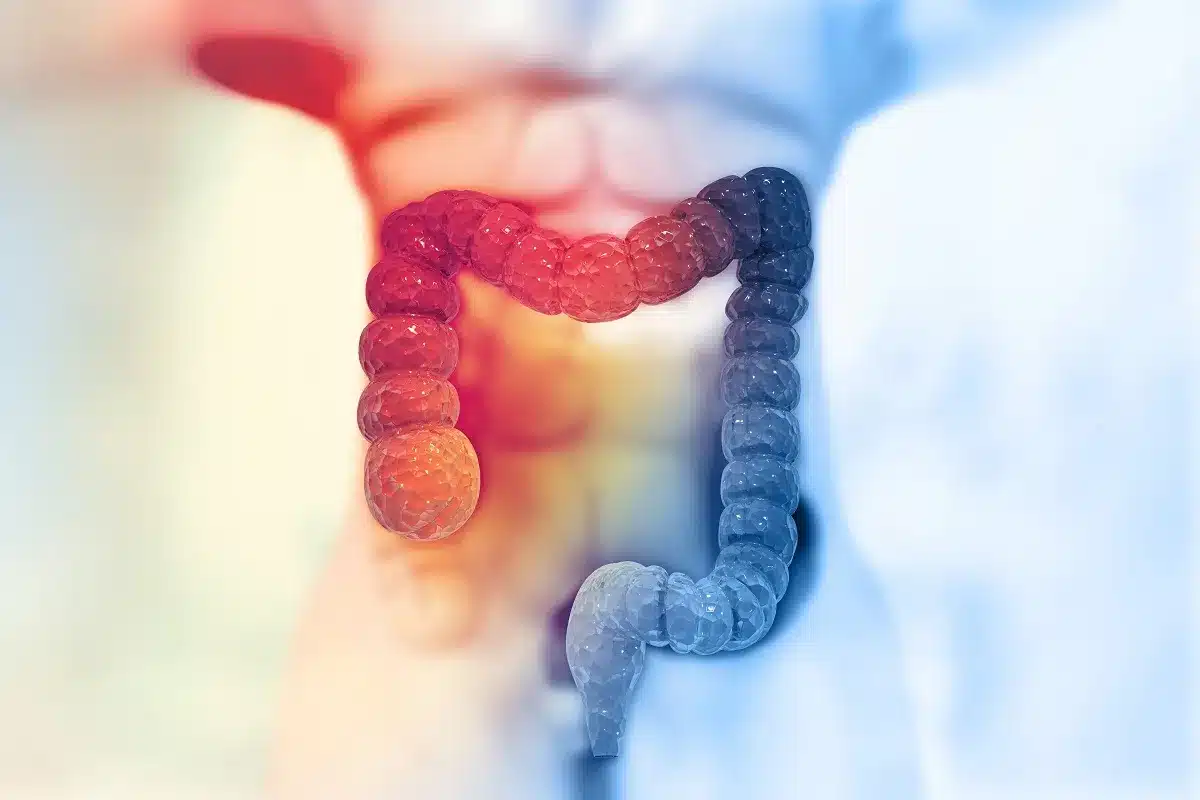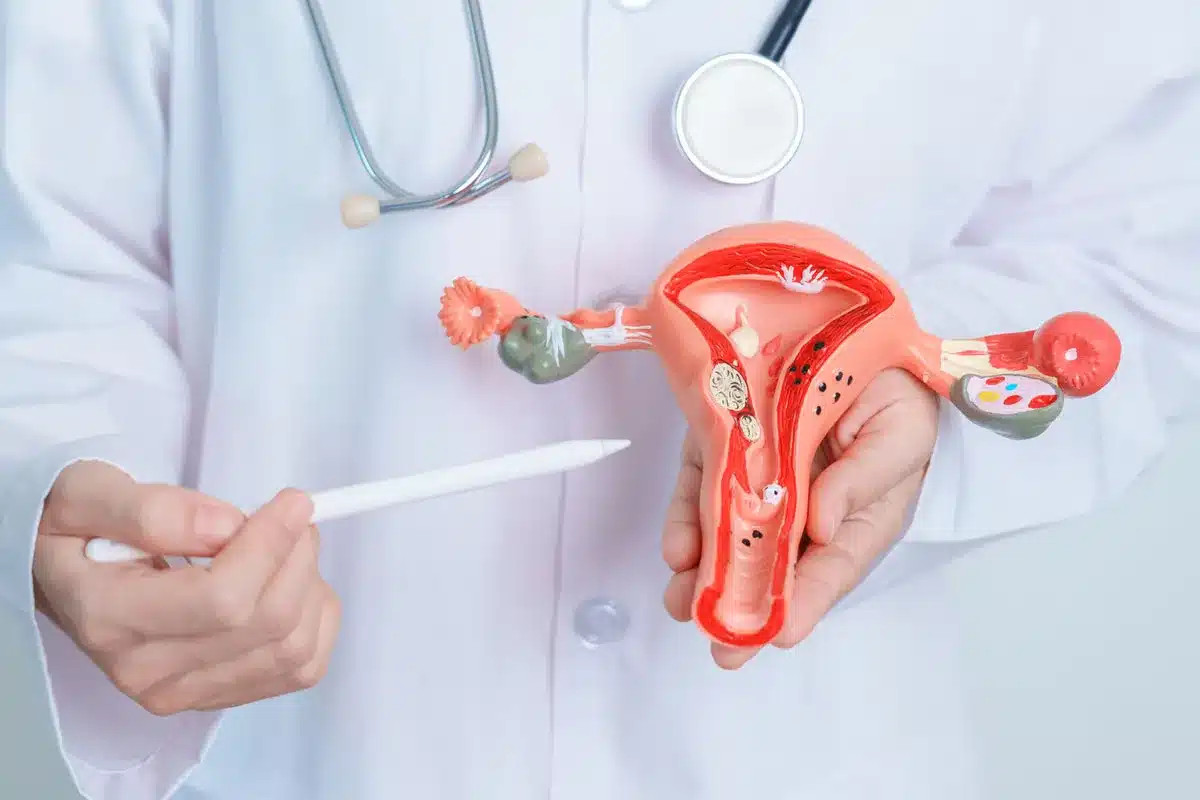
Keeping your colon healthy is key to feeling good. Recent studies show Vitamin D is very important. They found that Vitamin D can lower the risk of colon cancer a lot.
Vitamin D is becoming more important for your colon. Research says that having enough Vitamin D can cut down colon cancer risk by half. This happens when your Vitamin D levels are 34 ng/mL or higher.
We will look into how vitamins, like Vitamin D, help keep your colon healthy. It’s important to know how vitamins affect your colon health. This knowledge helps us find ways to prevent colon cancer.
Key Takeaways
- Vitamin D is key for colon health.
- Having enough Vitamin D lowers colon cancer risk.
- High levels of Vitamin D cut down colon cancer risk by half.
- Regular check-ups help prevent colon cancer.
- Knowing how vitamins affect your colon is important for prevention.
The Critical Link Between Vitamins and Colon Health
Vitamins are key to keeping our colon healthy. The colon is a big part of our digestive system. It needs the right nutrients to work right.
Understanding the Colon’s Nutritional Needs
The colon needs vitamins and minerals to stay healthy. It helps with water and electrolyte absorption and waste removal. Vitamin D is important for immune function and colon lining health.
Why Vitamins Matter for Intestinal Function
Vitamins keep the intestinal lining healthy and support the immune system. Vitamin D helps with immune function, intestinal barrier, and gut bacteria. These are important for preventing colorectal cancer.
Regular exercise and enough vitamins can also lower cancer risk. Adults should do at least 30 minutes of moderate activity daily.
Knowing how vitamins help our colon health is important. It helps us prevent diseases like colon polyps. This knowledge helps us make better diet and lifestyle choices. It supports our overall health and well-being.
Vitamin D: The Superstar for Colon Protection
Vitamin D is a key player in keeping the colon healthy. It helps prevent colon cancer. Let’s dive into how Vitamin D supports a healthy colon.
What Makes Vitamin D Unique for Digestive Health
Vitamin D stands out in digestive health. Its active form, 1,25-dihydroxyvitamin D3, is key. It helps control the immune system and keeps the colon lining strong. This is vital for stopping colon cancer.
The Forms of Vitamin D That Matter Most
Knowing the different Vitamin D forms is key for colon health. The main ones are 1,25-dihydroxyvitamin D3 and 25-hydroxyvitamin D.
1,25-dihydroxyvitamin D3: The Active Form
1,25-dihydroxyvitamin D3 is Vitamin D’s active form. It controls genes and cell processes that protect the colon. Studies show it’s essential for colon cell health.
25-hydroxyvitamin D: The Circulating Form
25-hydroxyvitamin D is the main form in the blood. It shows how much Vitamin D you have. Keeping enough 25-hydroxyvitamin D is key for health, including the colon. Research from Harvard School of Public Health links it to lower colon cancer risk.
|
Form of Vitamin D |
Function |
Importance for Colon Health |
|---|---|---|
|
1,25-dihydroxyvitamin D3 |
Active form, regulates gene expression |
Crucial for colon cell health |
|
25-hydroxyvitamin D |
Circulating form, indicator of Vitamin D status |
Important for overall colon health |
How to Prevent Colon Cancer Through Vitamin D Optimization
Keeping Vitamin D levels up is key to preventing colon cancer. As we look into Vitamin D and colon health, it’s clear that the right Vitamin D levels are vital. They help lower the risk of colon cancer.
Optimal Vitamin D Levels for Cancer Risk Reduction
Research shows that Vitamin D levels of 34 ng/mL or higher can greatly reduce colorectal cancer risk. This level is important for those wanting to lower their colon cancer risk.
The 34 ng/mL Threshold for Protection
Studies reveal that Vitamin D levels of 34 ng/mL or higher can significantly lower colorectal cancer risk. This shows why it’s important to keep Vitamin D levels in check.
The 50% Risk Reduction Factor: Understanding the Research
Eating a lot of red meat or processed meats raises colorectal cancer risk. But, eating less red meat and avoiding processed meats can lower your risk. A balanced diet and the right Vitamin D levels can greatly reduce colon cancer risk. Research shows that Vitamin D levels of 34 ng/mL or higher are linked to a 50% reduction in colorectal cancer risk.
Understanding the right Vitamin D levels and making dietary changes can help prevent colon cancer. It’s important to work with healthcare professionals. They can help monitor Vitamin D levels and create a plan to prevent colon cancer.
The Science Behind Vitamin D’s Protective Mechanisms
Vitamin D’s role in protecting the colon is complex. It helps keep the colon’s ecosystem in balance. This is key for overall colon health.
Immune Regulation and Colon Cancer Prevention
Vitamin D is vital for immune function. This is important for stopping colon cancer. It helps the body find and remove cancerous cells.
Studies show that not having enough Vitamin D raises colon cancer risk.
Maintaining the Intestinal Epithelial Barrier
The intestinal epithelial barrier fights off harmful invaders. Vitamin D keeps this barrier strong. It does this by controlling genes that help cells stick together.
If this barrier weakens, the colon can become more open to toxins. This can lead to inflammation and cancer.
Modulation of Gut Microbiota for Colon Health
Vitamin D also affects the gut microbiota. This is the mix of bacteria in the colon. A healthy mix is important for colon health.
Too much or too little of certain bacteria can cause problems. Vitamin D helps keep this mix balanced.
|
Mechanism |
Description |
Impact on Colon Health |
|---|---|---|
|
Immune Regulation |
Modulation of immune response |
Prevention of colon cancer |
|
Intestinal Epithelial Barrier Maintenance |
Regulation of gene expression for cell adhesion and tight junctions |
Prevention of increased permeability and inflammation |
|
Gut Microbiota Modulation |
Maintenance of healthy balance of gut bacteria |
Prevention of dysbiosis and colon cancer |
Understanding how Vitamin D protects the colon is key. It shows why we need enough Vitamin D for a healthy colon.
Beyond Vitamin D: Other Nutrients That Support Colon Health
Many nutrients are important for a healthy colon, not just Vitamin D. A good approach to colon health includes knowing how different nutrients work together.
The Magnesium Connection: Enhancing Vitamin D Synthesis
Magnesium is key in helping Vitamin D work better. This is important for keeping the colon healthy. Studies show magnesium is vital for Vitamin D’s role in the body.
Magnesium helps the colon in several ways:
- It boosts Vitamin D creation and use.
- It keeps cells working right.
- It helps reduce inflammation.
Synergistic Nutrients for Complete Colon Protection
Other nutrients team up with Vitamin D and magnesium for colon health. These include:
- Foods rich in fiber, like veggies, fruits, whole grains, and legumes, which lower colorectal cancer risk.
- Antioxidants in fruits and veggies.
Knowing how these nutrients work together helps us take better care of our colon health.
Foods to Prevent Colon Cancer: Dietary Sources of Vitamin D
Vitamin D is key for keeping the colon healthy. It’s called the ‘sunshine vitamin.’ Adding Vitamin D-rich foods to your diet helps prevent colon cancer.
Vitamin D-Rich Foods for Your Anti-Cancer Diet
It’s important to eat foods high in Vitamin D. These include fatty fish like salmon and mackerel, fortified dairy, and some mushrooms.
Fatty fish are not just high in Vitamin D. They also have omega-3 fatty acids. These acids help fight inflammation and support colon health.
Creating a Diet to Avoid Colon Polyps
Preventing colon polyps is more than just eating Vitamin D-rich foods. It’s about eating right overall. Drinking less alcohol and not smoking also helps lower colon cancer risk.
Weekly Meal Planning for Colon Health
Plan your meals to include Vitamin D-rich foods. Here’s a simple guide to start:
|
Day |
Breakfast |
Lunch |
Dinner |
|---|---|---|---|
|
Monday |
Fortified yogurt with berries |
Grilled chicken salad |
Baked salmon with roasted vegetables |
|
Tuesday |
Mushroom omelette |
Turkey and avocado wrap |
Grilled mackerel with quinoa |
|
Wednesday |
Smoothie with fortified milk |
Chicken Caesar salad |
Shrimp with Vitamin D-enriched sauce |
By eating these foods and planning your meals, you can boost your anti-cancer diet. This helps keep your colon healthy.
Colon Health Supplements: Evidence-Based Options
Supplements can greatly help with colon health and cancer prevention. They are important when we don’t get enough from food. Knowing about Vitamin D and magnesium supplements is key.
Vitamin D Supplement Types and Dosages
Vitamin D supplements are D2 and D3. Studies show Vitamin D3 is better at keeping Vitamin D levels up. You should take 1,000-2,000 IU per day for the best results.
When to Consider Magnesium Co-Supplementation
Magnesium is vital for Vitamin D.
“Magnesium supplementation can enhance the effects of Vitamin D supplementation.”
Think about taking magnesium with Vitamin D if you might not have enough magnesium.
Other Promising Anti-Cancer Supplements
Curcumin and green tea extract might help prevent cancer. They work well with Vitamin D for colon health. Always talk to a doctor before trying new supplements.
How to Prevent Polyps in the Colon: A Complete Guide
To stop colon polyps, we need a plan that includes getting enough Vitamin D and living a healthy lifestyle. We’ll see how these steps can lower the chance of getting colon polyps.
The Role of Vitamin D in Polyp Prevention
Vitamin D is key to keeping the colon healthy and stopping polyps. Studies show that enough Vitamin D can cut down the risk of colon cancer. It does this by affecting how cells grow and work.
“Vitamin D has been shown to have anti-cancer properties, specially in colorectal cancer.”
Vitamin D helps control how cells grow and change in the colon. This might help stop polyps from forming.
Lifestyle Changes That Help Prevent Polyps
Along with Vitamin D, making healthy lifestyle choices is important. Being active and keeping a healthy weight are big steps in fighting colon cancer.
|
Lifestyle Modification |
Impact on Colon Health |
|---|---|
|
Regular Physical Activity |
Reduces risk of colorectal cancer |
|
Maintaining a Healthy Weight |
Decreases risk of colon polyps |
Understanding the Mixed Clinical Trial Results
Some studies on Vitamin D and polyp prevention look good, but others are mixed. It’s important to look at these findings with our whole lifestyle and diet in mind.
By focusing on Vitamin D and healthy living, we can take a full approach to avoiding colon polyps.
Special Considerations for Women’s Colon Health
Women need to know about colon health because of their unique risks. It’s linked to hormones, genes, and lifestyle. Keeping the colon healthy is key to overall wellness.
Gender-Specific Benefits of Vitamin D
Vitamin D is very important for colon health, and it helps women more than men. It can lower the chance of colon cancer by controlling cell growth.
Vitamin D also boosts the immune system. For women, this means a lower risk of colon cancer. It’s even more effective when combined with other health habits.
Vegetables That Help Women Avoid Colon Cancer
Eating certain vegetables can greatly help colon health. Cruciferous veggies, like broccoli and kale, have special benefits.
Cruciferous Vegetables and Vitamin D Metabolism
These veggies have compounds that help Vitamin D work better. Adding them to your diet can help lower colon cancer risk.
|
Cruciferous Vegetable |
Potential Colon Health Benefit |
|---|---|
|
Broccoli |
Contains sulforaphane, which may support Vitamin D metabolism |
|
Cauliflower |
Rich in vitamins and minerals that support overall colon health |
|
Kale |
High in antioxidants that may reduce inflammation |
Women can improve their colon health by understanding Vitamin D’s benefits and eating colon-friendly veggies. This proactive approach is essential for their health.
Optimizing Vitamin D Naturally: Lifestyle Factors
Lifestyle choices like sun exposure and exercise are key to boosting Vitamin D levels. They help keep our colon healthy. Knowing how these factors affect Vitamin D helps us stay on top of our health.
Sun Exposure: The Natural Vitamin D Source
Sunlight is a natural way to get Vitamin D. When our skin meets sunlight, it makes Vitamin D3. This Vitamin D then goes into our blood. But, how much Vitamin D we make depends on our skin, age, and the sun’s strength.
Factors Influencing Vitamin D Production from Sun Exposure:
|
Factor |
Influence on Vitamin D Production |
|---|---|
|
Skin Type |
Darker skin types produce less Vitamin D |
|
Age |
Older individuals produce less Vitamin D |
|
Time of Day |
Peak production occurs during mid-day sun exposure |
Exercise and Its Impact on Vitamin D Metabolism
Exercise is good for our health and Vitamin D levels. Research shows it can help with Vitamin D, but the details are being studied.
By mixing sun exposure with exercise, we can naturally boost our Vitamin D. This helps our colon stay healthy.
Monitoring Your Vitamin D Status for Optimal Colon Protection
Knowing your Vitamin D levels is key to protecting your colon and lowering cancer risk. Regular health checks and screenings help catch colon cancer early. To monitor Vitamin D, you need to know about testing, understand results, and work with doctors.
Testing Options and Frequency
There are many ways to check your Vitamin D levels, like the 25-hydroxyvitamin D test. This test is the most accurate. How often you should get tested depends on your age, health, and risk for colon cancer. Talk to a doctor to figure out the best testing schedule for you.
Interpreting Your Vitamin D Test Results
Understanding Vitamin D test results is important. A level of 20 ng/mL is good, but less than 12 ng/mL means you’re deficient. For the best colon protection, some studies say levels between 40-60 ng/mL are best. For more on Vitamin D and colon health, check out the National Cancer Institute’s Vitamin D Fact.
Working with Healthcare Professionals
Working with doctors is vital for managing your Vitamin D levels. They can explain your test results, suggest supplements or lifestyle changes, and track your progress. Together, you can create a plan to keep your Vitamin D levels right and support your colon health.
|
Vitamin D Level (ng/mL) |
Status |
Recommended Action |
|---|---|---|
|
Below 12 |
Deficient |
Supplementation and lifestyle changes |
|
12-20 |
Insufficient |
Supplementation and monitoring |
|
20-40 |
Adequate |
Maintenance and monitoring |
|
40-60 |
Optimal for colon health |
Maintenance and periodic monitoring |
Conclusion: Implementing Vitamin D Strategy for Long-term Colon Health
Vitamin D plays a key role in keeping our colon healthy and preventing colon cancer. By understanding its importance, we can lower our risk of colon cancer. This helps us maintain good colon health for a long time.
A good Vitamin D strategy includes more than just taking supplements. It also means eating right, making lifestyle changes, and getting regular health checks. This all-around approach helps keep our colon healthy and boosts our overall well-being.
To make this strategy work, it’s best to work with doctors. They can help keep an eye on your Vitamin D levels and adjust your supplements if needed. By being proactive about our colon health, we can lower our risk of colon cancer and stay healthy.
FAQ
What is the best vitamin for colon health?
Vitamin D is key for colon health and cancer prevention. It helps with digestion and has protective effects.
How does Vitamin D help prevent colon cancer?
Vitamin D helps by regulating the immune system and keeping the gut healthy. It also changes the gut bacteria. This can lower colon cancer risk.
What are the optimal Vitamin D levels for colon cancer prevention?
The right Vitamin D levels are important to prevent cancer. Studies show that enough Vitamin D can cut colon cancer risk by half.
Can diet alone provide sufficient Vitamin D for colon health?
Diet is important, but it might not be enough. Foods like fatty fish and fortified dairy help. Sometimes, supplements are needed too.
Are there other nutrients that support colon health alongside Vitamin D?
Yes, nutrients like magnesium are also important. Magnesium helps Vitamin D work better. Knowing how they work together is key for good colon health.
How can women reduce their risk of colon cancer?
Women can benefit from Vitamin D’s effects. Eating certain vegetables can also help. It’s important to know these tips for women’s health.
What lifestyle factors can help optimize Vitamin D levels naturally?
Getting sunlight and exercising are great for Vitamin D. Knowing how these activities affect Vitamin D levels is important.
How can I monitor my Vitamin D status for optimal colon protection?
To check Vitamin D, you need to know how to test and what the results mean. Working with a doctor is important for good colon health.
Are there any supplements that can help prevent colon polyps?
Supplements like Vitamin D and magnesium are helpful. Knowing about different supplements and their amounts is important.
What is the role of Vitamin D in preventing colon polyps?
Vitamin D is very important for preventing polyps. Knowing how Vitamin D works and making lifestyle changes can help keep the colon healthy.
References
- VUMC News: https://news.vumc.org/2025/09/12/study-shows-magnesium-inhibits-colorectal-cancer-carcinogenesis-by-increasing-vitamin-d-synthesizing-bacteria/
- National Center for Biotechnology Information (NCBI) / PMC: https://pmc.ncbi.nlm.nih.gov/articles/PMC9537583/
- JAMA Network Open: https://jamanetwork.com/journals/jamanetworkopen/fullarticle/2808574
- National Cancer Institute (NCI): https://www.cancer.gov/about-cancer/causes-prevention/risk/diet/vitamin-d-fact-sheet
- Harvard T.H. Chan School of Public Health: https://www.hsph.harvard.edu/nutritionsource/vitamin-d/