Diagnosing leukemia is tricky because its symptoms can look like other illnesses. Up to 30% of leukemia cases are initially misdiagnosed. This is often because they can be confused with viral infections, autoimmune disorders, and nutritional deficiencies.
Getting the right diagnosis is key for good treatment. The fact that leukemia symptoms can be similar to others shows we need a detailed approach to diagnosis.
Looking into the conditions that can look like leukemia helps us grasp the challenges in diagnosis. It also shows how important it is to have teams from different fields working together to avoid mistakes.
Key Takeaways
- Leukemia symptoms can be similar to those of other conditions, making diagnosis challenging.
- A significant percentage of leukemia cases are initially misdiagnosed.
- Understanding the conditions that mimic leukemia is key for accurate diagnosis.
- Interdisciplinary teams play a vital role in minimizing misdiagnosis.
- A detailed diagnostic approach is necessary for effective treatment.
The Complex Nature of Blood Cancer
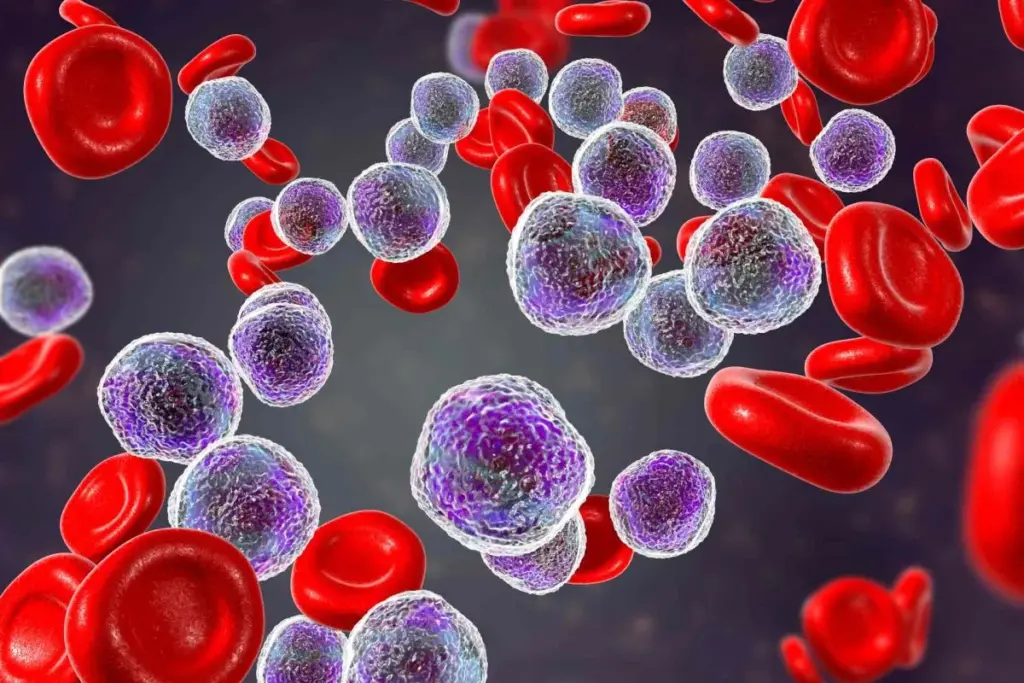
Leukemia is a complex blood cancer that affects the body’s blood cells. It impacts their production and function. Knowing the different types of leukemia is key for accurate diagnosis and treatment.
Types of Leukemia and Their Characteristics
Leukemia is divided into four main types: Acute Lymphoblastic Leukemia (ALL), Acute Myeloid Leukemia (AML), Chronic Lymphocytic Leukemia (CLL), and Chronic Myeloid Leukemia (CML). Each type affects different blood cells and has unique characteristics.
- Acute Lymphoblastic Leukemia (ALL): ALL is most common in children but can also affect adults. It’s marked by the rapid production of immature lymphocytes.
- Acute Myeloid Leukemia (AML): AML is more common in adults. It involves the quick growth of abnormal myeloid cells, leading to bone marrow failure.
- Chronic Lymphocytic Leukemia (CLL): CLL mainly affects older adults. It’s characterized by the gradual buildup of mature lymphocytes.
- Chronic Myeloid Leukemia (CML): CML is diagnosed in adults. It’s known for the slow growth of myeloid cells, often found during routine blood tests.
|
Type of Leukemia |
Cell Line Affected |
Typical Age Group |
Characteristics |
|---|---|---|---|
|
ALL |
Lymphocytes |
Children, young adults |
Rapid production of immature lymphocytes |
|
AML |
Myeloid cells |
Adults |
Quick proliferation of abnormal myeloid cells |
|
CLL |
Lymphocytes |
Older adults |
Gradual accumulation of mature lymphocytes |
|
CML |
Myeloid cells |
Adults |
Slow growth of myeloid cells |
Common Symptoms and Warning Signs
Leukemia symptoms can be similar to other illnesses, making diagnosis tricky. Common signs include:
- Fatigue and weakness from anemia or low red blood cells.
- Frequent infections due to a weak immune system.
- Unexplained weight loss and loss of appetite.
- Bleeding or bruising easily from low platelet counts.
- Swollen lymph nodes or spleen from cancerous cells.
It’s important to notice these symptoms early. If you or someone you know has them, see a doctor for a check-up.
The Challenge of Accurate Leukemia Diagnosis
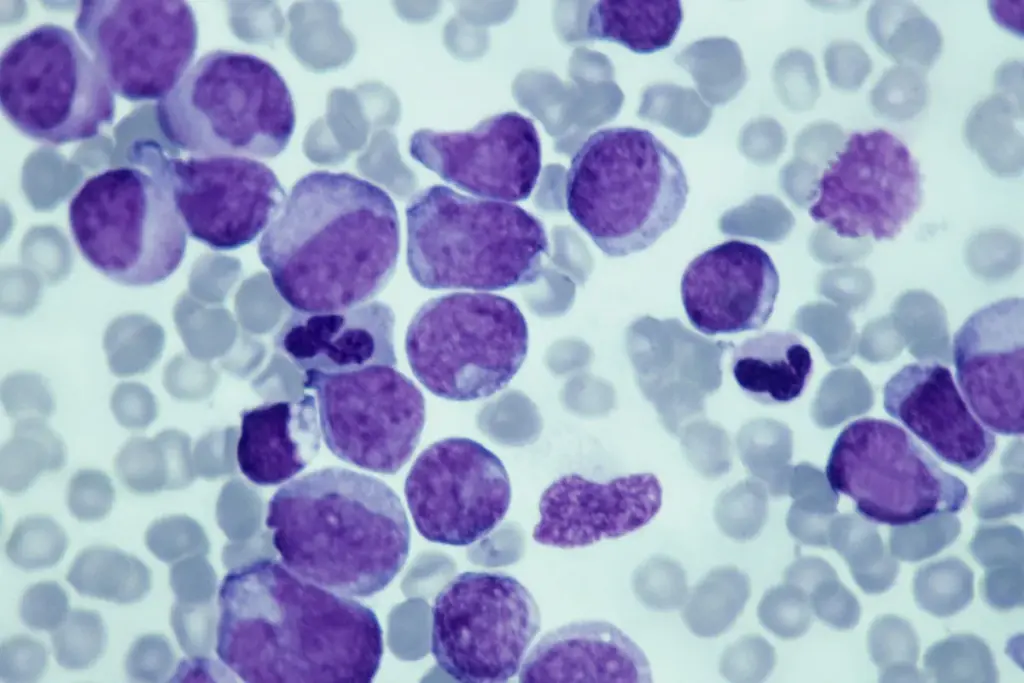
Diagnosing leukemia is hard because it shows up in many ways. It’s a cancer that affects the blood and bone marrow. This makes it tricky to spot.
Why Leukemia Can Be Difficult to Identify
Leukemia symptoms are not clear-cut. They can look like other illnesses, like infections or autoimmune diseases. Symptoms like tiredness, losing weight, and getting sick often can mean different things.
Leukemia also comes in different types. Each type, like ALL, AML, CLL, and CML, needs its own way to be diagnosed.
Statistics on Misdiagnosis Rates
Studies show that up to 30% of leukemia cases are first thought to be something else. This shows we need better ways to figure out what’s wrong.
|
Type of Leukemia |
Misdiagnosis Rate (%) |
Common Misdiagnoses |
|---|---|---|
|
ALL |
25-30 |
Infectious mononucleosis, aplastic anemia |
|
AML |
20-25 |
Myelodysplastic syndromes, other myeloproliferative neoplasms |
|
CLL |
15-20 |
Lymphoma, autoimmune disorders |
|
CML |
10-15 |
Other myeloproliferative neoplasms, infections |
Impact of Delayed Diagnosis on Treatment Outcomes
When leukemia is not caught early, it can hurt treatment chances. Quick diagnosis is key to starting the right treatment. This can help patients live longer and better.
Waiting too long to diagnose leukemia can let the disease grow. This makes treatment harder. For example, in acute leukemia, waiting can mean more cancer to fight. This can make treatment harder and lower chances of getting better.
We need to make doctors more aware of how hard it is to diagnose leukemia. We also need better ways to quickly and accurately find this disease.
Viral Infections That Mimic Leukemia

Certain viral infections can look like leukemia, making it hard to diagnose. The Epstein-Barr virus (EBV) is one example. It can cause symptoms that are very similar to leukemia.
Epstein-Barr Virus and Mononucleosis
The Epstein-Barr virus causes infectious mononucleosis, or “mono.” Symptoms like fever, sore throat, and swollen lymph nodes are common. Accurate diagnosis is key to tell it apart from leukemia.
EBV infection can mimic leukemia in several ways:
- Fever and fatigue
- Swollen lymph nodes
- Sore throat
- Enlarged spleen
Tests like blood counts and EBV antibody tests are vital. They help tell EBV infection apart from leukemia.
Other Viral Infections With Similar Presentations
Other viruses can also cause symptoms like leukemia. For example:
- Cytomegalovirus (CMV) infection can cause fever, fatigue, and swollen lymph nodes.
- HIV infection can lead to swollen lymph nodes and low blood counts.
- Hepatitis viruses can cause symptoms that might be mistaken for leukemia.
Healthcare providers must think about these viruses when patients show leukemia-like symptoms. A detailed diagnostic process, including specific tests, helps make the right diagnosis.
The similarity in symptoms between viral infections and leukemia worries patients. Our approach includes a thorough evaluation. We look at medical history, do a physical exam, and run the right tests. This ensures patients get the right diagnosis and treatment quickly.
Autoimmune Disorders Resembling Leukemia
Some autoimmune conditions can look a lot like leukemia, making it hard to diagnose. Autoimmune disorders happen when the body’s immune system attacks itself. We’ll look at how some of these disorders can be mistaken for leukemia.
Systemic Lupus Erythematosus
Systemic lupus erythematosus (SLE) is a chronic autoimmune disease. It can affect many parts of the body, like the skin, joints, and kidneys. SLE can have symptoms similar to leukemia, such as fatigue, fever, and swollen lymph nodes. A detailed diagnostic process is needed to tell SLE apart from leukemia.
A study highlights the importance of understanding autoimmune diseases for accurate diagnosis.
Rheumatoid Arthritis
Rheumatoid arthritis (RA) mainly affects the joints but can also affect other parts of the body. While RA is known for causing joint inflammation, it can also cause symptoms like low blood cell counts, seen in leukemia. Accurate diagnosis requires careful consideration of both joint and systemic symptoms.
RA patients may need to undergo various tests to rule out other conditions, including leukemia, before a diagnosis is confirmed.
Autoimmune-Induced Lymphadenopathy and Cytopenias
Autoimmune-induced lymphadenopathy and cytopenias are conditions linked to autoimmune disorders like SLE and RA. These conditions can look a lot like leukemia, making it important for healthcare providers to do thorough evaluations. A detailed medical history and diagnostic tests are critical in distinguishing between autoimmune disorders and leukemia.
Diagnosing autoimmune disorders that resemble leukemia requires a team effort. This includes clinical evaluation, laboratory tests, and sometimes, a bone marrow biopsy. By understanding these conditions, healthcare providers can improve diagnosis and treatment.
Nutritional Deficiencies Mistaken for Leukemia
Diagnosing leukemia is tricky because it can look like nutritional deficiencies. Symptoms like fatigue and weakness can be from vitamin B12 or folate deficiency, not leukemia. It’s important to get the diagnosis right.
Vitamin B12 Deficiency

Vitamin B12 deficiency can cause fatigue, weakness, and brain problems. These signs can be mistaken for leukemia. Vitamin B12 is key for making red blood cells. Without enough, you might get anemia that looks like leukemia.
Folate Deficiency
Folate deficiency can also look like leukemia. Folate helps fix DNA and make new cells. Without it, you might get anemia and feel tired. It’s important to spot folate deficiency to avoid treating for leukemia by mistake.
Iron Deficiency Anemia
Iron deficiency anemia happens when you don’t have enough iron. This leads to less hemoglobin and can make you feel tired and pale. It’s easy to confuse with leukemia symptoms. But, it’s not as hard to diagnose as leukemia.
In summary, vitamin B12, folate, and iron deficiencies can look like leukemia. Getting the right diagnosis is key. It means checking for these nutritional issues first to treat the right problem.
Other Hematological Conditions Similar to Leukemia
Many conditions can look like leukemia, making it hard to diagnose. These diseases share similar symptoms, making it tough for doctors. It’s key for healthcare providers to know about these conditions to make the right choices.
Aplastic Anemia
Aplastic anemia is a rare disease where the bone marrow doesn’t make blood cells. It can cause symptoms like tiredness, infections, and bleeding. The main way to diagnose it is through a bone marrow biopsy and aspiration, showing a low cell count in the marrow.
- Symptoms: Fatigue, infections, bruising, and bleeding.
- Diagnostic Tests: Blood count, bone marrow biopsy.
- Treatment: Immunosuppressive therapy, bone marrow transplantation.
Myelodysplastic Syndromes
Myelodysplastic syndromes (MDS) are disorders where blood cells don’t form right. They can turn into acute myeloid leukemia (AML). Diagnosing MDS means looking at the bone marrow and blood for abnormal cells.
- Blood tests to check for anemia, infection, and bleeding.
- Bone marrow biopsy to assess the condition of the marrow.
- Genetic testing to identify specific mutations.
Lymphomas and Other Blood Cancers
Lymphomas are cancers of the lymphatic system. They can cause symptoms like swollen lymph nodes and tiredness. Getting the right diagnosis means knowing the difference between lymphomas and other blood cancers.
- Types: Hodgkin lymphoma, non-Hodgkin lymphoma.
- Diagnostic Approaches: Imaging studies, lymph node biopsy.
- Treatment Options: Chemotherapy, radiation therapy, targeted therapy.
It’s important to understand these conditions for accurate diagnosis and treatment. By knowing the difference between leukemia and other diseases, doctors can give better care. This leads to better results for patients.
Modern Approaches to Leukemia Diagnosis
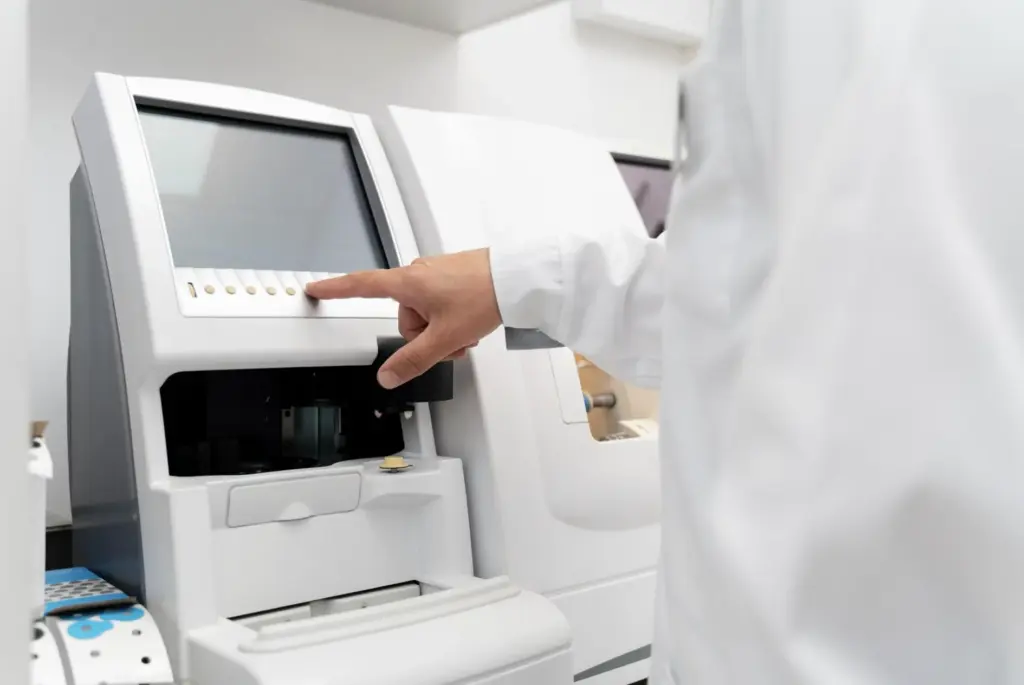
Leukemia diagnosis has changed a lot with new technologies. Now, doctors can find leukemia quickly and accurately. This is thanks to advanced methods.
Complete Blood Count Analysis
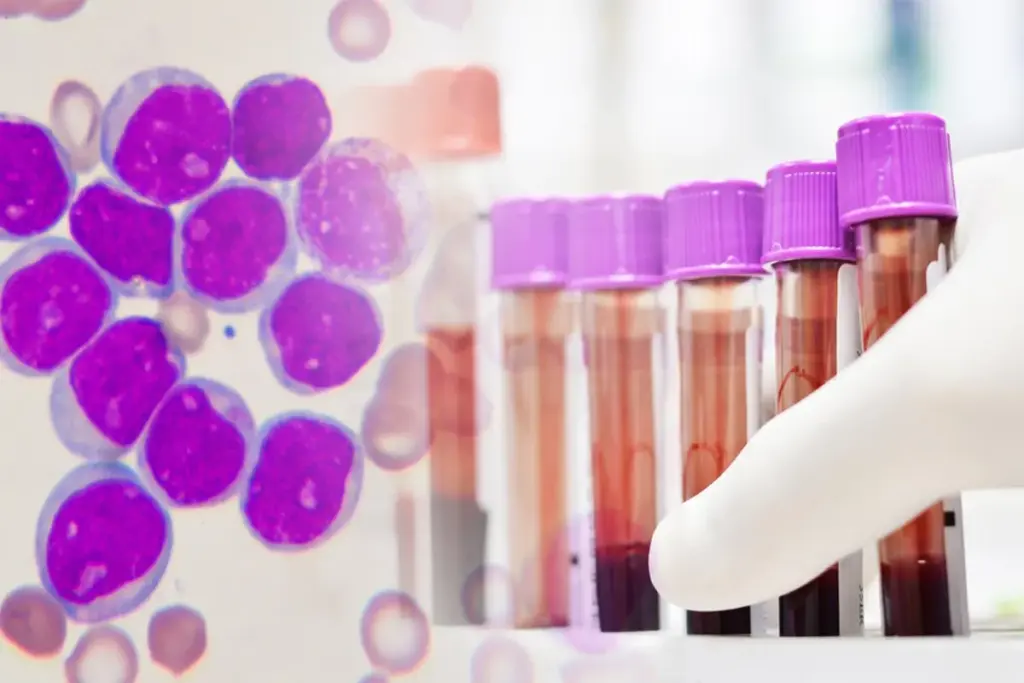
A complete blood count (CBC) is often the first test for leukemia. It checks the levels of blood cells. If these levels are off, it might mean leukemia or another blood issue.
The CBC is key because it shows if leukemia might be present. For example, too many white blood cells could mean leukemia. But, more tests are needed to be sure.
Bone Marrow Biopsy and Aspiration
Bone marrow biopsy and aspiration are key for diagnosing leukemia. They take a bone marrow sample for testing. This helps figure out the type and how serious the leukemia is.
- Bone Marrow Biopsy: This takes a small piece of bone marrow tissue. It’s looked at under a microscope for abnormal cells.
- Bone Marrow Aspiration: This takes a liquid sample of bone marrow. It’s tested to see if leukemia cells are there and what they’re like.
Advanced Diagnostic Technologies
New technologies have changed how we diagnose leukemia. Tools like flow cytometry, cytogenetics, and molecular diagnostics give detailed info on leukemia cells.
- Flow Cytometry: This method looks at the proteins on cell surfaces. It helps find specific leukemia cells.
- Cytogenetics: It checks the chromosomes of leukemia cells for genetic issues.
- Molecular Diagnostics: Tests like PCR find specific genetic changes linked to leukemia.
These new ways to diagnose leukemia have made it more accurate and fast. Doctors can now plan treatments better.
Cognitive Biases Affecting Leukemia Diagnosis
Cognitive biases greatly impact how doctors diagnose leukemia. They can cause doctors to misread symptoms and test results. This can lead to wrong or late diagnoses, affecting patient care. We will look at recent studies and ways to tackle these issues.
Findings from the 2025 Primary Care Study
The 2025 Primary Care Study showed how common cognitive biases are in leukemia diagnosis. It found that confirmation bias and anchoring bias were big problems. These biases caused many wrong diagnoses, showing the need for more training and awareness.
Limitations of Single Blood Test Interpretation
Using just one blood test for diagnosis can be tricky because of leukemia’s complexity. Leukemia can look like other diseases, making it key to look at the whole patient picture. We talk about the need for a full diagnostic approach.
Overcoming Diagnostic Anchoring
Diagnostic anchoring happens when doctors rely too much on first impressions or test results. To fight this, we suggest a multidisciplinary approach to diagnosis. This means involving experts from different fields. Also, regular training and updates on new diagnostic methods can help reduce bias effects.
Interdisciplinary Teams in Diagnostic Excellence
Diagnosing leukemia is complex and needs a team effort. Hematologists, oncologists, and other experts work together. Their collaboration is key to success.
The Role of Hematologists and Oncologists
Hematologists and oncologists are vital in fighting leukemia. Hematologists focus on blood disorders, interpreting tests and biopsies. Oncologists know about cancer treatment and help plan care for each patient.
Together, they ensure patients get the right diagnosis and treatment. Their teamwork is essential from start to finish.
Collaboration Between Medical Specialties
Diagnosing and treating leukemia involves more than just hematologists and oncologists. Specialists like radiologists and pathologists also play important roles. Radiologists look at images, and pathologists check tissue samples.
This team effort means all parts of a patient’s health are considered. It leads to better diagnoses and care plans. Working together helps avoid mistakes and improves patient results.
|
Medical Specialty |
Role in Leukemia Diagnosis |
|---|---|
|
Hematology |
Interpreting blood tests and bone marrow biopsies |
|
Oncology |
Developing cancer treatment plans |
|
Radiology |
Looking at images to see how far the disease has spread |
|
Pathology |
Checking tissue samples to confirm diagnoses |
Liv Hospital’s Interdisciplinary Approach
Liv Hospital shows the value of teamwork in fighting leukemia. They bring together experts from different fields. This ensures patients get the best care.
Liv Hospital’s approach includes:
- Regular team meetings to talk about patient cases
- Working together to create treatment plans
- Using the latest diagnostic tools
- Support and follow-up care for patients
This team effort improves accuracy and patient results. It means patients get the right help at the right time.
Patient Experiences: When Leukemia Was Misdiagnosed
Misdiagnosed leukemia is a big worry. It can cause delays in treatment and adds to the emotional stress for patients and their families. It’s key to learn from patient experiences to better diagnose and care for them.
Common Misdiagnosis Patterns
Leukemia often shows symptoms that can be mistaken for other illnesses. Here are some common mistakes:
- Thinking leukemia is a viral infection like mononucleosis or flu
- Believing it’s an autoimmune disorder, like rheumatoid arthritis
- Missing leukemia for other blood diseases, such as anemia
These errors can cause big delays in the right treatment. For example, someone might get treated for a virus when they really have leukemia.
|
Condition |
Symptoms |
Potential Misdiagnosis |
|---|---|---|
|
Leukemia |
Fatigue, weight loss, frequent infections |
Viral infections, autoimmune disorders |
|
Viral Infections (e.g., Mononucleosis) |
Fatigue, sore throat, fever |
Leukemia, other viral infections |
|
Autoimmune Disorders (e.g., Rheumatoid Arthritis) |
Joint pain, fatigue, swelling |
Leukemia, other autoimmune conditions |
Red Flags That Warrant Further Investigation
Some symptoms and signs should make doctors think of leukemia and do more tests. These include:
- Persistent fatigue and weakness
- Unexplained weight loss
- Frequent or recurrent infections
- Easy bruising or bleeding
- Swollen lymph nodes or spleen
Spotting these signs early can help get the right diagnosis and treatment faster. This can greatly improve patient outcomes.
“The experience of being misdiagnosed was incredibly frustrating. It felt like my condition was being dismissed, and I was left wondering if I would ever get the right diagnosis.”
— A leukemia patient
The Emotional Impact of Diagnostic Uncertainty
Being unsure about a diagnosis can really affect someone emotionally. Patients who are misdiagnosed often feel:
- Anxiety and fear about their health
- Frustration with the healthcare system
- Relief when they get the right diagnosis
It’s important to understand and help with these emotional effects. This way, we can give better care to those with leukemia.
By sharing patient stories and pointing out common mistakes, we can improve how we diagnose and support those with leukemia.
Quality Improvement in Leukemia Diagnosis
Improving leukemia diagnosis is an ongoing effort. It involves teaching healthcare workers and making diagnostic methods better. We aim to increase accuracy to help patients get the best care.
Continuous Education for Healthcare Providers
Healthcare providers need to keep learning about new leukemia diagnosis and treatment methods. We support regular training. This includes workshops, seminars, and online courses on leukemia diagnosis and management.
By investing in healthcare professionals’ education, we can make leukemia diagnosis more accurate. This ensures patients get the right treatment on time. It improves patient outcomes and the quality of care overall.
Up-to-Date Protocols for Leukemia Screening
It’s key to have the latest leukemia screening protocols. We suggest healthcare places update their protocols often. This keeps them in line with new scientific evidence and guidelines.
Using the latest screening methods helps avoid misdiagnosis. It ensures patients get the right care. This approach is essential for better patient outcomes.
Ethical Considerations in Diagnostic Procedures
Ethics are important in leukemia diagnosis. We must find a balance between accurate diagnosis and patient comfort. This means making sure patients know about their diagnosis and treatment options.
By focusing on ethics, we provide care that respects patients’ rights and dignity. This is key to delivering top-notch care in leukemia diagnosis and treatment.
When to Seek a Second Opinion
Getting a second opinion in leukemia diagnosis is a smart move. It helps ensure the best care. A leukemia diagnosis can be scary and make you question your treatment plan.
Warning Signs of Possible Misdiagnosis
Some signs might mean you need a second look. These include:
- Staying symptoms that don’t get better with treatment
- A diagnosis that doesn’t fit your health or symptoms
- Questions about test results or how they were interpreted
- A treatment plan that’s not working well or has bad side effects
Knowing these signs helps you take charge of your health.
Finding Specialized Care Centers
Looking for a second opinion? Find a specialized care center. These places have teams skilled in leukemia and related issues. Look for centers with:
- Dedicated hematology or oncology departments
- Advanced diagnostic tools and treatments
- Specialists for a full evaluation
Do your homework and ask about their experience with your situation.
Questions to Ask Your Healthcare Provider
Be ready with questions for your second opinion. Key ones include:
- What could be causing my symptoms, and how did you rule out other issues?
- Can you explain my test results and how they confirm my diagnosis?
- What are the risks and benefits of my treatment plan?
- Are there other treatments or clinical trials I should look into?
These questions help you understand your condition better and make informed choices.
Conclusion: Advancing the Future of Leukemia Diagnosis
To improve leukemia diagnosis, we need a mix of new technologies, teamwork, and ongoing learning. This way, we can help patients get better care and avoid wrong diagnoses.
Diagnosing leukemia is tough because it can look like other diseases. We’ve seen how infections, autoimmune issues, and poor nutrition can trick doctors. So, we must use a detailed approach to diagnose it right.
Liv Hospital shows us how to do it better. They use a team effort and keep up with the latest in screening for leukemia. This is key to getting better at diagnosing the disease.
As we keep learning and working together, we’ll make diagnosing leukemia more accurate and quick. This will lead to better treatments for patients. The future of diagnosis looks bright, with new tech and a focus on caring for patients.
FAQ
What are the common symptoms of leukemia?
Symptoms of leukemia include feeling very tired, losing weight, and getting sick often. You might also bleed or bruise easily. Other signs are fever, night sweats, and swollen lymph nodes.
How is leukemia diagnosed?
Doctors use a few methods to diagnose leukemia. They check your blood, do a bone marrow biopsy, and use advanced tests like flow cytometry and molecular testing.
What conditions can be mistaken for leukemia?
Some conditions that might look like leukemia include viral infections like Epstein-Barr virus. Also, autoimmune disorders like systemic lupus erythematosus and rheumatoid arthritis can be mistaken. Nutritional deficiencies, such as low vitamin B12 or folate, can also be confused with leukemia.
Can adults get leukemia?
Yes, adults can get leukemia. It can happen at any age, and the risk goes up as you get older.
How can cognitive biases affect leukemia diagnosis?
Biases, like diagnostic anchoring, can lead to wrong or late leukemia diagnoses. It’s key for doctors to know about these biases and work to avoid them.
What is the role of interdisciplinary teams in leukemia diagnosis?
Teams of doctors, including hematologists and oncologists, are vital in diagnosing leukemia. They work together to make sure patients get the best care.
When should I seek a second opinion for leukemia diagnosis?
If you notice warning signs like symptoms that don’t get better or if you’re unsure about your diagnosis or treatment, get a second opinion.
What are the benefits of continuous education for healthcare providers in leukemia diagnosis?
Doctors need to keep learning about new tests and treatments. This helps them give better care and avoid misdiagnoses.
Can leukemia be misdiagnosed as another condition?
Yes, leukemia can be mistaken for other conditions like viral infections or autoimmune disorders. This is because their symptoms can be similar.
How can I find a specialized care center for leukemia diagnosis and treatment?
To find a specialized care center, ask your doctor for a referral. You can also search online or contact leukemia care organizations.
What questions should I ask my healthcare provider about leukemia diagnosis and treatment?
Ask your doctor about your leukemia type, treatment options, possible side effects, and what to expect. Knowing this helps you understand your situation better.
Does leukemia show up in blood work?
Blood tests can show leukemia, but more tests like a bone marrow biopsy are needed for a sure diagnosis.
Can you have leukemia and lymphoma at the same time?
It’s rare, but yes, you can have both leukemia and lymphoma at once. This shows why getting a full check-up is important.
What is the impact of delayed diagnosis on treatment outcomes for leukemia?
Delayed diagnosis can hurt your chances of getting better. Quick diagnosis and treatment are key for the best results.
References
- GlobalRPh. (2025). Hidden First Signs of Leukemia That Doctors Often Miss in Primary Care. Retrieved from https://globalrph.com/2025/04/hidden-first-signs-of-leukemia-that-doctors-often-miss-in-primary-care/
- Xtalks. (2025). World Blood Cancer Day 2025: New Strides in Treating Leukemia, Lymphoma and Rare Blood Malignancies. Retrieved from https://xtalks.com/world-blood-cancer-day-2025-new-strides-in-treating-leukemia-lymphoma-and-rare-blood-malignancies-4260/
- Nature. (2025). Autoimmune diseases mimicking hematological malignancies. Retrieved from https://www.nature.com/articles/s41598-025-86876-1
- PubMed. (2023). Myelodysplastic syndrome mimicking aplastic anemia. Retrieved from https://pubmed.ncbi.nlm.nih.gov/37778406/