
Knowing if a tumor is benign or malignant is key to making smart health choices. At Liv Hospital, we focus on you, using a team approach for accurate diagnoses and top-notch care for all tumors.
Benign and malignant tumors act differently in the body. For example, the Centers for Disease Control and Prevention say about 264,000 women and 2,400 men get breast cancer each year. This shows why it’s vital to tell them apart.
We understand how important it is to know the difference. Our team is here to give you the best care. We offer world-class healthcare and support for international patients, ensuring you get the best treatment.
Key Takeaways
- Benign tumors are non-cancerous and usually don’t spread to other parts of the body.
- Malignant tumors are cancerous and can spread to other parts of the body.
- Getting an accurate diagnosis is key for the right treatment plan.
- Liv Hospital uses a team approach to diagnose and treat tumors.
- Knowing your tumor’s nature is essential for making informed health choices.
Understanding Tumors: Basic Concepts and Definitions
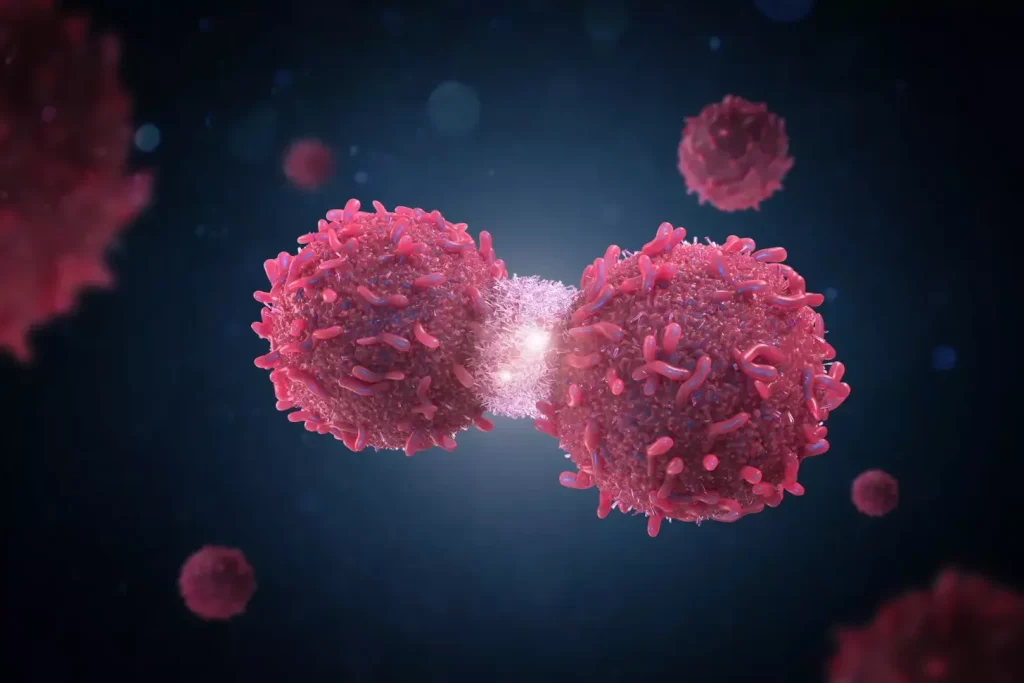
Tumors are abnormal tissue masses that can be benign or malignant. Knowing about them is key for diagnosis and treatment. We’ll look at what tumors are and how they grow in the body.
What Defines a Tumor?
A tumor is an abnormal cell growth in the body. These growths can be benign or malignant. Knowing if a tumor is benign or malignant is very important. It affects treatment options and how well you might do.
Medical experts say it’s vital to understand a tumor’s nature. This helps decide the best treatment.
Benign tumors are usually not dangerous. They don’t spread or grow into other tissues. But, malignant tumors are cancerous. They can grow into nearby tissues and spread to other parts of the body, posing a serious threat.
How Tumors Develop in the Body
Tumors start when cells grow abnormally and form a mass. This can happen due to genetic changes, environmental factors, or viruses. The growth of a tumor is a complex mix of genetics and environment.
Dr. Laura Dominici from Dana-Farber/Brigham Cancer Center stresses the need for early detection. Screenings like mammograms and ultrasounds are key. Finding tumors early can lead to better treatment and outcomes.
| Characteristics | Benign Tumors | Malignant Tumors |
|---|---|---|
| Cell Growth | Slow, controlled growth | Rapid, uncontrolled growth |
| Invasion | Do not invade surrounding tissues | Invade nearby tissues |
| Metastasis | Do not spread to other parts of the body | Can metastasize to distant sites |
The Fundamental Difference Between Cancerous and Noncancerous Tumors
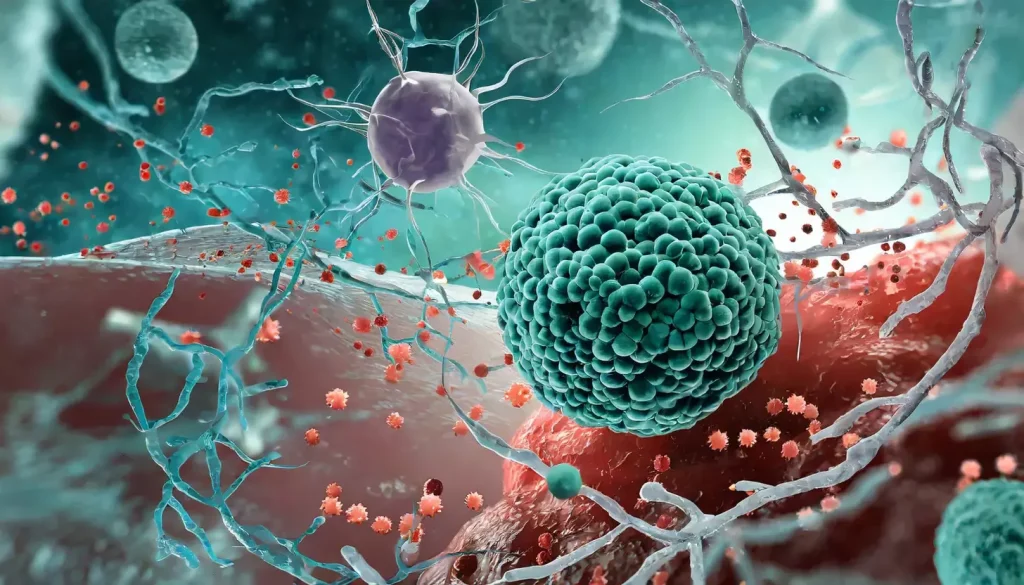
Benign and malignant tumors differ in how they behave and affect health. Knowing these differences helps doctors choose the right treatment and predict how well a patient will do.
Biological Behavior Comparison
Benign tumors don’t invade other parts of the body. They grow slowly and stay in one place, often in a fibrous capsule. On the other hand, malignant tumors are aggressive and can spread to other areas. This big difference shows how serious a tumor can be.
Dr. Jasmeet Singh, a breast medical oncologist at Memorial Sloan Kettering Westchester, says a lump in the armpit can be a sign of breast cancer. This shows how important it is to understand tumor behavior, even if symptoms seem minor.
Impact on Overall Health
Benign tumors might cause some discomfort but don’t usually threaten life. Malignant tumors, though, can cause serious problems like organ failure and death if not treated.
Having a malignant tumor can also make patients very anxious and stressed. So, getting the right diagnosis and treatment is key to managing the condition and improving life quality.
In short, the difference between cancerous and noncancerous tumors is huge. It affects treatment and how well a patient will do. By understanding these differences, doctors can tailor treatments to meet each patient’s needs.
Characteristics of Benign Tumors
Benign tumors have distinct features that set them apart from malignant ones. Knowing these traits is key for correct diagnosis and treatment.
Growth Patterns and Rates
Benign tumors grow slowly and are usually encapsulated. This means they have a fibrous capsule that keeps them separate from other tissues. This is a major difference from malignant tumors, which can spread and invade nearby tissues.
Tissue Interaction
Benign tumors don’t invade or spread to other parts of the body. But, their size or location can cause issues. They might press on nearby structures or cause pain.
Common Types of Benign Tumors
There are many types of benign tumors, including:
- Lipomas – fatty tumors
- Fibroids – tumors of the uterus
- Osteomas – benign bone tumors
- Adenomas – glandular tumors
For more details on how cancers like colon cancer start, check out LivHospital’s guide on colon cancer.
| Characteristics | Benign Tumors | Malignant Tumors |
|---|---|---|
| Growth Rate | Slow | Rapid |
| Tissue Invasion | No invasion | Invasive |
| Metastasis | No metastasis | Often metastasizes |
Understanding benign tumor characteristics helps doctors create better treatment plans. This ensures each patient gets the care they need.
Characteristics of Malignant Tumors
Malignant tumors are a serious health concern. They grow aggressively and can spread to other parts of the body. Unlike benign tumors, malignant ones are cancerous and can harm health if not treated quickly.
Aggressive Growth Patterns
Malignant tumors grow fast and can spread to nearby tissues. This fast growth is a sign of cancer. It sets them apart from benign growths.
Dr. Jasmeet Singh says it’s key to watch for signs like cracked and inflamed nipples. These could mean breast cancer. Finding cancer early is vital for treatment.
Invasion of Surrounding Tissues
Malignant tumors can invade nearby tissues. This can harm normal tissue function. It can cause health problems, depending on where the tumor is.
“The ability of malignant tumors to invade surrounding tissues and metastasize to distant sites makes them a significant threat to health.”
Metastasis: How Cancer Spreads
Metastasis is when cancer cells move to other parts of the body. This complex process involves several steps. These include invasion, intravasation, circulation, extravasation, and colonization.
Understanding metastasis is key for treating cancer. Tumors that have spread need a full treatment plan. This includes surgery, chemotherapy, and radiation therapy.
The traits of malignant tumors show why early detection and treatment are so important. Knowing these traits helps doctors create better treatments. This can improve patient outcomes.
Visual and Structural Differences
Visual and structural differences are key in telling benign from malignant tumors. These differences help doctors diagnose and plan treatments.
Shape and Appearance
Benign tumors look more regular and smooth. Malignant tumors, on the other hand, are irregular and may have ulcers. Dr. Laura Dominici says changes in skin, like dimpling, can hint at cancer.
Cellular Structure Under Microscope
Looking at cells under a microscope shows big differences. Benign tumors have cells that look normal and are organized. Malignant tumors have abnormal cells and are disorganized, with more cell division.
Border Characteristics
The way a tumor’s border looks is also telling. Benign tumors have clear borders. Malignant tumors spread into nearby tissues.
| Characteristics | Benign Tumors | Malignant Tumors |
|---|---|---|
| Shape and Appearance | Regular shape, smooth surface | Irregular shape, possible ulceration |
| Cellular Structure | Resemble normal cells, organized | Cellular atypia, disorganized |
| Border Characteristics | Well-defined border | Infiltrative borders |
Knowing these differences is vital for doctors to correctly diagnose and treat tumors. By looking at these features, we can tell if a tumor is benign or malignant. This helps guide the right treatment.
Diagnostic Approaches to Differentiate Between Benign and Malignant Tumors
To tell the difference between benign and malignant tumors, doctors use several methods. Getting the right diagnosis is key. It helps decide the best treatment and eases patient worries.
Dr. Laura Dominici stresses the value of regular mammograms and ultrasounds. These tools are essential for finding and figuring out tumors early.
Imaging Techniques
Imaging is a big part of diagnosing tumors. Here are some common ways:
- Mammography: Key for finding breast tumors.
- Ultrasound: Helps tell if a tumor is solid or filled with fluid.
- MRI (Magnetic Resonance Imaging): Gives detailed views of tumors and nearby tissues.
- CT Scans (Computed Tomography): Shows how far a tumor has spread.
Biopsy Procedures
Biopsies involve looking at tissue samples to figure out a tumor’s type. There are a few types:
- Fine-needle aspiration biopsy: Uses a thin needle to get cell samples.
- Core needle biopsy: Takes a bigger tissue sample for closer look.
- Surgical biopsy: Removes part or all of the tumor for study.
Biopsy results are key in telling if a tumor is benign or malignant. They help doctors make treatment plans.
Laboratory Tests
Lab tests are done on biopsy samples to learn more about the tumor. These include:
- Histopathological examination: Looks at tissue structure for abnormal cells.
- Immunohistochemistry: Tests for specific proteins to find tumor markers.
- Genetic testing: Finds genetic mutations linked to cancer.
By using imaging, biopsies, and lab tests together, doctors get a full picture of a tumor. This helps them create a good treatment plan.
Genetic Factors in Tumor Development
Recent studies show how important genetics are in tumor growth and spread. The difference between benign and malignant tumors isn’t just about how they grow. It also depends on the genetic changes that control their behavior.
Genetic mutations change the DNA of cells, leading to uncontrolled growth and tumors. These changes can be passed down from parents or happen due to the environment or DNA errors.
Mutation Patterns in Benign Tumors
Benign tumors have fewer and simpler genetic changes than malignant ones. Research shows that benign tumors often have mutations in genes that control cell growth. For example, the HMGA2 gene is linked to some benign tumors.
A study in a top medical journal found that benign tumors have a stable genome with few mutations. This matches their non-aggressive nature.
“The genetic landscape of benign tumors is characterized by a relatively low mutational burden, which distinguishes them from malignant tumors.”
Mutation Patterns in Malignant Tumors
Malignant tumors, in contrast, have many mutations and unstable genomes. They often have mutations in genes that control cell cycles, DNA repair, and cell death. For example, the TP53 gene, a tumor suppressor, is often mutated in cancers.
| Gene | Function | Mutation Frequency in Malignant Tumors |
|---|---|---|
| TP53 | Tumor suppressor | High |
| KRAS | Oncogene | Moderate to High |
| BRCA1/2 | DNA repair | Moderate |
Recent Research Findings
Recent research has greatly improved our understanding of tumor genetics. Next-generation sequencing has allowed for precise mapping of tumor mutations.
One key discovery is that specific genetic patterns can predict tumor behavior. For example, many mutations in oncogenes and tumor suppressor genes point to malignant tumors.
As we learn more about tumor genetics, we’re getting closer to better cancer treatments. Knowing the genetic differences between benign and malignant tumors is key for better diagnosis and treatment.
Treatment Approaches for Benign Tumors
Managing benign tumors needs a careful look at when and how to act. At Liv Hospital, we use the latest research to help both benign and malignant tumors.
When Treatment Is Necessary
Not every benign tumor needs treatment. We decide based on size, location, and how it affects the patient’s life. Symptomatic tumors that cause pain or discomfort usually need help. Also, tumors growing fast or at risk of becoming cancerous might need early treatment.
Common Treatment Methods
There are many ways to treat benign tumors. Surgical removal is often used for big or risky tumors. Other options include medication to ease symptoms or shrink the tumor. Sometimes, minimally invasive procedures like cryotherapy or radiofrequency ablation are used.
- Surgical excision for definitive removal
- Watchful waiting for asymptomatic, small tumors
- Medication to manage symptoms or reduce tumor size
- Minimally invasive techniques for specific tumor types
Recovery and Follow-up
Recovering from benign tumor treatment is usually easy, with few problems. But, follow-up care is key to watch for any signs of trouble. We focus on full care, including watching after treatment, to help our patients the most.
In short, treating benign tumors needs a plan made just for each case. By using a detailed and careful approach, we can handle benign tumors well and help our patients.
Treatment Approaches for Malignant Tumors
Dealing with malignant tumors needs a plan that fits the tumor’s type, stage, and the patient’s health. Dr. Jasmeet Singh said that late-stage breast cancer can cause weight loss, shortness of breath, and pain. This shows why early and effective treatments are so important.
Comprehensive Cancer Treatment Strategies
A good cancer treatment plan involves a team of experts. This team includes oncologists, surgeons, and radiologists. Personalized medicine is key, tailoring treatment to the tumor’s and patient’s genetic makeup.
We’ll look at different treatments like surgery, chemotherapy, and radiation. We’ll also cover new treatments to give a full picture of options for malignant tumors.
Surgical Interventions
Surgery is often the first step for many malignant tumors, if the cancer is in one place. Surgical oncology aims to remove the tumor and nearby tissue to get rid of all cancer cells.
- Tumor resection
- Lymph node dissection
- Reconstructive surgery
Chemotherapy and Radiation
Chemotherapy and radiation are used to fight malignant tumors, alone or with surgery. Chemotherapy uses drugs to kill cancer cells. Radiation therapy uses rays to target and destroy cancer cells.
| Treatment Modality | Description | Common Uses |
|---|---|---|
| Chemotherapy | Use of drugs to kill cancer cells | Various cancers, including breast, lung, and colon cancer |
| Radiation Therapy | Use of high-energy rays to destroy cancer cells | Localized tumors, including prostate and brain cancer |
Emerging Treatments
New treatments like immunotherapy and targeted therapy offer hope for malignant tumor patients. Immunotherapy uses the immune system to fight cancer. Targeted therapy uses drugs that target cancer cells, sparing healthy cells.
There are big advances in treating malignant tumors, thanks to ongoing research and trials. The right treatment depends on many factors, like the cancer type and stage, and the patient’s health and wishes.
Recurrence Risk and Long-term Prognosis
It’s important for patients to know about the risk of their tumors coming back. This is true for both benign and malignant tumors. The type of tumor affects how likely it is to come back and how it will affect your health in the long run.
Recurrence Patterns in Benign Tumors
Benign tumors usually don’t come back as often as malignant ones. But, it’s not impossible. Things like where the tumor is, how big it is, and if it was all removed matter. For example, tumors like lipomas or uterine fibroids might come back if not all of it is taken out.
Dr. Laura Dominici points out that many conditions are not cancer. This makes getting the right diagnosis very important. People with benign tumors need to keep up with follow-up appointments to watch for any signs of coming back.
Recurrence Patterns in Malignant Tumors
Malignant tumors, being cancer, are more likely to come back. This can happen at the same place or somewhere else in the body. Doctors use treatments like surgery, chemo, and radiation to try to stop this from happening.
A study on miR-208a and cancer recurrence shows how complex this issue is. Knowing these details helps doctors come up with better treatment plans.
Factors Affecting Prognosis
The outlook for patients with tumors depends on several things. These include the tumor itself, how well treatment works, and the patient’s health. For cancer, finding and treating it early makes a big difference.
For both kinds of tumors, it’s key to have a good follow-up plan. This might include regular doctor visits, tests, and other checks to watch for any signs of coming back.
In short, while benign tumors are usually better off than malignant ones, it’s important to understand the risks and long-term effects. By teaming up with healthcare providers, patients can make a plan to stay on top of their health and get the best results.
Conclusion: Understanding the Importance of Early and Accurate Diagnosis
Knowing the difference between cancerous and noncancerous tumors is key for good treatment and better health. Benign vs malignant tumors have different challenges and risks. So, getting an accurate diagnosis is very important.
Dr. Jasmeet Singh says it’s important to tell your healthcare team about any health changes. At Liv Hospital, we aim to give top-notch healthcare with full support for international patients. We make sure patients get the best care possible.
Getting a diagnosis early and right is critical to know if a tumor is malignant or benign. This info greatly affects how we treat you and your chances of getting better. With the latest diagnostic tools and care tailored just for you, we aim to improve your health and life quality.