


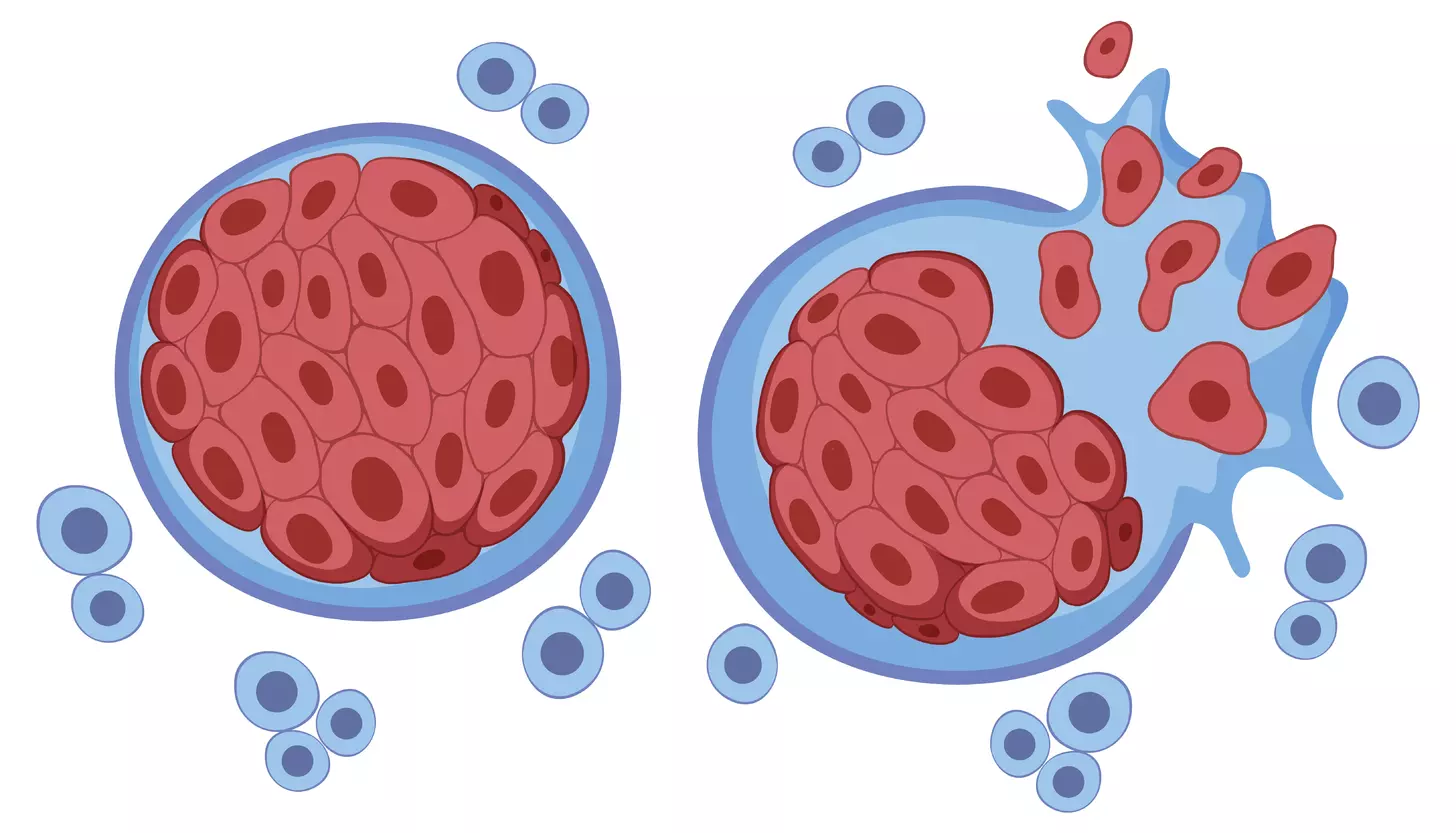
Discovering a lump or abnormal growth in the body can be alarming. Is it a harmless growth or a more serious malignant tumor? Knowing the difference is key for the right diagnosis and treatment. At Liv Hospital, we use the latest diagnostics and focus on the patient to tell these two apart.
A benign mass is a non-cancerous growth that doesn’t harm nearby tissues or spread. On the other hand, a malignant tumor is cancerous and can harm nearby tissues and spread. The National Cancer Institute says tumors can be either benign or malignant. To learn more about how doctors diagnose these conditions, visit our page on whether a doctor can tell if a tumor is cancerous by looking at.
Key Takeaways
- Benign masses are non-cancerous and do not spread.
- Malignant tumors are cancerous and can invade other tissues.
- Proper diagnosis is key for effective treatment.
- Liv Hospital offers advanced diagnostics and patient-centered care.
- Understanding the difference between benign and malignant growths is key to peace of mind.
Understanding Cellular Growth and Abnormalities
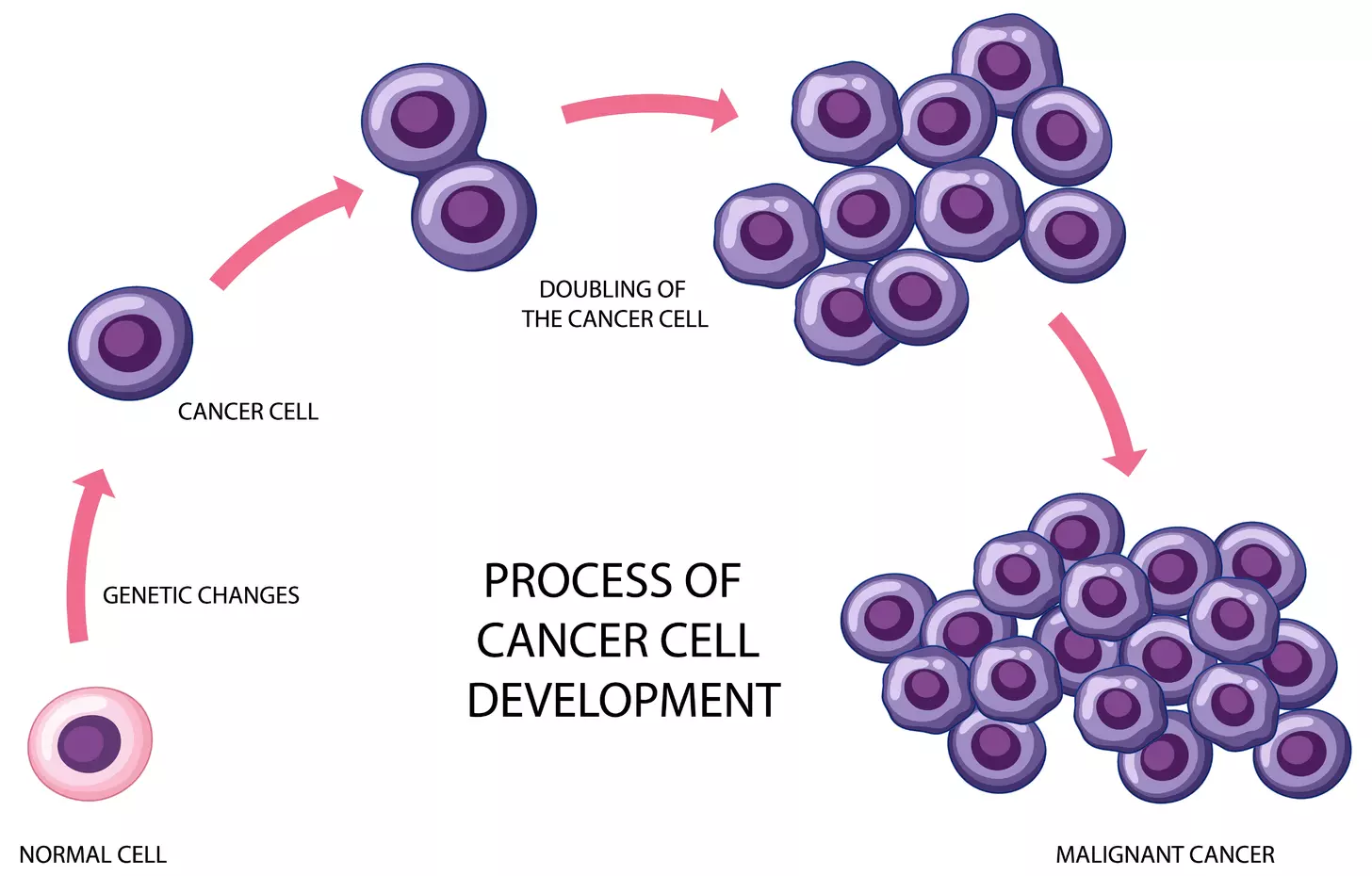
It’s key to know how cells grow and divide to understand the difference between benign and malignant tumors. Cells grow and divide to make new cells as needed. This process is controlled by complex mechanisms to ensure proper tissue development and maintenance.
“The body’s ability to regulate cell growth is a remarkable process, and when it goes awry, it can lead to various health issues,” including the formation of masses and tumors. Abnormal cell proliferation happens when this regulation fails, causing unchecked cell growth.
Normal Cell Growth vs. Abnormal Cell Proliferation
Normal cell growth is a tightly regulated process where cells grow, divide, and die in an orderly fashion. This is vital for development, repair, and maintenance of body tissues. In contrast, abnormal cell proliferation is when cells grow and divide without control, leading to masses or tumors.
According to the National Cancer Institute, cells usually die and are replaced by new ones when they get old or damaged. But sometimes, this process fails, causing abnormal cell growth. This can happen due to genetic mutations or environmental factors that disrupt normal cell regulation.
How Masses and Tumors Form in the Body
Masses and tumors form when abnormal cells grow out of control. A benign tumor is a mass of cells that grows abnormally but stays in one place and doesn’t spread. A malignant tumor, on the other hand, can spread to other parts of the body. For more on how cancer starts, check out Liv Hospital’s guide on colon cancer.
The formation of masses and tumors comes from genetic and environmental factors. Knowing these causes is key for finding effective treatments and management strategies. As we dive deeper, the difference between benign and malignant growths becomes clearer, showing why accurate diagnosis and treatment are so important.
Defining a Benign Mass: Characteristics and Types
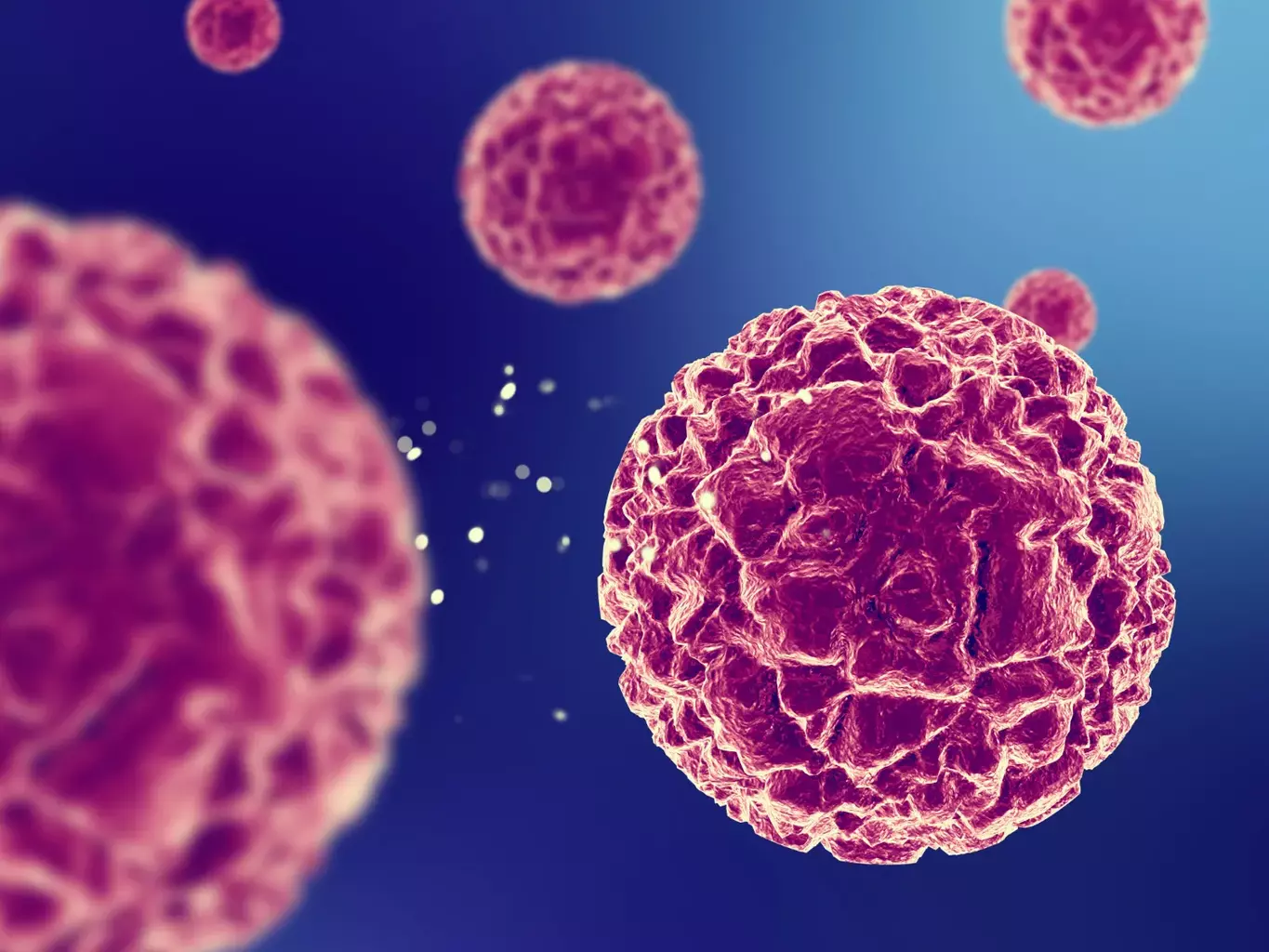
A benign mass is a non-cancerous growth. It doesn’t invade nearby tissues or spread to other parts of the body. These growths can appear anywhere in the body. They grow slowly and have clear edges.
Key Features of Benign Masses
Benign masses have some key traits. They are:
- Non-invasive: They don’t invade nearby tissues or organs.
- Well-defined: They have clear edges that set them apart from the surrounding tissue.
- Slow-growing: They grow slowly over time.
- Non-metastasizing: They don’t spread to other parts of the body.
Common Types of Benign Masses
There are several common types of benign masses. These include:
- Adenomas: These are benign tumors that arise from glandular tissue.
- Fibromas: These are benign tumors made up of fibrous or connective tissue.
- Lipomas: These are benign tumors made of fat tissue.
- Osteomas: These are benign bone tumors.
Where Benign Masses Typically Develop
Benign masses can appear in different parts of the body. For example:
- Adenomas often occur in glandular tissues like the thyroid or adrenal glands.
- Fibromas can appear in various connective tissues throughout the body.
- Lipomas are commonly found under the skin.
- Osteomas typically occur in bones.
Knowing where benign masses usually develop can aid in their identification and diagnosis.
Malignant Tumors Explained: The Nature of Cancer
It’s key to know about malignant tumors to understand cancer and its effects on our bodies. These tumors grow out of control, invade nearby tissues, and can spread to other parts of the body. They do this through the bloodstream or lymphatic system.
Defining Characteristics
Malignant tumors stand out because of their fast growth and ability to spread. Here are some key traits:
- Rapid and Uncontrolled Growth: They grow faster and without control compared to benign tumors.
- Invasiveness: They can invade nearby tissues and organs, causing harm and disrupting normal functions.
- Metastasis: They can spread cancer cells to other parts of the body, leading to secondary tumors.
- Genetic Changes: These tumors have big genetic changes, which makes them aggressive.
The Process of Malignant Transformation
The change from normal cells to cancerous ones involves genetic and epigenetic changes. This transformation can be caused by:
- Genetic Mutations: Changes in genes can make cells more likely to become cancerous.
- Environmental Factors: Exposure to harmful substances like tobacco smoke and radiation can damage DNA and start cancer.
- Viral Infections: Viruses like HPV can change host DNA and lead to cancer.
Relationship Between Malignancy and Cancer
Malignancy is a key feature of cancer. Knowing this helps us understand cancer better and find ways to treat it. Cancer is a disease where cells grow and spread without control. “Malignant” and “cancerous” describe tumors that can invade and spread.
Understanding malignant tumors helps us see why treating cancer is so hard. It also shows why finding cancer early and treating it quickly is so important.
Side-by-Side Comparison: Benign vs. Malignant
Understanding the difference between benign and malignant tumors is key to managing them. We’ll dive into these differences, looking at their unique traits and how they affect patient care.
Growth Patterns and Cellular Structure
Benign tumors grow slowly and have clear edges. Malignant tumors grow fast and have irregular edges. Benign tumors look like normal cells, while malignant ones don’t.
Benign tumors are easy to remove because they’re encapsulated. Malignant tumors are harder to remove because they invade nearby tissues.
Invasiveness and Metastatic Potentia
Benign tumors don’t spread or invade tissues. Malignant tumors can spread and invade nearby tissues and distant sites.
This spreading ability is a key feature of cancer. It makes treatment harder. Malignant tumors can spread through the blood or lymphatic system, creating new tumors.
Recurrence Rates After Treatment
Benign tumors rarely come back after removal. Malignant tumors have a higher chance of coming back because they can invade tissues and leave behind tiny cancer cells.
To lower the chance of recurrence, malignant tumors are often treated with surgery, chemotherapy, and radiation.
Impact on Overall Health and Prognosis
Benign tumors usually don’t harm overall health unless they’re big or in a bad spot. Malignant tumors can harm health by invading vital organs and causing serious symptoms.
Patients with benign tumors usually do well after treatment. But, the outlook for malignant tumors depends on the tumor type, stage, and how well it responds to treatment.
Diagnostic Approaches for Masses and Tumors
To figure out if a mass or tumor is benign or malignant, doctors use many methods. Accurate diagnosis is key for effective treatment and the best outcomes for patients.
Imaging Techniques
Imaging is essential in diagnosing masses and tumors. Ultrasound, CT, MRI, and PET scans help see the size, location, and type of growths. Each method has its own strengths.
Ultrasound is good for first checks because it’s non-invasive. CT scans are great for organs like the lungs and liver. MRI is best for soft tissues like the brain and spine. PET scans show how active tumors are, helping find cancer spread.
The right imaging depends on the mass’s location and type, and the patient’s health. Mixing info from different scans gives a full picture of the condition.
Biopsy Methods
Imaging gives clues, but biopsy methods are needed for a clear diagnosis. A biopsy takes tissue for microscopic examination. There are fine-needle, core needle, and surgical biopsies.
The choice of biopsy depends on the mass’s location and size, and the patient’s health. Biopsy results tell if a growth is benign or malignant. They also help identify cancer types for the right treatment.
Laboratory Tests and Biomarkers
Laboratory tests are also key in diagnosing masses and tumors. Blood tests look for tumor markers. Biomarkers are molecules that show disease presence or progression.
Biomarkers help diagnose cancer, track treatment, and spot recurrence. Tests and biomarkers add to imaging and biopsy data. They help doctors tailor care to each patient’s needs.
Common Symptoms of Benign Mass Development
It’s important to know the symptoms of benign masses early. These non-cancerous growths can affect your life. Their symptoms depend on the mass’s size and where it is in your body.
Physical Signs to Watch For
A common sign is a painless lump under the skin. You might feel it yourself or a doctor will find it. The lump’s size, shape, and how it moves can tell you a lot. For example, a soft, movable lump under the skin is usually a benign lipoma.
Visible growths or changes in shape can also be signs. For example, a benign tumor in the breast might make the breast look different.
Pain and Discomfort Patterns
Some benign masses don’t hurt, but others can be painful. The pain can be constant or only when touched. For example, a tumor near a nerve might cause sharp pains, while an abdominal mass might feel like a dull ache.
Pain isn’t always a clear sign of a mass’s severity. Some big masses don’t hurt much, while others might be painful early on.
When Benign Masses Become Problematic
Large masses can be uncomfortable or painful by pressing on nearby tissues. They might also affect how you look or how things work nearby. For example, a big benign thyroid nodule can make swallowing or breathing hard if it presses on the esophagus or trachea.
Location can also make a mass problematic. Even if it’s not cancerous, a brain tumor can cause serious symptoms because of the pressure it puts on brain tissue.
| Symptom | Description | Possible Causes |
|---|---|---|
| Painless Lump | A lump or swelling under the skin that is not painful | Benign tumors like lipomas or cysts |
| Visible Growth or Deformity | Noticeable changes in the shape or size of a body part | Benign masses in visible or palpable areas |
| Pain or Discomfort | Pain or discomfort, specially when the mass presses on nerves or organs | Pressure on surrounding tissues or nerves |
For more info on benign masses and how to manage them, check out Healthline’s resource on benign conditions. Knowing the symptoms and what benign masses are like is key to managing them well and improving health outcomes.
Warning Signs and Symptoms of Malignant Tumors
It’s important to know the warning signs of malignant tumors. This helps in early detection and treatment. We need to watch for signs that could mean cancer is present.
Early Detection Indicators
Look out for unusual bleeding or bruising, changes in bowel habits, and persistent pain. These signs can mean a tumor is present early on.
Systemic Symptoms of Malignancy
Feeling tired, losing weight, or having a fever can also be signs. These symptoms happen when cancer spreads or affects the body’s health.
Recognizing Changes That Warrant Immediate Medical Attention
If you notice any unusual or lasting symptoms, get medical help right away. It’s key to report any body changes to your doctor.
What is the main difference between a benign mass and a malignant tumor?
Benign masses are non-cancerous and don’t spread. They don’t invade nearby tissues. On the other hand, malignant tumors are cancerous. They grow fast, invade tissues, and spread to other parts of the body.
Are all malignant tumors cancerous?
Yes, all malignant tumors are cancerous. They grow quickly, invade tissues, and can spread to other parts of the body.
Can benign tumors become malignant?
Yes, benign tumors can turn malignant, but it’s rare. It’s important to watch them closely for any changes.
What are the common types of benign masses?
Common benign masses include adenomas, fibromas, and lipomas. They can appear in places like the breast, thyroid, and soft tissues.
How are benign and malignant tumors diagnosed?
Doctors use imaging like ultrasound, CT, MRI, and PET scans. They also do biopsies and lab tests to figure out the tumor’s nature.
What are the symptoms of a benign mass?
Symptoms can be a lump you can feel, pain, or discomfort. They depend on the mass’s size and where it is.
Can a benign mass cause pain or discomfort?
Yes, a benign mass can cause pain or discomfort. This happens if it grows big enough to press on nearby tissues or nerves.
What is the treatment for benign masses?
Treatment for benign masses usually means watching them. Sometimes, surgery is needed if they cause symptoms or are a concern.
How do malignant tumors affect overall health?
Malignant tumors can harm your health by invading vital organs. They can cause systemic symptoms and lead to metastasis. This makes treatment harder and affects your chances of recovery.
What is the significance of understanding the difference between benign and malignant tumors?
Knowing the difference is key for the right diagnosis and treatment. It helps decide the best care and what to expect.


