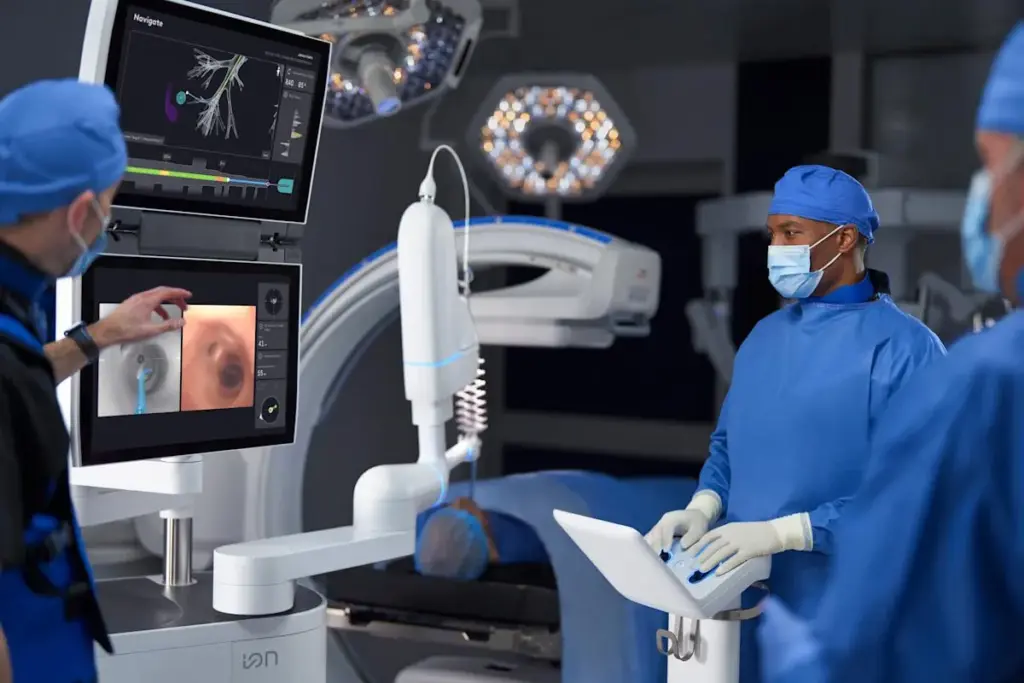
Robotic prostate surgery has changed how we treat prostate problems. It’s a less invasive method that helps men recover faster. Every year, many men choose this surgery to solve their prostate issues.
When we talk about robotic surgery for prostate issues, a big question comes up. Does insurance cover this advanced surgery? We’ll look into the insurance side of robotic prostate removal surgery. This will help those trying to understand their healthcare options.
Key Takeaways
- Overview of robotic prostate surgery and its benefits
- Understanding insurance coverage for robotic prostate surgery
- Factors influencing insurance coverage for prostate removal surgery
- Steps to take before undergoing robotic prostate surgery
- How to navigate insurance claims for robotic prostate surgery
Understanding Robotic Prostate Surgery
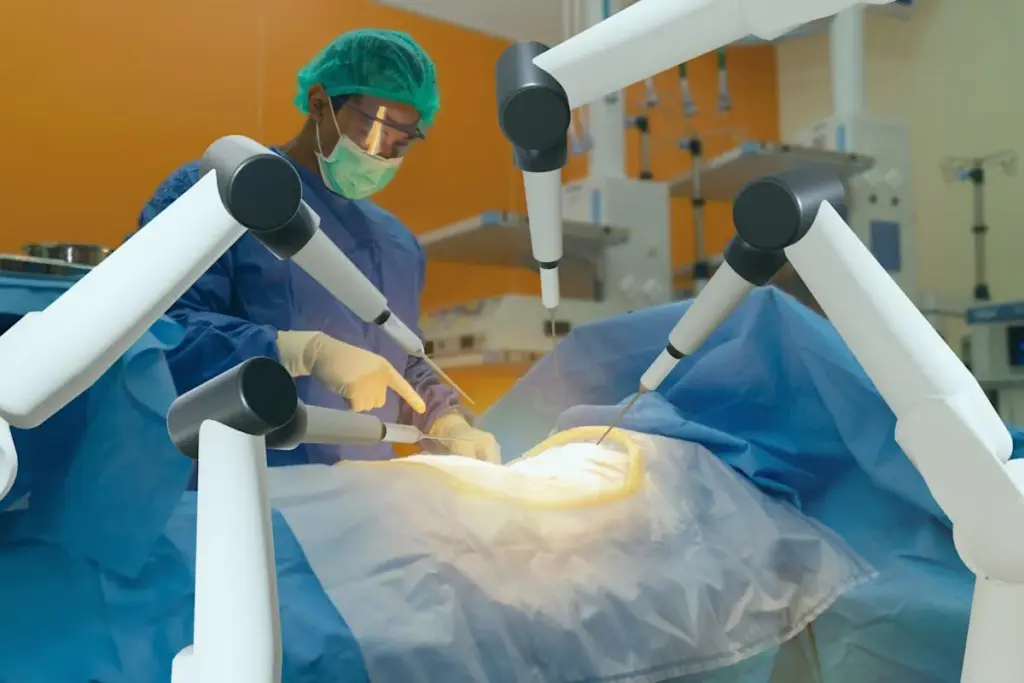
Robotic prostatectomy is a modern surgery that uses robots to remove the prostate gland. It’s mainly for treating prostate cancer.
What is Robotic Prostatectomy?
Robotic prostatectomy is a new way to do surgery. It lets surgeons work more precisely and move freely than old methods. The robot gives a clear, 3D view of the area, helping get the prostate out more accurately.
The surgery starts with small cuts in the belly. Then, the robot’s arms and a camera go in. The surgeon uses controls to move the tools. This way, there’s less blood loss, less pain, and quicker healing for patients.
Benefits of Robotic-Assisted Surgery
Robotic surgery has many benefits over traditional methods. Some key ones are:
- It’s more precise and dexterous, making complex surgeries easier
- It uses smaller cuts, leading to less pain and smaller scars
- It causes less blood loss, cutting down on the need for blood transfusions
- Patients can leave the hospital sooner and get back to life faster
- It helps remove cancer more effectively, improving treatment results
A report by Polaris Market Research shows the BPH surgical treatment market is growing fast. This growth is thanks to better, less invasive urology. Robotic prostatectomy is leading this change, providing a top-notch treatment for prostate cancer.
The Complete Guide to Prostate Removal

Prostate removal, or prostatectomy, is a big surgery that has improved with new medical tech. It’s key to know the different ways and methods used in this surgery.
Different Types of Prostatectomy
There are many prostatectomy procedures, each with its own reasons and benefits. The main types are:
- Radical Prostatectomy: This is when the whole prostate gland is taken out, usually for prostate cancer.
- Simple Prostatectomy: This removes only the part of the prostate that blocks urine, often for BPH.
- Nerve-Sparing Prostatectomy: A type of radical prostatectomy that tries to keep the nerves around the prostate. This is important for keeping erectile function and controlling urine.
Why Robotic Surgery Has Become the Preferred Method
Robotic-assisted surgery has changed prostatectomy a lot. It uses AI and robotic tech to make surgery more precise, cut down recovery time, and lower risks. Levita Magnetics shows how AI in robotic surgery has made surgery better.
The good things about robotic surgery are:
- Enhanced Precision: Robotic systems give surgeons clear 3D views and exact control over tools.
- Reduced Blood Loss: Robotic surgery’s precision often means less bleeding during the surgery.
- Faster Recovery: Robotic surgery is usually less invasive, leading to shorter hospital stays and quicker healing.
When Is Prostate Removal Necessary?
Understanding when prostate removal is necessary involves looking at health issues that lead to surgery. Prostatectomy, or prostate removal, is considered when certain medical conditions affect the prostate gland. These conditions can impact a patient’s quality of life.
Medical Conditions Requiring Prostatectomy
Several medical conditions may necessitate prostate removal. These include:
- Prostate Cancer: Prostatectomy is a common treatment for localized prostate cancer, aiming to remove the cancerous cells.
- Benign Prostatic Hyperplasia (BPH): In cases where BPH symptoms are severe and not relieved by medication, surgical intervention like prostatectomy may be recommended.
- Prostatitis: Chronic prostatitis that doesn’t respond to other treatments might require surgical removal of the prostate.
The Polaris Market Research report highlights the growing elderly male population. It also points out the increasing need for effective BPH treatment. This shows the relevance of prostatectomy in addressing these conditions.
Diagnostic Process Before Surgery Recommendation
Before recommending prostate removal, a thorough diagnostic process is undertaken. This typically involves:
- Medical History and Physical Examination: Assessing the patient’s overall health and specific symptoms.
- Prostate-Specific Antigen (PSA) Test: Measuring the level of PSA in the blood to identify possible prostate issues.
- Biopsy: Examining tissue samples from the prostate to diagnose cancer or other conditions.
- Imaging Tests: Using MRI or CT scans to evaluate the prostate and surrounding areas.
These diagnostic steps help determine the necessity of prostatectomy. They ensure that the chosen treatment is appropriate for the patient’s specific condition.
How Insurance Coverage Works for Surgical Procedures
Understanding insurance for surgical procedures is key. Knowing the terms and factors that affect coverage is important. This is true for surgeries like robotic prostate surgery.
Basic Insurance Terminology You Need to Know
Getting to know basic insurance terms is essential. You should know about deductible, copayment, coinsurance, and out-of-pocket maximum. A deductible is what you pay before insurance starts. A copayment is a fixed cost for a service. Coinsurance is a percentage of costs after your deductible.
Factors Affecting Surgical Coverage Decisions
Many things affect insurance decisions for surgeries. The type of insurance plan you have matters. So does if the surgery is medically necessary and if the doctor and hospital are in-network.
Insurance companies might need you to get approval for some surgeries. Your policy will tell you what’s covered and how much you’ll pay.
Insurance coverage can change a lot between providers and policies. Some might cover robotic prostate surgery fully, while others might not. Knowing your policy well helps you plan your finances better.
Private Insurance Coverage for Robotic Prostatectomy
It’s key to know about private insurance for those thinking about robotic prostatectomy. This advanced surgery is often covered by many insurance plans. But, how much they cover can really differ.
Major Insurance Providers’ Policies
Big insurance companies have their own rules for robotic prostatectomy. For example:
Patients should check their insurance details or talk to their provider to know what’s covered.
Typical Coverage Limitations and Exclusions
Even though many plans cover robotic prostatectomy, there are some limits and exclusions:
- Network restrictions: You might need to use doctors and places in your network for full coverage.
- Pre-authorization requirements: Some plans ask for approval before you can have the surgery.
- Cosmetic or experimental aspects: If parts of the surgery are for looks or new, they might not be covered.
Understanding these limitations can assist patients in navigating their insurance more effectively and help prevent unexpected medical bills.
The Cost of Robotic Prostate Removal Without Insurance
The cost of robotic prostatectomy varies a lot in the United States. This is because of several factors. These include the location of the medical facility, the surgeon’s fees, and the costs of the robotic technology.
Average Procedure Costs
The average cost of robotic prostate removal surgery in the United States is between $8,000 and $15,000. But, actual costs can be different. This depends on the specifics of the procedure and the patient’s condition.
We have made a table to show the average costs of robotic prostatectomy in different parts of the United States:
|
Region |
Average Cost |
Lowest Cost |
Highest Cost |
|---|---|---|---|
|
Northeast |
$12,000 |
$9,000 |
$18,000 |
|
South |
$10,000 |
$7,000 |
$14,000 |
|
Midwest |
$11,000 |
$8,500 |
$16,000 |
|
West |
$13,000 |
$10,000 |
$19,000 |
Hospital Fees and Additional Expenses
Hospital charges can also affect the total cost of robotic prostate removal. These charges include the operating room, hospital stay, nursing care, and more.
Other costs may include:
- Pre-surgical testing and consultations
- Post-operative care and follow-up appointments
- Medications and supplies
- Rehabilitation or physical therapy
It’s important for patients to talk to their healthcare provider about these costs. This way, they can understand the total expense involved.
Knowing all the costs of robotic prostate removal helps patients make better decisions. While the costs are high, the benefits of the procedure can be worth it. These benefits include fewer complications and a quicker recovery for many patients.
Pre-Authorization Requirements for Prostate Surgery
Knowing what’s needed for prostate surgery pre-authorization can make things easier. Insurance companies usually need to okay the costs of robotic prostatectomy before they pay for it.
Documentation Needed from Your Doctor
Your doctor must send certain documents to your insurance. This includes:
- Medical diagnosis: A clear statement of your prostate condition, supported by diagnostic test results.
- Medical necessity: An explanation of why robotic prostate surgery is medically necessary for your condition.
- Treatment plan: A detailed outline of your treatment plan, including the surgical procedure and follow-up care.
It’s essential to ensure that all documentation is thorough and submitted in a timely manner to avoid delays in the pre-authorization process.
Timeline for Insurance Approval Process
The time it takes for insurance approval can vary. It depends on the insurance company and how complex your case is. It can take anywhere from a few days to several weeks.
Here’s what you can expect:
- Submission of pre-authorization request: 1-3 days
- Review by insurance company: 7-14 days
- Potential additional information requests: 3-7 days
- Final decision: 1-3 days
It’s important to keep in touch with your insurance provider to make sure your request is handled quickly.
By understanding what’s needed and working with your healthcare provider, you can get through this process better. This way, you can make sure you get the coverage you need for your prostate surgery.
Common Reasons for Insurance Denial of Robotic Prostatectomy
It’s important to know why insurance might not cover robotic prostatectomy. This is key for both patients and doctors. Denial can really set back those who need this surgery.
Medical Necessity Issues
Insurance often denies robotic prostatectomy due to medical necessity. They check if the surgery is needed, not just wanted. They look at the patient’s health records and what the doctor says.
What affects medical necessity includes:
- The stage and severity of prostate cancer
- The patient’s overall health and medical history
- Other health issues that might change surgery or recovery
|
Medical Necessity Criteria |
Insurance Company Requirements |
|---|---|
|
Prostate Cancer Stage |
Advanced stages (e.g., T3 or T4) |
|
Patient’s Health Status |
Presence of comorbidities that may impact surgery |
|
Previous Treatments |
Failure of other treatments (e.g., radiation therapy) |
Network and Provider Restrictions
Insurance denial also happens due to network and provider rules. Insurance has a list of approved doctors and hospitals. If you see someone not on this list, you might face denial.
Important things to know about network and provider rules include:
- Make sure your surgeon and hospital are in-network
- Check if you need a referral from your primary doctor
- Know the rules about seeing out-of-network doctors
Knowing these details helps patients and doctors deal with insurance issues. It can lower the chance of denial and make sure patients get the care they need.
How to Appeal an Insurance Denial for Prostatectomy
If your insurance denies coverage for robotic prostatectomy, you can appeal. We know it’s tough to deal with insurance denials. But we’re here to help you through it.
The Appeals Process Step-by-Step
The appeals process has several steps. Follow them carefully for the best chance of success. Here’s how:
- First, read your denial letter to understand why it was denied.
- Next, collect all needed documents, like medical records and your doctor’s letters.
- Then, send a formal appeal to your insurance with all your documents.
- Lastly, check with your insurance to make sure they got your appeal.
Working with Your Doctor During Appeals
Your doctor is key in the appeals process. They can offer more info and support to reverse the denial.
Here’s what your doctor can do:
- They can write a letter explaining why the robotic prostatectomy is needed.
- They can also give more medical records or test results to support your case.
- And they can talk directly with your insurance about your situation.
Knowing the appeals timeline helps set expectations. Here’s a basic timeline:
|
Step |
Timeline |
Description |
|---|---|---|
|
Submission of Appeal |
Within 30 days of denial |
Send your formal appeal and supporting documents. |
|
Insurance Review |
30-60 days |
The insurance company reviews your appeal. |
|
Decision Notification |
Within 60 days of appeal submission |
You get a decision on your appeal. |
Appealing an insurance denial for prostatectomy takes patience and effort. But with the right steps and your doctor’s help, you can succeed.
Finding Prostatectomy Surgeons in Your Insurance Network
Finding the right prostatectomy surgeon starts with knowing your insurance. It’s important to find specialists in your network. This can affect your treatment and how much you pay.
Researching In-Network Specialists
First, check your insurance’s directory for urologists or oncologists. They should specialize in prostatectomy. Many insurance sites have online directories or apps to help you find doctors.
Key steps in researching in-network specialists include:
- Reviewing your insurance company’s provider directory
- Asking for referrals from your primary care physician
- Verifying a surgeon’s board certification and experience with robotic prostatectomy
Questions to Ask About Coverage and Costs
After finding surgeons, ask about coverage and costs. Find out about pre-authorization, out-of-pocket costs, and extra fees.
Consider asking the following questions:
- What are the pre-authorization requirements for robotic prostatectomy under my insurance plan?
- What are the estimated out-of-pocket costs for the procedure, including copays and deductibles?
- Are there any additional fees for services like anesthesia, hospital stays, or follow-up care?
- How does my insurance plan handle possible complications or revision surgeries?
By researching and asking the right questions, we can choose the best care. This ensures quality treatment and less financial stress.
Post-Surgery Insurance Coverage for Recovery
Recovering from robotic prostatectomy comes with many medical costs. Knowing what your insurance covers can help ease financial worries. It’s key to understand your insurance during the recovery phase. This helps manage costs for hospital stays, follow-up care, and any complications.
Coverage for Hospital Stay and Follow-up Care
Most insurance plans cover the hospital stay after robotic prostate surgery. This includes:
- Room and board
- Nursing care
- Medications given during the stay
- Follow-up care, like removing sutures or appointments
Follow-up care is vital for recovery. Insurance usually covers:
- Post-operative check-ups
- Diagnostic tests to check on recovery
- Physical therapy if needed
Insurance for Possible Complications
Complications can happen after robotic prostate surgery. Insurance for these complications varies but usually includes:
- Treatment for infection
- Help for incontinence or erectile dysfunction
- More surgery if needed
It’s important to check your insurance policy to know what’s covered and what’s not. Pre-authorization might be needed for some treatments or services. We suggest talking to your insurance and healthcare team. This way, you can have a smooth recovery.
Alternative Payment Options When Insurance Won’t Cover
When insurance doesn’t cover robotic prostate surgery, it can be very expensive. Patients need to find other ways to pay for it. This helps manage the costs better.
Hospital Payment Plans and Financial Assistance
Hospitals often have payment plans for robotic prostate surgery. These plans let patients pay in installments, not all at once. This can make the cost much easier to handle.
- Sliding scale fees: Some hospitals adjust their charges based on the patient’s income level.
- Charity care programs: Certain hospitals have programs that provide financial assistance or discounted care to eligible patients.
- Non-profit assistance: Organizations like the Patient Access Network Foundation offer financial assistance for medical procedures.
Patients should ask about these options when talking to their healthcare provider about surgery.
Medical Loans and Financing
For those who can’t pay upfront for robotic prostate surgery, medical loans and financing can help. They provide the needed funds.
- CareCredit: A credit card designed for healthcare expenses, with various financing options.
- Personal loans: Banks and online lenders offer personal loans for medical costs.
- Specialized medical financing companies: Companies that focus on financing medical procedures, often with flexible repayment terms.
It’s important for patients to look closely at the terms and conditions of these financing options. This ensures they understand the total cost and how to repay it.
Exploring these alternative payment options helps patients manage the costs of robotic prostate surgery. This is true even when insurance doesn’t cover it.
Patient Advocacy Resources for Insurance Coverage
It’s important to know about insurance for robotic prostate surgery. Patient advocacy groups can really help. They make it easier to understand insurance, helping patients manage their health care.
Organizations That Can Help Navigate Coverage
Many groups focus on helping with insurance for robotic prostate surgery. Here are a few:
- Patient Advocacy Groups: The Prostate Cancer Foundation helps patients understand their insurance choices.
- Healthcare Advocacy Services: These companies help with insurance companies, making sure patients get the coverage they need.
- Support Groups: Joining a support group, online or in-person, connects patients with others facing similar insurance issues.
Online Resources and Support Groups
There are also many online resources for insurance help:
- Insurance Company Websites: Insurance websites have lots of info on robotic prostate surgery coverage.
- Patient Forums: Online forums offer advice and insights from those who’ve gone through it.
- Healthcare Information Websites: Trusted health websites have sections on insurance and patient advocacy.
Using these resources, patients can learn more about their insurance. They also get the support they need to handle the healthcare system.
Conclusion
Knowing about insurance for robotic prostate surgery is key for those thinking about it. We’ve looked at the good parts of robotic prostatectomy, when it’s needed, and how insurance handles it. Insurance plans, like private cover it differently. It’s important to know about pre-approvals, why they might say no, and how to appeal. This helps patients make smart choices about their health. We suggest patients talk a lot with their doctors and insurance to get the right coverage. With the right help, patients can get this important surgery and do well.
FAQ
What is robotic prostate surgery?
Robotic prostate surgery is a new way to remove the prostate gland. It uses a robotic system for better precision and less recovery time.
Is robotic prostatectomy covered by insurance?
Insurance coverage for robotic prostatectomy varies. It depends on your insurance provider and policy. Always check with your insurance to know what’s covered.
What are the benefits of robotic-assisted prostate surgery?
This surgery has many benefits. It uses smaller incisions, leading to less blood loss and fewer complications. Patients often recover faster and feel less pain.
How does robotic prostate surgery compare to traditional methods?
Robotic surgery is more precise and less invasive than traditional open surgery. It often leads to fewer complications and a quicker recovery.
What medical conditions require prostate removal?
Prostate removal is needed for conditions like prostate cancer and BPH. We help patients choose the best treatment option.
How do I know if my insurance covers robotic prostate surgery?
To check if your insurance covers robotic surgery, contact your provider. They can tell you about coverage and any costs you might face.
What is the average cost of robotic prostate removal without insurance?
Without insurance, the cost of robotic surgery varies. It depends on location and hospital fees. Talk to your doctor for a better estimate.
How do I find prostatectomy surgeons within my insurance network?
To find surgeons in your network, check your insurance’s directory. Or, call their customer service for a list of recommended doctors.
What is the pre-authorization process for prostate surgery?
Pre-authorization for surgery involves sending your doctor’s documents to your insurance. We help you through this process for a smooth approval.
Can I appeal an insurance denial for robotic prostatectomy?
Yes, you can appeal a denied claim. We assist patients in the appeals process and provide needed documents.
What alternative payment options are available if insurance doesn’t cover robotic prostate surgery?
If insurance is not enough, we offer payment plans and financial help. This includes hospital plans, financial assistance, and medical loans.
Are there any patient advocacy resources available to help navigate insurance coverage?
Yes, there are resources like organizations and online groups for insurance help. We guide patients to these resources for support during treatment.
Reference
National Center for Biotechnology Information. Evidence-Based Medical Insight. Retrieved from https://pubmed.ncbi.nlm.nih.gov/21852051/