Nearly 1 in 5 adults in the United States has obesity. Many turn to weight loss surgery as a solution. With more surgeries happening, safety is a big concern. Choosing the right surgery can be tough, but making an informed choice is key. Discover what is the safest form of weight loss surgery now. Get best amazing and incredible proven facts for a successful choice.
There are many types of weight loss surgeries, each with its own pros and cons. We’ll look at the safest options and their effects on health. Our aim is to help you understand the safety of weight loss surgery, so you can choose wisely for your health.
Key Takeaways
- Weight loss surgery is a viable option for many adults struggling with obesity.
- Safety is a top concern when it comes to weight loss surgery.
- Different types of weight loss surgical procedures have varying benefits and risks.
- Informed decision-making is critical when choosing a weight loss surgery.
- Understanding weight loss surgery safety is essential for overall health.
Understanding Weight Loss Surgery
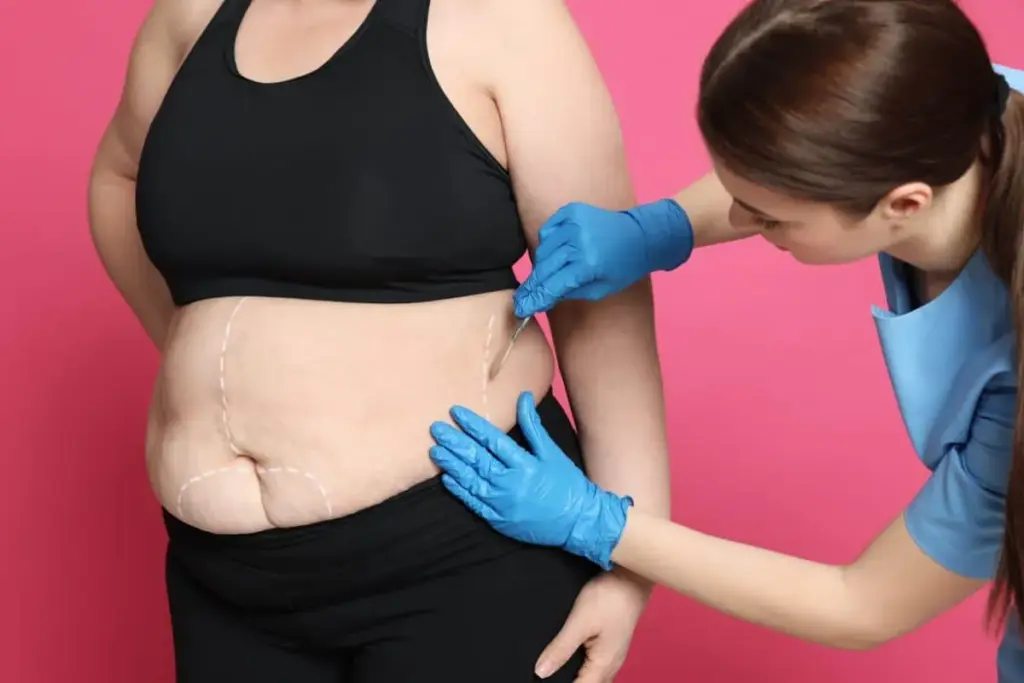
Choosing weight loss surgery means looking at both the benefits and risks. It’s key to know what bariatric surgery is for, when it’s a good choice, and how safe it is.
The Purpose of Bariatric Surgery
Bariatric surgery helps people with obesity lose a lot of weight. It does this by making the stomach smaller or changing how the body absorbs nutrients. This makes people feel full sooner, helping them eat fewer calories.
The EV-301 trial shows the importance of checking if treatments are safe and work well. Bariatric surgery aims to improve life quality by reducing weight and managing health problems like diabetes and high blood pressure.
When Surgery Becomes a Consideration
People think about surgery when other weight loss methods don’t work. Those with a high Body Mass Index (BMI) or obesity-related health issues might consider it. A BMI of 40 or higher, or 35 with health problems, is often a starting point.
Before surgery, patients undergo a comprehensive evaluation that includes medical, nutritional, and mental health assessments. It helps figure out if surgery is right and what risks might be involved.
The Importance of Safety in Weight Loss Procedures
Safety is a top priority in weight loss surgery. Even though surgery has gotten safer, there are risks. Knowing these risks and how to reduce them is very important.
Let’s look at the safety of different bariatric surgeries in the table below:
|
Procedure |
Mortality Rate |
Major Complication Rate |
|---|---|---|
|
Gastric Bypass |
0.1-0.2% |
2-5% |
|
Sleeve Gastrectomy |
0.1-0.2% |
1-3% |
|
Adjustable Gastric Banding |
0.02-0.1% |
1-2% |
The table shows different surgeries have different safety levels. It’s important for patients to talk to their doctors about these risks to make a well-informed choice.
The Evolution of Weight Loss Surgery Techniques

Bariatric surgery has evolved a lot. It’s now safer, more effective, and has better results for patients. This shows how much progress has been made in fighting obesity, a big health issue worldwide.
Historical Development of Bariatric Procedures
The start of bariatric surgery was many years ago. Back then, surgeries were riskier and less effective. But, thanks to hard work by surgeons and researchers, we now have safer and better surgeries.
Early milestones in bariatric surgery include the jejunoileal bypass in the 1950s and the gastric bypass in the 1960s. These steps helped create today’s weight loss surgeries.
Advancements in Surgical Techniques
The field of bariatric surgery has seen big improvements. Laparoscopic surgery, a minimally invasive method, has cut down recovery times and risks. This makes weight loss surgery more accessible to more people.
- Laparoscopic adjustable gastric banding
- Sleeve gastrectomy
- Roux-en-Y gastric bypass
These surgeries have gotten better over time. Ongoing research aims to make them even safer and more effective.
How Safety Has Improved Over Time
Weight loss surgery has become much safer. This is thanks to better surgical techniques, choosing the right patients, and improved care after surgery. Studies show fewer deaths and complications from bariatric surgery.
- Improved surgical training and expertise
- Advancements in medical technology
- Better patient preparation and follow-up care
These changes have made weight loss surgery a safer and more effective choice for those with obesity. As we keep improving bariatric surgery, we focus on making it safer and better for patients.
What is the Safest Form of Weight Loss Surgery?
When looking at weight loss surgery, safety is key. It’s what guides both doctors and patients. Finding the safest surgery means looking at many things. These include the surgery type, the patient’s health, and the surgeon’s skill.
Defining “Safety” in Bariatric Surgery
Safety in bariatric surgery means more than just immediate risks. It also looks at long-term effects and possible problems. “Safety is about more than just avoiding death,” say top bariatric surgeons. It’s about how well the surgery works for the patient’s life quality.
Mortality Rates Across Procedures
Mortality rates show how safe a surgery is. Studies show bariatric surgery is very safe, with death rates from 0.1% to 0.3%. For example, a study found the 30-day death rate for laparoscopic gastric bypass was about 0.15%. We look at these numbers to understand the risks of each surgery.
Complication Rates and Considerations
Complication rates are also key to safety. Complications can be small, like infections, or big, like leaks or nutritional issues. The rate of complications varies by surgery, with some being as low as 10%. We look at these rates to find the safest options.
Comparing Overall Safety Profiles
When we compare different surgeries, many factors matter. Some surgeries, like gastric sleeve and gastric bypass, have low risks. Others, like biliopancreatic diversion with duodenal switch, might be riskier because they’re more complex. “The safest surgery is one that works well and has the lowest risk of problems,” say bariatric surgery experts. We weigh these factors to choose the best surgery for our patients.
Choosing the safest surgery depends on each patient’s unique situation. We look at their health, what they want, and their goals. By carefully looking at the data and each patient’s needs, we find the safest surgery for them.
Gastric Sleeve (Sleeve Gastrectomy) Safety Profile
Gastric sleeve surgery is known for its safety and effectiveness in weight loss. It involves removing a big part of the stomach, leaving a narrow “sleeve.” This limits how much food you can eat. We’ll look at its safety, from the procedure itself to long-term effects, and who it’s best for.
Procedure Overview
The surgery is done through small cuts, using special tools and a camera. This method cuts down on recovery time and scarring. About 75-80% of the stomach is removed, making it smaller.
This smaller stomach means you can’t eat as much, helping with weight loss. Compared to other surgeries, like gastric bypass, it’s simpler and safer.
Short-term Safety Considerations
Right after surgery, the risks are low compared to other weight loss surgeries. Risks include bleeding, infection, and leaks. But these are rare with skilled surgeons.
Studies show the death rate from gastric sleeve surgery is less than 0.1%, making it very safe. Patients usually go home in a day or two. They can get back to normal in a few weeks.
Long-term Safety Data
Long-term data shows gastric sleeve surgery is safe for weight loss. But, there are risks like vitamin deficiencies and stomach narrowing. Regular check-ups are key to catch and fix these problems early.
Nutritional advice is vital to avoid these issues.
Who Is This Procedure Safest For?
The surgery is safe for those with a BMI of 40 or higher. It’s also for those with a BMI of 35 or higher and serious weight-related health issues. Choosing the right patient involves checking their health, mental readiness, and commitment to lifestyle changes.
It’s best to have a team of doctors and experts to decide if gastric sleeve surgery is right for you.
Gastric Bypass Safety Analysis
Gastric bypass surgery helps with weight loss but comes with risks. We’ll look at both short-term and long-term safety aspects.
Procedure Overview
Gastric bypass surgery, or Roux-en-Y gastric bypass, is a complex procedure. It creates a small stomach pouch and reroutes the small intestine. This surgery is effective for weight loss and improving health conditions related to obesity.
The surgery is usually done laparoscopically. This means small incisions are made in the abdomen. A camera guides the surgery, reducing recovery time and scarring.
Short-term Risks and Complications
Like any major surgery, gastric bypass has short-term risks. These include:
- Bleeding and hemorrhage
- Infection
- Adverse reactions to anesthesia
- Leaks from the staple line or anastomosis
- Blood clots
Choosing an experienced surgeon and following instructions can help avoid these risks.
Long-term Safety Considerations
Long-term safety for gastric bypass includes:
- Nutritional deficiencies due to malabsorption
- Gastrointestinal complications like ulcers and bowel obstruction
- Potential for weight regain if dietary habits are not maintained
- Metabolic changes and the risk of metabolic syndrome
Regular follow-ups with healthcare providers are key to managing these risks and ensuring long-term success.
Ideal Candidates for Safe Outcomes
Finding the right candidates for gastric bypass involves several factors. These include:
- Body Mass Index (BMI)
- Presence of obesity-related health conditions
- Previous weight loss attempts
- Overall health status
Those with a BMI of 40 or higher, or a BMI of 35 with significant health issues, are often good candidates. A team evaluation is needed to determine if someone is suitable for the procedure.
Adjustable Gastric Banding Safety Evaluation
Looking into the safety of adjustable gastric banding means checking out its process, possible problems, and long-term effects. It’s a weight loss surgery for those with obesity, aiming to help them lose weight.
Procedure Overview
Adjustable gastric banding is a surgery where a band is put around the stomach’s top. This makes a small pouch, helping control food intake. It’s less invasive than other surgeries and can be undone.
Key aspects of the procedure include:
- Minimally invasive surgery
- Adjustability of the band
- Reversibility
Safety Advantages and Concerns
The safety of adjustable gastric banding has both good and bad sides. It’s less invasive and can be reversed, which might attract patients. But, there are risks like band slippage, erosion, and needing adjustments.
Some of the safety advantages are:
- Lower risk of nutritional deficiencies compared to other procedures
- Reversibility in case of complications or insufficient weight loss
Safety concerns include:
- Band slippage or erosion
- Need for multiple adjustments
- Potential for inadequate weight loss
Long-term Data on Complications
Long-term studies on adjustable gastric banding have given us insights into its safety. Initial results look good, but long-term data is key to understanding its safety and effectiveness.
|
Complication |
Short-term Rate |
Long-term Rate |
|---|---|---|
|
Band Slippage |
2% |
5% |
|
Erosion |
1% |
3% |
|
Inadequate Weight Loss |
5% |
10% |
Current Safety Standing Among Options
Adjustable gastric banding’s safety is seen as moderate when compared to other weight loss surgeries. It’s less invasive and can be reversed, but it has higher rates of some complications and might not lead to as much weight loss as other methods.
We find that adjustable gastric banding is a good weight loss surgery option, with both benefits and risks. People thinking about it should think carefully and talk to a doctor to decide if it’s right for them.
Biliopancreatic Diversion with Duodenal Switch Safety
Biliopancreatic diversion with duodenal switch (BPD/DS) is a complex weight loss surgery. It’s a type of malabsorptive procedure. This means it removes a big part of the stomach and changes the way food moves through the intestines.
Overview of the Procedure
The BPD/DS procedure is very effective for losing a lot of weight, mainly for people with a high body mass index (BMI). But, it’s considered a more complex surgery than others like gastric sleeve or gastric bypass.
We will look into the details of this procedure and its safety for patients. The surgery has two main parts. First, it reduces the stomach size through a sleeve gastrectomy. Then, it changes the path of food through the intestines with an intestinal bypass.
Risk Profile Analysis
Like any major surgery, BPD/DS has risks and complications. These can include bleeding, infection, and leakage from the staple lines. Long-term, patients might face nutritional deficiencies because of how the procedure works.
Key risks associated with BPD/DS include:
- Nutritional deficiencies
- Bowel obstruction
- Gastrointestinal complications
- Metabolic changes
Nutritional Concerns and Safety
Nutritional concerns are a big deal with BPD/DS. The surgery’s malabsorptive nature can make it hard for patients to get the nutrients they need, like vitamins and minerals.
We stress the need for lifelong nutritional monitoring and supplements to deal with these issues. Patients must stick to regular check-ups and follow dietary advice to stay safe and get the best results from the surgery.
Appropriate Patient Selection for Safety
Choosing the right patients for BPD/DS is key to avoiding risks and ensuring safe results. People with a high BMI who haven’t lost weight through other means are usually good candidates.
Factors considered in patient selection include:
- Overall health status
- Previous weight loss attempts
- Presence of comorbid conditions
- Psychological readiness for the procedure
By carefully looking at these factors, we can find patients who will likely benefit from BPD/DS while keeping risks low.
Minimally Invasive Weight Loss Surgery Techniques
Minimally invasive weight loss surgery is a big step forward in treating obesity. It’s safer and less harsh than old methods. These new ways help patients recover faster, have less scarring, and face fewer risks.
Laparoscopic vs. Open Surgical Approaches
Laparoscopic surgery, or keyhole surgery, uses small cuts for a camera and tools. It’s different from open surgery, which needs a big cut. Laparoscopic weight loss surgery cuts down on pain, shortens hospital stays, and lowers wound risks.
The benefits of laparoscopic surgery include:
- Less postoperative pain
- Shorter recovery time
- Smaller scars
- Lower risk of wound infections
Endoscopic Sleeve Gastroplasty
Endoscopic sleeve gastroplasty makes the stomach smaller through the mouth. It’s done without cuts. Endoscopic sleeve gastroplasty is a gentler option than traditional surgery, aiming for weight loss with fewer risks.
Intragastric Balloon Systems
Intragastric balloon systems put a balloon in the stomach through an endoscope. The balloon fills with saline, making you feel full sooner. It’s a reversible, less invasive choice than surgery, appealing to many.
The key advantages of intragastric balloon systems include:
- Reversibility
- Minimally invasive
- No permanent changes to the stomach anatomy
Safety Benefits of Minimally Invasive Approaches
These surgery methods are safer, with fewer complications, less pain, and quicker recovery. They also lead to less scarring and fewer wound issues.
Choosing minimally invasive surgery means safer, more effective weight loss. As technology improves, we’ll see even better weight loss surgery safety, helping patients more.
Common Misconceptions About Weight Loss Surgery Safety
Many people thinking about weight loss surgery don’t know the real risks. This can make them scared and stop them from getting help. We want to clear up what’s wrong about thinking weight loss surgery is unsafe.
Debunking Myths About Bariatric Surgery Risks
One big myth is that weight loss surgery is very dangerous. It’s true there are risks, but the death rate is similar to other surgeries like gallbladder removal. Thanks to better surgery and care, it’s safer now.
Another myth is that surgery is a quick way to lose weight. But it’s not. It takes a big commitment to change your diet and exercise. You also need to see your doctor often to keep track of your health.
Understanding Real vs. Perceived Dangers
It’s important to know the real dangers of weight loss surgery and not just what people say. For example, while problems can happen, they’re less common now because of better surgery methods.
Real risks include not getting enough nutrients, surgery problems, and needing more surgeries. But, these can be lessened by picking a skilled surgeon and following the rules before and after surgery.
How to Evaluate Safety Information
When looking into the safety of weight loss surgery, it’s key to trust good sources and recent data. Look for info from trusted medical groups, scientific journals, and your doctor.
- Make sure the info is recent, as surgery methods and safety rules change.
- Find studies or big analyses that show how safe it is.
- Check who the info comes from and if it’s supported by medical experts.
Knowing the truth and understanding common myths can help people make smart choices about weight loss surgery.
Factors That Influence Weight Loss Surgery Safety
Many things affect how safe weight loss surgery is. The success and safety of these surgeries depend on several factors. These include the skill of the surgical team, the patient’s health, and the type of surgery.
Surgeon Experience and Hospital Volume
The skill of the surgeon and how often the hospital does these surgeries are key. Studies show that surgeons who do more surgeries have better results and fewer problems. Hospitals that do a lot of these surgeries also tend to be safer because they are more prepared.
We suggest that patients check the surgeon’s experience and the hospital’s reputation. This info is usually on the hospital’s website or during a consultation.
Patient Selection Criteria
Choosing the right patient is very important for safety. This means looking at the patient’s health, medical history, and if they’re a good fit for the surgery. People with health issues or who aren’t ready for lifestyle changes after surgery might face more risks.
A detailed evaluation helps spot and prepare for these risks. This might involve talking to dietitians, psychologists, and primary care doctors.
Pre-existing Health Conditions
Health problems before surgery can affect safety. Conditions like diabetes, heart disease, and sleep apnea can raise the risk of problems during and after surgery. It’s important to manage these conditions well before, during, and after surgery.
We work with patients to manage their health and get them ready for surgery. This might include working with specialists and following specific pre-surgery plans.
Age and BMI Considerations
Age and BMI also play a role in safety. Older patients or those with a very high BMI might face more risks. While these factors don’t mean someone can’t have surgery, they need careful thought and planning.
|
Factor |
Impact on Safety |
Considerations |
|---|---|---|
|
Surgeon Experience |
Higher experience = lower complication rates |
Research surgeon’s credentials and volume of procedures |
|
Patient Selection |
Careful selection reduces risks |
Thorough health evaluation and patient education |
|
Pre-existing Conditions |
Effective management is key |
Collaboration with healthcare providers to manage conditions |
|
Age and BMI |
Increased age or high BMI may increase risks |
Careful planning and consideration of individual factors |
Preparing for Safe Weight Loss Surgery
Getting ready for weight loss surgery is key to a successful outcome. It’s not just about the surgery itself. The steps you take before are just as important. Understanding safe weight loss surgery techniques means knowing what to do before surgery.
Medical Evaluations and Clearances
Before surgery, you’ll need to go through detailed medical checks. These help doctors see if you’re healthy enough for surgery. You’ll have:
- Complete medical history review
- Laboratory tests and screenings
- Cardiovascular evaluations
- Nutritional assessments
These steps help doctors figure out if surgery is safe for you. They also guide any extra steps you might need.
Lifestyle Changes Before Surgery
Before surgery, you’ll need to make big changes in your life. This includes:
- Eating healthier to lower liver fat and improve nutrition
- Starting to exercise more to boost heart health
- Stopping smoking to lower surgery risks
- Drinking less or no alcohol
These changes make surgery safer. They also help you succeed in the long run.
Mental Health Preparation
Weight loss surgery is a mental and physical journey. Getting ready mentally is just as important. You might need:
- Counseling to deal with emotional eating or body image
- Support groups to connect with others who’ve gone through it
- Learning about the lifestyle changes after surgery
Preparing mentally helps you face the challenges ahead. It leads to better, lasting results.
Choosing the Right Surgical Team
Finding a skilled surgical team is critical for best weight loss surgery options. Look for:
- Board-certified surgeons with lots of experience in weight loss surgery
- A team that includes nutritionists, psychologists, and support staff
- A full program for before and after surgery
Choosing the right team boosts your safety and success in weight loss surgery.
Long-term Safety Considerations After Bariatric Surgery
The journey doesn’t end after bariatric surgery. Patients must stay aware of long-term safety to keep their health and the surgery’s benefits.
Nutritional Monitoring and Supplementation
After surgery, patients need careful nutritional monitoring to avoid deficiencies. Regular blood tests and talks with a nutritionist are key to catch problems early.
Because of reduced nutrient absorption, supplements are often needed. Patients usually need to take vitamin and mineral supplements for life.
Managing Possible Long-term Complications
Bariatric surgery can lead to long-term complications. These include bowel obstruction, internal hernias, and metabolic changes. Regular check-ups help catch and manage these issues early.
Patients should watch for signs like severe abdominal pain, vomiting, or malnutrition. If they see these symptoms, they should get medical help right away.
Follow-up Care Importance
Follow-up care is key for bariatric surgery’s long-term success and safety. Regular visits with the surgical team monitor health and address concerns or complications early.
These visits also let patients talk about any diet challenges or weight loss plateaus. They can get advice on how to overcome these issues.
When Revision Surgery Might Be Necessary
In some cases, patients might need revision surgery due to complications or not enough weight loss. This choice is made after careful evaluation and talking with the surgical team.
Revision surgery is considered when there are big complications or the first surgery doesn’t lead to enough weight loss or health gains.
Conclusion: Making an Informed Decision About Weight Loss Surgery
When you think about weight loss surgery, knowing the safest choices is key. We’ve looked at different surgeries like gastric sleeve and gastric bypass. We also talked about adjustable gastric banding and biliopancreatic diversion with duodenal switch.
The safest surgery for you depends on your health, BMI, and past surgeries. It’s important to look at the safety data and complication rates for each surgery. This helps you make a smart choice.
To find the best surgery for you, talk to experienced bariatric surgeons. Also, check the safety records of the hospital where they work. Things like who gets surgery, the surgeon’s experience, and how often they do surgeries affect safety.
By thinking about the risks and benefits of each surgery and what you need for your health, you can make a good decision. This careful thinking helps you get the best results and stay safe.
FAQ
What is the safest form of weight loss surgery?
The safest weight loss surgery depends on the patient. Gastric sleeve and gastric bypass are often safe when done by skilled surgeons.
How safe is bariatric surgery compared to other surgical procedures?
Bariatric surgery is safe for the right patients. It’s as safe as other big surgeries when done by experts.
What are the risks associated with weight loss surgery?
Risks include bleeding, infection, and problems with anesthesia. Nutritional issues can also happen. But, these risks are lower with careful patient selection and care.
How has the safety of weight loss surgery improved over time?
Safety has grown thanks to better techniques, like laparoscopy. Better patient choices and post-op care also help.
What is the mortality rate for bariatric surgery?
The death rate is very low, under 1% for most surgeries. This makes it a safe choice for the right people.
Are there any long-term safety concerns after weight loss surgery?
Yes, long-term risks include nutritional problems and bowel issues. Lifelong follow-up is also needed.
How do I choose the safest weight loss surgical procedure for my needs?
Talk to experienced bariatric surgeons. Understand the pros and cons of each surgery. Think about your health too.
What role does surgeon experience play in weight loss surgery safety?
Surgeon experience is key. More experienced surgeons have better results and fewer complications.
How can I prepare for safe weight loss surgery?
Get ready with medical checks, lifestyle changes, and mental prep. Choose a qualified team.
What are the benefits of minimally invasive weight loss surgery techniques?
These techniques have small cuts, less pain, and quicker recovery. They make surgery safer and easier.
How important is follow-up care after bariatric surgery?
Follow-up care is vital. It helps with nutrition, manages risks, and ensures the surgery’s success over time.