
Millions of people have surgery every year. Proper preparation is key for a good outcome. We’ll show you what to expect and how to get ready for your surgery.
Before surgery, we do a lot to keep you safe and comfortable. We check your health, look at your medical history, and talk about any worries. Our team will also share the preoperative instructions you need to follow. This helps reduce risks and makes recovery easier.
Knowing what happens before surgery can ease your worries. It makes your surgical experience more manageable. We’re here to give you the best care and support during your surgery.
Key Takeaways
- Preoperative preparation is key for a successful surgery.
- A thorough medical evaluation is done before surgery.
- Following preoperative instructions reduces risks and makes recovery smoother.
- Our team offers complete care and support during your surgery.
- Understanding the preoperative process can ease anxiety.
The Meaning and Importance of Pre-Op Care
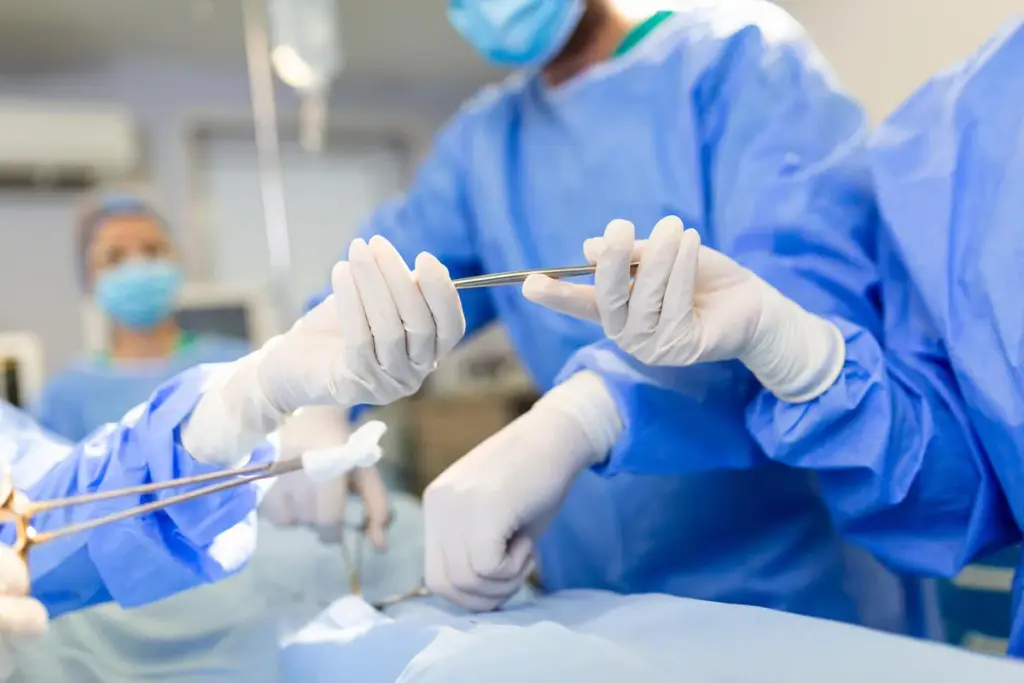
Pre-op care is key to safe surgery and good results. It’s like athletes preparing for a game. They plan and check their team’s readiness. Patients need similar care before surgery to get the best results.
Think of pre-op care like sports teams getting ready. They look at player stats, plan strategies, and check their gear. Patients get checked, made ready physically, and prepared for surgery.
What Pre-Op Actually Means
Pre-op means the time before surgery. It includes checks, prep, and instructions for safety and success. This stage is vital for assessing health, spotting risks, and taking steps to avoid them.
Patients do tests like blood work and imaging during pre-op. These help doctors understand the patient’s health and decide on the best surgery plan.
Why Proper Pre-Operative Preparation Matters
Good pre-op prep is key for a successful surgery. It lowers risks, shortens recovery, and improves results. Knowing the value of pre-op care helps patients prepare better and recover faster.
|
Pre-Op Preparation |
Benefits |
|---|---|
|
Comprehensive Health Evaluation |
Identifies risks and complications |
|
Optimization of Physical Condition |
Boosts health and cuts recovery time |
|
Patient Education and Instructions |
Empowers patients and lowers anxiety |
By following pre-op advice, patients help their surgery succeed. It’s a team effort between patients and doctors for the best outcome.
The Pre of Surgery: Complete Timeline

Getting ready for surgery means following a series of steps over weeks, days, and hours. Knowing this timeline helps patients get ready for their day of operation.
Weeks Before Your Procedure
Weeks before surgery, you’ll have a pre-op appointment with your team. You’ll talk about your surgery, get checked, and learn how to prepare.
This is a chance to ask questions and clear up any doubts. Your doctor will do tests, look over your medical history, and talk about lifestyle changes.
Days Leading Up to Surgery
As your surgery gets closer, you’ll get specific instructions. You might need to stop certain meds, change your diet, and avoid hard activities. Your team will tell you all about it.
It’s key to follow these steps to avoid risks and get the best results. Plan for your recovery by getting someone to drive you home and stay with you.
24 Hours Before Operation
The day before surgery is for final preparations. You’ll probably be told not to eat or drink after midnight. But, your surgeon might have different rules.
Make sure you have everything you need, like comfy clothes and important papers. It’s also good to go over the surgery plan one last time with your doctor.
Your Initial Pre-Op Appointment
Your first pre-op appointment is a chance to talk about your health, worries, and questions with your surgical team. It’s a key step in getting ready for your surgery. You’ll learn what to expect and can talk about any fears you have.
What Happens During This Visit
At your first pre-op visit, you’ll meet with your surgical team. They’ll look over your medical history and talk about your surgery. You can also ask any questions or share your concerns.
Key parts of the visit include:
- A detailed medical history review
- Discussion of the surgical procedure and what to expect
- Review of any medications you’re currently taking
- Assessment of your overall health and any risk factors
Essential Questions to Ask Your Surgical Team
It’s important to have questions ready for your surgical team. Asking the right questions can help calm your worries and make sure you’re ready for your surgery. Think about asking about the procedure, risks, and what to expect during recovery.
Some examples of questions to ask include:
- What are the possible risks and complications of my surgery?
- How long will I need to recover, and what kind of care will I need?
- Are there any special instructions I should follow before or after surgery?
Medical History and Risk Assessment
Your medical history is very important for your pre-op prep. Your surgical team will look at your history to find any risks that could affect your surgery or recovery. Be ready to talk about any health issues, allergies, or past surgeries.
Just like athletes get checked before a game, patients should talk about their health history and worries with their surgical team. This teamwork helps make sure you get the best results.
Comprehensive Pre-Operative Testing
Before surgery, it’s key to check a patient’s health. These tests find risks and prepare for a safe surgery.
Standard Blood Work and Laboratory Tests
Lab tests are vital to check a patient’s health before surgery. They include:
- Complete Blood Count (CBC) to check for anemia or infection
- Blood Chemistry Tests to assess liver and kidney function
- Coagulation Studies to evaluate bleeding risks
- Urinalysis to check for urinary tract infections or kidney issues
These tests give us important info. They help us decide the best care for the patient.
Imaging Studies and Their Purpose
Imaging tests are also key. They may include:
- X-rays to assess bone health or detect any abnormalities
- Computed Tomography (CT) scans to provide detailed images of internal organs
- Magnetic Resonance Imaging (MRI) to evaluate soft tissue conditions
- Ultrasound to examine blood vessels or other internal structures
These tests show us the patient’s body details. They help spot any issues that might affect the surgery.
Cardiac and Pulmonary Evaluations
For big surgeries, checking the heart and lungs is important. These tests may include:
|
Test |
Purpose |
|---|---|
|
Electrocardiogram (ECG) |
To assess heart rhythm and detect any cardiac abnormalities |
|
Stress Test |
To evaluate heart function under stress |
|
Pulmonary Function Tests (PFTs) |
To assess lung function and capacity |
These tests help us know the patient’s heart and lung health. This lets us prepare for a safe surgery.
Managing Medications Before Surgery Day
Before surgery, it’s key to know which medicines to keep taking, stop, or change. This is important for a safe surgery. Managing your medicines well is a big part of getting ready for surgery.
Medications You Should Continue Taking
Most medicines are okay to take up to the day of surgery. But, always check with your doctor first. Medicines for long-term health issues, like high blood pressure or asthma, are usually okay. Tell your surgical team about all your medicines, including vitamins and supplements.
Medications You Must Temporarily Stop
Some medicines might need to be stopped before surgery to avoid problems. Blood thinners are often stopped to lower the chance of bleeding. How long you stop these medicines depends on the type and your health.
Special Protocol for Blood Thinners and Diabetes Medications
Blood thinners like warfarin and newer ones like apixaban or rivaroxaban should be stopped a few days before. The exact time depends on the medicine and your surgery. For diabetes, your medicines might need to be changed to keep your blood sugar right during surgery. Insulin and diabetes pills might need to be adjusted or stopped.
It’s very important to follow your doctor’s advice on medicines. Changing or stopping medicines without a doctor’s say can cause problems. Always talk to your surgical team to make a plan for your medicines before surgery.
Dietary Restrictions in the Pre-Op Period
Getting ready for surgery means paying close attention to what we eat. It’s important to know what foods and drinks are off-limits before surgery. This helps keep us safe and ensures the best results from our surgery.
Understanding NPO Guidelines
“NPO” is short for “nil per os,” which means “nothing by mouth.” NPO guidelines are key in the pre-op period. They help avoid food or liquids getting into our lungs during surgery. This can cause serious problems.
The exact time for NPO can change based on the surgery type, our health, and the anesthesiologist’s advice. Usually, we’re told not to eat or drink after midnight the night before surgery.
Specific Timing for Food and Fluid Restrictions
The exact time for stopping food and drinks is set by our healthcare team. Clear liquids are often okay up to a few hours before surgery. But solid foods are usually stopped longer before.
|
Food/Fluid Type |
Recommended Restriction Time |
|---|---|
|
Clear Liquids |
2 hours before surgery |
|
Light Meal/Solid Foods |
6 hours before surgery |
|
Heavy Meal/Fatty Foods |
8 hours before surgery |
Special Considerations for Certain Surgeries
Some surgeries need special diets. For example, patients having bariatric surgery may need to follow a liquid diet before surgery.
It’s vital to stick to the diet plan given by our healthcare team. This ensures a safe and successful surgery. By following these guidelines, we can reduce risks and help our recovery go smoothly.
The Night Before Your Operation
The night before your surgery is key for a smooth experience. It’s a time for rest, preparation, and mental readiness. Being well-prepared can greatly impact your surgery journey.
Recommended Sleep Preparations
Getting enough sleep is essential before surgery. Aim for 7-8 hours of rest to help your body recover. Here are some tips for a good night’s sleep:
- Create a relaxing bedtime routine, such as reading or taking a warm bath.
- Avoid caffeine and electronic devices at least an hour before bedtime.
- Ensure your sleeping environment is comfortable and quiet.
As “A good night’s sleep can significantly impact your body’s ability to heal and recover”, medical professionals say it’s key to rest well.
Final Hygiene Instructions
Follow specific hygiene instructions the night before to avoid infection. Shower or bathe using an antibacterial soap as advised by your healthcare provider. Focus on the area around the surgical site.
Also, make sure to:
- Wear clean clothes to bed.
- Avoid applying any lotions, creams, or perfumes after your bath.
- Brush and floss your teeth as you normally would.
Mental and Emotional Readiness
Mental preparation is as important as physical. Take time to relax and calm your mind. Deep breathing exercises or meditation can help. It’s also wise to:
- Write down any last-minute questions for your surgical team.
- Discuss any concerns with your family or healthcare provider.
- Plan for your recovery period, including arranging for someone to accompany you home.
“The night before surgery is a time to focus on your well-being and prepare for a successful outcome,” says a leading healthcare expert.
By following these guidelines, you’ll be ready for your operation. Remember, your healthcare team is there to support you every step of the way.
Day of Operation: Hospital Arrival Process
Getting ready for surgery? Knowing what to expect at the hospital can make things easier. We’ll walk you through the arrival process to make your experience smooth.
Check-in Procedures and Paperwork
First, you’ll go to the check-in desk. Our team will help you with the paperwork. Make sure to arrive early, as this can take some time. Aim to get there at least 2 hours before your surgery.
At check-in, you’ll need to show your ID, insurance, and other important documents. Our staff will also check your medical history and confirm your procedure details.
Essential Documents to Bring:
- Valid government-issued ID
- Insurance cards and relevant documents
- Advance Directives or Living Will (if applicable)
Essential Items to Bring
Bring items to make your stay comfortable:
- Comfortable clothes for after your procedure
- Slippers or non-slip socks
- Personal items like glasses, hearing aids, or dentures
- A list of your current medications and dosages
Items to Leave at Home
Leave these items at home to avoid risks:
- Jewelry, including piercings and watches
- Contact lenses and solution
- Makeup and nail polish
- Valuables, such as large amounts of cash or irreplaceable items
Being prepared can make your hospital arrival smooth and stress-free. If you have questions or concerns, our team is here to help. We support you every step of the way.
Inside the Pre-Op Holding Area
In the pre-op holding area, our team will make sure you’re ready for surgery. Here, you’ll meet the healthcare professionals who will care for you until you go into the operating room.
Meeting Your Pre-Operative Care Team
As you get settled, you’ll meet the healthcare team. This includes nurses, anesthesiologists, and support staff. They’re all focused on your safety and comfort.
“The pre-op holding area is key in the surgical process,” says a top anesthesiologist. “It’s where we finalize preparations and ensure a successful surgery.”
Final Vital Sign Monitoring
In the pre-op area, we’ll start monitoring your vital signs. We check your blood pressure, heart rate, and oxygen levels. These checks help us understand your health and adjust your care plan if needed.
We’ll also look at your medical history and current medications. This ensures you’re ready for surgery.
IV Placement and Initial Medications
An IV line will be placed for medications and fluids. This helps manage pain and relaxation during and after surgery. The IV placement is quick and usually painless.
Our team will explain everything and keep you comfortable. We’re here to make your experience smooth and stress-free. Our goal is to help you recover quickly and get back to your life.
Anesthesia Consultation Right Before Surgery
The anesthesia consultation is a key step right before your surgery. It’s important because it lets your anesthesiologist check your health. They will also decide the best anesthesia for your surgery.
Types of Anesthesia
Your anesthesiologist might talk about different anesthesia types. This depends on your surgery and health history. Here are a few:
- General Anesthesia: Makes you completely asleep during the surgery.
- Regional Anesthesia: Numbs a certain area, like an arm or leg.
- Local Anesthesia: Just numbs the small area where you’re being operated on.
- Monitored Anesthesia Care: Gives sedation and pain relief, often for less invasive surgeries.
Discussion with Your Anesthesiologist
During the consultation, your anesthesiologist will go over important points. They’ll talk about your medical history, past anesthesia experiences, and any worries you have. They’ll also explain the good and bad sides of the suggested anesthesia.
Telling your anesthesiologist about your medical history is key. This includes any allergies, past surgeries, and current medicines. This info helps them make the anesthesia plan just right for you.
Common Concerns About Anesthesia
Many people worry about anesthesia, like side effects or being awake during surgery. Your anesthesiologist is ready to answer these worries. They’ll give you specific advice based on your situation.
Some questions you might ask include “How will I feel after the anesthesia?” and “Are there any long-term effects?” Your anesthesiologist will go into these details. They’ll help you know what to expect.
Knowing about your anesthesia options and talking it over with your anesthesiologist can really help. It can make you feel less anxious and more ready for your surgery.
Surgical Site Preparation Procedures
Preparing the surgical site before surgery is very important. It helps keep patients safe and reduces the chance of infections. This makes the surgery go smoothly.
Skin Cleaning and Sterilization Protocols
We clean and sterilize the skin before surgery to prevent infections. This includes:
- Cleaning the skin with an antiseptic solution to remove bacteria and other microorganisms.
- Applying a sterile drape to the surgical site to maintain a sterile environment.
Surgical Site Marking Process
We mark the surgical site before starting the surgery. This is done to:
- Verify the correct surgical site with the patient and the surgical team.
- Mark the site with a sterile marker to guide the surgical team during the operation.
This step is key to avoiding wrong-site surgery.
Hair Removal When Necessary
In some cases, we need to remove hair from the surgical site. We use:
- Clippers or razors designed for surgical hair removal.
- A gentle technique to avoid causing skin irritation or injury.
Hair removal is done carefully to prevent infection and ensure a smooth surgery.
By following these steps, we make sure the surgical site is ready for the operation. This improves patient safety and the chances of a successful surgery.
The Final Surgical Time-Out Safety Check
Before surgery starts, we do a detailed safety check. This is called the final surgical time-out safety check.
Universal Protocol Checklist
The universal protocol checklist is a set process. It makes sure all safety steps are taken before surgery. This includes checking the patient’s identity, the procedure, and the surgical site.
Our checklist covers many important points. These include:
- Patient identification
- Procedure confirmation
- Surgical site verification
- Review of medical history
- Confirmation of any allergies
Verification of Patient, Procedure, and Site
Checking the patient, procedure, and site is key. It makes sure the right patient is getting the right procedure at the right place.
|
Verification Step |
Description |
|---|---|
|
Patient Identification |
Confirming the patient’s identity using their medical records and identification band. |
|
Procedure Confirmation |
Verifying the procedure to be performed as per the patient’s medical records and surgical plan. |
|
Surgical Site Verification |
Checking the surgical site to ensure it matches the planned procedure and is correctly marked. |
Team Communication and Readiness Assessment
Good team communication is important during the safety check. The surgical team, including surgeons, anesthesiologists, and nurses, all take part. This ensures everyone knows the plan and any concerns.
We also check if the patient and team are ready. This includes looking at the patient’s medical history, checking for allergies, and making sure all equipment is ready and working.
This careful process helps us avoid risks. It makes sure the surgery is safe and successful.
Managing Anxiety and Emotions Before Surgery
Feeling anxious before surgery is common. But knowing how to handle these feelings can really help. It’s key to get ready for surgery by focusing on both physical and emotional readiness.
Normal Psychological Responses to Surgery
Patients often feel scared, anxious, or worried about the surgery’s outcome. These feelings are normal and come from not knowing what will happen. Knowing more about the surgery and having people to support you can help a lot.
It’s important to remember that these feelings are a normal part of getting ready for surgery. It’s better to talk about them than to hide them. This way, everyone can feel more comfortable and supported.
Support from Family and Medical Staff
Having a strong support system is very important when you’re going through surgery. Family and friends can offer emotional support. Our medical team is ready to help with both your medical and emotional needs.
At your pre op appointment, you can talk about any worries or fears with your healthcare team. It’s a good idea to bring a family member or friend for extra support and to help remember important details.
Effective Coping Strategies
There are many ways to deal with anxiety and emotions before surgery. Here are a few:
- Deep breathing exercises to calm your mind and body
- Visualization techniques to imagine a good outcome
- Learning about the surgery to reduce uncertainty
- Having someone you trust with you at the pre op appointment and on surgery day
Using these strategies and having a supportive network can help you manage your anxiety. This way, you can face surgery with a more positive attitude. We aim to provide care that covers both your physical and emotional needs.
Conclusion
The pre-op process is key to a successful surgery. Knowing what to expect can help reduce anxiety. It makes the operation day smoother.
From the first pre-op appointment to the final safety check, each step prepares you. Your surgical team gives you guidelines. They tell you what you need to do before surgery.
On the day of operation, being ready and knowing what to say is important. We’ve talked about pre-op care, like pre-op testing and following dietary rules. Understanding the meaning of pre op makes you feel more confident.
Being informed and ready ensures a good surgical experience. Your team is committed to your care. Together, you can have a positive outcome.
FAQ
What is pre-op care, and why is it important?
Pre-op care is the preparation before surgery to ensure it goes well. It helps find risks and makes sure the patient is ready. This is key for a safe and successful operation.
What happens during the initial pre-op appointment?
At the first pre-op visit, you’ll have a medical check-up and tests like blood work. It’s also a chance to ask questions and talk about any worries with your team.
How long before surgery should I stop eating and drinking?
How long you can eat and drink before surgery depends on the surgery and anesthesia. Usually, you’ll stop eating and drinking after midnight the night before or a few hours before.
Can I continue taking my medications before surgery?
Some medicines you should keep taking before surgery, but others might need to stop. Always follow what your team tells you, like with blood thinners or diabetes meds.
What is the pre-op holding area, and what happens there?
The pre-op area is where you wait before surgery. Here, your vital signs are checked, you get any needed meds, and an IV is placed.
What types of anesthesia are available, and how are they chosen?
Anesthesia types include general, regional, and local. The choice depends on the surgery, your health, and other factors. An anesthesiologist will help pick the best one for you.
How is the surgical site prepared?
The area where you’ll be operated on is cleaned and sterilized. It’s also marked and sometimes hair is removed. These steps help prevent infection.
What is a time-out safety check, and why is it performed?
A time-out is a last check before surgery starts. It confirms who you are, the surgery, and the site. It’s a safety step to make sure everything is right.
How can I manage anxiety before surgery?
To deal with anxiety, talk to your team, have support from loved ones, and try relaxation techniques. It’s okay to feel nervous, and there’s help available.
What should I bring to the hospital on the day of surgery?
Bring your ID, insurance, a list of meds, and medical records. Also, pack a bag with essentials for an overnight stay, if needed.
How long is the pre-op process before surgery?
The pre-op time varies based on the surgery and your health. It can be a few days to weeks, with many assessments and preparations.
National Center for Biotechnology Information. Evidence-Based Medical Insight. Retrieved from https://pmc.ncbi.nlm.nih.gov/articles/PMC2464262/