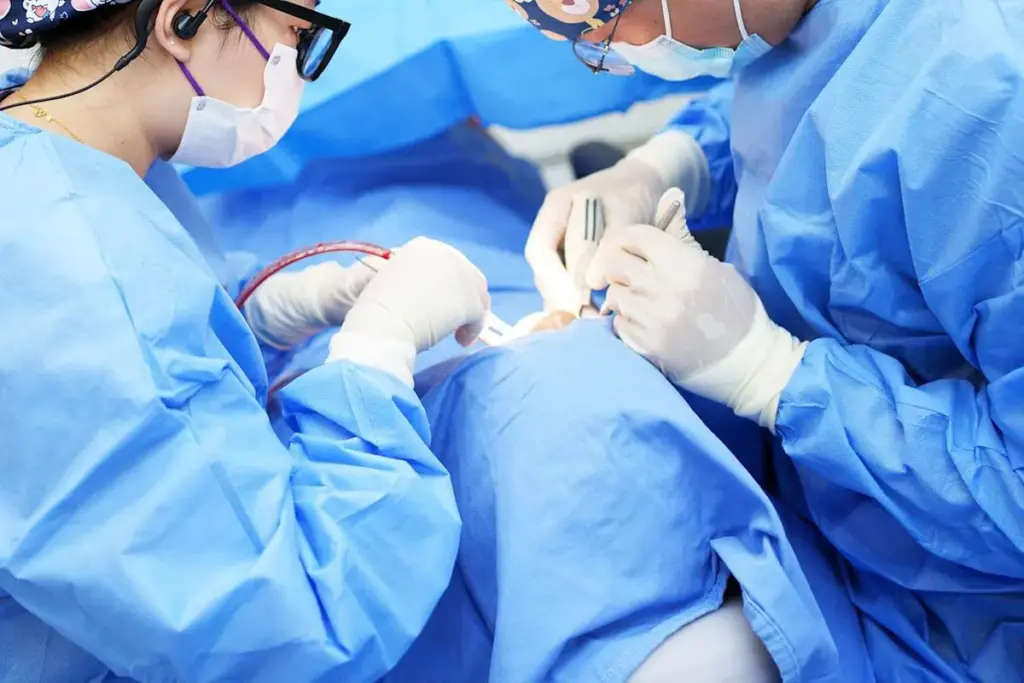
Recovering from surgery can be tough and painful. Nearly 50 million Americans undergo surgery each year. Some face a harder recovery than others. What is the most painful shoulder surgery to endure? Learn essential and amazing tips to survive what is the most painful shoulder surgery.
Some surgeries are more complex and need longer to recover. We’ll look at what makes recovery hard and list the toughest surgeries to recover from.
Key Takeaways
- Understanding the challenges of surgical recovery
- Factors that determine the difficulty of recovery
- Overview of complex surgeries with longer recovery times
- Tips for a smoother recovery process
- Importance of post-operative care
Understanding Surgical Recovery Difficulty
Surgical recovery is complex and depends on many factors. These include the surgery type and the patient’s health. Each person’s recovery path is unique, even with the same surgery.
Factors That Determine Recovery Difficulty
Several key factors affect how hard recovery is. The type and complexity of the surgery are big factors. More complex surgeries usually need longer and harder recoveries.
Patient health and age are also very important. Older patients or those with health issues may find recovery harder. This is because they might not have as much physical strength or a strong immune system.
- Pre-existing medical conditions
- Age of the patient
- Nature of the surgical procedure
- Quality of post-operative care
How Doctors Measure Recovery Challenges
Doctors use different ways to figure out how hard recovery will be. Pain levels are a big deal. High pain can make it hard to move and can stress the body more.
They also look at mobility and functional capacity. They check for any complications too. By watching these closely, doctors can make care plans that fit each patient’s needs. This helps make recovery better.
|
Recovery Metric |
Description |
Importance |
|---|---|---|
|
Pain Levels |
Assessment of patient pain |
High |
|
Mobility |
Patient’s ability to move |
High |
|
Complications |
Presence of post-op complications |
High |
The Most Painful Surgeries: An Overview
Some surgeries are very painful and need special care for pain management. We will look at what makes certain surgeries so painful.
Pain Intensity vs. Recovery Duration
Pain and how long it takes to recover are linked but different. Some surgeries hurt a lot at first but then get better. Others might take longer to heal but the pain is not as bad.
“The link between pain and recovery time is complex. It depends on the surgery, how much pain you can handle, and how well pain is managed,” say doctors.
Top 10 Most Painful Surgical Procedures
Here’s a list of the most painful surgeries, based on what patients say and what doctors have found:
- Spinal fusion surgery
- Total hip replacement
- Knee replacement surgery
- Thoracic surgery
- Open-heart surgery
- Mastectomy
- Hysterectomy
- Caesarean section
- Orthopedic surgeries involving limb reconstruction
- Neurosurgical procedures
These surgeries need careful pain management. This includes medicines and other treatments to help patients feel better.
Managing pain well is key to better recovery and fewer complications. Knowing which surgeries are the most painful helps doctors prepare patients for their recovery.
What Is The Most Painful Shoulder Surgery?
Understanding the pain level of shoulder surgery is key for patients. Shoulder surgeries treat issues like rotator cuff tears and instability. The pain can differ based on the surgery, the patient, and care after surgery.
Rotator Cuff Repair
Rotator cuff repair fixes tendon tears in the shoulder. It can be done open or arthroscopically. Patients often find it very painful in the first weeks after surgery.
A study in the Journal of Shoulder and Elbow Surgery showed a lot of pain in the first 6 weeks. Pain then starts to get better.
Total Shoulder Replacement
Total shoulder replacement replaces the damaged joint with artificial parts. It helps those with severe arthritis but can be very painful. Patients feel pain and stiffness for weeks to months.
“The early postoperative period after total shoulder arthroplasty is characterized by significant pain and limited function, requiring a comprehensive pain management strategy.”
Shoulder Arthroscopy
Shoulder arthroscopy is a less invasive surgery for diagnosing and treating shoulder issues. It can be painful, more so if the joint is worked on a lot.
Pain after shoulder arthroscopy varies. Most feel moderate to severe pain in the first days. Pain then decreases as the shoulder heals.
Bankart Repair and Labral Reconstruction
Bankart repair and labral reconstruction fix shoulder instability. These surgeries can be done arthroscopically or open. The pain can be a lot, lasting weeks.
|
Surgery Type |
Average Pain Level (1-10) |
Recovery Time |
|---|---|---|
|
Rotator Cuff Repair |
7 |
3-6 months |
|
Total Shoulder Replacement |
8 |
6-12 months |
|
Shoulder Arthroscopy |
6 |
1-3 months |
|
Bankart Repair |
7 |
3-6 months |
Knowing the pain and recovery times helps patients prepare. Good pain management is key. It includes medicine, physical therapy, and other methods to ease pain and aid healing.
Shoulder Surgery Pain Level Comparison
Different shoulder surgeries cause different levels of pain after surgery. This is key to understanding recovery. Knowing these differences helps manage pain better.
Acute Post-Operative Pain
Pain after shoulder surgery is usually worst in the first few days. Effective pain management is vital for a quick recovery. The pain level can change based on the surgery type.
For example, surgeries like rotator cuff repair or total shoulder replacement often cause more pain. This is compared to less invasive procedures like shoulder arthroscopy.
Chronic Pain After Shoulder Surgery
Some patients may feel chronic pain long after surgery. The chance and severity of chronic pain depend on surgery type, patient health, and care after surgery.
Research shows some surgeries lead to more chronic pain. For instance, total shoulder replacement might have a different pain profile than rotator cuff repair.
Patient-Reported Pain Scales
Healthcare uses patient-reported pain scales to understand pain levels. These scales help measure pain, leading to better pain management.
A comparison of pain levels across different shoulder surgeries using patient-reported pain scales is presented in the following table:
|
Surgery Type |
Average Acute Pain Score |
Chronic Pain Incidence |
|---|---|---|
|
Rotator Cuff Repair |
7/10 |
20% |
|
Total Shoulder Replacement |
8/10 |
15% |
|
Shoulder Arthroscopy |
5/10 |
10% |
By looking at the data, patients and doctors can understand pain levels for different surgeries. This helps in making better decisions and planning for pain management.
Shoulder Surgery Recovery Time Expectations
The journey to recovery after shoulder surgery is long and requires patience. Knowing the shoulder surgery recovery time helps patients get ready for what’s ahead.
Immediate Post-Op Period (1-2 Weeks)
The first few days are key and often happen in the hospital or at home. Patients feel pain, swelling, and can’t move much. Effective pain management is key, and doctors give medicine to help with pain. Resting and using a sling are important to heal.
Early Recovery (2-6 Weeks)
As patients get better, they start to move more. Physical therapy starts soon after surgery to help with shoulder mobilityand strength. Patients are told to slowly move more and do simple exercises to avoid stiffness. They stop using the sling when they feel more comfortable.
Mid-Term Recovery (6-12 Weeks)
By this time, most patients are doing better. They can do daily tasks more easily and keep getting stronger with physical therapy. Post-operative care now focuses on getting back to normal activities. Patients can start doing harder exercises, depending on their doctor’s advice.
Long-Term Recovery (3-12 Months)
The final stage sees more strength and function gains. Most can get back to normal in a few months, but it can take a year for some. It’s important to keep up with physical therapy and doctor’s visits to track progress and solve any issues.
Knowing what to expect and following post-operative care instructions is key for a good outcome. Being informed and following instructions helps patients recover well and get the best results from their surgery.
Pain Management Strategies After Difficult Surgeries
Pain management is key to a smooth recovery from tough surgeries. It makes patients more comfortable and helps them heal faster. This reduces the chance of complications.
Medication Approaches
Medicine is a big part of managing pain after surgery. Multimodal analgesia uses different pain meds together. This helps control pain and lowers side effects. It might include:
- Opioids for severe pain
- Non-opioid analgesics like NSAIDs or acetaminophen
- Adjuvant medications such as gabapentinoids or certain antidepressants
We adjust medication based on each patient’s needs. We look at the surgery type, medical history, and pain tolerance.
Physical Therapy Interventions
Physical therapy is also vital for pain management after surgery. Gentle exercises and mobilization help reduce pain and improve movement. Physical therapists help patients:
- Develop personalized exercise programs
- Improve posture and movement patterns
- Enhance strength and flexibility
Starting to move early is important. It helps avoid stiffness and adhesions that can cause pain.
Alternative Pain Management Techniques
There are also other ways to manage pain after surgery. These include:
- Relaxation techniques such as deep breathing or meditation
- Acupuncture or acupressure
- Transcutaneous electrical nerve stimulation (TENS)
These methods can be used with traditional treatments for better pain management.
Orthopedic Surgeries With Challenging Recoveries
Orthopedic surgeries are key in treating musculoskeletal issues. But, their recovery can be tough. We’ll look at three major surgeries: spinal fusion, total hip replacement, and knee replacement.
Spinal Fusion
Spinal fusion joins two or more vertebrae to stabilize the spine. It’s needed for scoliosis, spinal stenosis, or degenerative disc disease.
Recovery Challenges: Spinal fusion recovery takes months. Patients face pain, stiffness, and limited mobility.
Total Hip Replacement
Total hip replacement replaces a damaged hip with an artificial one. It’s done to ease chronic pain and improve mobility.
Recovery Challenges: Recovery is 6-12 weeks initially, but full recovery takes 6 months. Patients struggle with pain, regaining strength, and adjusting to the new joint.
Knee Replacement
Knee replacement surgery replaces a damaged knee with an artificial one. It’s for chronic pain and better mobility.
Recovery Challenges: Knee replacement recovery is demanding. Patients face pain, swelling, and stiffness. Physical therapy is key to regaining knee function.
To understand these surgeries’ recovery challenges, let’s look at a table:
|
Surgery |
Typical Recovery Time |
Common Challenges |
|---|---|---|
|
Spinal Fusion |
3-6 months |
Pain, stiffness, limited mobility |
|
Total Hip Replacement |
6-12 weeks (initial), up to 6 months (full) |
Pain management, regaining strength |
|
Knee Replacement |
6-12 weeks |
Pain, swelling, stiffness, regaining knee function |
Knowing these challenges helps patients prepare for recovery. It’s vital to follow post-operative care and physical therapy to improve recovery.
Most Painful Foot Surgery Procedures
Some foot surgeries are very complex and painful. They are done to fix deformities, repair damaged tissues, or ease chronic pain. But, the recovery can be tough and hurt a lot.
Bunion Correction
Bunion correction surgery aims to fix the bone or tissue around the big toe joint. This surgery is painful because of the sensitive area and the complex fix needed. Patients may feel pain and swelling after, which can be helped with medicine and rest.
Ankle Reconstruction
Ankle reconstruction fixes or replaces damaged or sick parts of the ankle joint. This surgery hurts a lot because the ankle bears weight and has many complex parts. Recovery often includes physical therapy to build strength and mobility back.
Achilles Tendon Repair
The Achilles tendon is key for walking and running, making its repair a big surgery. The pain from fixing the Achilles tendon is high because of its important role in movement. There can also be swelling and discomfort after surgery.
Even though these surgeries are painful, they are often needed to help patients with chronic foot issues. Knowing about the pain and recovery can help patients get ready for their surgery.
The Most Painful Spinal Surgery Procedures
Some spinal surgeries are known for their tough recovery times. Spinal surgery is complex, and pain levels vary by procedure. We’ll look at multi-level spinal fusion, scoliosis correction, and lumbar disc replacement.
Multi-Level Spinal Fusion
Multi-level spinal fusion joins many vertebrae together to stabilize the spine. It’s needed for severe spinal instability or deformity. The surgery is extensive, making recovery challenging.
Patients face a lot of pain right after surgery. They use medication and physical therapy to manage it. Recovery can take months, needing a lot of rehabilitation.
Scoliosis Correction
Scoliosis correction surgery fixes abnormal spine curvatures. It’s complex, involving realigning the spine with rods and screws. The surgery is invasive, leading to a lot of pain after.
Recovering from scoliosis correction means managing pain and strengthening back muscles. Physical therapy is key to a good outcome.
Lumbar Disc Replacement
Lumbar disc replacement replaces a damaged disc in the lower back with an artificial one. It’s less invasive than spinal fusion but can be painful.
Patients with lumbar disc replacement feel pain and stiffness in their lower back. They use medication and physical therapy to manage it. Recovery is shorter than spinal fusion but needs careful care.
To understand the differences, let’s look at a comparison table:
|
Procedure |
Typical Recovery Time |
Post-Operative Pain Level |
|---|---|---|
|
Multi-Level Spinal Fusion |
6-12 months |
High |
|
Scoliosis Correction |
6-9 months |
High |
|
Lumbar Disc Replacement |
3-6 months |
Moderate |
Knowing about each procedure helps patients prepare for recovery. It’s important to talk to your healthcare provider about your situation and concerns.
The Longest and Most Complex Surgeries
Some surgeries are known for being very complex and long. They test the limits of both surgeons and patients. These surgeries need a team of experts and the latest technology. We will look at some of the most complex and long surgeries today.
Organ Transplantation
Organ transplantation is a very complex surgery. It involves replacing a sick organ with a healthy one from a donor. The challenge is finding the right match and managing the immune system to avoid rejection.
Key aspects of organ transplantation include:
- Pre-transplant evaluation and matching
- Surgical technique and organ procurement
- Post-operative care and immunosuppression management
Organ transplantation has changed the game for people with failing organs. It gives them a new chance at life. But, it’s a complex process that needs careful planning and execution.
Hemicorporectomy
Hemicorporectomy is a rare and complex surgery. It involves cutting off the lower half of the body. This surgery is for severe trauma, cancer, or infection that can’t be treated another way.
The complexity of hemicorporectomy arises from several factors:
- The extensive nature of the surgery, requiring significant reconstruction
- The need for careful patient selection and pre-operative preparation
- The challenges of post-operative care and rehabilitation
Hemicorporectomy is a last resort. It has a big impact on the patient’s life and comes with significant risks.
Awake Craniotomy
An awake craniotomy is a complex brain surgery done while the patient is awake. It’s used to remove tumors or lesions near important brain areas. These areas control things like speech, movement, and sensation.
The challenge of an awake craniotomy is the need for precise monitoring and the patient’s active role. The team must balance anesthesia and comfort with the need for real-time brain checks.
Key elements of an awake craniotomy include:
- Detailed pre-operative planning and patient preparation
- Intraoperative neurological monitoring and mapping
- Collaboration between neurosurgeons, anesthesiologists, and other specialists
These surgeries show the progress and challenges in modern surgery. Each one needs a mix of skill, care, and teamwork.
Shoulder Surgery Complications That Extend Recovery
Recovering from shoulder surgery can be tough. While it’s usually safe and works well, some problems can make it longer and harder. These issues can affect how well you live after surgery.
Infection
Infection is a big worry after shoulder surgery. It can mean more antibiotics, extra surgeries, and longer hospital stays. We do everything we can to avoid this, like using special antibiotics and keeping everything very clean during surgery.
Signs of infection include redness, swelling, more pain, and fever. If you see these signs, call your doctor right away.
Nerve Damage
Nerve damage is another risk. It can happen during surgery or because of how you’re positioned. It can cause numbness, tingling, or weakness in your shoulder or arm.
Most nerve damage gets better on its own, but some might need more treatment. This could be physical therapy or, rarely, more surgery.
Stiffness and Frozen Shoulder
Stiffness and frozen shoulder are common too. They can make it hard to move and hurt. Moving your shoulder early and doing physical therapy can help a lot.
Physical therapy is key to keeping your shoulder flexible and strong. A good rehab plan can lower the chance of stiffness and frozen shoulder.
Failed Repairs and Revision Surgery
Sometimes, the first surgery doesn’t work as hoped, or you might need another surgery. This can happen for many reasons, like not rehabbing enough, getting hurt again, or problems with the first surgery.
Revision surgery is usually harder than the first one. We help plan it carefully and make a treatment plan just for you.
Knowing about these possible problems and how to prevent them helps us get the best results from shoulder surgery.
Shoulder Surgery Success Rates and Outcomes
Understanding shoulder surgery success rates is complex. It involves many factors like patient health, surgery technique, and post-operative care. These elements all play a role in how well the surgery works.
Factors Affecting Success
Several key factors influence the success of shoulder surgery. These include:
- Patient Health: Conditions like diabetes or rheumatoid arthritis can affect healing.
- Surgical Technique: New surgical methods, like minimally invasive surgery, can improve results.
- Surgeon Experience: The surgeon’s skill and experience are very important for success.
- Post-Operative Care: Following rehabilitation protocols is key for recovery and long-term success.
As one study noted, “The success of shoulder surgery is highly dependent on a combination of these factors, making each patient’s outcome unique.”
This multifaceted approach to evaluating success rates shows how complex shoulder surgery outcomes are.
Long-Term Outcomes by Procedure Type
Different shoulder surgeries have different success rates and outcomes. For example:
- Rotator Cuff Repair: Studies show it can greatly improve function and reduce pain in the long term.
- Total Shoulder Replacement: This procedure has high success rates, with many patients seeing big improvements in quality of life.
- Shoulder Arthroscopy: Outcomes can vary, but it’s often effective for diagnosing and treating certain shoulder conditions.
Long-term outcomes depend a lot on the type of procedure and the patient’s condition.
When Revision Surgery Is Needed
Revision surgery may be needed if the first surgery doesn’t work or if complications happen. Reasons for revision include:
- Infection
- Implant failure
- Ongoing pain or limited mobility
Revision surgery is usually more complex and may have different success rates than the first surgery.
In conclusion, understanding shoulder surgery success rates involves looking at many factors and outcomes. By examining these, patients and healthcare providers can make better decisions about shoulder surgery.
Alternatives to Shoulder Surgery
Not all shoulder problems need surgery. There are other treatments that might work instead. These include managing symptoms without surgery and using new ways to heal the body.
Conservative Treatment Options
Conservative treatments aim to improve shoulder function without surgery. They include physical therapy, medicine, and changes in lifestyle.
- Physical therapy to strengthen the muscles around the shoulder
- Medications such as NSAIDs to reduce pain and inflammation
- Lifestyle changes, including avoiding activities that aggravate the condition
Regenerative Medicine Approaches
Regenerative medicine uses the body’s healing powers. It includes platelet-rich plasma (PRP) therapy and stem cell therapy.
|
Treatment |
Description |
Benefits |
|---|---|---|
|
PRP Therapy |
Injecting platelet-rich plasma to stimulate healing |
Promotes tissue repair, reduces pain |
|
Stem Cell Therapy |
Using stem cells to regenerate damaged tissues |
Potential for significant tissue regeneration, pain reduction |
When to Consider Non-Surgical Routes
Think about non-surgical options if your condition isn’t severe. Or if you don’t want surgery. It’s also good for those who can’t have surgery because of health issues.
Conclusion: Preparing for Difficult Surgical Recovery
Understanding the challenges of surgical recovery is key for patients with complex procedures. Preparing for surgeryis more than just the operation. It’s about the whole recovery journey.
Clear recovery expectations can greatly improve the experience. We’ve looked at what affects recovery, like surgery type, patient health, and care after surgery.
Patients can handle their recovery better by knowing what to expect. This means following doctor’s orders, going to physical therapy, and using support systems.
Medical institutions focus on successful surgeries and care during recovery. Knowing about difficult recovery helps us create a supportive healing environment. This reduces complications and aids in recovery.
FAQ
What is the most painful surgery?
The most painful surgeries often involve a lot of tissue damage. Examples include spinal fusion, thoracotomy, and some orthopedic procedures. But, everyone feels pain differently.
What are the top 3 riskiest surgeries?
The riskiest surgeries are organ transplantation, hemicorporectomy, and awake craniotomy. They are complex and can lead to serious complications.
What is the hardest surgery to perform?
Hemicorporectomy and awake craniotomy are very challenging. They require precise techniques and are complex.
Does surgery hurt?
Surgery itself doesn’t hurt because of anesthesia. But, many patients feel pain after surgery. The pain level depends on the surgery and how each person feels pain.
What is the most painful day after surgery?
The first day after surgery is usually the most painful. This is because the anesthesia wears off, and the body starts to heal.
What is the most painful shoulder surgery?
Rotator cuff repair and total shoulder replacement are very painful. They require a lot of tissue repair and rehabilitation.
What is the shoulder surgery pain level?
Shoulder surgery pain can be moderate to severe at first. It’s managed with pain medication and other treatments.
What are the alternatives to shoulder surgery?
Instead of surgery, you might try physical therapy, medication, or regenerative medicine. These options depend on your condition and how severe it is.
What is the recovery time for shoulder surgery?
Recovery time varies by surgery type. It can be a few weeks for arthroscopy or several months for total shoulder replacement.
What are the complications of shoulder surgery?
Shoulder surgery can lead to complications like infection, nerve damage, stiffness, and frozen shoulder. Knowing these risks helps manage expectations and recovery.
What is the success rate of shoulder surgery?
Shoulder surgery success rates vary by procedure. Many surgeries significantly improve symptoms and function for patients.
What are the most painful foot surgeries?
Bunion correction, ankle reconstruction, and Achilles tendon repair are very painful. This is because they are complex and involve sensitive areas.
What is the most painful spinal surgery?
Multi-level spinal fusion and scoliosis correction are very painful. They involve a lot of the spine and are complex procedures.
What is the longest surgery?
The longest surgeries are organ transplantation and hemicorporectomy. They can take several hours to complete because of their complexity.
How can pain be managed after difficult surgeries?
Managing pain after surgery involves medication, physical therapy, and alternative methods. Each approach is tailored to the individual and the surgery type.
References
National Center for Biotechnology Information. Evidence-Based Medical Insight. Retrieved from https://pubmed.ncbi.nlm.nih.gov/26586349/