Spinal stenosis affects millions of Americans, causing significant discomfort and impacting daily life. Cervical spinal stenosis management is key for those diagnosed, as untreated cases can lead to severe complications.
Nutritional adjustments are vital in spinal stenosis self-care. Certain vitamins and nutrients can help ease symptoms, improving life quality for those affected.
Knowing the condition and adding cervical stenosis precautions to daily routines can greatly help. This article will look at vitamins and nutrients for managing spinal stenosis. It will also share insights into effective self-care practices.
Key Takeaways
- Understanding spinal stenosis and its impact on daily life.
- The importance of nutritional adjustments in managing the condition.
- Vitamins and nutrients that can help alleviate symptoms.
- Incorporating cervical stenosis precautions into daily routines.
- Effective self-care practices for spinal stenosis.
Understanding Spinal Stenosis and Its Types
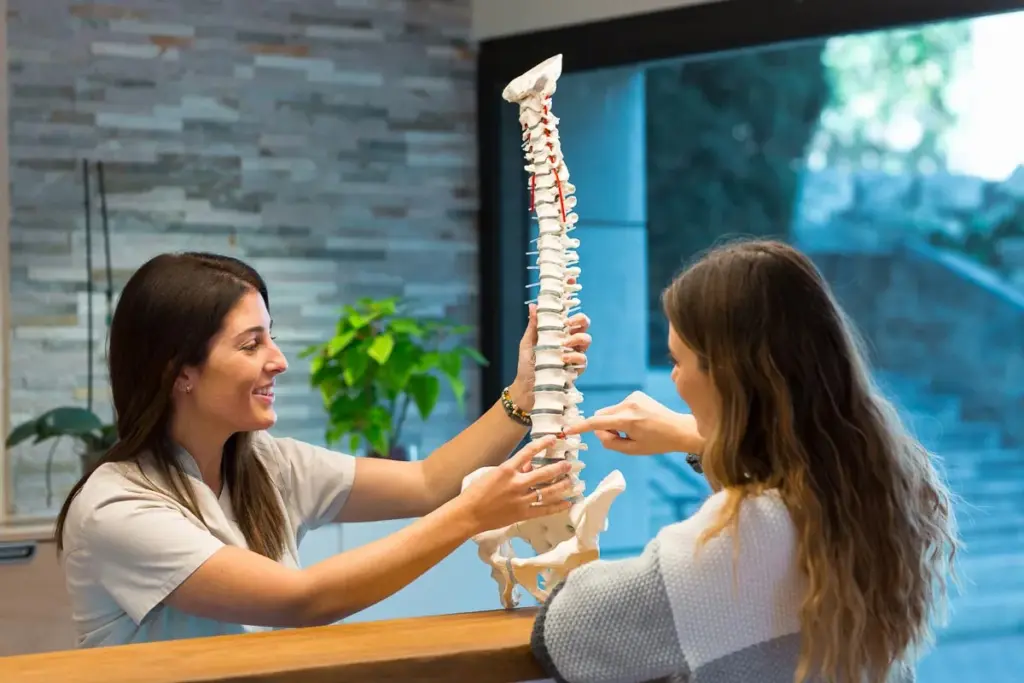
Spinal stenosis is a condition where the spinal canal narrows. This can press on nerves. It can happen in different parts of the spine, leading to various types of spinal stenosis.
What is Spinal Stenosis?
Spinal stenosis is a condition that narrows the spaces in the spine. This can put pressure on the spinal cord and nerves. It can cause discomfort, pain, and other symptoms.
It can be caused by aging, injuries, or certain medical conditions. The symptoms depend on where and how much the narrowing is. Common symptoms include pain, numbness, tingling, and weakness in the back, legs, or arms.
Cervical vs. Lumbar Spinal Stenosis
Spinal stenosis can happen in two main areas: the cervical region (neck) and the lumbar region (lower back). Cervical spinal stenosis affects the neck. It can cause neck pain, numbness or tingling in the arms or hands, and walking difficulties.
Lumbar spinal stenosis affects the lower back. It can cause lower back pain, numbness or tingling in the legs, and weakness in the legs or feet.
- Cervical spinal stenosis can lead to more severe complications if left untreated, such as loss of bladder or bowel control.
- Lumbar spinal stenosis can cause significant discomfort and impair mobility.
Common Causes and Risk Factors
Several factors can contribute to spinal stenosis. These include:
- Age-related wear and tear on the spine.
- Injuries or trauma to the spine.
- Certain medical conditions, such as arthritis or scoliosis.
- Genetic predisposition.
Understanding these causes and risk factors is key to preventing and managing spinal stenosis. By identifying the underlying causes, individuals can take steps to mitigate their risk. They can also seek appropriate treatment if symptoms arise.
The Role of Nutrition in Managing Spinal Stenosis
Diet is key in managing spinal stenosis. Certain foods can reduce inflammation and support the spine. A good diet is a big part of managing spinal stenosis.
How Diet Affects Spinal Health
A diet full of nutrients helps keep the spine healthy. Nutrients like calcium and vitamin D are vital for bone health. Anti-inflammatory foods can also help with pain and inflammation.
The spine needs a mix of vitamins and minerals to stay healthy. For example, vitamin K is important for bone mineralization. Magnesium helps with muscle relaxation and nerve function.
Anti-inflammatory Foods for Spinal Health
Eating anti-inflammatory foods can help manage spinal stenosis. Some of the best foods include:
- Fatty fish like salmon and sardines, rich in omega-3 fatty acids
- Turmeric, with its anti-inflammatory compound curcumin
- Ginger, known for its anti-inflammatory effects
- Leafy greens like spinach and kale, full of antioxidants
- Nuts and seeds, such as walnuts and chia seeds, rich in healthy fats and antioxidants
Building a Spine-Supportive Diet
Creating a diet for spinal health is more than just adding anti-inflammatory foods. It’s about eating a variety of nutrient-rich foods. Here are some tips:
- Eat whole, unprocessed foods like vegetables, fruits, whole grains, lean proteins, and healthy fats.
- Include foods high in calcium and vitamin D for bone health.
- Drink plenty of water to stay hydrated.
- Avoid foods that can trigger inflammation, like processed meats, sugary drinks, and refined carbs.
By eating a balanced diet, people with spinal stenosis can feel better and live better lives.
Vitamin D: The Essential Nutrient for Spinal Health
Vitamin D is key for spinal health, mainly for those with spinal stenosis. It helps keep bones strong, which is important for managing the condition and avoiding more problems.
Supporting Bone Health
Vitamin D is vital for bone health. It helps the body absorb calcium, a mineral needed for strong bones. For those with spinal stenosis, strong bones are important. They help support the spine and lower the chance of further damage.
Key benefits of vitamin D for bone health include:
- Enhancing calcium absorption
- Promoting bone mineralization
- Supporting the immune system
Recommended Dosage for Spinal Stenosis Patients
The right amount of vitamin D varies by age, skin color, and sunlight exposure. Adults usually need 600 to 800 IU (International Units) daily. But, those with spinal stenosis might need more. It’s best to talk to a doctor to find out the right amount for you.
It’s also important to have your vitamin D levels checked regularly to ensure you’re within the optimal range.
Food Sources vs. Supplements
Vitamin D comes from food, supplements, and sunlight. Foods like fatty fish, fortified dairy, and some cereals are good sources. Supplements can help if you don’t get enough from food or sunlight.
When deciding between food and supplements, think about your diet, lifestyle, and health needs. Talking to a healthcare professional can give you advice tailored to you.
Calcium and Its Impact on Spinal Stenosis
Keeping calcium levels right is key for bone health, even more so for those with spinal stenosis. Calcium is vital for strong bones, which is important for those facing spinal stenosis challenges.
The Relationship Between Calcium and Bone Strength
Calcium is important for bone strength by keeping bones dense. When calcium is enough, bones can handle daily activities better. This reduces the chance of fractures and bone problems. For those with spinal stenosis, strong bones help manage the condition and prevent more issues.
Adequate calcium intake keeps vertebrae healthy, which is key for spinal stability. Calcium supports bone health, easing symptoms like pain and mobility issues in spinal stenosis.
Optimal Calcium Intake for Spinal Health
Finding the right calcium intake for spinal health depends on age, sex, and health. Adults need 1,000 to 1,200 mg of calcium daily. Those with spinal stenosis might need more, based on their health.
Calcium supplementation needs careful handling and a doctor’s watch. Too much calcium can cause problems like kidney stones.
Balancing Calcium with Other Nutrients
It’s important to balance calcium with other nutrients for bone health. Vitamin D is key because it helps the body absorb calcium. Having enough vitamin D boosts calcium’s benefits.
Other nutrients like magnesium and vitamin K also help bones. Magnesium helps with calcium use, and vitamin K aids in bone mineralization. Eating a variety of nutrient-rich foods supports bone health and helps with spinal stenosis symptoms.
Vitamin B Complex Benefits for Nerve Health
Nerve health is key for those with spinal stenosis. Vitamin B complex helps a lot. It has vitamins B1, B2, B3, B5, B6, B7, B9, and B12. Each vitamin has its own role in keeping nerves healthy.
B Vitamins and Nerve Function
B vitamins are vital for the nervous system. They help make neurotransmitters and keep the nervous system strong. B6, B9, and B12 are special because they lower homocysteine levels. High homocysteine can harm nerves.
B12 Deficiency and Neurological Symptoms
Lacking vitamin B12 can cause numbness, tingling, and weakness in hands and feet. These symptoms are bad for people with spinal stenosis. It’s important to get enough B12 from food or supplements to avoid these problems.
Food Sources of B Vitamins
B vitamins are easy to find in many foods. Vitamin B12 is mainly in animal products like meat, fish, and dairy. Other B vitamins are in whole grains, legumes, nuts, and leafy greens. Eating these foods helps keep nerves healthy.
|
B Vitamin |
Food Sources |
|---|---|
|
B1 (Thiamin) |
Whole grains, nuts, seeds |
|
B6 |
Fish, meat, whole grains |
|
B12 |
Meat, fish, dairy products |
|
Folate (B9) |
Leafy greens, legumes, whole grains |
Knowing how vitamin B complex helps nerves and eating B-rich foods can help those with spinal stenosis. It can make their symptoms better and improve their life quality.
Magnesium and Other Minerals for Spinal Support
For those with spinal stenosis, knowing about magnesium and other minerals is key. These minerals are vital for keeping the spine healthy and overall well-being.
Magnesium’s Role in Muscle Relaxation
Magnesium is a key mineral for muscle relaxation, nerve function, and bone health. It helps with muscle cramps, spasms, and tension in spinal stenosis.
Magnesium’s benefits for spinal health include:
- Relaxing muscles and reducing spasms
- Improving nerve function and transmission
- Supporting bone mineralization and density
Zinc, Selenium, and Other Supportive Minerals
Zinc and selenium are also important for spinal health. Zinc helps with the immune system and healing. Selenium protects cells from damage.
Other supportive minerals include:
- Zinc: Important for immune function and collagen synthesis
- Selenium: Acts as an antioxidant, protecting against cell damage
- Potassium: Helps in maintaining healthy blood pressure and nerve function
Mineral Supplementation Guidelines
While food is the best source of minerals, supplements can help with dietary needs. It’s important to follow guidelines to avoid side effects.
Guidelines for mineral supplementation:
- Consult with a healthcare professional before starting any supplement regimen.
- Choose high-quality supplements from reputable manufacturers.
- Follow the recommended dosages and be aware of possible interactions with other medications.
Anti-inflammatory Supplements for Spinal Stenosis
For those with spinal stenosis, adding anti-inflammatory supplements to their treatment can help. This condition narrows the spinal canal, causing pain and numbness. A mix of medical treatments, lifestyle changes, and supplements is often used.
Omega-3 Fatty Acids
Omega-3 fatty acids are strong against inflammation. They’re mainly found in fish oil. These fats can lessen inflammation and ease symptoms of spinal stenosis. Research has shown they can also reduce joint pain and stiffness.
Omega-3s do more than fight inflammation. They’re good for the heart and can boost mental health. It’s important to pick a high-quality omega-3 supplement with enough EPA and DHA.
Turmeric and Curcumin
Turmeric, a common spice, has curcumin, which fights inflammation and is antioxidant. Curcumin has been shown to block inflammatory pathways. This can help reduce pain and inflammation from spinal stenosis. Supplements with bioavailable curcumin are effective.
Many turmeric supplements include piperine to boost curcumin absorption. This makes them more effective in fighting inflammation and symptoms.
Other Natural Anti-inflammatories
Other natural supplements like ginger and boswellia also fight inflammation. Ginger has been used for centuries to ease pain. Boswellia, or frankincense, can reduce inflammation and improve symptoms in osteoarthritis.
Vitamin D, magnesium, and green tea extract are also anti-inflammatory. Each has unique benefits for reducing inflammation and improving health. Always talk to a healthcare provider before starting any new supplements, even if you’re already on medication.
Things to Avoid with Cervical Spinal Stenosis
Living with cervical spinal stenosis requires careful choices about what you do, eat, and how you live. Knowing what to avoid helps manage symptoms and improve life quality.
Harmful Activities and Movements
Some activities and movements can make cervical spinal stenosis worse. Avoid heavy lifting, bending, or twisting as they strain the spine. Avoiding high-impact exercises like running or jumping is also wise, as they can irritate the area further.
Here are some specific movements to steer clear of:
- Neck extensions or rotations that cause pain or discomfort
- Contact sports or activities that risk neck injury
- Heavy weightlifting, specially with bad form
Dietary Factors That May Worsen Symptoms
What you eat affects inflammation and health. Some foods can make cervical spinal stenosis symptoms worse. It’s best to limit or avoid:
- Processed foods high in salt and sugar
- Foods with advanced glycation end (AGE) products, like charred or fried foods
- Dairy or other foods that cause inflammation in some people
Following an anti-inflammatory diet with lots of fruits, veggies, and omega-3s can help ease symptoms.
Lifestyle Habits to Eliminate
Some lifestyle habits can affect cervical spinal stenosis symptoms. Smoking is very bad as it cuts off blood flow and oxygen to spinal discs, making things worse. Also, keeping a healthy weight is key to reduce spine strain.
|
Lifestyle Habit |
Impact on Cervical Spinal Stenosis |
Recommendation |
|---|---|---|
|
Smoking |
Reduces blood flow and oxygenation to spinal discs |
Quit smoking |
|
Poor Posture |
Can exacerbate spinal strain |
Maintain proper posture |
|
Excess Weight |
Increases strain on the spine |
Maintain a healthy weight |
Cervical Spinal Stenosis Exercises to Avoid
Managing cervical spinal stenosis means being careful with exercises. Some activities can stress the spine too much. This can make symptoms worse and lead to more problems.
High-Impact Activities
High-impact activities are not good for cervical spinal stenosis. These include:
- Running or jogging: Running can stress the spine too much, irritating the stenotic area.
- Jumping or hopping: Jumping can jar the spine, making symptoms worse.
- High-impact aerobics: Aerobic exercises with high-impact movements can harm someone with cervical spinal stenosis.
Neck Extensions and Rotations
Some neck movements can be bad for cervical spinal stenosis. Exercises that involve:
- Neck extensions: Tilting the head back can narrow the spinal canal, compressing the spinal cord.
- Excessive neck rotations: Rotating the neck too much can irritate nerves and make symptoms worse.
Weight-Bearing Exercises to Modify
Some weight-bearing exercises can be changed to avoid making cervical spinal stenosis worse. For example:
- Lifting heavy weights: Lifting heavy can stress the cervical spine. Try lifting lighter or avoid heavy lifting.
- Modifying exercises: Exercises like shoulder presses or rows can be changed to reduce neck strain.
It’s key to talk to a healthcare professional or physical therapist. They can help create a safe exercise plan for you.
How to Prevent Spinal Stenosis from Progressing
To stop spinal stenosis from getting worse, you need to make lifestyle changes, eat right, and do exercises. A good plan can help you avoid more damage and feel better.
Early Intervention Strategies
Acting fast is key when you have spinal stenosis. First, get a full check-up with tests and physical exams. Then, a doctor will make a plan just for you.
Key early steps include:
- Keep an eye on your symptoms and spine health
- Do physical therapy to get stronger and more flexible
- Use pain relief methods like medicine or shots
- Make lifestyle changes, like exercise and diet
Maintaining Proper Spinal Alignment
Keeping your spine aligned right is vital to stop spinal stenosis from getting worse. You can do this by standing tall, sitting right, and doing exercises that help your spine.
Good posture tips are:
- Stand straight with shoulders back and weight evenly on both feet
- Sit up straight with feet flat on the floor or on a footrest
- Don’t lift heavy or bend a lot
Weight Management for Spinal Health
Keeping a healthy weight is important for your spine. Eating well and exercising can help you stay at a good weight.
Nutritional tips for your spine are:
- Eat a diet full of fruits, veggies, and whole grains
- Add lean proteins and healthy fats
- Stay away from processed foods and too much sugar
By following these tips every day, you can lower the chance of your spinal stenosis getting worse and keep your spine healthy.
Ergonomic Considerations for Daily Activities
Ergonomics can greatly improve life for those with spinal stenosis. Simple changes in daily activities can lessen pain and boost well-being.
Proper Sitting and Standing Posture
Keeping the right posture is key to easing spine strain. When sitting, feet should be flat or on a footrest. Knees should be at or below hip level, and the back should be straight. Standing with shoulders back and weight evenly on both feet also helps.
Best Sitting Position for Spinal Stenosis
The ideal sitting position for spinal stenosis includes a lumbar support. This keeps the lower back’s natural curve. Adjusting chair height and taking breaks to stand or stretch are also helpful.
- Use a chair with good lumbar support or add a lumbar roll.
- Adjust the chair height to keep feet flat on the floor.
- Take regular breaks to stand, stretch, or walk.
Workstation Adjustments
Adjusting your workspace can reduce spine strain. Place the computer monitor at eye level. Keep the keyboard and mouse close, and use a document holder to avoid neck bending.
- Position the monitor directly in front, at a distance of about 20-25 inches.
- Keep the keyboard and mouse close to avoid reaching forward.
- Use a document holder to keep papers at eye level.
Driving and Travel Recommendations
When driving or traveling, it’s vital to stretch and move regularly. Adjust the car seat for lumbar support and keep the steering wheel within reach.
- Take breaks every hour to stretch and walk around.
- Adjust the car seat for proper lumbar support.
- Consider using a portable lumbar support for travel.
How to Sleep with Spinal Stenosis
Sleeping well with spinal stenosis needs some planning and changes in your sleep habits. Getting a good night’s sleep is key to managing symptoms and improving life quality.
Best Sleeping Positions
Your sleep position can greatly affect your spinal stenosis symptoms. Sleeping on your side with your knees bent can reduce spine pressure. Or, sleeping on your back with a pillow under your knees can also help by easing spine pressure.
Try to avoid sleeping on your stomach. It can put your spine in an unnatural position, making symptoms worse.
Choosing the Right Pillow for Spinal Stenosis
The right pillow is important for managing spinal stenosis symptoms at night. Look for a pillow that keeps your head and neck aligned with your spine. A contour pillow or cervical pillow is best for this.
Side sleepers might need a thicker pillow to keep the ear and shoulder aligned. Back sleepers might prefer a thinner pillow or a special cervical pillow that supports the head and neck.
Mattress Considerations
A supportive mattress is vital for managing spinal stenosis. A medium-firm mattress is usually best as it offers the right support without being too hard. Look for a mattress with memory foam or adjustable firmness for extra support.
Don’t forget to replace your mattress every 7-8 years. An old mattress may not support your spine well, making symptoms worse.
Natural Remedies and Self-Care Techniques
Natural remedies and self-care are key in easing spinal stenosis symptoms. Adding these to your daily routine can help manage your condition. It can also make your life better.
Heat and Cold Therapy
Heat and cold therapy are simple but effective for spinal stenosis. Heat relaxes muscles and boosts blood flow. Cold therapy reduces inflammation and eases pain.
To use heat, soak in a warm bath or apply a heating pad for 15-20 minutes, several times a day. For cold therapy, use an ice pack or cold compress wrapped in a towel to avoid skin contact.
Massage and Manual Therapies
Massage therapy can ease muscle tension and boost flexibility. Deep tissue, Swedish massage, and myofascial release are good for spinal stenosis patients.
Manual therapies like chiropractic care and physical therapy also help. They improve spinal alignment and strengthen muscles that support the spine.
|
Therapy Type |
Benefits |
|---|---|
|
Massage Therapy |
Relieves muscle tension, improves flexibility |
|
Chiropractic Care |
Improves spinal alignment, relieves pressure on nerves |
|
Physical Therapy |
Strengthens spinal support muscles, improves mobility |
Acupuncture and Alternative Treatments
Acupuncture involves fine needles in specific body points to stimulate healing and pain relief. Some studies show it can help with chronic pain from spinal stenosis.
Spinal Stenosis Treatment Natural Remedies
Other alternatives include herbal supplements like turmeric and ginger, which fight inflammation. Always talk to a healthcare provider before trying new supplements to avoid interactions with medications.
Exploring these natural remedies and self-care methods can offer more relief for those with spinal stenosis. It can also enhance overall well-being.
Cervical Spinal Stenosis Diet Recommendations
A well-planned diet is key to easing cervical spinal stenosis symptoms. Focus on anti-inflammatory foods and nutrients that support spinal health. This helps manage the condition better.
Anti-inflammatory Diet Principles
An anti-inflammatory diet focuses on foods that reduce body inflammation. For cervical spinal stenosis, eat foods high in antioxidants and omega-3 fatty acids. These nutrients help fight inflammation.
- Choose whole, unprocessed foods like vegetables, fruits, and whole grains.
- Include omega-3 fatty acids from fatty fish and nuts.
- Limit or avoid processed and high-sugar foods.
Foods to Emphasize
Some foods are great for cervical spinal stenosis due to their anti-inflammatory effects or nutritional value.
|
Food |
Nutritional Benefit |
|---|---|
|
Fatty Fish (Salmon, Sardines) |
Rich in Omega-3 fatty acids, which reduce inflammation. |
|
Leafy Greens (Spinach, Kale) |
High in antioxidants and other nutrients supporting overall health. |
|
Nuts and Seeds (Walnuts, Chia Seeds) |
Good sources of healthy fats and antioxidants. |
Foods to Limit or Avoid
Some foods can make inflammation worse or harm spinal health. It’s important to limit or avoid these.
- Processed meats and foods high in saturated fats.
- Foods with added sugars and refined carbohydrates.
- Excessive caffeine and alcohol.
Meal Planning for Spinal Health
Good meal planning for cervical spinal stenosis means eating anti-inflammatory foods and avoiding harmful ones.
Try meal prepping or planning meals with seasonal produce. This ensures you get the nutrients you need.
When to Seek Medical Intervention
Knowing when to seek medical help is key for those with spinal stenosis. This condition can get worse over time. Getting medical help early can greatly improve treatment results.
Warning Signs of Worsening Stenosis
It’s important to know the signs that show stenosis is getting worse. These include:
- Increasing pain in the neck, back, or legs
- Numbness or tingling sensations in the extremities
- Weakness in the muscles, making it hard to do daily tasks
- Loss of bladder or bowel control
- Difficulty walking or staying balanced
If you notice any of these symptoms, see your doctor right away.
Non-Surgical Treatment Options
Many people with spinal stenosis find relief without surgery. Options include:
- Physical therapy to boost mobility and strength
- Pain management with medication
- Changes in lifestyle, like staying healthy and improving posture
- Epidural steroid injections to cut down inflammation
These methods aim to ease symptoms and enhance life quality without surgery.
When Surgery Might Be Necessary
Even with non-surgical treatments, some symptoms may not improve or may get worse. This might mean surgery is needed. Surgery is considered if:
- There’s serious nerve damage or severe pain
- Non-surgical treatments haven’t helped enough
- There’s clear evidence of worsening neurological issues
Surgical choices depend on the person’s situation and might include laminectomy or spinal fusion.
Talking to a healthcare professional about all treatment options is vital. They can help decide the best plan for you.
Conclusion: Living Well with Cervical Spinal Stenosis
Living with cervical spinal stenosis means taking a holistic approach. This includes good nutrition, regular exercise, and making lifestyle changes. By understanding the condition and making smart choices, people can manage their symptoms well.
Managing cervical spinal stenosis involves eating right. This means eating foods that fight inflammation and getting enough vitamin D and calcium. Also, doing gentle stretches and strengthening exercises can help ease symptoms.
Self-care is key to keeping the spine healthy. This means keeping a good posture, stretching often, and avoiding things that make symptoms worse.
By following these tips every day, people with cervical spinal stenosis can feel better. They can also stay independent. With the right steps, it’s possible to live well with cervical spinal stenosis.
FAQ
What is spinal stenosis, and how does it affect the body?
Spinal stenosis is when the spinal canal gets narrower. This can press on the spinal cord and nerves. It leads to pain, numbness, and weakness in the back, legs, and arms.
What are the common causes and risk factors associated with spinal stenosis?
It can happen due to aging, wear and tear, herniated discs, spinal injuries, or genetics.
How can diet and nutrition help manage spinal stenosis?
Eating a balanced diet with anti-inflammatory foods, vitamins, and minerals can ease symptoms and support the spine.
What is the role of vitamin D in managing spinal stenosis?
Vitamin D is key for bone health. It helps keep bones strong, reducing the risk of fractures and spinal degeneration.
How much calcium is recommended for optimal spinal health?
Adults need 1,000-1,200 mg of calcium daily to support bone health, depending on age.
What are the benefits of vitamin B complex for nerve health?
Vitamin B complex, like B12, is vital for nerve function. It helps with symptoms related to spinal stenosis.
What activities should be avoided with cervical spinal stenosis?
Avoid heavy lifting, bending, or high-impact activities. They can make symptoms worse.
What exercises should be avoided with cervical spinal stenosis?
Neck extensions, rotations, or heavy weight-bearing exercises should be avoided or modified to prevent strain.
How can spinal stenosis be prevented from progressing?
Early treatment, proper spinal alignment, weight control, and a healthy lifestyle can slow its progression.
What are the best sleeping positions for spinal stenosis?
Sleeping on your back with a supportive pillow or on your side with a pillow between your knees helps maintain spinal alignment and eases symptoms.
What natural remedies can help manage spinal stenosis?
Heat and cold therapy, massage, acupuncture, and other alternative treatments can help manage symptoms and improve life quality.
When should medical intervention be sought for spinal stenosis?
Seek medical help if symptoms get worse or if you notice signs of neurological decline, like numbness, weakness, or loss of bladder control.
What dietary recommendations can help manage cervical spinal stenosis?
Follow an anti-inflammatory diet with fruits, vegetables, whole grains, and omega-3 fatty acids to help symptoms and support spinal health.
Reference
National Center for Biotechnology Information. Evidence-Based Medical Insight. Retrieved from https://pmc.ncbi.nlm.nih.gov/articles/PMC10553140/[3