


Pediatric pulmonology deals with many respiratory issues in kids. These include common problems like asthma and bronchitis. It also covers rarer diseases, such as cystic fibrosis and childhood interstitial lung diseases (chILD).

These childhoodlung diseases can really affect a child’s life. It’s important to know about them to help kids get better care. Pediatric pulmonol provides specialized expertise in diagnosing and treating these respiratory issues to improve children’s lung health and overall well-being.
The field of pediatric pulmonology is key in treating these conditions. It helps by diagnosing, treating, and managing these diseases. This way, it improves the health of young patients all over the world.
Key Takeaways
- Understanding the range of respiratory disorders in children is key for good care.
- Pediatric pulmonology tackles both common and rare lung diseases.
- Conditions like asthma and cystic fibrosis need special treatment.
- Childhood interstitial lung diseases (chILD) are among the rarer conditions managed.
- Proper diagnosis and management can greatly improve a child’s quality of life.
The Scope and Impact of Pediatric Respiratory Disorders
It’s key to understand pediatric respiratory disorders to tackle their health challenges. These issues affect kids’ lung health and overall well-being. It’s important to grasp their scope and impact.
Children’s lungs are more at risk because they’re developing. This is why pediatric respiratory diseases are more common in kids than in adults.
How Children’s Respiratory Systems Differ from Adults
Children’s lungs are not just smaller versions of adults’. They change a lot as kids grow. Children’s lungs are more prone to damage because of their small airways and fast breathing.

Global Prevalence of Childhood Lung Diseases
Childhood lung disorders are a big health problem worldwide. Asthma, for example, hits about 8% of kids globally. It’s a top chronic disease in kids.
These diseases affect more than just health. They also impact families’ and communities’ social and economic lives. Knowing the scope and impact is the first step to reducing their effects.
Common Pediatric Pulmonology Conditions
Conditions like asthma and cystic fibrosis greatly affect kids’ lives. They can lead to frequent symptoms, hospital stays, and missed school. This impacts not just the child but also their family.
Asthma: The Leading Chronic Respiratory Disease in Children
Asthma is the top chronic respiratory disease in kids. It causes wheezing, coughing, and shortness of breath. The CDC says over 6 million kids in the U.S. have asthma, affecting their quality of life a lot.
Symptoms of asthma in children include:
- Wheezing or a whistling sound while breathing
- Coughing, especially at night or during exercise
- Shortness of breath or difficulty breathing
- Chest tightness or pain
Managing asthma means using medicine, making lifestyle changes, and keeping an eye on symptoms to prevent bad episodes.
Bronchitis and Bronchiolitis in the Pediatric Population
Bronchitis and bronchiolitis are common in young kids, often from viruses like RSV. Bronchiolitis affects the small airways, while bronchitis affects the larger ones.
Symptoms of bronchiolitis include:
- Runny nose and congestion
- Coughing and wheezing
- Rapid breathing and trouble feeding
For bronchiolitis, treatment is mainly supportive, like staying hydrated and getting oxygen. Bronchitis might need bronchodilators, too.
Childhood Pneumonia: Causes and Complications
Pneumonia is a big problem worldwide, hitting kids hard, mainly in poorer countries. It can be from bacteria, viruses, or fungi, with symptoms ranging from mild to severe.
Causes of pneumonia in children include:
- Bacterial infections, such as Streptococcus pneumoniae
- Viral infections, such as RSV and influenza
- Fungal infections, mainly in kids with weak immune systems
Pneumonia can lead to serious issues like respiratory failure, sepsis, and lung damage. This shows why quick diagnosis and treatment are key.
Cystic Fibrosis: A Multisystem Genetic Disorder
Cystic fibrosis affects the lungs, digestive system, and reproductive system. It causes thick mucus in the lungs and other organs. This can cause lung infections, malnutrition, and other problems.
“Cystic fibrosis is a complex and multifaceted disease that requires a complete treatment plan to manage its symptoms and complications.”-Genetic specialists highlight.
Dealing with cystic fibrosis means a team effort. This includes respiratory therapy, nutrition support, and medicines to control symptoms and slow the disease.
Rare Pediatric Pulmonary Conditions and Their Challenges
Rare pediatric pulmonology conditions need a deep understanding and specific care plans. These uncommon conditions greatly affect kids and their families. They include lung and respiratory system disorders that need special treatment.
Childhood Interstitial Lung Diseases (CHILD)
Childhood Interstitial Lung Diseases (chILD) are a mix of disorders affecting the lung’s interstitium. They cause inflammation and fibrosis, leading to breathing problems and lung function issues. Diagnosing chILD is hard and needs a mix of clinical checks, imaging, and lung biopsies. Early diagnosis is key to start the right treatment and improving outcomes.
“Managing CHILD needs a team effort from pulmonologists, radiologists, and pathologists,” recent guidelines say. Treatments include steroids, immunosuppressants, and support like oxygen and nutrition.
Bronchopulmonary Dysplasia in Premature Infants
Bronchopulmonary dysplasia (BPD) is a lung disease in premature babies who need ventilation and oxygen. It causes lung injury and stops lung growth, leading to long-term breathing issues. Preventing BPD is important and includes avoiding invasive ventilation and using surfactant.
Managing BPD involves a detailed care plan, including breathing support, nutrition, and watching for complications. Long-term care is vital to meet the ongoing respiratory needs of these kids.
Congenital Lung Malformations and Their Management
Congenital lung malformations are developmental lung issues that can affect breathing. These include conditions like congenital pulmonary airway malformations (CPAM) and bronchogenic cysts. Diagnosis often happens before birth or in childhood, and treatment might involve surgery. Decisions to operate depend on symptom severity and risk of complications.
“Surgical removal is often advised for symptomatic or high-risk lesions,” as noted in surgical guidelines.
Children with congenital lung malformations need a team approach for care, including surgeons, pulmonologists, and radiologists. Long-term monitoring is essential to watch for complications and ensure good lung health.
Diagnosis and Treatment Approaches in Pediatric Pulmonology
Managing pediatric pulmonology conditions needs advanced tools and teamwork. Diagnosing respiratory issues in kids is complex. It uses many diagnostic methods and tools.
Advanced Diagnostic Techniques for Respiratory Disorders
Advanced tests are key in finding respiratory diseases in kids. These include:
- Pulmonary function tests (PFTs): to check lung health and spot asthma.
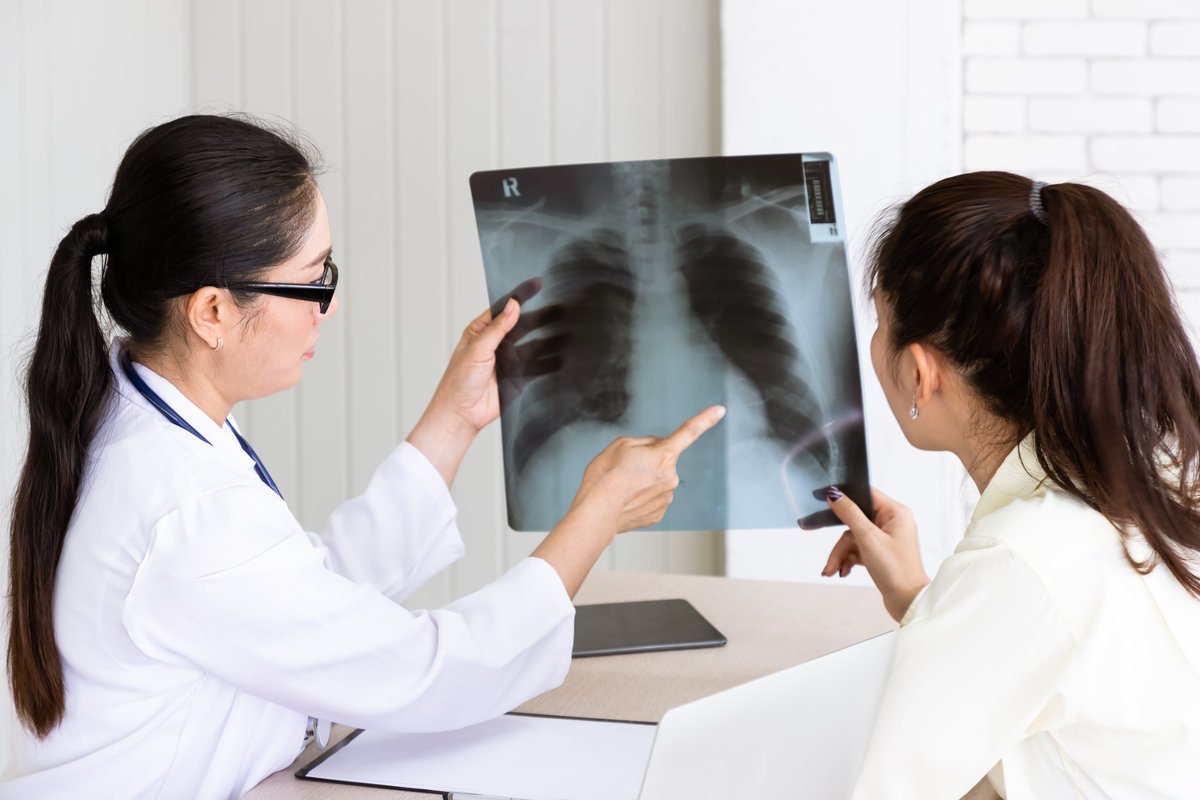
- Imaging studies: like chest X-rays and CT scans to see lung problems.
- Bronchoscopy: to look at airways and get samples for tests.
Multidisciplinary Treatment Strategies
Treatment plans for kids with respiratory issues are made just for them. They might include:
- Pharmacological interventions, like bronchodilators and corticosteroids to ease symptoms.
- Respiratory therapy: including oxygen and chest physiotherapy to help the lungs.
Specialized Nutritional and Respiratory Support Systems
Kids with serious respiratory problems need special care. This includes:
- Nutritional supplementation: to help them grow and develop.
- Respiratory support devices, like ventilators and CPAP machines to help breathing.
Using the latest tests and treatments, along with special care, helps kids with respiratory issues. Healthcare teams work together to improve their health.
Conclusion: The Future of Pediatric Respiratory Care
Pediatric pulmonology faces many challenges. Conditions like asthma and rare diseases like childhood interstitial lung disease (CHILD) need special care. This care must come from a team of experts.
Liv Hospital is leading the way in pediatric respiratory care. They aim to keep improving and delivering top-notch care. The future of treating childhood lung diseases relies on research and new treatments.
It’s important to focus on creating care plans that meet children’s specific needs. This will help improve their health and quality of life. By doing this, we can make a big difference in their lives.
FAQ’s:
What is pediatric pulmonology?
Pediatric pulmonology is a field that focuses on treating breathing problems in kids. It covers everything from common issues like asthma to rare diseases like cystic fibrosis.
How do children’s respiratory systems differ from adults?
Kids’ lungs are not fully developed, making them more prone to breathing issues. Understanding these differences is key to treating respiratory problems in children.
What is the prevalence of childhood lung diseases globally?
Asthma affects about 8% of kids worldwide, making it a major chronic disease. This shows the need for specialized care for children’s lung health.
What are some common pediatric pulmonology conditions?
Common conditions include asthma, bronchitis, and cystic fibrosis. These can greatly affect a child’s life and need early treatment.
What are childhood interstitial lung diseases (chILD)?
chILD are rare lung disorders that affect the lung’s tissue. They are hard to diagnose and treat.
How are pediatric pulmonology conditions diagnosed?
Doctors use advanced tests like imaging and lung function tests to diagnose these conditions. Accurate diagnosis is key to effective treatment.
What are the treatment approaches for pediatric pulmonology conditions?
Treatments vary based on the condition. They may include medicines, therapy, and nutrition support. Special care is needed for complex cases.
Why is multidisciplinary care important in pediatric pulmonology?
A team approach is vital in pediatric pulmonology. It ensures kids get the best care for their respiratory issues.
REFERENCES:
- Chami, H. A., Muhsin, S., Woo, M., & Landes, A. (2025). Pediatric Pulmonology 2024 Year in Review: Rare and Diffuse Lung Diseases. Pediatric Pulmonology.https://pmc.ncbi.nlm.nih.gov/articles/PMC12005123/


