


Recent studies show a strong connection between what kids eat and how they act. Foods high in sugar, artificial additives, and preservatives can lead to more hyperactivity, impulsiveness, and mood swings. On the other hand, foods full of omega-3 fatty acids, iron, zinc, and whole foods can help improve focus, mood, and brain function.

It’s important for parents to know how diet affects their kids’ behavior. By steering clear of certain hyperactivity foods to avoid, parents can help manage their child’s behaviour better.
Key Takeaways
- Understanding hyperactivity foods to avoidis essential for managing children’s behavior and overall well-being. Diets high in sugar and artificial additives can increase hyperactivity and impulsivity in kids.
- Parents should pay attention to hyperactivity foods to avoid, such as processed snacks, sugary drinks, and foods with artificial colors or preservatives. In contrast, foods rich in omega-3 fatty acids and whole foods support improved attention and mood regulation.
- Certain foods can exacerbate conditions like ADHD, so being mindful of hyperactivity foods to avoid can make a real difference. Eliminating synthetic food dyes often results in notable improvements for children sensitive to additives.
- A behavior-friendly diet plan that focuses on natural, nutritious options while limiting hyperactivity foods to avoid can help manage children’s behavior more effectively.
The Science Behind Food and Behaviour Connection
Research shows that diet greatly affects brain function and behaviour in kids. The link between food and behaviour is complex. It involves many dietary components that can greatly impact a child’s behaviour and thinking.
Certain food additives, like artificial dyes and preservatives, are linked to behavioural problems. For example, some studies found a link between artificial food colouring and hyperactivity in kids. It’s important to understand this connection to manage behaviour through diet.
How Diet Influences Brain Function in Children
Diet affects brain function in many ways. Nutrients can change the brain’s structure and function. They can influence how neurotransmitters work and how the brain gets energy.
A diet rich in omega-3 fatty acids is good for the brain. But, a diet full of processed foods and artificial additives can harm it.
For instance, Blue 1 has been studied for its impact on behavior. Some kids might be more sensitive to it, leading to behavioral changes like more hyperactivity.
Recent Research on Food Additives and Behavior
Recent studies have looked into the connection between food additives and behavior. For example, research on food dye and behavior problems found that some artificial dyes can cause more hyperactivity in kids. There’s also evidence that preservatives and flavor enhancers, like MSG, can affect behavior.
It’s key for parents and caregivers to understand the impact of these additives. Knowing the effects of certain foods helps them make better choices for their child’s diet. This can help reduce the risk of behavioral issues.
Sugar and Its Impact on Children’s Behavior
The effect of sugar on kids’ behavior worries many parents and doctors. High sugar intake can lead to behavioral problems, like ADHD. It can also cause mood swings and irritability in children.
“Diets high in sugar can have a profound effect on children’s behavior, contributing to increased hyperactivity and mood disorders,” says a recent study. This happens because sugar quickly raises blood sugar levels, then drops them, making kids feel tired and cranky.
Blood Sugar Fluctuations and Mood Swings
Blood sugar changes can make kids moody. When they eat lots of sugar, their blood sugar goes up, then crashes. This can make them feel irritable, anxious, and hyperactive.
To keep blood sugar stable, it’s key to balance sugar with healthy foods. Complex carbs, fiber, and protein can help control blood sugar, cutting down on mood swings.
Hidden Sources of Sugar in Children’s Diets
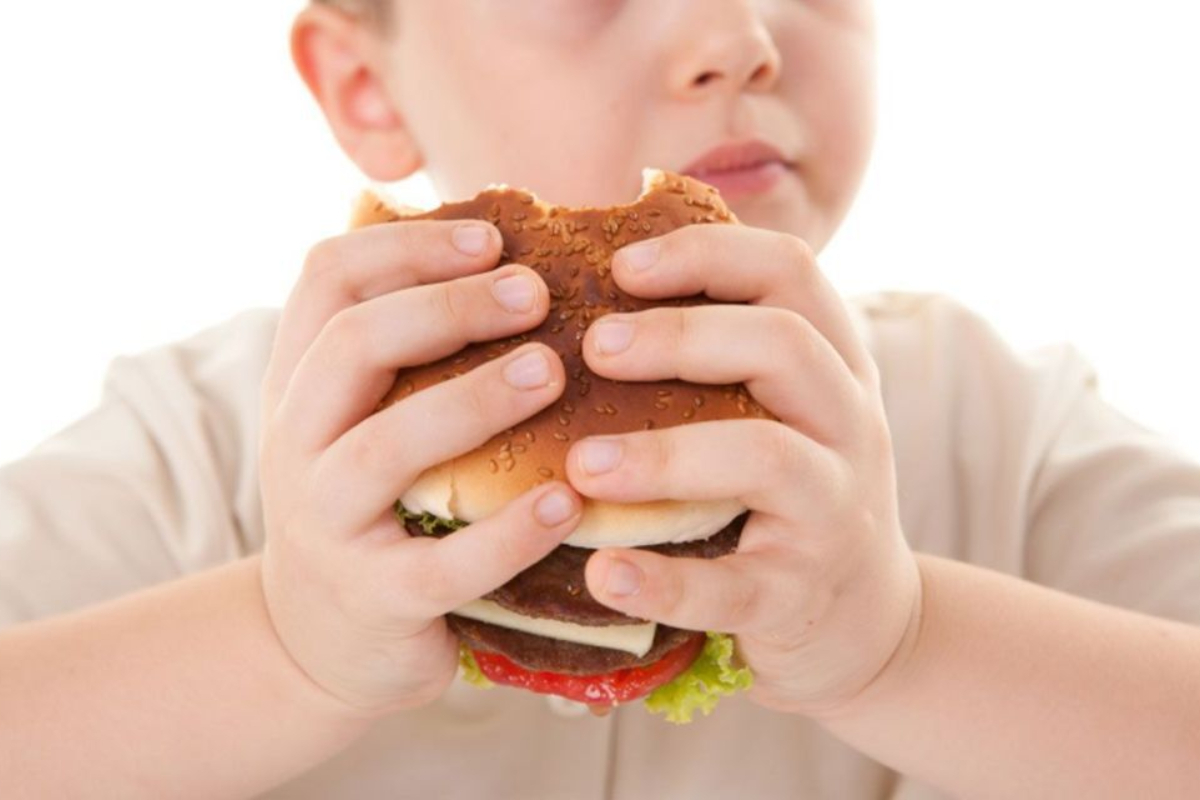
Sugar hides in foods thought to be healthy. Many kids’ foods, like cereals, yogurt, and sauces, have a lot of added sugar. Parents need to check food labels and pick products with less sugar.
Some common hidden sugar sources include:
- Flavoured yogurts and milk
- Breakfast cereals and granola
- Sauces and condiments
- Baked goods and pastries
Knowing these hidden sugars and making smart choices can help cut down sugar in kids’ diets. This can lessen the bad effects of sugar on their behaviour.
Artificial Food Dyes and Behavioural Problems
Artificial food dyes in processed foods can cause behavioural issues in kids. It’s key for parents to know the risks and how to avoid them.
Red40 and Behavioural Issues: What Parents Should Know
Red40, or Allura Red AC, is a common artificial dye. Studies show it can lead to hyperactivity and other behavioural problems in kids. A Journal of Pediatrics study found a strong link between Red40 and hyperactivity in children.
Parents should watch out for Red40 in:
- Processed snacks
- Candy and sweets
- Some breakfast cereals
Blue1 Side Effects on Children’s Behaviour
Blue 1, or Brilliant Blue FCF, is another dye causing concern. Though less studied, Blue1 may have behavioural side effects. Parents should be careful with foods that might have Blue1, like:
- Certain beverages
- Some candies and desserts
- Processed foods with artificial colouring
Yellow 5 and 6: Research on Hyperactivity Links
Yellow5 (Tartrazine) and Yellow6 (Sunset Yellow FCF) have been studied for their effects on kids’ behaviour. Research links these dyes to increased hyperactivity. For example, a study by the Ohio State University showed that kids eating foods with these dyes were more hyperactive.
To cut down on these dyes, parents can:
- Read food labels carefully
- Choose natural, dye-free options
- Reduce eating processed foods
By staying informed and careful, parents can lessen the harm of artificial food dyes on their kids’ behaviour.
Preservatives and Additives That Trigger Behavioural Issues
Preservatives and additives, like MSG and sodium benzoate, extend shelf life but can affect kids’ behaviour. It’s key for parents to know how these substances impact their child’s actions.
MSG and Other Flavour Enhancers
Monosodium glutamate (MSG) is a flavour booster in many processed foods. Studies link MSG to headaches and behaviour changes in kids. Knowing about MSG in foods helps parents choose better for their kids.
Parents should check labels for MSG and other enhancers. Some foods have hidden MSG, like “hydrolyzed vegetable protein” or “yeast extract.” Staying alert helps cut down on possible triggers.
BHA, BHT, and Sodium Benzoate Concerns
BHA and BHT prevent food spoilage, while sodium benzoate has health worries. Research shows these can affect kids’ behaviour. Knowing the risks is key for parents to manage their child’s mood.
- BHA is in baked goods and cereals.
- BHT is in cereals and snacks.
- Sodium benzoate is in sauces and dressings.
Reading Labels: Identifying Problematic Additives
To control preservatives and additives, reading food labels is key. Parents should spot these additives on the list. Knowing these can help parents choose better for their kids.
Parents should learn common names and synonyms of bad additives. This knowledge helps pick products with fewer triggers, supporting a healthier diet for kids.
Hyperactivity Foods to Avoid for Better Behaviour
Certain foods can greatly affect children’s behaviour. It’s key to know which hyperactivity foods to avoid. Parents can start managing their child’s behaviour by understanding these dietary factors.
Processed Foods and Their Behavioural Effects
Processed foods often lead to more hyperactivity and bad behaviour in kids. They have artificial additives, preservatives, and flavour enhancers. Reducing processed foods in a child’s diet can help lessen hyperactivity.
Common ADHD Food Triggers List
Kids with ADHD might react badly to certain foods. Foods with artificial dyes, preservatives like sodium benzoate, and MSG are common culprits. Knowing and avoiding these ADHD food triggers can help manage symptoms.
- Artificial food dyes (e.g., Red 40, Yellow 5, and 6)
- Preservatives (e.g., BHA, BHT, sodium benzoate)
- Flavour enhancers (e.g., MSG)
Elimination Diet Strategies for Parents
Trying an elimination diet can help find out which foods cause problems. It means removing suspected foods for a while, then adding them back one at a time to see how the child reacts. Always talk to a healthcare professional before starting an elimination diet to make sure it’s safe and effective.
By watching what foods can cause hyperactivity and avoiding them, parents can help manage their child’s behaviour. This can greatly improve their child’s overall well-being.
Gluten, Dairy, and Other Possible Behavioural Triggers
Research shows that foods like gluten and dairy can greatly affect kids’ behaviour. It’s important to remember that each child is unique. What affects one child might not affect another the same way.
Kids with gluten and dairy sensitivities can face many behavioural challenges. Gluten intolerance can cause more than just stomach problems. It can also impact how a child acts.
Gluten Intolerance and Child Behaviour Connections
Gluten intolerance, linked to celiac disease, can really affect kids’ behaviour. Studies show that kids with untreated gluten intolerance might get irritable, hyperactive, and have other behavioural issues. The exact mechanisms are not fully understood, but it’s thought that gluten’s inflammation can mess with brain function.
When kids with gluten intolerance stop eating gluten, their behaviour often gets better. Parents notice less hyperactivity and irritability. They also see better focus and mood.
Dairy Sensitivity Signs in Behavioural Patterns
Dairy sensitivity can also change how kids act. Kids who are sensitive to dairy might have stomach problems and act differently. Dairy sensitivity can make kids more irritable, moody, and sometimes hyperactive.
Signs that dairy might be affecting a child’s mood include sudden mood swings, feeling tired, or being too active after eating dairy. To figure out if dairy is a problem, parents should watch how their child acts after eating dairy. They might need to cut dairy out to see if behaviour improves.
For many kids, cutting out gluten and dairy can really help their behaviour. It’s key for parents to work with doctors to find out what foods might be causing problems. Then, they can make a diet plan that works for their child.
Foods That Positively Impact Children’s Behaviour
Nutrient-dense foods can greatly improve children’s behaviour and health. They support brain function, mood, and thinking skills.
Omega-3 Rich Foods for Brain Health and Focus
Omega-3 fatty acids are key for brain growth and work. Fatty fish like salmon are full of these important fats. Adding these foods to kids’ diets helps their brains and focus.
Studies show omega-3s can make kids more attentive and behave better. Walnuts and chia seeds are also good for kids’ brains.
Iron and Zinc: Critical Minerals for Behaviour Regulation
Iron and zinc are vital for kids’ behaviour. Iron helps with ADHD, and zinc is good for brain signals and learning.
Adding iron-rich foods like lean red meat and fortified cereals helps kids behave better. Zinc-rich foods like pumpkin seeds and oysters also support brain health.
Whole Foods That Support Cognitive Function
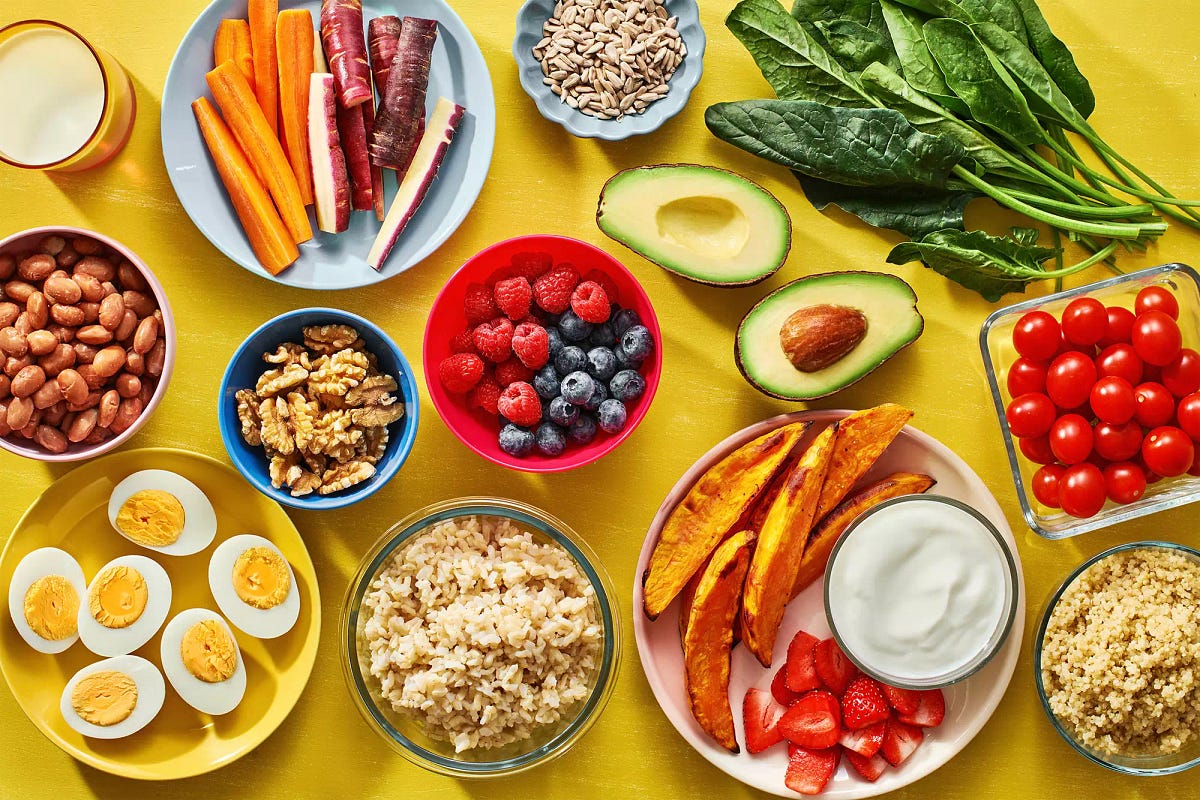
Whole foods like fruits, veggies, grains, and proteins are full of nutrients for the brain. Berries are good for brain health, and leafy greens like spinach are important for thinking.
Foods to Improve Child Behaviour: Practical Options
Parents can make meals better by using whole foods. Homemade meals let you avoid bad additives that harm behaviour.
Good meals include grilled salmon with quinoa and steamed veggies or chicken stir-fry with brown rice and veggies. Snacks like apple slices with almond butter or carrot sticks with hummus are also great.
Conclusion: Creating a Behaviour-Friendly Diet Plan
Parents can make a behaviour-friendly diet plan for their kids. This plan helps their child’s overall health. We’ve seen how food and additives can affect kids’ behaviour.
Changing the diet for better behaviour is a big job. It means finding and avoiding foods that cause problems. It also means adding good nutrients and making smart food choices.
Managing child behaviour through diet is more than just saying no to certain foods. It’s about giving kids healthy, balanced meals. This helps them behave better and stay healthy.
Parents can help their kids’ behaviour by choosing the right foods. This is a big step towards keeping their kids happy and healthy.
FAQ’s:
What is the link between food dyes and behaviour problems in children?
Studies have found that artificial food dyes like Red40, Blue1, and Yellow5/6 can make kids more hyperactive and moody.
How does sugar intake affect children’s behaviour?
Too much sugar can make kids more active and moody. This happens because their blood sugar levels go up and down.
What are some common hidden sources of sugar in children’s diets?
Sugar is hidden in many foods, like processed snacks, sweet drinks, and even some breakfast cereals and baked goods.
What preservatives and additives can trigger behavioural issues in children?
MSG, BHA, BHT, and sodium benzoate can cause problems in kids. Parents can spot these by checking food labels.
How can an elimination diet help manage food triggers for ADHD?
An elimination diet removes foods that can trigger ADHD. This helps find and avoid foods that make symptoms worse.
What is the connection between gluten intolerance and child behaviour?
Gluten can cause problems in kids who are sensitive to it. Taking gluten out of their diet might help their behavior.
How can omega-3-rich foods support children’s behaviour and cognitive function?
Foods high in omega-3s, like fish and nuts, are good for the brain. They help kids focus and behave better.
What are some practical dietary suggestions for improving child behaviour?
Eating whole foods and foods rich in iron and zinc helps. Avoiding foods that can trigger bad behaviour is also key.
How can parents create a behaviour-friendly diet plan for their child?
Parents can make a diet plan by knowing how food affects behaviour. They should avoid foods that cause problems and add foods that help.
Are there any specific foods that can help alleviate ADHD symptoms?
No single food can cure ADHD, but foods with omega-3s, iron, and zinc can help. Avoiding foods that trigger symptoms is also important.
References
- Kemp, A. S. (2008). Food additives and hyperactivity: A review. Archives of Disease in Childhood, 93(9), 749-753. https://www.ncbi.nlm.nih.gov/pmc/articles/PMC2394588/
- Arnold, L. E., et al. (2012). Artificial food colours and attention-deficit/hyperactivity symptoms: A randomized controlled trial. Journal of Pediatrics, 161(5), 817-824.e7. https://www.ncbi.nlm.nih.gov/pmc/articles/PMC3441937/


