
Interventional radiology procedures have changed the medical world. They offer clinically effective and cost-saving options instead of traditional surgery.
We know how important it is to understand the costs of these treatments. As a top healthcare provider, we want to make advanced interventional radiology procedures available to patients worldwide.
The price of these procedures can change a lot. This depends on the type of procedure, the skill of the medical team, and the hospital’s facilities.
Key Takeaways
- Interventional radiology procedures offer clinical effectiveness and cost savings.
- The cost of these procedures varies based on several factors.
- Leading hospital networks play a critical role in making advanced IR accessible.
- Global trends show a move towards less invasive treatments.
- Understanding the costs is key for those seeking healthcare abroad.
Understanding Interventional Radiology (IR) Procedures
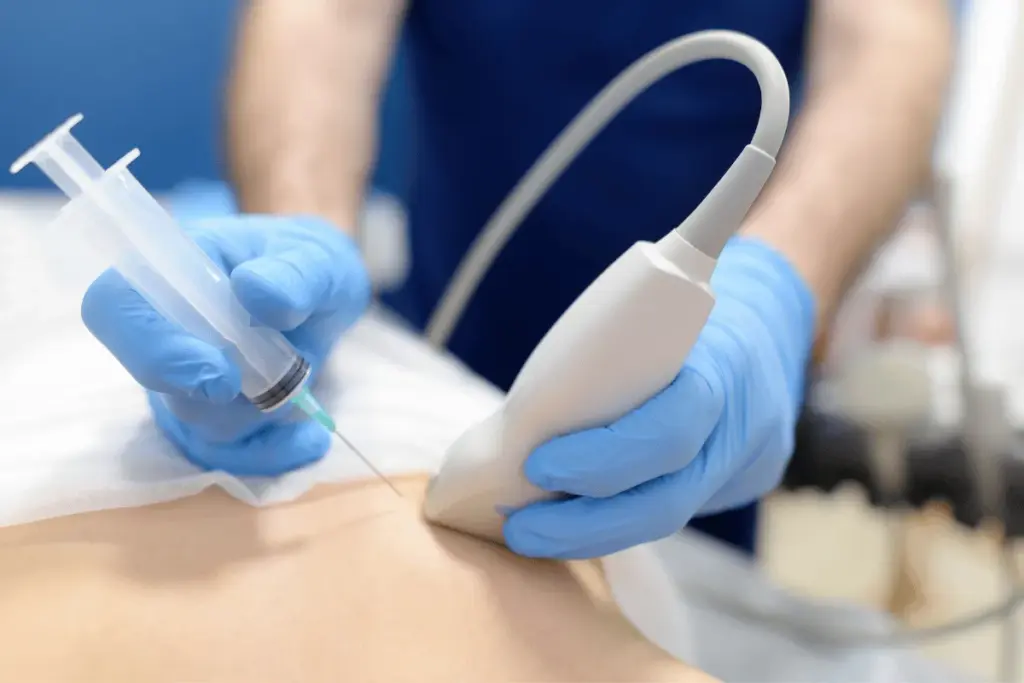
Interventional Radiology (IR) is changing how we treat medical conditions. It uses minimally invasive procedures that are guided by images. This approach reduces the need for big surgeries and helps patients recover faster.
Definition and Scope of IR Procedures
IR procedures use X-ray, ultrasound, and MRI to guide instruments through the body. They help diagnose and treat many medical issues. Trained interventional radiologists use their skills to deliver precise treatments.
IR procedures treat a wide range of conditions, from vascular diseases to cancer. They are often chosen because they are clinically effective and have fewer risks than traditional surgery.
Evolution of Minimally Invasive Techniques
The field of IR has grown a lot thanks to new imaging and tools. Today’s IR procedures are less invasive. This means fewer complications and quicker healing for patients.
New materials and techniques, like drug-eluting stents, have also been introduced. These advancements have made it possible to treat more conditions.
Clinical Applications and Benefits
IR procedures are used for many things, like treating vascular diseases and cancer. They also help with pain management. The benefits include shorter recovery times, less pain, and fewer complications.
|
Clinical Application |
Benefits |
|---|---|
|
Vascular Diseases |
Minimally invasive angioplasty and stenting |
|
Cancer Treatment |
Targeted embolization and ablation therapies |
|
Pain Management |
Effective nerve blocks and ablation procedures |
The table shows the many benefits of IR procedures. They are a valuable option for treating various medical conditions.
The Value Proposition of IR Procedures

IR procedures offer effective treatment with fewer complications. They are a compelling alternative to traditional surgery. This is because they use image-guided technology for precise treatment.
Clinical Effectiveness Compared to Traditional Surgery
IR procedures, like vascular interventions, are very effective. Studies show they can match or even surpass traditional surgery results. The precision of image-guided technology reduces complications.
For example, IR procedures for vascular conditions are less invasive. They offer quicker recovery times. This improves patient outcomes and experience.
Recovery Time and Patient Comfort
IR procedures have a big advantage: shorter recovery times. Unlike traditional surgery, patients can go home quickly. This is because IR procedures are less invasive, causing less damage.
Patient comfort also improves with IR procedures. Local anesthesia is used instead of general anesthesia. This reduces risks and speeds up recovery.
Long-term Cost Benefits
IR procedures might seem more expensive at first. But, they offer long-term cost savings. Lower hospital stays, fewer complications, and less post-procedure care all reduce costs.
|
Cost Component |
IR Procedure |
Traditional Surgery |
|---|---|---|
|
Hospital Stay |
1-2 days |
3-5 days |
|
Recovery Time |
1-2 weeks |
6-8 weeks |
|
Complications |
Lower Risk |
Higher Risk |
|
Total Cost |
$8,000 – $12,000 |
$15,000 – $25,000 |
The table shows IR procedures are cheaper than traditional surgery. This is due to shorter hospital stays and fewer complications. IR procedures are a cost-effective option for patients and healthcare providers.
Average Cost Range for IR Procedures in the United States
It is essential for both patients and healthcare providers to understand the costs associated with IR procedures. The cost can change a lot based on several things. These include the type of procedure, where it’s done, and the facility.
General Price Ranges ($3,000-$10,000)
In the U.S., IR procedures usually cost between $3,000 and $10,000. This range covers many procedures, like vascular and non-vascular interventions. For example, angioplasty and embolization are usually more expensive because they need special equipment and are complex.
Here are some common IR procedures and their general cost ranges:
- Vascular Interventions: $4,000 – $8,000
- Non-Vascular Interventions: $3,500 – $6,000
- Complex Procedures: $6,000 – $12,000
Regional Cost Variations
Healthcare costs can vary a lot by region. Cities like New York or Los Angeles often have higher costs than rural areas. This is because of higher operational costs, demand, and specialized care availability.
A study showed that IR procedure costs can be up to 20% higher in cities than in rural areas. It’s important for patients to think about these differences when planning for IR procedures.
Hospital vs. Outpatient Facility Pricing
Choosing between a hospital or an outpatient facility can also affect the cost. Hospitals charge more because of their higher overhead costs and around-the-clock care. Outpatient facilities are often cheaper, with lower charges for the same procedures.
Here is a comparison of average costs between hospital and outpatient settings:
In conclusion, IR procedure costs in the U.S. can range from $3,000 to $10,000. But, many factors like procedure type, location, and facility choice can change the cost. Patients should talk to their healthcare providers to get a better estimate for their needs.
Key Factors Influencing IR Procedure Costs
It’s important to know what affects the cost of IR procedures. This knowledge helps both healthcare providers and patients. The costs can change a lot based on several key things.
Procedure Complexity and Duration
The cost of an IR procedure depends on how complex and long it is. More complex procedures need more time in the operating room. They also require special equipment and a team with high expertise.
For example, treatments like embolization for liver cancer or uterine fibroids are more complex. They are also more expensive.
Imaging Technology Requirements
IR procedures use advanced imaging like fluoroscopy, ultrasound, CT, and MRI. The cost can go up based on the technology used. High-resolution imaging or real-time monitoring during the procedure can be more expensive.
This is because of the cost of the equipment and the need for skilled technicians.
Specialist Expertise and Facility Reputation
The skill of the interventional radiologist and the reputation of the facility matter too. Specialists with more experience and well-known facilities charge more. This is because of their expertise and the quality of care they offer.
Geographic Location
Where the procedure is done also affects the cost. Prices can differ a lot from one place to another in the United States. This is due to living costs, hospital charges, and local healthcare policies.
For example, procedures in big cities are often more expensive than those in rural areas.
|
Factor |
Impact on Cost |
Example |
|---|---|---|
|
Procedure Complexity |
Higher complexity increases cost |
Embolization procedures |
|
Imaging Technology |
Advanced technology increases cost |
High-resolution fluoroscopy |
|
Specialist Expertise |
Higher expertise increases cost |
Experienced interventional radiologists |
|
Geographic Location |
Urban areas tend to be more expensive |
Procedures in major cities |
Knowing these factors helps patients and healthcare providers understand IR procedure costs better. This way, they can make better decisions about care.
Common IR Procedures and Their Typical Costs
Interventional Radiology (IR) is a growing field. It offers new ways to treat complex health issues. We’ll look at some common IR procedures and their costs.
Vascular Interventions
Vascular interventions treat blood vessel diseases. They range from simple tests to complex treatments like stent placements.
Some common vascular interventions include:
- Angioplasty and stenting
- Embolization procedures
- Thrombectomy
- Vascular access procedures
The cost of these procedures varies. It depends on the procedure’s complexity, the technology used, and where it’s done.
|
Procedure |
Typical Cost Range |
|---|---|
|
Angioplasty and Stenting |
$8,000 – $15,000 |
|
Embolization |
$5,000 – $12,000 |
|
Thrombectomy |
$6,000 – $14,000 |
Non-Vascular Interventions
Non-vascular interventions treat conditions outside the blood vessels. They include biopsies, drainages, and tumor treatments.
Examples of non-vascular interventions include:
- Image-guided biopsies
- Abscess drainages
- Percutaneous nephrostomy
- Tumor ablation
The costs for these procedures also vary. They depend on the case’s complexity and the technology used.
|
Procedure |
Typical Cost Range |
|---|---|
|
Image-guided Biopsy |
$1,500 – $3,500 |
|
Abscess Drainage |
$2,000 – $5,000 |
|
Percutaneous Nephrostomy |
$3,000 – $6,000 |
|
Tumor Ablation |
$4,000 – $10,000 |
Knowing the costs of IR procedures is important. It helps patients and healthcare providers make informed decisions.
In conclusion, IR procedures provide effective treatments for many health issues. Understanding their costs helps patients make better healthcare choices.
Detailed Cost Breakdown of an IR Procedure
For those thinking about IR therapy, knowing the costs is key. The cost of an IR procedure includes many parts. This ranges from the first visit to care after the procedure.
Pre-procedure Consultations and Imaging
Before starting, patients have consultations and imaging tests. These steps are vital to check the patient’s condition. They help decide the best IR procedure plan.
The cost of these steps can change based on the case’s complexity. Tests like ultrasound, CT scans, and MRI are common.
|
Service |
Average Cost |
Range |
|---|---|---|
|
Initial Consultation |
$200 |
$100-$500 |
|
Imaging Tests |
$800 |
$300-$2,000 |
Procedure Room and Equipment Fees
The cost of advanced technology and special equipment is high. These fees are usually together and can change based on the place and tech used.
For example, using top-notch angiography suites or high-resolution ultrasound machines costs more. This is because of the advanced tech needed.
Specialist and Support Staff Costs
The skills of the interventional radiologist and support staff are key. Their fees are a big part of the total cost. The procedure’s complexity and time needed affect these costs.
Interventional Radiologist
Post-procedure Care and Follow-up
After the procedure, patients need care and follow-up for recovery. This adds to the cost. The care needed can vary, from simple follow-ups to more detailed monitoring.
Knowing these costs helps patients plan their finances for the IR procedure.
Insurance Coverage for IR Procedures
Understanding insurance for IR procedures can be tricky. It’s key to managing healthcare costs. The coverage for these procedures changes a lot, depending on the provider and policy.
Private Insurance Policies
Private insurance for IR procedures can vary a lot. Some policies cover more procedures, while others cover less.
It’s important for patients to check their policy details. Many private insurances cover IR procedures because they’re often cheaper than surgery.
Pre-authorization Requirements
Many IR procedures need pre-authorization, which is needed before the procedure. This involves the doctor getting approval from the insurance company.
The pre-authorization process can take time. It may need detailed medical info to show why the IR procedure is needed.
Out-of-Network Considerations
Getting care from out-of-network providers can increase costs. Some insurance plans cover out-of-network care, but the rates are usually lower than for in-network care.
Knowing about out-of-network care is important for managing IR procedure costs.
By understanding insurance for IR procedures, patients can make better choices and manage costs.
Out-of-Pocket Expenses and Patient Financial Responsibility
When looking into IR procedures, patients should know about the costs they might face. Understanding these expenses helps them plan their finances better.
Deductibles and Copayments
Deductibles are what patients pay before insurance kicks in. Copayments are fixed costs for each service or procedure.
Deductibles for IR procedures can differ based on insurance plans. Copayments for specialist visits, tests, and procedures can also add up. It’s key for patients to check their insurance to know these costs.
Maximum Out-of-Pocket Limits
The maximum out-of-pocket limit is a big deal in healthcare costs. It’s the most a patient pays in a year, after which insurance covers 100% of costs.
Knowing this limit helps patients budget for expensive procedures like IR. We recommend that patients review their insurance plans to determine this limit.
Financial Assistance Programs
For those struggling financially, there are help programs. These include charity care, financial aid from non-profits, and income-based fees.
|
Program Type |
Description |
Eligibility Criteria |
|---|---|---|
|
Charity Care |
Free or discounted care for those unable to pay |
Income below a certain threshold |
|
Financial Aid |
Assistance with medical bills and expenses |
Varies by organization |
|
Sliding Scale Fees |
Fees adjusted based on patient’s income |
Income verification required |
Patients should ask about these programs when talking about treatment with healthcare providers.
Comparing IR Procedure Costs: Inpatient vs. Outpatient
When looking at Interventional Radiology (IR) procedures, it’s key to think about where they should happen. This choice greatly affects the cost.
Cost Differences Between Settings
The price of IR procedures changes a lot between inpatient and outpatient settings. Outpatient procedures are usually cheaper because they don’t require a hospital stay. But, the exact price change depends on the procedure, the patient’s health, and the facility’s rates.
Here are some cost factors to keep in mind:
- Facility fees
- Physician and staff costs
- Imaging and equipment expenses
- Recovery and post-procedure care costs
Recovery Considerations
Thinking about recovery is also important when choosing between inpatient and outpatient IR procedures. Outpatient procedures need a support system at home for recovery. Inpatient procedures offer professional care and monitoring right after the procedure.
The type of procedure and the patient’s health decide the best setting. For example, complex or risky procedures might need inpatient care.
Insurance Coverage Variations
Insurance for IR procedures can differ a lot between inpatient and outpatient settings. It depends on the insurance company and the policy. It’s important for patients to know their insurance well, including:
- Deductibles and copayments
- Pre-authorization requirements
- Out-of-network considerations
We suggest patients talk to their insurance to see what’s covered for both inpatient and outpatient IR procedures.
International Cost Comparison for IR Procedures
Medical tourism is growing fast. It’s key for patients to know the cost of IR procedures in different countries. The price can change a lot, based on the country’s healthcare, labor costs, and rules.
Cost Ranges in Different Countries
IR procedure costs vary a lot. In the U.S., prices can be from $3,000 to $10,000 or more. This depends on the procedure’s complexity and the hospital.
In places like India or Mexico, you might pay up to 50% less. But, the exact price can change based on the treatment and hospital.
- United States: $3,000 – $10,000+
- India: $1,500 – $5,000
- Mexico: $2,000 – $6,000
Medical Tourism for IR Procedures
Medical tourism is a good option for those looking for affordable IR procedures. Countries like Thailand, Turkey, and Poland offer quality care at lower prices. It’s a chance to get treatment and travel, making it a better deal.
“Medical tourism is not just about saving money; it’s about accessing quality care in a timely manner. With the right facilitation, patients can receive the treatment they need while exploring new cultures.”
Medical Tourism Expert
Quality and Standard Considerations
Cost is important, but quality and standards are more so. Patients should check if the chosen hospital meets international standards. works with hospitals that follow strict quality and safety rules, ensuring top care.
‘s International Services
At , we help with the challenges of getting medical care abroad. We assist with travel, accommodation, and after-care. Our partner hospitals offer good prices without sacrificing quality, making us a reliable choice for patients everywhere.
Our team is dedicated to giving personalized care and support. We aim to make your experience smooth and stress-free.
Value-Based Care Models and IR Procedure Pricing
Value-based care models are changing how IR procedures are priced and delivered. Healthcare is evolving, focusing on quality care at lower costs. These models aim to balance patient outcomes and cost of care.
Bundled Payment Approaches
Bundled payment models are gaining traction for IR procedures. This model pays for all services related to a treatment or procedure. It includes pre-procedure consultations, the procedure, and post-procedure care. This approach motivates providers to offer efficient, high-quality care.
For example, a bundled payment for an IR procedure might include:
- Pre-procedure imaging and consultations
- The IR procedure
- Post-procedure recovery and follow-up care
Quality Metrics and Outcome-Based Pricing
Quality metrics are key in value-based care models. They measure care quality through specific metrics. This way, providers are rewarded for delivering high-quality outcomes. Outcome-based pricing links reimbursement to clinical outcomes, ensuring effective care for patients.
Some important quality metrics for IR procedures include:
|
Metric |
Description |
Target |
|---|---|---|
|
Procedure Success Rate |
Percentage of successful procedures |
>90% |
|
Complication Rate |
Rate of complications during or after the procedure | |
|
Patient Satisfaction |
Patient satisfaction scores |
>85% |
Cost-Effectiveness Research
Cost-effectiveness research is vital in value-based care models. It helps find the most efficient ways to deliver care while keeping quality high. For IR procedures, it involves analyzing costs and comparing them to patient outcomes.
By doing cost-effectiveness research, providers can find ways to improve. This benefits patients and helps control healthcare costs over time.
How to Estimate and Plan for Your IR Procedure Costs
Knowing the costs of Interventional Radiology (IR) procedures is key for patients. It helps them make smart choices about their care. Being ready for the financial side of treatment can lessen stress and help you focus on getting better.
Questions to Ask Your Provider
To understand the costs, ask your healthcare provider the right questions. Find out the total cost of the procedure, including any extra fees for imaging, anesthesia, or hospital stay. Also, ask about the doctor’s qualifications and experience. This can affect the cost and how well the treatment works.
Some important questions to ask include:
- What is the total cost of the IR procedure?
- Are there any additional fees for services like imaging or anesthesia?
- Will the procedure be done in a hospital or outpatient facility, and how does this affect the cost?
- Are there any other procedures or treatments that might be cheaper?
Working with Insurance Companies
Understanding your insurance is key in planning for IR procedure costs. Call your insurance to see what they cover and what you’ll have to pay out of pocket. Also, find out if they need you to get approval for the procedure and what you need to do for this.
Key points to discuss with your insurance company include:
- The percentage of the procedure cost that is covered
- Any deductibles or copayments associated with the procedure
- Pre-authorization requirements and the process for obtaining it
- Any out-of-network costs if the procedure is not performed by an in-network provider
Understanding Your Bill
After the IR procedure, you’ll get a bill with charges from different providers. It’s important to check your bill to make sure all charges are correct and clear.
If you have questions or concerns about your bill, don’t hesitate to contact the billing department of the relevant providers. They can explain any charges and talk about payment options if needed.
Payment Plans and Financing Options
For many, the cost of an IR procedure can be a big financial challenge. Luckily, many healthcare providers offer payment plans or financing options. These can help spread the cost over time, making it easier to manage.
When looking at payment plans or financing options, ask about any interest rates or fees. Knowing the total cost and terms of the payment plan helps you make a choice that fits your budget.
Future Trends in IR Procedure Costs and Coverage
Looking ahead, several trends will change how we handle IR procedure costs and coverage. The field of interventional radiology (IR) is growing fast. This is thanks to new tech, changes in healthcare rules, and shifts in how insurance works.
Technological Advancements and Cost Implications
New tech is changing IR procedures a lot. Things like better imaging, robotic help, and new materials make treatments more precise and effective. At first, these might cost more because of the tech and training needed. But, they could lead to fewer problems and better results, which might save money in the long run.
Key Technological Advancements:
- Advanced imaging technologies
- Robotic-assisted IR procedures
- Biodegradable and drug-eluting devices
Insurance Industry Developments
The insurance world is also changing. Now, there’s more focus on value and outcomes. This means IR costs and coverage might change. Providers will have to show how their procedures add value to get paid.
Healthcare Policy Changes
Healthcare policies are also shifting. These changes, like those in healthcare reform, will affect IR costs and coverage. Policies aimed at saving money and improving care might change how IR is practiced.
Accessibility Improvements
There’s also a push to make IR procedures more accessible. This is thanks to new tech, changes in how care is delivered, and more people knowing about IR treatments. This could mean more people get the care they need, even if they’re not as well off.
The future of IR costs and coverage will mix tech, money, and policy. It’s important for everyone involved in healthcare to understand these trends. This way, they can work together to improve care for all.
|
Trend |
Description |
Potential Impact |
|---|---|---|
|
Technological Advancements |
Improved imaging, robotic assistance, advanced materials |
Initial cost increase, long-term cost savings |
|
Insurance Industry Developments |
Value-based care, outcome-based reimbursement |
Emphasis on cost-effectiveness and patient outcomes |
|
Healthcare Policy Changes |
Reimbursement rate changes, coverage policy updates |
Impact on IR practice and reimbursement |
|
Accessibility Improvements |
Increased access to IR procedures |
Better healthcare outcomes for diverse populations |
Conclusion
We’ve looked into the costs of IR procedures, showing they’re both effective and cost-saving. It’s key for patients and healthcare providers to understand what affects these costs.
The price of IR procedures changes based on how complex they are, the imaging tech needed, and the specialist’s skill. Choosing IR procedures means patients get treatments that are less invasive. This leads to faster recovery times and lower healthcare costs over time.
Looking ahead, we must keep an eye on how IR procedure costs and coverage will change. New tech and shifts in healthcare policy will make IR procedures more available and affordable for patients.
By staying up-to-date on IR procedure costs and what affects them, we can help make top-notch healthcare more reachable to those who need it.
FAQ
What is an IR procedure?
An IR procedure, or Interventional Radiology procedure, is a minimally invasive treatment. It uses imaging technologies like X-ray, ultrasound, or MRI. These procedures help diagnose and treat various medical conditions. They often offer a safer alternative to traditional surgery.
How much do IR procedures typically cost?
IR procedure costs vary widely. They can range from $3,000 to $10,000 or more. This depends on the procedure’s complexity, the technology used, and the facility. It’s best to check with your healthcare provider and insurance company for an accurate estimate.
Are IR procedures covered by insurance?
Many IR procedures are covered by insurance. But, coverage can vary. It depends on your insurance policy and the specific procedure. Always check with your insurance provider to understand what’s covered and any pre-authorization requirements.
What factors influence the cost of an IR procedure?
Several factors affect IR procedure costs. These include the procedure’s complexity and duration, the imaging technology needed, the specialist’s expertise, the facility’s reputation, and the location. We consider these factors when estimating the total cost of care.
Can I receive an IR procedure as an outpatient?
Yes, many IR procedures can be done on an outpatient basis. This can lower costs associated with hospitalization. The decision depends on the procedure, your health, and insurance coverage. We work with you to find the best setting for your care.
How do IR procedures compare to traditional surgery in terms of cost?
IR procedures are often less expensive than traditional surgery. They have shorter recovery times, less need for hospitalization, and lower risks of complications. We evaluate each case to see if an IR procedure is cost-effective for you.
What are the benefits of choosing IR procedures?
IR procedures offer several benefits. They have shorter recovery times, less pain, and lower risks of complications compared to traditional surgery. They also provide a treatment option for patients who are not good candidates for surgery. We aim to provide the best outcomes for our patients.
How can I plan for the costs associated with an IR procedure?
To plan for IR procedure costs, ask your healthcare provider about estimated costs. Check with your insurance company to understand your coverage. We also offer guidance on payment plans and financing options to help manage your expenses.
Are there any additional costs associated with IR procedures?
Yes, additional costs may include pre-procedure consultations, imaging tests, post-procedure care, and follow-up appointments. We provide a detailed breakdown of costs to help you plan and understand what to expect.
How do IR procedure costs vary internationally?
IR procedure costs can vary significantly internationally. This depends on healthcare systems, technology availability, and local pricing. We offer international services and can help you navigate the costs of receiving IR procedures abroad.
What future trends might affect IR procedure costs?
Future trends like technological advancements, changes in healthcare policy, and shifts in insurance practices may impact IR procedure costs. We stay informed to ensure our patients receive the most cost-effective and high-quality care possible.