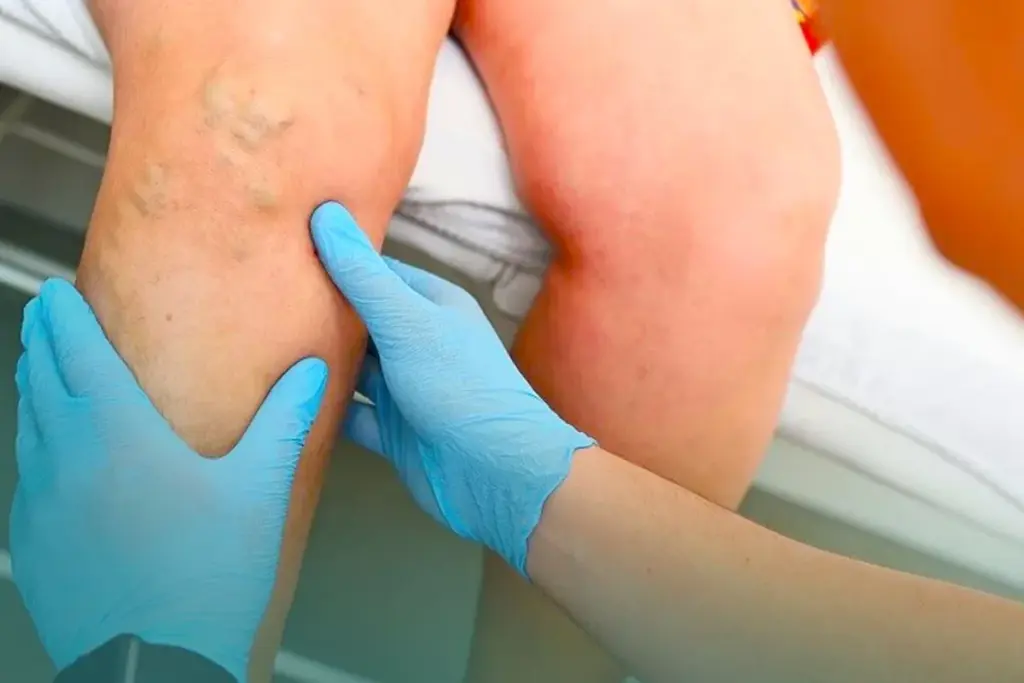
Varicose veins are common, affecting nearly one in four adults. Certain daily activities can make them worse. We help manage varicose veins through exercise and lifestyle changes.
Certain exercises can make varicose veins worse. It’s important to pick the right activities. We suggest avoiding high-impact routines that strain your veins too much.
Recent studies show up to 25% of adults have varicose veins. This shows we need to know about safe exercises and daily activities.
Key Takeaways
- Varicose veins are a common condition affecting nearly 25% of adults.
- Certain daily activities can worsen varicose veins.
- Choosing the right exercises is key for managing varicose veins.
- High-impact routines should be avoided to prevent excessive strain on veins.
- Appropriate lifestyle adjustments can help alleviate varicose vein symptoms.
Understanding Varicose Veins: Causes and Symptoms
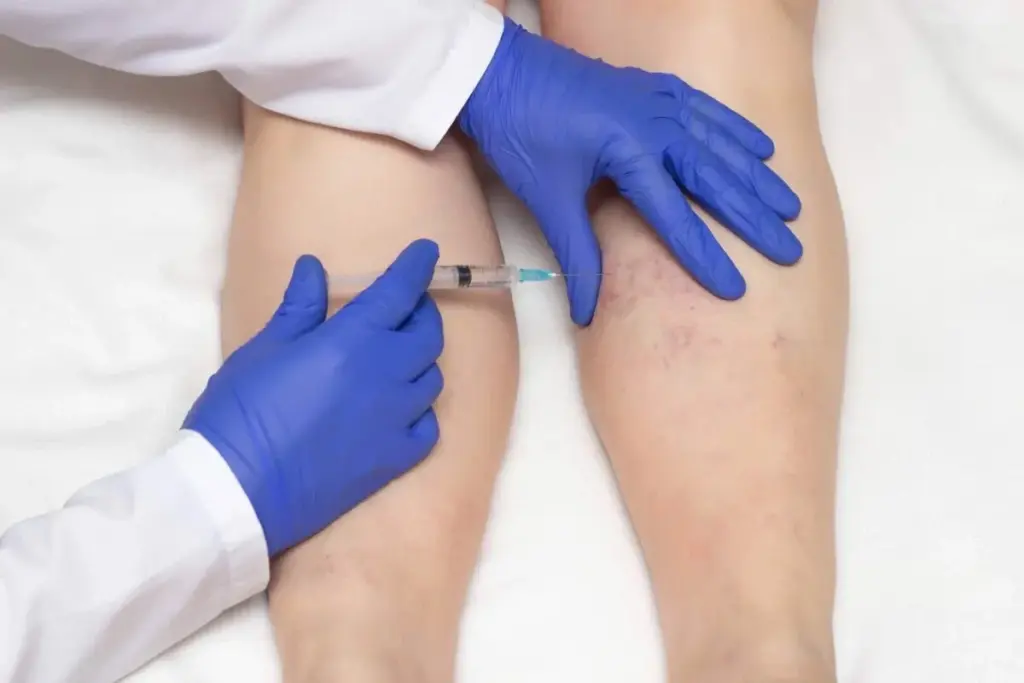
Varicose veins are enlarged, twisted veins that are not just a cosmetic issue. They can be a sign of a deeper venous problem. This can lead to discomfort and serious health issues if not treated.
What Are Varicose Veins?
Varicose veins are veins that have become enlarged or twisted, usually in the legs. They happen when the valves in the veins fail. This failure lets blood pool, causing the vein to stretch.
Common Causes of Vein Dilation
Many things can cause varicose veins, like genetics, age, and obesity. Lifestyle factors like standing or sitting for long times also play a part. These factors increase pressure on the veins, causing them to dilate.
|
Cause |
Description |
|---|---|
|
Genetics |
Family history plays a significant role in the likelihood of developing varicose veins. |
|
Age |
As we age, the risk of varicose veins increases due to wear and tear on the vein valves. |
|
Obesity |
Excess weight puts additional pressure on the veins, mainly in the legs. |
Recognizing Symptoms and Warning Signs
Symptoms of varicose veins include visible, twisted veins, leg pain or heaviness, swelling, and itching. Spotting these symptoms early can help in getting the right treatment. This can prevent the condition from getting worse.
Doctors say, “Early intervention is key to managing varicose veins effectively and reducing the risk of complications.”
“Varicose veins are a sign of underlying venous insufficiency. Addressing the root cause is critical for effective management.”
The Prevalence of Varicose Veins in Adults
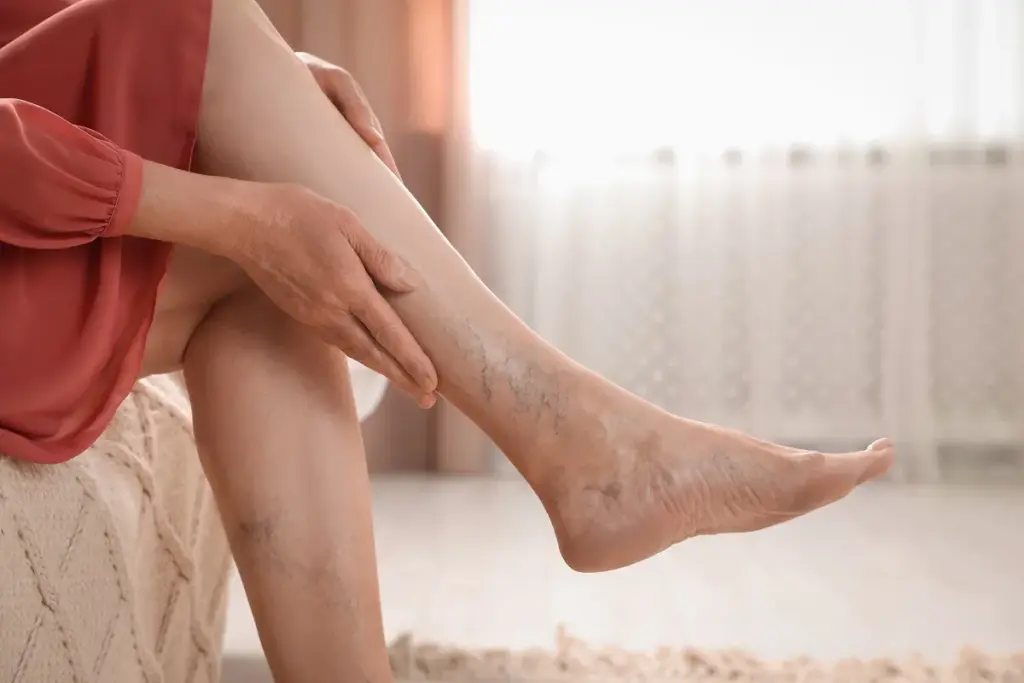
Varicose veins are common among adults worldwide. Studies show that up to 25% of adults have them. This makes it a big health issue.
Statistical Overview: The 25% Reality
About one-quarter of adults have varicose veins. This highlights the importance of knowing about it and taking steps to prevent it.
Risk Factors and Occupational Predispositions
Jobs that involve a lot of standing or sitting can raise the risk of varicose veins. People in these jobs should know the risks and take steps to prevent them. Jobs can increase the risk of getting varicose veins.
Age and Gender Considerations
Age and gender also play big roles in varicose veins. Older adults and women, like those who have been pregnant, are more likely to have them. Knowing these factors helps in creating better prevention plans.
By understanding the commonness and risks of varicose veins, we can work to improve life for those affected.
How Exercise Affects Vein Health
Regular physical activity greatly impacts circulation and vein health. It can help or harm those with varicose veins, based on the activity type and intensity.
The Relationship Between Physical Activity and Circulation
Exercise boosts blood flow by strengthening leg muscles. This reduces pressure on varicose veins and eases symptoms. Improved circulation also helps deliver oxygen and nutrients, boosting overall health.
Pressure Dynamics During Different Types of Movement
Various exercises affect vein pressure differently. Low-impact activities like cycling or swimming improve circulation without straining veins. But high-impact exercises, such as running or jumping, can increase vein pressure and worsen varicose veins.
- Low-impact exercises: cycling, swimming, walking
- High-impact exercises: running, jumping, high-intensity interval training
Scientific Evidence on Exercise Impact
Research shows regular exercise can lessen varicose vein symptoms and improve vein health. It’s key to pick the right exercise to avoid making things worse. Scientific research backs the use of specific exercise plans for those with varicose veins.
Knowing how exercises impact vein health helps people choose the best activities. This way, they can enjoy the benefits while avoiding risks.
High-Impact Activities to Avoid
High-impact activities can harm those with varicose veins. It’s key to know which exercises to skip. Certain exercises can make varicose veins worse by putting more pressure on the veins.
Running and Jogging Concerns
Running and jogging are tough on varicose veins. The constant impact of each step can put more pressure on leg veins. While you don’t have to stop running or jogging, it’s important to know the risks. Look into low-impact exercises instead.
Jumping Exercises and Their Effects on Vein Walls
Jumping exercises, like those in plyometric workouts, can harm vein walls. The sudden, strong contractions can raise vein pressure, leading to more damage. Be careful with box jumps and burpees, or avoid them if you can.
High-Intensity Interval Training Risks
HIIT involves short, intense workouts followed by rest. It’s a good workout but can also raise vein pressure. Think about the benefits and risks to your veins before doing HIIT.
Why These Activities Increase Vein Pressure
These activities raise vein pressure because of the extra force and impact on legs. Running, jumping, or HIIT makes veins work harder to pump blood against gravity. This can make veins wider, making varicose veins worse.
Some activities to limit or avoid include:
- Running and jogging on hard surfaces
- Plyometric exercises like box jumps
- HIIT workouts involving jumping or heavy lifting
Knowing the effects of these activities on varicose veins helps you choose safer exercises. This way, you can protect your vein health.
Weightlifting and Strength Training Considerations
Weightlifting can be good for veins, but it also has risks. It can boost circulation and muscle strength. Yet, heavy lifting can also raise vein pressure, making varicose veins worse.
Pressure Effects of Heavy Lifting
Lifting heavy weights increases pressure inside your belly. This extra pressure can strain your veins. It can make blood pool in veins, leading to more swelling and worse varicose veins. It’s key to watch out for this pressure when lifting weights.
Specific Weightlifting Exercises to Avoid
Some exercises can make varicose veins worse because they put a lot of strain on the body. These include:
- Deadlifts
- Heavy squats
- Leg press exercises with heavy weights
These exercises can really up vein pressure. It’s best to avoid them or change them to lessen the strain.
Alternative Strength Training Methods
Even though some exercises should be avoided, there are safe ways to build strength. Try using lighter weights and doing more reps instead.
Safe Resistance Training Alternatives
Here are some safe options for strength training:
- Use lighter weights and do more reps
- Do upper body exercises that don’t raise belly pressure
- Try resistance band exercises, which are easier on veins
These alternatives help keep your muscles strong without making varicose veins worse.
Sports and Recreational Activities That May Worsen Symptoms
Some sports and activities can make varicose vein symptoms worse. It’s important for people with varicose veins to choose their activities carefully. Staying active is good for health, but being smart about it is key.
High-Impact Sports to Reconsider
High-impact sports can be tough on varicose veins. Activities like long-distance running and high-impact aerobics put extra pressure on veins. This can make symptoms worse.
Court Sports and Their Effects on Varicose Veins
Court sports like tennis and squash involve quick movements and sudden stops. This can harm vein health. The constant strain on the legs can make varicose vein symptoms worse.
Alternative Recreational Activities
There are activities that are easier on veins. Low-impact exercises like cycling or swimming are great for staying fit without hurting veins.
Adapting Your Favorite Sports
If you love high-impact sports, you can make them easier on your veins. Try switching from running to cycling or using an elliptical trainer. This way, you can enjoy your favorite activities without harming your veins.
|
Activity |
Impact on Varicose Veins |
Adaptation |
|---|---|---|
|
Long-distance Running |
High |
Cycling or Swimming |
|
Tennis |
Moderate |
Wear Compression Stockings |
|
Squash |
High |
Modify Playing Style to Reduce Jumping |
Prolonged Standing and Sitting: Occupational Considerations
The modern workplace often demands extended periods of either standing or sitting. This affects our circulatory well-being. Many individuals spend their workdays in environments that either keep them on their feet or seated for long stretches. Both can have significant implications for varicose vein development and management.
Workplace Risk Factors
Jobs that involve prolonged standing or sitting are among the primary occupational risk factors for varicose veins. Standing for long periods causes blood to pool in our legs due to gravity. This increases pressure on vein walls. Sitting for extended periods can lead to reduced circulation and increased pressure on the veins in the legs.
Strategies for Occupations Requiring Extended Standing
For individuals whose jobs require them to stand for long periods, several strategies can help mitigate the risk of varicose vein development:
- Regularly shift weight from one leg to the other
- Take regular breaks to sit or walk
- Wear compression stockings to support vein health
Desk Job Modifications for Vein Health
For those with desk jobs, making simple modifications can significantly impact vein health:
- Stand up and stretch every 30 minutes
- Adjust your chair height to ensure your feet are flat on the floor or on a footrest, keeping your knees at or below hip level
Ergonomic Solutions
Implementing ergonomic solutions at your workstation can also help. This includes using a sit-stand desk or an ergonomic chair that supports your lower back. Ergonomic adjustments can make a significant difference in reducing strain on your veins.
By understanding the risks associated with prolonged standing and sitting, and by implementing these strategies, individuals can reduce their risk of developing varicose veins or alleviate symptoms if they already exist.
What Exercises Should You Do Daily Just Like Walking
Doing low-impact exercises like walking every day can help your veins. It can also lessen symptoms of varicose veins. Adding physical activity to your daily life is key to managing varicose veins well.
The Benefits of Daily Walking for Vein Health
Walking is a gentle exercise that boosts blood flow. It helps ease varicose vein symptoms. It also strengthens leg muscles, which aids in better blood circulation and reduces vein pressure.
Regular walking also aids in weight control, which is vital for varicose veins. Carrying extra weight can strain your veins. So, walking helps keep your weight in check.
Optimal Walking Routines for Varicose Veins
To get the most from walking for varicose veins, stick to a routine. Try to walk briskly for at least 30 minutes each day. Brisk walking is great because it raises your heart rate and improves blood flow without harming your joints.
If a 30-minute walk is too much, break it into shorter sessions. Even a few minutes of walking can be beneficial, as long as you keep moving.
Incorporating Walking Into Your Daily Schedule
Adding walking to your daily routine is simpler than you might think. Try walking to work, taking a walk during lunch, or strolling after dinner. You can also make walking a part of your daily tasks by choosing the stairs over the elevator or parking further away.
Walking Intensity and Duration Guidelines
For walking to help with varicose veins, focus on both intensity and how long you walk. Aim for a pace where you can talk but are moving briskly. Start with a manageable walking time and increase it as you get more comfortable.
By making walking a daily habit and following these tips, you can actively manage varicose veins and enhance your vein health.
Swimming and Water-Based Exercises for Vein Health
For those with varicose veins, swimming and water-based exercises are great. They help improve vein health and ease symptoms.
Why Aquatic Activities Are Ideal for Varicose Veins
Swimming and water exercises are perfect for varicose veins because they’re low-impact. Water’s buoyancy lessens vein pressure, helping blood flow better without the strain of land activities.
Key benefits of aquatic activities include:
- Reduced pressure on veins due to water buoyancy
- Improved circulation through gentle, low-impact movement
- Enhanced muscle strength without excessive strain
Recommended Water Exercises
There are several water exercises good for varicose veins. These include:
- Water walking: An excellent low-impact activity that promotes circulation.
- Swimming laps: Provides a full-body workout while minimizing vein strain.
- Aquatic aerobics: Offers a fun, low-impact way to improve cardiovascular health.
Adding these exercises to your routine can greatly improve vein health and overall well-being.
Cycling and Low-Impact Cardio Alternatives
For those with varicose veins, low-impact cardio exercises can help a lot. We’ll look at how cycling and similar activities can be good for you.
Benefits of Cycling for Circulation
Cycling is easy on the veins and boosts heart health. Regular cycling can improve circulation, easing varicose vein symptoms. It strengthens the muscles around the veins, helping blood flow better.
Stationary Bikes vs. Road Cycling
Stationary bikes and road cycling both have their perks. Stationary bikes are great for beginners or those worried about safety. Road cycling, though, offers more variety and challenges. The choice between the two often depends on personal preference and fitness goals.
Other Low-Impact Cardio Options
There are other low-impact cardio exercises good for varicose veins. These include:
- Swimming
- Elliptical trainer workouts
- Brisk walking
Creating a Varied Cardio Routine
To keep things interesting and avoid plateaus, mix up your cardio. Combining cycling with other low-impact exercises makes for a balanced workout. We suggest switching between different activities to work different muscles and keep your heart healthy.
Managing and Relieving Varicose Vein Pain
Varicose vein pain can be really tough to deal with. But, there are ways to make it better. We’ll look at different methods to ease the discomfort from varicose veins.
Immediate Relief Strategies
There are quick ways to ease varicose vein pain. Elevating your legs above your heart can help. This reduces swelling and eases pain. Try to do this for 15 minutes, three to four times a day.
- Apply cold compresses to the affected area to reduce pain and inflammation.
- Take regular breaks to move around if you have a job that involves prolonged standing or sitting.
Exercise-Related Pain Management
Exercise is key in managing varicose vein pain. But, pick low-impact activities that don’t make it worse. Here’s what we suggest:
- Walking or swimming as these exercises improve circulation without putting excessive strain on the veins.
- Avoiding high-impact activities like running or jumping, which can worsen varicose vein symptoms.
Compression Therapy Techniques
Compression therapy is very effective for varicose vein pain. We use compression stockings to:
- Improve blood flow by applying graduated pressure.
- Reduce swelling and alleviate pain.
Natural Remedies for Vein Discomfort
There are also natural ways to ease varicose vein discomfort. These include:
- Herbal supplements like horse chestnut or grape seed extract.
- Dietary changes, such as increasing fiber intake to improve circulation.
By adding these strategies to your daily life, you can manage and relieve varicose vein pain. Always talk to a healthcare professional to find the best solution for you.
Creating a Balanced Daily Exercise Routine
Creating a consistent exercise plan is key for those fighting varicose veins. A good routine not only helps manage the condition but also boosts overall health.
Structuring Your Week for Optimal Vein Health
To keep your veins healthy, mix up your week with low-impact activities. This way, you avoid overdoing it while staying active. Set aside different days for various exercises to keep your routine balanced.
- Monday: Brisk walking or swimming
- Tuesday: Cycling or low-impact aerobics
- Wednesday: Rest day or light stretching
- Thursday: Yoga or Pilates
- Friday: Brisk walking or swimming
- Saturday: Outdoor activities like gardening or light hiking
- Sunday: Rest day or light stretching
Combining Different Low-Impact Activities
Mixing low-impact activities is vital for managing varicose veins. Walking, swimming, and cycling are great because they boost circulation without straining your veins too much.
|
Activity |
Benefits for Varicose Veins |
Recommended Frequency |
|---|---|---|
|
Walking |
Improves circulation, strengthens leg muscles |
3-4 times a week |
|
Swimming |
Low-impact, improves circulation, reduces swelling |
2-3 times a week |
|
Cycling |
Improves circulation, strengthens leg muscles |
2-3 times a week |
Monitoring Your Body’s Response
Keep an eye on how your body reacts to your workouts and adjust as needed. Watch for any discomfort or pain. If you notice anything off, talk to a healthcare expert.
Progression and Adaptation Strategies
As you keep exercising, it’s important to keep challenging yourself. Gradually increase the intensity or time of your workouts to keep improving vein health.
When to Consult a Healthcare Professional
It’s important to know when to see a doctor for varicose veins. While many people live with them, some symptoms mean you need a doctor’s help.
Warning Signs That Require Medical Attention
See a doctor if you have severe pain, swelling, or skin color changes near the vein. Also, watch for ulcers, bleeding, or feeling very heavy in your legs.
Treatment Options and Interventions
There are many ways to treat varicose veins. You might start with compression stockings. Or, you might need sclerotherapy or surgery. Your doctor will choose the best option for you.
Finding the Right Specialist for Vein Health
Find a doctor who specializes in veins. Ask your primary care doctor for a referral to a phlebologist or vascular surgeon.
Questions to Ask Your Doctor
- What are the best treatment options for my condition?
- Are there any lifestyle changes I can make to alleviate symptoms?
- What are the possible risks and benefits of the treatment you suggest?
Knowing when to see a doctor and what to ask can help you manage varicose veins better.
Conclusion
Understanding varicose veins and making lifestyle changes can help manage the condition. We talked about avoiding high-impact activities and choosing low-impact exercises. Making these changes can ease symptoms.
Exercises like walking, swimming, and cycling can improve vein health. But, heavy lifting, high-impact movements, or standing for long periods should be avoided. These changes can reduce discomfort and improve well-being.
Managing varicose veins through exercise and lifestyle changes is key. We suggest consulting healthcare professionals for advice. By taking care of their vein health, individuals can improve their quality of life.
FAQ
Should varicose veins be painful?
Varicose veins can be painful, but it varies. Some people feel aching or discomfort. Others might not feel any pain.
What exercises should be avoided with varicose veins?
Avoid high-impact activities like running and jumping. Heavy weightlifting and intense interval training are also not good.
Are there any exercises that can help alleviate varicose vein pain?
Yes, low-impact exercises like walking and swimming help. They improve circulation and reduce vein pressure.
How can I incorporate physical activity into my daily routine to help manage varicose veins?
Start with short walks and taking stairs instead of elevators. Light stretching during breaks also helps.
Can varicose veins be caused by working out?
Exercise is good, but some workouts, like heavy lifting, can make varicose veins worse. Yet, regular exercise can improve circulation and vein health.
What is the best exercise for varicose veins?
Walking, swimming, and cycling are best. They help circulation and reduce vein pressure.
How can I ease varicose vein pain?
Try elevating your legs, wearing compression stockings, and taking breaks to stretch and move.
Are there any daily exercises that can help improve vein health?
Yes, walking, stretching, and yoga can improve circulation and vein health.
Can I stil enjoy my favorite sports and recreational activities with varicose veins?
You can modify or avoid high-impact activities. Try swimming or cycling, which are gentle on veins.
How can I create a balanced daily exercise routine to promote vein health?
Mix low-impact activities like walking and swimming into your day. Listen to your body and adjust as needed.
National Center for Biotechnology Information. Evidence-Based Medical Insight. Retrieved from