

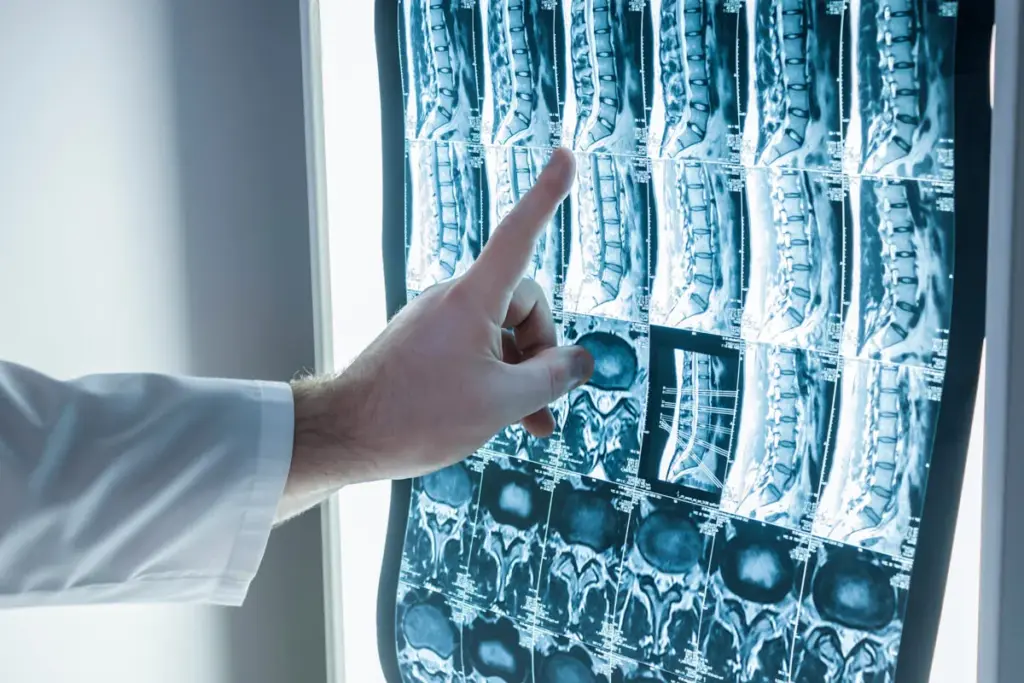
Becoming an interventional radiologist is a big commitment. It takes an average of 13–15 years of education and training after high school. This field of medicine uses advanced imaging to perform minimally invasive procedures.
We will look at the education and training needed to become an interventional radiologist. You’ll learn about the time and skills required for this career. For more details, check out our guide on .
Key Takeaways
- Interventional radiology requires 13-15 years of education and training after high school.
- The journey includes 4 years of undergraduate study, 4 years of medical school, and several years of residency and fellowship training.
- Specialized training in radiology and interventional procedures is crucial.
- Diagnostic radiology residency typically lasts 4 years.
- Interventional radiology fellowship can last 1-2 years.
The Path to Becoming an Interventional Radiologist: An Overview
Becoming an interventional radiologist takes over a decade of hard work and education. These doctors use advanced imaging to perform minimally invasive procedures. This approach is safer and more precise than traditional surgery.
To understand this role, it’s key to know what interventional radiology entails. It uses imaging to guide procedures, offering safer options than surgery.
What is Interventional Radiology?
Interventional radiology has changed how we diagnose and treat conditions. It uses advanced imaging to perform precise, less invasive procedures. This field keeps growing, with new imaging and tools treating more conditions.
Interventional radiologists do many important procedures. These include:
- Angioplasty and stenting
- Embolization for bleeding control or tumor treatment
- Biopsies for diagnostic purposes
- Drainage procedures for abscesses or fluid collections
The 13-15 Year Educational Timeline at a Glance
Getting to be an interventional radiologist takes 13-15 years after high school. This includes:
- 4 years of undergraduate study
- 4 years of medical school
- 1 year of internship
- 4 years of diagnostic radiology residency
- Specialized interventional radiology training (1-2 years)
Knowing this timeline is vital for those aiming to be interventional radiologists. It shows the dedication needed for this field. The interventional radiology residency and specialized training are key. They prepare doctors with the skills and knowledge for this complex field.
Undergraduate Education: The Foundation
To become an interventional radiologist, you need a strong start in college. We focus on science-related fields. Choosing a pre-med major is key, as it lays the groundwork in sciences and math.
Recommended Pre-Med Majors and GPA Requirements
Most future interventional radiologists pick majors like biology, chemistry, or physics. These subjects offer tough courses that get you ready for medical school. A high GPA is vital for getting into medical school. Aim for a GPA of 3.5 or better to stand out.
Doing well in science and math is also important. Courses like organic chemistry, biochemistry, and physics are crucial. They’re the foundation of medical education and key to success.
Essential Coursework and MCAT Preparation
It’s important to take the right courses for the Medical College Admission Test (MCAT). The MCAT is a big part of medical school applications. We suggest practicing with tests, attending prep courses, and reviewing materials to get ready.
Key courses include biology, chemistry, physics, and biochemistry. These subjects are vital for the MCAT and for understanding medical concepts later on.
For more info on becoming an interventional radiologist, check out . It offers great insights into the path ahead.
Medical School Admission and Curriculum
Gaining admission to medical school is a crucial step for aspiring interventional radiologists due to its highly competitive nature. You need good grades, high MCAT scores, and a strong application.
Competitive MCAT Scores and Application Process
Scoring well on the MCAT is key. You also need to submit your transcripts, letters of recommendation, and a personal statement. A good application shows your academic skills and your dedication to medicine.
- Prepare for the MCAT with a solid study plan.
- Make sure your application materials are complete and show your strengths.
- Get strong letters of recommendation from teachers or mentors.
Four-Year Medical School Curriculum Breakdown
Medical students start a four-year journey after getting in. They learn in classrooms and get hands-on experience in clinics. The curriculum covers a wide range of medical topics.
The first two years cover basic sciences like anatomy and biochemistry. The last two years are for clinical rotations. Here, students work in different medical fields, including radiology.
Preparing for Radiology During Medical School
Students can start getting ready for radiology in medical school. They can take special electives, do research, and get involved in radiology during rotations. This early start helps students see if radiology is right for them.
Understanding what medical school offers helps future radiologists build a strong career foundation.
Internship Year: Transitioning to Clinical Practice
After finishing medical school, future interventional radiologists start a key internship year. This time is crucial as it mixes book learning with real-world practice. It’s a chance to gain hands-on experience and develop the skills needed for residency.
Types of Internships Available
There are different internship paths for those aiming to be interventional radiologists. You can choose from general rotating internships or specialized ones. These internships aim to give trainees a wide view of clinical situations. They help prepare for the challenges of radiology residency.
Some internships include specific rotations like vascular surgery or diagnostic radiology. These can offer deep insights into radiology’s clinical uses. They also help interns build important clinical skills.
Building Clinical Skills Relevant to Interventional Radiology
During the internship, trainees work on key clinical skills for interventional radiology. They learn to assess patients, perform procedures, and work as a team. These skills are sharpened through direct patient care and teamwork with other healthcare professionals.
By focusing on these skills, future interventional radiologists get ready for residency and a successful career. They learn to handle the challenges they’ll face in their field.
Diagnostic Radiology Residency: Mastering Medical Imaging
A diagnostic radiology residency is a four-year program. It trains future radiologists to interpret medical images. This is key for those aiming to be interventional radiologists, as it covers medical imaging and radiologic study interpretation.
Structure of a Four-Year Diagnostic Radiology Residency
The residency’s structure builds skills over four years. It starts with basics of imaging and patient care. Then, residents learn about different radiology areas, like neuroradiology and interventional radiology.
” “It lays the groundwork for understanding the complexities of medical imaging and prepares residents for the advanced training required in interventional radiology.”
Core Competencies and Rotations
Radiologists learn to interpret images, perform procedures, and talk to patients during their residency. They go through various rotations. This includes emergency radiology and pediatric radiology, to understand radiologic practices well.
Core competencies include:
- Image interpretation
- Procedural skills
- Patient care and communication
- Radiologic techniques and technology
Preparing for Interventional Specialization During Residency
Aspiring interventional radiologists should focus on gaining experience and skills during their residency. This includes interventional radiology rotations and research projects. They also need to understand vascular and non-vascular interventions well.
Residents should look for chances to improve their skills in image-guided procedures. They should also keep up with new interventional radiology techniques.
Interventional Radiology Training Pathways
After finishing a diagnostic radiology residency, you can choose between a traditional fellowship or an integrated residency. Both paths aim to prepare you for a career in interventional radiology.
Traditional Fellowship Route
The traditional fellowship route adds 1-2 years of specialized training after your residency. It lets you dive deep into interventional radiology techniques and patient care. You’ll work with experienced radiologists, getting hands-on experience with complex procedures.
Key benefits of the traditional fellowship route include:
- Advanced training in minimally invasive procedures
- Opportunities for research and publication
- Enhanced career prospects in academic or private practice settings
The Society of Interventional Radiology says, “Fellowship training is key for a successful career in interventional radiology. It gives you the advanced knowledge and skills needed for top-notch patient care.”
Integrated Interventional Radiology Residency
Some places offer an integrated residency that combines diagnostic and interventional radiology training over 5-6 years. This approach lets you understand radiology fully, with a focus on interventional techniques from the start.
|
Program Aspect |
Traditional Fellowship |
Integrated Residency |
|---|---|---|
|
Duration |
1-2 years |
5-6 years |
|
Prerequisite |
Diagnostic Radiology Residency |
Medical School Graduation |
|
Focus |
Advanced Interventional Techniques |
Comprehensive Radiology Training with IR Focus |
Both paths have their benefits, and your choice depends on your career goals. As interventional radiology grows, so does the need for skilled professionals. It’s an exciting time to start this career.
Board Certification and Licensing Requirements
Getting board certified and licensed is key for an interventional radiologist’s career. These steps prove a doctor’s skills and follow important rules.
To get certified, doctors must go through a detailed process. This is run by the . It’s known for being very strict.
American Board of Radiology Certification Process
The ABR’s certification process has a few steps:
- Finish a diagnostic radiology residency program
- Pass the ABR’s certifying exams in diagnostic radiology
- Get subspecialty certification in interventional radiology through more training and a test
Certification means passing tough exams that check a doctor’s knowledge and skills in radiology. The ABR certification shows a doctor has reached the top level in their field.
State Licensing and Maintenance of Certification
Doctors also need a medical license to work in their state. Each state has its own rules, but usually, you need to pass the USMLE or COMLEX series.
|
State Licensing Requirements |
Typical Steps |
|---|---|
|
Medical License |
Pass USMLE or COMLEX series |
|
Licensure Application |
Submit application with needed documents |
|
Maintenance of Licensure |
Do CME courses |
Keeping certification up to date is also important. It makes sure doctors know the latest in medicine and tech. This means recertifying and doing CME courses.
By getting certified and keeping their license, doctors show they care about their patients and keep up with new things in their field.
How Long Does It Take to Become an Interventional Neurologist?
Interventional neurology focuses on using minimally invasive methods to treat neurological issues. To become an interventional neurologist, you need a detailed educational plan. This plan includes understanding the educational path and comparing it to other fields like interventional radiology.
Interventional Neurology vs. Interventional Radiology
Interventional neurology and interventional radiology both use minimally invasive methods. But, they focus on different areas. Interventional radiology treats a wide range of conditions using imaging. On the other hand, interventional neurology deals with neurological issues like stroke, needing deep knowledge of the nervous system.
The main difference lies in the training and expertise needed. Neurologists must understand neurology well and have the skills for complex procedures.
Educational Pathway for Interventional Neurology
The path to becoming an interventional neurologist is long and demanding, similar to interventional radiology. It starts with a science-focused undergraduate degree. Then, you need to earn an MD or DO degree from medical school.
After medical school, you must complete a neurology residency, which takes several years. Next, you’ll need a fellowship in neurointervention or interventional neurology. This provides the hands-on experience and advanced skills needed. The whole journey, from starting college to finishing fellowship, can take 13 to 15 years or more.
Staying committed to your goals is key on this challenging yet rewarding path. Becoming an interventional neurologist means you’ll be highly skilled and make a big difference in patients’ lives.
Comparing Training Timelines Across Medical Specialties
Looking at the training times for different medical fields can give us a good idea of what it takes to be an interventional radiologist. Becoming a specialist is a long and tough journey. But, the time and effort needed can change a lot.
Interventional radiology needs a lot of education and training because of its complex procedures and high-stakes decisions. But how does its training time compare to other medical fields?
Interventional Radiology vs. Other Surgical Specialties
Interventional radiology is often compared to other surgical fields because of its invasive nature and need for precise skills. For example:
- Interventional Radiology: Usually takes 13-15 years of education and training after high school.
- Cardiothoracic Surgery: Also takes about 13-15 years of education and training.
- Neurosurgery: Needs around 15-17 years of education and training.
These surgical fields all need a lot of dedication and have long training periods. But, the specific needs can change based on the complexity of procedures and the need for special knowledge.
Interventional Radiology vs. Other Imaging Specialties
When we compare interventional radiology to other imaging fields, we see some differences in training times:
- Diagnostic Radiology: Needs about 11-13 years of education and training, which is less than interventional radiology.
- Nuclear Medicine: Usually needs 11-13 years of education and training.
Interventional radiology stands out because it requires mastering interventional procedures. This adds to the overall training time.
In conclusion, while interventional radiology has a long training time, it’s similar to other complex surgical fields. Knowing these comparisons helps future medical students plan their careers. It shows the unique challenges of different specialties.
The Professional Life of an Interventional Radiologist (Interventional Radiologist)
Interventional radiologists lead in using minimally invasive methods to treat many conditions. Their job is both tough and fulfilling, needing technical skills, medical knowledge, and caring for patients.
They work in different places like hospitals, clinics, and private offices. Their settings range from big academic centers to small community hospitals. Each place offers its own set of challenges and chances.
Typical Work Settings and Daily Responsibilities
Interventional radiologists work in top-notch radiology departments or special suites. Their daily tasks include doing complex treatments and talking with other doctors to find the best treatment plans.
They also look over imaging studies, plan treatments, and keep up with new radiology methods and tools.
Common Procedures and Interventions Performed
They do many procedures, like vascular interventions and tumor treatments. These need great precision and a deep understanding of imaging to diagnose and treat well.
The job of an interventional radiologist is always changing and exciting. With new tech, they keep finding new ways to help patients and improve care.
Challenges and Rewards of the Interventional Radiology Career Path
Starting a career in interventional radiology is tough but rewarding. It takes a lot of hard work, determination, and a deep love for helping patients.
Balancing the Demanding Training Timeline
Training to be an interventional radiologist is long and hard. It involves many years of studying and clinical work. We must handle the tough parts of medical school, residency, and sometimes fellowship.
Key challenges include:
- Managing the intense demands of medical education and training
- Developing and maintaining the technical skills required for interventional radiology
- Staying abreast of advancements in medical technology and techniques
Career Satisfaction and Impact on Patient Care
Despite the hard work, many find joy in their job. They love the direct impact they have on patients’ lives. They perform procedures that help patients heal faster and feel less pain.
|
Aspect |
Description |
Impact |
|---|---|---|
|
Minimally Invasive Procedures |
Techniques that reduce tissue damage and trauma |
Less pain, quicker recovery |
|
Advanced Imaging Techniques |
Use of imaging to guide procedures |
Improved accuracy, reduced complications |
|
Patient Care |
Direct impact on patient health outcomes |
Enhanced quality of life, improved survival rates |
The ability to make a meaningful difference in patients’ lives is a big reward. It makes all the hard work worth it for interventional radiologists.
Financial Considerations: Education Costs and Salary Potential
Starting a career in interventional radiology means big money spent on education and training. It’s a big investment, but it could lead to a very profitable career.
Investment in Education and Training
To become an interventional radiologist, you need to spend years after high school studying and training. You’ll pay for college, medical school, and living costs during your residency. You might also lose income while you’re training.
Here’s a breakdown of the estimated costs:
|
Category |
Estimated Cost |
|---|---|
|
Undergraduate Tuition (4 years) |
$100,000 – $200,000 |
|
Medical School Tuition (4 years) |
$200,000 – $400,000 |
|
Living Expenses During Residency (5-7 years) |
$50,000 – $100,000 |
|
Total Estimated Cost |
$350,000 – $700,000 |
Interventional Radiologist Salary Expectations
Despite the high costs, interventional radiologists are well-paid. Medscape’s 2023 Radiologist Compensation Report shows an average salary of $427,000 in the U.S. Those with specialized training in interventional radiology often earn more.
Salary can vary based on:
- Location: Cities usually pay more than rural areas.
- Experience: More seasoned radiologists get higher pay.
- Subspecialty: Interventional radiology is a high-paying field.
While the cost of becoming an interventional radiologist is high, the potential rewards are great. This career is appealing to many because of its financial benefits. It’s important to consider these financial aspects when thinking about this career.
Conclusion
Becoming an interventional radiologist is a big step. It takes a lot of education and training. We’ve looked at the long journey, from college to fellowship, that shapes these doctors.
The road to this career is long, often over 10 years after high school. It needs dedication, hard work, and a love for medical science. This journey is both tough and rewarding.
If you’re thinking about this career, knowing what it entails is key. The path is tough, but the benefits are great. You can help patients and advance medical science.
FAQ
How long does it take to become an interventional radiologist?
It takes about 13-15 years of education and training after high school. This includes undergraduate studies, medical school, residency, and fellowship.
What is the difference between interventional radiology and interventional neurology?
Interventional radiology uses imaging to guide procedures in many areas of medicine. Interventional neurology focuses on the brain, using similar methods.
What are the educational requirements for becoming an interventional radiologist?
You need a pre-med major, then medical school. After that, a diagnostic radiology residency and fellowship in interventional radiology.
How long is the diagnostic radiology residency?
It lasts four years. This training covers medical imaging and interpreting radiologic studies.
What are the training pathways available for interventional radiology?
There are two paths. The traditional route is 1-2 years of fellowship after residency. The integrated route is 5-6 years, combining both training.
How do interventional radiologists obtain board certification?
They pass exams from the American Board of Radiology. This shows they’re skilled in both diagnostic and interventional radiology.
What are the typical work settings and daily responsibilities of an interventional radiologist?
They work in hospitals and clinics. They perform complex procedures, consult with others, and keep up with new techniques.
How does the training timeline for interventional radiology compare to other medical specialties?
The training is long and demanding, like other surgical fields. It shows the complexity and importance of their work.
What are the financial considerations for pursuing a career in interventional radiology?
It’s a big financial investment in education and training. But, they are well-paid, showing the value of their work.
How long does it take to become an interventional neurologist?
It’s similar to interventional radiology, needing about 13-15 years after high school. This includes neurology training and interventional procedures.
References
How Long Does It Take To Become An Interventional Neurologist
https://pmc.ncbi.nlm.nih.gov/articles/PMC10663010/

























