


Broccoli is seen as one of the healthiest vegetables by experts. It’s packed with nutrients and fights diseases well.

This vegetable is full of vitamins C, K, and A. It also has fibre and iron. Plus, it has sulforaphane, which helps lower heart disease and cancer risks.
There’s a lot of science backing broccoli’s health perks. It’s a smart choice for a healthy diet.
Key Takeaways
- Broccoli is considered one of the healthiest vegetables due to its high nutrient density.
- It is rich in vitamins C, K, and A, as well as fibre and iron.
- Sulforaphane in broccoli has been shown to lower the risk of cardiovascular disease.
- Broccoli contains compounds that have been linked to a reduced risk of various cancers.
- Incorporating broccoli into your diet can have numerous health benefits.
The Science of Ranking Nutritional Powerhouses
To find the healthiest veggies, experts use nutrient density. This looks at how many nutrients a food has compared to its calories. Foods high in vitamins, minerals, and antioxidants but low in calories are the best.

How Nutritionists Evaluate Vegetable Health Benefits
Nutritionists check veggies by looking at their nutritional content. They look at vitamins, minerals, fibre, and phytonutrients. For example, broccoli is full of vitamins C and K and antioxidants.
They also see how these veggies can help our health. This includes fighting inflammation or helping our hearts.
“The nutrient density of veggies like broccoli makes them key for a healthy diet,” say nutrition experts. They give lots of nutrients without adding many calories.
Nutrient Density: The Key Measurement
Nutrient density compares nutrients to energy in foods. Veggies like leafy greens and cruciferous ones are very healthy. They have lots of antioxidants, fibre, vitamins and minerals.
- High vitamin and mineral content
- Rich in antioxidants and phytonutrients
- Low in calories
- High in fibre, supporting digestive health
Eating nutrient-dense veggies helps you get more nutrients and fewer calories. This is key to a healthy diet and overall well-being.
Broccoli: The Undisputed Champion Among Vegetables
Broccoli is a nutritional powerhouse among vegetables. It offers many health benefits, making it great for a balanced diet.
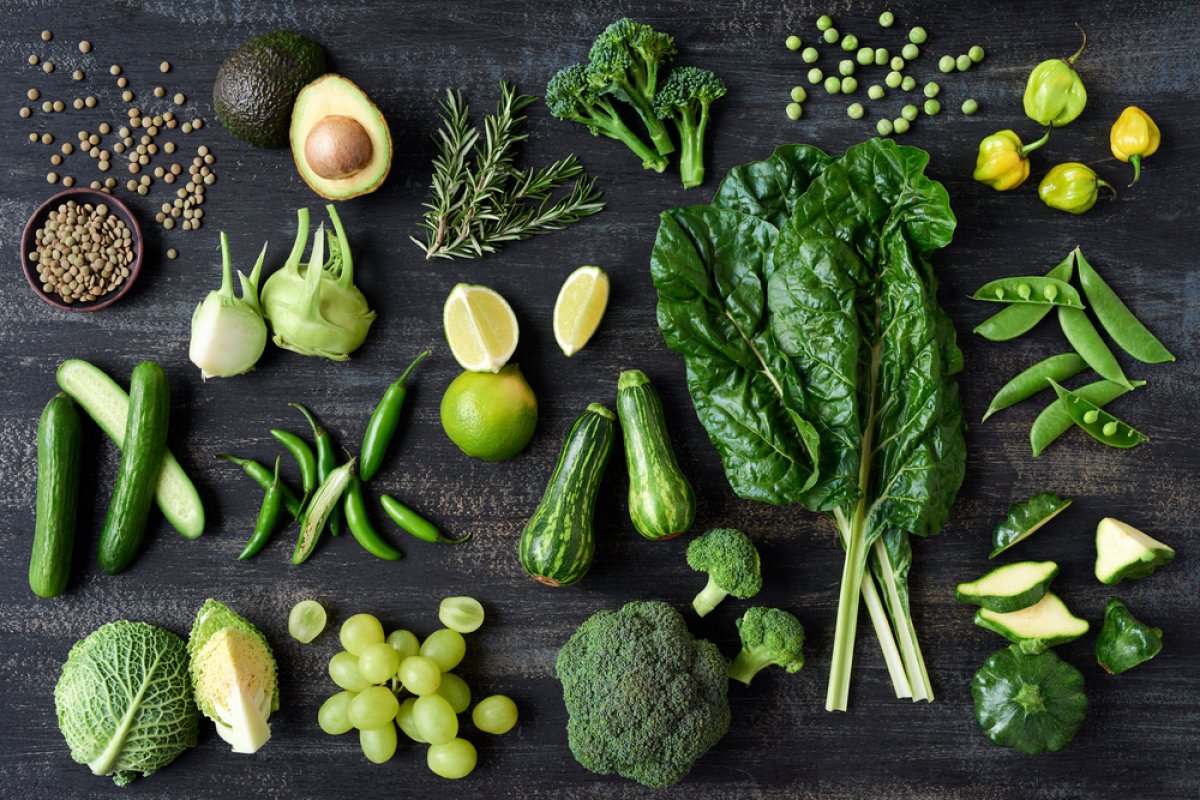
Impressive Nutritional Profile
Broccoli is packed with vitamins and minerals. It has vitamins C, K, and A, plus fibre and iron. These nutrients make it a nutrient-dense food, providing health benefits without many calories.
Vitamin C in broccoli boosts the immune system. Vitamin K is key for blood clotting and bone health. Vitamin A, as beta-carotene, fights cell damage and supports the eyes.
Sulforaphane: The Cancer-Fighting Compound
Broccoli contains sulforaphane, a compound with anti-cancer properties. Sulforaphane is released when broccoli is chopped or chewed. It helps protect against cancer cell growth.
Research shows broccoli sprouts have high sulforaphane levels. This makes them a strong tool in cancer prevention.
Research Showing Reduced Cancer Risk
Studies show that eating cruciferous veggies like broccoli can lower cancer risk. Eating 3 to 5 servings a week can cut cancer risk by 30-40%.
This evidence proves broccoli’s role in fighting cancer. It’s a champion vegetable with a rich nutritional profile and cancer-fighting abilities.
Top 5 Healthiest Vegetables After Broccoli
Broccoli is the top veggie, but others like kale, bell peppers, sweet potatoes, and spinach are close. These veggies are full of nutrients, giving us many health benefits. Let’s explore the top 5 healthiest veggies after broccoli.
Kale: The Nutrient-Dense Leafy Green
Kale is known for its high nutritional value. It’s loaded with vitamins A, C, and K, and minerals like calcium and potassium. Kale helps with eye health, boosts the immune system, and supports bone health.
Incorporating kale into your diet is easy. You can add it to salads, blend it into smoothies, or sauté it as a side dish.
Bell Peppers: Vitamin C Powerhouses
Bell peppers add colour to meals and are rich in vitamin C. They have more vitamin C than some citrus fruits. Vitamin C is key for immune function and skin health.
Bell peppers also have antioxidants and fibre. They’re great for improving overall health.
Sweet Potatoes: Beta-Carotene Champions
Sweet potatoes are a rich source of beta-carotene, which turns into vitamin A. This supports eye health and immune function. They’re also full of fibre and antioxidants, making them a nutritional powerhouse.
Sweet potatoes can be baked, mashed, or roasted. They’re a versatile addition to a healthy diet.
Spinach: Iron-Rich Leafy Vegetable
Spinach is rich in iron, essential for healthy red blood cells. It’s also packed with vitamins A and K, supporting overall health and well-being.
Adding spinach to your meals is easy. You can add it to pasta dishes, blend it into smoothies, or sauté it as a side.
Adding these veggies to your diet boosts your nutritional intake. They offer many health benefits, from supporting immune function to reducing chronic disease risk. By eating a variety of veggies like kale, bell peppers, sweet potatoes, and spinach, you’re taking a big step towards a healthier lifestyle.
Nutritional Comparison of Top Vegetables
Looking at the top vegetables shows their health benefits. Broccoli, kale, bell peppers, sweet potatoes, and spinach are very nutritious. They are full of vitamins, minerals, and antioxidants.
Vitamin and Mineral Content Analysis
These veggies are packed with vitamins and minerals. Broccoli is full of vitamins C and K. Kale is rich in vitamins A, C, and K.
Bell peppers have a lot of vitamin C. Sweet potatoes are full of beta-carotene, which turns into vitamin A. Spinach is a great source of iron and vitamins A and K.
A study on Medical News Today shows these veggies are full of essential nutrients. This is why they are so good for us.
Antioxidant and Phytonutrient Levels
These veggies are also high in antioxidants and phytonutrients. Broccoli has sulforaphane, which fights cancer. Kale and spinach protect our eyes with lutein and zeaxanthin.
Bell peppers have antioxidants like vitamin C and beta-carotene. Their antioxidant capacity helps fight oxidative stress and inflammation.
Caloric Value and Fibre Content
These veggies also differ in calories and fiber. Sweet potatoes have more calories because of their natural sugars. Broccoli, kale, and spinach are low in calories but high in fiber.
Bell peppers are also low in calories and full of fiber. Eating a variety of these veggies gives us a balanced diet. This supports our health and well-being.
How Vegetables Combat Disease and Promote Health
Vegetables are key to a healthy diet. They offer many benefits that fight disease and boost health. They are packed with vitamins, minerals, and antioxidants that help keep us healthy and prevent chronic diseases.
Anti-Inflammatory Properties of Cruciferous Vegetables
Cruciferous veggies like broccoli and kale have strong anti-inflammatory compounds. These compounds help lower inflammation. Inflammation is a major cause of chronic diseases like arthritis, diabetes, and heart disease.
- Broccoli: It’s full of sulforaphane, which fights inflammation and boosts health.
- Kale: It has many antioxidants and anti-inflammatory compounds that support health.
Cardiovascular Protection Mechanisms
Vegetables are also great for heart health. They are full of fiber, potassium, and antioxidants. These help lower blood pressure, improve lipid profiles, and prevent blood clots.
- Bell Peppers: They are high in vitamin C and antioxidants, protecting against heart disease.
- Sweet Potatoes: They are rich in beta-carotene, which is good for the heart and reduces heart disease risk.
Immune System Enhancement
Eating a diet full of vegetables boosts the immune system. Sweet potatoes, for example, are rich in beta-carotene, which supports immune function and eye health. Spinach, with its iron, is also important for healthy red blood cells.
- Spinach: It’s full of iron and antioxidants, supporting immune function and overall health.
- Sweet Potatoes: They are high in beta-carotene, which turns into vitamin A in the body. This supports immune function and eye health.
Adding a variety of vegetables to your diet can greatly improve your health. It can lower the risk of chronic diseases and enhance your overall well-being.
Practical Guide to Selecting and Preparing Healthy Vegetables
To get the most from vegetables, pick and prepare them right. They’re key to a balanced diet, packed with vitamins, minerals, and antioxidants.
Selecting Fresh, Nutrient-Rich Produce
Start by picking fresh, seasonal veggies. Look for bright colors and avoid wilted or rotten ones. For example, broccoli with tight, green florets is not only more nutritious but also tastes better.
Storage Methods to Preserve Nutritional Value
Storing veggies right is key to keeping their nutrients. Store leafy greens like kale and spinach in sealed containers in the fridge. Root veggies like carrots should be kept cool and dark. Carrots, for instance, have about 45 kcal per 100 grams, making them a healthy, low-calorie snack.
Cooking Techniques That Maximize Health Benefits
How you cook veggies matters a lot. Steaming and roasting are great for keeping vitamins and minerals in. Steaming broccoli, for example, helps keep its sulforaphane, a compound that fights cancer.
Creative Recipes Featuring Broccoli and Other Top Vegetables
Mixing up your veggie intake can be tasty and fun. Try a stir-fry with bell peppers, onions, and broccoli, or roast sweet potatoes with olive oil and herbs. Spinach is super versatile, great for salads or smoothies.
By following these tips, you can boost the health benefits of your veggies. Try new recipes and cooking methods to keep your meals exciting.
Conclusion: Making Broccoli and Other Healthy Vegetables Part of Your Daily Diet
Adding broccoli and other healthy veggies to your meals can greatly improve your health. These foods are packed with nutrients that help fight diseases and boost your immune system.
Broccoli is a superstar for its rich nutrients and disease-fighting abilities. Eating it regularly can lead to better health and lower disease risks.
Try different ways to cook and enjoy these veggies. This will make your diet not only healthy but also tasty. You’ll be on your way to a balanced and delicious diet that keeps you healthy for years to come.
FAQ’s:
REFERENCES:
Hill, A., & Rose-Francis, K. (2025). Top 14 Health Benefits of Broccoli. Healthline. https://www.healthline.com/nutrition/benefits-of-broccoli
Syed, R. U., et al. (2023). Broccoli: A multi-faceted vegetable for health: An in-depth review of its nutritional and therapeutic properties. Nutrients, 15(14), 3276. https://pmc.ncbi.nlm.nih.gov/articles/PMC10376324/Andrés, C. M. C., et al. (2025). The multifaceted health benefits of broccoli – A review. Journal of Functional Foods in Health and Disease. https://pubmed.ncbi.nlm.nih.gov/40509149/
What makes broccoli the #1 healthiest vegetable?
Broccoli is the top veggie because it’s packed with nutrients. It has vitamins C, K, and A, fibre, and iron. It also has sulforaphane, which fights cancer.
What is nutrient density, and how is it used to rank vegetables?
Nutrient density shows how much good stuff a food has. It’s used to rank veggies. This includes vitamins, minerals, and antioxidants.
How can I incorporate more veggies like broccoli into my diet?
Add veggies like broccoli to your meals. Use them in salads or as side dishes. You can also blend them into soups and smoothies. Broccoli sprouts are great in salads and sandwiches.
What are the health benefits of consuming bell peppers?
Bell peppers are full of vitamin C and antioxidants. They help protect cells and reduce inflammation. They’re also low in calories and high in fibre.
How do sweet potatoes benefit overall health?
Sweet potatoes are rich in beta-carotene, which turns into vitamin A. This is good for your eyes, immune system, and skin. They’re also full of fibre, vitamins, and minerals.
What are some creative ways to prepare broccoli and other top vegetables?
You can roast, grill, sauté, or steam broccoli and other veggies. Add them to soups, stews, and casseroles. Use them in salads and wraps, too.
How can I maximize the nutritional benefits of the vegetables I eat?
Choose fresh, nutrient-rich veggies. Store them right to keep their nutrients. Use cooking methods like steaming or stir-frying to keep nutrients in.
Are carrots a healthy addition to a balanced diet?
Yes, carrots are great for a balanced diet. They’re full of vitamin A, fibre, and antioxidants. One medium carrot has about 25 kcal.
What are the benefits of eating a variety of colourful vegetables?
Eating colourful veggies gives you a range of nutrients. Different colours offer unique benefits. For example, broccoli’s anti-inflammatory properties are great.


