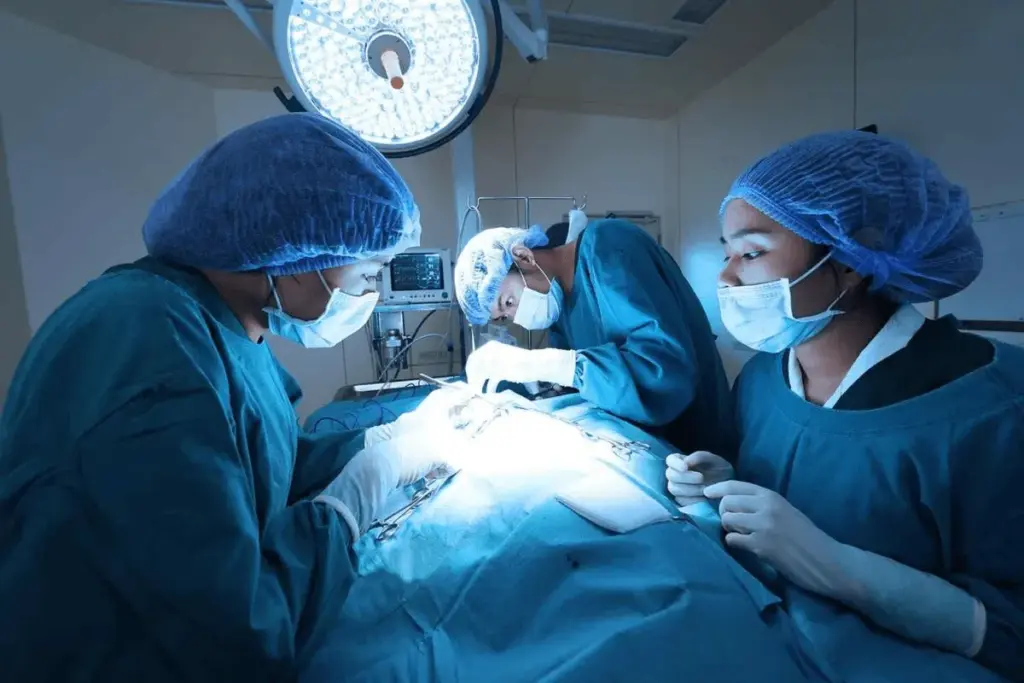
The cost of surgery to repair a hole in the heart, like ASD or VSD, changes a lot. This depends on where you are, the hospital, and how complex the surgery is.
In the United States, fixing a hole in the heart can cost between $30,000 and $200,000. This is for open heart surgery.
Many things affect the cost. These include the type of defect, how complex the surgery is, the hospital’s quality, how long you stay, and any complications.
Key Takeaways
- The cost of hole in heart surgery varies widely based on several factors.
- In the US, the cost of open heart surgery ranges between $30,000 and $200,000.
- Factors influencing cost include defect type, procedure complexity, and hospital quality.
- Understanding these factors helps patients make informed decisions about treatment.
- Hospital choice and location significantly impact the overall cost.
Understanding Hole in Heart Conditions
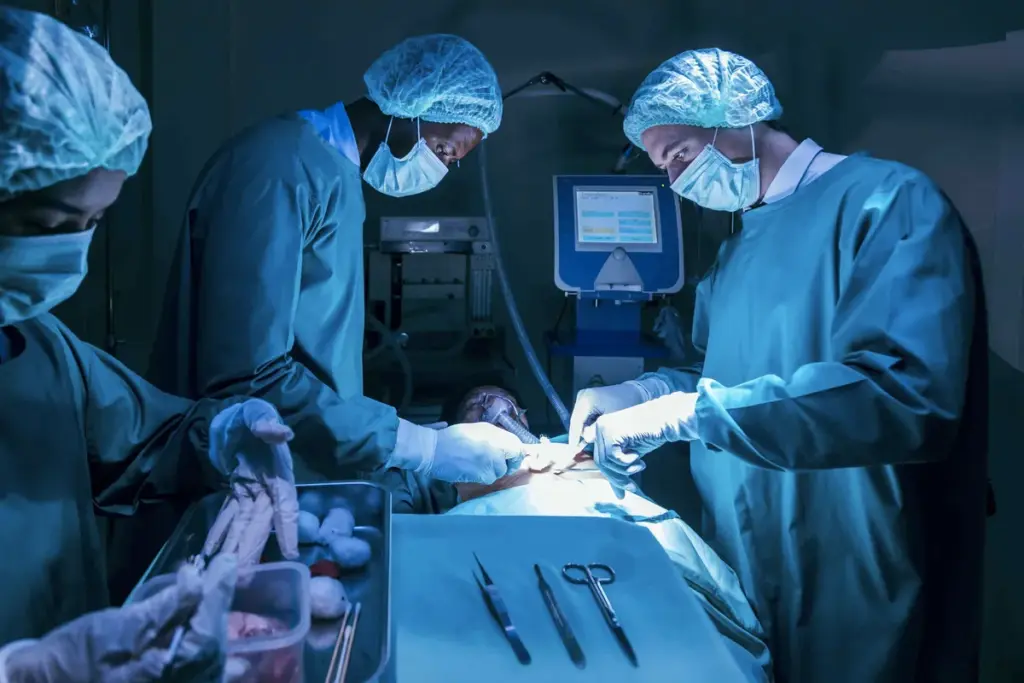
Hole in heart conditions, also known as septal defects, are heart problems present at birth. They happen when there’s an opening in the septum, the wall between the heart’s chambers. These defects can be different sizes and locations, making it hard for the heart to work right.
What is an Atrial Septal Defect (ASD)?
An Atrial Septal Defect, or ASD, is a heart problem in the upper chambers (atria). The ASD medical abbreviation stands for this condition where there’s a hole in the septum between the atria. This hole lets blood move between the left and right atria, which can cause problems if not treated.
What is a Ventricular Septal Defect (VSD)?
A Ventricular Septal Defect, or VSD, is a heart problem in the lower chambers (ventricles). The term “vsd heart” refers to this condition, where there’s a hole in the septum between the ventricles. VSDs make the heart work harder and can lead to long-term health issues.
Other Types of Cardiac Septal Defects
While ASD and VSD are common, there are other cardiac septal defects too. These include complex defects with multiple holes or more serious structural problems.
To understand the differences and characteristics of these defects, let’s look at a comparison:
|
Defect Type |
Location |
Common Complications |
|---|---|---|
|
Atrial Septal Defect (ASD) |
Upper chambers (atria) |
Heart failure, arrhythmias |
|
Ventricular Septal Defect (VSD) |
Lower chambers (ventricles) |
Heart failure, pulmonary hypertension |
|
Complex Septal Defects |
Multiple locations |
Varies depending on defect complexity |
Diagnosing a Hole in Heart Condition
A hole in the heart, or cardiac septal defect, can be found through physical checks, medical history, and advanced tests. Finding this condition right is key to picking the right treatment.
Common Symptoms and Warning Signs
The signs of a hole in the heart depend on the defect’s size and where it is. Common signs include shortness of breath, feeling tired, and irregular heartbeats. Some people might not show any signs, so regular check-ups are vital for catching it early.
Common symptoms to watch for:
- Shortness of breath
- Fatigue
- Palpitations
- Frequent respiratory infections
- Poor feeding or failure to thrive in infants
Diagnostic Tests and Procedures
Several tests help confirm a hole in the heart. These include:
|
Diagnostic Test |
Description |
|---|---|
|
Echocardiogram |
An ultrasound test that uses sound waves to create images of the heart, allowing doctors to visualize the defect. |
|
Cardiac Catheterization |
A procedure that involves inserting a catheter into the heart to measure pressure and oxygen levels, helping to assess the defect’s severity. |
|
Electrocardiogram (ECG) |
A test that records the heart’s electrical activity, helping to identify any irregularities. |
|
Chest X-ray |
An imaging test that provides information about the heart’s size and the condition of the lungs. |
The American Heart Association says, “Echocardiography is the main tool for checking congenital heart defects, like atrial and ventricular septal defects.”
“Echocardiography is non-invasive and gives detailed info about the heart’s structure and function.”
When Surgery Becomes Necessary
Surgery is often needed to fix a hole in the heart, especially if it’s big or causing bad symptoms. The choice to have surgery depends on the defect’s size, where it is, and the patient’s health.
The surgery type can vary, from open-heart surgery to less invasive methods. We’ll look at these options in more detail later.
Types of Hole in Heart Surgical Procedures
Treating hole in heart conditions requires different surgical methods. These include open heart surgery, minimally invasive procedures, and catheter-based interventions. The choice of procedure depends on the defect’s size, location, and the patient’s health.
Open Heart Surgery
Open heart surgery is a traditional method. It involves making a big incision in the chest to reach the heart. This way, surgeons can see and fix the defect directly. Even though it’s more invasive, it has been improved to make recovery faster and outcomes better.
Benefits of Open Heart Surgery:
- Direct visualization of the defect
- Ability to repair complex defects
- Established procedure with a long history of successful outcomes
Minimally Invasive Procedures
Minimally invasive procedures use smaller cuts and cause less damage. They lead to quicker healing, less scarring, and fewer complications. These methods are great for patients who want to get back to normal life fast.
Advantages of Minimally Invasive Procedures:
- Smaller incisions, resulting in less scarring
- Reduced risk of infection and complications
- Shorter hospital stays and recovery times
Catheter-Based Interventions
Catheter-based interventions use a thin tube to deliver a device to close the hole. This method is done under imaging and doesn’t need open surgery. It’s a less invasive option for some patients.
Key Aspects of Catheter-Based Interventions:
- Minimally invasive, avoiding the need for open surgery
- Performed under imaging guidance for precision
- Can be an option for patients who are not ideal candidates for open surgery
To understand the differences, let’s look at a comparison table:
|
Procedure |
Invasiveness |
Recovery Time |
Scarring |
|---|---|---|---|
|
Open Heart Surgery |
High |
Longer |
More noticeable |
|
Minimally Invasive Procedures |
Moderate |
Moderate |
Less noticeable |
|
Catheter-Based Interventions |
Low |
Shorter |
Minimal |
Average Cost of Hole in Heart Surgery in the United States
Hole in heart surgery costs in the United States vary a lot. This is because of the type of defect and the treatment needed. For many patients and their families, the cost is a big worry. It’s important to understand these costs to plan and manage the financial side of care.
Cost Range for ASD Repair
Fixing an Atrial Septal Defect (ASD) can cost between $30,000 and $100,000. This price range changes based on the defect’s complexity, the hospital’s quality and location, and the patient’s insurance.
Cost Range for VSD Repair
Ventricular Septal Defect (VSD) repair can cost between $30,000 and $200,000. VSD repair often costs more because it might need more complex surgery.
Regional Cost Variations Within the US
Healthcare costs vary by region, affecting the cost of hole in heart surgery. For example, urban hospitals, especially in expensive cities, charge more than rural ones.
|
Type of Defect |
Cost Range |
|---|---|
|
ASD Repair |
$30,000 – $100,000 |
|
VSD Repair |
$30,000 – $200,000 |
“The cost of cardiac surgery is not just a financial issue; it’s about the value of the life saved and the quality of life improved.”
Medical Expert, Cardiothoracic Surgeon
Breakdown of Surgical Costs
Understanding the costs of hole in heart surgery can help patients prepare financially. It’s important to know what to expect.
Pre-Surgical Evaluations and Tests
Before surgery, patients go through many tests. These tests check their health and heart condition.
Tests include echocardiograms, electrocardiograms, blood tests, and more. Each test has its own cost.
The cost varies based on the hospital, location, and insurance. It’s good to ask about these costs beforehand.
Operating Room and Surgical Team Fees
The cost of the operating room and the surgical team is high. It includes the surgeon’s fee, anesthesiologist’s fee, and operating room time.
The complexity of the procedure and the team’s experience also affect costs.
Hospital Stay Expenses
Hospital stay costs are a big part of the total cost. They include the room, nursing care, medications, and more.
“The length of hospital stay can significantly affect the total cost, with longer stays resulting in higher expenses.”
Talking to your healthcare provider about your stay can help you understand these costs better.
Factors Affecting Hole in Heart Surgery Costs
It’s important for patients and their families to know what affects the cost of hole in heart surgery. The cost can change a lot based on different things.
Complexity of the Defect
The type of defect in the heart greatly affects the surgery cost. More complex defects need longer surgeries and special techniques. This makes the cost go up.
For example, defects with many openings or linked to other heart issues need more detailed repairs. This increases the cost even more.
- Size and location of the defect
- Presence of multiple defects
- Association with other cardiac anomalies
Patient Age and Overall Health
The patient’s age and health also play a big role in the surgery cost. Older patients or those with health issues need more tests and care before and after surgery. This can make the total cost higher.
Patients with other health problems might need extra care. This adds to the cost too.
- Pre-operative evaluations and testing
- Post-operative care and recovery time
- Management of comorbid conditions
Hospital Reputation and Volume
The hospital’s reputation and how often they do heart surgeries also affect the cost. Hospitals that do a lot of heart surgeries have better results. But, they might charge more.
The hospital’s fame and its heart program’s quality can also raise the cost. Famous centers might charge more.
- Hospital reputation and accreditation
- Volume of cardiac surgeries performed
- Quality of post-operative care
Knowing these factors helps patients and families plan for the surgery costs. They can make better choices about their care.
International Cost Comparison for Cardiac Septal Defect Repairs
Medical tourism is growing fast. It’s key to know the costs of hole in heart surgery around the world. People looking for surgery want quality care at a good price.
Costs in Low and Middle-Income Countries
In low and middle-income countries, surgery costs are much lower. For example, VSD repair in some Asian countries costs between $5,000 and $15,000. This makes these places popular for medical tourism.
“The big difference in healthcare costs worldwide is why more people are traveling for medical care,” notes a healthcare expert.
Costs in European Countries
In Europe, surgery costs are often similar to or higher than in the U.S. For instance, ASD repair in some European countries can cost between $20,000 and $40,000. Even with high-quality care, the cost can be a big issue for those without insurance.
It’s crucial for patients to look into the cost, care quality, and hospital reputation when choosing a destination abroad.
Medical Tourism for Cardiac Procedures
More people are traveling for heart surgery. They seek places with good care and lower prices. Southeast Asia and Latin America are becoming top choices for heart surgery.
- Lower costs without compromising on quality
- Access to renowned cardiac surgeons
- State-of-the-art medical facilities
But, patients should weigh the pros and cons. This includes travel and accommodation costs and the need for follow-up care.
Key Considerations for Medical Tourism:
- Research the medical facility’s accreditation and success rates
- Understand all costs involved, including travel and accommodation
- Plan for follow-up care and potential complications
Insurance Coverage for Hole in Heart Surgery
Patients facing hole in heart surgery have to look at different insurance options to cut costs. Knowing how insurance works can really help lessen the financial stress of this serious surgery.
Private Insurance Coverage
Private insurance usually covers hole in heart surgery, but how much depends on the policy and network. It’s key for patients to check their policy and talk to their insurance to know what’s covered and what they’ll have to pay for.
“Insurance companies usually pay a lot for hole in heart surgery,” says Medical Expert, a top cardiologist. “But, patients need to know their plan’s details.”
Navigating Insurance Approvals
Getting insurance approval can be tricky. Patients should work with their healthcare team’s billing to make sure all needed info is sent in right. Pre-approval or pre-certification is often needed for some surgeries, and knowing this can help avoid problems.
“The key to successful insurance navigation is early communication between the patient, healthcare provider, and insurance company,” notes Jane Doe, a patient advocate.
By understanding their insurance choices and teaming up with their healthcare team, patients can handle the financial side of hole in heart surgery better.
Financial Assistance Programs and Payment Options
Hole in heart surgery can be expensive. But, there are many financial help programs for patients and their families. Knowing about these options is key to handling the cost of this serious surgery.
Hospital Financial Aid Programs
Hospitals have financial aid to help with surgery costs. These programs can lessen the financial stress on families. For example, some hospitals adjust fees based on how much you earn.
- Sliding Scale Fees: Fees adjusted according to the patient’s income.
- Charity Care: Programs that provide free or discounted care to those who qualify.
- Financial Counseling: Services that help patients navigate billing and insurance claims.
To get help, you must meet income rules and provide financial info. It’s important to ask about these programs when talking about treatment with your doctor.
Nonprofit Organizations and Charities
Many nonprofits and charities help with surgery costs. They offer grants, subsidies, or other aid to cover expenses.
“Nonprofit organizations play a vital role in supporting patients with congenital heart defects, providing not only financial assistance but also emotional support and resources.”
— A leading nonprofit organization
Some well-known groups include:
- Children’s HeartLink: Works to improve the treatment and care of children with heart defects worldwide.
- The Little Hearts Foundation: Provides financial assistance to families of children with heart conditions.
- Mended Hearts: Offers support and resources to heart disease patients and their families.
Payment Plans and Medical Loans
If you can’t get financial aid, payment plans and medical loans are options. Healthcare providers offer plans to pay bills in installments. Medical loans are loans just for medical costs, with flexible repayment terms.
It’s important to check the details of any loan or plan to make sure it fits your budget.
Exploring these financial help programs and payment options can help manage the costs of hole in heart surgery.
Choosing a Hospital for Hole in Heart Surgery
Choosing a hospital for hole in heart surgery is a big decision. It involves looking at several key factors that affect patient results. Patients and their families must explore the healthcare options to find the best care.
Evaluating Surgical Outcomes and Success Rates
When picking a hospital, checking surgical success rates is crucial. High success rates show a hospital’s skill and care quality. Look for hospitals that share their results and compare them to national standards.
Here are some things to think about:
- Survival rates for the specific procedure
- Complication rates
- Patient satisfaction scores
Importance of Hospital Volume for Complex Procedures
Hospital volume matters a lot for complex surgeries like hole in heart surgery. Hospitals that do many of these surgeries have better results. They have more experience and better processes. Studies show they have lower death rates and fewer problems.
|
Hospital Volume Category |
Average Mortality Rate |
Average Complication Rate |
|---|---|---|
|
Low Volume |
2.5% |
10% |
|
Medium Volume |
1.8% |
8% |
|
High Volume |
1.2% |
5% |
Questions to Ask Your Cardiac Surgeon
When talking to your cardiac surgeon, ask important questions. This helps you understand the hospital’s abilities and your treatment. Ask:
- What experience do you have with hole in heart surgeries?
- What are the expected outcomes for my specific condition?
- How will my care be managed during and after the surgery?
By looking at these factors and asking the right questions, you can choose the best hospital for your surgery.
Recovery and Additional Post-Surgical Costs
Recovering from heart surgery involves many steps. These include the time in the hospital, follow-up care, and sometimes rehab. Knowing about these parts of care helps prepare for the costs of getting better.
Hospital Recovery Period
The time in the hospital is a big part of the cost. Hospital stay expenses change based on how long you stay, the care you need, and the hospital’s fees. During this time, doctors watch for problems and give treatments to help you heal.
Being in the hospital can be tough for patients and their families. Talking well with doctors about costs and insurance can ease financial worries.
Follow-up Care and Medications
After leaving the hospital, you need ongoing care. Follow-up appointments with doctors and the cost of medicines add to the total cost.
- Regular check-ups with healthcare providers
- Diagnostic tests to monitor heart health
- Medications to manage symptoms and prevent complications
Following the recommended care plan is key to getting better.
Potential for Rehabilitation Services
Some people need rehabilitation services to recover. Cardiac rehab includes exercise, heart health education, and counseling. These services are costly but help patients get stronger and healthier.
Knowing you might need rehab and planning for its costs is important. It helps families budget for care.
Long-term Economic Impact of Untreated Cardiac Defects
Untreated cardiac defects have big economic effects. They can cause many health problems. This leads to higher healthcare costs and a lower quality of life.
Healthcare Costs of Complications
Untreated cardiac defects can cause serious problems. These include heart failure, high blood pressure in the lungs, and irregular heartbeats. These issues need constant medical care, hospital stays, and sometimes emergency help. All these add up to big healthcare bills.
Some big healthcare costs for untreated cardiac defects are:
- Frequent hospital stays and emergency room visits
- Costs for ongoing medicines and treatments
- Expenses for tests and monitoring
- Need for more surgeries or procedures
Impact on Quality of Life and Productivity
Untreated cardiac defects also hurt a person’s quality of life and work ability. Symptoms like tiredness, short breath, and less ability to exercise can make daily tasks hard. They can also make it tough to work.
A study found that people with untreated cardiac defects have a lower quality of life. This can make it hard to do physical activities, socialize, and feel well overall. It affects their ability to work and be with family.
Cost-Benefit Analysis of Early Intervention
Early treatment for cardiac defects can bring big benefits. It can improve health and save money in the long run. By fixing these defects early, people can avoid serious problems and their related costs.
Early treatment analysis shows:
- It can lower long-term healthcare costs by avoiding complications.
- It can improve health, quality of life, and work ability.
- It might reduce the need for future medical care and hospital stays.
Understanding the economic effects of untreated cardiac defects shows why early diagnosis and treatment are important. Investing in early medical care can lead to better health and big economic savings.
Future Trends in Hole in Heart Treatment and Costs
New medical tech and changes in healthcare policy are changing how we treat hole in heart conditions. These changes will lead to better results and lower costs. It’s key to keep up with these trends to understand cardiac care better.
Advances in Minimally Invasive Techniques
Minimally invasive methods are gaining favor for treating hole in heart issues. These methods use smaller cuts, cause less damage, and lead to faster healing than traditional surgery. Advancements in catheter-based interventions allow for some repairs without open surgery.
This shift to less invasive treatments is a big deal. It not only improves patient results but also cuts down on costs. Patients can get back to their lives faster, which helps save money.
Technological Innovations Reducing Surgical Costs
New tech is key in lowering surgery costs for hole in heart issues. Robotic-assisted surgery offers more precision and control, which can lead to fewer complications and better results. Also, new imaging tech helps plan surgeries better and guides them during the procedure.
These tech advances improve care quality and save money. They help by cutting down on hospital stays and the need for extra treatments.
Impact of Healthcare Policy Changes
Changes in healthcare policy are also big for hole in heart treatment and costs. Policies focused on better patient care and lower costs are pushing for more efficient treatments. For example, value-based care policies encourage providers to offer high-quality, affordable care.
We expect future policy changes to keep shaping cardiac care. They might make new treatments more accessible and lower costs for patients and healthcare systems.
Conclusion
The cost of hole in heart surgery depends on many things. These include the type of defect, how complex the procedure is, and the quality and location of the hospital. It’s important for patients and families to understand these factors to plan financially. We’ve looked at what affects the cost of hole in heart surgery. This includes diagnostic tests, surgical procedures, and care after surgery. Knowing these can help patients choose the best treatment for them. In summary, the cost of hole in heart surgery can change a lot. But knowing what affects it can help patients and families deal with the financial side. We hope this detailed look has given you useful information about the costs of hole in heart surgery.
FAQ
What is a hole in heart condition?
A hole in the heart, or septal defect, is when there’s a gap in the heart’s wall. This wall divides the heart’s chambers. Atrial septal defect (ASD) and ventricular septal defect (VSD) are common types.
What are the symptoms of a hole in heart condition?
Common signs include shortness of breath, feeling tired, and irregular heartbeats. The severity of these symptoms can vary.
How is a hole in heart condition diagnosed?
To diagnose, doctors use a physical exam, medical history, and tests like echocardiograms and cardiac catheterization.
What are the treatment options for a hole in heart condition?
Treatment options include open heart surgery, minimally invasive procedures, and catheter-based interventions. The choice depends on the defect’s type and complexity.
How much does hole in heart surgery cost?
The cost of hole in heart surgery varies. It depends on the defect’s type, procedure complexity, and the hospital’s quality and location.
What factors affect the cost of hole in heart surgery?
Cost factors include the defect’s complexity, patient’s age and health, hospital reputation, and surgical procedure type.
Does insurance cover hole in heart surgery?
Insurance coverage for hole in heart surgery varies. It depends on the insurance type, policy, and patient’s situation. Private insurances offer coverage, but costs can differ.
Are there financial assistance programs available for hole in heart surgery?
Yes, there are financial aid programs and payment options for hole in heart surgery. These include hospital aid, nonprofit charities, and payment plans.
How do I choose a hospital for hole in heart surgery?
Choosing a hospital for hole in heart surgery involves considering several factors. Look at surgical success rates, hospital volume, and the cardiac surgeon’s expertise.
What are the long-term economic implications of untreated cardiac defects?
Untreated cardiac defects can lead to high healthcare costs, reduced quality of life, and lost productivity. Early treatment offers long-term benefits.
What are the emerging trends in hole in heart treatment and costs?
Emerging trends include new, less invasive techniques and technological advances. Healthcare policy changes also impact hole in heart treatment and costs.
References
Operative mortality in adult cardiac surgery [Internet]. [cited 2025 Sep 17]. Available from:https://www.ncbi.nlm.nih.gov/pmc/articles/PMC8312106/