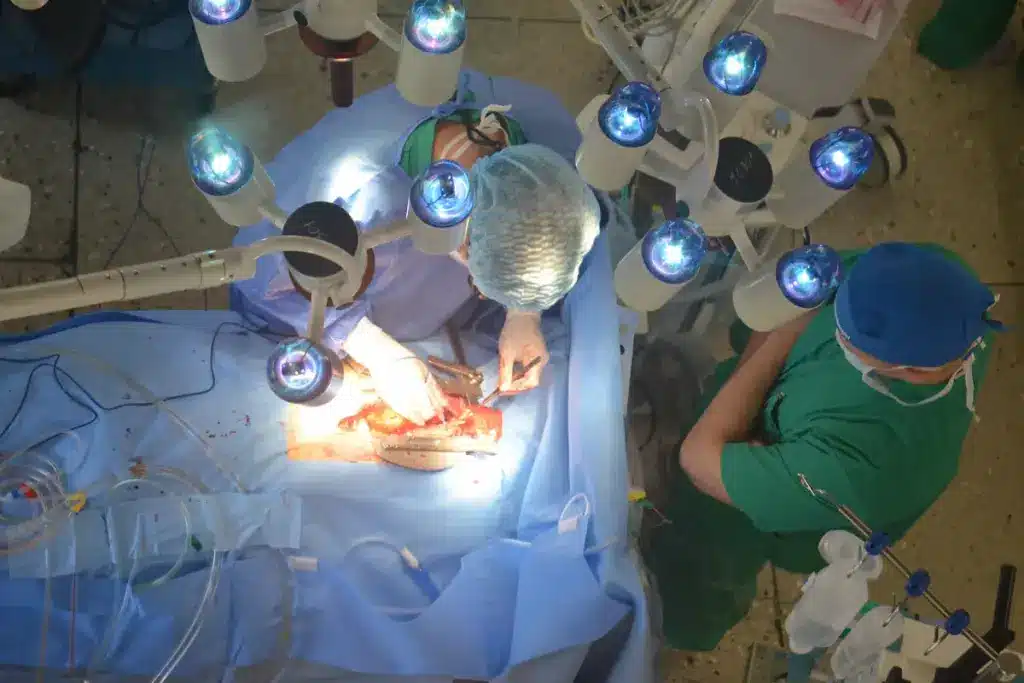
Coming home after open heart surgery is a big step. It’s a time when half of all problems can happen. So, having the right support and a good home environment is key for a safe and successful recovery.
Prepare for open heart surgery recovery at home. Learn vital setup tips and amazing safety steps for a brilliant and healthy healing journey.
A 2023 study showed that home care is vital for the best recovery after heart surgery. It found that home care can reduce hospital readmissions by half. This highlights the importance of a well-planned recovery at home.
We know that a safe place, managing medicines, and helping with moving around are all important parts of comprehensive home care. By looking into these key points, we can help patients and their families get through this important time.
Key Takeaways
- Comprehensive home care is key for the best recovery after heart surgery.
- A safe home environment can greatly lower the risk of problems.
- Managing medicines right is vital for a good recovery.
- Helping with moving around can prevent going back to the hospital.
- Having a good plan for recovery is important for patients and their families.
The Critical First Days of Recovery at Home
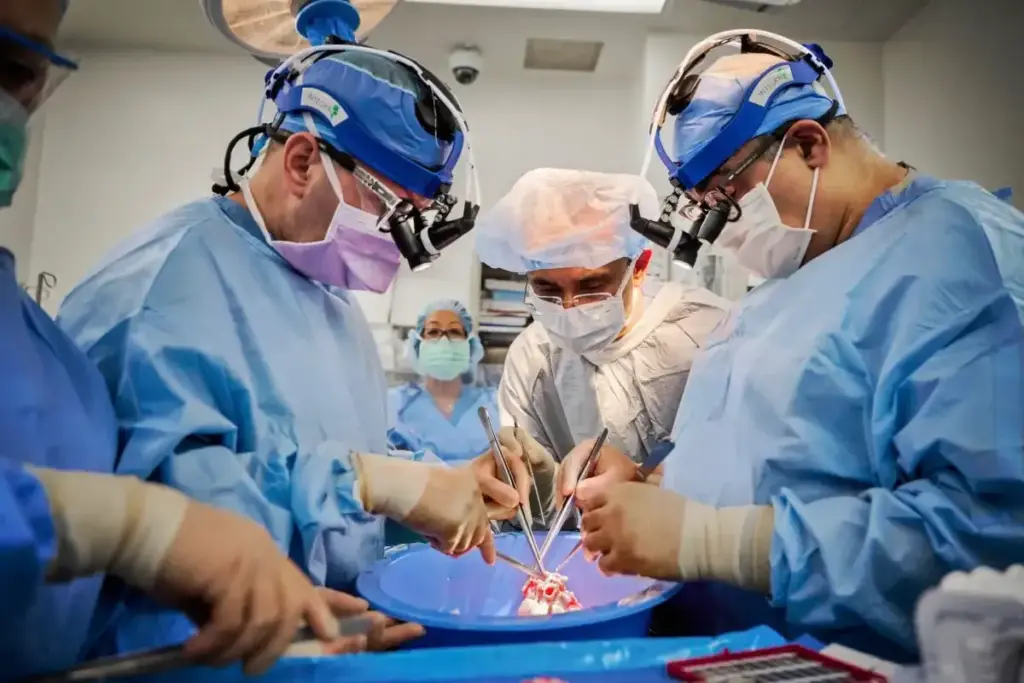
Recovering well from open heart surgery starts with being ready for the first days at home. Patients must watch their health closely, manage pain well, and look out for any signs of trouble.
What to Expect in the First 48 Hours
The first 48 hours after leaving the hospital are key for a good recovery. Patients often feel weak and tired, which is okay. Having someone to help with daily tasks like bathing and dressing is important.
A study shows that having support can lower the chance of problems like delirium .
It’s vital to follow the doctor’s advice on taking medicine, resting, and getting up slowly. Paying attention to how your body feels and telling your doctor about any odd symptoms is also important.
Setting Up a Recovery Command Center
Having a recovery center at home can help a lot. It’s a place where patients can rest, manage their meds, and have what they need close by. The center should have:
- A comfy spot to rest with pillows and blankets
- A way to keep track of meds and when to take them
- Important medical stuff like bandages and thermometers
- Numbers for emergency calls, like the doctor and a hospital
Being ready and having a good recovery space can help avoid problems. Following cardiac surgery recovery tips from doctors can also help the healing process.
Preparing Your Home Environment Before Discharge

Before you leave the hospital, making your home safe is key for a smooth recovery. HealthVideoSearch says preparing your home is vital after open heart surgery. We’ll show you how to get your home ready for your return.
Creating a Single-Level Living Space
After open heart surgery, avoiding falls is a big concern. To do this, make your living space single-level. Set up a temporary area on the main floor if your home has stairs.
Clear your space of tripping hazards like loose rugs and cords. Good lighting is also important. Use nightlights or motion-sensitive lights in dark spots, like hallways and bathrooms.
Bathroom Safety Modifications
The bathroom can be dangerous, mainly when getting in and out of the shower or bathtub. To make it safer, install grab bars near the toilet and in the shower. A non-slip mat or stickers in the bathtub can also help prevent slipping.
Make your bathroom easier to use by using a shower chair or bench. This can greatly lower the risk of falls while bathing. Keep your bathroom warm and well-ventilated to avoid getting too cold.
Bedroom Adaptations for Comfort and Safety
Your bedroom should be both comfortable and safe for recovery. Place your bed in a spot that’s easy to get to from both sides. Use a bedside table or tray to keep important things within reach, so you don’t have to get out of bed.
Make sure your bedroom is at a good temperature and well-ventilated. Using a white noise machine or a fan can help create a calm environment for better sleep.
Essential Medical Supplies for Post-Surgery Care
Patients who have had open heart surgery need special medical supplies for recovery. Having the right equipment at home is key. It helps a lot in the healing process.
Wound Care and Incision Management
Proper wound care is key to avoid infection and ensure the incision heals right. You’ll need sterile gauze, antiseptic wipes, and a wound dressing kit. It’s vital to follow your healthcare provider’s instructions on wound care.
Pain Management Tools
Managing pain well is important for comfort and to prevent problems during recovery. You’ll need the pain meds your doctor prescribed and know how to use them. Also, be aware of any side effects and have a plan for them.
Vital Sign Monitoring Equipment
Keeping an eye on vital signs like blood pressure, heart rate, and oxygen levels is important. You might need a blood pressure monitor, a pulse oximeter, and a heart rate monitor. This depends on your needs and what your doctor says.
Having these medical supplies at home enhances patients’ ability to manage their recovery. It reduces the chance of complications and improves their recovery outcome.
Medication Management Systems
Having a good medication management system is key for heart surgery recovery. It helps avoid problems and makes recovery smoother.
Organizing Your Prescription Schedule
After heart surgery, patients take many medicines. These help with pain, prevent infections, and manage blood pressure or cholesterol. Creating a prescription schedule is important. It helps patients remember when and how to take their medicines.
Use a calendar or planner for your meds. List all your medicines, their doses, and when to take them. Note any special instructions, like taking with food or on an empty stomach.
Tools for Tracking Medications
There are many ways to track your meds. Pill boxes or pill organizers are easy to use. They help you keep track of your daily meds.
For more complex plans or tech lovers, medication reminder apps are great. They send reminders and track if you’ve taken your meds.
Understanding Medication Side Effects
It’s important to know the side effects of your medicines. Common ones include dizziness, nausea, or feeling tired. But, some can be serious and need quick doctor visits.
Keep a list of your medicines and their side effects. Talk about it with your doctor at follow-ups. This helps spot issues early and adjust your meds if needed.
Open Heart Surgery Recovery Timeline and Expectations
Knowing the recovery time for open heart surgery is key. It helps manage expectations and ensures a smooth healing. The recovery journey is complex, needing patience, understanding, and a good plan. We’ll guide you through each stage, helping you know what to expect and how to prepare.
Weeks 1-2: The Critical Phase
The first two weeks are critical after open heart surgery. Rest, wound care, and pain management are top priorities. Patients often feel tired, uncomfortable, and swollen, but these feelings lessen as they heal. Following the cardiac rehab exercises and medication is essential for recovery.
Weeks 3-6: Building Strength
In weeks 3-6, patients start to build strength and regain endurance. They gradually increase physical activity, like walking, under doctor’s guidance. It’s important to watch vital signs and listen to how the body reacts to more activity.
Weeks 7-12: Expanding Activities
By weeks 7-12, patients can do more, including strenuous exercises and daily tasks. But, it’s important to stick to the heart surgery recovery timeline and not rush back too fast. Patients should also see improvements in health and a decrease in symptoms.
Beyond 3 Months: Return to Normal Life
After three months, patients usually return to their normal life, including work and hobbies. Recovery times vary, but most regain strength and resume routines in 3 to 6 months. Keeping up with cardiac rehab exercises and a heart-healthy lifestyle are important for long-term health.
Throughout recovery, staying informed, following doctor’s advice, and staying positive is vital. Understanding the recovery time for open heart surgery and following the recovery plan helps patients heal well and achieve the best outcomes.
Nutrition and Meal Planning for Cardiac Healing
Eating the right foods is key for heart health and recovery after cardiac surgery. A well-planned diet is essential for healing your heart. We’re here to help you understand the basics.
Heart-Healthy Food Essentials
A heart-healthy diet is full of nutrients and low in bad fats and sodium. Key components include:
- Fruits and vegetables, which are full of vitamins, minerals, and antioxidants
- Whole grains, such as brown rice, quinoa, and whole-wheat bread
- Lean proteins, including poultry, fish, and legumes
- Healthy fats, like those found in nuts, seeds, and avocados
These foods help lower inflammation, improve blood fats, and support heart health.
Meal Preparation Strategies
Effective meal planning is key for a heart-healthy diet. Here are some strategies:
- Plan your meals in advance to ensure a balanced diet.
- Shop smart by choosing fresh, seasonal produce and lean proteins.
- Prepare meals in bulk and store them in the refrigerator or freezer for later use.
By planning ahead, you save time and fuel your body with the right foods.
Managing Dietary Restrictions and Sodium Intake
After cardiac surgery, managing dietary restrictions and sodium intake is vital. Tips include:
- Limiting sodium to less than 2,000 mg per day
- Avoiding foods high in saturated and trans fats
- Monitoring carbohydrate intake, specially for those with diabetes
As one study showed, “A diet low in sodium and rich in fruits, vegetables, and whole grains can significantly improve heart health outcomes.”
“A healthy diet is critical for recovery after cardiac surgery, supporting the healing process and reducing the risk of complications.”
By following these guidelines and being mindful of your diet, you can support your recovery and promote long-term heart health.
Mobility Assistance and Physical Support Needs
Recovering from open heart surgery needs careful planning. This is true for mobility assistance and physical support. Having the right tools and techniques can greatly help your recovery.
Essential Mobility Aids
The right mobility aids can greatly improve your safety and comfort. Some key items include:
- Walkers or rollators for stability and support
- Non-slip mats or strips for bathrooms
- Grab bars in strategic locations
- Comfortable, supportive footwear
“Mobility aids are not just tools; they are enablers that help patients regain their independence,” saysa cardiothoracic surgeon. “By using the right aids, patients can reduce their risk of falls and complications.”
Managing Sternal Precautions
After open heart surgery, managing sternal precautions is key. This helps prevent sternal instability or infection. You should:
- Avoid heavy lifting (more than 5-10 pounds)
- Minimize pushing and pulling heavy objects
- Use proper techniques when getting in and out of bed or chairs
We suggest patients work closely with their healthcare team. They can understand the specific precautions needed.
Safe Transfer Techniques
Safe transfer techniques are vital for preventing falls and injuries. When moving from one surface to another, like from bed to chair, remember:
- Use your leg muscles to stand, not your arms
- Keep your upper body straight and avoid twisting
- Have a caregiver or assistant present if possible
By using these techniques and the right mobility aids, patients can greatly improve their safety and comfort. As one patient said, “Having the right support and knowing how to move safely made all the difference in my recovery journey.”
Daily Living with Sternal Restrictions
Learning to handle daily tasks with sternal precautions is key for heart surgery recovery. Sternal restrictions are important during recovery. They affect how patients do everyday things.
Personal Hygiene Adaptations
Keeping clean is important, but you need to adapt to avoid hurting your chest. It’s best to take showers instead of baths to avoid falls. Using a shower chair can make it safer and more comfortable.
When washing, don’t scrub hard or use too much force. This can hurt your sternum. Instead, use a soft cloth or sponge gently. Having someone help with hard-to-reach areas is also helpful.
Dressing and Grooming Techniques
Dressing and grooming can be tough with sternal restrictions. Wear loose, comfy clothes that don’t need to be pulled over your head. Choose shirts or dresses that button up or have simple fasteners.
Start dressing from the top to avoid straining. Use a long-handled brush or comb for grooming. This helps avoid stretching and bending.
Household Activity Modifications
Changing how you do household tasks is key to avoiding sternum strain. Don’t lift more than 5-10 pounds at first. Avoid pushing or pulling heavy things, as they can hurt your chest.
Tasks like cooking or light cleaning can be done sitting down or with support. Remember to take breaks to rest and avoid getting tired.
Building Your Support System
Recovering from open heart surgery is more than just medical care. It needs a strong support system. Family, caregivers, and professionals play a big role in helping patients recover well.
Family and Caregiver Education
It’s important to educate family and caregivers about the recovery process. They should know how to manage medications, care for wounds, and help with mobility. We suggest they go to follow-up appointments with the patient to learn more and ask questions.
For more detailed information on post-surgery care, patients and caregivers can visit for guidance.
Coordinating Help Schedules
Coordinating help schedules is key to ensure patients get the support they need. Family and friends can make a schedule to help with daily tasks like grocery shopping, cooking, and cleaning. This helps the patient and eases the burden on caregivers.
Community and Professional Resources
Using community and professional resources can offer extra support. Local support groups, home healthcare, and cardiac rehab programs can be very helpful. Patients should ask about these during their hospital stay or through their doctor.
Key Resources:
- Local support groups for cardiac patients
- Home healthcare services
- Cardiac rehabilitation programs
Building a strong support system is key to a smooth recovery from open heart surgery. It’s about having a network that offers emotional, physical, and medical support.
At-Home Exercises and Cardiac Rehabilitation
At-home exercises and cardiac rehab are key in recovering from open heart surgery. They help improve heart health and overall well-being. Understanding the safe and effective parts of a rehab program is vital.
Safe Exercise Progression Protocol
Starting with low-intensity activities like walking or stretching is best for heart surgery recovery. As you get stronger, you can do more intense exercises. Always listen to your body to avoid overdoing it.
Make a schedule to keep up with your workouts. Start with short sessions and increase them as you get more stamina. Always check with your doctor before changing your exercise plan.
Breathing Exercises and Techniques
Breathing exercises are key in cardiac rehab. They help improve lung function and heart health. Diaphragmatic breathing is very helpful.
To do diaphragmatic breathing, sit or lie down, put one hand on your belly and the other on your chest. Breathe in slowly through your nose, letting your belly rise while your chest stays steady.
Other breathing techniques, like paced breathing, can also help. Paced breathing means breathing at a steady rate. It can help reduce stress and promote calm. Try different techniques to find what works best for you.
Monitoring Your Exertion Levels
It’s important to know when you’re pushing too hard during exercise. Use the Borg Rating of Perceived Exertion (RPE) scale to measure how hard you’re working. For early recovery, aim for an RPE of 11-13.
Also, watch for signs like chest pain, dizziness, or extreme tiredness. If you feel any of these, stop and talk to your doctor right away.
Emotional and Psychological Aspects of Recovery
Recovering from open heart surgery is more than just healing physically. It also involves emotional and psychological health. Patients face many challenges that need careful handling.
After open heart surgery, patients go through big emotional changes. They might feel relieved, grateful, anxious, or depressed. It’s important to recognize these feelings for a smooth recovery.
Managing Post-Surgery Depression and Anxiety
Many patients feel depressed and anxious after surgery. These feelings come from the surgery, changes in their body, or worries about the future. It’s key to manage these emotions for better health.
- Stay connected with family and friends to build a support network.
- Engage in activities that bring joy and relaxation.
- Consider seeking professional help if feelings of depression or anxiety persist.
By tackling these emotional hurdles, patients can boost their mental health. This makes their recovery journey better.
Sleep Challenges and Solutions
After open heart surgery, many struggle with sleep. Discomfort, medication side effects, and anxiety can mess with sleep. Finding ways to overcome these issues is critical for healing.
Here are some tips to better sleep:
- Make your sleep area comfy, like keeping it cool and dark.
- Stick to a regular sleep schedule.
- Stay away from activities that get you excited before bedtime.
Using these tips can help improve sleep quality. Good sleep is key for healing and recovery.
Mindfulness and Stress Reduction Techniques
Mindfulness and stress reduction are big helps in recovery. Practices like meditation, deep breathing, and muscle relaxation can lower stress and calm the mind.
“Mindfulness is the practice of being present in the moment, which can help reduce stress and anxiety.” -A mindfulness expert
These practices help patients deal with recovery’s emotional ups and downs. They improve overall well-being.
In summary, the emotional and psychological sides of recovery are as important as the physical. By managing depression and anxiety, solving sleep issues, and using mindfulness, patients can make their recovery better. This improves their health overall.
Recognizing Warning Signs and Emergency Situations
It’s key to know the difference between normal recovery signs and warning signs of complications after cardiac surgery. We’ll help you understand your body’s signals during this important time.
Distinguishing Between Normal and Abnormal Symptoms
After open heart surgery, you might feel some symptoms. Some are normal, like mild pain, fatigue, and swelling. But, it’s important to watch for abnormal symptoms that could mean trouble, like severe chest pain, trouble breathing, or sudden dizziness.
Keeping a symptom journal can help. It’s a good way to track your recovery and talk about it with your doctor.
When to Contact Your Doctor
If you have a fever that won’t go away, more redness or drainage from your incision, or symptoms getting worse, call your doctor. They can tell you if your symptoms are okay or if you need more help.
It’s always better to err on the side of caution when it comes to your health. If you’re not sure about your symptoms, always reach out to your healthcare team.
When to Seek Emergency Care
Some symptoms need immediate help. If you have severe chest pain, trouble breathing, or sudden severe headache, dizziness, or confusion, seek emergency care right away. These could be signs of serious problems that need quick treatment.
It can be hard to know these warning signs, but being informed helps protect you. Always have emergency numbers ready and have a plan for emergencies.
Conclusion: Keys to Successful Open Heart Surgery Recovery
Recovering from open heart surgery needs a full plan. This includes a strong support system and knowing the recovery steps. By using the advice in this article, patients can have a good recovery, avoid risks, and keep their heart healthy.
We talked about important home care steps. This includes getting the home ready and managing medicines, movement, and feelings. Tips like making the home easy to move around in and using devices to watch vital signs help a lot.
Knowing what to expect and being ready is key to a good recovery. Understanding the recovery time, managing medicines well, and watching for danger signs helps patients feel sure. Studies show that getting full care during recovery is very important.
By using these tips, patients can make their recovery better. This means they can get back to their normal life easier. We are here to help with all the steps needed for a good recovery.
FAQ
How long does it take to recover from open heart surgery?
Recovery from open heart surgery usually takes 6 to 12 weeks. This time can change based on your health and the surgery’s complexity.
What are the long-term side effects of open heart surgery?
Some people might feel tired, have trouble breathing, or feel emotionally changed after surgery. But, these issues can be managed with the right care.
How do I manage pain after open heart surgery?
Managing pain involves medicines and methods like deep breathing. Always follow your doctor’s advice on pain management.
What is the importance of cardiac rehabilitation after open heart surgery?
Cardiac rehab is key for recovery. It helps you get stronger, improves heart health, and lowers risks. A good rehab program boosts your overall health.
How can I modify my home environment for safe recovery?
Make your home safe by creating a single-level space and installing handrails. Also, make your bedroom comfortable and safe.
What are the essential medical supplies needed after open heart surgery?
You’ll need supplies like wound care, pain tools, and equipment to monitor vital signs. These ensure a safe recovery.
How do I manage my medications after open heart surgery?
Organize your meds, use tracking tools, and know about side effects. This helps avoid risks and aids in recovery.
What is the recommended diet after open heart surgery?
Eat a heart-healthy diet with fruits, veggies, whole grains, and lean proteins. Manage sodium and follow dietary restrictions for healing.
How can I minimize the risk of complications after open heart surgery?
Follow your doctor’s advice, go to follow-ups, and watch for warning signs. This reduces the risk of complications.
When can I resume normal activities after open heart surgery?
Returning to normal activities varies based on your health and surgery type. You’ll gradually get back to normal with your doctor’s guidance.
How long after open-heart surgery can you be left alone?
It’s best to have someone with you for the first week after discharge. The exact time depends on your needs.
What gift is suitable for a male just out of heart surgery?
A good gift is something that brings comfort and fun, like a cozy blanket or a book. Practical items like a pill box or robe are also great.
References
National Center for Biotechnology Information. Evidence-Based Medical Insight. Retrieved from https://pubmed.ncbi.nlm.nih.gov/36882407/