
Being a cardiovascular perfusionist is a tough job. They work with the heart-lung machine during surgeries. They make sure blood keeps flowing and oxygen is delivered.
Despite their important role, perfusionists face many challenges. These challenges affect their health and happiness at work.
Recent studies show the struggles perfusionists go through. They often work long hours and face high stress. This can lead to fatigue-related mistakes.
A study found that almost 75% of perfusionists worry about fatigue affecting their work. Many work long hours without enough rest.
We will look into these challenges more. We will see how long hours, workplace dangers, and other factors affect perfusionists’ lives.
Key Takeaways
- Perfusionists face big challenges, like long hours and high stress.
- Fatigue is a big worry, with many working long hours without rest.
- The job comes with risks, including mistakes from being too tired.
- Research shows the need for better support and resources for perfusionists.
- Knowing the downsides of being a perfusionist is key to improving their work life.
The Perfusionist Meaning and Critical Role in Healthcare

Perfusionists do more than just run the heart-lung machine. They also take care of patients during heart surgeries. They are key members of the surgical team. They make sure the heart-lung machine works right, which is crucial for heart surgeries.
Core Responsibilities in Cardiopulmonary Bypass
Perfusionists have important jobs during heart surgeries. They include:
- Operating and maintaining the cardiopulmonary bypass machine
- Monitoring patient vital signs and adjusting CPB settings as necessary
- Administering medications and blood products through the CPB circuit
- Collaborating with surgeons and anesthesiologists to ensure optimal patient care
To excel in their roles, perfusionists must have extensive knowledge of heart health, medical practices, and the functioning of the heart-lung machine. For more details, check out .
Educational Requirements and Certification Process
To become a perfusionist, you need a lot of education and training. This usually means:
- Earning a bachelor’s degree, often in a science-related field
- Completing a perfusion technology program accredited by the Commission on Accreditation of Allied Health Education Programs (CAAHEP)
- Obtaining certification through the American Board of Cardiovascular Perfusion (ABCP)
It takes at least six years to become a cardiovascular perfusionist. This includes four years for a bachelor’s degree and two years in a perfusion program. This long education and training prepare perfusionists for their vital role in healthcare.
Prolonged and Irregular Working Hours
Perfusionists face unpredictable schedules and emergency cases anytime. Their work in operating rooms during critical surgeries requires flexibility. They must be ready to work extended and irregular hours.
Unpredictable On-Call Schedules
Perfusionists often have to be on call, ready to work at short notice. This can disrupt their personal lives. They might have to leave family or social events suddenly.
Many perfusionists are exempt employees. This means they don’t get overtime pay under the Fair Labor Standards Act (FLSA). This can cause burnout from working long hours without extra pay.
Impact of Emergency Cases on Personal Time
Emergency cases can happen anytime. Perfusionists must be ready to respond. This can lead to irregular hours, including night shifts, weekends, and holidays.
“The unpredictability of our schedules is one of the most challenging aspects of being a perfusionist. We have to be ready to work at a moment’s notice, which can be very stressful.” – A practicing perfusionist.
|
Aspect |
Impact on Perfusionists |
|---|---|
|
Unpredictable Schedules |
Disrupts personal and family life |
|
Long Hours |
Leads to fatigue and burnout |
|
Emergency Cases |
Requires immediate response, affecting work-life balance |
The demanding schedules of perfusionists affect their personal and professional lives. Understanding these challenges is key to appreciating the complexities of the perfusionist role.
High Stress Levels and Burnout Risk
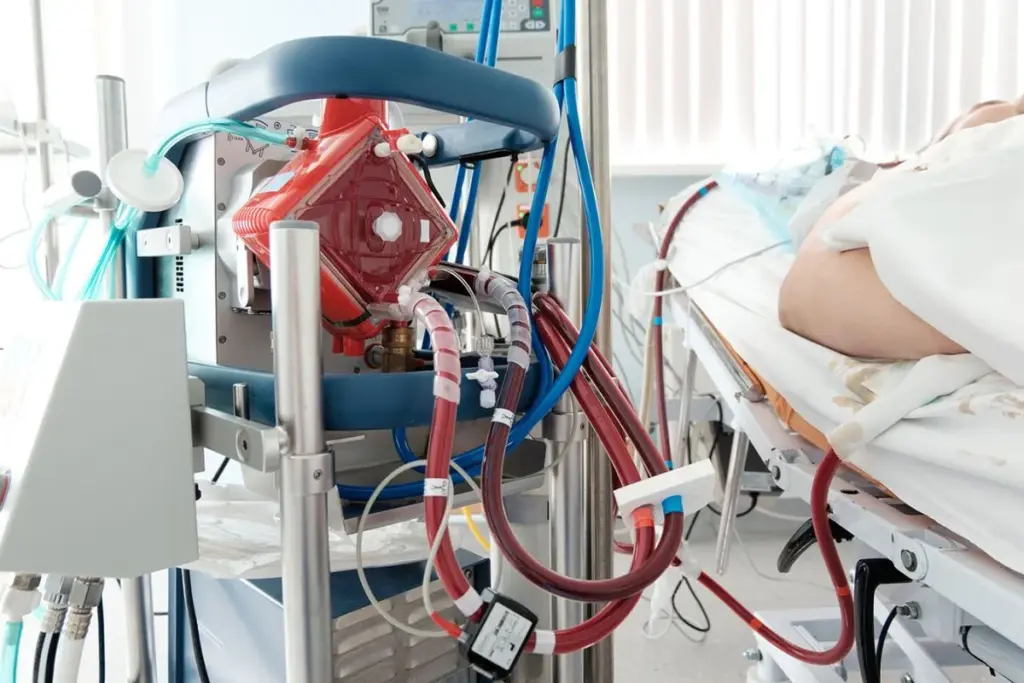
Perfusionists work in high-stakes environments that can harm their mental and physical health. Their job involves managing life-supporting equipment during surgeries, putting them under a lot of pressure.
We look at the stress and burnout risk in perfusionists, backed by stats. We also see how long-term high-pressure work affects their well-being.
Statistical Evidence: 56% Report Significant Work-Related Stress
Up to 56% of perfusionists face significant work stress and fatigue, surveys show. A study on says their demanding job is a big stress factor.
|
Stress Factors |
Impact on Perfusionists |
|---|---|
|
High-pressure environment |
Increased risk of burnout |
|
Long working hours |
Fatigue and decreased job satisfaction |
|
Life-or-death responsibilities |
Chronic stress and anxiety |
Consequences of Sustained High-Pressure Environments
Working in high-pressure environments for a long time can harm perfusionists. It can lead to burnout, lower job satisfaction, and affect their health. Managing stress and keeping a healthy work-life balance is key.
As shown in the table, long hours and critical responsibilities add to their stress. Healthcare places must understand these issues and support their staff.
Understanding stress sources and the effects of high-pressure work is crucial. We can create a better work environment for perfusionists. This means acknowledging stress stats and taking steps to reduce it.
Chronic Staffing Shortages in the Perfusion Field
The perfusion field is facing a big problem: not enough staff. There are about 3,700 perfusionists in the U.S. right now. This means there’s a job vacancy rate over 12% and a turnover rate close to 15%. This shortage makes the work harder and more stressful for those who are there.
Imbalance Between New Graduates and Industry Demand
Not enough new perfusionists are joining the field. As more people get older and heart diseases become more common, we need more skilled perfusionists. But, there aren’t enough training programs and spots for new professionals.
Here’s some data to show the gap:
|
Year |
New Graduates |
Industry Demand |
Shortfall |
|---|---|---|---|
|
2020 |
150 |
200 |
50 |
|
2021 |
160 |
220 |
60 |
|
2022 |
170 |
240 |
70 |
Increased Workload for Existing Practitioners
With fewer perfusionists, those who are there have to work harder. They put in longer hours, take on more on-call shifts, and still have to keep up high standards of care. This all adds up to more stress and a higher risk of burnout.
We need to understand the challenges perfusionists face and find ways to fix the staffing shortages. By tackling the root causes and working on solutions, we can support our perfusionist community better.
Workplace Hazards and Safety Concerns
Being a perfusionist comes with risks like getting sick and physical strain. They are key in surgical teams, handling complex equipment and infectious materials.
Exposure to Infectious Diseases During Procedures
Perfusionists face risks of getting sick, especially with ECMO patients. They are close to patients and might touch bodily fluids. A study on the shows they are at high risk.
To stay safe, perfusionists follow strict infection control rules. They wear PPE and practice good hygiene. Keeping up with infection control training is also key.
Physical Strain from Standing During Long Surgeries
Perfusionists often stand for hours in the OR, leading to physical strain. The job’s demands and focus needed during surgeries can cause health problems.
|
Physical Strain Factors |
Potential Health Impacts |
Mitigation Strategies |
|---|---|---|
|
Prolonged Standing |
Musculoskeletal Disorders, Fatigue |
Ergonomic Adjustments, Regular Breaks |
|
Heavy Equipment Handling |
Back Injuries, Muscle Strain |
Proper Lifting Techniques, Equipment Maintenance |
|
High-Stress Environment |
Burnout, Mental Fatigue |
Stress Management Training, Team Support |
Using ergonomic practices and taking regular breaks can help. It’s also important to support perfusionists’ mental and physical health.
ECMO Management Challenges and Risks
Working with ECMO, or extracorporeal membrane oxygenation, is tough for perfusionists. It’s a therapy for severe heart or lung failure. They need special skills and knowledge to handle the ECMO machine.
Heightened Exposure Risk with Critically Ill Patients
Perfusionists face a big risk with ECMO: being close to very sick patients. These patients might have infections. It’s key to follow strict infection control to stay safe.
- Use of personal protective equipment (PPE) to prevent exposure to infectious agents.
- Adherence to strict hygiene protocols during ECMO procedures.
- Regular monitoring of patients for signs of infection.
Technical Complexities and Pressure in ECMO Cases
ECMO management is complex. It involves a perfusionist machine that needs deep understanding. The pressure to perform well is high.
- Understanding the intricacies of the ECMO circuit and its components.
- Managing the delicate balance between blood flow and oxygenation.
- Troubleshooting technical issues that may arise during ECMO support.
In summary, ECMO management is tough. It needs technical skill and the ability to work well under pressure. As cardiovascular perfusionists, we are key to ECMO success. We aim for the best outcomes for very sick patients.
Mental Health Impact and Sleep Deprivation
Perfusionists face high pressure and often lack sleep. They are key members of the healthcare team. They make life-or-death decisions, affecting their mental health.
Psychological Toll of Life-or-Death Responsibilities
Perfusionists manage cardiopulmonary bypass machines during surgeries. This job requires precision and comes with great responsibility. The stress of being responsible for a patient’s life can cause chronic stress and anxiety.
They must stay focused for long periods in stressful environments. This can lead to burnout. Burnout is emotional, mental, and physical exhaustion.
Dealing with high-stakes situations daily can cause burnout. It can make perfusionists less sensitive to the emotional side of their work. This can harm their personal and professional lives.
Sleep Pattern Disruption and Cognitive Effects
Perfusionists often work irregular hours and are on call. Fatigue from lack of sleep can harm their ability to think clearly and react quickly. These skills are crucial for operating cardiopulmonary bypass equipment safely.
Studies show that fatigue can lower performance in tasks that need attention and vigilance. This can affect the quality of care perfusionists provide. Chronic sleep deprivation can also increase the risk of heart disease, diabetes, and other health problems.
- Sleep pattern disruption affects cognitive function.
- Fatigue impairs reflexes and reaction times.
- Long-term sleep deprivation has serious health consequences.
To fight these issues, perfusionists and their employers need to focus on better sleep and mental health. They should use stress management techniques and make sure they get enough rest between shifts.
Work-Life Balance Difficulties
Many perfusionists struggle to balance work and personal life. Their job is demanding, managing heart-lung machines during surgeries. They often work irregular shifts, including nights, weekends, and holidays. This makes it hard to keep a regular personal routine.
Challenges in Maintaining Personal Relationships
Perfusionists’ unpredictable schedules can hurt their personal relationships. It’s hard to keep up with family events and social plans when work hours change. This can lead to feelings of isolation and stress.
The stress of working in operating rooms can also make perfusionists distant. Dealing with life-or-death situations during surgeries can be overwhelming. This stress can affect their relationships with family and friends.
Strategies for Balancing Professional Demands with Personal Life
Perfusionists can use several strategies to balance work and life. Setting clear boundaries between work and personal life is key. Having a routine outside of work, like exercise or hobbies, can help manage stress.
Getting support from family, friends, or counseling can also help. Using technology to stay in touch with loved ones during busy times can keep relationships strong.
- Prioritize self-care and stress management techniques.
- Establish a consistent personal routine.
- Seek support from family, friends, or professionals.
- Use technology to stay connected with loved ones.
By using these strategies, perfusionists can manage their job’s challenges better. Understanding the job’s demands is crucial. While the perfusionist salary is high, the personal costs are also significant.
Physical Discomfort from Protective Equipment
Perfusionists face a big challenge when wearing personal protective equipment (PPE) for long times. They have to wear it during surgeries, which can cause physical discomfort.
Extended Periods Wearing PPE and Surgical Attire
Wearing PPE and surgical clothes for a long time can be tough. It can cause physical strain and discomfort. The gear is important for keeping things clean and safe, but it can also cause problems like:
- Heat stress from the non-breathable PPE material
- Skin irritation and pressure sores from tight masks and gowns
- Fatigue from wearing heavy protective equipment
These issues can be hard during long surgeries. Perfusionists need to stay focused and alert. The job’s physical demands, along with the discomfort from PPE, show the need for solutions.
Long-Term Ergonomic and Physical Health Concerns
Wearing PPE and surgical clothes for a long time can lead to ergonomic and physical health concerns. Standing for long periods, wearing heavy PPE, can cause musculoskeletal issues and other health problems.
Some long-term concerns include:
- Chronic back and joint pain from standing for long hours
- Potential for repetitive strain injuries
- Long-term impact on posture and musculoskeletal health
It’s important to address these concerns for perfusionists’ well-being. They are key in healthcare. Giving them ergonomic support and regular breaks can help.
Understanding the challenges of wearing protective equipment helps create a better work environment for perfusionists. This improves their well-being and helps with better patient care.
Limited Professional Recognition
Perfusionists are crucial in healthcare, yet their work often goes unnoticed. We’ll look into why this is and what it means for their profession.
Lack of Public Awareness About Perfusionists’ Contributions
Perfusionists play a vital role in heart surgeries. But, many people don’t know about their important work. They manage the machine that keeps the heart beating during surgery, needing great skill and care.
Here are some stats on public awareness:
|
Awareness Level |
Percentage |
|---|---|
|
High |
15% |
|
Moderate |
30% |
|
Low |
55% |
Recognition Disparities Within Healthcare Teams
Even among healthcare teams, perfusionists might not get the credit they deserve. Their work is complex and done in high-pressure environments, sometimes making their role less visible.
Cardiovascular perfusionists are key to heart surgery success. Yet, they often work behind the scenes, unseen by many.
We must acknowledge perfusionists’ work, both in healthcare and among the public. By understanding their role, we can increase appreciation for these vital professionals.
Career Advancement Ceiling and Growth Limitations
Getting ahead in a perfusionist career can be tough. The job is very specialized. This makes it hard to move up in the career.
Restricted Vertical Mobility in Perfusion Careers
The job structure for perfusionists is flat. This means there are few top positions. A perfusionist might become a senior to lead others, but finding these spots is hard.
Let’s look at a perfusionist’s typical career path. They start as junior perfusionists after getting certified. As they gain experience, they take on more duties. But, moving up is hard because of the job’s specialized nature.
Alternative Career Paths for Experienced Perfusionists
Experienced perfusionists have other career options. They can teach in perfusion programs or work in research and development. This helps improve perfusion technology.
They can also move into clinical engineering or quality assurance. These roles offer new challenges and chances to grow professionally.
Knowing the perfusionist job description helps find new career paths. The skills gained as a perfusionist are useful in many areas. For example, in roles that need precision and knowledge of medical equipment.
Perfusionists can also work in healthcare management. Their clinical knowledge helps make administrative decisions. While salaries vary, their skills can lead to good perfusionist salary opportunities.
For more education or certifications, knowing how to become a perfusionist first is helpful. It opens doors to further training or certifications for career changes.
Financial Considerations: Compensation vs. Professional Demands
Thinking about the money side of being a perfusionist is key for those starting or already in the field. The pay for perfusionists is a big deal because of the high skill and education needed.
Salary Benchmarks Across Different Settings
Perfusionists work in many healthcare places, like hospitals and clinics. Each place has its own pay scale. Top perfusionists can earn over $145,000 a year, recent data shows. Pay can change based on where you work, how long you’ve been doing it, and the type of healthcare place.
For example, those in big cities or special heart centers might make more. It’s smart for perfusionists to check what they can make in their area. This helps them know their earning potential.
Evaluating Return on Educational Investment
Getting to be a perfusionist takes a lot of time and money. Prospective perfusionists need to think about the return on investment (ROI) when choosing their path. This means looking at the cost of education and what they could have earned instead.
To figure out the ROI, consider the salary range, job security, and chances for moving up. Even though starting out is expensive, the pay and personal fulfillment can make it worth it for many.
Conclusion: Balancing the Challenges of the Perfusionist Profession
Being a perfusionist is a tough job that needs precision, skill, and hard work. They play a key role in healthcare, doing complex tasks and making important decisions. It’s important to know what a perfusionist does to understand their challenges.
We’ve looked at the tough parts of being a perfusionist, like long hours, stress, and not being recognized enough. They also face physical discomfort. These issues show why we need to support perfusionists well.
At Liv Hospital, we aim to help with these problems and give top-notch care. We see how important perfusionists are to our team. By knowing what they do and the challenges they face, we can help them do their best work.
FAQ
What is a perfusionist?
A perfusionist is a skilled healthcare worker. They run the heart-lung machine during heart surgeries. They keep blood flowing and oxygenated.
What are the core responsibilities of a perfusionist?
Perfusionists operate the heart-lung machine. They manage blood flow and oxygenation during surgeries. They also watch patient vital signs and adjust equipment as needed.
How do I become a perfusionist?
To be a perfusionist, you need a bachelor’s degree first. Then, you must complete a perfusion technology program. Finally, get certified by the American Board of Cardiovascular Perfusion.
What are the typical working hours for a perfusionist?
Perfusionists work long, irregular hours. They may have on-call shifts. They often work nights, weekends, and holidays.
How does being on-call affect a perfusionist’s personal life?
On-call shifts can disrupt a perfusionist’s personal life. They may have to work at short notice. This can cause stress and burnout.
What are the stress levels like for perfusionists?
Perfusionists face high stress levels. Their work is critical, and they must perform accurately. If equipment fails, the consequences can be severe.
Are perfusionists at risk of burnout?
Yes, perfusionists risk burnout. The job is stressful, with long hours and life-or-death situations. This can take a toll on their mental health.
What are the workplace hazards for perfusionists?
Perfusionists face many hazards. They are at risk of infectious diseases and physical strain. There’s also a chance of injury from equipment or sharps.
How does ECMO management affect perfusionists?
ECMO management is complex and risky for perfusionists. It requires precise control and monitoring. Working with critically ill patients can be especially challenging.
Can being a perfusionist affect mental health?
Yes, being a perfusionist can impact mental health. The high-pressure environment and sleep deprivation can lead to anxiety, depression, or other issues.
How do perfusionists maintain a work-life balance?
Maintaining a work-life balance is tough for perfusionists. They can prioritize personal time, set boundaries, and seek support. This helps manage the job’s demands.
What are the physical discomforts associated with being a perfusionist?
Perfusionists face physical discomforts. They wear protective gear for long periods and stand during surgeries. Ergonomic challenges also affect their work environment.
Is being a perfusionist a recognized profession?
Perfusionists play a crucial role in healthcare but are not always recognized. They may face recognition disparities within healthcare teams.
What are the career advancement opportunities for perfusionists?
Career growth for perfusionists is limited in vertical mobility. However, they can explore roles in education, research, or leadership within their organizations.
How is a perfusionist’s salary related to their professional demands?
Perfusionists’ salaries vary based on location, experience, and setting. While competitive, it’s important to consider the educational investment and job demands.
What kind of support do perfusionists need?
Perfusionists need comprehensive support. This includes mental health resources, ergonomic improvements, and recognition of their contributions. Such support helps mitigate challenges and ensures their well-being.
References
National Center for Biotechnology Information. Evidence-Based Medical Insight. Retrieved from
https://pmc.ncbi.nlm.nih.gov/articles/PMC4557551/