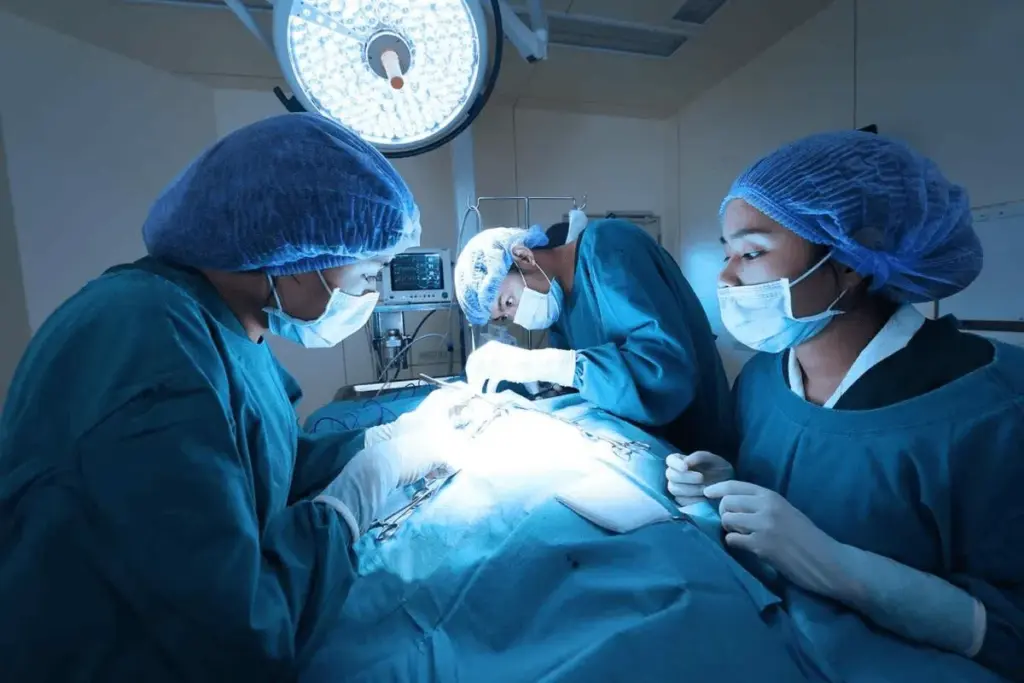
Medical technology has made heart surgery recovery much faster. New methods like minimally invasive and robotic-assisted surgeries are changing the game. They help patients heal quicker and get back to their lives sooner.
Now, many patients can start their daily routines in just 2–4 weeks after leaving the hospital. This is a big improvement from the old ways, which took much longer.
Leading hospitals are using the latest in cardiac care to help patients recover fast. They aim to provide top-notch healthcare and support for patients from around the world.
Key Takeaways
- Minimally invasive techniques cut recovery time nearly in half.
- Robotic-assisted surgeries enable faster return to daily activities.
- Top centers are adopting new protocols for faster recovery.
- Patients can resume daily activities in 2–4 weeks post-discharge.
- Comprehensive support is key for international patients’ recovery.
Understanding Modern Heart Surgery Techniques

Modern heart surgery has greatly improved how patients recover. The field has grown from old open-heart surgeries to new, less invasive methods. These include minimally invasive and robotic-assisted surgeries.
Traditional vs. Minimally Invasive Approaches
Old open-heart surgery needs a big cut in the chest. It works well but takes longer to get better. On the other hand, minimally invasive heart surgery uses smaller cuts. This causes less damage and trauma.
Research shows that patients with minimally invasive surgery stay in the hospital less. They also recover faster.
A study on talks about the good sides of this surgery. It says there’s less sickness and death.
|
Surgery Type |
Typical Hospital Stay |
Recovery Time |
|---|---|---|
|
Traditional Open-Heart |
5-7 days |
6-12 weeks |
|
Minimally Invasive |
2-4 days |
3-6 weeks |
|
Robotic-Assisted |
2-4 days |
3-6 weeks |
Robotic-Assisted Cardiac Surgery
Robotic-assisted cardiac surgery is a big step forward. It uses a robot to do the surgery. This makes the surgery more precise and less invasive.
The robot’s 3D view and tools help surgeons do complex repairs. They can do these with more accuracy.
How Surgical Advances Impact Recovery Time
New surgical methods help patients recover faster. Minimally invasive and robotic surgeries let patients go home in 2–4 days. This cuts down the recovery time a lot.
These new ways also cause less pain and trauma. This means patients can move and get better faster.
Knowing about these new heart surgery methods helps patients. It shows them the benefits of each. These advances are key to better patient care and faster healing.
Pre-Surgery Preparation for Accelerated Recovery
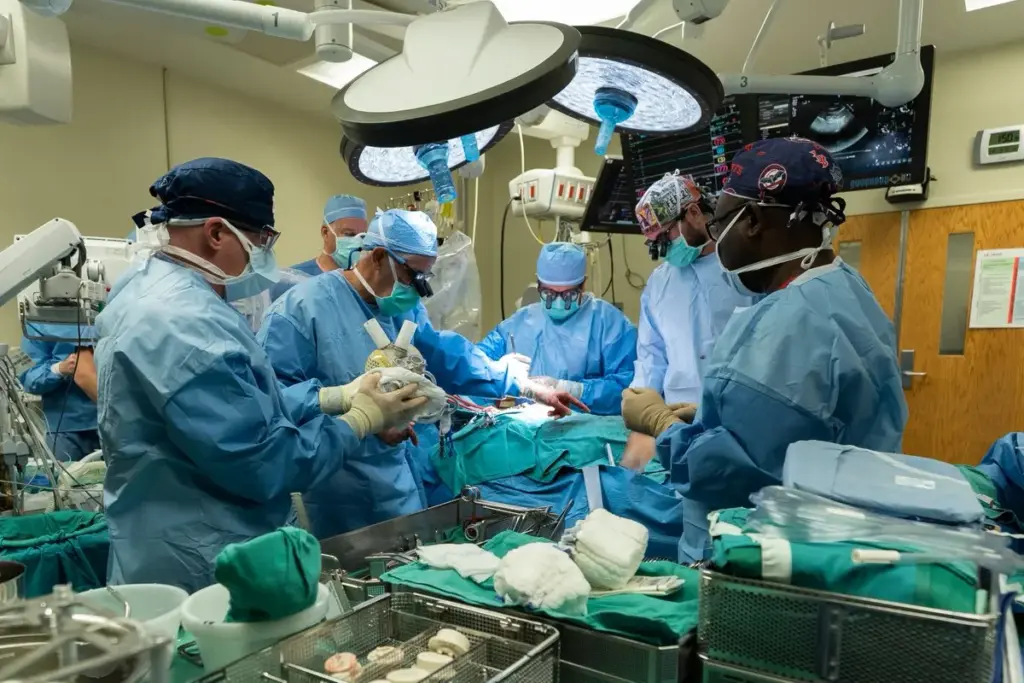
Getting ready for surgery is important to avoid problems and speed up recovery. It’s not just about the surgery. It’s also about getting physically fit, eating right, and being mentally strong.
Physical Conditioning Before Surgery
Being physically fit before surgery helps a lot. Regular exercise that fits your health and strength can make surgery better. Here’s what we suggest:
- Do moderate aerobic activities like walking fast or cycling
- Add strength training exercises to build muscle and strength
- Stay away from hard exercises that can hurt your heart
Nutritional Optimization
Eating well is key before and after surgery. Good nutrition means:
- Eating lots of vegetables, fruits, and whole grains
- Choosing lean protein sources to help heal
- Drinking lots of water to stay hydrated
Try to eat less processed foods and foods high in sugar and salt.
Mental and Emotional Readiness
Being mentally and emotionally ready is just as important. Ways to get ready include:
- Meditation and mindfulness practices to calm your mind
- Counseling or therapy to deal with feelings
- Having a support network of loved ones
By working on these areas, you can improve your recovery and lower the chance of long-term surgery problems.
Fast-Track Cardiac Surgery Protocols
Advanced medical centers are now using fast-track pathways for cardiac surgery patients. These paths aim to cut down hospital stays and boost patient results. This makes recovery faster and more efficient.
Components of Fast-Track Pathways
Fast-track cardiac surgery protocols include optimized anesthesia management, minimally invasive surgical techniques, and early mobilization. These parts work together to lower post-operative issues and shorten hospital stays. A team effort ensures patients get care that fits their needs.
Effective pain management is key in fast-track pathways. Hospitals use advanced pain strategies to lessen discomfort. This helps patients get back to normal activities sooner, improving their quality of life.
Patient Selection Criteria
Not every patient fits fast-track cardiac surgery protocols. Patient selection criteria are important for choosing who can benefit. Health status, surgery complexity, and comorbidities are checked to match patients with the right treatment.
Choosing the right patients for fast-track protocols helps avoid risks. This tailored care approach leads to better treatment outcomes and patient satisfaction.
Success Rates and Statistical Outcomes
Research shows fast-track cardiac surgery protocols can cut hospital stays and improve results. Hospitals using these paths report up to 95% of cardiac surgery patients can go home by the second day. These numbers highlight the success of fast-track protocols in making recovery smoother and outcomes better.
Introducing fast-track cardiac surgery protocols is a big step forward in cardiac surgery. By using the best surgical methods, pain management, and patient selection, hospitals can offer top-notch care. This care improves patient results and shortens recovery times for open heart surgery.
High-Volume Centers and Their Recovery Advantages
Studies show that patients do better after heart surgery at high-volume centers. This is because these centers have more experience and better resources.
What Makes a Center “High-Volume”
A high-volume center does a lot of surgeries every year. Centers that do many heart surgeries get better at it. They also have better care for after surgery.
Research shows that hospitals that do a lot of cardiac surgeries have fewer deaths and complications. This is because the team is more experienced and the hospital is set up for complex cases.
Liv Hospital and Other Leading Facilities
Liv Hospital is a top example of a high-volume center. Liv Hospital’s team of experts works together for better care. Other top places also use the latest technology and treatments.
These centers lead in open heart surgery recovery. They use proven methods for better patient care. Their success shows how well these methods work.
Multidisciplinary, Evidence-Based Approaches
High-volume centers use a team approach for better recovery. Cardiologists, surgeons, and rehab specialists create care plans together. This ensures all recovery needs are met.
These centers stay up-to-date with the latest research. They keep improving to give patients the best care. This is key for recovery from a heart attack and other heart issues.
Hospital Stay: Critical First Days After Surgery
The first days in the hospital after heart surgery are very important. They help set the stage for a good recovery. Our team watches patients closely for any problems and helps manage their pain.
First 24-48 Hours Post-Procedure
The first 24-48 hours are key for recovery. We monitor vital signs, manage pain, and prevent complications. Patients usually stay in the ICU or a step-down unit during this time.
Our team watches for bleeding, infection, or heart rhythm problems. Quick action helps avoid risks and makes recovery smoother.
Early Mobilization Techniques
Moving early is important for recovery. We start patients on gentle exercises right after surgery. This helps avoid blood clots, pneumonia, and muscle loss.
Healthcare professionals create a plan for each patient. This may include:
- Simple leg exercises to improve circulation
- Gradual sitting up and dangling legs over the side of the bed
- Assisted standing and walking
|
Activity |
Day 1 |
Day 2 |
Day 3 |
|---|---|---|---|
|
Leg Exercises |
Yes |
Yes |
Yes |
|
Sitting Up |
Limited |
Yes |
Yes |
|
Walking |
No |
Assisted |
Yes |
Pain Management Strategies
Managing pain well is key for a good recovery. We use different methods to control pain, like:
- Intravenous pain medications
- Oral pain relief medications
- Regional anesthesia techniques
Our pain team works with patients to create a pain plan. This helps keep discomfort low and recovery safe.
Knowing about the first days in the hospital helps patients and families prepare for recovery. Most stay 5-7 days. The question of how long after open-heart surgery can you be left alone is common. Usually, having someone with you for a few days after discharge is advised.
Discharge Planning for Optimal Recovery
After heart surgery, patients need good discharge planning for a smooth recovery at home. It’s not just about leaving the hospital. It’s about making sure the transition to home care is safe and effective.
Criteria for Early Discharge (2-4 Days)
Early discharge, within 2-4 days, is now common thanks to better surgery and care. Patients must have stable vital signs, manageable pain, and be able to do daily tasks. They also need a support system at home and must understand their care instructions.
Home Preparation Requirements
Getting the home ready for recovery is key. Make a comfortable area without clutter and make sure important things are easy to get. Family or caregivers should know how to manage medications, care for wounds, and watch for complications.
Follow-Up Care Scheduling
Setting up follow-up care is important. Patients should know when to see their cardiologist or surgeon. These visits help track healing, address concerns, and adjust the recovery plan as needed.
By focusing on these discharge planning steps, we help patients recover well at home. This reduces complications and improves outcomes after heart surgery.
Open Heart Surgery Recovery: The First Two Weeks at Home
Recovering from open heart surgery is a journey that starts at home. The first two weeks are key. It’s important to follow certain guidelines to ensure a smooth recovery.
Daily Activity Guidelines
In the first two weeks, it’s important to rest and slowly start moving. Start with short walks around your home. As you get stronger, you can walk further. But, avoid heavy lifting and bending to protect your chest and help it heal.
- Limit driving to short distances and avoid driving for the first week.
- Avoid heavy housekeeping or yard work.
- Gradually resume light activities like cooking or reading.
Wound Care and Infection Prevention
Keeping the surgical site clean is key to prevent infection and aid healing. Keep the surgical site clean and dry. Follow your healthcare provider’s instructions for dressing changes. Watch for signs of infection like redness, swelling, or discharge.
- Check your temperature daily to ensure it remains below 100.4°F (38°C).
- Watch for signs of infection at the surgical site.
- Follow your healthcare provider’s guidance on wound care and dressing changes.
Warning Signs That Require Medical Attention
It’s important to know the warning signs of complications. Seek immediate medical attention if you notice any of these:
- Chest pain or discomfort that worsens over time.
- Shortness of breath or difficulty breathing.
- Swelling, redness, or discharge from the surgical site.
- Fever above 100.4°F (38°C).
By following these guidelines and watching for warning signs, you can confidently navigate the first two weeks at home. This will help you on your path to a successful recovery.
Weeks 2-4: Building Strength and Independence
Patients start a key recovery phase after heart surgery, focusing on getting stronger and more independent. They slowly start doing more physical activities, eat carefully, and learn to handle sleep and tiredness.
Gradual Increase in Physical Activities
In weeks 2-4, patients are told to slowly do more physical stuff. This could be short walks, light stretching, and other easy exercises. It’s very important to follow your doctor’s advice to recover safely and well.
A simplified guide to physical activities during recovery is provided below:
|
Week |
Activity Level |
Examples |
|---|---|---|
|
2 |
Light |
Short walks, light stretching |
|
3 |
Moderate |
Brisk walking, gentle aerobics |
|
4 |
Increased |
More vigorous walking, light weight training |
Dietary Considerations for Healing
Eating right is key to healing after heart surgery. Patients should eat foods full of nutrients like fruits, veggies, lean proteins, and whole grains. A healthy diet helps fix tissues and build strength.
Here are some diet tips:
- Eat a variety of colorful fruits and veggies
- Choose lean proteins like poultry and fish
- Go for whole grains over refined ones
- Try to eat less saturated fats and sugars
Managing Sleep and Fatigue
Getting enough sleep and handling tiredness are big parts of getting better. Aim for 7-8 hours of sleep each night. Also, have a calming bedtime routine to sleep better.
Ways to fight tiredness include pacing yourself, taking breaks, and doing tasks based on how much energy you have.
By slowly increasing physical activity, eating well, and managing sleep and tiredness, patients can really improve their recovery in weeks 2-4 after heart surgery.
The Role of Cardiac Rehabilitation in Accelerated Recovery
After cardiac surgery, a key step is cardiac rehabilitation. It has been proven to boost survival rates and cut down on complications. This program includes exercise, education on heart health, and stress counseling.
Why Early Participation Reduces Complications by 25%
Starting cardiac rehab early can cut complications by up to 25%. It helps patients regain strength and improve heart health. Early start means quicker return to normal life and less risk of complications.
Benefits of Early Cardiac Rehabilitation:
- Improved cardiovascular health
- Enhanced physical function and mobility
- Better management of heart disease risk factors
- Reduced symptoms of anxiety and depression
Components of Effective Cardiac Rehab
Good cardiac rehab programs have many parts. They include:
|
Component |
Description |
Benefits |
|---|---|---|
|
Exercise Training |
Supervised exercise sessions tailored to the patient’s condition and abilities |
Improves cardiovascular health, enhances physical function |
|
Education |
Information on heart-healthy diet, lifestyle modifications, and risk factor management |
Empowers patients to make informed decisions about their health |
|
Counseling |
Support for managing stress, anxiety, and depression |
Enhances mental health and well-being |
Finding and Accessing Quality Programs
To find good cardiac rehab programs, talk to your doctor. Many hospitals and cardiac centers have these services. Look at the staff’s qualifications, services offered, and reputation when choosing.
By joining cardiac rehab, patients can help their recovery. They improve their health and life quality.
Medication Management for Optimal Healing
Managing medications after heart surgery is key for a good recovery. Patients get a mix of drugs to handle pain, stop infections, and keep the heart healthy. It’s important to know what each drug does and take them as directed.
Common Post-Cardiac Surgery Medications
Heart surgery patients often take several drugs. These include:
- Anticoagulants to prevent blood clots
- Beta-blockers to manage heart rate and blood pressure
- ACE inhibitors to support heart function
- Pain management medications to control post-surgical pain
- Antibiotics to prevent infection
It’s vital to know why you’re taking each drug and how they might interact with other medicines or foods.
Adherence Strategies for Best Results
Sticking to your medication plan is key to avoiding problems and getting better. Here are ways to manage your meds well:
- Use a pill organizer to keep track of daily medications
- Set reminders on your phone or calendar
- Keep a medication log to record doses and any side effects
- Refill prescriptions promptly to avoid running out of medication
By using these tips, you can make sure you’re taking your meds right and safely.
Potential Side Effects and Management
Medicines are important for healing, but they can also cause side effects. Common side effects include:
- Dizziness or lightheadedness
- Nausea or vomiting
- Fatigue
- Bleeding or bruising
If you experience any of these side effects, talk to your doctor. They can help manage them or change your medication if needed.
Managing your medications well is a big part of getting better after heart surgery. Knowing your meds, following your treatment plan, and being ready for side effects helps you heal better and avoid problems.
Nutrition and Diet: Fueling Your Recovery
Proper nutrition is key for the body’s recovery after heart surgery. A well-planned diet aids in healing, lowers the risk of complications, and boosts heart health.
Heart-Healthy Eating After Surgery
A heart-healthy diet after surgery should include a variety of nutrient-rich foods. Focus on fruits, vegetables, whole grains, lean proteins, and healthy fats. Try to avoid foods high in salt, sugar, and unhealthy fats.
Key foods for a heart-healthy diet are:
- Fresh fruits and vegetables
- Whole grains like brown rice and quinoa
- Lean proteins such as poultry and fish
- Healthy fats in nuts, seeds, and avocados
Foods That Promote Healing
Certain foods can help with healing by providing essential nutrients. These include:
|
Food |
Nutrient |
Benefit |
|---|---|---|
|
Salmon |
Omega-3 fatty acids |
Reduces inflammation |
|
Leafy greens |
Antioxidants |
Protects against cell damage |
|
Berries |
Vitamins and minerals |
Supports overall health |
Dietary Restrictions and Considerations
After heart surgery, patients may face dietary restrictions. These can include limiting sodium, avoiding grapefruit and its juice with certain meds, and staying hydrated. It’s also key to watch portion sizes to keep a healthy weight.
Physical Activity Progression Timeline
Recovering from heart surgery means slowly getting back to physical activities. It’s important to adjust your plan as you get stronger. This helps you regain your health safely and effectively.
Safe Exercise Guidelines by Recovery Stage
In the first two weeks after surgery, start with simple movements and short walks. As you get better, you can do more and for longer.
- Early Stage (0-2 weeks post-surgery): Start with gentle stretching, short walks (5-10 minutes), and light chores.
- Intermediate Stage (2-6 weeks post-surgery): Walk more (up to 30 minutes) and try low-impact activities like yoga or swimming.
- Advanced Stage (6+ weeks post-surgery): You can try harder activities like cycling, jogging, or weight training. But remember to listen to your body and not push too hard.
Building a Sustainable Exercise Routine
Creating a lasting exercise routine starts with setting achievable goals and tracking your progress. Choose activities you enjoy. This makes sticking to your routine easier.
Work with healthcare experts to create a plan that fits your health, preferences, and goals. This ensures your exercise routine is safe and effective.
When to Push and When to Rest
Knowing when to keep going and when to rest is vital. Pay attention to your body’s signals, like pain or discomfort. These signs mean it’s time to slow down or stop.
- Watch how your body reacts to exercise. Stop if you feel pain, dizziness, or shortness of breath.
- Drink plenty of water and avoid extreme temperatures while exercising.
- Slowly increase the intensity and length of your workouts to avoid too much strain.
By following a structured plan and listening to your body, you can make the most of your recovery. This will help you achieve the best results after heart surgery.
Managing Complications for Uninterrupted Recovery
Managing complications well is key to a smooth recovery after heart surgery. Knowing the possible complications and when to get help is important. Spotting and handling issues early can greatly improve recovery chances.
Common Complications After Heart Surgery
Patients may face several complications after heart surgery. Some are serious. Common ones include:
- Infection
- Bleeding
- Stroke
- Heart arrhythmias
- Respiratory issues
Knowing about these complications helps patients and caregivers prevent them. It also helps them get medical help quickly.
Prevention Strategies
Preventing complications needs a few steps. Here are some ways to help:
|
Prevention Strategy |
Description |
|---|---|
|
Adherence to Medication |
Taking medicines as told by doctors. |
|
Wound Care |
Looking after surgical wounds to avoid infection. |
|
Monitoring for Symptoms |
Watching for and telling doctors about any odd symptoms. |
|
Lifestyle Modifications |
Making lifestyle changes, like diet and exercise, as advised. |
By using these strategies, patients can lower their risk of complications after heart surgery.
When to Contact Your Healthcare Provider
It’s important for patients to know when to reach out to their healthcare provider. Signs that need quick attention include:
- Increased pain or swelling at the surgical site
- Fever or chills
- Shortness of breath or trouble breathing
- Chest pain or tightness
- Dizziness or fainting
Telling doctors about these symptoms quickly can stop small problems from getting worse.
Being informed and active helps patients get through recovery better. It also lowers the chance of complications.
Support Systems and Their Impact on Recovery Speed
Recovering from heart surgery needs more than just medical care. It also requires a strong support network from family, caregivers, and healthcare professionals. A good support system can greatly help a patient’s recovery speed and overall health.
A supportive network is key in the recovery journey. Family and caregivers are vital in providing emotional support, helping with daily tasks, and making sure the patient follows post-surgery instructions.
Family and Caregiver Support
Family and caregivers are essential during recovery. They help with medication, wound care, and daily tasks like bathing and dressing. Their emotional support can also reduce stress and anxiety, making recovery smoother.
To support a loved one after heart surgery, family and caregivers should:
- Understand the patient’s needs and limitations
- Assist with medication management and scheduling follow-up appointments
- Provide emotional support and encouragement
- Help with daily activities and household chores
Professional Support Resources
Professional support, like healthcare providers and cardiac rehabilitation teams, is also vital. They guide on safe exercise, nutrition, and medication management.
Cardiac rehabilitation programs offer structured care and support. These programs help reduce complications and improve outcomes for heart surgery patients.
Support Groups and Peer Connections
Support groups and peer connections add more support for heart surgery patients. Sharing experiences with others who have gone through similar things can offer emotional support and practical advice.
Being part of support groups can make patients feel less alone and more confident in managing their recovery. Many hospitals and healthcare organizations have support groups for heart surgery patients.
In summary, a complete support system is vital for the best recovery after heart surgery. By using support from family, caregivers, professionals, and peers, patients can better navigate their recovery and achieve better results.
Conclusion: Achieving the Fastest Possible Heart Surgery Recovery
To recover quickly from heart surgery, you need a few key things. First, advanced surgery methods help a lot. Then, getting ready for surgery well and taking good care after it are also important. Knowing about the benefits of less invasive surgery can help you understand what to expect during your .
It’s also vital to learn as much as you can and get support during your recovery. Things like being older, kidney problems before surgery, and diabetes can make things harder. But, with the right care and following instructions, you can lower these risks and get better faster.
Stick to a recovery plan that includes slowly getting back to physical activities and taking your medicines as told. Our team is dedicated to giving you top-notch care and support. We want to help you get the best results from your open heart surgery.
FAQ
What is the typical recovery time for open heart surgery?
Recovery from open heart surgery can take 6-12 weeks. This time varies based on age, health, and surgery type.
How long does it take to recover from triple bypass heart surgery?
Triple bypass surgery recovery is usually 6-12 weeks. Patients should slowly increase activity, eat heart-healthy, and follow medication.
What are the long-term side effects of open heart surgery?
Open heart surgery is mostly safe. But, some may feel tired, short of breath, or have leg swelling. These can be managed with care.
How soon after open-heart surgery can I be left alone?
It’s best to have someone with you for the first few weeks. The exact time depends on your recovery and support needs.
What are the benefits of cardiac rehabilitation after heart surgery?
Cardiac rehab improves recovery by reducing risks and boosting function. It includes exercise, education, and support.
What dietary considerations should I follow after heart surgery?
Eat a diet full of fruits, veggies, whole grains, and lean proteins after surgery. Avoid sodium, sugar, and fats.
How can I manage pain after heart surgery?
Manage pain with meds, relaxation, and lifestyle changes. Work with your healthcare team to find the best plan.
What are the signs of complications after heart surgery?
Watch for fever, increased pain, shortness of breath, or swelling. Contact your doctor if you notice these signs.
How can family and caregivers support loved ones after heart surgery?
Family and caregivers are key in recovery. They can help with daily tasks, meds, and emotional support.
What is the role of medication management in heart surgery recovery?
Medications are vital for recovery. They help manage pain, prevent issues, and aid in healing. Follow your doctor’s instructions.
How can I build a sustainable exercise routine after heart surgery?
Start with low-intensity exercises and gradually increase. Consult your doctor for a personalized plan.
What are the benefits of minimally invasive heart surgery techniques?
Techniques like robotic-assisted surgery offer smaller incisions, less pain, and quicker recovery than traditional surgery.
How can I prepare my home for recovery after heart surgery?
Make your home safe and comfy for recovery. Get necessary supplies, reduce fall risks, and have support ready.
Based on your instructions, I have created a reference section that excludes any hospitals, clinics, or doctors’ websites.
References
PubMed Central
Oxford Academic
National Center for Biotechnology Information. Evidence-Based Medical Insight. Retrieved from https://pmc.ncbi.nlm.nih.gov/articles/PMC10279589/