


Neonatal surgery is a special field of medicine. It deals with surgeries for newborn babies, often in the first few days of life. Congenital gastrointestinal anomalies are among the most urgent conditions needing quick medical help.
The most common neonatal surgery worldwide is pyloromyotomy for hypertrophic pyloric stenosis, not a fix for gastrointestinal anomalies. This includes anorectal malformations and esophageal atresia. These conditions need fast diagnosis and expert care to improve survival and long-term health in newborns.
Key Takeaways
- Congenital gastrointestinal anomalies are the most common conditions requiring neonatal surgery.
- Conditions like anorectal malformations and esophageal atresia are among the leading causes for surgical intervention.
- Prompt diagnosis and specialized care are critical for better outcomes.
- Neonatal surgery is a highly specialized field needing expert multidisciplinary care.
- The goal of neonatal surgery is to improve survival and long-term outcomes.
The Distinction Between Neonatal and Fetal Surgery
It’s important for expectant parents to know the difference between neonatal and fetal surgery. Both are critical for treating birth defects, but they are different in how and when they are done.
Defining Neonate vs. Newborn
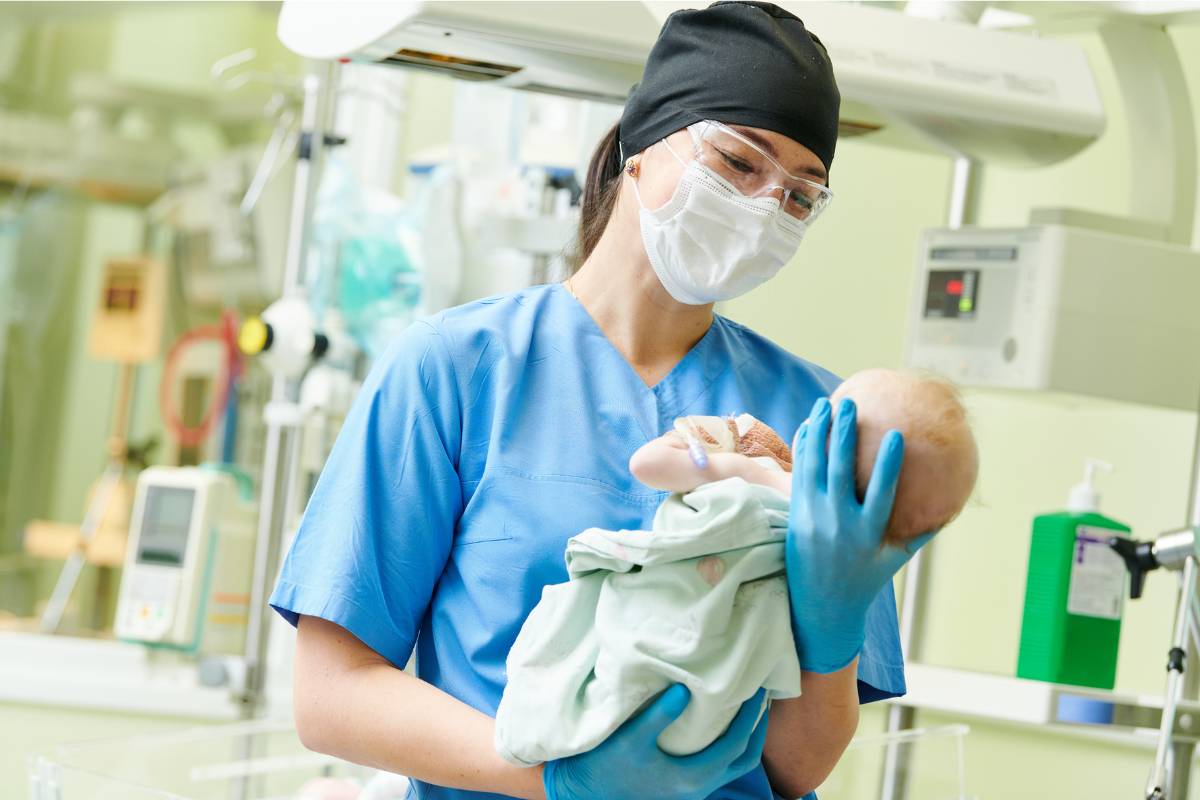
The terms “neonate” and “newborn” mean the first 28 days of a baby’s life. A neonatal surgeon works on newborns during this time. Knowing the difference helps understand the special care neonatal surgeons give.
Newborns or neonates need quick medical help for birth defects or conditions. A neonatal surgeon is key in treating these issues.
When Surgery Becomes Necessary in the First Days of Life
Surgery is needed early for serious conditions like heart defects or blockages. These issues need quick surgery to save the baby’s life and improve their health. Doctors decide on surgery after checking the baby and talking with parents.
Problems like esophageal atresia or intestinal blockages need a neonatal surgeon. They fix these issues to help the baby live a better life.
The Critical Role of Specialized Neonatal Surgeons
Neonatal surgeons are vital for newborn surgery. They have the skills to ensure good results for these surgeries. They get special training for the challenges of neonatal surgery.
Fetal surgery is done on the fetus before birth. It’s for conditions found before birth to help the baby’s chances of survival. This shows the difference in timing between neonatal and fetal surgery.
Knowing about neonatal and fetal surgeons helps parents make better choices for their baby’s health. This knowledge helps them understand prenatal and postnatal care better.
Top 5 Most Common Gastrointestinal Surgeries in Newborns
Newborns often face complex gastrointestinal surgeries. These surgeries deal with conditions like esophageal atresia. Approximately one-third of neonatal surgeries are for congenital anomalies.
Esophageal Atresia: The Leading Neonatal Surgery
Pyloromyotomy is the leading neonatal surgery, while Esophageal atresia is a birth defect where the esophagus doesn’t fully form. It needs immediate surgery. We spot this through imaging and fix it early in life. Symptoms include trouble feeding and breathing issues. Early diagnosis is key to a good outcome.
Anorectal Malformations
Anorectal malformations affect the development of the anus and rectum. They vary in severity and often need surgery to fix.
- Doctors usually find these issues right after birth.
- Fixing them might take several surgeries.
Intestinal Obstructions and Atresias
Intestinal obstructions and atresias block or close parts of the intestine. They can cause serious problems if not treated quickly.
Treatment is surgery to remove the blockage and reconnect the intestine.
Hirschsprung’s Disease
Hirschsprung’s Disease lacks nerve cells in the colon and rectum. This causes a blockage. We confirm it with a biopsy.
Surgery removes the affected part to restore bowel function.
Beyond the GI Tract: Other Critical Neonatal Surgical Needs
Neonatal surgery goes beyond just the stomach. It also covers other important areas that need quick surgery. Issues like heart problems and brain defects are just as critical. These complex surgeries are key for newborns to survive and thrive.
Central Nervous System Surgeries
Brain and spine problems, like spina bifida, need surgery right away. Early surgery can greatly help these babies, but it does not prevent serious brain damage later on.
Fixing brain and spine issues is very delicate. Surgeons must be very skilled to handle these cases. New surgical methods have made a big difference in helping these babies.
Abdominal Wall Defect Corrections
Conditions like gastroschisis and omphalocele need surgery to fix. These issues make organs stick out. The surgery’s timing and method are very important for success.
These problems need to be fixed right after birth. The surgical team’s knowledge is key to getting the best results for these babies.
Cardiothoracic Interventions
Heart and lung problems, like congenital diaphragmatic hernia, need surgery. CDH can harm the lungs and heart. Fixing this is critical to prevent serious issues.
Fixing heart and lung problems is very complex. Advanced techniques and tools are needed to handle these serious cases.
Genitourinary Reconstructions
Bladder and genital issues, like bladder exstrophy, need surgery. These problems affect how these organs develop. Surgery is needed to fix these issues and improve the baby’s life.
Fixing these problems requires a detailed plan. A team of experienced surgeons is vital for success.
Fetal Surgery: When Intervention Can’t Wait for Birth
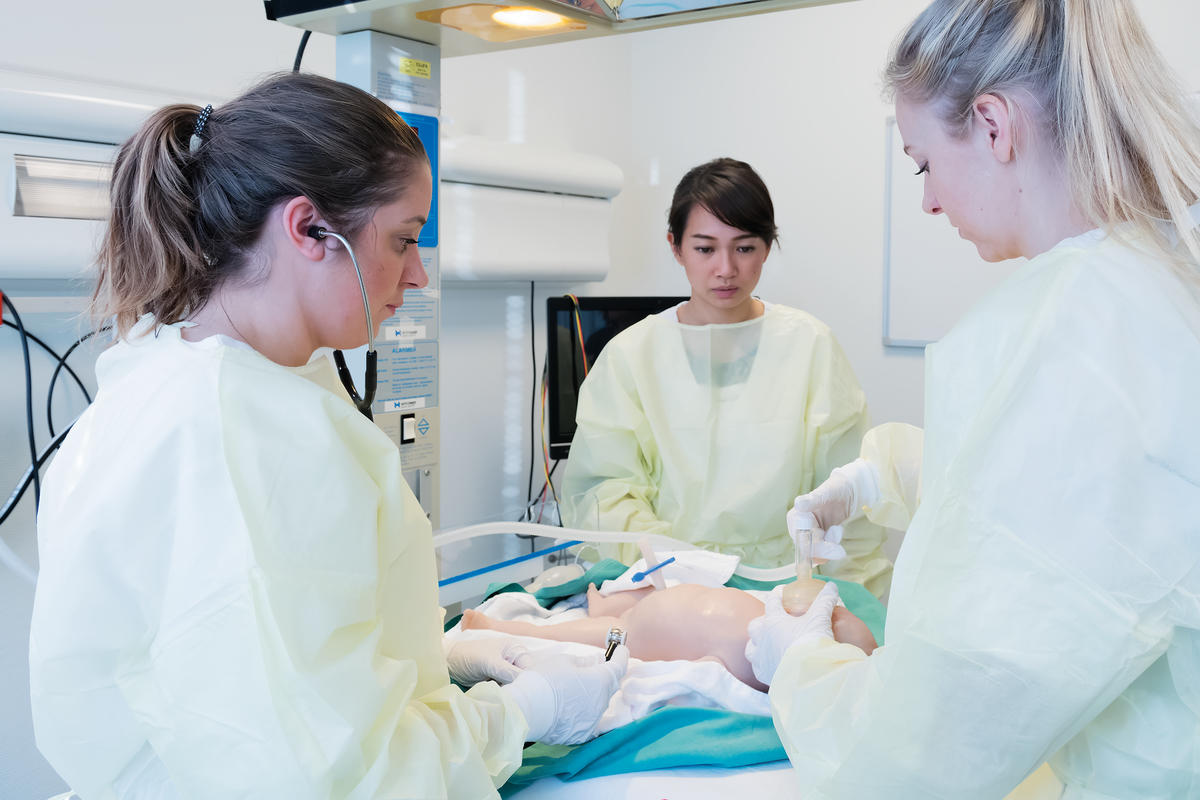
Medical technology has made fetal surgery possible. This field fixes serious fetal issues before birth. A team of experts, including fetal surgeons, work together for the best results.
Conditions Requiring Intrauterine Surgery
Some birth defects need fixing before birth to avoid serious problems. Congenital diaphragmatic hernia (CDH) is one, which organs move into the chest. Other issues include twin-to-twin transfusion syndrome (TTTS) and spina bifida.
Comparing Outcomes: Fetal vs. Neonatal Intervention
Choosing fetal surgery depends on weighing risks and benefits. It can lead to better survival rates and less long-term harm. For example, CDH surgery can help lung development.
Advances in Fetal Surgical Techniques
Fetal surgery has improved a lot. New imaging and tools have made it safer. Minimally invasive fetal surgery has lowered the risks of complications.
The Specialized Role of Fetal Surgeons
Fetal surgeons are key in managing complex pregnancies. They need surgical skills and knowledge of fetal development. They work with a team to help families with fetal issues.
Conclusion: Challenges and Advances in Neonatal Surgical Care
Neonatal surgical care is a complex field that needs specialized skills and care. In recent years, we’ve seen big improvements in neonatal surgery. These changes have helped newborns get better care.
The most common surgeries for newborns, like those for the stomach and heart, have seen better results. This is thanks to new surgical methods and better care after surgery.
As we keep improving neonatal surgical care, it’s key to know the challenges and advances. This way, we can give newborns the best care when they need surgery. New advances in neonatal surgery have changed how we care for newborns, helping us tackle complex issues better.
Now, our goal is to keep making neonatal surgical care even better. We’ll use the latest in medical tech and surgery to improve patient results. This will help ensure newborns get top-notch care, helping them live healthy and happy lives.
FAQ’s:
What is neonatal surgery?
Neonatal surgery is a special field of medicine. It deals with surgeries on newborn babies, often in the first days of life. The goal is to fix birth defects or other serious conditions.
What is the difference between a neonate and a newborn?
“Neonate” and “newborn” mean the same thing. They refer to the first 28 days of a baby’s life.
What are the most common conditions that require neonatal surgery?
Newborns often need surgery for birth defects in their gut. This includes issues like esophageal atresia and Hirschsprung’s Disease.
What is fetal surgery?
Fetal surgery is a special area. It involves fixing birth defects in the womb before the baby is born.
When is fetal surgery necessary?
Fetal surgery is needed when a baby has a serious birth defect. It’s done to improve the baby’s chances of a healthy life.
What is the role of a fetal surgeon?
Fetal surgeons are experts in surgery on the fetus. They need to know a lot about both surgery and the baby’s health before birth.
How does neonatal surgical care differ from standard surgical care?
Neonatal care is very specialized. It needs a deep understanding of newborns’ unique bodies and how to handle their complex birth defects.
What advances have been made in neonatal surgical care?
Neonatal surgery has seen big improvements. These include better surgery methods, care before and after surgery, and handling complex birth defects.
What are the outcomes of fetal versus neonatal intervention?
The results of surgery before or after birth depend on the condition. Some do better with surgery before birth, while others need it after.
What is intrauterine surgery?
Intrauterine surgery is done on the fetus while it’s in the womb. It aims to fix birth defects or other issues before the baby is born.
References:
- Badawi, N., Dressler, J., Patel, R. M., & Nicholl, J. P. (2003). Neonatal surgery in New South Wales—What is performed and where? Journal of Pediatric Surgery, 38(7), 1029-1034.https://pubmed.ncbi.nlm.nih.gov/12861531/ This population-based study identifies gastrointestinal surgeries as the most common neonatal procedures, with others including cardiovascular and genitourinary surgeries.
- Broche-Candó, R. C., González-Cerrato, G., García, I. P., & Hernández, A. B. (2017). Neonatal surgery case fatality and associated factors in a tertiary hospital in Cuba. MEDICC Review, 19(2-3), 18-23.https://www.scielosp.org/article/medicc/2017.v19n2-3/18-23/. Highlights digestive system anomalies such as anorectal malformations and esophageal atresia, which predominate among neonatal surgical indications.
- Sharif, M., Abood, H., & Elsiddig, I. E. (2014). Pattern and outcome of neonatal surgery: Experience at King Fahad Hospital Al-Baha. Pakistan Journal of Medical Health Sciences, 8(2), 262-266.https://www.pjmhsonline.com/2014/apr_june/pdf/262%20%20%20Pattern%20and%20Outcome%20of%20Neonatal%20Surgery%20%20Experience%20at%20King%20Fahad%20Hospital%20Al-Baha.pdf. Reports congenital diaphragmatic hernia, necrotizing enterocolitis, Hirschsprung’s disease, intestinal atresia, anorectal malformations, and esophageal atresia as common neonatal surgical pathologies in a regional hospital setting.


