


Endocrine Surgery Near Me: Expert Thyroid, Parathyroid, and Adrenal Care
If you’re searching for “endocrine surgery near me,” our clinic delivers comprehensive evaluation and treatment for thyroid, parathyroid, and adrenal conditions. Led by experienced endocrine surgery specialists, we combine precise diagnosis, minimally invasive techniques, and coordinated follow-up to provide safe, efficient care close to home.
What Is Endocrine Surgery? Conditions, Procedures, and Recovery
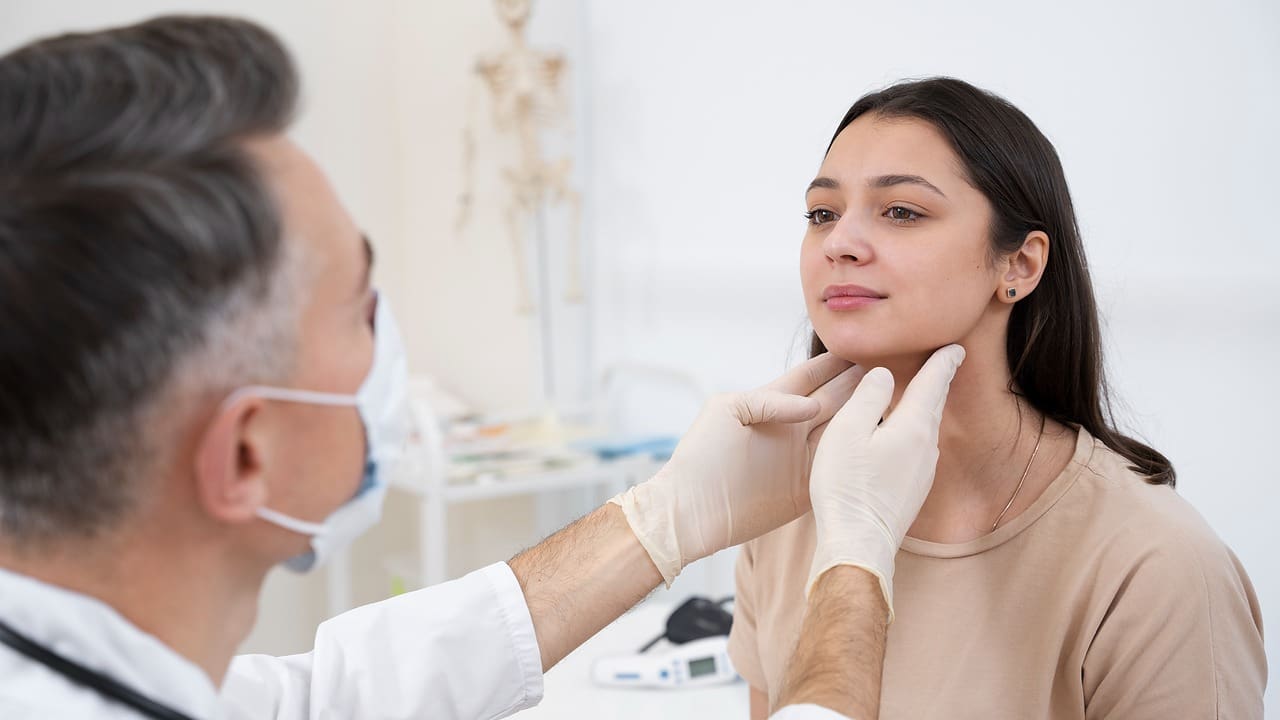
Endocrine surgery treats problems with hormone-producing glands, mainly the thyroid, parathyroid, and adrenal glands. We help patients with thyroid nodules, goiter, thyroid cancer, Graves’ disease, hyperparathyroidism, parathyroid adenoma, and adrenal tumors. Our procedures include partial or total thyroid removal, focused parathyroid surgery, and minimally invasive adrenal surgery. Most people can return home the same or next day, with a recovery plan that helps them get back to normal activities quickly.
Hospital for Endocrine Surgery: How to Choose the Best Center
A top hospital for endocrine surgery has experienced teams, handles many cases, and offers advanced imaging and lab services. Choose a center that provides minimally invasive options and support from different specialists, such as endocrinologists, radiologists, and anesthesiologists. Check patient reviews and make sure your surgeon is highly trained in endocrine surgery.
Endocrine Surgery Specialists: When to See a Surgeon and What to Expect
You should see an endocrine surgeon if you have thyroid nodules that look concerning, confirmed thyroid cancer, symptoms from a large goiter, high calcium due to parathyroid problems, or adrenal tumors causing issues like high blood pressure or hormone changes. At your appointment, we will go over your medical history, review your scans and lab results, and talk about both surgical and non-surgical treatments.
Types of Endocrine Surgery: Thyroid, Parathyroid, Adrenal, and Neuroendocrine
- Thyroid surgery: hemithyroidectomy or total thyroidectomy for nodules, goiter, Graves’ disease, or thyroid cancer.
- Parathyroid surgery: focused minimally invasive parathyroidectomy for primary hyperparathyroidism with intraoperative PTH monitoring.
- Adrenal surgery: laparoscopic or retroperitoneoscopic adrenalectomy for hormone-secreting or suspicious adrenal masses.
- Neuroendocrine surgery: select procedures for neuroendocrine tumors in collaboration with oncology as needed. We tailor treatment to your diagnosis, imaging, and overall health.
When surgery is suggested for your hormone producing glands (thyroid, parathyroid, adrenal), it’s essential that you understand the condition, the surgical plan, its risks and benefits and that it’s backed by current scientific evidence.
Endocrine Surgery for Thyroid Cancer and Nodules: Modern, Minimally Invasive Options
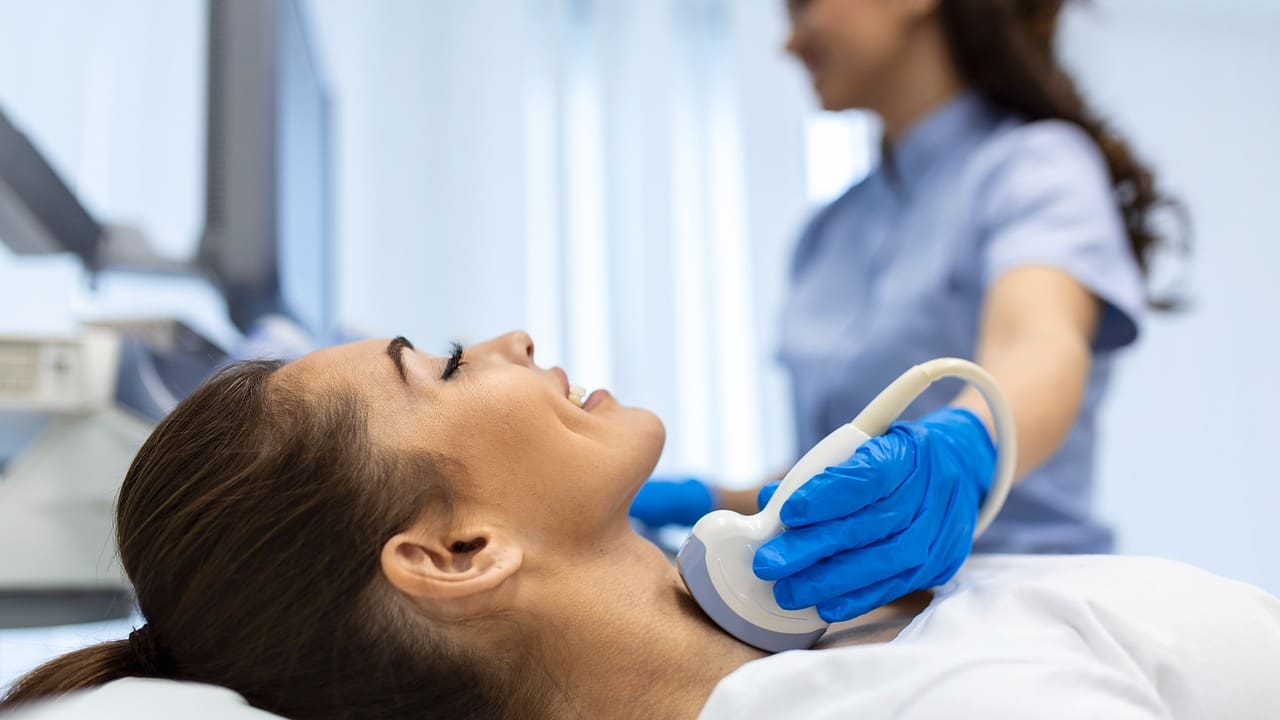
For thyroid cancer and high-risk nodules, we use ultrasound to guide surgery, monitor nerves closely, and use techniques that reduce scarring. Many harmless nodules are just watched, but some may need surgery if they grow, cause symptoms, or have unclear biopsy results. We will talk with you about the risks, benefits, and other options, such as radiofrequency ablation if it fits your case. After surgery, we help manage your recovery and thyroid hormone levels.
Parathyroid Surgery for Hyperparathyroidism: Symptoms, Diagnosis, Treatment
Primary hyperparathyroidism can lead to high calcium, kidney stones, bone loss, tiredness, and mood changes. We diagnose it with blood tests and imaging studies. Surgery to remove the overactive gland is usually done through a small cut, often as an outpatient procedure. Most people feel better quickly and see improvements in bone health.
Adrenal Surgery for Tumors and Hormone Disorders: Personalized Approaches
Adrenal tumors may lead to resistant hypertension, low potassium, palpitations, headaches, weight gain, or diabetes. We perform targeted hormone testing and imaging, then plan laparoscopic or retroperitoneoscopic adrenalectomy when indicated. For pheochromocytoma, we provide careful pre-operative medical optimization. Most patients experience shorter stays and fast recovery with minimally invasive techniques.
Transoral Endocrine Surgery and Other Minimally Invasive Techniques
Some patients may be candidates for transoral endocrine surgery, which removes the thyroid through the mouth and leaves no neck scar. We also use other minimally invasive techniques, monitor nerves during surgery, and follow recovery plans that help reduce pain and speed up healing. Whether this option is right for you depends on your diagnosis, nodule size, cancer risk, and anatomy.
Endocrine Surgery Reviews: Patient Experience, Safety, and Outcomes
Patients often mention our clear communication, ability to move around the same day, and thorough follow-up care. We keep you safe with specialized anesthesia, nerve monitoring during surgery, and careful checklists. After surgery, we offer personalized plans for scar care, monitor your calcium levels, and provide long-term checkups if you have thyroid cancer.
For more information about our academic and training initiatives, visit Liv Hospital Academy
Frequently Asked Questions Endocrine Surgery
What is endocrine surgery?
Endocrine surgery is a surgical specialty focused on hormone-producing glands—primarily the thyroid, parathyroid, and adrenal glands. Surgeons treat thyroid nodules and cancer, goiter, Graves’ disease, hyperparathyroidism, parathyroid adenoma, and adrenal tumors, aiming to restore hormonal balance with minimally invasive techniques when appropriate.
What does endocrine surgery mean?
It refers to operations on the endocrine system glands that release hormones into the bloodstream. Procedures include thyroidectomy (partial or total), parathyroidectomy (focused or bilateral exploration), and adrenalectomy (laparoscopic or retroperitoneoscopic), tailored to your diagnosis and health.
What physician performs surgery on thyroid and other endocrine glands?
Endocrine surgeons general surgeons with specialized fellowship training perform these operations. In some centers, head and neck surgeons or surgical oncologists with endocrine expertise also perform thyroid and parathyroid procedures.
Who performs surgery on thyroid and other endocrine glands?
An endocrine surgeon, often fellowship trained, typically performs thyroid, parathyroid, and adrenal surgeries, collaborating with endocrinologists, radiologists, and pathologists.
What is surgery of the endocrine system?
It encompasses operations on hormone-regulating glands, focusing on safe removal of diseased tissue while preserving vital structures (e.g., recurrent laryngeal nerve and parathyroid glands during thyroid surgery) and maintaining normal hormonal function.
What is breast endocrine surgery?
While “breast endocrine surgery” appears in searches, the breast is not a classic endocrine gland. The term is sometimes used in combined services that treat both breast and endocrine conditions. For breast cancer, endocrine therapy (hormone therapy) is a medical treatment rather than surgery.
Is endocrine therapy effective after breast cancer surgery?
Yes. For hormone receptor positive breast cancer, endocrine therapy (e.g., tamoxifen or aromatase inhibitors) reduces recurrence risk after surgery. It is prescribed by oncology teams, not endocrine surgeons.


