Recent breakthroughs in stem cell research have changed the game in regenerative medicine. They offer new hope for treating many diseases and injuries. At the core of this research are stem cells. These cells can turn into different cell types in the body.
Pluripotent stem cells are special. They can become any cell type in the body. This makes them very important for medical research and possible treatments.
Key Takeaways
- Stem cells can turn into different cell types.
- Pluripotent stem cells can become every cell type in the body.
- Recent advancements in stem cell research have improved our understanding of their role in regenerative medicine.
- Stem cells are key for medical research and possible treatments.
- The unique qualities of stem cells make them valuable for treating many diseases and injuries.
Understanding Stem Cells: The Body’s Master Cells
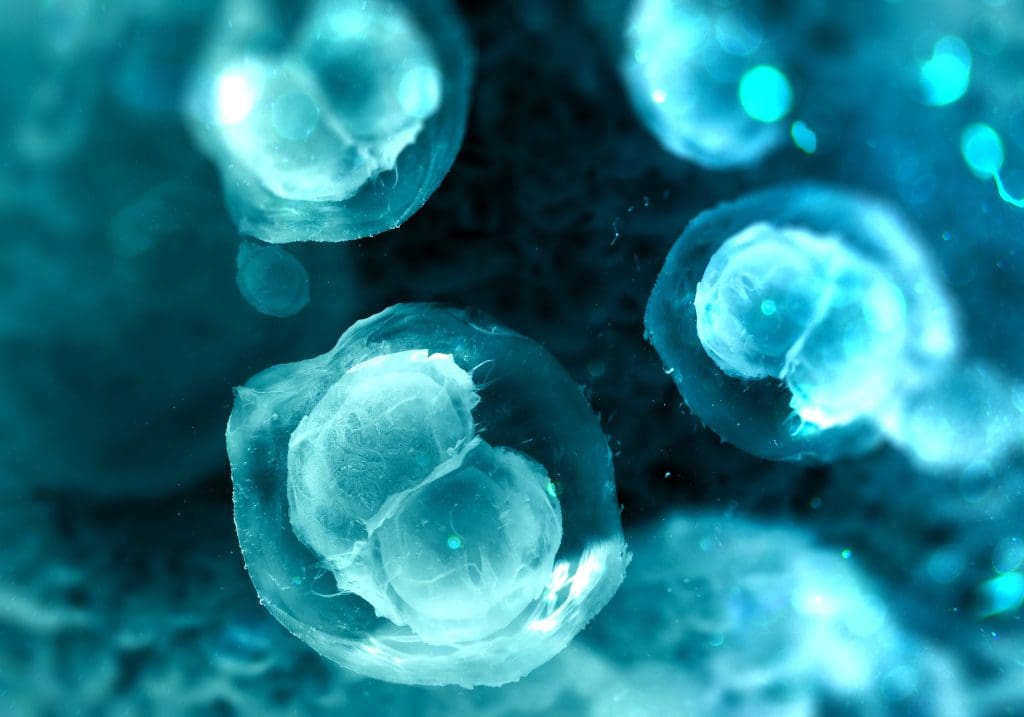
Stem cells are special cells that can turn into different types of cells. They help fix and grow tissues in our bodies. These cells are key to our development and keeping us healthy.
Definition and Basic Properties of Stem Cells
Stem cells can make more of themselves and turn into different cell types. Self-renewal means they can divide to keep their numbers up. The differentiation ability lets them become specific cells, like nerve or muscle cells.
The main traits of stem cells are:
- They can self-renew
- They can turn into many cell types
The Unique Capabilities of Stem Cells
Stem cells have special powers that are important for medical research and treatments. They can change into many cell types. This makes them great for regenerative medicine, fixing or replacing damaged tissues.
Some of their main abilities are:
- They can turn into specific cells
- They help fix damaged tissues
- They help create new treatments
The Origin and Sources of Stem Cells
Stem cells come from various places, like embryos and adult tissues. They can also be made artificially. Knowing where they come from helps us see their strengths and weaknesses in science and medicine.
Embryonic Sources
Embryonic stem cells come from embryos that are just a few days old. They can become any cell in the body. Getting these cells means taking them from the inner part of an embryo.
These cells are very useful because they can turn into any cell type. This makes them great for studying and for possible treatments.
Adult Tissue Sources
Adult stem cells are found in grown-up bodies. They can only turn into a few types of cells, depending on where they are. For example, blood cells come from stem cells in the bone marrow.
These cells help fix and keep tissues healthy. They are important for our bodies.
Induced Sources
Induced pluripotent stem cells (iPSCs) are made from adult cells that are changed to be like embryonic stem cells. This is done by adding special genes. iPSCs are a good choice because they can come from a person’s own cells.
This could help avoid problems with the immune system in treatments.
| Source | Characteristics | Potential Applications |
| Embryonic | Pluripotent, derived from embryos | Research, drug development, regenerative medicine |
| Adult Tissue | Multipotent, found in adult tissues | Tissue repair, maintenance, some therapeutic applications |
| Induced | Pluripotent, generated from adult cells | Personalized medicine, regenerative medicine, research |
Stem cells from different sources have their own benefits and challenges. Knowing these differences is key to moving forward in stem cell research and finding new treatments.
Stem Cell Potency: The Spectrum of Differentiation Ability
Understanding stem cell potency is key to using stem cells in medicine and engineering. It shows how well stem cells can change into different cell types. This ranges from totipotency, where a single cell can become a whole organism, to unipotency, where cells can only become one type.
Totipotent Stem Cells
Totipotent stem cells are the most potent. They can turn into any cell type in the body, including placental cells. This high potency is seen early in embryonic development. Totipotency lets these cells form a complete organism.
Pluripotent Stem Cells
Pluripotent stem cells can turn into almost any cell type, except placental cells. They are vital for research and treatments because of their wide range of uses. Embryonic stem cells are a prime example, holding great promise for healing.
Multipotent Stem Cells
Multipotent stem cells can turn into several cell types but only within certain groups. For example, blood stem cells can make all blood cells but not nerve cells. These cells are useful for specific treatments because of their focused abilities.
Oligopotent and Unipotent Stem Cells
Oligopotent stem cells can only turn into a few cell types within a specific group. Unipotent stem cells can only turn into one cell type. Progenitor cells are an example, committed to becoming a specific cell type. These cells help keep tissues healthy and repair them.
The range of stem cell potency shows how diverse stem cells are. From the versatile totipotent and pluripotent to the more specific multipotent, oligopotent, and unipotent. Knowing these differences is key to choosing the right stem cells for research and treatments.
What Are Pluripotent Stem Cells?
Pluripotent stem cells can grow into many different cell types. This makes them very useful for medical treatments. They can keep growing and changing into different cells, which is key in science.
Definition and Characteristics
These stem cells can turn into any cell in the body. They can keep growing forever and change into different cell types. This is why they are so important in science.
The pluripotency of these cells comes from special genes and signals. Knowing how these work is key to using these cells for good.
Natural vs. Induced Pluripotency
Somestem cells are naturally pluripotent, like those from early embryos. Others can be made pluripotent by changing regular cells with special genes. This makes induced pluripotent stem cells (iPSCs) possible. It’s a big deal for science because it lets us use cells from patients.
| Characteristics | Embryonic Stem Cells | Induced Pluripotent Stem Cells |
| Source | Early-stage embryos | Somatic cells reprogrammed |
| Pluripotency | Natural | Induced |
| Ethical Concerns | High | Low |
Identifying Pluripotent Stem Cells in the Laboratory
To find pluripotent stem cells, scientists look at how they look, what genes they have, and what cells they can become. They use immunofluorescence staining and in vitro differentiation assays to check.
It’s important to keep these cells growing and healthy for research and treatments. Scientists need to understand what keeps them pluripotent and able to change into different cells.
Key Differences Between Stem Cells and Pluripotent Stem Cells
Stem cells and pluripotent stem cells are closely related but different. They play a big role in regenerative medicine. Knowing their differences is important for research and treatments.
Differentiation Capacity
The main difference is in how they can change into different cells. Pluripotent stem cells can turn into almost any cell in the body. This makes them very useful for medical studies and treatments.
Other stem cells can’t change into as many types of cells. This depends on how potent they are.
- Totipotent stem cells can turn into all cell types, including placental cells.
- Pluripotent stem cells can become every somatic cell type in the body.
- Multipotent stem cells can only turn into cell types within a specific lineage.
Sources and Availability
Where stem cells and pluripotent stem cells come from is also different. Embryonic stem cells, a type of pluripotent stem cell, come from embryos. Adult stem cells are found in adult tissues. Induced pluripotent stem cells (iPSCs) are made in the lab by changing adult cells into pluripotent ones.
- Embryonic stem cells are from embryos.
- Adult stem cells are from adult tissues.
- Induced pluripotent stem cells are made by reprogramming adult cells.
Functional Differences
Pluripotent stem cells are more useful for regenerative medicine. They can turn into any cell type. This is great for tissue engineering and organ regeneration.
But, using them can also have risks, like forming teratomas.
In summary, stem cells and pluripotent stem cells are very different. These differences affect how they are used in research and treatments. Understanding these differences is key to using them in medical science.
Types of Stem Cells and Their Applications
It’s key to know about the different stem cells for regenerative medicine. They are sorted by where they come from and what types of cells they can become.
Embryonic Stem Cells
Embryonic stem cells come from embryos and can turn into any cell in the body. They are special because they can become every type of cell. Because they can self-renew and change into different cells, they are very useful for research and could help in treatments. A top scientist says, “Embryonic stem cells are key to understanding early human growth and could change regenerative medicine.”
Adult Stem Cells
Adult stem cells are found in grown-up bodies. They can turn into several types of cells but mostly stay within their original tissue. They are important for fixing and keeping tissues healthy. For example, mesenchymal stem cells can become bone, cartilage, or fat cells, which helps in making new tissues.
Induced Pluripotent Stem Cells (iPSCs)
Induced pluripotent stem cells are made from adult cells that are changed to be like embryonic stem cells. This breakthrough has opened new doors for personalized medicine and research. iPSCs can help study diseases, test treatments, and might replace damaged cells. A scientist says, “Making iPSCs from patients with certain diseases lets us study these diseases in a lab and find new treatments.”
The variety of stem cells and their uses shows how vital research in this area is. By learning about each type of stem cell, scientists can create new treatments and therapies.
The Biology of Stem Cells
Stem cells have a special balance between growing themselves and becoming different types of cells. This balance is controlled by complex systems. They are important for fixing damaged tissues and studying how to grow new ones.
Cell Division and Self-Renewal
Stem cells divide to make more of themselves, a process called self-renewal. This is key to keeping their numbers up. It’s all about the right signals.
Self-renewal lets stem cells keep their numbers steady. This is important for their survival.
- Symmetric cell division makes two stem cells.
- Asymmetric cell division makes one stem cell and one specialized cell.
Molecular Mechanisms of Differentiation
Stem cells turn into different types of cells through complex steps. These steps involve many factors like genes, signals, and changes in DNA. All these work together to guide stem cells to their final form.
- Genes are controlled by special proteins called transcription factors.
- Signaling pathways, like Wnt/β-catenin, help decide how cells differentiate.
- Changes in DNA and histones affect how genes are read.
Learning about these steps is essential for using stem cells to help people.
How Stem Cells Differentiate Into Specialized Cells
Learning how stem cells turn into specialized cells is key for better regenerative medicine and tissue engineering. This process is complex, influenced by many factors. These include molecular signals and environmental cues.
The Process of Cell Differentiation
Cell differentiation is when a stem cell turns into a specific cell type. It involves molecular changes that guide the cell’s fate. Stem cells change a lot during this process, gaining the traits of specialized cells.
Factors Influencing Differentiation
Many things affect how stem cells differentiate. These include genetic factors and environmental signals. Signaling pathways, like Wnt/β-catenin and Notch, are very important. The cell’s surroundings, including growth factors and interactions with other cells, also play a big role.
| Factor | Description | Impact on Differentiation |
| Genetic Predisposition | Intrinsic genetic factors that influence cell fate | Determines the possible cell types a stem cell can become |
| Signaling Pathways | Molecular pathways that regulate cell behavior | Controls differentiation by responding to external cues |
| Cellular Microenvironment | The environment surrounding the cell, including other cells and growth factors | Affects cell fate by providing necessary signals and support |
Controlling Differentiation in Laboratory Settings
In labs, controlling stem cell differentiation is vital for regenerative medicine and tissue engineering. Researchers use different methods to guide stem cells towards specific types. They use growth factors, manipulate signaling pathways, and create artificial environments that mimic the body’s conditions.
By understanding and controlling stem cell differentiation, scientists can create better treatments for many diseases and injuries. Directing stem cells to specific types offers new hope for treating degenerative diseases and repairing damaged tissues.
Pluripotent Stem Cells in Regenerative Medicine
Regenerative medicine is changing thanks to pluripotent stem cells. These cells can turn into many types of cells. They offer hope for treating conditions that were once thought to be untreatable. Their ability to adapt makes them perfect for fixing damaged tissues and even growing new organs.
Tissue Engineering
Tissue engineering is a field where pluripotent stem cells are making a big difference. Scientists mix these cells with biomaterials to create new tissue substitutes. For example, pluripotent stem cell-derived cardiac tissue could help treat heart failure by making the heart work better.
Organ Regeneration
Regrowing organs is a thrilling area in regenerative medicine. Pluripotent stem cells can grow into tiny organ versions like kidneys, livers, and pancreases. These mini-organs are useful for drug testing and disease modeling. They might even help replace damaged organs in the future.
Treatment of Degenerative Diseases
Diseases like Parkinson’s, diabetes, and spinal cord injuries are being targeted by pluripotent stem cell therapies. By turning these cells into the right types, researchers hope to fix damaged areas. For instance, pluripotent stem cell-derived dopamine-producing neurons could help treat Parkinson’s by replacing lost neurons.
The use of pluripotent stem cells in regenerative medicine is promising. But, it also raises important challenges and ethical questions. As research advances, the chance to change how we treat many diseases keeps growing.
Stem Cell Research: Past, Present, and Future
Stem cell research is growing fast. It’s important to know its history, current progress, and what’s next. The field has made huge strides, thanks to new discoveries and efforts to solve problems.
Historical Milestones
The journey of stem cell research has been filled with key moments. One big breakthrough was finding embryonic stem cells. This opened doors to studying how we grow and how to fix damaged tissues.
Other important steps include learning how to grow stem cells in the lab, finding induced pluripotent stem cells (iPSCs), and starting clinical trials. These steps have helped us understand stem cells better and shown their promise for treating diseases.
Current Research Directions
Today, stem cell research covers many areas. It ranges from basic science to using stem cells to treat diseases. A big focus is on making stem cell therapies for different health issues.
Researchers are also looking into how stem cells turn into specific cells. This is key for making safe and effective treatments.
Future Prospects and Challenges
The future of stem cell research looks bright. It could lead to new ways to treat diseases, improve tissue engineering, and tailor treatments to each person. But, there are also big challenges ahead.
These include ethical debates, technical problems, and rules to follow. Overcoming these will be vital for stem cell research to reach its full promise.
Ethical Considerations in Stem Cell Research
Ethical issues are key in stem cell research, mainly with embryonic stem cells. The debate over these cells centers on their source, often from embryos. This has sparked controversy.
Embryonic Stem Cell Controversies
Getting embryonic stem cells often means destroying an embryo. This raises big questions about the value of embryos in research. Supporters say the benefits of this research, like finding new disease treatments, are worth it. But critics see it as morally wrong, like taking a human life.
The debate on embryonic stem cells is deep and wide. It touches on moral, legal, and social aspects. Because of this, rules on using these cells vary greatly around the world.
Balancing Ethics and Scientific Progress
It’s tough to balance ethics with scientific goals in stem cell research.
“The key is to ensure that research is conducted in a responsible and ethical manner, with appropriate oversight and regulation.”
This means getting donors’ consent, keeping their privacy, and not making money from embryos.
By finding a middle ground, we can learn more about human biology and find new treatments. This needs constant talks among scientists, ethicists, lawmakers, and the public. It’s about doing research that’s both right and helps everyone.
Challenges in Stem Cell Therapy and Research
The field of stem cell research faces many challenges. These include technical, safety, and regulatory issues. To make stem cell therapy safe and effective, we must overcome these obstacles.
Technical Challenges
One big challenge is making stem cells turn into the right cell types. We need to understand the complex biological processes well. Also, scaling up stem cell production while keeping quality high is tough.
Researchers are finding new ways to improve stem cell differentiation and growth. They are also exploring gene editing technologies, like CRISPR/Cas9, to make stem cell therapies safer and more precise.
Safety Concerns
Safety is a top concern in stem cell therapy. There’s a risk of tumor formation from uncontrolled stem cell growth. It’s important to ensure stem cell therapies are safe and work well in the long run.
To address these risks, scientists are creating strict testing protocols. These tests check the safety of stem cell products before they’re used in patients.
Regulatory Hurdles
Stem cell therapies must meet strict safety and effectiveness standards. Navigating these rules is a big challenge for researchers and doctors. Regulatory frameworks vary by country, making things even more complex.
There are efforts to make regulatory standards more consistent worldwide. This could help the global development and approval of stem cell therapies.
The Future of Pluripotent Stem Cell Technology
Research is moving forward, making pluripotent stem cell technology more promising. It offers new ways to treat diseases. The future looks bright with new technologies and breakthroughs coming.
Emerging Technologies
New tools are being made to make pluripotent stem cells safer and more effective. CRISPR-Cas9 gene editing is changing the game by making precise changes to genes. Also, 3D bioprinting is creating detailed tissue structures that look like real tissues.
Potential Breakthroughs
There are many exciting possibilities in pluripotent stem cell technology. Some of the most promising areas include:
- Regenerative therapies for degenerative diseases
- Personalized cancer treatments using patient-derived stem cells
- Development of functional organs for transplantation
These advancements could greatly change how we treat many medical conditions.
Personalized Medicine Applications
Pluripotent stem cells are key to personalized medicine. They allow for treatments tailored to each person’s genetic makeup. This could change how we treat genetic diseases and improve health outcomes.
While there are challenges ahead, the benefits of pluripotent stem cell technology are huge. As new technologies emerge, we can look forward to big strides in this field.
Conclusion
Stem cells and pluripotent stem cells have changed how we see development and disease. They are the body’s master cells, able to become many different cell types. Pluripotent stem cells can even become every cell type in the body.
Stem cells and pluripotent stem cells hold great promise for regenerative medicine. Scientists are looking into their use for fixing damaged tissues and organs. They also hope to treat diseases that get worse over time. While there are hurdles to cross, the outlook is bright. As research moves forward, we’ll see more uses of stem cell technology.
In short, studying stem cells and pluripotent stem cells is an exciting field. It’s full of hope for better health. As we learn more about these cells, we might find new, groundbreaking treatments. These could change medicine forever.
FAQ
What are stem cells?
Stem cells are the body’s master cells. They can grow and change into different types of cells. This is key for growth, fixing tissues, and making new cells.
What is the difference between stem cells and pluripotent stem cells?
Stem cells are a wide group of cells with different abilities. Pluripotent stem cells are a special type. They can turn into almost any cell in the body.
What are the different sources of stem cells?
Stem cells come from embryos, adult tissues, and can be made in the lab. Each source has its own benefits and challenges.
What is stem cell potency?
Stem cell potency is how well they can change into different cell types. This ranges from being able to become almost any cell to only one type.
What are the characteristics of pluripotent stem cells?
Pluripotent stem cells can turn into almost any cell in the body. They also grow themselves and have specific markers.
How are pluripotent stem cells identified in the laboratory?
Scientists use markers like OCT4 and NANOG to find pluripotent stem cells. They also look at their ability to form embryoid bodies.
What are the applications of stem cells in regenerative medicine?
Stem cells could help in making new tissues and organs. They might also treat diseases, giving new hope for many conditions.
What are the challenges associated with stem cell therapy and research?
There are many hurdles in stem cell therapy and research. These include technical, safety, and regulatory issues. But, scientists are working hard to solve these problems.
What is the future of pluripotent stem cell technology?
The future looks bright for pluripotent stem cell technology. New technologies and discoveries could lead to personalized medicine. This could open up new ways to help people.
What are induced pluripotent stem cells (iPSCs)?
Induced pluripotent stem cells are made from adult cells. They are reprogrammed to be like pluripotent stem cells. This makes them useful for research and could lead to new treatments.
What are the ethical considerations in stem cell research?
Using embryonic stem cells raises ethical questions. It’s important to balance scientific progress with ethics. This ensures research is done responsibly.