

When prostate cancer recurrence happens after treatment, it’s tough for patients. Up to 40% of men with localized prostate cancer might face it again. This makes it a big worry.
Biochemical recurrence (BCR) is a big risk after first treatment. It affects almost one-third of patients. At Liv Hospital, we offer top-notch, patient-focused care. We help people through every part of recurrence.
Key Takeaways
- Prostate cancer can recur after initial treatment, affecting up to 40% of men with localized disease.
- Biochemical recurrence is a significant concern, impacting nearly one-third of patients after primary treatment.
- Understanding the risks and challenges of recurrence is key for making good choices.
- Liv Hospital offers patient-centered care and clinical excellence for those facing recurrence.
- Compassionate support is available through every stage of recurrence.
Understanding Prostate Cancer Recurrence

It’s key for both patients and doctors to grasp prostate cancer recurrence. This term means the cancer comes back after treatment.
Defining Recurrent Prostate Cancer
Recurrent prostate cancer happens when cancer returns after a break or after treatment worked. It can show up again in the prostate or spread to other parts of the body.
Prevalence and Risk Factors
The chance of cancer coming back varies a lot. It depends on things like a high Gleason score and how far the cancer spread. Risk factors for prostate cancer recurrence include aggressive cancer and not treating it well enough.
| Risk Factor | Description | Impact on Recurrence |
|---|---|---|
| High Gleason Score | A measure of cancer aggressiveness | Increases likelihood of recurrence |
| Pathologic Stage | Extent of cancer spread | Advanced stages increase recurrence risk |
| Inadequate Initial Treatment | Insufficient or ineffective first-line treatment | Higher chance of cancer return |
Impact on Patient Prognosis
The outlook for patients with recurring prostate cancer depends on several factors. These include where and when the cancer comes back, and the patient’s overall health. Catching it early and treating it right can make a big difference.
Can Prostate Cancer Come Back? The Reality of Recurrence Rates
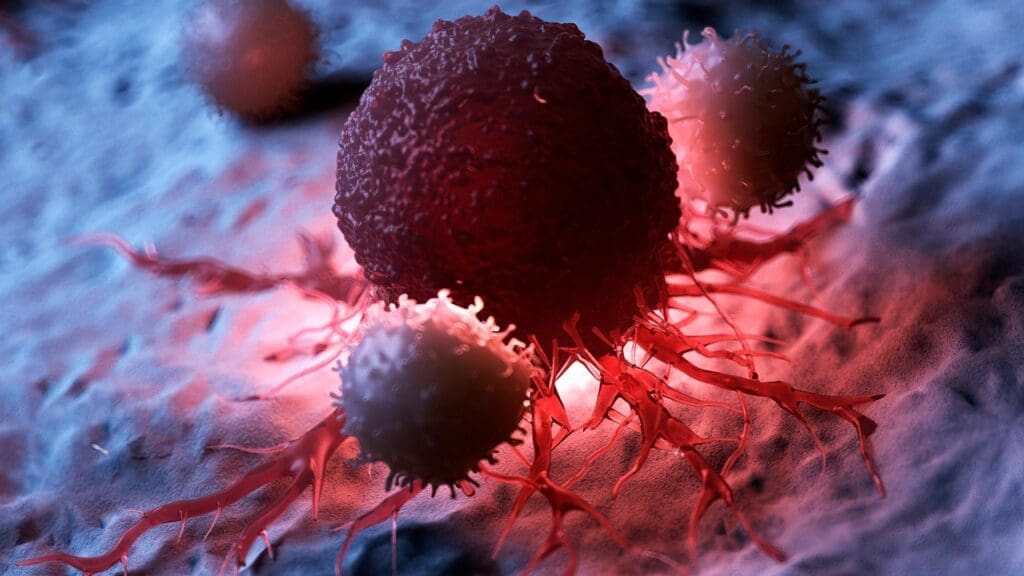
It’s important for patients and doctors to know about prostate cancer coming back. This can be a tough time for those affected. It’s a chance for cancer to return after treatment.
Statistics on Recurrence After Initial Treatment
Research shows that the chance of cancer coming back depends on several things. These include the Gleason score, how far the cancer has spread, and how fast PSA levels rise. Patients with aggressive tumors face a higher risk.
High-Risk Factors for Prostate Cancer Return
Some factors make it more likely for cancer to come back. These include a high Gleason score, cancer found at the edges of the removed prostate, and cancer that has spread. Also, those with fast PSA doubling times are at higher risk. Spotting these early can help plan better care and improve chances of success.
Timeframes for Possible Recurrence
Cancer can come back at different times after treatment. It might show up in PSA levels rising or in symptoms appearing. Knowing when this might happen helps in keeping an eye on it.
Knowing about recurrence rates, risk factors, and when it might happen helps everyone. Patients and doctors can work together. They can plan better care and answer any questions or worries.
Types of Prostate Cancer Recurrence
It’s important to know the different types of prostate cancer recurrence. Each type has its own characteristics and treatment options. Understanding these can help doctors choose the best treatment for each patient.
Biochemical Recurrence: Rising PSA Levels
Biochemical recurrence shows up as a rise in Prostate-Specific Antigen (PSA) levels. This means cancer might be coming back. It’s often caught through regular PSA tests, even if there are no symptoms.
Clinical Recurrence: Symptomatic Return
Clinical recurrence is when symptoms or detectable cancer come back. This can happen in the prostate or nearby lymph nodes. Symptoms might include trouble urinating, pain, or other prostate-related issues.
Metastatic Recurrence: Spread to Other Organs
Metastatic recurrence is when cancer spreads to other parts of the body. This can include bones, lymph nodes, or other organs. It’s a more serious case and usually needs a broader treatment plan.
| Type of Recurrence | Characteristics | Implications |
|---|---|---|
| Biochemical Recurrence | Rising PSA levels after treatment | Potential for early intervention |
| Clinical Recurrence | Return of symptoms or detectable disease | May require localized treatment |
| Metastatic Recurrence | Cancer spread to other organs or bones | Often requires systemic treatment |
What Happens If Prostate Cancer Comes Back After Radiation
Radiation therapy is a common treatment for prostate cancer. But, the disease can come back, causing challenges for patients and doctors. It’s important to know about recurrence rates, challenges, and how to monitor the disease.
Recurrence Rates Following Radiation Therapy
Research shows that recurrence rates after radiation therapy vary. A study in the Journal of Clinical Oncology found that low-risk patients had about an 80% chance of not having the cancer come back after 5 years. High-risk patients had a 60% chance.
| Risk Category | 5-Year Biochemical Recurrence-Free Survival Rate |
|---|---|
| Low-Risk | 80% |
| Intermediate-Risk | 70% |
| High-Risk | 60% |
Unique Challenges After Radiation Treatment
Patients who see the cancer come back after radiation face special challenges. They must deal with side effects and figure out the best next steps. Dr. Smith, a well-known oncologist, says, “Choosing salvage therapy after radiation failure is complex. It depends on the patient’s health and what they want.”
“The decision to undergo salvage therapy after radiation failure is complex and requires careful consideration of the patient’s overall health and preferences.”
Monitoring Protocol Post-Radiation
It’s key to watch the cancer closely for early signs of recurrence. This means regular PSA tests, usually every 6-12 months, and sometimes imaging studies. Catching it early can lead to better treatment options.
Knowing about recurrence rates, challenges, and monitoring helps both patients and doctors. It aids in making informed decisions about managing prostate cancer after radiation therapy.
Recurrent Prostate Cancer After Prostatectomy
Prostate cancer can come back after surgery to remove the prostate gland. It’s important to know why this happens. Sometimes, cancer cells spread before surgery, making it more likely to return.
Why Cancer Can Return After Surgery
The chance of cancer coming back after surgery depends on several things. These include the Gleason score, how far the cancer has spread, and if cancer cells are found at the edge of the removed tissue. A positive surgical margin, where cancer cells are found at the edge of the removed tissue, can increase the risk of recurrence. “The presence of cancer cells at the surgical margin is a significant predictor of recurrence,” as noted by a study on prostate cancer outcomes.
Typical Timeline for Post-Surgery Recurrence
When cancer comes back after surgery can vary. Some see rising PSA levels a few years after surgery. Others stay cancer-free for many years. Knowing when recurrence might happen helps manage expectations.
Managing Expectations After Radical Prostatectomy
After radical prostatectomy, managing expectations means regular check-ups and PSA tests. Patients should talk to their doctor about their risk and care plan. This helps ensure the best results.
Signs Prostate Cancer Has Returned
Prostate cancer can come back in different ways. Knowing the signs is important for quick action. We’ll look at the main signs and physical symptoms that show prostate cancer has returned.
Rising PSA Levels: The Primary Indicator
A rise in Prostate-Specific Antigen (PSA) levels is the main sign of prostate cancer coming back. If PSA levels go up after treatment, it might mean the cancer is back. It’s key to keep an eye on PSA levels to catch it early.
Key points to consider:
- PSA levels should be checked regularly as your doctor advises.
- A rising PSA level doesn’t always mean cancer has returned, but it’s a big sign.
- You might need more tests to confirm if the cancer is back.
Physical Symptoms of Prostate Cancer Relapse
While a rising PSA is a main sign, physical symptoms can also show prostate cancer is back. These symptoms depend on where and how much the cancer has spread.
Possible symptoms include:
- Pain in the lower back, hips, or pelvis.
- Difficulty urinating or needing to pee a lot.
- Blood in the urine or semen.
- Weakness or numbness in the legs or feet.
When to Contact Your Doctor
If you notice any unusual symptoms or see your PSA levels go up, reach out to your doctor right away. Catching recurrence early can make treatments more effective.
Be prepared to discuss:
- Any new or getting worse symptoms.
- Changes in your PSA levels.
- Any worries or questions about your health.
Talking to your healthcare provider quickly is key to managing prostate cancer that comes back well.
Diagnostic Procedures for Suspected Recurrence
When prostate cancer is thought to have come back, doctors use several tests to confirm it. These tests are key to figuring out how far the cancer has spread. They also help decide the best treatment.
PSA Testing and Monitoring Protocols
PSA testing is very important for watching prostate cancer. It helps find if PSA levels are going up, which could mean the cancer is back. We follow certain steps to keep an eye on PSA levels. This way, we can spot small changes that might mean the cancer has returned.
Advanced Imaging Studies for Recurrent Prostate Cancer
PSMA PET scans and MRI are key in finding and understanding recurrent prostate cancer. They show where and how far the cancer has spread. This information helps doctors make the right treatment plans.
Biopsy and Other Confirmatory Tests
At times, a biopsy is needed to be sure the cancer has come back. We might also use tests like bone scans or CT scans. These help see how much the cancer has spread.
| Diagnostic Procedure | Purpose |
|---|---|
| PSA Testing | Detect rising PSA levels indicating recurrence |
| Advanced Imaging Studies | Identify location and extent of recurrence |
| Biopsy | Confirm diagnosis of recurrent prostate cancer |
Treatment Options for Recurrent Prostate Cancer
When prostate cancer comes back, patients have many treatment choices. These choices depend on the first treatment, where the cancer came back, and the patient’s health.
Salvage Radiation Therapy
Salvage radiation therapy is for those who had surgery but the cancer came back. It aims to kill any cancer left in the prostate area. It’s a focused treatment that can help if the PSA level goes up after surgery.
Hormone Therapy and Androgen Deprivation
Hormone therapy, or androgen deprivation therapy (ADT), is a common choice for recurrent prostate cancer. It lowers male hormones in the body, slowing cancer growth. ADT can be done with medicines or by removing the testes.
Systemic Treatments for Advanced Recurrence
For those with cancer that has spread, systemic treatments are needed. These include chemotherapy and immunotherapy.
Chemotherapy Options
Chemotherapy uses drugs to kill cancer cells. It can help control symptoms and slow the cancer’s spread. Common drugs include docetaxel and cabazitaxel.
Immunotherapy Approaches
Immunotherapy boosts the immune system to fight cancer. For prostate cancer, sipuleucel-T is a treatment that has shown to improve survival in advanced cases.
| Treatment Option | Description | Indications |
|---|---|---|
| Salvage Radiation Therapy | Localized radiation to eliminate cancer cells in the prostate bed | Rising PSA after prostatectomy |
| Hormone Therapy (ADT) | Reduces androgen levels to slow cancer growth | Recurrent prostate cancer |
| Chemotherapy | Drugs to kill cancer cells | Advanced or metastatic disease |
| Immunotherapy | Stimulates the immune system to fight cancer | Metastatic castration-resistant prostate cancer |
Clinical Trials and Emerging Therapies
Patients with recurrent prostate cancer might want to try new treatments in clinical trials. These include new hormones, targeted therapies, and other innovative methods.
It’s important to know about all treatment options for recurrent prostate cancer. Patients should talk to their doctor about what’s best for them. This includes discussing the benefits and risks of each treatment.
Living With Recurrent Prostate Cancer
When prostate cancer comes back, patients start a tough journey. They must deal with the disease’s effects on their body, mind, and family.
Managing Side Effects of Secondary Treatments
Secondary treatments for prostate cancer can cause big problems. We work hard to keep patients’ quality of life good. A study on PubMed Central shows it’s key to manage these side effects well.
Common side effects include:
- Fatigue
- Urinary incontinence
- Erectile dysfunction
Quality of Life Considerations
Keeping patients’ quality of life high is our main goal. We use strategies to lessen side effects and boost well-being. A patient said, “It’s not just about living, but living with dignity and purpose.”
“The key is not just surviving, but living with dignity and purpose.”
Psychological Impact and Support Resources
The mental toll of recurrent prostate cancer is huge. We offer support like counseling and groups to help patients deal with their diagnosis.
Support resources available include:
- Counseling services
- Support groups
- Online forums and resources
Specialized Care Options for Recurrent Cases
Patients with recurrent prostate cancer need special care. We provide tailored care options to meet their needs, ensuring they get the best support.
Conclusion: Moving Forward After Prostate Cancer Recurrence
It’s important for patients to know about the risk of prostate cancer coming back. We’ve looked at what recurrence means, how common it is, and what increases the risk. Early detection and quick treatment can help patients feel better and move on.
There are treatments for prostate cancer that comes back. Patients can talk to their doctors to find the best one. Options include salvage radiation, hormone therapy, and systemic treatments.
After prostate cancer comes back, patients need a full plan. This plan should cover their physical, emotional, and mental health. With the right support and resources, patients can face their challenges and live better lives.
What is prostate cancer recurrence?
Prostate cancer recurrence happens when the disease comes back after treatment. It can show up in different ways, like rising PSA levels, physical symptoms, or spreading to other parts of the body.
Can prostate cancer come back after treatment?
Yes, prostate cancer can return after treatment. The chance of it coming back depends on several things. These include the cancer’s stage and grade, the treatment used, and the patient’s health.
What are the signs and symptoms of prostate cancer recurrence?
Signs of prostate cancer coming back include rising PSA levels and physical symptoms. These symptoms can be bone pain or trouble with urination. It can also spread to other organs.
How is prostate cancer recurrence diagnosed?
Doctors use PSA testing, imaging studies, and biopsy to diagnose prostate cancer recurrence. These tests help find out if the cancer is back and how far it has spread.
What are the treatment options for recurrent prostate cancer?
Treatment for prostate cancer that comes back includes salvage radiation therapy and hormone therapy. Systemic treatments are also options. The right treatment depends on how far the cancer has spread and the patient’s health.
What happens if prostate cancer comes back after radiation therapy?
If prostate cancer returns after radiation therapy, treatments like salvage prostatectomy or hormone therapy might be needed. The choice depends on how far the cancer has spread and where it is.
Can recurrent prostate cancer be cured?
The goal of treatment for prostate cancer that comes back is to control it and improve life quality. While some cases can be cured, others need ongoing treatment and management.
How can I manage the psychological impact of recurrent prostate cancer?
To deal with the emotional side of prostate cancer coming back, seek help from doctors, family, and friends. Look for counseling and support groups too.
What are the risk factors for prostate cancer recurrence?
High-grade or advanced initial cancer, positive surgical margins, and not responding well to treatment are risk factors. These increase the chance of the cancer coming back.
How often should I have follow-up appointments after prostate cancer treatment?
How often you need follow-up appointments depends on your situation. It’s based on your risk of recurrence and the treatment you had. Regular PSA tests and check-ups are key to catching any return early.
Are there any new treatments or clinical trials for recurrent prostate cancer?
Yes, there are new treatments and clinical trials for prostate cancer that comes back. Talk to your doctor to find out what options are best for you.
References
- Zero Cancer: https://zerocancer.org/stages-and-grades/recurrence
- CA: A Cancer Journal for Clinicians (ACS Journals): https://acsjournals.onlinelibrary.wiley.com/doi/full/10.3322/caac.70028
- National Center for Biotechnology Information (NCBI) / PMC: https://pmc.ncbi.nlm.nih.gov/articles/PMC8694498/
- ASCO Publications: https://ascopubs.org/doi/10.1200/JCO.2023.41.6_suppl.393
- JAMA Network Open: https://jamanetwork.com/journals/jamanetworkopen/fullarticle/2837363