


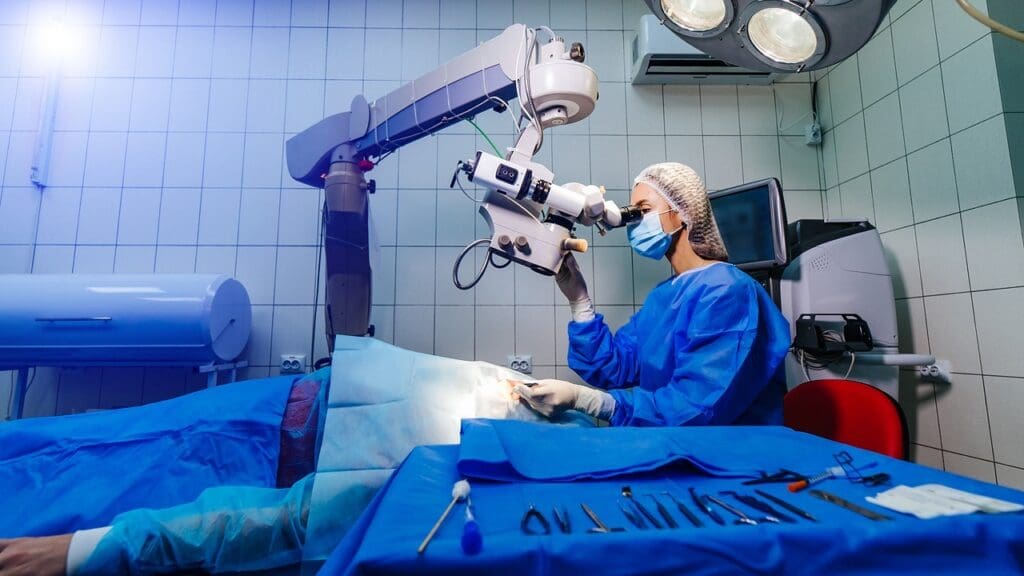
Recovering from prostate surgery is a big worry for many. The time it takes to get better after prostate cancer surgery depends on several things. This includes the type of surgery done.
At Liv Hospital, we focus on making recovery smooth and effective. We give our patients the care and support they need during recovery. Most patients can go back to normal activities in 4 to 6 weeks after surgery.
Knowing what to expect during recovery can make things easier. We’ll talk about the usual recovery steps. We’ll also cover what affects recovery and the help available to patients.
Key Takeaways
- Typical recovery time for normal activities is 4 to 6 weeks.
- Strenuous activities should be avoided for 6 weeks.
- Urinary catheter is usually removed within 7 to 10 days.
- Temporary urinary control issues are common but usually resolve.
- Pain is typically managed with painkillers during the first week.
Understanding Prostate Surgery: Types and Approaches
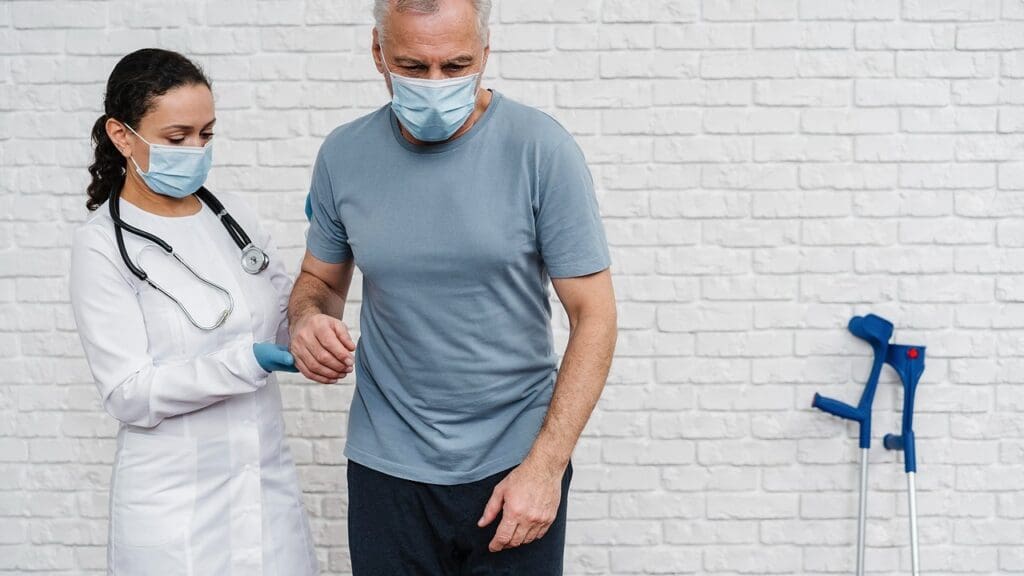
The type of prostate surgery can greatly affect your recovery process. It’s key to know the options. For prostate cancer, removing the prostate gland is common.
Radical Prostatectomy Explained
Radical prostatectomy removes the prostate gland. It’s a main treatment for prostate cancer. We’ll cover the different ways this surgery is done.
Different Surgical Techniques
There are various prostatectomy methods, like open, laparoscopic, and robotic-assisted. Each affects recovery time differently.
Open Prostatectomy
Open prostatectomy uses a big incision. It’s more traditional but may take longer to recover from.
Laparoscopic Prostatectomy
Laparoscopic prostatectomy has smaller cuts and a camera. It’s less invasive and can speed up recovery time.
Robotic-Assisted Prostatectomy
Robotic-assisted prostatectomy is a laparoscopic method with robotic arms. It often leads to faster recovery and less pain. This is backed by prostatectomy FAQs.
Knowing about these surgical methods helps patients get ready for their prostate operation recovery. The surgery type affects both immediate and long-term results.
How Long Does It Take to Recover from Prostate Surgery: The General Timeline

Knowing how long it takes to recover from prostate surgery is key for patients. The recovery time is divided into three main parts: right after surgery, a few weeks, and a longer period later.
Immediate Post-Operative Period (1-2 Days)
The first 24 to 48 hours after surgery are critical. Patients are watched closely for any issues, and managing pain is a top priority. Effective pain control is vital for a smooth recovery. Our medical team works hard to help patients manage their pain.
Short-Term Recovery (2-6 Weeks)
As patients get stronger and more mobile, they start to feel better. Most men can get back to their usual activities in 2 to 6 weeks. Gradual improvement in how they urinate and have sex is also expected.
Long-Term Recovery (3-12 Months)
The long-term recovery can last from 3 to 12 months. During this time, patients see more improvements in their health and well-being. It can take up to a year for full recovery, including getting back to normal with urination and sex.
Factors That Influence Recovery Time
Several things can affect how long it takes to recover from prostate surgery. These include the patient’s age, health, BMI, and the surgery method. For example, robotic-assisted surgery might lead to a quicker recovery than traditional surgery. Knowing these factors helps patients have realistic expectations for their recovery after prostatectomy surgery.
Understanding the general timeline for recovery from prostate cancer surgery helps patients prepare. It’s important to follow the advice from healthcare professionals for the best results.
Hospital Stay and Initial Recovery Phase
Before prostate surgery, knowing about the hospital stay and initial recovery is key. These early days are vital for a good recovery. They set the foundation for your healing journey.
What to Expect During Your Hospital Stay
Patients usually stay in the hospital for 1-2 days after surgery. Medical staff will keep a close eye on you. They manage your pain and watch for any issues.
You’ll have a urinary catheter for 1-2 weeks. This is a common part of the recovery process.
Pain Management After Surgery
Pain management is a big part of your hospital stay. Our team will use medicines to reduce your pain. It’s important to tell them how you’re feeling so they can adjust your treatment.
Early Mobility and Activity Guidelines
Moving early is important to avoid problems like blood clots. You’ll learn how to move safely and increase your activity slowly. Rest is important, but gentle exercises like short walks are good too.
Knowing what to expect during your hospital stay and early recovery can make things easier. Being informed helps you manage your recovery better.
Managing Life with a Urinary Catheter
Living with a urinary catheter after prostate surgery can be tough. But, with the right help, patients can get through it. The catheter can affect daily life and comfort.
Duration of Catheter Use
Most patients need a urinary catheter for 1-2 weeks after surgery. The time needed can change based on how well you recover and the doctor’s advice.
Practical Tips for Catheter Care
Good catheter care is key to avoid infections and make recovery smoother. Here are some tips:
- Keep the catheter and area around it clean with soap and water.
- Empty the drainage bag often to stop overflow.
- Don’t bend or twist the catheter tubing.
- Secure the catheter to your leg to stop it from moving.
Common Challenges and Solutions
Using a urinary catheter can come with challenges. Here are some common ones:
- Infection risk: Watch for fever or unusual discharge.
- Leakage: Make sure the catheter is in place right and the bag isn’t too full.
- Discomfort: Try adjusting the catheter’s position and use leg bags for comfort.
Catheter Removal Process
Removing the catheter is simple and usually done by a healthcare provider. It can happen in a clinic or at home, depending on your situation. After it’s out, you might feel some discomfort or leakage. But, these symptoms usually go away in a few days.
Knowing how to manage a urinary catheter helps patients deal with this part of recovery. Our healthcare team is here to offer support and advice every step of the way.
Recovery Timeline by Procedure Type
The time it takes to recover from prostate surgery varies a lot. This depends on the type of surgery done. Knowing these differences helps patients plan their recovery better.
Robotic-Assisted Prostatectomy Recovery
Robotic-assisted prostatectomy is a minimally invasive surgery. It leads to quicker recovery and less pain than traditional surgery. Most patients stay in the hospital for 1 to 2 days.
They usually get back to their normal life in 3 to 4 weeks. This is because the surgery is less invasive.
Laparoscopic Prostatectomy Recovery
Laparoscopic prostatectomy uses small incisions. It causes less blood loss and pain after surgery. Patients usually stay in the hospital for 1 to 3 days.
It takes about 4 to 6 weeks to get back to normal activities. This is because the surgery is less invasive.
Open Prostatectomy Recovery
Open prostatectomy is more invasive. It requires a longer recovery time. Patients might stay in the hospital for 2 to 4 days or more.
It can take 6 to 12 weeks to get back to normal activities. This is because the surgery is more invasive.
Comparing Recovery Times Across Procedures
To understand the differences in recovery times, we’ve made a comparison table:
| Procedure | Typical Hospital Stay | Return to Normal Activities |
|---|---|---|
| Robotic-Assisted Prostatectomy | 1-2 days | 3-4 weeks |
| Laparoscopic Prostatectomy | 1-3 days | 4-6 weeks |
| Open Prostatectomy | 2-4 days | 6-12 weeks |
By comparing recovery times, patients can make better choices. It’s important to talk to a healthcare provider. They can help choose the best surgery based on your health and cancer.
Returning to Daily Activities After Prostate Removal
Getting back to daily life after prostate removal is a big step. Patients often wonder when they can start doing things they love again. This journey to full recovery is important.
When You Can Drive Again
Doctors usually say no driving for 1 to 2 weeks after surgery. This is until you stop taking strong pain meds. It’s to make sure you can drive safely and quickly.
Returning to Work: Timelines and Considerations
When you can go back to work depends on your job. Desk jobs might take 2-4 weeks, but jobs that are hard on your body could take 4-6 weeks or more. Always talk to your doctor about when to go back to work.
Exercise and Physical Activity Progression
Start with light activities like short walks right after surgery. As you get better, you can do more. Most people can get back to their usual exercise in 6-8 weeks.
Lifting Restrictions and Their Duration
It’s best to avoid lifting heavy things (over 25 pounds) for 6-8 weeks. This helps your body heal right.
Diet and Nutrition During Recovery
Eating well is key to healing. Focus on fruits, veggies, and lean proteins. Also, drink lots of water to stay hydrated.
| Activity | Recommended Timeline |
|---|---|
| Driving | 1-2 weeks |
| Returning to Desk Job | 2-4 weeks |
| Returning to Physically Demanding Job | 4-6 weeks |
| Resuming Normal Exercise | 6-8 weeks |
| Lifting Heavy Objects | Avoid for 6-8 weeks |
Managing Urinary Function During Recovery
Recovering from prostate surgery means taking several important steps. We’ll talk about how long it takes to get better, the role of pelvic floor exercises, and how to handle incontinence. We’ll also discuss when you might need extra help.
Timeline for Urinary Control Improvement
It usually takes a few months to get better after prostate surgery. Most people see big improvements in 3 to 6 months. But, it can take up to a year for some.
“Be patient and keep trying,” as your bladder control will come back.
Pelvic Floor Exercises and Their Importance
Pelvic floor exercises, or Kegels, are key to getting better. They make the muscles around your bladder stronger, helping you control your urine better. Start these exercises when your doctor says it’s okay, usually a few weeks after surgery.
Managing Incontinence During Recovery
Dealing with incontinence is tough during recovery. Using absorbent products can help. Also, making lifestyle changes, like drinking less and going to the bathroom on a schedule, can help too.
When to Seek Additional Help
If you’re dealing with a lot of incontinence, you should get help.
“Don’t hesitate to reach out to your healthcare provider if you’re not seeing the expected improvement in urinary control,”
They can give you more advice or suggest other treatments.
Knowing the recovery time, doing pelvic floor exercises, managing incontinence, and knowing when to ask for help can help you get through the tough times after prostate surgery.
Sexual Function After Prostate Surgery
Men often wonder how prostate surgery will affect their sex life. There are many things to think about. Prostate surgery, like radical prostatectomy, can affect sex because it’s close to nerves and parts needed for erections.
Realistic Expectations for Sexual Recovery
It’s important to know what to expect when recovering from prostate surgery. If the surgeon tries to save nerves, it can help keep erections. But, how well you recover depends on your age, how well you could get erections before surgery, and if nerves were spared.
Timeline for Sexual Function Improvement
Improvement in sexual function can take months to years. Most men see slow but steady progress. Noticeable improvements often happen in the first two years after surgery.
Treatment Options for Erectile Dysfunction
If you have erectile dysfunction (ED) after surgery, there are ways to help. You can try pills, vacuum devices, injections, or implants. What works best for you depends on your health, how bad the ED is, and what you prefer.
Communication with Partners During Recovery
Talking openly with your partner about changes in sex life is key. It helps manage expectations and lowers anxiety. Counseling can also help deal with emotional or psychological effects on your relationship.
Recovering from prostate surgery involves more than just physical health. Understanding how surgery might affect sex and the options for treatment helps men through their recovery.
Emotional and Psychological Aspects of Recovery
The journey to recovery after prostate surgery is complex. It involves both physical and emotional healing. Patients often feel a range of emotions that affect their well-being.
Coping with Changes in Body Function
Adjusting to changes in body function is a big challenge. This includes urinary and sexual health issues. It’s important to acknowledge these changes and seek support when needed. Talking to your healthcare provider can help find ways to manage these changes.
Managing Anxiety About Cancer Recurrence
Anxiety about cancer coming back is common. Doing stress-reducing activities and talking openly with your healthcare team can help. Support groups are also key for sharing experiences and getting support.
Support Groups and Resources
Support groups and resources are very helpful. They offer a sense of community and understanding. We suggest exploring these resources as part of your recovery.
When to Consider Professional Mental Health Support
If emotional or psychological distress is too much, seek professional help. We are dedicated to providing care that covers all aspects of health. Knowing when to ask for help is a big step in recovery.
Conclusion: The Road to Full Recovery
Recovering from prostate surgery needs patience, understanding, and a full plan to handle physical and emotional issues. We’ve covered the key parts of getting better, like the recovery time for prostate removal and the prostatectomy recovery timeline.
Knowing about the different prostate surgeries and their recovery times is key. The recovery from prostate removal surgery changes a lot based on the surgery type. This includes robotic-assisted, laparoscopic, or open prostatectomy.
It’s important to manage urinary and sexual issues, as well as emotional health, well during the recovery after prostate cancer surgery. We stress the need for pelvic floor exercises, managing pain, and getting help when needed.
By taking a complete approach to recovery and knowing the challenges ahead, patients can move forward with confidence. We’re dedicated to top-notch healthcare and full support for patients from around the world.
What is the typical recovery time after prostate surgery?
Recovery time after prostate surgery varies. It can take several weeks to a few months. This depends on the surgery type, your age, and health.
How long does it take to recover from a radical prostatectomy?
Recovery from a radical prostatectomy can take 3 to 6 months or more. The first few weeks are the hardest, but you’ll see big improvements then.
What are the differences in recovery time between robotic-assisted, laparoscopic, and open prostatectomy?
Robotic-assisted and laparoscopic surgeries have shorter recovery times. They cause less damage, less pain, and heal faster than open surgery.
How long do I need to stay in the hospital after prostate surgery?
You’ll usually stay in the hospital for 1 to 3 days. This depends on your surgery and health.
What can I expect during my hospital stay after prostate surgery?
You’ll get pain management and have your vital signs checked. You’ll also learn about moving around and caring for your catheter.
How long will I need to use a urinary catheter after prostate surgery?
You’ll use a urinary catheter for 1 to 2 weeks. Your surgeon will decide when it’s time to remove it.
When can I resume driving after prostate surgery?
You can drive again in 1 to 2 weeks, when you’re off pain meds and feel comfortable. Always follow your surgeon’s advice.
How long does it take to return to work after prostate surgery?
Returning to work varies based on your job and recovery. It can take 2 to 6 weeks or more.
What are the guidelines for exercise and physical activity after prostate surgery?
Start with light activities like walking. Avoid heavy lifting, bending, or strenuous exercises for weeks.
How can I manage urinary incontinence during recovery?
Kegel exercises can help with urinary control. Using absorbent products and practicing good hygiene also helps manage incontinence.
What are the treatment options for erectile dysfunction after prostate surgery?
Treatments include medications, vacuum devices, and implants. Your choice depends on your condition and preferences.
How can I cope with the emotional and psychological aspects of recovery after prostate surgery?
Seek support from family, friends, and groups. Talk to your healthcare provider about anxiety or concerns. Professional mental health support may be needed.
References
- Cancer Research UK : https://www.cancerresearchuk.org/about-cancer/prostate-cancer/treatment/surgery/after-surgery
- Cancer Council (Australia) : https://www.cancercouncil.com.au/prostate-cancer/management-treatment/surgery/what-to-expect-after-surgery/
- UC Davis Health (Prostatectomy FAQs) : https://health.ucdavis.edu/urology/specialties/robotic_surgery/prostatectomy_FAQs.html
- Mount Sinai : https://www.mountsinai.org/care/urology/services/robotic-surgery/da-vinci/after-surgery
- MyHealth.Alberta.ca : https://myhealth.alberta.ca/Health/aftercareinformation/pages/conditions.aspx?hwid=ud2576


