


Işıl Yetişkin is a versatile Content Writer with 9 years of professional…
View author profile →We review our content at regular intervals and update it whenever new research or a change in clinical guidelines requires it.


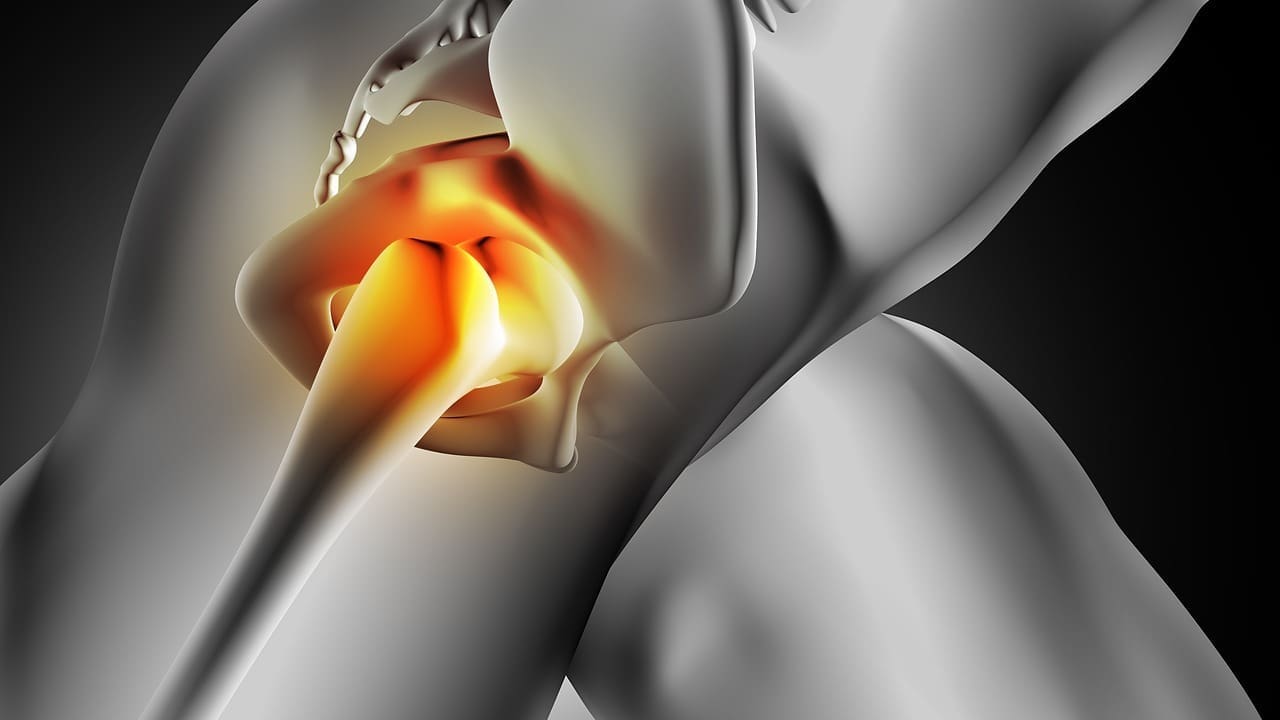
Do you feel pain in the back of your thigh or wonder why it hurts, even when sitting? At Liv Hospital, we know how much musculoskeletal pain affects your daily life.
Our team is here to help you understand why your thigh pain happens. We deal with issues like sciatica and tendonitis. We find and fix the real cause of your discomfort.
We use the latest care methods for musculoskeletal pain. Our goal is to give you top-notch care. We also support international patients fully.
Key Takeaways
- Thigh pain can be caused by various factors, including hamstring injuries and nerve compression.
- Liv Hospital’s team provides patient-centered care and comprehensive healthcare services.
- Our experts diagnose and treat the underlying cause of thigh pain.
- Up-to-date care pathways and protocols are used to treat musculoskeletal pain.
- International patients receive complete support and world-class care.
Understanding the Anatomy of the Back of the Thigh
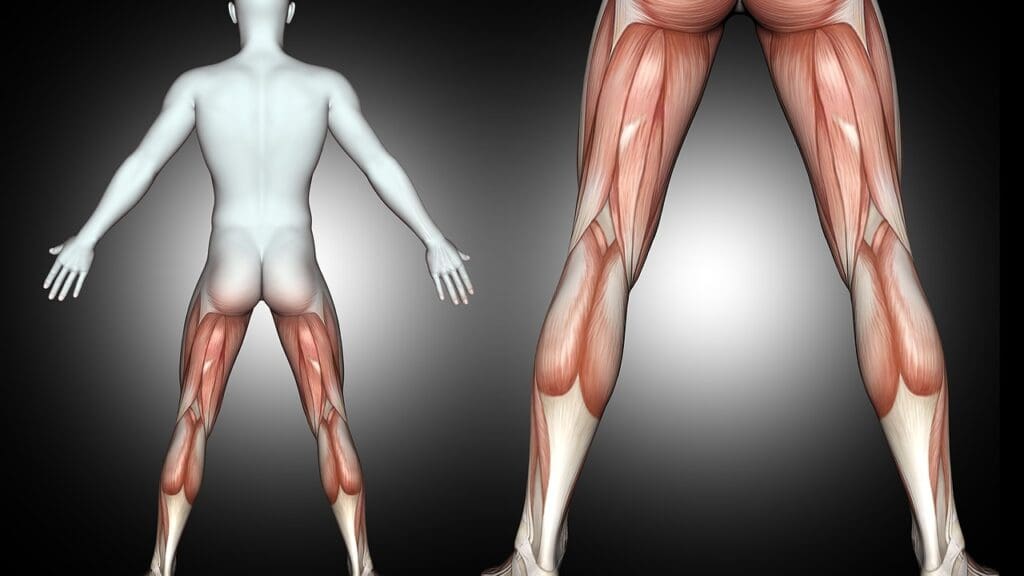
Knowing the anatomy of the back thigh is key to solving thigh pain problems. The back thigh has important parts that help us move and stay stable.
Hamstring Muscle Group
The hamstring muscles, made up of biceps femoris, semitendinosus, and semimembranosus, are vital in the back thigh. They help bend the knee and straighten the hip. These muscles often get hurt, mainly in athletes who sprint or jump a lot.
Sciatic Nerve Pathway
The sciatic nerve, the biggest nerve, goes down the back thigh. It helps control and feel sensations in the legs. When this nerve gets compressed or irritated, it can cause pain in the back thigh.
Supporting Structures and Blood Supply
The back thigh has blood vessels and connective tissues that keep it nourished and stable. Knowing about these structures helps us understand why back thigh pain happens.
Pain Behind Thigh: Common Causes and Risk Factors

Knowing why pain occurs behind the thigh is key to fixing it. The back of the thigh has many parts that can hurt. We’ll look at what usually causes this pain and who might get it.
Muscle-Related Causes
Muscle strains are a big reason for thigh pain. The hamstring muscles are often strained because they help move the hip and bend the knee. Actions that suddenly speed up or slow down can hurt these muscles.
- Sudden running or sprinting
- Direct blows to the muscle
- Overuse or fatigue
Nerve Compression Issues
Nerve problems also cause thigh pain. The sciatic nerve, which goes from the lower back to the legs, can get pinched or irritated. This leads to pain. Piriformis syndrome happens when the piriformis muscle presses on the sciatic nerve, causing thigh pain.
Who Is Most at Risk?
Some people are more likely to feel thigh pain. Athletes who run a lot or change direction quickly often strain their muscles. People who sit a lot or have back problems are also at risk for nerve issues.
Knowing who’s at risk and why helps us find and treat thigh pain better.
Hamstring Injuries: Types and Symptoms
It’s important to know about hamstring injuries to prevent and treat them. These injuries can be mild or severe, affecting people who are active. We’ll look at the different types and their symptoms.
Acute Strains and Tears
Acute hamstring strains happen when the muscle stretches too far, often during fast runs. Symptoms include sudden pain in the back of the thigh, swelling, and sometimes bruising. The severity can vary, with more severe tears causing a lot of pain and making it hard to move.
Chronic Hamstring Tendinopathy
Chronic hamstring tendinopathy is ongoing pain and inflammation in the hamstring tendons. It’s common in athletes who run or jump a lot. Symptoms include constant pain, stiffness, and weakness in the hamstring muscles.
Hamstring Avulsion Injuries
Hamstring avulsion injuries happen when the tendon is pulled away from the bone, often at the ischial tuberosity. This injury is more common in young athletes and can be very painful. Symptoms include severe pain, swelling, and trouble walking or standing.
Knowing the type and severity of hamstring injuries is key for the right treatment and recovery. We’ll talk more about diagnosis and treatment in the next sections.
Sciatica and Nerve-Related Back Thigh Pain
Sciatica can cause a lot of pain in the back of the thigh. This pain often starts in the lower back. The sciatic nerve runs from the lower back to the legs. When this nerve gets irritated or compressed, it can cause pain, numbness, and tingling in the thigh.
How Sciatica Affects the Posterior Thigh
Sciatica can make the back of the thigh hurt a lot. The pain can feel sharp, shooting, or burning. How bad and how often the pain is can depend on why you have sciatica.
Piriformis Syndrome
Piriformis syndrome happens when the piriformis muscle in the buttocks irritates the sciatic nerve. This can cause pain, numbness, and tingling in the thigh, just like sciatica. It’s hard to tell the difference between piriformis syndrome and sciatica because the symptoms are similar.
Differentiating Nerve Pain from Muscle Pain
Nerve pain, like sciatica, feels sharp, shooting, or burning. Muscle pain is usually dull and aching. Knowing the difference is key to getting the right treatment.
| Characteristics | Nerve Pain (Sciatica) | Muscle Pain |
|---|---|---|
| Sensation | Sharp, shooting, burning | Dull, aching |
| Location | Radiates down the back of the thigh | Localized to the muscle area |
| Triggers | Often triggered by nerve compression | Often triggered by muscle strain or overuse |
Sharp Pain in the Back of Thigh: Possible Causes
The back of the thigh is a complex area. Sharp pain here can come from many causes. It’s important to know if the pain started suddenly or gradually.
Sudden Onset vs. Gradual Development
Sharp pain in the back of the thigh can start suddenly or slowly. Sudden pain often means an injury, like a hamstring strain or tear. Slowly developing pain might be from overuse or a long-term condition like tendinopathy.
Warning Signs of Serious Conditions
Certain symptoms with sharp pain in the back of the thigh can mean serious problems. These include:
- Severe pain that doesn’t get better with rest
- Numbness or tingling
- Weakness in the leg
- Swelling or bruising
When Sharp Pain Requires Immediate Attention
Sharp pain in the back of the thigh needs quick medical help if you have severe symptoms. These include:
- Acute swelling or deformity
- Can’t bear weight on the leg
- Loss of sensation or mobility
Knowing these warning signs and when to get help is key for the right diagnosis and treatment.
Back of Thigh Hurts When Sitting: Why This Happens
The back of the thigh hurts when sitting, often due to prolonged sitting and poor posture. Our body weight puts extra pressure on certain areas. This can irritate nerves and muscles.
Pressure Point Irritation
Sitting can lead to pressure point irritation, mainly in the hamstring area. This happens when our body weight is not evenly distributed. It puts too much stress on specific points.
Prolonged Sitting and Muscle Tightness
Long periods of sitting tighten muscles, like the hamstrings. This tightness can cause pain.
Posture-Related Factors
Poor posture while sitting also causes thigh pain. Slouching or leaning forward strains the muscles in the back of the thigh. This leads to discomfort.
| Factor | Description | Impact on Thigh Pain |
|---|---|---|
| Pressure Point Irritation | Irritation due to uneven weight distribution | Increased pain when sitting |
| Prolonged Sitting | Extended periods of sitting | Muscle tightness and pain |
| Poor Posture | Slouching or leaning forward | Strains muscles, leading to discomfort |
Knowing why thigh pain happens when sitting can help. Being mindful of our posture and taking breaks to stand and stretch can reduce pain.
Pain at the Back of Thigh Above the Knee: Specific Causes
The back of the thigh above the knee often hurts due to certain reasons. This area is prone to injuries and conditions. These can cause pain and make it hard to move.
Distal Hamstring Issues
Distal hamstring injuries happen near the knee. They can cause pain in the thigh area above the knee. These injuries are common in athletes who sprint or change direction quickly.
Baker’s Cyst and Posterior Knee Problems
A Baker’s cyst is a fluid-filled sac at the back of the knee. It can swell and hurt. Even though it’s not in the thigh, it can make the thigh area above the knee hurt. Other knee problems, like meniscal tears or ligament sprains, can also cause pain here.
Referred Pain Patterns
Referred pain is when pain feels like it’s coming from somewhere else. For pain in the thigh above the knee, it might actually come from the lower back. This could be sciatica or problems with the sacroiliac joint.
| Cause | Symptoms | Treatment |
|---|---|---|
| Distal Hamstring Issues | Pain above the knee, bruising, swelling | Rest, ice, physical therapy |
| Baker’s Cyst | Swelling behind the knee, pain | Aspiration, corticosteroid injection |
| Referred Pain | Pain in thigh, possibly radiating | Treat underlying cause (e.g., sciatica) |
Right Back Thigh Pain vs. Left: Is There a Difference?
Unilateral back thigh pain, whether on the right or left, is a challenge for doctors. We look into if there’s a difference between right and left pain. We also explore the possible reasons for pain on one side.
Unilateral Pain Patterns
Pain on one side might point to specific issues. For example, musculoskeletal problems like muscle strains or tendonitis could be the cause. These often come from overuse or repetitive strain.
We also think about nerve compression or irritation. This can happen for many reasons, like herniated discs or piriformis syndrome.
Sacroiliac Joint Dysfunction
Sacroiliac joint dysfunction is another reason for one-sided pain. This happens when the sacroiliac joint gets inflamed or irritated. It can cause pain in the lower back and thigh, spreading to the buttocks.
Pain in Upper Thigh and Buttocks Region
Pain in the upper thigh and buttocks can be linked to sacroiliac joint issues or nerve problems. Knowing where and how the pain spreads is key to figuring out what’s wrong. We look at how severe the pain is, what triggers it, and what makes it better.
By studying the differences in right and left thigh pain, we can find the root cause. We do a thorough check of the patient’s symptoms, medical history, and physical exam.
Diagnosing the Cause of Back Thigh Muscle Pain
Diagnosing back thigh muscle pain requires a few steps. We use clinical evaluation, imaging studies, and specialized tests. Finding the right cause is key to treating it well.
Clinical Evaluation Process
First, we do a detailed clinical evaluation. This includes looking at your medical history, doing a physical exam, and checking your symptoms. It helps us find possible causes and what to do next.
Imaging Studies and Their Benefits
Imaging studies like MRI and ultrasound are very helpful. They show us the muscles, tendons, and nerves in detail. This helps us spot injuries, inflammation, or other problems.
| Imaging Study | Benefits |
|---|---|
| MRI | Detailed images of soft tissues, including muscles and tendons |
| Ultrasound | Real-time imaging, useful for assessing tendon and muscle injuries |
| X-ray | Evaluation of bone structures and detection of fractures |
Specialized Tests for Accurate Diagnosis
Sometimes, we need specialized tests to be sure. These might include electromyography (EMG) to check muscle function. Or nerve conduction studies to see if nerves are damaged.
Treatment Approaches for Back of Thigh Soreness
Getting rid of back of thigh soreness starts with knowing why it happens. We’ll look at different ways to treat it, from simple home remedies to more serious medical steps.
Home Remedies and Self-Care
First, try home remedies and self-care. These can help a lot. You might:
- Rest and ice to reduce inflammation
- Stretching exercises to improve flexibility
- Over-the-counter pain relievers to manage pain
Physical Therapy Interventions
If home remedies don’t work, physical therapy can help. Physical therapists offer:
- Targeted exercises to strengthen the hamstring muscles
- Manual therapy to improve tissue health
- Education on proper posture and movement techniques
Medical Treatments and Injections
For some, medical treatments are needed. These include:
- Corticosteroid injections to reduce inflammation
- Platelet-rich plasma (PRP) therapy to promote healing
When Surgery Might Be Necessary
Surgery is usually a last choice. It’s for serious problems like big hamstring tears. We’ll talk about when surgery is needed and what it involves.
Knowing all the treatment options helps you make better choices. This way, you can find relief from back of thigh soreness.
Preventing Recurrent Back Thigh Pain
To stop back thigh pain from coming back, it’s important to use a few key steps. These include exercise, changing how you do daily activities, and stretching. By following these tips, you can lower your chances of getting thigh pain.
Proper Warm-Up and Exercise Techniques
Getting a good warm-up and doing exercises right is key to avoiding thigh pain. Dynamic stretching before you start can get your muscles ready and lower strain risks. It’s good to do exercises like leg curls and lunges to make your hamstrings stronger and more flexible.
Ergonomic Considerations for Daily Activities
Changing how you do things every day can also help prevent thigh pain. Making sure your workspace is set up right is very important. For example, having the right chair height and using ergonomic furniture can help avoid pain.
Strengthening and Flexibility Programs
Starting a regular program to strengthen and stretch your muscles is also key. Here’s a simple plan:
| Exercise | Frequency | Repetitions |
|---|---|---|
| Hamstring Curls | 3 times a week | 15 reps |
| Lunges | 3 times a week | 10 reps per leg |
| Calf Raises | 3 times a week | 20 reps |
By adding these steps to your daily routine, you can lower your risk of getting back thigh pain again. This helps keep your muscles healthy.
Conclusion: When to Seek Professional Help for Back Thigh Pain
Understanding back thigh pain is key to treating it well. We’ve looked at causes like hamstring injuries and sciatica. If your pain doesn’t go away, it’s time to see a doctor.
Go to the doctor if your back pain lasts more than two weeks. You need help right away if you have leg pain, can’t control your bladder, or feel weak in your legs. Also, seek help if your pain started after an injury or if you’ve lost a lot of weight without trying.
Seeing a doctor is important for the right diagnosis and treatment. They can give you a plan to manage your pain. Getting help early can stop your pain from getting worse and improve your life.
Why does the back of my thigh hurt?
The back of your thigh can hurt for many reasons. This includes hamstring injuries, nerve compression, and muscle issues. We’ll help you find out why and guide you on when to get help.
What are the common causes of pain behind the thigh?
Pain behind the thigh often comes from muscle problems like strains or tears. Nerve compression, like sciatica, is another common cause. Sitting for too long and poor posture can also cause thigh pain.
What is the difference between muscle pain and nerve pain in the back of the thigh?
Muscle pain in the back of the thigh usually comes from hamstring injuries or strains. Nerve pain, like sciatica or piriformis syndrome, is different. Knowing the difference helps you find the right treatment.
Why does the back of my thigh hurt when sitting?
Sitting can hurt your thigh due to pressure, long sitting, and bad posture. Making your workspace ergonomic and taking breaks can help.
What causes sharp pain in the back of the thigh?
Sharp pain in the thigh can be from sudden injuries like hamstring tears or chronic issues like tendinopathy. If the pain is severe or lasts, you should see a doctor.
Is right back thigh pain different from left back thigh pain?
Right and left thigh pain can have similar causes, but one-sided pain might mean a specific problem like sacroiliac joint dysfunction. We’ll explain why one side might hurt more.
How is back thigh muscle pain diagnosed?
Doctors use a clinical exam, imaging, and tests to find the cause of thigh pain. Our team will use these tools to figure out what’s wrong and how to fix it.
What are the treatment options for back of thigh soreness?
Treatments for thigh soreness include home remedies, physical therapy, and medical treatments. Sometimes, surgery is needed. We’ll show you the options available.
How can I prevent recurrent back thigh pain?
To avoid thigh pain, warm up properly, exercise right, and use ergonomic tools. Strengthening and flexibility exercises also help. These steps can lower your risk of future pain.
When should I seek professional help for back thigh pain?
See a doctor if your thigh pain is constant, severe, or if you feel numbness, tingling, or weakness. Our team is ready to help diagnose and treat your pain.





