


For women seeking a swift recovery and outstanding medical outcomes after fibroid surgery, Liv Hospital’s patient-centered approach offers an optimized, week-by-week guide backed by innovation and global standards.
We understand that myomectomy recovery time is a significant concern. According to various medical sources, laparoscopic myomectomy surgery requires only tiny incisions, often resulting in a healing time of about 2 to 4 weeks.
Our team of experts will walk you through what to expect during the recovery process, providing a comprehensive guide to maximize healing and improve your quality of life.
Key Takeaways
- Minimally invasive laparoscopic treatment reduces fibroid surgery recovery time.
- Typical myomectomy recovery time is 2 to 4 weeks.
- Small incisions are used during laparoscopic myomectomy surgery.
- Patients are usually hospitalized for one night after surgery.
- Avoid heavy lifting and strenuous activities during recovery.
Understanding Laparoscopic Treatment for Fibroids
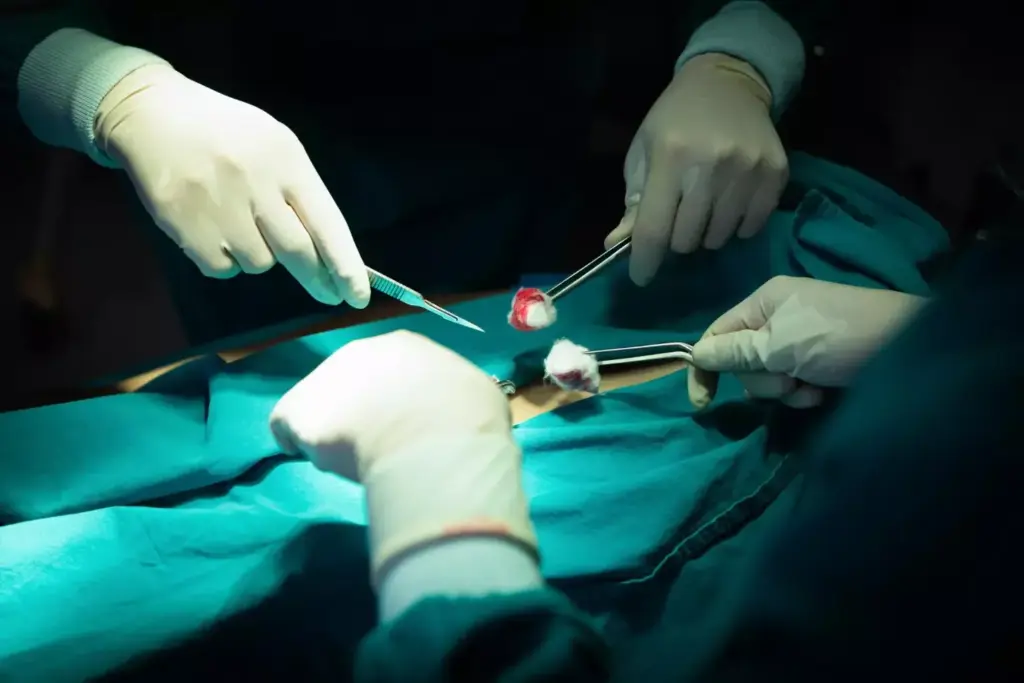
The journey to understanding laparoscopic treatment for fibroids begins with knowing what a myomectomy entails. Laparoscopic myomectomy is a surgical procedure that removes uterine fibroids while preserving the uterus, making it a vital option for women who wish to maintain their fertility.
What is a Myomectomy and Who Needs It
A myomectomy is a surgical procedure designed to remove uterine fibroids. This operation is typically recommended for women who experience symptoms such as heavy menstrual bleeding, pelvic pain, or pressure on surrounding organs due to large fibroids. It’s also considered for women who are seeking to preserve their fertility or maintain their uterus for other personal or medical reasons.
The decision to undergo a myomectomy is usually made after other treatment options have been explored. Factors such as the size, number, and location of fibroids, as well as the patient’s overall health and reproductive plans, are considered when determining if a myomectomy is the best course of action.
Benefits of Minimally Invasive Fibroid Treatment
Minimally invasive fibroid treatment, such as laparoscopic myomectomy, offers several benefits over traditional open surgery. These advantages include smaller incisions, less blood loss, reduced risk of complications, and a shorter recovery period. Patients can often return to their normal activities sooner, with less post-operative pain and scarring.
The laparoscopic approach also allows for a more precise surgery, as the surgeon can see the fibroids and surrounding structures on a video monitor. This can lead to better outcomes and a lower risk of adhesions or other complications.
Types of Laparoscopic Procedures for Fibroids
There are several types of laparoscopic procedures for treating fibroids, each with its own indications and benefits. The most common include:
- Laparoscopic myomectomy: This involves removing fibroids through small abdominal incisions.
- Laparoscopic-assisted myomectomy: A variation that combines laparoscopic and open techniques for larger fibroids.
- Robotic-assisted laparoscopic myomectomy: Utilizes robotic technology to enhance precision and control during the procedure.
Understanding these options and their implications is crucial for making an informed decision about one’s treatment plan.
The Myoma Removal Procedure: What to Expect
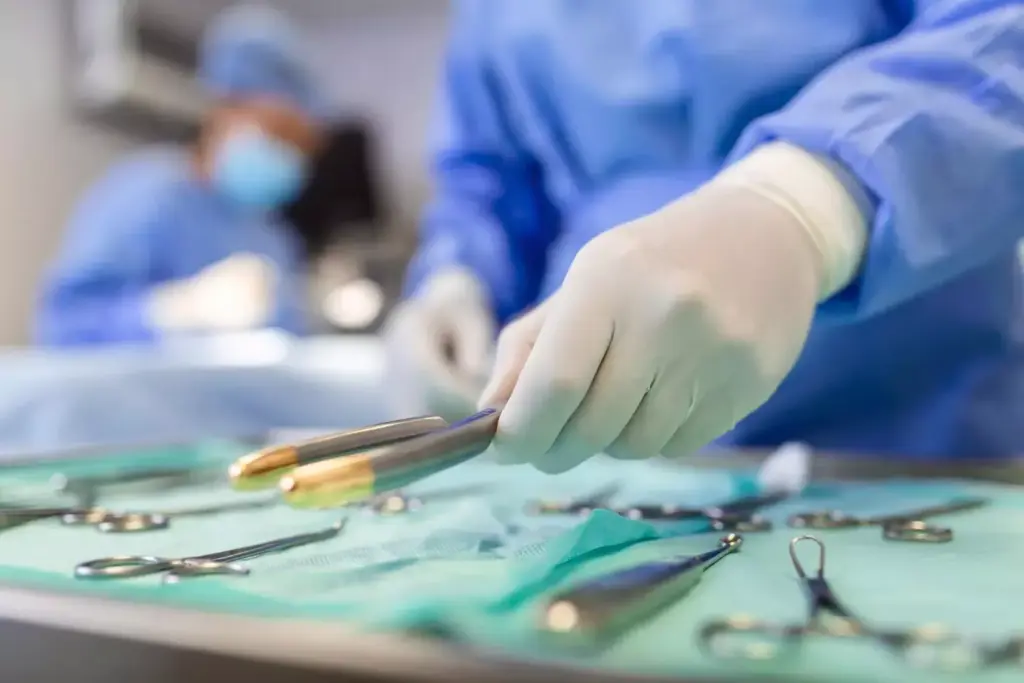
When preparing for a myomectomy, understanding the procedure’s details can help manage expectations and reduce anxiety. A myomectomy, or myoma removal procedure, is a surgical intervention designed to remove fibroids from the uterus while preserving the uterus itself.
How Long Does a Myomectomy Take
The duration of a myomectomy can vary significantly depending on the complexity of the case, the surgeon’s expertise, and whether it’s performed laparoscopically or through an open surgery. Generally, a laparoscopic myomectomy can take anywhere from 1 to 3 hours.
Factors influencing the duration include:
- The size and number of fibroids being removed
- The surgical approach (laparoscopic, robotic, or open)
- The patient’s overall health and anatomy
| Surgical Approach | Typical Duration | Recovery Time |
|---|---|---|
| Laparoscopic Myomectomy | 1-3 hours | 1-2 weeks |
| Robotic Myomectomy | 1-3 hours | 1-2 weeks |
| Open Myomectomy | 2-4 hours | 4-6 weeks |
Incision for Myomectomy: Size and Placement
The myoma removal procedure typically involves tiny incisions when performed laparoscopically. The size and placement of these incisions are crucial for minimizing scarring and ensuring a smooth recovery.
Key aspects of incision placement include:
- Incisions are usually made in the abdominal wall
- The number of incisions can vary, typically between 3 to 4
- Incision size is generally small, around 0.5 to 1 cm
Immediate Post-Operative Experience
Immediately after the surgery, patients are taken to a recovery room where they are monitored for any immediate complications. The post-operative experience can vary, but most patients report some discomfort, which is managed with pain medication.
Common immediate post-operative experiences include:
- Mild to moderate pain or discomfort
- Bloating or cramping
- Nausea or dizziness due to anesthesia
Preparing for Your Laparoscopic Myomectomy Surgery
A successful laparoscopic myomectomy begins long before the actual surgery, with thorough preparation being key. As you prepare for your procedure, understanding the necessary steps can significantly impact your recovery and overall experience.
Pre-Surgery Consultations and Tests
Before undergoing a laparoscopic myomectomy, several pre-surgery consultations and tests are required to ensure you’re a suitable candidate for the procedure. These typically include a thorough medical history review, physical examination, and potentially some imaging tests like an ultrasound or MRI. It’s crucial to follow your doctor’s instructions regarding any medication adjustments or preparations needed before the surgery.
During these consultations, your healthcare provider will also discuss the risks and benefits associated with the surgery, as well as what to expect during the recovery period. This is an excellent opportunity to ask questions and address any concerns you may have.
Setting Up Your Home for Recovery
Preparing your home for recovery is an essential step in the pre-surgery process. You’ll want to create a comfortable and safe environment that minimizes the need for exertion during your initial recovery phase. Consider arranging for someone to stay with you for at least the first few days post-surgery to assist with daily tasks and provide support.
Stock up on essentials like comfortable clothing, heating pads (if recommended by your doctor), and easy-to-prepare meals. Ensuring that your home is tidy and clutter-free can also help prevent accidents and make it easier to move around.
What to Bring to the Hospital
When packing for your hospital stay, it’s essential to include a few critical items to ensure your comfort and safety. These typically include:
- Comfortable clothing to wear home
- Toiletries and personal hygiene items
- Any prescribed medications and their documentation
- A list of emergency contact numbers
- A phone charger and any other necessary electronic devices
Check with your hospital for any specific items they recommend bringing or avoiding. Being prepared will help reduce stress on the day of your surgery.
Week 1 Recovery: The Critical Phase
The initial week following a laparoscopic myomectomy is critical for managing pain and beginning the recovery journey. During this period, it’s essential to balance rest with gradual mobility to avoid complications and promote healing.
First 48 Hours: Managing Pain and Rest
The first 48 hours are crucial for managing pain and getting adequate rest. We recommend following a pain management plan as directed by your healthcare provider. This may include medication and other strategies to minimize discomfort. Resting adequately is vital, as it allows your body to begin the healing process.
Key tips for the first 48 hours:
- Follow your pain management plan as prescribed
- Rest as much as possible
- Stay hydrated
- Avoid heavy lifting or strenuous activities
Days 3-5: Initial Mobility Guidelines
As you enter days 3-5, gradual mobility becomes increasingly important. Gentle movements can help prevent blood clots and promote circulation. We advise starting with short walks and gradually increasing the distance as your body allows.
Initial mobility guidelines include:
- Short walks around the house
- Gentle stretching as recommended by your healthcare provider
- Avoiding heavy lifting or bending
Days 6-7: Warning Signs to Watch For
By days 6-7, you should be noticing improvements in your condition. However, it’s crucial to be aware of warning signs that may indicate complications. These can include severe pain, heavy bleeding, or signs of infection such as fever or redness around the incision site.
“Monitoring your body’s response to surgery and recognizing potential complications early can significantly impact your recovery outcome.”
Warning signs to watch for:
- Severe or increasing pain
- Heavy or unusual bleeding
- Fever or chills
- Redness, swelling, or discharge around the incision site
By being aware of these signs and taking proactive steps, you can ensure a smoother recovery process.
Week 2 Recovery: Gradual Improvement
By the second week, most patients have passed the initial critical phase of recovery and are ready to gradually increase their activity levels. This period is crucial for continuing the healing process while slowly returning to normal daily routines.
Increasing Activity Levels Safely
During the second week, it’s essential to continue listening to your body and not overexert yourself. Gradually increase your physical activity with short walks and light stretching exercises. We recommend starting with activities that don’t strain your abdominal muscles, such as walking or yoga.
To safely increase your activity levels:
- Start with short sessions (10-15 minutes) and gradually increase the duration.
- Avoid heavy lifting, bending, or strenuous activities.
- Pay attention to your body’s signals; if you experience pain or discomfort, stop and rest.
Incision Care and Healing Progress
Proper incision care after myomectomy is vital for preventing infection and promoting healing. Keep the incision site clean and dry, and follow your doctor’s instructions for dressing changes.
Signs of proper healing include:
- Reduced redness and swelling around the incision site.
- Minimal drainage or discharge.
- The incision site may be slightly tender, but this should decrease over time.
Dietary Recommendations for Optimal Healing
A well-balanced diet rich in nutrients is crucial for optimal healing after myomectomy. Focus on consuming plenty of fruits, vegetables, lean proteins, and whole grains.
| Nutrient | Food Sources | Benefits |
|---|---|---|
| Protein | Lean meats, fish, eggs, beans | Tissue repair and regeneration |
| Vitamin C | Citrus fruits, berries, leafy greens | Collagen synthesis and immune function |
| Iron | Red meat, spinach, fortified cereals | Red blood cell production and oxygen delivery |
Week 3 Recovery: Returning to Routine
The third week of recovery marks a crucial phase where patients can start to reintegrate into their daily routines with more confidence. At this stage, most patients have overcome the initial hurdles of recovery and are on the path to regaining their strength and normalcy.
Safe Activities to Resume
By the third week, patients can typically start resuming some of their normal activities, albeit with caution. Light housekeeping and short walks are usually safe and can help in regaining strength. It’s essential to listen to your body and not push yourself too hard.
We recommend starting with gentle stretching exercises to improve flexibility and reduce stiffness. However, it’s crucial to avoid any heavy lifting, bending, or strenuous activities that could strain the abdominal muscles.
Activities to Continue Avoiding
Despite the progress made by the third week, there are still certain activities that patients should avoid to ensure proper healing. Heavy lifting, intense exercise, and bending are activities that can put undue stress on the body and should be avoided.
- Avoid heavy housekeeping or gardening
- Refrain from high-impact exercises or sports
- Be cautious with bending or twisting movements
Emotional Well-being During Recovery
Emotional well-being is just as important as physical recovery during this period. Patients may experience a range of emotions, from relief to frustration, as they navigate the recovery process. It’s essential to prioritize self-care and seek support when needed.
Engaging in relaxation techniques such as meditation or deep breathing can help manage stress and promote emotional healing. We also encourage patients to stay connected with friends and family, as social support can play a significant role in emotional well-being.
Week 4 Recovery: Typical Myomectomy Healing Time
As we reach the fourth week post-myomectomy, the healing process is usually well underway. At this stage, most patients have made significant progress in their recovery. The body has started to heal, and many are eager to return to their normal activities.
Physical Milestones at Four Weeks
By four weeks, patients typically experience several physical milestones. These include:
- Reduced pain and discomfort
- Improved mobility and reduced stiffness
- Gradual return of energy levels
It’s essential to note that while many patients are recovering well, some may still experience minor symptoms. These can include occasional discomfort or mild pain, which should be discussed with a healthcare provider.
Returning to Work Considerations
Returning to work after a myomectomy is a significant consideration. The decision to return to work depends on several factors, including:
- The type of job and its physical demands
- The individual’s overall health and recovery progress
- Any specific instructions from the healthcare provider
Generally, most patients can return to work within 4-6 weeks. However, this timeframe may vary. It’s crucial to follow the healthcare provider’s advice to ensure a safe return.
Exercise Guidelines and Limitations
Exercise is an essential part of the recovery process, but it’s crucial to follow guidelines to avoid complications. At four weeks, patients can typically start with:
- Gentle stretching exercises
- Low-impact aerobic activities, such as walking
However, it’s essential to avoid heavy lifting, bending, or high-impact activities. Patients should consult their healthcare provider before starting any new exercise regimen.
By understanding these guidelines and milestones, patients can better navigate their recovery journey and make informed decisions about their health.
Weeks 5-6: Complete Fibroidectomy Recovery Time
As patients enter weeks 5-6 after their laparoscopic myomectomy, they often experience significant progress in their recovery journey. This period is crucial as it involves the final stages of healing and the resumption of normal activities.
Final Healing Processes
During weeks 5-6, the body continues to heal internally. The uterus, in particular, takes time to recover fully from the myomectomy. We recommend that patients continue to monitor their health and report any unusual symptoms to their healthcare provider.
How Long Does It Take Uterus to Heal After Myomectomy
The time it takes for the uterus to heal after a myomectomy can vary among individuals. Generally, significant healing occurs within 5-6 weeks, but complete recovery may take longer. Factors such as the size and number of fibroids removed can influence the healing time.
Resuming All Normal Activities
By weeks 5-6, most patients can resume their normal activities, including exercise and heavy lifting, provided they have followed their doctor’s instructions and haven’t experienced any complications. It’s essential to listen to your body and not rush back into strenuous activities too quickly.
| Recovery Milestone | Typical Timeframe |
|---|---|
| Significant Internal Healing | 5-6 weeks |
| Resuming Normal Activities | 5-6 weeks |
| Complete Uterine Healing | 2-3 months |
In conclusion, weeks 5-6 are pivotal in the recovery journey after a laparoscopic myomectomy. Patients can expect significant healing and can typically resume most of their normal activities. However, it’s crucial to continue following the healthcare provider’s guidance to ensure a complete and healthy recovery.
Hysteroscopic Myomectomy Recovery Week by Week
Hysteroscopic myomectomy recovery is characterized by a relatively quick return to normal activities, usually within a few days to a week. This procedure, being less invasive, typically results in less post-operative pain and a shorter hospital stay compared to more invasive surgical methods.
Days 1-3: Initial Recovery Process
During the initial days following a hysteroscopic myomectomy, patients are advised to rest and avoid strenuous activities. Some may experience mild cramping, spotting, or discharge, which usually resolve on their own within a few days.
We recommend that patients follow a gentle recovery regimen, including:
- Avoiding heavy lifting
- Taking regular, gentle walks
- Maintaining a balanced diet
Days 4-7: Returning to Normal Activities
As patients progress into the second half of their first week, they can gradually resume more normal activities. However, it’s crucial to listen to the body and not push beyond what feels comfortable.
Most women can return to work within a week, depending on the nature of their job and how they’re feeling. We advise patients to discuss their specific situation with their healthcare provider.
Recovery Time for Hysteroscopic Myomectomy vs. Laparoscopic
The recovery time for hysteroscopic myomectomy is generally shorter than that for laparoscopic myomectomy. To illustrate this, let’s compare the two procedures:
| Procedure | Typical Recovery Time | Post-Operative Pain Level |
|---|---|---|
| Hysteroscopic Myomectomy | 3-7 days | Mild to Moderate |
| Laparoscopic Myomectomy | 1-4 weeks | Moderate to Severe |
As shown in the table, hysteroscopic myomectomy offers a quicker recovery and less post-operative pain compared to laparoscopic myomectomy. However, the choice between the two procedures depends on various factors, including the size, location, and number of fibroids, as well as the patient’s overall health.
We understand that each patient’s situation is unique, and we’re committed to providing personalized care and guidance throughout the recovery process.
Comparing Fibroid Surgery Recovery Time: Laparoscopic vs. Open Procedures
Fibroid surgery recovery times can vary significantly depending on whether a laparoscopic or open procedure is performed. In this section, we compare the recovery times for laparoscopic and open fibroid surgeries, focusing on hospital stay differences, pain management, and return to activities timelines.
Hospital Stay Differences
Laparoscopic procedures generally result in shorter hospital stays compared to open surgeries. Typically, patients undergoing laparoscopic fibroid surgery may stay in the hospital for less than a day or overnight, whereas those having open surgery often require a longer hospital stay, usually ranging from 2 to 4 days.
Pain Management Comparison
Pain management is another critical aspect where laparoscopic and open procedures differ. Laparoscopic surgeries tend to result in less post-operative pain due to smaller incisions, which leads to quicker recovery and less need for pain medication. In contrast, open surgeries, with their larger incisions, often require more intensive pain management strategies.
“Laparoscopic surgery is associated with reduced postoperative pain and faster recovery compared to open surgery.”
Return to Activities Timeline
The timeline for returning to normal activities also varies significantly between the two types of surgeries. Patients who undergo laparoscopic fibroid surgery typically resume their normal activities within 2 to 4 weeks, while those who have open surgery may take 6 to 8 weeks or more to fully recover.
- Laparoscopic surgery: 2-4 weeks recovery time
- Open surgery: 6-8 weeks recovery time
In conclusion, while both laparoscopic and open fibroid surgeries have their place in treatment, understanding their recovery profiles can help patients and healthcare providers make more informed decisions.
Optimizing Your Recovery After Laparoscopy Myomectomy
A well-planned recovery strategy can significantly enhance the healing process after a laparoscopy myomectomy. As we discussed in previous sections, the recovery period is crucial for returning to your normal activities. In this section, we will delve into the key factors that contribute to an optimal recovery.
Nutrition for Faster Healing
Proper nutrition plays a vital role in the healing process after a laparoscopy myomectomy. A balanced diet rich in essential nutrients can help your body recover more efficiently. Focus on consuming plenty of fruits, vegetables, whole grains, and lean proteins. These foods provide the necessary building blocks for tissue repair and overall health.
As noted by a healthcare professional, “Adequate nutrition is essential for wound healing, immune function, and overall recovery.”
“A well-nourished body is better equipped to handle the stresses of surgery and recover more quickly.”
Ensuring you get enough vitamins and minerals, particularly vitamin C, zinc, and iron, is crucial for optimal healing.
Physical Therapy and Exercise Options
In addition to proper nutrition, appropriate physical therapy and exercise can significantly enhance your recovery. Gentle exercises, such as walking or stretching, can help improve circulation, reduce stiffness, and promote overall well-being. It’s essential to start with low-intensity activities and gradually increase the intensity as your body allows.
Physical therapy can also play a crucial role in your recovery. A physical therapist can provide personalized exercises and guidance to help you regain strength and mobility. As part of your recovery plan, consider incorporating activities that promote flexibility and strength, such as yoga or Pilates, once your healthcare provider gives the green light.
By combining proper nutrition with appropriate physical therapy and exercise, you can optimize your recovery after a laparoscopy myomectomy and return to your normal activities more quickly and safely.
Conclusion: Long-term Outcomes and Fertility After Fibroid Treatment
Understanding the long-term outcomes and fertility implications after fibroid treatment is crucial for patients considering myomectomy. Studies have shown that myomectomy can improve fertility outcomes in women with fibroids, making it a viable option for those looking to conceive in the future.
Long-term outcomes after myomectomy are generally positive, with many patients experiencing significant relief from symptoms such as heavy bleeding and pelvic pressure. The impact of myomectomy on fertility is also noteworthy, as the procedure can help restore the normal anatomy of the uterus, potentially improving fertility after fibroid treatment.
We recognize that myomectomy and fertility are closely linked, and our medical team is dedicated to providing personalized care to support patients throughout their treatment journey. By understanding the benefits and implications of myomectomy, patients can make informed decisions about their reproductive health and future fertility plans.
What is a myomectomy, and why is it performed?
A myomectomy is a surgical procedure to remove uterine fibroids while preserving the uterus, especially important for women wishing to retain fertility. It is performed to alleviate symptoms such as heavy menstrual bleeding, pelvic pain, and pressure on surrounding organs.
How long does a laparoscopic myomectomy take?
The duration of a laparoscopic myomectomy can vary, but it typically takes between 1 to 3 hours, depending on the complexity of the procedure and the number of fibroids being removed.
What is the recovery time for a laparoscopic myomectomy?
The recovery time for a laparoscopic myomectomy is generally shorter compared to open surgery, with most women returning to their normal activities within 4 to 6 weeks.
How does hysteroscopic myomectomy recovery compare to laparoscopic myomectomy?
Hysteroscopic myomectomy recovery is typically faster, with many women returning to normal activities within 1 to 2 weeks, as it is a less invasive procedure.
What are the benefits of minimally invasive fibroid treatment?
Minimally invasive fibroid treatment, such as laparoscopic myomectomy, offers several benefits, including smaller incisions, less pain, shorter hospital stays, and quicker recovery times.
How long does it take for the uterus to heal after a myomectomy?
The uterus typically takes around 6 to 8 weeks to heal after a myomectomy, but this can vary depending on individual factors and the complexity of the procedure.
What are the guidelines for returning to work after a myomectomy?
The guidelines for returning to work after a myomectomy vary depending on the type of job and the individual’s recovery progress, but most women can return to work within 4 to 6 weeks.
What role does nutrition play in recovery after laparoscopy myomectomy?
Nutrition plays a crucial role in recovery after laparoscopy myomectomy, as a balanced diet rich in essential nutrients can help promote healing, reduce inflammation, and support overall health.
Can physical therapy aid in recovery after laparoscopic myomectomy?
Yes, physical therapy can aid in recovery after laparoscopic myomectomy by helping to improve mobility, reduce pain, and promote overall physical well-being.
What are the long-term outcomes and fertility implications after fibroid treatment?
The long-term outcomes and fertility implications after fibroid treatment are generally positive, with many women experiencing improved symptoms and successful pregnancies after myomectomy.


