
Persistent stomach ache can really disrupt your life. These range from simple problems to serious health issues.
There are over 150 reasons for abdominal pain. Getting the right care is key to feeling better.
Key Takeaways
- Abdominal discomfort can result from numerous causes, requiring comprehensive care.
- Liv Hospital is committed to delivering world-class healthcare with advanced treatments.
- A multidisciplinary approach is used to diagnose and treat the underlying causes of discomfort.
- Understanding the causes of persistent abdominal pain is crucial for making informed health decisions.
- Liv Hospital utilizes cutting-edge medical technology for effective diagnosis and treatment.
The Complex Nature of Abdominal Pain
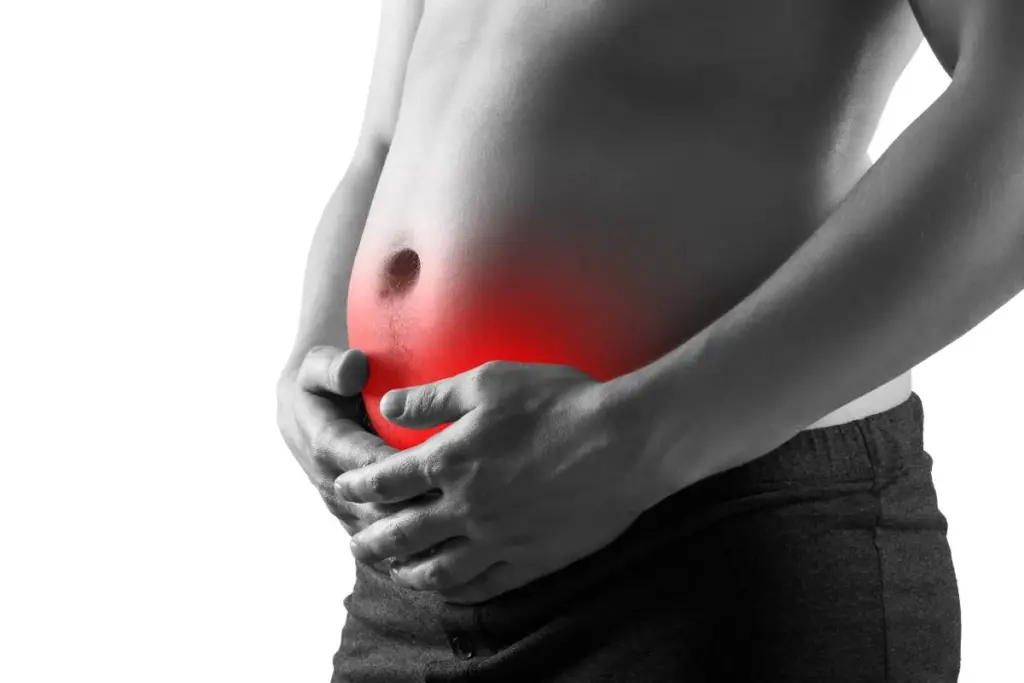
Understanding abdominal pain is key. It can be acute or chronic and linked to many conditions. It’s not just discomfort; it’s a complex issue needing a detailed approach for diagnosis and treatment.
Defining Abdominal Pain and Its Characteristics
Abdominal pain is discomfort in the belly area. It can vary in location, intensity, and how long it lasts. The type of pain, like sharp or dull, can hint at its cause. It might be in one spot or spread out.
Acute vs. Chronic Abdominal Pain
Abdominal pain is divided into acute and chronic types. Acute pain comes on quickly and might be from issues like appendicitis. Chronic pain lasts longer and could be from IBS or IBD. Knowing if pain is acute or chronic helps in choosing the right treatment.
The Meaning of Persistent Abdominal Pain
Persistent pain lasts longer than expected. It means looking for chronic causes. IBS, IBD, and chronic gastritis are common reasons. A detailed check is needed to find the cause and manage it well.
Common causes of abdominal pain include gastroenteritis and non-specific pain. Also, cholelithiasis, urolithiasis, diverticulitis, and appendicitis are common. Knowing the type and cause of pain helps doctors give better care. This can help ease symptoms and improve health outcomes.
Alarming Statistics About Abdominal Pain

Abdominal pain is a big health issue worldwide. It affects many people and puts a strain on healthcare systems. We need better ways to manage it.
10% of Global Emergency Department Visits
About 10% of emergency visits are for abdominal pain. This shows how serious and common it is.
Over 150 Distinct Causes
There are over 150 reasons for abdominal pain. This makes it hard to diagnose and treat. We need a detailed plan to handle it.
61.5% of Sufferers Seek Medical Advice
61.5% of people with abdominal pain go to see doctors. This shows how important it is to find and treat it well.
Let’s look at some key statistics about abdominal pain:
|
Statistic |
Percentage/Number |
Description |
|---|---|---|
|
Global Emergency Department Visits |
10% |
Proportion of emergency visits attributed to abdominal pain |
|
Distinct Causes of Abdominal Pain |
Over 150 |
Number of identified causes complicating diagnosis |
|
Individuals Seeking Medical Advice |
61.5% |
Percentage of sufferers who consult medical professionals |
We need a wide range of solutions for abdominal pain. This includes prevention, diagnosis, treatment, and management. Understanding abdominal pain helps healthcare providers help more people.
Common Causes of Abdominal Pain
Many studies have found common reasons for abdominal pain. This pain can come from infections or structural problems in the abdomen.
Gastroenteritis (10.8% of Cases)
Gastroenteritis is an inflammation of the stomach and intestines. It’s often caused by viruses or bacteria. Symptoms include diarrhea, vomiting, and stomach cramps. Drinking lots of water and sometimes antibiotics are key to treating it.
Non-specific Abdominal Pain (10.4% of Cases)
Non-specific abdominal pain is hard to pinpoint. It makes up 10.4% of cases. This type of pain can come from many things. Doctors need to take a detailed history and run tests to find the cause.
Gallstones (Cholelithiasis) and Kidney Stones (Urolithiasis)
Gallstones and kidney stones cause sudden, sharp pain. Gallstones form in the gallbladder and can block the bile duct. Kidney stones are hard deposits in the kidneys that can block the urinary tract. The treatment depends on the size and location of the stones.
Diverticulitis and Appendicitis
Diverticulitis and appendicitis are serious and need quick medical help. Diverticulitis causes pain in the lower left abdomen. Appendicitis starts near the navel and moves to the lower right. Quick diagnosis and treatment, like antibiotics or surgery, are vital to avoid serious problems.
The Role of Digestive System Disorders in Persistent Abdominal Pain
Chronic abdominal pain often comes from digestive system disorders. These issues can really affect your quality of life. Knowing what causes this pain is key to managing it well.
Irritable Bowel Syndrome
Irritable Bowel Syndrome (IBS) affects the large intestine. It leads to symptoms like pain, cramps, bloating, gas, diarrhea, and constipation. The exact cause is not known, but stress, gut bacteria changes, and nervous system issues might play a role.
Symptoms of IBS can differ from person to person. But common signs include:
- Abdominal pain or cramping
- Bloating and gas
- Diarrhea or constipation
- Mucus in the stool
Inflammatory Bowel Disease
Inflammatory Bowel Disease (IBD) includes conditions like ulcerative colitis and Crohn’s disease. These diseases cause long-term inflammation in the gut. This can lead to pain, diarrhea, fatigue, weight loss, and less appetite.
|
Condition |
Primary Symptoms |
Affected Areas |
|---|---|---|
|
Ulcerative Colitis |
Diarrhea, blood in stool, abdominal pain |
Colon |
|
Crohn’s Disease |
Diarrhea, abdominal pain, weight loss, fatigue |
Any part of the GI tract |
Peptic Ulcers
Peptic ulcers are sores on the stomach, upper small intestine, or esophagus. They cause a lot of pain, feeling like burning or gnawing. The main causes are Helicobacter pylori infection and long-term NSAID use.
It’s important to understand these digestive disorders to treat persistent abdominal pain. By finding the cause, doctors can create a plan to help symptoms and improve health.
When Your Abdominal Pain Requires Immediate Medical Attention
Recognizing when stomach pain requires immediate medical attention is important. Some stomach pain goes away by itself. But, other times, it’s a sign of a serious problem that needs fast attention.
Red Flag Symptoms
Some symptoms with stomach pain are warning signs. They mean you should see a doctor right away. These include:
- Severe pain that gets worse over time
- Vomiting blood or black tarry stools
- Fever above 101.5°F (38.6°C)
- Abdominal tenderness or guarding (muscle tension)
- Signs of dehydration, such as excessive thirst, dark urine, or dizziness
Spotting these warning signs early can help avoid serious problems.
Potentially Life-Threatening Conditions
Some stomach pain can be very dangerous if not treated quickly. These include:
|
Condition |
Description |
|---|---|
|
Appendicitis |
Inflammation of the appendix that can rupture if not treated |
|
Pancreatitis |
Inflammation of the pancreas that can cause severe pain and complications |
|
Ectopic Pregnancy |
A pregnancy that develops outside the uterus, which is a medical emergency |
“Prompt diagnosis and treatment are critical in managing these conditions effectively.”
When to Go to the Emergency Room
If you have any warning signs or think you might have a serious condition, go to the emergency room right away.
Choosing when to go to the emergency room can be tough. But, it’s safer to be cautious with your health. If you’re unsure, call your doctor or go to the emergency room.
Location Matters: Decoding Pain Based on Abdominal Region
We can figure out the cause of abdominal pain by looking at where it is. The spot where the pain is can tell us a lot. Different parts of the abdomen point to different possible causes.
Upper Abdominal Pain
Pain in the upper abdomen, or upper abdominal pain, might be from the stomach or pancreas. It could be from gastritis, peptic ulcers, or pancreatitis. If you have ongoing pain here, you should see a doctor to check for serious issues.
Lower Left Abdominal Pain
Lower left abdominal pain might be from diverticulitis, irritable bowel syndrome (IBS), or left kidney problems. The pain could feel sharp, dull, or crampy. Knowing how the pain feels and what else you’re experiencing is key to figuring out what’s wrong.
Right Side Abdominal Pain
Pain on the right side of the abdomen could mean appendicitis, if it starts near the belly button and then goes to the lower right. Other reasons include gallstones, kidney stones, or inflammatory bowel disease. If the pain is bad or you have other scary symptoms, get medical help right away.
Generalized Belly Discomfort
Generalized belly discomfort or pain all over can be from many things, like infections, inflammatory diseases, or irritable bowel syndrome. This kind of pain is hard to diagnose and needs a full medical check-up.
Knowing where and how your abdominal pain feels is the first step to finding out what’s wrong and how to fix it. If you have ongoing or severe pain, seeing a doctor is very important.
Why Does My Stomach Hurt After I Eat?
Stomach pain after eating is common and can have many causes. Knowing what might be causing it is key to feeling better. It helps in finding the right treatment.
Food Intolerances and Allergies
Food intolerance or allergy is a big reason for stomach pain after eating. Issues like lactose intolerance or gluten sensitivity can cause a lot of discomfort. When the body can’t digest certain foods right, it can lead to bloating, cramps, and pain.
Staying away from foods that trigger pain is important. Keeping a food diary can help figure out which foods are the culprits.
Gastritis and Acid Reflux
Gastritis and acid reflux are also common causes of stomach pain after eating. These can be triggered by eating spicy or fatty foods, or by other health issues.
Symptoms include a burning feeling in the chest or upper abdomen. In severe cases, it can lead to more serious problems like esophagitis or stomach ulcers. Treatment often involves changing your lifestyle and taking medication to reduce stomach acid.
Gallbladder Issues
The gallbladder is important for digestion, and problems with it can cause pain after eating, mainly after fatty foods. Gallstones or cholecystitis (inflammation of the gallbladder) can cause severe pain.
In some cases, removing the gallbladder might be needed to ease symptoms. We help patients find the best treatment for their specific situation.
Pancreatic Problems
Pancreatic issues, like pancreatitis, can also cause stomach pain after eating. The pancreas is key for digestion and metabolism. Inflammation or damage can cause severe pain, often in the back.
Treatment for pancreatic problems depends on the cause. It might include medication, lifestyle changes, or surgery. Early diagnosis is important to manage symptoms and prevent complications.
Patterns and Characteristics of Abdominal Pain
Abdominal pain can tell us a lot about what’s going on inside. It can feel sharp, dull, crampy, or spasmodic. Knowing these patterns helps doctors figure out what’s wrong and how to fix it.
Sharp Stomach Pain vs. Dull Aches
Sharp pains are often signs of serious issues like appendicitis or gallstones. Dull aches, on the other hand, might mean you have a long-term problem like irritable bowel syndrome or gastritis. Knowing the difference can help you understand how urgent the situation is.
Cramping and Spasmodic Pain
Cramping and spasmodic pain usually come from the intestines. It’s common in menstrual cramps or irritable bowel syndrome. Knowing why you’re cramping can help you find relief.
Bloating and Associated Discomfort
Bloating often goes hand in hand with abdominal pain. It can be caused by hard-to-digest foods or conditions like celiac disease or small intestine bacterial overgrowth (SIBO). For tips on dealing with bloating, check out.
Severe Abdominal Pain: What It Means
Severe pain in your belly is a red flag for serious health issues. It could be appendicitis, pancreatitis, or a ruptured spleen. If you have sudden, severe pain, get medical help right away.
Diagnostic Approaches for Persistent Abdominal Pain
Diagnosing persistent abdominal pain needs a mix of methods. We use different techniques to find the cause. This is key for treating the pain effectively.
Physical Examination Techniques
A detailed physical examination starts the diagnosis. We check for tenderness, masses, or unusual sounds. This helps us decide what tests to do next.
Laboratory Tests and Biomarkers
Laboratory tests help find infections or inflammation. We do blood counts, blood chemistry tests, and urinalysis. Biomarkers like C-reactive protein show inflammation.
Imaging Studies (Ultrasound, CT, MRI)
Imaging studies show what’s inside. We use ultrasound for organs, CT scans for detailed views, and MRI for soft tissues. These help us find the pain’s source.
Endoscopic Procedures
Endoscopic procedures let us see the GI tract directly. We do upper endoscopy and colonoscopy to find issues. This helps us spot problems like ulcers or inflammation.
For more on abdominal pain causes, check. It talks about many reasons for abdominal pain.
Treatment Options for Different Types of Abdominal Pain
Managing abdominal pain needs a plan that fits the cause. We know pain can come from many sources. Each one needs a special treatment.
Medication-Based Approaches
For many, medicine is the first step. We use different drugs based on what’s wrong. For acid reflux, we might give antacids. For IBS, anti-inflammatory drugs are often used.
Dietary Modifications and Nutritional Therapy
What you eat is key in fighting pain. We suggest diet changes based on your health. For IBS, a low-FODMAP diet helps. For gallbladder issues, avoiding fatty foods is good.
Surgical Interventions
Surgery is needed sometimes. We consider it for appendicitis, gallstones, or blockages. We talk it over with you before deciding.
Alternative and Complementary Therapies
Some find relief in other ways. We see value in acupuncture, herbal remedies, and stress management. They can help along with regular treatments.
Here’s a quick look at treatments for different pain causes:
|
Cause of Abdominal Pain |
Treatment Options |
|---|---|
|
Irritable Bowel Syndrome (IBS) |
Dietary modifications, medication (e.g., antispasmodics), stress management |
|
Gallstones |
Surgery (cholecystectomy), pain management medication |
|
Acid Reflux |
Antacids, acid reducers, lifestyle changes |
|
Appendicitis |
Surgical removal of the appendix (appendectomy) |
We stress the need for a treatment plan that’s just right for you. Working with your healthcare team can help you feel better. It can also make your life better.
Lifestyle Changes to Manage Chronic Abdominal Cramps
Making lifestyle changes can help with chronic abdominal cramps. By changing daily habits, people can manage their condition better. This improves their quality of life.
Stress Management Techniques
Stress makes abdominal cramps worse. Using meditation, deep breathing exercises, and yoga can lower stress. Doing these regularly can reduce cramp frequency and severity.
Exercise and Physical Activity Benefits
Regular physical activity boosts digestion and eases cramp symptoms. Walking, swimming, or cycling are good choices. Exercise also cuts down stress and boosts well-being.
Sleep Hygiene Improvements
Good sleep hygiene is key for health. Keeping a regular sleep schedule and a calm sleep space helps. Avoiding caffeine before bed also improves sleep and eases cramps.
Hydration and Dietary Habits
Hydration is vital for digestion. Drinking enough water prevents constipation and reduces cramp risk. Healthy dietary habits, like eating small meals and avoiding triggers, also help manage symptoms.
By making these lifestyle changes, people can actively manage chronic abdominal cramps. This improves their health overall.
Liv Hospital’s Multidisciplinary Approach to Abdominal Pain
Our team of experts works together to give patients the best care.
Our approach is based on several key points:
- Internationally competitive medical outcomes
- Up-to-date academic protocols
- Comprehensive diagnostic capabilities
- Ethical and innovative healthcare solutions
Internationally Competitive Medical Outcomes
Our team keeps up with the latest in medical science. This ensures our patients get the top care.
Up-to-Date Academic Protocols
We follow up-to-date academic protocols for diagnosis and treatment. This keeps our methods current and effective. It helps us offer the best treatment plans to our patients.
Comprehensive Diagnostic Capabilities
Liv Hospital has comprehensive diagnostic capabilities. We use advanced imaging and lab tests. This helps us find the cause of abdominal pain and create targeted treatments.
Ethical and Innovative Healthcare Solutions
We focus on ethical and innovative healthcare solutions. We make sure our patients get care that’s effective and respectful of their needs.
By combining these elements, we offer personalized and effective treatments. This ensures the best outcomes for our patients.
Conclusion: Taking Control of Your Abdominal Health
Knowing what causes and how to treat abdominal pain is key to better health. It’s about using medicine and changing your lifestyle. Working with doctors helps find the root of the problem and creates a plan just for you.
At Liv Hospital, we’re here to help you on your path to better health. Our team works together to give you the best care.
Being proactive is important for your health. If you have ongoing or bad pain, see a doctor. With the right help, you can get your health back on track and feel great.
FAQ
What are the common causes of abdominal pain?
Abdominal pain can come from many sources. This includes infections like gastroenteritis. It can also be caused by structural issues like gallstones or kidney stones. Other causes include irritable bowel syndrome or inflammatory bowel disease.
How is the cause of abdominal pain diagnosed?
Doctors use several methods to find the cause of abdominal pain. They perform physical exams and run lab tests. They also use imaging studies and endoscopic procedures to identify the problem.
What are the symptoms that require immediate medical attention for abdominal pain?
Certain symptoms need urgent medical care. These include severe pain, vomiting blood, or fever. These signs can point to serious conditions.
How does the location of abdominal pain relate to its cause?
Where the pain is can help figure out the cause. Upper pain might be from the stomach or pancreas. Lower left pain could be from diverticulitis or IBS. Right side pain might mean appendicitis.
Why does my stomach hurt after eating?
Stomach pain after eating can have many reasons. It could be from food intolerances or allergies. It might also be due to gastritis, acid reflux, gallbladder issues, or pancreatic problems.
What are the treatment options for abdominal pain?
Treatment for abdominal pain depends on the cause. It might include medicine, changing your diet, surgery, or alternative therapies.
How can I manage chronic abdominal cramps?
To manage chronic cramps, try lifestyle changes. This includes managing stress, exercising regularly, getting enough sleep, staying hydrated, and adjusting your diet.
What is the significance of persistent abdominal pain?
Persistent pain is a big concern. It can affect your life in many ways. It needs careful care and treatment to find and fix the cause.
How can I take control of my abdominal health?
To manage your abdominal health, learn about the causes of pain. Work with doctors and make smart lifestyle choices. This can help manage symptoms and improve your life.
What is the approach used by Liv Hospital to diagnose and treat abdominal pain?
Liv Hospital uses a team approach. They follow the latest medical protocols and use advanced diagnostic tools. They offer personalized treatment plans to help patients with abdominal pain.
References
National Center for Biotechnology Information. Evidence-Based Medical Insight. Retrieved from