


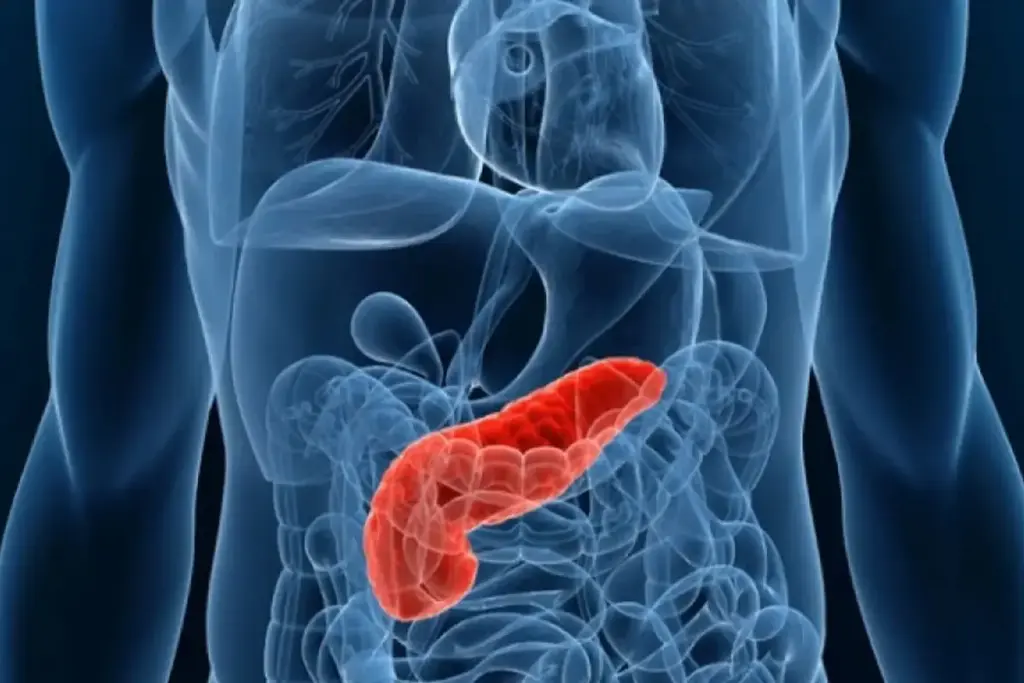
Abdominal pain can vary in intensity, ranging from mild to severe. Knowing when to go to the ER is key to avoid serious issues. Every year, millions visit the ER for abdominal pain. It’s a big reason for emergency visits in the U.S., making up 8.9% of cases.
A 2023 study found adults with stomach pain are more than twice as likely to need ER care. You should go to the ER right away if you have severe abdominal pain, keep vomiting, see blood in your stool or vomit, have a high fever, or feel pain and faint.
We’ll look into how abdominal cramps are important in emergency care. Knowing the warning signs can save lives and help you get the right care fast.
Key Takeaways
- Abdominal pain is a leading cause of ER visits in the U.S.
- Severe or worsening pain requires immediate ER evaluation.
- Persistent vomiting and blood in stool or vomit are serious symptoms.
- High fever accompanying abdominal pain is a warning sign.
- Adults with chronic abdominal pain are more likely to require emergency care.
The Significance of Abdominal Pain in Emergency Medicine

Abdominal pain is a big worry in emergency rooms. It’s important to know what causes it and what it means. This symptom can point to many health issues, from minor to serious. We must treat abdominal pain quickly and well in emergency situations.
Leading Cause of ER Visits in the U.S.
In the U.S., many people go to the emergency room because of abdominal pain. It’s a top reason for urgent medical help. This shows we need quick and right diagnosis and treatment.
Key statistics show how common abdominal pain is in ER visits:
- Abdominal pain is a major complaint in emergency medicine.
- It leads to big healthcare costs and uses a lot of resources.
- Managing abdominal pain well is key to better patient care.
Statistical Overview: 8.9% of Emergency Cases
About 8.9% of emergency cases are due to abdominal pain. This makes it a big issue for healthcare. It shows we need the latest knowledge and tools to handle it well.
Impact on Healthcare Systems
Abdominal pain affects healthcare systems in many ways. It costs a lot for emergency care and can lead to more costs for follow-up and complications. Knowing the causes and effects of abdominal pain is key to good emergency care and saving healthcare resources.
By tackling abdominal pain fully, we can help patients more and use healthcare resources better.
Understanding Different Types of Abdominal Pain

Abdominal pain can be divided into different types based on its duration, location, and characteristics. Each type has its own implications for patient care. It’s important to understand these differences to diagnose and manage abdominal pain well.
Acute vs. Chronic Pain
Abdominal pain is mainly split into acute and chronic types. Acute abdominal pain comes on suddenly and usually doesn’t last long. It often means there’s a serious problem that needs quick medical help. On the other hand, chronic abdominal pain lasts longer and can really affect a person’s life.
A 2023 study found that adults with chronic abdominal pain are more than twice as likely to need emergency care. This shows how important it is to manage chronic pain well.
Localized vs. Generalized Pain
The location of abdominal pain is key to figuring out its cause. Localized pain stays in one area, like the right lower quadrant, which might mean appendicitis. Generalized pain, on the other hand, spreads across the abdomen. It can point to problems with many organs or systems.
Pain Characteristics and What They Indicate
The way pain feels, how intense it is, and when it happens can give clues about what’s causing it. Sharp, stabbing pain might mean a perforated organ. Dull, crampy pain could suggest an intestinal blockage. Knowing these details helps doctors figure out what to do next.
As we learn more about abdominal pain, it’s clear that knowing its different types is key to good care. By understanding the differences between acute and chronic pain, and localized and generalized pain, we can improve how we handle it. This leads to better care and outcomes for patients.
Recognizing Life-Threatening Abdominal Pain
Abdominal pain can sometimes signal a life-threatening condition that requires immediate attention. We need to be aware of the symptoms that differentiate common abdominal issues from those that are potentially fatal.
Red Flag Symptoms Requiring Immediate Attention
Certain symptoms accompanying abdominal pain are considered red flags, indicating a need for urgent medical evaluation. These include:
- Severe or worsening pain: Pain that is extremely severe or rapidly worsening may indicate a serious condition.
- Persistent vomiting: Vomiting that continues over time can lead to dehydration and may signal an obstruction or other serious issue.
- Blood in stool or vomit: The presence of blood can indicate internal bleeding or other serious conditions.
- High fever: A fever above 101°F (38.3°C) accompanying abdominal pain can indicate an infection or inflammatory process.
- Fainting or near-fainting episodes: These can be signs of severe blood loss, dehydration, or other serious conditions.
Pain Accompanied by Other Concerning Symptoms
Abdominal pain is often accompanied by other symptoms that, when considered together, may indicate a life-threatening condition. For instance, pain accompanied by abdominal tenderness, guarding (muscle tension), or rebound tenderness can be very concerning.
High-Risk Features and Warning Signs
Some patients are at higher risk for life-threatening conditions due to their medical history, age, or other factors. For example, pregnant women with abdominal pain may be at risk for conditions like acute fatty liver of pregnancy, a rare but serious condition.
We must be vigilant for these high-risk features and warning signs, ensuring that patients receive timely and appropriate care.
When to Go to the ER Immediately for Abdominal Pain
Knowing when to go to the ER for abdominal pain is key to avoiding serious health issues. Abdominal pain can be mild or severe and can signal many health problems. We will discuss the important signs that mean you should go to the ER right away.
Severe or Rapidly Worsening Pain
Severe or quickly getting worse abdominal pain is a warning sign that you need to go to the ER fast. This kind of pain might mean serious issues like appendicitis, pancreatitis, or a perforated ulcer. If you have sudden, severe pain, get medical help right away.
Persistent Vomiting or Inability to Keep Fluids Down
Going on and on without being able to keep fluids down can cause dehydration and imbalances in electrolytes. If you’re feeling this way along with stomach pain, you should go to the ER for a check-up and treatment.
Blood in Stool or Vomit
Seeing blood in your stool or vomit is a serious sign that needs quick medical attention. It could mean you’re bleeding inside or have another serious problem with your gut. We suggest going to the ER right away if you see this.
High Fever (Above 101°F) with Abdominal Pain
A high fever with stomach pain might mean you have an infection or inflammation that needs quick care. If your fever is over 101°F and you have stomach pain, it’s best to go to the ER.
|
Symptom |
Possible Indication |
Recommended Action |
|---|---|---|
|
Severe or rapidly worsening pain |
Appendicitis, pancreatitis, perforated ulcer |
Immediate ER visit |
|
Persistent vomiting or inability to keep fluids down |
Dehydration, electrolyte imbalance |
ER visit for evaluation and treatment |
|
Blood in stool or vomit |
Internal bleeding, gastrointestinal issues |
Immediate ER care |
|
High fever with abdominal pain |
Infection, inflammation |
ER visit for prompt care |
A 2023 study highlights the need for quick checks for those with high-risk signs, like the ones mentioned. Spotting these symptoms and acting fast can greatly help improve health outcomes.
Regional Abdominal Pain and Associated Emergencies
The location of abdominal pain often points to specific medical emergencies. It’s important to know how pain in different areas can mean different things. This knowledge helps doctors diagnose and treat quickly.
Upper Abdominal Pain Emergencies
Pain in the upper abdomen can signal serious issues like acute pancreatitis or gastric perforation. Medical experts stress that upper abdominal pain is not to be taken lightly. It can be a sign of serious, life-threatening problems.
Lower Abdominal Pain Emergencies
Pain in the lower abdomen often points to emergencies like appendicitis or ectopic pregnancy. It’s key to recognize the symptoms of lower abdominal pain early. This helps in getting the right treatment fast.
Right Side Abdominal Pain Emergencies
Pain on the right side is often a sign of appendicitis, which needs immediate surgery. Other issues like cholecystitis (inflammation of the gallbladder) can also cause right-sided pain. We look into the causes and the need for quick action.
Left Side Abdominal Pain Emergencies
Pain on the left side might mean diverticulitis or kidney stones. Knowing the possible causes of left-sided pain is vital for proper treatment. We’ll cover the main points for diagnosing and treating left side pain emergencies.
In summary, abdominal pain in different areas can signal serious health issues. By understanding the specific signs and causes of pain in various regions, we can better diagnose and treat patients.
Chronic Abdominal Pain and When It Becomes an Emergency
Knowing when chronic abdominal pain is an emergency is key for good care. This pain affects millions, causing discomfort and daily life disruptions. Sometimes, it can turn into a serious medical issue.
Risk Factors for Emergency Visits in Chronic Pain Patients
Some factors can lead to emergency visits for those with chronic abdominal pain. These include past gut problems, surgeries, and other chronic conditions. Spotting these risks helps us offer the right care on time.
|
Risk Factor |
Description |
|---|---|
|
Gastrointestinal Issues |
History of conditions like IBS, Crohn’s disease, or ulcerative colitis |
|
Previous Surgeries |
Surgeries that may lead to complications or adhesions |
|
Other Chronic Conditions |
Presence of diabetes, heart disease, or other chronic conditions |
The 2023 Study: Twice the Risk for Emergency Care
A 2023 study found adults with chronic abdominal pain are twice as likely to need emergency care. This shows how vital it is to manage this pain well.
Associated Conditions Requiring Urgent Attention
Some conditions linked to chronic abdominal pain need quick medical help. These include severe vomiting, bloody stools, and signs of infection. Spotting these early can greatly help patients.
- Severe vomiting or inability to keep fluids down
- Bloody stools or vomit
- Signs of infection, such as high fever or chills
When Chronic Pain Patterns Change Suddenly
A sudden change in chronic pain is a warning sign for an emergency. We should teach patients to watch for these changes and seek help right away.
By knowing the risks, linked conditions, and pain pattern changes, we can better care for those with chronic abdominal pain. This can help lower the chance of emergency visits.
Demographic Considerations for Abdominal Pain
Understanding who gets abdominal pain is key to good emergency care. This pain affects people in different ways, based on age, gender, and health. It’s important to know these differences.
Women and Abdominal Pain Emergencies
Women face unique challenges with abdominal pain, like ectopic pregnancies and ovarian torsion. These need quick action. It’s hard to tell these apart from other pains because they share symptoms.
Key considerations for women include:
- Reproductive health issues, such as menstrual cramps, ectopic pregnancy, and ovarian cysts
- The possibility of pregnancy, which can make diagnosis harder
- Women are more likely to have irritable bowel syndrome (IBS)
Elderly Patients and Abdominal Pain
Elderly people face special challenges with abdominal pain. They often have many health problems, take lots of medicines, and may show symptoms differently.
Important factors to consider in elderly patients include:
- They might show symptoms in unusual ways, like confusion or little pain
- They are at higher risk for serious issues like bowel obstruction or mesenteric ischemia
- Medicine use can make it harder to diagnose and treat
Special Considerations for Other Populations
Children and people with chronic conditions also need special care for abdominal pain.
For children:
- Appendicitis is a big worry and needs fast checking
- It’s hard to figure out what’s wrong because they can’t say
For individuals with chronic conditions:
- Diabetes can raise the risk of some abdominal emergencies
- Long-term medicines can hide or look like signs of sudden problems
What to Expect at the ER for Abdominal Pain
Going to the emergency room (ER) for stomach pain can be scary. But knowing what to expect can make it less stressful. When you arrive, a team of doctors and nurses will help you. They will work together to find out what’s wrong and how to fix it.
Triage and Initial Assessment Process
First, you’ll go through triage. A nurse will check how serious your pain is. They will look at your heart rate, blood pressure, and temperature. They will also ask you about your pain, like where it is and how bad it is.
They will also ask about other symptoms, like if you’re feeling sick or if your bowel movements have changed. This helps them figure out what might be causing your pain and how quickly you need help.
Common Diagnostic Tests and Procedures
Doctors might do different tests to find out what’s wrong. These can include:
- Blood tests to check for infections or other problems.
- Imaging tests like X-rays or CT scans to see inside your body.
- Endoscopy to look inside your digestive tract.
These tests help doctors find the cause of your pain and decide on the best treatment.
Treatment Approaches Based on Diagnosis
The treatment you get depends on what’s causing your pain. Sometimes, doctors will give you medicine to help with pain or infection. Other times, you might need surgery, like for appendicitis or a blockage in your intestines.
For example, if you have appendicitis, you’ll likely need surgery to remove your appendix. If you’re very dehydrated from vomiting or diarrhea, you might get fluids through an IV.
Average Length of Stay and Follow-up Care
How long you stay in the ER can vary a lot. It depends on what’s wrong and what treatment you need. On average, you might be there from a few hours to more than a day.
|
Diagnosis |
Average Length of Stay |
Follow-up Care |
|---|---|---|
|
Mild Gastroenteritis |
2-4 hours |
Home care, hydration |
|
Appendicitis |
6-24 hours |
Surgical follow-up, recovery care |
|
Intestinal Obstruction |
12-48 hours |
Surgical follow-up, dietary adjustments |
After you’re treated, you’ll get instructions for what to do next. This might include coming back for more tests, following a special diet, or watching for certain symptoms.
Serious Conditions Presenting with Abdominal Pain
Abdominal pain can signal serious health issues. These problems need quick attention and treatment.
Appendicitis: The Classic Emergency
Appendicitis is a common serious issue with abdominal pain. It happens when the appendix gets inflamed. This usually means surgery is needed.
Symptoms include sharp pain, nausea, vomiting, and fever. If not treated, it can cause serious problems like perforation and peritonitis.
Intestinal Obstruction and Perforation
Intestinal obstruction is a blockage in the intestine. It stops the normal flow of contents. This leads to severe pain, vomiting, and constipation.
If not fixed, it can cause ischemia and perforation. These are serious and life-threatening. Quick diagnosis and treatment are key to avoid bad outcomes.
Acute Pancreatitis
Acute pancreatitis is inflammation of the pancreas. It causes severe pain, often in the back. It can be caused by gallstones, alcohol, or other factors.
It needs immediate medical care. This is to manage pain, prevent complications, and find the cause.
Cholecystitis (Gallbladder Inflammation)
Cholecystitis is inflammation of the gallbladder. It’s often caused by gallstones blocking the cystic duct. Symptoms include severe pain, fever, and nausea, worse after eating fatty foods.
If not treated quickly, it can cause serious problems like gangrene or perforation of the gallbladder.
Seeking medical help is vital for severe, ongoing, or concerning abdominal pain. Early diagnosis and treatment can greatly improve patient outcomes.
When to See a Primary Care Physician Instead of the ER
Not all abdominal pain needs an ER visit. Knowing when to see a primary care physician is key. Abdominal pain can be different, and knowing its severity is important.
Mild to Moderate Symptoms Without Red Flags
If you have mild to moderate abdominal pain without serious symptoms, a primary care physician can help. Symptoms like severe pain, vomiting blood, or fever over 101°F are red flags. They usually mean you need more urgent care.
Mild pain that comes and goes and isn’t causing other worries can be managed by a primary care doctor. They can check you, suggest tests if needed, and create a treatment plan just for you.
Chronic but Stable Conditions
If you have chronic abdominal pain that’s stable and not getting worse, a primary care physician is a good choice. They can keep an eye on your condition, adjust treatments, and help prevent problems.
“Chronic abdominal pain management involves a lot. It includes changing your lifestyle, managing medications, and regular check-ups with your doctor.”
A study on chronic pain management
Follow-up Care After ER Visits
After an ER visit for abdominal pain, seeing a primary care physician is important. They make sure your condition is being taken care of. They can review your ER visit, do more tests if needed, and keep you from getting worse.
|
Follow-up Care |
Description |
Benefits |
|---|---|---|
|
Review of ER Visit |
Primary care physician reviews the details of the ER visit. |
Ensures continuity of care. |
|
Further Evaluation |
Conducts additional assessments or diagnostic tests if necessary. |
Identifies any underlying conditions. |
|
Ongoing Management |
Develops a long-term management plan for chronic conditions. |
Prevents future complications. |
Using Telehealth for Initial Assessment
Telehealth is now used for first checks, including for abdominal pain. It lets you talk to a doctor from home. This is great for mild symptoms or for deciding if you need to go to the ER.
Telehealth is convenient. It lets you get medical help without going to the ER. It’s a good first step for managing abdominal pain.
High-Risk Outcomes of Delayed Treatment for Abdominal Pain
Delayed treatment for abdominal pain can cause serious problems. It’s vital to get medical help quickly. Without timely care, patients face many complications that can harm their health.
The 2019-2023 Study of 162,000 ER Visits
A study from 2019 to 2023 looked at 162,000 ER visits. It shows how important early treatment is for abdominal pain. The study found that waiting too long can lead to serious problems.
Longer Hospital Stays for High-Risk Patients
Delayed treatment can mean longer hospital stays for those at high risk. Abdominal pain not treated quickly can turn into serious issues. This requires more time in the hospital and more care.
30-Day Mortality Rates (Up to 2.3%)
The study also found that delayed treatment can increase 30-day mortality rates. In some cases, this rate can be as high as 2.3%. This highlights the need for quick medical help to avoid such outcomes.
Complications from Delayed Treatment
Delayed treatment can lead to severe complications. These include worsening of existing conditions and new problems. It’s key to get help fast to avoid these issues.
Understanding the risks of delayed treatment for abdominal pain is important. It shows why we must seek medical help right away. Our aim is to provide quick and effective treatment to improve health and lower complication risks.
Prevention and Management of Abdominal Pain
To prevent and manage abdominal pain, we need a holistic approach. This includes lifestyle changes, dietary habits, and stress management. By doing these, we can lower the risk of pain and keep our abdomen healthy.
Lifestyle Modifications to Reduce Risk
Changing our lifestyle can help prevent abdominal pain. Here are some ways:
- Maintaining a healthy weight to reduce pressure on the abdominal organs
- Engaging in regular physical activity to improve digestion and reduce stress
- Avoiding smoking and limiting alcohol consumption to reduce the risk of abdominal pain
- Getting adequate sleep to help regulate digestive function and reduce stress
Dietary Considerations for Abdominal Health
Our diet is key to keeping our abdomen healthy. We suggest:
- Eating a balanced diet rich in fruits, vegetables, and whole grains to promote digestive health
- Avoiding foods that can trigger abdominal pain, such as spicy or fatty foods
- Staying hydrated by drinking plenty of water to help prevent constipation and reduce the risk of abdominal pain
Stress Management Techniques
Stress can make abdominal pain worse. So, managing stress is important. Here are some ways to do it:
- Practicing relaxation techniques, such as deep breathing or meditation, to reduce stress and promote relaxation
- Engaging in activities that bring joy and help distract from stress
- Seeking support from friends, family, or a mental health professional when needed
When to Consider Preventive Screenings
Preventive screenings can find conditions that cause abdominal pain. We recommend talking to your healthcare provider about:
- Colorectal cancer screening for individuals over 45 years old
- Gallbladder disease screening for individuals with a history of gallstones or other risk factors
- Screening for other conditions that may cause abdominal pain, such as irritable bowel syndrome or inflammatory bowel disease
By following these tips, we can lower the risk of abdominal pain and keep our abdomen healthy. If you have persistent or severe pain, see a doctor to check for any serious conditions.
Advances in Emergency Care for Abdominal Pain
There have been big improvements in diagnosing and treating abdominal pain in emergencies. Liv Hospital is dedicated to top-notch healthcare for international patients. We offer full support.
Modern Diagnostic Techniques
Modern tools are key in finding out what’s causing stomach pain. We use high-tech ultrasound and CT scans for accurate diagnoses. “These tools have cut down the time to find out what’s wrong,” says our lead radiologist.
We also use diagnostic laparoscopy when scans aren’t clear. This method lets us see inside the belly without big surgery. It helps us spot problems like appendicitis or peritonitis.
Treatment Innovations
New treatments have changed how we handle stomach pain in emergencies. We use the latest medicines and small surgeries. For example, we can now treat gallbladder problems with a small cut, making recovery faster.
Our emergency room has the latest equipment for top care. “Our team works together to make treatment plans that fit each patient,” says our emergency doctor.
Liv Hospital’s Approach to Emergency Care
At Liv Hospital, we focus on the patient and use the latest medical knowledge. Quick and right diagnosis is key in emergencies. Our team works hard to give the right care, whether it’s medicine or surgery.
We’re proud of our full care, from start to finish. “Our goal is to give the best care, fast and with kindness,” says our hospital manager.
“The key to effective emergency care lies in the ability to rapidly diagnose and treat conditions. Our investment in modern technology and trained personnel has significantly enhanced patient outcomes.”
Liv Hospital Administrator
Conclusion
Knowing when to go to the emergency room for stomach pain is key. This helps avoid serious problems and gets you the right care fast. We’ve talked about why stomach pain is so important in emergency care, the different kinds, and when you need to act fast.
Stomach pain can mean many things, from small issues to serious problems. It’s important to know the signs that mean you need to go to the emergency room. These include very bad pain, not being able to stop vomiting, or seeing blood in your stool.
Being aware of the signs and risks helps you make smart choices about your health. At Liv Hospital, we offer top-notch emergency care. We also support international patients with all they need.
In short, getting help for stomach pain quickly is very important. It helps prevent bigger problems. We hope this article has helped you understand how to handle stomach pain and when to get medical help.
FAQ
What are the red flag symptoms that require immediate attention for abdominal pain?
Look out for severe or quickly getting worse pain. Also, watch for persistent vomiting or trouble keeping fluids down. Blood in stool or vomit and a fever over 101°F with pain are red flags too.
How is abdominal pain classified, and why is it important?
Abdominal pain is sorted into types based on how long it lasts, where it is, and what it feels like. Knowing these types helps doctors figure out what’s wrong and how to treat it.
What are the common diagnostic tests used to evaluate abdominal pain in the ER?
Tests like CT scans, ultrasounds, and X-rays are often used. Blood work and urinalysis are also common.
When should I see a primary care physician instead of going to the ER for abdominal pain?
See a primary care doctor for mild to moderate pain without red flags. They’re good for chronic but stable conditions and follow-up care. Telehealth can help with the first check-up.
What are the high-risk outcomes of delayed treatment for abdominal pain?
Waiting too long can lead to longer hospital stays and higher death rates. It can also cause complications from delayed treatment.
How can I prevent and manage abdominal pain?
To prevent and manage pain, make lifestyle changes and eat right. Manage stress and get preventive screenings.
What are the serious conditions that present with abdominal pain?
Serious issues include appendicitis, intestinal blockages, acute pancreatitis, and gallbladder inflammation.
Are there any demographic considerations for abdominal pain?
Yes, women, the elderly, and others may have different symptoms or needs. They might need special care.
What can I expect during an ER visit for abdominal pain?
Expect a quick check and tests. You’ll get treatment based on what’s found and follow-up care.
What are the advances in emergency care for abdominal pain?
New diagnostic tools and treatments are available. Liv Hospital focuses on top-notch emergency care.
How does chronic abdominal pain become an emergency?
Chronic pain turns urgent if risk factors appear, pain patterns change, or if related conditions need quick attention.
What is the significance of abdominal pain in emergency medicine?
Abdominal pain is a top reason for ER visits. It costs a lot and uses a lot of resources. Understanding it is key to good emergency care.
References
National Center for Biotechnology Information. Evidence-Based Medical Insight. Retrieved from



 Departments
 Related Videos
 Our Doctors
 News
News






















