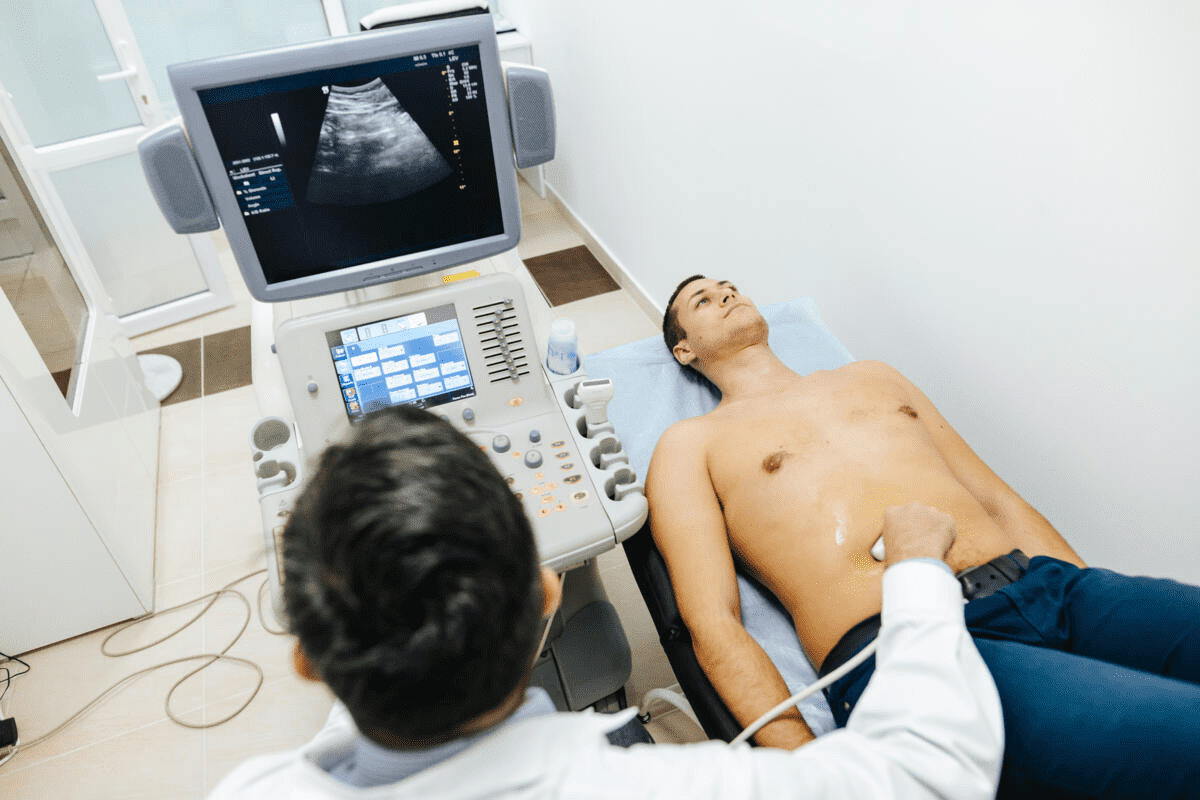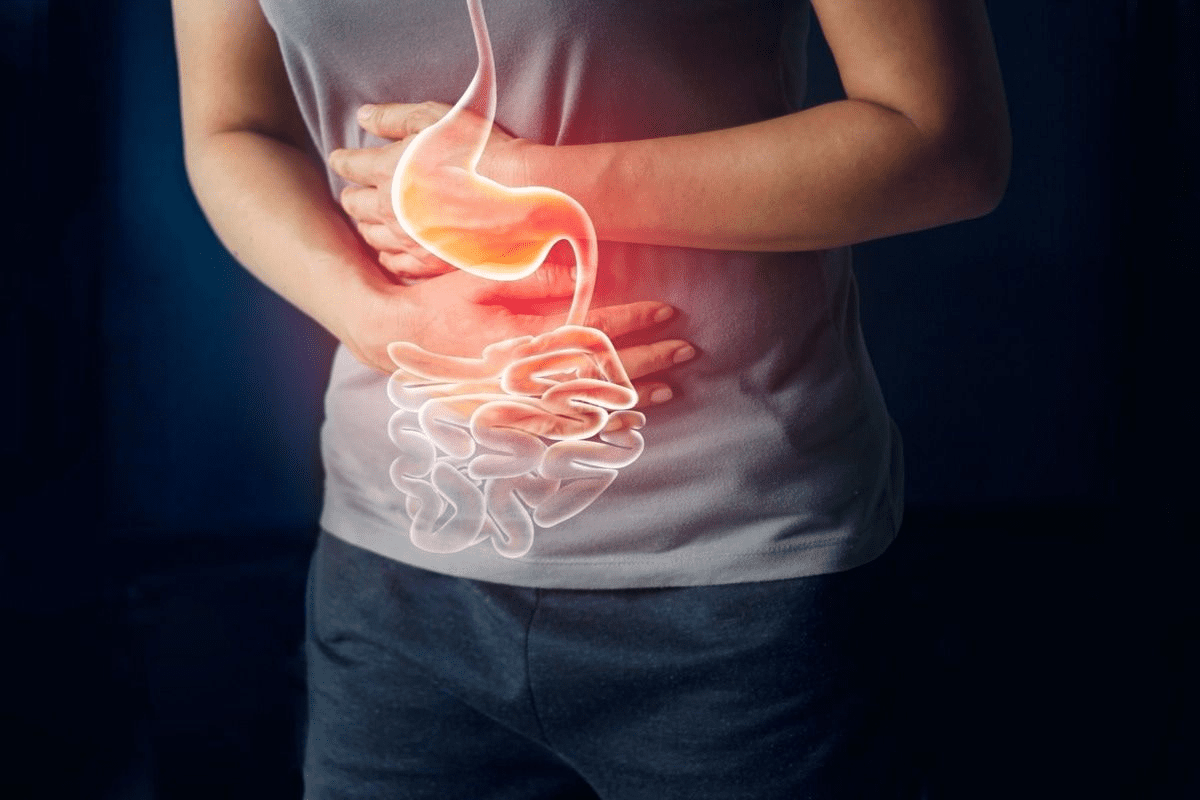
The abdomen, also known as the belly, is the front part of the torso. It sits between the thorax (chest) above and the pelvis below. It’s the body’s biggest hollow space, holding almost all vital organs except the brain, heart, and lungs. This is your ultimate guide to the abdominal part. Learn the location, anatomy, and vital functions of your abdomen.
Knowing about the abdomen’s location, anatomy, and functions is key. It helps us spot symptoms, support health, and make smart medical choices. The abdomen is vital, housing organs key to digestion and waste removal.
We’ll dive into its boundaries, the organs it holds, and its role in our body. This will give you a full grasp of this complex area.
Key Takeaways
- The abdomen is the body’s largest hollow cavity.
- It houses vital organs related to digestion and waste elimination.
- Understanding abdominal anatomy is vital for diagnosing and treating various pathologies.
- The abdominal cavity is enclosed by multiple muscle layers.
- Knowing the abdomen’s location and function supports preventive health measures.
The Abdominal Part: Definition and Basic Concepts

The abdomen, also known as the belly area, is a key part of our body. It holds many important organs. Knowing about its anatomy and functions helps us understand its role in our health.
What Constitutes the Abdomen
The abdomen is made up of the abdominal wall in front and the spine in back. It forms a space for vital organs. Inside, the peritoneum membrane covers organs like the stomach, intestines, liver, and kidneys.
The abdomen’s edges are marked by the diaphragm at the top and the pelvic brim at the bottom. Knowing these edges helps us find and understand the organs inside.
Evolutionary Significance of the Abdomen
The abdomen has been vital in human evolution. It protects and supports organs needed for life. This protection and support have been key for human survival and growth.
Organ | Function |
Stomach | Digests food |
Liver | Metabolizes nutrients, detoxifies |
Kidneys | Filters blood, regulates electrolytes |
The abdomen’s role in evolution is clear. Its complex structure and vital functions have helped humans survive and thrive.
Anatomical Location and Boundaries
Understanding the location and boundaries of the abdomen helps us see its importance. It’s a complex area with vital organs and plays a key role in our body’s functions.
Superior and Inferior Boundaries
The abdomen starts at the thoracic diaphragm above. This dome-shaped muscle separates the chest from the belly. Below, it meets the pelvic brim, where the belly and pelvis blend together.
Anterior, Posterior, and Lateral Boundaries
The anterior boundary is the abdominal wall. It’s made of muscles like the rectus abdominis and obliques. The posterior boundary is the vertebral column, which supports and protects the organs inside. On the sides, the abdominal muscles and iliac bones form the boundary.
Relationship to the Thorax and Pelvis
The abdomen is connected to the thorax above, separated by the diaphragm. Below, it smoothly transitions into the pelvis. Knowing how these areas relate is key for diagnosing and treating health issues.
Structure of the Abdominal Wall
Knowing how the abdominal wall is structured is key to diagnosing and treating many issues. It’s a complex part that keeps our organs safe and the cavity intact.
Skin and Subcutaneous Tissue
The skin is the outer layer of the abdominal wall, acting as a shield against the outside world. Underneath, the subcutaneous tissue, made of fat, varies in thickness. It helps store energy and keeps us warm.
Muscular Components: Rectus Abdominis, Obliques, and Transversus
The muscles of the abdominal wall include the rectus abdominis, the obliques, and the transversus abdominis. The rectus abdominis runs from the xiphoid process to the pubic symphysis. It helps flex the lumbar spine.
The external and internal obliques are on the sides and help rotate and flex the torso. The transversus abdominis, the deepest, compresses the contents and stabilizes the spine.
Muscle | Origin | Insertion | Function |
Rectus Abdominis | Pubic symphysis | Xiphoid process and 5th to 7th costal cartilages | Flexes lumbar spine |
External Oblique | Lower 8 ribs | Iliac crest and linea alba | Rotates and flexes torso |
Internal Oblique | Iliac crest and lumbar fascia | Lower 3 or 4 ribs and linea alba | Rotates and flexes torso |
Transversus Abdominis | Iliac crest, lumbar fascia, and lower 6 ribs | Linea alba and pubic crest | Compresses abdominal contents |
Fascial Layers and Their Clinical Importance
The fascial layers support and stabilize the abdominal muscles. The fascia transversalis is between the transversus abdominis and the peritoneum. It’s key in hernia formation and repair.
Neurovascular Supply of the Abdominal Wall
The abdominal wall gets its nerves and blood supply from the thoracic and lumbar nerves and arteries. Knowing this is vital for surgeries and diagnosing abdominal wall issues.
The Abdominal Cavity and Its Compartments
The abdominal cavity is key to our survival, holding vital organs. It’s home to the stomach, small and large intestines, liver, spleen, gallbladder, pancreas, kidneys, and major blood vessels.
Peritoneum: Parietal and Visceral Layers
The peritoneum lines the abdominal cavity and covers the organs. It has two layers: the parietal peritoneum on the wall and the visceral peritoneum on the organs. The space between them is called the peritoneal cavity.
The peritoneum’s dual-layer structure helps organs move smoothly. It also reduces friction between organs and the wall.
Intraperitoneal vs. Retroperitoneal Spaces
Organs in the abdominal cavity are divided into two groups. Intraperitoneal organs are inside the peritoneal cavity, like the stomach and intestines. Retroperitoneal organs are behind the peritoneum, such as the kidneys and pancreas.
Knowing the difference is key for diagnosing and treating abdominal issues.
Mesenteries, Omenta, and Ligaments
Mesenteries, omenta, and ligaments support organs in the abdominal cavity. Mesenteries attach the intestines to the wall. Omenta connect the stomach to other organs. Ligaments keep organs in place.
These structures support organs mechanically. They also carry vital blood and lymphatic vessels.
Structure | Description | Function |
Peritoneum | Membrane lining the abdominal cavity and covering organs | Reduces friction, facilitates organ movement |
Mesenteries | Folds of peritoneum attaching intestines to the abdominal wall | Supports intestines, contains blood and lymphatic vessels |
Omenta | Folds of peritoneum connecting the stomach to other organs | Supports stomach and adjacent organs |
Mapping the Abdomen: Regions and Quadrants
Dividing the abdomen into regions and quadrants is key in medical studies and practice. This area, full of important organs, is split up to help find the exact spot of pain or organs. It makes it easier for doctors to talk about and diagnose problems.
The Four-Quadrant System in Clinical Practice
The four-quadrant system is a common method in clinics to pinpoint pain and organs in the abdomen. An imaginary line at the belly button and another through the middle divides it into four parts: right upper, left upper, right lower, and left lower. This method makes it simpler to find where pain comes from and which organ might be involved.
Pain in the right lower quadrant often means appendicitis. Pain in the right upper quadrant might point to gallbladder disease. Knowing the abdominal meaning anatomy is key to understanding symptoms and making diagnoses.
The Nine-Region System for Anatomical Study
The nine-region system is used for detailed anatomy studies. It divides the abdomen into nine areas with two horizontal and two vertical lines. These regions include the right and left hypochondriac, lumbar, iliac, epigastric, umbilical, and hypogastric (or pubic) areas. This system is more precise for locating organs and is great for surgery and anatomy studies.
Understanding the abdomen on body surface anatomy helps identify these areas and their related structures. This knowledge is vital for both medical exams and surgeries.
Locating Organs Within These Systems
Many organs are found in these abdominal regions and quadrants. For example, the liver is mostly in the right upper quadrant but also extends into the left upper quadrant. The appendix is usually in the right lower quadrant. Knowing where organs are helps diagnose and treat abdominal issues.
The what does abdomen contain? It has vital organs like the stomach, intestines, liver, kidneys, and spleen. Each organ has a specific spot in the abdominal quadrants or regions.
Clinical Applications for Pain Assessment
Dividing the abdomen into quadrants and regions is very useful in clinics, mainly for pain assessment. By pinpointing pain to a specific area, doctors can narrow down possible causes and focus on the most likely ones.
Pain in the left lower quadrant might suggest diverticulitis. Epigastric pain could be from gastritis or peptic ulcer disease. Accurate pain location is a critical skill in medicine, and knowing the abdominal meaning anatomy improves this skill.
In summary, dividing the abdomen into quadrants and regions is essential in clinical anatomy. It helps doctors communicate better and diagnose and manage abdominal conditions more effectively.
Primary Digestive Organs in the Abdomen
The abdominal cavity is home to vital organs that are key to digestion. These organs break down food, absorb nutrients, and get rid of waste. Knowing how these organs work is important for understanding digestion.
Stomach: Anatomy and Digestive Role
The stomach is a digestive organ inside the abdominal cavity. It’s between the esophagus and the duodenum. It breaks down food through mechanical and chemical actions.
The stomach’s lining makes digestive enzymes and acids. These help turn food into a semi-liquid called chyme. This step is important for food to be ready for the intestines.
Small Intestine: Duodenum, Jejunum, and Ileum
The small intestine is a long, twisted tube divided into three parts: duodenum, jejunum, and ileum. Each part has a special role in digestion and nutrient absorption.
- The duodenum gets bile and pancreatic juice, key for digesting fats, proteins, and carbs.
- The jejunum absorbs most nutrients because of its large surface area and special cells.
- The ileum absorbs vitamin B12 and bile salts, finishing the nutrient absorption process.
Large Intestine: Cecum, Colon, and Rectum
The large intestine, or colon, absorbs water, stores, and eliminates waste. It has sections like the cecum, colon, and rectum.
The cecum is where the ileum empties its contents. The colon has parts like the ascending, transverse, descending, and sigmoid colon. Each part has its own role.
Functional Relationships Between Digestive Organs
The organs in the abdomen work together for digestion and nutrient absorption. The stomach breaks down food first. Then, the small intestine absorbs nutrients. The large intestine absorbs water and packs waste for elimination.
It’s important to understand how these organs work together. This helps us see the complex process of digestion and how it keeps us healthy.
Accessory Digestive Organs and Glands
The abdominal cavity is home to several key digestive organs. These include the liver, gallbladder, pancreas, and spleen. They work together to help digest food, absorb nutrients, and support metabolism.
Liver: Structure, Location, and Metabolic Functions
The liver is the largest organ inside us. It sits in the upper right part of the belly, under the diaphragm. It detoxifies, makes proteins, and creates chemicals for digestion. The liver makes about 1 liter of bile every day, which goes to the gallbladder.
“The liver is a vital organ that performs a wide range of critical functions,” as noted by medical professionals. Its metabolic functions are essential for maintaining overall health.
Gallbladder: Bile Storage and Release
The gallbladder is a small, pear-shaped organ under the liver. It stores bile from the liver until needed in the small intestine for fat digestion. When we eat fatty foods, the gallbladder releases bile into the bile ducts.
Pancreas: Digestive Enzymes and Hormonal Production
The pancreas is behind the stomach and plays a big role in digestion and hormone production. It makes digestive enzymes to break down carbs, proteins, and fats. It also produces insulin and glucagon to control blood sugar.
Experts say, “The pancreas is a critical organ for digestion and blood sugar control.” Problems with it can cause diabetes.
Spleen: Structure and Immunological Functions
The spleen is in the upper left part of the belly and is key to the immune system. It filters blood, removing old red blood cells and recycling iron. It also stores lymphocytes and fights off blood pathogens.
In summary, the liver, gallbladder, pancreas, and spleen are vital for digestion and health. They are located in the abdominal cavity. Knowing their roles helps us understand human digestion and health better.
Urinary and Reproductive Components
The abdominal cavity is home to vital organs. These include parts of the urinary and reproductive systems. They are key to our health and how our body works.
Kidneys and Adrenal Glands
The kidneys and adrenal glands are in the abdomen. They filter waste from the blood. The waste then goes to the bladder through the ureters.
The adrenal glands sit on top of the kidneys. They make hormones. These hormones help with stress and keeping the body’s balance.
Let’s look at these organs in more detail:
Organ | Location | Primary Function |
Kidneys | Retroperitoneal space, on either side of the spine | Filtration of blood, regulation of electrolytes and fluid balance |
Adrenal Glands | Superior to the kidneys | Production of hormones such as adrenaline and aldosterone |
Ureters and Their Pathway
The ureters are muscular tubes. They carry urine from the kidneys to the bladder. They are vital for urine flow.
The ureters’ path is as follows:
- Originate from the renal pelvis of each kidney
- Descend through the retroperitoneal space
- Cross over the external iliac arteries near the pelvic brim
- Enter the bladder wall at an angle, preventing backflow
Abdominal Portions of Reproductive Organs
The abdomen also has parts of the reproductive system. In females, the ovaries and parts of the fallopian tubes are in the pelvic cavity. In males, the testes are not in the abdominal cavity but are connected through the spermatic cord.
Knowing about the abdominal parts of reproductive organs is important. It helps in diagnosing and treating related conditions.
Vascular and Lymphatic Systems of the Abdomen
It’s important to know about the vascular and lymphatic systems in the abdomen. These systems are key to understanding how the abdomen works. They help with blood flow and immune function.
Abdominal Aorta and Its Major Branches
The abdominal aorta starts from the thoracic aorta and goes into the belly. It carries blood to the organs in the belly through its branches.
- The celiac trunk goes to the stomach, liver, and spleen.
- The superior mesenteric artery goes to the small and large intestines.
- The inferior mesenteric artery goes to the rest of the large intestine.
These branches are important for digestion. They bring oxygen-rich blood to the organs that digest food.
Venous Drainage: Inferior Vena Cava and Portal System
The inferior vena cava (IVC) is key for draining blood from the lower body back to the heart. The portal system carries blood from the gut to the liver. This helps clean the blood and process nutrients.
Vein | Drainage Area |
Inferior Vena Cava | Lower body |
Portal Vein | Gastrointestinal tract |
Lymphatic Vessels and Nodes
The lymphatic system in the abdomen is vital for fighting off infections. It filters lymph and helps defend the body. Lymphatic vessels and nodes are found all over the belly, working with blood vessels.
“The lymphatic system is key for removing harmful substances from the body, helping keep us healthy.”
Clinical Significance of Abdominal Vasculature
Knowing the vascular and lymphatic systems in the abdomen is important for diagnosing and treating diseases. It helps doctors plan surgeries and treat conditions like aneurysms and thrombosis.
It’s also important for managing portal hypertension. This is when the portal vein’s pressure is too high, which can cause serious problems.
Functional Importance of the Abdomen
The human abdomen is a complex area. It contains most of the digestive tract organs. These organs are key for digestion, metabolism, and excretion, making the abdomen essential for our health.
Digestive Processing and Nutrient Absorption
The abdomen has organs like the stomach, small intestine, and large intestine. These organs break down food, absorb nutrients, and get rid of waste. The stomach starts breaking down food with acids and enzymes. The small intestine absorbs most nutrients because of its large surface area.
Digestion and nutrient absorption are complex and well-regulated. Food in the stomach mixes with acids and enzymes, turning into chyme. This chyme then goes to the small intestine for nutrient absorption. The small intestine’s villi increase its surface area for better absorption.
Metabolic Regulation and Detoxification
The abdomen is also key for metabolic regulation and detoxification. The liver and pancreas are in the abdomen. The liver detoxifies harmful substances and regulates metabolism. The pancreas makes digestive enzymes and insulin, which controls blood sugar.
- The liver metabolizes nutrients and detoxifies harmful substances.
- The pancreas produces enzymes for digestion and hormones for metabolic regulation.
- Together, these organs ensure our body has the right balance of nutrients and energy.
Excretory Functions
The abdomen also has organs for excretion, like the kidneys and large intestine. The kidneys filter waste and regulate electrolytes, making urine. The large intestine absorbs water and prepares waste for elimination.
Role in Posture and Core Stability
The abdomen is also important for posture and core stability. The abdominal muscles, like the rectus abdominis, obliques, and transversus abdominis, support the spine. These muscles work with back muscles for stability and movement.
- The abdominal muscles support the spine and maintain posture.
- They work in conjunction with back muscles to provide core stability.
- A strong core is essential for preventing injuries and maintaining overall physical fitness.
In conclusion, the abdomen is vital for digestion, metabolism, excretion, and posture. It’s important to keep the abdomen healthy through diet, exercise, and medical care.
Conclusion
We’ve looked into the abdomen’s location, anatomy, and function. It’s key to our body’s health. The abdomen is between the thorax and pelvis, holding vital organs.
These organs are vital for digestion and nutrient absorption. They help our body work right. Knowing about the abdomen helps us understand our health better.
The abdominal cavity is home to our digestive system. It includes the stomach, small and large intestines, liver, gallbladder, and pancreas. These organs work together to digest food and absorb nutrients.
Understanding the abdomen’s role is important. It helps medical experts and those interested in human anatomy. Knowing about the abdomen helps us keep it healthy and seek help when needed.
FAQ
What is the abdomen in the human body?
The abdomen is the part of the body that houses vital organs. These organs are linked to digestion and waste elimination. It is located between the thoracic diaphragm and the pelvic brim.
Where is the abdomen located?
The abdomen is found between the thorax and the pelvis. It is bounded by the thoracic diaphragm above and the pelvic brim below.
What constitutes the abdominal wall?
The abdominal wall is made up of several layers. It includes skin, subcutaneous tissue, and muscles. The muscles are the rectus abdominis, external and internal obliques, and transversus abdominis. It also has fascial layers.
What is the abdominal cavity?
The abdominal cavity is the largest hollow space in the body. It is enclosed by the abdominal wall and the vertebral column. It houses vital organs.
What is the peritoneum, and what is its role?
The peritoneum is a membrane lining the abdominal cavity. It has parietal and visceral layers. It plays a key role by facilitating the movement of organs and supporting their functions.
What are intraperitoneal and retroperitoneal spaces?
Intraperitoneal spaces are areas within the abdominal cavity enclosed by the peritoneum. Retroperitoneal spaces are areas behind the peritoneum. They contain organs like the kidneys and pancreas.
How is the abdomen mapped into regions and quadrants?
The abdomen is mapped using the four-quadrant system and the nine-region system. This helps locate organs and assess pain.
What are the primary digestive organs in the abdomen?
The primary digestive organs in the abdomen include the stomach, small intestine, and large intestine. The small intestine has the duodenum, jejunum, and ileum. The large intestine includes the cecum, colon, and rectum.
What is the role of accessory digestive organs?
Accessory digestive organs, like the liver, gallbladder, pancreas, and spleen, are vital. They play important roles in digestion, metabolism, and immune function.
What urinary components are found in the abdomen?
The kidneys and adrenal glands are in the abdomen. They play vital roles in the urinary system and hormone production.
What is the significance of the abdominal aorta and its branches?
The abdominal aorta and its branches supply blood to abdominal organs. They play a key role in their function and overall health.
Why is understanding the abdomen’s anatomy important?
Understanding the abdomen’s anatomy is key for diagnosing and treating various pathologies. It also helps appreciate the complexities of the human body.
What is the functional importance of the abdomen?
The abdomen is vital for digestive processing, nutrient absorption, and metabolic regulation. It is also important for detoxification, excretory functions, and maintaining posture and core stability.
Where is the abdominal area located on the body?
The abdominal area, or belly area, is between the thorax and the pelvis. It is bounded by the abdominal wall and contains vital organs.
What does the term “abdomen” refer to in anatomy?
In anatomy, the term “abdomen” refers to the region of the body that contains the abdominal cavity and its associated organs.
References:
National Center for Biotechnology Information. Abdomen: Anatomy, Location, and Vital Organ Functions. Retrieved from https://www.ncbi.nlm.nih.gov/books/NBK482334/