
Recovering from an abdominal surgery can be tough and painful. It affects daily life for many patients even after they leave the hospital. The journey to get better is filled with discomfort, trouble moving, and mental challenges.
Research shows that Enhanced Recovery After Surgery (ERAS) protocols help a lot. They make patients feel better and reduce pain after surgery. This shows how important good care is during recovery.
It’s key for patients to know about the recovery process and the help from top medical centers. We’ll look into how long it takes to get better and how patients are supported during this hard time.
Key Takeaways
- Abdominal surgery recovery can be a lengthy and painful process.
- ERAS protocols significantly improve patient outcomes and reduce postoperative pain.
- Comprehensive care is vital during the recovery period.
- Recovery time varies among patients, with some taking longer than others.
- Leading medical centers play a vital role in supporting patients during recovery.
The Reality of Post-Operative Pain
Post-operative pain management
Post-operative pain is a complex issue that affects patients in various ways. The experience of pain after abdominal surgery can be influenced by multiple factors. These include the type of surgery, individual pain tolerance, and the effectiveness of pain management strategies.
Pain Intensity Scale After Surgery
Pain intensity is typically measured using a visual analog scale (VAS) or a numerical rating scale (NRS). These tools help healthcare providers understand the level of pain a patient is experiencing.
|
Pain Level |
VAS Score |
NRS Score |
Description |
|---|---|---|---|
|
No Pain |
0 |
0 |
No discomfort |
|
Mild Pain |
1-3 |
1-3 |
Minimal discomfort, easily manageable |
|
Moderate Pain |
4-6 |
4-6 |
Noticeable pain, some interference with daily activities |
|
Severe Pain |
7-10 |
7-10 |
Significant pain, interferes with daily activities and rest |
Studies have shown that post-operative pain can vary significantly among patients undergoing the same type of surgery. According to a study on post-operative pain management, effective pain control is key for improving patient outcomes and satisfaction.
Difference Between Acute and Chronic Post-Surgical Pain
It’s essential to distinguish between acute and chronic post-surgical pain. Acute pain is sharp and occurs immediately after surgery. It is usually managed with pain medication and resolves as the wound heals.
Chronic pain, on the other hand, persists beyond the expected healing time, often more than three months after surgery. Chronic pain can result from nerve damage, scar tissue, or other complications.
Patient Testimonials on Pain Experience
Patient testimonials provide valuable insights into the personal experience of post-operative pain. “The pain was more intense than I expected, but the medication helped manage it.” – Sarah, who underwent a laparoscopic procedure.
“I experienced chronic pain after my surgery, which affected my daily activities and required additional treatment.” -Who had open abdominal surgery.
“Pain management is a critical aspect of post-operative care. Understanding the difference between acute and chronic pain can help patients and healthcare providers develop effective pain management strategies.”
Common Types of Abdominal Surgeries

Types of abdominal surgeries
It’s important for patients to know about the types of abdominal surgeries they might face. These surgeries vary by technique, urgency, and the patient’s health. Knowing this helps patients prepare for their recovery.
Open Abdominal Procedures
Open abdominal surgery requires a big cut in the belly to reach the organs inside. This old-school method is used for complex cases where a big opening is needed. Open abdominal procedures can cause more damage and take longer to heal than newer methods.
- Advantages: Gives a clear view of the area being operated on.
- Disadvantages: Big cuts can hurt more after surgery and keep you in the hospital longer.
Laparoscopic and Minimally Invasive Techniques
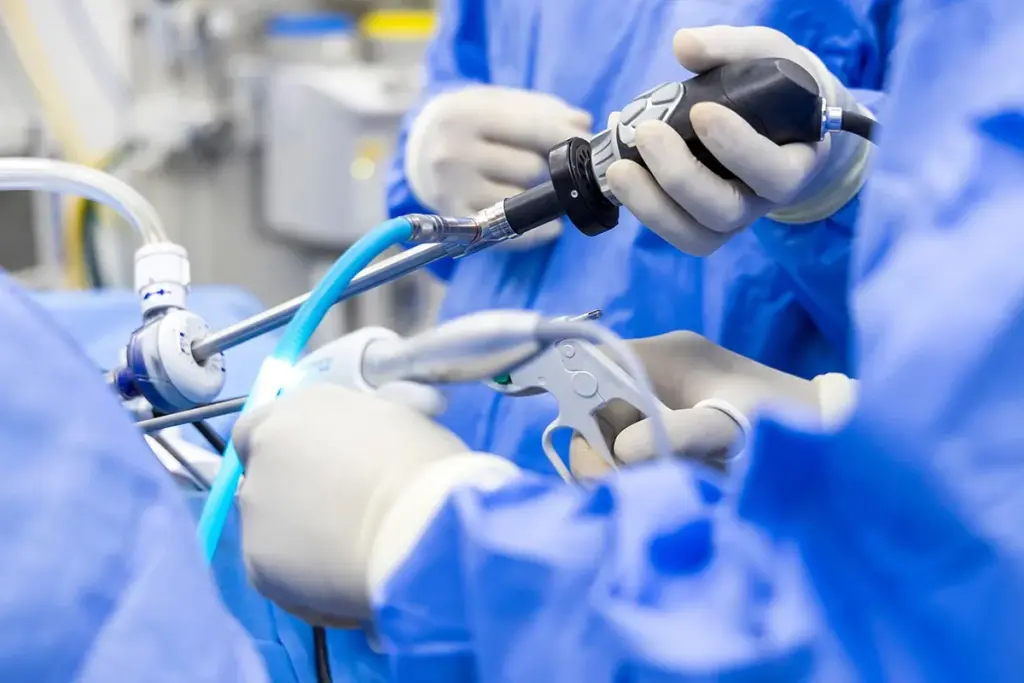
Laparoscopic surgery, or minimally invasive surgery, uses small cuts for a camera and tools. This method leads to less pain, quicker healing, and smaller scars.
Research shows laparoscopic procedures cause less pain and shorter hospital stays than open surgeries. But, it depends on the patient’s health and the surgery’s complexity.
Emergency vs. Planned Surgeries
The difference between emergency and planned surgeries affects how patients prepare and recover. Emergency surgeries are urgent, like for appendicitis or injuries. Planned surgeries are scheduled, like for gallstones or hernias.
- Emergency Surgeries: Riskier and harder to recover from because they’re urgent and can have complications.
- Planned Surgeries: Let patients prepare better, leading to easier recovery.
Factors Affecting Recovery Difficulty
Many things can make recovery from abdominal surgery harder. These include the patient’s age, health, the surgery’s complexity, and if it was urgent or planned. Knowing these factors affecting recovery difficulty helps everyone plan better.
- Patient’s overall health and any other health issues.
- The surgery method (open vs. laparoscopic).
- Whether the surgery was urgent or planned.
By understanding these points, patients can better manage their abdominal surgery recovery time and avoid abdominal surgery complications.
Immediate Post-Surgery Pain (Day 1-3)
Managing pain right after surgery is key for a quick recovery. In the first 72 hours, patients get close care in the hospital. Doctors use many ways to lessen pain.
Hospital Pain Management Protocols
Hospitals have special plans for pain after surgery. The Enhanced Recovery After Surgery (ERAS) pathway is one. It helps reduce pain and improves recovery. These plans mix different medicines to control pain well.
Common Pain Locations and Sensations
Pain usually happens near where the surgery was done. It can feel sharp or dull. The intensity of pain changes based on the surgery and how each person feels pain.
Pain spots often include the belly, back, and shoulders. This is because of gas used in laparoscopic surgeries.
Pain During Basic Activities (Breathing, Moving)
Pain when doing simple things like breathing or moving is common. Deep breathing exercises and coughing are suggested to avoid breathing problems. Even though it hurts, it’s important.
Patients get pillows or cushions to help when coughing or moving. This lessens the strain on the surgery area.
Managing Hospital-Based Recovery
Recovery in the hospital needs a team effort. This team includes surgeons, nurses, and pain experts. Good communication between patients and doctors is key. It helps make pain plans that fit each person.
Patients are asked to tell their doctors how much pain they have often. This helps keep pain under control.
Knowing how to handle pain right after surgery helps patients get through their recovery. The aim is to reduce pain and get back to normal life as fast as possible.
Early Recovery Phase Pain (Days 4-14)
When patients leave the hospital and start their home recovery, their pain can change. The first two weeks after surgery are key for managing pain at home.
Transitioning from Hospital to Home
Going home from the hospital is both a relief and a challenge. Patients are happy to be home but must manage their pain on their own. A doctor says the biggest hurdle is the lack of immediate medical help.
We need to make sure patients know how to manage their pain before they leave the hospital.
Changes in Pain Patterns
Pain can change a lot in the early recovery phase. Some people might feel less pain, while others might find certain activities hurt more. Pain can differ a lot between people, even if they have the same surgery.
For example, those who have minimally invasive abdominal surgery might feel pain differently than those with open surgery.
Challenges with Daily Activities
Even simple tasks can be hard during this time. Bending, lifting, or walking can hurt. We tell patients to start slowly and not push too hard.
Using tools to help and sticking to a recovery plan can make things easier.
Sleep Disruption and Management
Poor sleep is common during this phase. Pain, discomfort, and worry can all disrupt sleep. To help, we suggest a calming bedtime routine, comfy sleeping positions, and sleep aids if needed.
A doctor says managing pain is essential for better sleep.
Understanding pain changes and daily activity challenges helps patients on their recovery journey. Good pain management and support are key for a smooth transition from hospital to home.
Abdominal Surgery Recovery Timeline
Knowing the abdominal surgery recovery timeline helps patients get ready for their health journey. The recovery time changes based on the surgery type, the patient’s health, and other factors. Generally, it’s divided into several phases.
Week 1-2: Initial Healing
The first two weeks after surgery are key for healing. Patients often feel a lot of pain and discomfort, which is managed with medicine. Resting and doing less activity helps the body heal.
- Follow a strict medication regimen to manage pain and prevent infection.
- Avoid heavy lifting, bending, or strenuous activities.
- Gradually increase mobility to prevent complications like blood clots.
Weeks 3-6: Progressive Improvement
By weeks 3-6, patients start to feel better. Pain goes down, and they can do more daily tasks. It’s important to keep following the surgeon’s advice and go to follow-up appointments.
Key aspects of this phase include:
- Continuing to manage pain effectively.
- Gradually resuming normal activities, including light exercise.
- Monitoring the incision site for signs of proper healing.
Months 2-6: Long-term Recovery
Recovery can take months after the surgery. Patients will see more health improvements and less pain. It’s also a time for making lifestyle changes that help with recovery.
Patients should focus on:
- Maintaining a healthy diet to support healing.
- Engaging in regular, moderate exercise to improve strength and flexibility.
- Attending follow-up appointments to monitor progress.
When Full Recovery Can Be Expected
Recovery time from abdominal surgery varies. It depends on the surgery’s complexity, the patient’s age, and their health before surgery. Most people recover fully in 6 months, but it can take longer for some.
Understanding the recovery timeline helps patients manage their journey. It’s important to follow doctor’s advice and stay positive and proactive during recovery.
Incision Healing and Associated Pain
Incision healing process
Healing from an incision is key after abdominal surgery. It affects how much pain you feel. Knowing about this process helps you prepare and recover better.
Normal Healing Process
The healing process has three stages: inflammation, rebuilding, and reorganizing. Proper wound care is essential to avoid problems and help healing. Following wound care instructions can lower infection risk and aid healing.
Signs of Proper vs. Problematic Healing
It’s important to know the difference between normal healing and issues. Normal healing means less redness, swelling, and pain over time. But, signs of trouble include more redness, swelling, discharge, or fever. Patients should be vigilant and tell their doctor about any worries.
Managing Incision Discomfort
Dealing with discomfort around the incision is a big part of getting better. This can include pain meds and non-medical ways like warm compresses. Following the surgeon’s instructions on wound care can also help reduce pain.
Scar Formation and Care
Scars are a natural part of healing. Their look depends on skin type, incision size, and genetics. Keeping the area moisturized and protected from the sun can improve scar look. Massaging the scar gently, once it’s fully healed, can also make it look better.
By understanding incision healing and taking steps to manage pain and care for scars, patients can improve their recovery after abdominal surgery.
Internal Healing After Abdominal Surgery
Internal healing after abdominal surgery
Healing inside after abdominal surgery is very important. It’s a time when we need to understand what’s happening inside our bodies. This knowledge helps us manage our recovery better.
Organ and Tissue Recovery
Recovering organs and tissues after surgery takes time. Organ recovery means fixing any damage to organs during surgery. Tissue recovery is about fixing the abdominal wall and other affected tissues.
Studies show that the body heals better with good care after surgery. This includes managing pain and eating right.
Adhesion Formation and Pain
Abdominal surgery can lead to adhesion formation. Adhesions are like scar tissue that can cause pain and even block the bowel. It’s important to know the risks to manage pain better.
Knowing what increases the risk of adhesions helps us prevent pain and complications.
|
Risk Factors |
Description |
Potential Impact |
|---|---|---|
|
Previous Surgeries |
More surgeries mean more adhesions. |
More chance of chronic pain and problems. |
|
Infection |
Infections after surgery can cause adhesions. |
More risk of pain and complications from adhesions. |
|
Genetic Predisposition |
Some people are more likely to get adhesions because of their genes. |
Higher chance of adhesions and related issues. |
Nerve Healing and Sensations
Nerve healing is key after abdominal surgery. Damage to nerves can cause numbness, tingling, or pain. Nerve regeneration is complex and varies from person to person.
Managing nerve issues often involves pain management and sometimes more medical help.
Digestive System Recovery
The digestive system’s recovery is essential for health after surgery. It takes time for digestion to return to normal. Patients may have changes in bowel habits, nausea, or other symptoms.
Helping the digestive system recover with diet changes and medication can ease symptoms and speed up recovery.
Comprehensive Pain Management Strategies
Managing pain after abdominal surgery needs a mix of methods. It’s not just about easing pain. It’s about making recovery better and avoiding problems.
Medication Options
Medicine is key in managing pain after surgery. We choose medicines that fit each patient’s needs.
- Opioids: Good for strong pain, but we watch their use because of side effects.
- Non-opioid analgesics: For less pain and to help with opioids, cutting down on their use.
- Regional anesthesia techniques: Like TAP blocks, they help with pain in one area without opioids’ side effects.
ERAS protocols also use different pain medicines together. This helps control pain better and cuts down on opioids.
|
Medication Type |
Use |
Benefits |
|---|---|---|
|
Opioids |
Severe pain management |
High efficacy for acute pain |
|
Non-opioid analgesics |
Mild to moderate pain, adjunct therapy |
Reduced opioid consumption, fewer side effects |
|
Regional anesthesia |
Localized pain relief |
Effective pain control without systemic opioid effects |
Non-Pharmaceutical Approaches
There are also non-medical ways to manage pain.
- Physical therapy: Gentle exercises and movement can lessen pain and speed up recovery.
- Breathing techniques and relaxation: Deep breathing, meditation, and muscle relaxation can manage pain and stress.
- Cognitive-behavioral therapy (CBT): CBT helps with the mental side of pain and recovery.
These methods help with pain and make recovery more complete. They address physical, emotional, and mental needs.
Mobility Challenges During Recovery
Recovering from abdominal surgery comes with many mobility challenges. These challenges can affect your healing. It’s key to find the right balance between rest and movement for a smooth recovery.
Safe Movement Techniques
Moving safely after surgery is very important. Start with small, gentle movements. Then, slowly increase how much you move as your body gets stronger. Avoid sudden movements that could hurt your muscles or slow healing.
Some safe ways to move include:
- Slowly getting up from lying down to sitting or standing
- Short walks to keep blood flowing and prevent clots
- Gentle stretches, as your doctor advises
Gradual Return to Activities
Going back to normal activities slowly is key to a good recovery. Start with easy activities and gradually do more as you feel better. This helps avoid too much strain and lowers the chance of problems.
Important steps for a slow return include:
- Listen to your body and rest when needed
- Avoid heavy lifting, bending, or hard activities
- Slowly increase how active you are over time
When to Push vs. When to Rest
Knowing when to keep going and when to rest is important. It’s good to stay active, but too much can cause problems. Pay attention to your body’s signs, like pain or tiredness, to know when to slow down.
Signs you should rest include:
- More pain or discomfort
- Swelling or redness at the incision site
- Feeling very tired or exhausted
Assistive Devices for Recovery
Assistive devices can make recovery easier. Things like walkers, grab bars, and comfy clothes can help a lot. We suggest trying different devices to see what works best for you.
Some helpful devices include:
|
Device |
Purpose |
|---|---|
|
Walker |
Helps with balance and support while walking |
|
Grab Bars |
Improves balance and support in bathrooms or hallways |
|
Comfortable Clothing |
Makes the area around the incision less irritated |
Returning to Normal Life After Abdominal Surgery
The journey to recovery after abdominal surgery is a big step. It marks the start of getting back to normal life. Patients often wonder about returning to work, exercising, and socializing.
Resuming Work and Social Activities
Going back to work and social activities should be slow. The time it takes varies based on the surgery type, health, and job demands. Patients should avoid heavy lifting and strenuous activities for weeks.
Desk jobs might allow a quicker return, but jobs that are physically demanding may take longer. Always listen to your surgeon and don’t rush back to work to avoid problems.
Exercise and Physical Activity Guidelines
Exercise is key in recovery, but it must be done carefully. At first, avoid hard activities and stick to gentle movements. This helps with healing and prevents issues like blood clots.
- Start with short walks and gradually increase the distance.
- Avoid heavy lifting, bending, or twisting.
- Resume more strenuous activities based on the surgeon’s guidance.
Here’s a general guideline for exercise progression after abdominal surgery:
|
Week |
Activity Level |
Examples |
|---|---|---|
|
1-2 |
Gentle Movement |
Short walks, light stretching |
|
3-4 |
Moderate Activity |
Brisk walking, gentle swimming |
|
5-6 |
Progressive Strengthening |
Light weightlifting, core exercises |
Dietary Considerations During Recovery
Diet is very important during recovery after abdominal surgery. Patients are often given a special diet to help heal and reduce discomfort.
Nutritional Tips:
- Stay hydrated by drinking plenty of water.
- Eat small, frequent meals to ease digestion.
- Include nutrient-rich foods like fruits, vegetables, and lean proteins.
- Avoid heavy, spicy, or fatty foods that can cause discomfort.
Long-term Lifestyle Adjustments
Recovering from abdominal surgery might mean making long-term changes. These could include new exercise routines, diet changes, and stress management.
By making these changes, patients can improve their health and lower the risk of future problems. It’s also important to keep up with healthcare visits to check on healing and address any concerns.
Psychological Aspects of Surgical Recovery
Recovering from abdominal surgery is more than just physical. It’s also an emotional journey. The process can be scary, affecting both body and mind. Understanding the emotional impact, anxiety, depression, and mental health support is key.
The Emotional Impact of Prolonged Pain
Prolonged pain after surgery can deeply affect patients emotionally. It can cause frustration, irritability, and sadness. Healthcare providers must recognize this and offer support.
Studies show that long-term pain can lead to anxiety and depression. It’s important to treat both physical and emotional recovery.
Anxiety and Depression During Recovery
Anxiety and depression are common after abdominal surgery. The uncertainty and discomfort can worsen these conditions. It’s important to spot the signs early to help.
Managing anxiety and depression involves:
- Seeking help from mental health specialists
- Using relaxation techniques like meditation
- Keeping a strong support network
- Doing things that bring joy
Mental Health Support Resources
Access to mental health support is vital for recovery. This includes counseling, support groups, and educational materials. Healthcare providers should help connect patients to these resources.
Building Resilience During Recovery
Building resilience is essential for overcoming surgery challenges. It involves developing coping strategies and staying positive. Focusing on resilience can improve overall well-being.
Ways to build resilience include:
- Setting small, achievable goals
- Practicing gratitude
- Staying active, as allowed by healthcare providers
Complications That Can Increase Pain
After abdominal surgery, patients may face complications that raise their pain levels. We, as healthcare providers, focus on identifying and managing these issues. This ensures a smoother recovery. Complications like infection, incisional hernias, and adhesion-related problems can affect a patient’s comfort and well-being.
Infection Signs and Symptoms
Infection is a serious complication that can increase pain after surgery. Signs include redness, swelling, and increased pain around the incision site, fever, and discharge. It’s vital to watch for these symptoms and seek medical help if they don’t improve or get worse.
Key signs of infection:
- Redness and swelling around the incision site
- Increased pain or tenderness
- Fever or chills
- Discharge or pus from the wound
Incisional Hernias
Incisional hernias can cause significant discomfort. They happen when tissue bulges through the scar or weakened area of the abdominal wall. Knowing the risk factors, like previous surgeries, obesity, and heavy lifting, is important.
Symptoms may include:
- A bulge or lump near the incision site
- Pain or discomfort, specially when coughing, lifting, or bending
- A feeling of heaviness or pressure in the abdomen
Adhesion-Related Complications
Adhesions, or bands of fibrous tissue, can form between abdominal organs or between organs and the abdominal wall. These adhesions can cause pain, bowel obstruction, or other complications. We discuss the risk of chronic pain and the need to address these issues promptly.
When to Seek Medical Attention
It’s important for patients to know when to seek medical help. If you have severe pain, signs of infection, or symptoms of incisional hernias or adhesions, contact your healthcare provider right away. We are committed to supporting and guiding you through your recovery.
Seek immediate medical attention if you experience:
- Severe abdominal pain
- Fever above 101.5°F (38.6°C)
- Vomiting or inability to keep down fluids
- Increasing redness or swelling around the incision site
Conclusion
Recovering from abdominal surgery is a complex process. It involves managing pain, addressing psychological needs, and getting support. We’ve talked about how recovery can be tough, with different levels of pain and discomfort.
Managing pain well is key to better outcomes and fewer complications. Knowing about the types of surgeries helps patients prepare for recovery. This includes open and laparoscopic procedures.
Support, including pain and psychological care, is essential for a smooth recovery. Healthcare providers offer the necessary resources and care. This helps patients through the recovery process and improves their outcomes.
A complete approach to recovery addresses physical, emotional, and psychological needs. This way, we can improve patient outcomes, reduce complications, and enhance care quality.
FAQ
How long does it take for an abdominal surgery incision to heal?
Healing time for an abdominal surgery incision varies. It usually takes 6-8 weeks for the incision to heal well. But, it can take months for the scars to fade fully.
What are the common types of abdominal surgeries?
There are many types of abdominal surgeries. These include open procedures, laparoscopic techniques, emergency surgeries, and planned surgeries. The type of surgery affects recovery time and pain.
How is pain managed after abdominal surgery?
Pain management after surgery includes medicines and non-medical methods. Enhanced Recovery After Surgery (ERAS) and Transversus Abdominis Plane (TAP) blocks help manage pain well.
What are the challenges during the recovery phase after abdominal surgery?
Challenges during recovery include pain, sleep issues, and mobility problems. It’s important to manage these to recover smoothly.
How long does it take to recover from abdominal surgery?
Recovery time varies. The first week or two are for initial healing. Then, improvement happens over 3-6 weeks. Long-term recovery can take months.
What are the signs of proper healing after abdominal surgery?
Proper healing signs include a closed incision, less pain, and no infection signs. Watching for these signs is key to spotting complications early.
Can abdominal surgery lead to complications?
Yes, surgery can cause complications like infections, hernias, and adhesions. Knowing the signs of these complications is important for getting quick medical help.
How can patients manage their pain during the recovery phase?
Patients can manage pain by following their medication plan, using relaxation techniques, and keeping up with doctor’s appointments.
When can patients resume normal activities after abdominal surgery?
Resuming activities depends on the surgery type and recovery. Light activities can start in a few weeks. Strenuous activities may take 6-8 weeks.
What are the psychological aspects of recovering from abdominal surgery?
Surgery can affect emotions, causing anxiety, depression, and stress. Mental health support and resilience are key to coping.
How can patients promote internal healing after abdominal surgery?
To promote healing, follow post-op instructions, eat well, stay hydrated, and avoid hard activities during recovery.
National Center for Biotechnology Information. Evidence-Based Medical Insight. Retrieved from
References
https://pubmed.ncbi.nlm.nih.gov/30284029