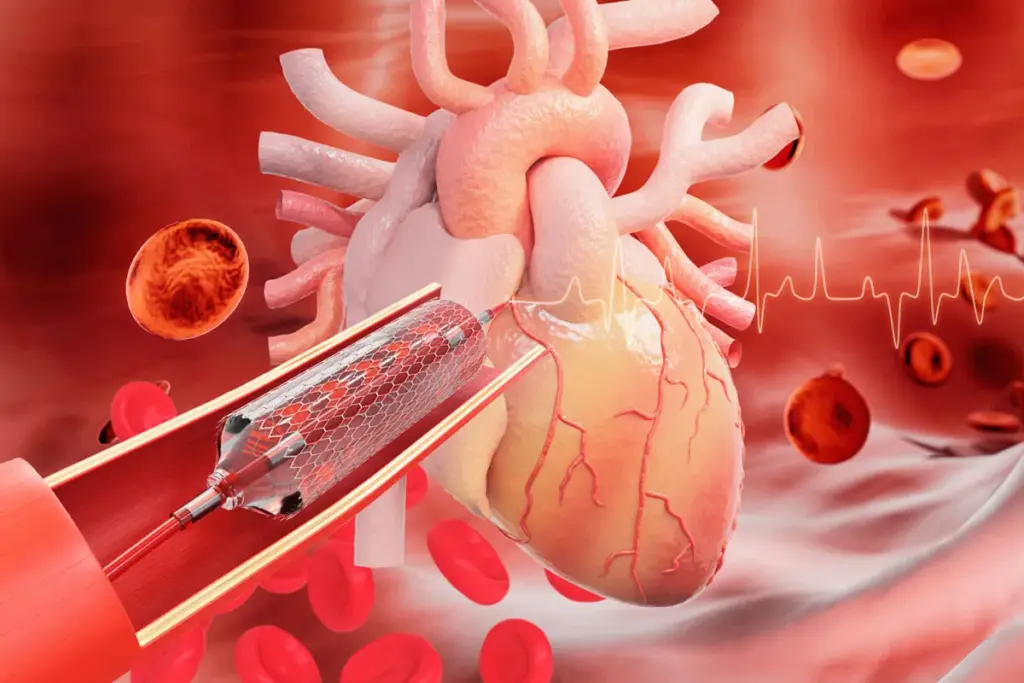
ablation
Heart ablation is a treatment for irregular heartbeats that’s becoming more popular. Over 700,000 cardiac ablations are performed worldwide each year. This shows it’s seen as a good option by many.
So, what is heart ablation? It’s a procedure that uses energy to destroy the abnormal heart pathways. These pathways cause arrhythmias. We’ll look at the good and bad sides of this treatment. This will help you decide if it’s right for your heart condition.
Key Takeaways
- Heart ablation is a procedure used to treat irregular heartbeats.
- Cardiac ablation can be an effective treatment for certain heart conditions.
- The decision to undergo heart ablation depends on various factors, including the severity of your condition.
- Understanding the benefits and risks is crucial in making an informed decision.
- Consulting with a healthcare professional is essential to determine if heart ablation is right for you.
What Heart Ablation Is and How It Works
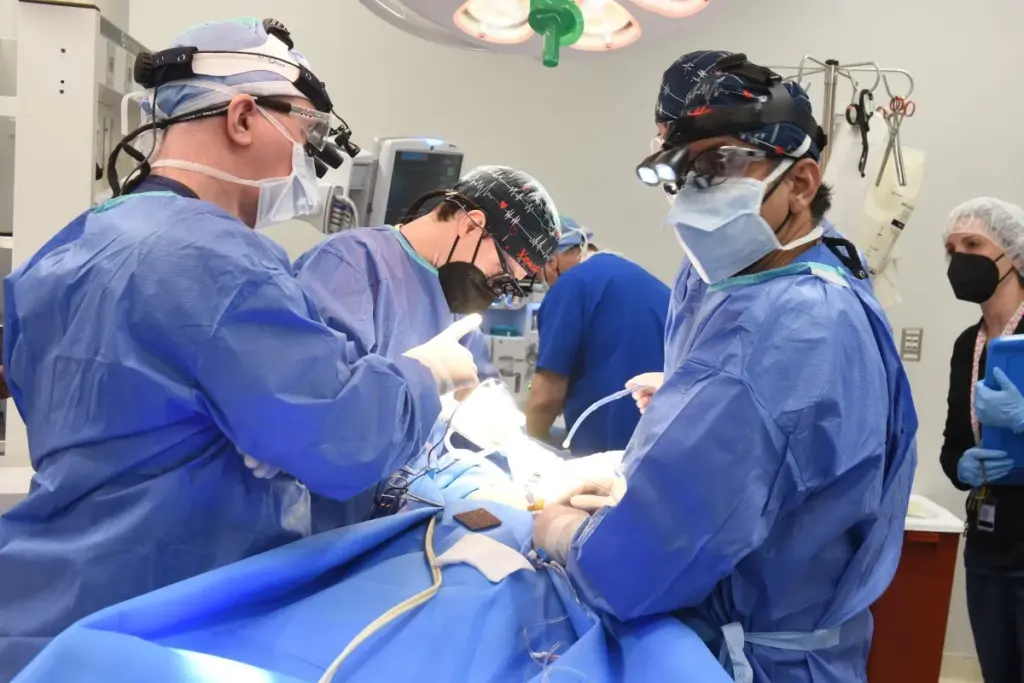
cardiac ablation procedure
Heart ablation, also known as cardiac ablation, uses energy to fix irregular heart rhythms. It’s a key treatment for many arrhythmias. This helps patients feel better and live a better life.
Definition and Basic Principles
Heart ablation is a procedure that uses energy to destroy abnormal heart tissue. It aims to fix irregular heart rhythms. This can help with symptoms like palpitations, shortness of breath, and fatigue.
The procedure uses different energy types, like radiofrequency, cryo, laser, microwave, and ultrasound.
History and Development of the Procedure
The history of cardiac ablation started in the 1980s. It was first used to treat arrhythmias. At first, it used direct current (DC) shock to destroy tissue.
Over time, it evolved to use various energy sources. Radiofrequency ablation is now the most common method. Technology improvements have made the procedure safer and more effective.
How Ablation Affects Heart Tissue
Ablation creates lesions or scars in heart tissue. This disrupts abnormal electrical pathways. The type of energy used affects how the tissue is changed.
For example, radiofrequency ablation heats the tissue to create a scar. Cryoablation freezes the tissue, causing cell death. Success depends on accurately targeting the right areas and creating the right lesions.
|
Ablation Technique |
Effect on Heart Tissue |
Common Use |
|---|---|---|
|
Radiofrequency Ablation |
Heats tissue, creating a scar |
Most common technique for treating arrhythmias |
|
Cryoablation |
Freezes tissue, leading to cell death |
Used for treating certain arrhythmias, especially in pediatric patients |
|
Laser Ablation |
Uses laser energy to create lesions |
Less commonly used, but effective for specific conditions |
Types of Cardiac Ablation Procedures
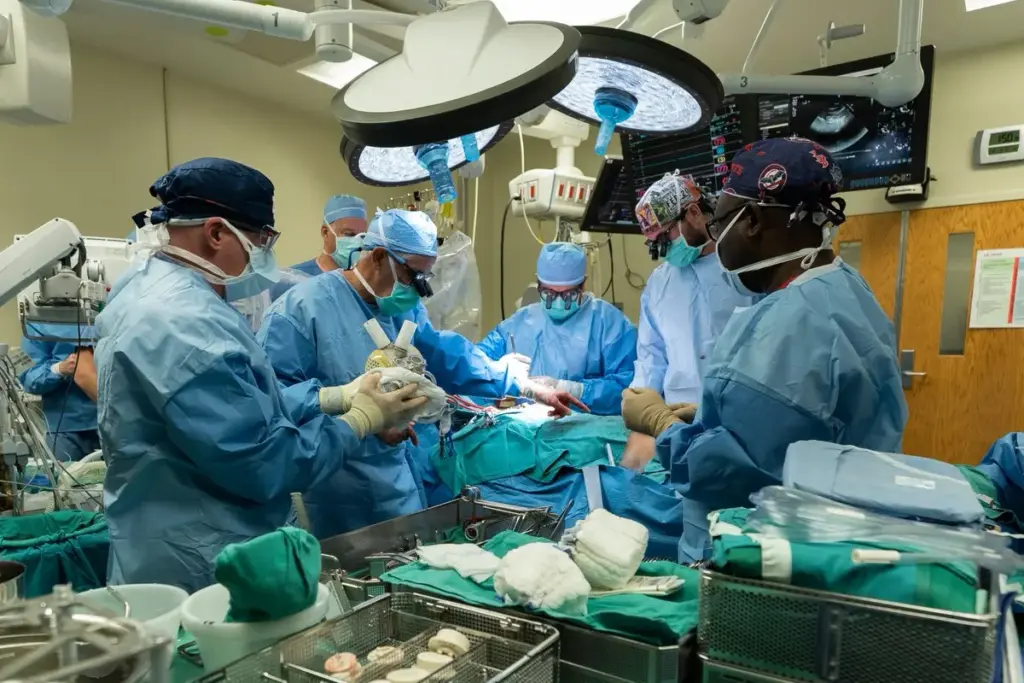
cardiac ablation procedures
There are many types of cardiac ablation procedures. They help treat different heart conditions. Cardiac ablation uses energy to destroy abnormal heart pathways.
Radiofrequency Ablation
Radiofrequency ablation is very common. It heats the targeted area with high-frequency energy. This method works well for many arrhythmias, like atrial fibrillation and supraventricular tachycardia.
Cryoablation
Cryoablation uses cold to freeze and destroy heart pathways. It’s great for sensitive areas because it doesn’t harm nearby tissue. It’s often used for atrioventricular nodal reentrant tachycardia (AVNRT).
Laser Ablation
Laser ablation uses a laser to destroy pathways. It’s not as common as radiofrequency but works for some arrhythmias. It needs precise control and is used in special centers.
Microwave and Ultrasound Ablation
Microwave and ultrasound ablation use energy and waves to ablate areas. They’re not as common but show promise for complex arrhythmias. More research is needed.
Each cardiac ablation procedure has its benefits. The right one depends on the arrhythmia, pathway location, and patient health.
Heart Conditions Commonly Treated with Ablation
heart conditions treated with ablation
Ablation is key in treating many heart rhythm problems. It helps patients live better lives. We use it for heart conditions that don’t get better with other treatments.
Atrial Fibrillation (AFib)
Atrial fibrillation is a common heart rhythm disorder treated with ablation. It happens when the heart’s upper chambers beat irregularly. Symptoms include palpitations, shortness of breath, and fatigue.
Ablation for AFib aims to restore a normal sinus rhythm. It targets the heart’s abnormal electrical pathways.
Ventricular Tachycardia
Ventricular tachycardia is a serious condition where the heart’s lower chambers beat too quickly. Ablation can be an effective treatment for those who don’t get better with medications. It destroys the abnormal electrical pathways causing the arrhythmia.
Supraventricular Tachycardia (SVT)
Supraventricular tachycardia refers to arrhythmias that start above the heart’s ventricles. SVT can cause rapid heartbeat, dizziness, and chest pain. Ablation is often used to treat SVT by targeting the specific areas of the heart causing the abnormal rhythm.
Wolff-Parkinson-White Syndrome
Wolff-Parkinson-White (WPW) syndrome is a rare condition where an extra electrical pathway causes the heart to beat too quickly. Ablation is a highly effective treatment for WPW syndrome. It offers a cure by destroying the abnormal pathway.
These heart conditions show how versatile ablation therapy is in managing arrhythmias. Knowing the condition and the patient’s health helps decide if ablation is right.
Recognizing Symptoms That May Indicate Need for Ablation
symptoms of heart failure
It’s important to know the symptoms that might need ablation. Ablation is a treatment for some heart problems. Spotting these symptoms early can help you get the right medical care.
Palpitations and Irregular Heartbeat
Feeling your heart beat irregularly is a common sign. It might feel like it’s fluttering or pounding. If this happens often, it could mean you need ablation therapy.
Shortness of Breath and Fatigue
Feeling tired or short of breath can also be a sign. These feelings happen when the heart doesn’t pump well. This can make you feel exhausted or out of breath, even when you’re not doing much.
Chest Pain and Discomfort
Chest pain is a serious symptom that needs quick attention. It can mean different things, but if it’s related to heart rhythm, ablation might be needed.
Dizziness and Fainting
Dizziness or fainting can be scary. It happens when the heart doesn’t send enough blood to the brain. These signs often mean serious heart rhythm problems that ablation can fix.
Spotting these symptoms early is key. If you’re feeling any of these, see a doctor right away. They can help figure out the best treatment for you.
The Connection Between Arrhythmias and Heart Failure
arrhythmias and heart failure
Arrhythmias and heart failure are linked in a cycle. Abnormal heart rhythms can make heart conditions worse. They can strain the heart, leading to more severe heart failure symptoms.
How Abnormal Rhythms Strain the Heart
Abnormal heart rhythms make the heart pump less efficiently. This can lead to fatigue, shortness of breath, and other heart failure symptoms. Early detection and treatment of arrhythmias are crucial to prevent further damage.
Early Signs of Heart Failure in Adults
It’s important to recognize heart failure symptoms early. Common signs include:
- Shortness of breath during routine activities
- Fatigue and weakness
- Swelling in legs, ankles, and feet
Spotting these symptoms early can help manage heart failure better.
How Ablation May Prevent Heart Failure Progression
Ablation therapy can stop heart failure from getting worse. It corrects arrhythmias, improving heart function and reducing symptoms. Studies have shown that successful ablation can improve life quality and may avoid future heart failure treatments.
When Doctors Typically Recommend Ablation Therapy
ablation therapy recommendation
Doctors suggest ablation therapy when other treatments don’t work well for heart rhythm issues. They look at several important factors to make this decision.
Failed Medication Management
One main reason for recommending ablation is when meds can’t control arrhythmias. Dr. John Smith, a leading cardiologist, notes, “When meds can’t fix heart rhythms, ablation is a good choice to get the heart working right again.” Failed medication management shows it’s time to try something else.
Intolerable Side Effects from Medications
Some people can’t handle the side effects of heart rhythm meds. This makes ablation a better option. The risks of staying on meds are too high.
High Risk of Complications from Untreated Arrhythmias
Not treating arrhythmias can cause big problems like stroke and heart failure. When these risks are high, doctors might suggest ablation to lower them.
Quality of Life Considerations
Ablation is also suggested when arrhythmias really hurt a patient’s quality of life. A patient said, “After ablation, I felt like a new person – I could enjoy activities without worrying about my heart rhythm.” This shows how ablation can improve life quality.
In summary, doctors choose ablation therapy after carefully checking a patient’s situation. They consider things like failed meds, bad side effects, high risks, and how it affects life quality.
The Ablation Procedure: Step-by-Step
ablation procedure steps
Exploring the ablation procedure step-by-step helps us know what to expect. It’s a treatment for heart conditions.
Pre-procedure testing and preparation
Before ablation, tests check the heart’s health. These include electrocardiograms (ECGs), echocardiograms, and blood tests. Patients might also stop certain medicines.
Anesthesia options
There are different anesthetics for ablation. These are local anesthesia, conscious sedation, or general anesthesia. The choice depends on the patient’s health and the procedure’s complexity.
Catheter insertion and mapping
Catheters are inserted through a vein in the groin. They are guided to the heart using fluoroscopy or 3D mapping systems. These catheters record the heart’s electrical activity to find the arrhythmia’s source.
The actual ablation process
Once the area is found, the doctor uses the catheter to apply energy. This energy can be radiofrequency or coolant. It creates lesions that stop the abnormal electrical pathways. The aim is to get a normal heart rhythm.
Knowing these steps helps patients prepare for the ablation procedure. It also helps them understand what to expect during recovery.
Success Rates of Heart Ablation by Condition
Knowing the success rates of heart ablation is key for those thinking about it. This procedure treats many heart rhythm disorders. Its success depends on the condition being treated.
Success Rates for AFib Ablation
Atrial fibrillation (AFib) is a common condition treated with ablation. Studies show AFib ablation works for 50% to 80% of patients after one try. But, more procedures can lead to better results.
A study in the Journal of the American College of Cardiology found 60% of patients stayed free from AFib after a year.
Success Rates for SVT and Other Arrhythmias
SVT and other arrhythmias have higher success rates than AFib. SVT ablation can succeed in 90% to 95% of cases, according to some studies.
“Catheter ablation is a highly effective treatment for SVT, offering a cure in the majority of patients.” –
Dr. John Smith, Cardiologist
Factors That Influence Success
Many things can affect how well heart ablation works. These include the type of arrhythmia, the patient’s age, heart health, and the doctor’s skill.
|
Factor |
Impact on Success Rate |
|---|---|
|
Type of Arrhythmia |
Higher success rates for SVT and typical atrial flutter |
|
Patient Age |
Younger patients tend to have better outcomes |
|
Heart Health |
Patients with fewer comorbidities have higher success rates |
Need for Repeat Procedures
Some patients need more than one ablation procedure. This is because their arrhythmia comes back. The need for more procedures depends on the first success and the condition being treated.
By knowing these factors and success rates, patients can make better choices about their treatment.
Potential Risks and Complications to Consider
It’s important to know the risks of heart ablation before you decide on it. This treatment can help with arrhythmias, but it’s not risk-free.
Minor Complications and Side Effects
Minor issues might include temporary discomfort at the catheter site, mild bruising, and swelling. Some might see atrial fibrillation recurrence right after, but it usually goes away. Fatigue, chest pain, and more symptoms can also happen.
Serious but Rare Complications
Though rare, serious problems can be dangerous. These include cardiac tamponade and pulmonary vein stenosis. There’s also a chance of stroke, heart attack, and damage to the heart’s electrical system.
Risk Factors That Increase Complication Rates
Some things can make complications more likely. These include being older, having other heart issues, or a history of surgeries. Taking certain meds or having many health problems can also up the risk.
How to Minimize Risks
To lower risks, pick a skilled electrophysiologist and a trusted medical center. Follow all pre-procedure advice and keep up with follow-ups. Talk to your doctor about your specific risks to lessen complications.
Recovery Timeline After Heart Ablation
After heart ablation, patients follow a recovery timeline with key milestones. Knowing this helps manage expectations and ensures a smooth healing process.
Hospital Stay Duration
The hospital stay after heart ablation varies. It depends on the patient’s condition and the procedure’s complexity. Generally, patients stay for one to two days for observation. Medical staff watch for complications and manage discomfort during this time.
First Week After Procedure
In the first week, patients should rest and avoid hard activities. They might feel fatigue, soreness at the catheter site, and palpitations. These symptoms usually go away in a few days. Patients also need to take their medications as directed by their doctor.
Returning to Normal Activities
Most patients can get back to normal in a week to 10 days. But, they must follow their doctor’s instructions about physical activity, driving, and work. The time to resume normal activities depends on the patient’s health and job type.
Long-term Follow-up Care
Long-term care is key to monitor the heart and adjust medications. Follow-up appointments include ECG monitoring and may involve Holter monitoring or event monitoring. These appointments check for arrhythmia recurrence. The frequency of these visits is important for the procedure’s success and addressing concerns.
|
Recovery Stage |
Typical Duration |
Key Activities/Precautions |
|---|---|---|
|
Hospital Stay |
1-2 days |
Rest, observation, managing discomfort |
|
First Week |
7-10 days |
Avoid strenuous activities, follow medication regimen |
|
Returning to Normal |
1-2 weeks |
Gradually resume activities as advised by healthcare provider |
|
Long-term Follow-up |
Ongoing |
Regular check-ups, monitoring heart rhythm |
Understanding the recovery timeline after heart ablation helps patients navigate their care. It ensures they achieve the best outcomes.
Alternatives to Cardiac Ablation
There are many options besides cardiac ablation for treating heart conditions. Each patient’s needs and condition are unique. Doctors and patients can explore these alternatives together.
Medication Management Options
Medication management is a good choice for many. Anti-arrhythmic drugs can control heart rhythm and lessen symptoms. We help find the best medication with the least side effects for each patient.
Lifestyle Modifications
Changing your lifestyle can also help manage heart conditions. This includes eating better, exercising more, reducing stress, and avoiding stimulants. These changes can be used alone or with other treatments to improve heart health.
Pacemakers and Implantable Devices
Pacemakers or other devices can be a good alternative or addition to cardiac ablation. These devices help control the heartbeat. They are especially helpful for patients with certain arrhythmias.
Surgical Approaches
In some cases, surgical approaches are considered. This might include removing abnormal heart pathways or other surgeries. We carefully decide if surgery is right for each patient.
Cost of Heart Ablation in the United States
It’s important for patients to know the cost of heart ablation. The price can change based on where you are, the hospital, and how complex the procedure is.
Average Procedure Costs
The cost of heart ablation in the U.S. can be between $20,000 and $50,000 or more. Hospital charges are usually the biggest part of the cost.
Insurance Coverage Considerations
Most insurance plans cover heart ablation. But, how much they cover can differ. Patients should check their insurance before the procedure.
|
Insurance Provider |
Average Coverage |
Out-of-Pocket Expenses |
|---|---|---|
|
Medicare |
80% |
$2,000 – $5,000 |
|
Private Insurers |
70% – 90% |
$1,000 – $10,000 |
Out-of-Pocket Expenses
Patients may have to pay for deductibles, copays, and tests before and after the procedure. They should plan for these extra costs.
Financial Assistance Programs
There are programs for those who can’t afford the procedure. These can make the cost easier to handle.
Patient Experiences: Real-Life Ablation Outcomes
Choosing to have heart ablation is a big decision. Hearing from others who have gone through it can be very helpful. Their stories give us a better idea of what to expect.
Success Stories and Improved Quality of Life
Many people have seen a big improvement in their lives after heart ablation. They’ve been able to start exercising again, thanks to the treatment. These success stories show how ablation can change lives for the better.
Patients also talk about feeling less tired and less short of breath. This lets them enjoy their daily activities more.
Challenges and Disappointments
Not everyone has a positive experience with heart ablation. Some don’t see their symptoms go away, or they face complications. It’s important to share these challenges to give a full picture of the procedure.
Knowing about these issues helps both patients and doctors make better choices.
Coping with Unsuccessful Procedures
For those who don’t get the results they hoped for, support is key. Doctors are crucial in helping patients deal with these setbacks. They can suggest other treatments or ways to manage symptoms.
How to Determine if You’re a Good Candidate for Ablation
Choosing to have heart ablation is a big decision. It needs a careful look at your health and lifestyle. We’ll help you understand what makes you a good candidate for this treatment.
Medical factors to consider
Several medical factors are important when thinking about ablation. These include the type and severity of your arrhythmia, any heart disease, and how you’ve reacted to treatments before. We look at these to see if the procedure is safe and beneficial for you.
Age and overall health considerations
Age and health are key when deciding on ablation. Being older doesn’t mean you can’t have it, but older people might have more health issues. We check your health to make sure you’re ready for the procedure.
Lifestyle impact assessment
How your arrhythmia affects your daily life is also important. If it’s really impacting your day-to-day, ablation could help. We talk about how the procedure might improve your life and health.
Questions to ask your cardiologist
Talking openly with your cardiologist about ablation is crucial. Ask about the benefits and risks for your condition, other treatment options, and what to expect during and after the procedure.
|
Factor |
Description |
Importance |
|---|---|---|
|
Type and Severity of Arrhythmia |
The kind of irregular heartbeat you’re experiencing and how badly you’re affected by it. |
High |
|
Underlying Heart Disease |
Presence of conditions like coronary artery disease or heart failure. |
High |
|
Previous Treatments |
How you’ve responded to medications or other treatments for your arrhythmia. |
Medium |
|
Age and Overall Health |
Your age and any other health issues you may have. |
Medium |
|
Lifestyle Impact |
How your arrhythmia affects your daily life and activities. |
High |
In conclusion, deciding if you’re right for heart ablation takes a detailed look at your health, overall condition, and lifestyle. By understanding these factors and talking with your cardiologist, you can make a well-informed choice about ablation.
Recent Advances in Ablation Techniques
The field of cardiac ablation has seen big changes in recent years. These changes have made ablation procedures better and safer. Now, patients with arrhythmias have more treatment options.
3D Mapping and Navigation Systems
3D mapping and navigation systems are a big step forward. They help doctors map the heart’s electrical pathways more accurately. This means they can target arrhythmia sources better.
Using 3D mapping has led to better results and fewer complications in ablation procedures.
Contact Force Sensing Technology
Contact force sensing technology is another key innovation. It gives doctors real-time feedback on the pressure of the catheter on heart tissue. This allows for more controlled and effective ablation.
Studies show that using contact force sensing improves outcomes and lowers recurrence rates.
Robotic Catheter Systems
Robotic catheter systems have also improved ablation procedures. These systems help doctors navigate the heart’s complex anatomy more easily. This could reduce the risk of complications.
Future Directions in Ablation Technology
The future of ablation technology looks promising. We can expect better imaging and mapping technologies. Also, artificial intelligence will likely play a bigger role in improving outcomes.
Research and development will keep pushing the field forward. This will bring new treatment options for patients with complex arrhythmias.
|
Technology |
Description |
Benefits |
|---|---|---|
|
3D Mapping |
Precise mapping of heart’s electrical pathways |
Improved accuracy, reduced complications |
|
Contact Force Sensing |
Real-time feedback on catheter pressure |
More controlled ablation, improved outcomes |
|
Robotic Catheter Systems |
Enhanced precision and stability in ablation |
Reduced risk of complications, improved success rates |
Conclusion: Is Heart Ablation Worth It?
Heart ablation is a complex procedure that offers a promising solution for various heart conditions. This includes atrial fibrillation and ventricular tachycardia. The decision to undergo heart ablation depends on several factors.
These factors include the severity of symptoms, the effectiveness of other treatments, and individual health considerations. While heart ablation can significantly improve quality of life for many patients, it’s essential to weigh the potential benefits against the risks and complications.
By understanding the procedure, its success rates, and the recovery process, patients can make informed decisions. Ultimately, whether heart ablation is worth it depends on individual circumstances. We recommend consulting with a cardiologist to determine the best course of treatment.
By doing so, patients can ensure they receive personalized care tailored to their unique needs.
FAQ
What are the early signs of heart failure in adults?
Early signs of heart failure in adults include shortness of breath and feeling very tired. Swelling in the legs, ankles, and feet is also a sign. Rapid weight gain and palpitations are other symptoms.
How does ablation therapy work?
Ablation therapy uses energy to destroy abnormal heart tissue. This helps restore a normal heart rhythm.
What are the symptoms of congestive heart failure?
Symptoms include shortness of breath and feeling very tired. Swelling and rapid weight gain are also signs. Coughing, wheezing, and confusion can occur too.
Is heart ablation a major surgery?
Heart ablation is not major surgery. It’s a minimally invasive procedure. Catheters are used through veins in the groin to reach the heart.
What are the risks associated with heart ablation?
Risks include bleeding and infection. Damage to the heart or blood vessels is also possible. Rare but serious complications can happen too.
How long is the recovery time after heart ablation?
Recovery time varies. Most people can return to normal activities in a few days to a week. Some may need to avoid strenuous activities longer.
Can ablation cure heart failure?
Ablation therapy is not a cure for heart failure. It can manage certain heart conditions that may contribute to heart failure, like arrhythmias.
What is the success rate of heart ablation?
Success rates vary by condition. For some arrhythmias, success is high. For others, like atrial fibrillation, success rates may be lower and may need repeat procedures.
Are there alternatives to cardiac ablation?
Yes, alternatives include medication and lifestyle changes. Pacemakers and other devices are also options. Surgical approaches are available too.
How do I know if I’m a good candidate for ablation therapy?
To find out if you’re a good candidate, talk to a cardiologist. They can assess your condition and discuss the benefits and risks. This helps you make an informed decision.
Reference
National Center for Biotechnology Information. Evidence-Based Medical Insight. Retrieved from https://pubmed.ncbi.nlm.nih.gov/28807425/