Did you know over 73% of the 1.9 million new cancer cases in the US are solid organ tumors? These can be treated with a new method called tumor ablation. This shift in cancer treatment is moving towards less invasive methods.
Tumor ablation therapy is a new way to fight cancer. It uses extreme heat, cold, or electrical energy to kill cancer cells. This method is guided by imaging technologies. It’s a less invasive option compared to traditional surgery.
Looking into ablation definition in cancer care shows its importance. This procedure is key in treating many types of tumors.
Key Takeaways
- Tumor ablation is a minimally invasive treatment that destroys cancer cells using extreme heat, cold, or electrical energy.
- Over 73% of newly diagnosed cancer cases in the US are solid organ tumors treatable by ablation.
- Ablation therapy offers a promising alternative to traditional surgical methods.
- Imaging technologies guide the ablation procedure to ensure precise treatment.
- Tumor ablation is becoming increasingly important in cancer care.
Ablation Definition: The Fundamentals of Tumor Destruction
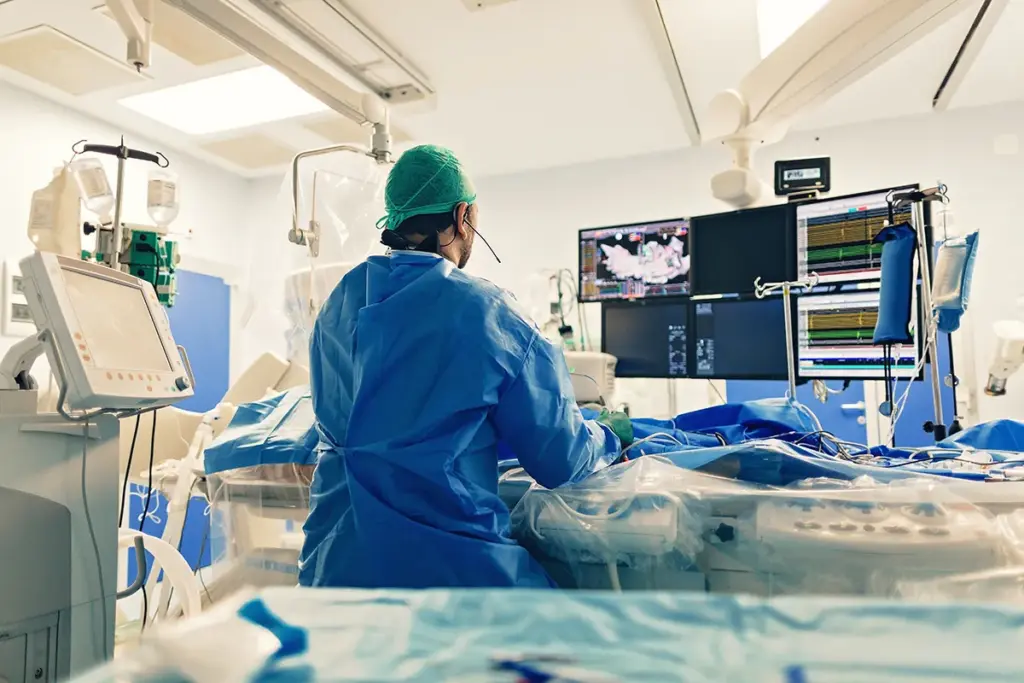
Ablation in cancer therapy means destroying tumor cells with different energy types. It’s a big deal in cancer treatment, offering a less invasive option than surgery.
The Science Behind Thermal and Non-Thermal Ablation
Tumor ablation has two main types: thermal and non-thermal. Thermal ablation uses high heat or cold to kill cancer cells. Radiofrequency ablation (RFA) and microwave ablation (MWA) use heat, while cryoablation uses cold.
Non-thermal ablation doesn’t use temperature changes. Instead, it uses electrical pulses to damage cell membranes, causing cell death. This is seen in techniques like irreversible electroporation (IRE).
|
Ablation Technique |
Method |
Application |
|---|---|---|
|
Radiofrequency Ablation (RFA) |
Heat-based |
Liver, kidney, and bone tumors |
|
Cryoablation |
Cold-based |
Prostate, liver, and kidney tumors |
|
Irreversible Electroporation (IRE) |
Non-thermal |
Pancreatic and liver tumors |
History and Evolution of Ablation Techniques
Ablation has been around for decades, but recent years have seen big improvements. Early methods often harmed healthy tissue nearby. Now, better imaging and guidance systems make ablation safer and more precise.
The global market for tumor ablation is expected to grow. It’s set to rise from $1.89 billion in 2024 to $4.08 billion by 2030. This shows how these techniques are becoming more popular in cancer treatment.
The Growing Impact of Tumor Ablation in Modern Cancer Care
Tumor ablation is changing cancer treatment, bringing new hope to patients everywhere. With advances in medical tech, tumor ablation is playing a bigger role in cancer care.
In 2023, 73% of the 1.9 million new cancer cases could be treated with ablation therapy. This means about 1.4 million patients could benefit from this non-invasive treatment.
2023 Statistics: 73% of 1.9 Million New Cancer Cases Treatable by Ablation
Tumor ablation has shown great success, especially in treating small liver tumors. Radiofrequency and microwave ablation can remove these tumors with over 85% success. This high success rate and fewer complications make ablation therapy more popular in cancer treatment.
Market Growth: $1.89 Billion to $4.08 Billion by 2030
The tumor ablation market is growing fast, showing its key role in cancer care. It’s expected to more than double, from $1.89 billion to $4.08 billion by 2030. This market growth comes from more cancer cases, better technology, and a preference for less invasive treatments.
Looking ahead, tumor ablation will be even more important in cancer treatment. It offers high success rates, quick recovery times, and can treat patients not suited for surgery. This makes ablation therapy a vital part of modern cancer care.
How Tumor Ablation Works: Mechanisms of Action
Tumor ablation is a precise medical procedure that targets cancer cells. We use advanced technologies to make sure the treatment works well and is safe. This way, we protect the healthy tissue around the tumor.
Targeting Cancer Cells While Preserving Healthy Tissue
The main goal of tumor ablation is to kill cancer cells without harming the healthy tissue. We use different methods, like heating or cooling the tumor, to achieve this. These methods can include using electrical fields or chemical agents.
Thermal ablation uses radiofrequency or microwave energy to heat the tumor. This heat kills the cells. On the other hand, cryoablation freezes the tumor cells, causing damage to their membranes.
|
Ablation Method |
Mechanism of Action |
Clinical Application |
|---|---|---|
|
Radiofrequency Ablation (RFA) |
Heat generation through electrical resistance |
Liver, kidney, and bone tumors |
|
Cryoablation |
Freezing temperatures causing cell death |
Kidney tumors, liver tumors, and prostate cancer |
|
Microwave Ablation (MWA) |
Dielectric heating of tissues |
Liver, lung, and kidney tumors |
Image-Guided Precision: The Key to Successful Ablation
Image-guided precision is key for successful tumor ablation. We use ultrasound, CT scans, and MRI to see the tumor and the area around it in real-time. This helps us place the ablation device accurately and check how well the treatment is working.
“The integration of imaging technologies into ablation procedures has significantly improved treatment outcomes by allowing for more accurate targeting and assessment of tumor destruction.” Interventional Radiologist
Dolph Lundgren’s successful lung cancer treatment with ablation shows how effective it can be. With image-guided ablation, we can target the tumor accurately. This reduces the risk of complications and improves patient results.
By combining advanced imaging with precise ablation techniques, we can treat many types of tumors successfully. The future of tumor ablation looks bright, with ongoing advancements in imaging and targeting technologies.
Major Types of Thermal Ablation Techniques
Thermal ablation techniques have changed cancer treatment a lot. They offer effective, less invasive options for patients. These methods include heat-based ablation and cryoablation, both showing great promise in fighting cancer.
Heat-Based Ablation Methods
Heat-based ablation uses high temperatures to kill cancer cells. Radiofrequency ablation (RFA) and microwave ablation (MWA) are two common methods. RFA heats the tumor with electrical currents, while MWA uses microwave energy.
These methods are good for treating tumors in organs like the liver, kidney, and lung. They are chosen based on the tumor’s size, location, and the patient’s health.
Image-guided techniques make these treatments more precise. They allow for real-time monitoring and adjustments during the procedure.
Cryoablation: The Science of Freezing Cancer Cells
Cryoablation freezes cancer cells to kill them. It uses very low temperatures to cause cell death. This method is great for tumors near important structures because it can freeze precisely, protecting healthy tissue.
Both heat-based ablation and cryoablation have their own benefits. They are chosen based on the tumor’s characteristics and the patient’s condition. As we keep improving in oncology, these techniques will likely become even more crucial in cancer treatment.
Non-Thermal Ablation Approaches
The field of tumor ablation is growing with new methods like irreversible electroporation and chemical ablation. These methods give patients more options when traditional treatments don’t work. They are especially helpful for those who can’t have traditional treatments.
Irreversible Electroporation (IRE): Electrical Field Destruction
Irreversible electroporation (IRE) uses electrical fields to kill cancer cells. It creates permanent holes in the cell membrane, causing cell death. This way, it doesn’t harm the tissues around the tumor.
Key benefits of IRE include:
- Minimal damage to surrounding tissues
- Preservation of critical structures
- Potential for treating tumors in sensitive areas
Chemical Ablation Methods: Ethanol and Acetic Acid
Chemical ablation uses substances like ethanol or acetic acid to kill tumor cells. It’s great for treating liver or thyroid tumors. The substance dehydrates and kills the tumor cells.
The advantages of chemical ablation include:
- Minimally invasive procedure
- Effective for specific tumor types
- Can be performed under local anesthesia
Exploring non-thermal ablation methods opens up new ways to fight cancer. These techniques bring hope for better treatment outcomes and quality of life for patients.
The Complete Tumor Ablation Procedure: Patient Journey
Going through a tumor ablation procedure is a detailed journey. It starts with careful preparation, moves to precise execution, and ends with post-procedure care. We focus on each step to help patients have a good outcome.
Pre-Procedure Assessment and Preparation
The first step is a detailed check-up. We look at the patient’s health, the tumor’s size and location, and any past treatments. This helps us choose the best treatment and spot any risks.
Patients then have tests like CT scans or MRI to get more info about the tumor. We also talk about their medical history, medications, and allergies.
Preparation is key for a successful procedure. We tell patients about diet changes, medication adjustments, and other steps to reduce risks.
During the Procedure: Step-by-Step Process
The procedure itself is a detailed process. We use advanced imaging to guide the ablation device to the tumor.
The steps include:
- Administering local anesthesia to reduce pain
- Inserting the ablation device under imaging guidance
- Delivering the ablation treatment, which could be thermal (heat) or non-thermal (such as irreversible electroporation)
- Monitoring the procedure in real-time to ensure accuracy and safety
Precision is paramount during the procedure. This ensures the tumor is treated well while keeping healthy tissue safe.
Immediate Post-Procedure Care and Monitoring
After the procedure, patients are watched closely for any immediate issues or side effects. We give clear instructions on care, including pain management and wound care.
Patients usually stay for a few hours before going home, unless they need to stay longer. Following our instructions is crucial for a smooth recovery.
Follow-up care is vital. It lets us check how well the treatment worked and handle any concerns or complications.
Liver Ablation: Applications and Clinical Outcomes
Liver ablation is a key treatment for primary liver cancer and metastatic liver disease. We will look at its uses and the results it brings.
Treating Primary Liver Cancer
Primary liver cancer is often found late and is hard to treat. Liver ablation is a less invasive option for those not suited for surgery. It has an 85% success rate for small tumors, making it very effective.
This method targets cancer cells well while keeping healthy tissue safe. This is key for patients with cirrhosis or other liver issues, as it helps keep liver function good.
Managing Metastatic Liver Disease
Metastatic liver disease, where cancer spreads to the liver, also benefits from liver ablation. It can stop tumor growth, ease symptoms, and improve life quality. The main advantages are:
- It’s minimally invasive with fewer side effects
- It keeps liver function by focusing on specific tumors
- It can be done again if needed
- It’s a good choice for those who can’t have surgery
Results for managing metastatic liver disease vary based on several factors. But liver ablation offers big benefits and sometimes helps patients live longer.
Liver ablation is a vital part of cancer care, offering hope and better results for liver cancer patients.
Lung Tumor Ablation: Techniques and Effectiveness
Recent advancements in lung tumor ablation have greatly improved patient outcomes. This method uses heat or cold to destroy cancer cells. It’s becoming more popular because it’s effective and has less recovery time than traditional surgery.
Patient Selection Criteria for Pulmonary Ablation
Choosing the right patients is key for lung tumor ablation success. The best candidates have early-stage lung cancer or limited metastatic disease. We look at tumor size, location, and the patient’s health to decide if they’re a good fit.
Patients with tumors near vital structures or certain health issues might not qualify.A top interventional radiologist, says, “The success of lung tumor ablation depends on choosing the right patients and using the right techniques.”
Success Rates and Recurrence Statistics
Research shows lung tumor ablation works well for smaller tumors. Success rates range from 70% to 90% at one year, based on tumor size and location. But, some patients might see the cancer come back, so we keep a close eye on them.
A study in the Journal found that patients with stage I non-small cell lung cancer did well. Their survival rate was 78% at three years. These findings are encouraging and show lung tumor ablation could be a good treatment choice.
We keep watching our patients to improve our methods and increase success rates.
Kidney Tumor Ablation: Nephron-Sparing Approach
The nephron-sparing approach of kidney tumor ablation is changing how we treat kidney cancer. It keeps the kidney working well while targeting tumors. This method is key in managing kidney tumors, giving patients a new option besides traditional surgery.
Comparative Analysis with Surgical Alternatives
Looking at kidney tumor ablation and surgery, we see big differences. Surgical resection is the usual treatment but it risks harming the kidney. Ablation, on the other hand, tries to kill tumors without harming the healthy kidney tissue.
- Minimally Invasive: Ablation uses small cuts, making recovery faster.
- Nephron-Sparing: It keeps more kidney function than partial nephrectomy.
- Repeatable: Ablation can be done again if needed, without the risks of more surgeries.
Long-term Outcomes and Renal Function Preservation
Research shows ablation works well, with good long-term results. It’s especially good for keeping the kidney working, especially for those with kidney issues.
- Local Tumor Control: Ablation is effective in controlling tumors, with low recurrence rates.
- Renal Function: Patients do better with their kidney function after ablation than surgery.
- Quality of Life: Ablation’s minimally invasive nature means quicker recovery and better life quality.
In summary, kidney tumor ablation is a big step forward in treating kidney cancer. It’s a nephron-sparing method that keeps the kidney working while treating tumors. As technology gets better, we’ll see even better results for those having this treatment.
Bone and Soft Tissue Applications of Ablation Therapy
Bone and soft tissue ablation is a big step forward in cancer treatment. It helps manage tumors in bones and soft tissues. This therapy offers effective pain management and treatment options.
Pain Management in Metastatic Bone Disease
Pain management is key for patients with metastatic bone disease. Ablation therapy is a valuable tool, providing significant pain relief. It improves the quality of life for these patients.
Studies show ablation can reduce pain in many patients. This offers a much-needed break from the pain of bone metastases.
- Significant pain relief
- Improved quality of life
- Minimally invasive procedure
- Quick recovery time
Soft Tissue Tumor Treatment Approaches
Soft tissue tumors, like those in muscles and fat, can be treated with ablation therapy. This method uses imaging to target the tumor precisely. It minimizes damage to healthy tissues.
This approach is great for patients who can’t have surgery or have tumors that keep coming back. Ablation therapy for soft tissue tumors is a big step forward. It offers new hope and better outcomes for patients.
Patient Selection: Who Is an Ideal Candidate for Tumor Ablation
To get the most from tumor ablation, it’s key to pick the right patients. Choosing the right patients is a big deal. It means looking at many things to see if ablation therapy is right for them.
Tumor Size, Location, and Number Considerations
The size, where, and how many tumors there are matter a lot. Research shows that smaller tumors do better with ablation therapy. Where the tumor is also plays a big role. Some places are harder to reach or riskier.
Tumors near important stuff like big blood vessels or organs need extra thought. If someone has many tumors, their treatment plan might be more complicated.
Medical Contraindications and Alternative Options
Some health issues might make tumor ablation not work. For example, people with serious bleeding problems or can’t do imaging-guided procedures might not be good candidates. It’s vital to look at each patient’s health and past medical history to spot risks and find the best treatment.
Other treatments like surgery, chemo, or radiation might be better for some. A team of doctors is needed to figure out the best treatment for each patient.
By carefully looking at these points and what each patient needs, doctors can pick the best candidates for tumor ablation. This helps make treatments more effective.
Benefits of Tumor Ablation vs. Traditional Surgery
Tumor ablation offers many benefits over traditional surgery. It’s less invasive and more efficient. This makes it a better choice for many patients.
Outpatient Procedure: Reduced Hospital Stays and Recovery Time
Tumor ablation is often done on an outpatient basis. This means patients don’t have to stay in the hospital for long. It’s more comfortable and safer than traditional surgery.
Recovery time is also much shorter. Patients can get back to their daily lives faster.
Key benefits of outpatient tumor ablation include:
- Reduced risk of complications
- Less post-procedure pain
- Shorter recovery periods
- Lower healthcare costs associated with shorter hospital stays
Cost-Effectiveness Analysis and Healthcare Savings
Research shows tumor ablation is cost-effective. It saves money by using fewer hospital resources and reducing recovery times. This leads to big savings in healthcare costs.
|
Treatment Aspect |
Tumor Ablation |
Traditional Surgery |
|---|---|---|
|
Average Hospital Stay |
Less than 1 day |
3-7 days |
|
Recovery Time |
1-3 weeks |
6-12 weeks |
|
Cost |
$8,000 – $15,000 |
$20,000 – $50,000 |
Quality of Life Improvements and Return to Normal Activities
Tumor ablation improves patients’ quality of life. It’s less invasive and leads to fewer complications. Patients can get back to their normal activities quickly.
The ability to resume daily activities quickly is a significant advantage for patients undergoing tumor ablation. It helps them stay independent and continue their routines without much disruption.
Choosing tumor ablation means patients get a modern, effective, and less invasive cancer treatment. It’s designed for a quicker recovery and better quality of life.
Potential Risks, Complications, and Limitations
Tumor ablation is a very effective treatment. But, it’s important to know the risks and complications. These need to be managed well to get the best results for patients.
Common Side Effects and Their Management
Side effects of tumor ablation include pain, fatigue, and fever. These are usually mild and can be managed with medication and rest. Sometimes, patients might face severe side effects like infection or bleeding, which need quick medical help.
Managing side effects well is key to patient comfort. This means watching the patient closely, using pain meds as needed, and following up to solve any issues.
Serious Complications: Incidence Rates and Prevention
Though rare, serious complications can happen with tumor ablation. These might include damage to nearby tissues, abscesses, or blood vessel problems. The chance of these issues depends on the procedure, the tumor’s location, and the patient’s health.
To lower the risk of serious problems, choosing the right patient and planning carefully are crucial. This includes a detailed check before the procedure, precise targeting during it, and watching the patient closely after. By knowing the risks and taking steps to avoid them, doctors can give patients the best care.
Prevention and preparedness are vital in managing tumor ablation risks. Being aware of possible complications and having plans to deal with them helps healthcare teams provide top-notch care and better patient outcomes.
The Future of Tumor Ablation: Innovations and Research
The field of tumor ablation is changing fast, thanks to new research and tech. We’re exploring new ways to fight cancer. Several areas are showing great promise.
Combining Ablation with Immunotherapy
One exciting area is combining tumor ablation with immunotherapy. This mix can make treatments work better. It helps the body’s immune system fight cancer cells more effectively.
This approach can target the main tumor and even small cancer cells. It could lead to better results and longer survival times.
Advancements in Imaging and Targeting Technology
New imaging and targeting tech are key to improving tumor ablation. Better imaging tools like MRI and ultrasound help doctors aim more precisely. This reduces harm to healthy tissue.
New ablation methods, like microwave and irreversible electroporation, offer more options. They’re especially useful for hard-to-reach tumors.
Expanding Applications to New Cancer Types
Our understanding of tumor ablation is growing. It’s being explored for treating tumors in different organs. This includes the pancreas, prostate, and breast.
Its ability to be minimally invasive makes it appealing. It’s a good choice for those who can’t have traditional surgery.
Tumor ablation is becoming a key part of cancer treatment. With ongoing research and new tech, its future looks bright. It offers hope and better outcomes for patients everywhere.
Conclusion
Tumor ablation is becoming a key part of cancer treatment. It offers effective ways to treat cancer for patients. Studies show it can improve treatment results and the quality of life for patients. Techniques like thermal and non-thermal ablation target cancer cells without harming healthy tissue. This shows how tumor ablation is making a big difference in cancer care. In fact, 73% of 1.9 million new cancer cases could be treated with ablation. As research keeps moving forward, we’ll see even more improvements in tumor ablation. This includes using it with immunotherapy and better imaging and targeting technology. These advancements will help treat more types of cancer, making tumor ablation even more important in cancer care.
FAQ
What is tumor ablation?
Tumor ablation is a treatment for cancer that’s less invasive. It uses heat or cold to kill tumors without harming healthy tissue.
What are the types of ablation techniques?
There are several ablation techniques. Heat-based methods like microwave ablation and cryoablation are used. Non-thermal methods include irreversible electroporation and chemical ablation.
How does tumor ablation work?
Tumor ablation targets cancer cells with energy. This energy can be heat or cold. It kills the cells while keeping healthy tissue safe. Imaging helps guide the treatment for better results.
What is the difference between thermal and non-thermal ablation?
Thermal ablation uses heat or cold to kill cancer cells. Non-thermal methods, like irreversible electroporation, use electrical fields or chemicals. They kill cells without changing the temperature much.
What is liver ablation used for?
Liver ablation treats liver cancer and metastases. It’s very effective for small tumors. It’s a good option for patients with few treatment choices.
Is tumor ablation a painful procedure?
Tumor ablation is done under local anesthesia or sedation. This makes the procedure painless. Some patients might feel pain after, but it can be treated with medicine.
What are the benefits of tumor ablation compared to surgery?
Tumor ablation is less invasive than surgery. It’s done as an outpatient procedure. Recovery time is shorter, and it’s more affordable. It improves quality of life, making it a good choice for many patients.
What are the potential risks and complications of tumor ablation?
Tumor ablation is generally safe. But, it can have side effects and rare complications. Choosing the right patients and monitoring them helps avoid these risks.
Can tumor ablation be used for all types of cancer?
Tumor ablation works for many cancers, like liver, lung, and kidney tumors. But, it depends on the tumor’s size, location, and number. Medical conditions also play a role.
What is the future of tumor ablation?
The future of tumor ablation looks bright. Research is ongoing to improve it. New technologies and treatments will make it even more effective for treating cancer.
How effective is ablation therapy for pain management in metastatic bone disease?
Ablation therapy is very effective for pain in metastatic bone disease. It gives many patients significant pain relief, improving their quality of life.
What is microwave ablation?
Microwave ablation uses microwave energy to heat and kill cancer cells. It’s a minimally invasive treatment for various tumors.
What does ablation mean in medical terms?
In medicine, ablation means removing or destroying tissue. It’s often used in cancer treatment to kill tumors.
What is irreversible electroporation?
Irreversible electroporation is a non-thermal method. It uses electrical pulses to create permanent holes in cell membranes, killing the cells. It’s used for tumors where keeping tissue structure is important.
National Center for Biotechnology Information. Evidence-Based Medical Insight. Retrieved from